

RICHI Biomass Pellet Machine——Knows Your Material, Masters Your Pellet
Wood, crop residues, and recycled waste——Proven applications across three major sectors, with biomass pellet equipment precisely matched to raw material characteristics.

Pellet Mills for Wood-Based & Forestry Materials
To handle high-hardness, long-fiber wood, this series uses alloy dies and precision rollers for pure physical molding. It delivers uniform pellets for fuel, horse bedding, or cat litter, ensuring high quality and durability.
Heavily reinforced and wear-resistant, the machine offers stable, long-lasting performance. Less downtime means higher productivity and a more reliable output.
Wood pellet machine
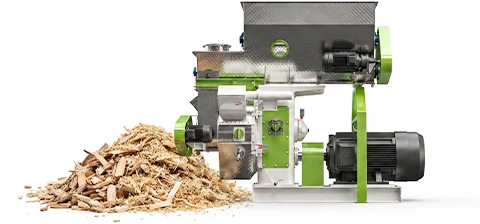
Suitable for wood-based raw materials such as sawdust, wood chips, wood scraps, and wood processing offcuts. Widely used in biomass power generation, industrial boilers, and residential heating.
Pellet size : 4-12mm
Capacity : 0.3-40+ T/H
EFB Pellet Machine
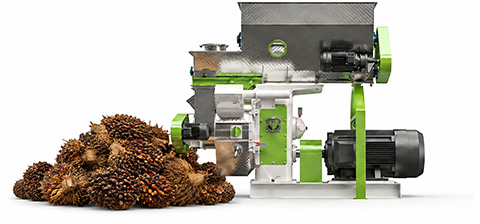
EFB is a major byproduct of palm oil extraction. Specialized pellet mills process them into fuel pellets, which can replace coal in power plants and boilers, driving extra value for the palm industry.
Pellet size : 4-12mm
Capacity : 0.3-40+ T/H
Bamboo pellet machine
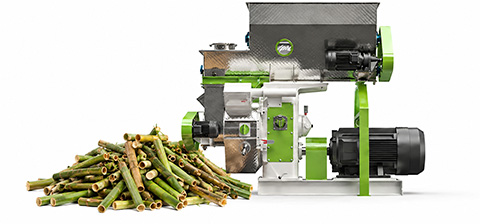
Our molding process is optimized for the unique long-fiber and resilient nature of bamboo scraps, producing solid, low-ash pellets that deliver full combustion.
Pellet size : 4-12mm
Capacity : 0.3-40+ T/H
Animal Bedding pellet machine
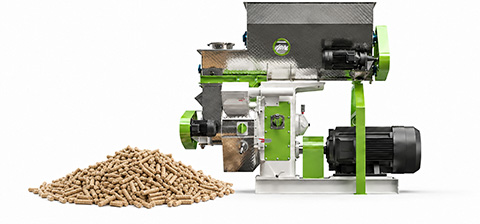
Compress raw materials like wood chips, straw, and waste paper into high-density pellets. The resulting product features strong water absorption, minimal dust, and convenient spreading and replacement.
Pellet size : 4-12mm
Capacity : 0.3-40+ T/H
Cat litter pellet machine
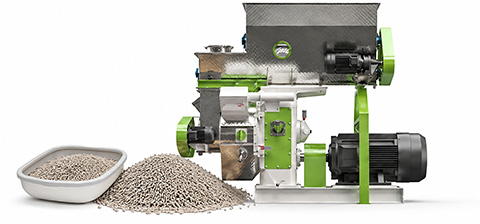
It can press bentonite, plant fiber, and wood chips into uniform, smooth pellets that are dust-resistant, non-crumbling, and form firm, cohesive clumps when wet.
Pellet size : 4-12mm
Capacity : 0.3-40+ T/H (If bentonite is used, a different unit is required, min. 1 T/H)
Olive pomace pellet machine
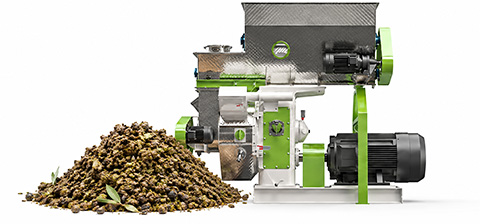
Olive pomace retains substantial energy potential after oil extraction. Our olive pomace pellet machine stands as the top solution for olive oil mills to turn waste into value.
Pellet size : 4-12mm
Capacity : 0.3-40+ T/H
Pellet Mills for Agricultural Residues
Whether it’s crop straw, processing residues, or forage, our professional pelletizing transforms them into clean energy for power plants or premium feed for livestock farms.
From energy to feed, our agricultural residue pellet mills are turning agricultural waste into valuable commodities.
Straw pellet machine
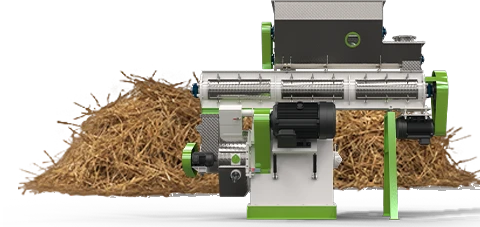
Optimizes the compression ratio based on the unique fiber properties, converting field waste into a stable source for the clean energy market.
Pellet size : 4-12mm
Capacity : 0.5-40+ T/H
Hay pellet machine
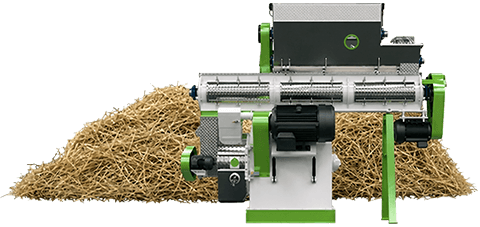
Designed for low bulk density materials like dry rice straw and straw wood, it solves the problem of loose, difficult-to-form rice straw. It can be widely used in biomass power generation, livestock bedding, and clean fuel fields.
Pellet size : 4-12mm
Capacity : 0.5-40+ T/H
Cotton stalk pellet machine
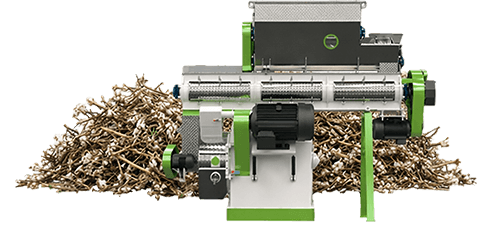
Our cotton stalk pellet machine features high-wear molds for smooth, stable forming, ensuring a long service life.
Pellet size : 4-12mm
Capacity : 0.5-40+ T/H
Bagasse pellet machine
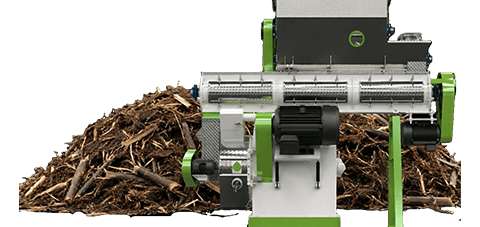
Bagasse: Long fibers, high lignin. Compressed with our dedicated molds, it’s the perfect choice for sugar mills to expand their business.
Pellet size : 4-12mm
Capacity : 0.5-40+ T/H
Peanut shell pellet machine
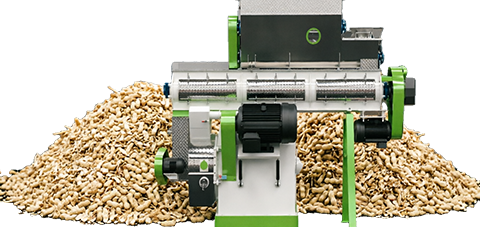
Peanut shells are rich in oil and highly lignified, giving them excellent combustion properties. With our peanut shell pellet machine, you can turn agricultural processing waste into profit with minimal investment.
Pellet size : 4-12mm
Capacity : 0.5-40+ T/H
Sunflower shell pellet machine
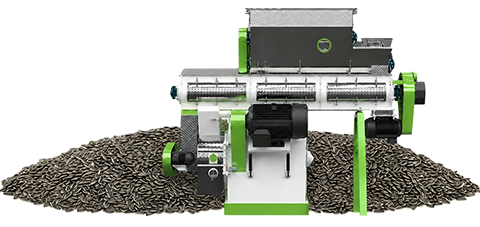
Sunflower husks are lightweight and tough, posing a major feeding challenge. We have optimized the feed mechanism and roller design to ensure superior material intake and smooth operation.
Pellet size : 4-12mm
Capacity : 0.5-40+ T/H
Husk pellet machine
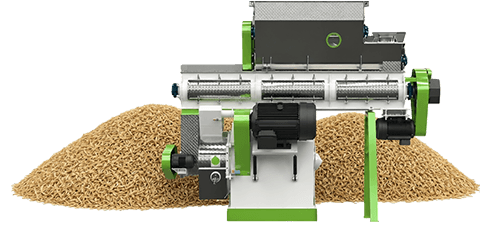
Designed for high-silica rice husk: Our optimized machine solves the tough mold wear issue and removes the burden of waste stockpiling.
Pellet size : 4-12mm
Capacity : 0.5-40+ T/H
Grass pellet machine
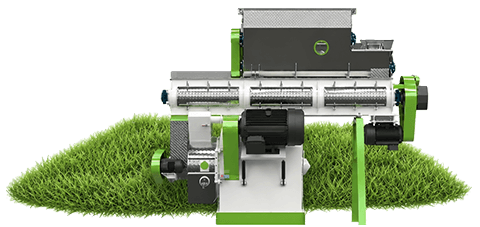
Fresh forage pellets: Lower storage & shipping costs. Controlled conditioning stabilizes moisture and prevents mold.
Pellet size : 4-12mm
Capacity : 0.5-40+ T/H
Alfalfa pellet machine
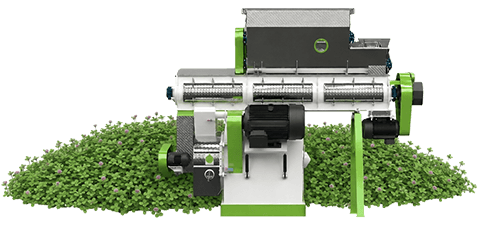
Optimized for fragile alfalfa: Minimized leaf loss, intact buds and leaves pressed in, preserving natural nutrients.
Pellet size : 4-12mm
Capacity : 0.5-40+ T/H
Pellet Mills for Recycled & Waste Materials
Solving the tough challenge of waste tires, food waste, mixed refuse, paper pulp, etc.
Our granulation technology uses physical and mechanical processes to replace chemicals and manual labor. It turns waste into resources and low-value materials into high-value products, offering an economical and green solution for solid waste recycling.
RDF pellet machine
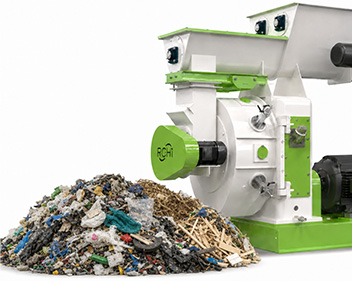
Even after sorting, crushing, and impurity removal, municipal solid waste still contains abundant combustible components. Our RDF pellet machine transforms these materials into uniform fuel pellets.
- Pellet size : 4-12mm
- Capacity : 0.3-40+ T/H
Waste paper pellet machine
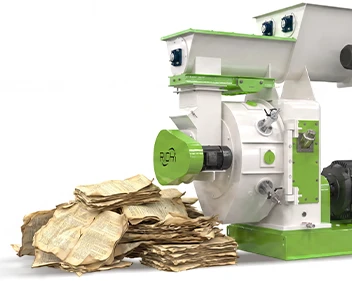
Processes waste paper like newspapers, cardboard, and office paper. The pelletized fuel ensures easy storage and conveying, suitable for power generation and heating.
- Pellet size : 4-12mm
- Capacity : 0.3-40+ T/H
Waste tire pellet machine
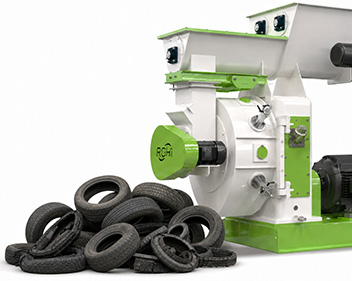
Loose crushed rubber is hard to manage and needs dedicated pelletizing equipment. The resulting pellets are perfect for pyrolysis feedstock, recycled rubber products, or sports ground surfacing.
- Pellet size : 4-12mm
- Capacity : 0.3-40+ T/H
Kitchen waste pellet machine
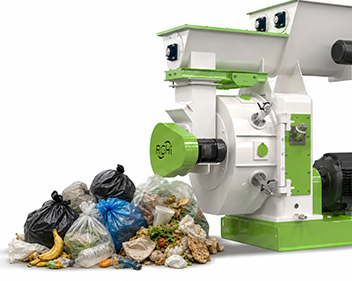
Sorted kitchen waste has a high moisture content and complex composition, making direct utilization difficult. This equipment enables these organic residues to re-enter the resource cycle.
- Pellet size : 4-12mm
- Capacity : 0.3-40+ T/H
Complete Biomass Pellet Processing Process
From standalone pellet machines to complete biomass pellet production lines, we are redefining biomass processing. Our goal goes beyond producing pellet fuel; we are building an efficient system that transforms raw materials into energy.
Through integrated processes and smart central control, we ensure precise coordination across the entire line. This is the industrial solution for efficient, continuous, and stable biomass energy production.
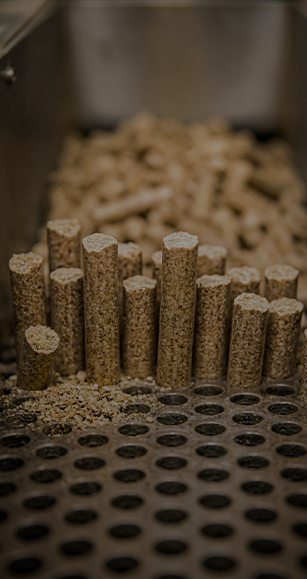
01
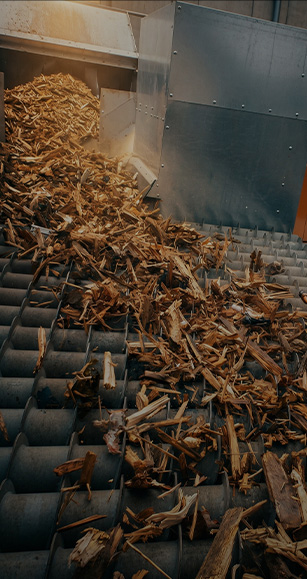
Raw Material Processing
Biomass materials rarely enter the pelletizer directly in their natural state.
Some materials are oversized, some have excessive moisture, while others are prone to tangling, bridging, or poor flowability.
Before entering the pellet machinel, they need to go through the necessary preparation process so that loose and irregular materials can be turned into a form suitable for continuous processing.
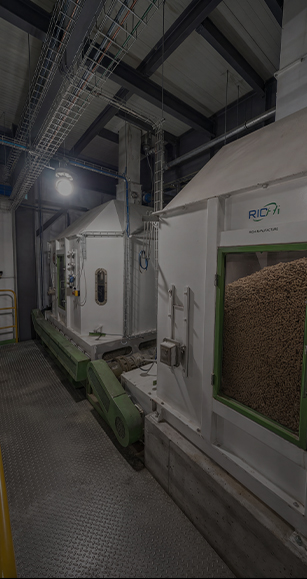
02
Pelletizing
Pelletizing is more than simply pressing materials into pellets.
Wood sawdust, straw, rice husks, palm EFB and even RDF materials all require different compression ratios, die designs and feeding methods.
Matching the right process to the right material helps achieve a balance between output, energy consumption and pellet quality, while turning low-density biomass into higher-value pellet products.
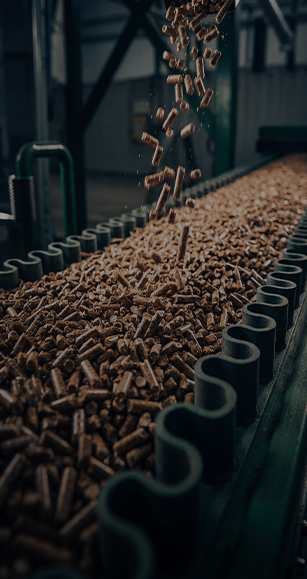
03
Finished Biomass Pellet Handling
The process does not end when pellets leave the pellet mill.
Whether the pellets are used in power plants and industrial boilers, or sold as animal bedding or cat litter, they still need to be prepared for storage, transportation and final use.
Proper handling makes the finished products easier to package, store and deliver, while meeting the requirements of different markets.
04
Auxiliary Systems
The performance of a pellet plant depends not only on the main machines, but also on how well each section works together.
Material conveying, dust collection, electrical control and central control systems may not take part in pelletizing directly, but they connect the entire process.
As production capacity increases, these supporting systems often have a greater impact on the operation of the whole plant than a single machine itself.
Application-Based Biomass Pellet Production Lines
Our pellet production lines have been field-proven across diverse sectors, including wood chips, straw, EFB, and animal bedding, ensuring long-term, stable production for our clients. From raw material analysis to line commissioning, we provide full-process support to ensure the solution is precisely tailored to your needs.
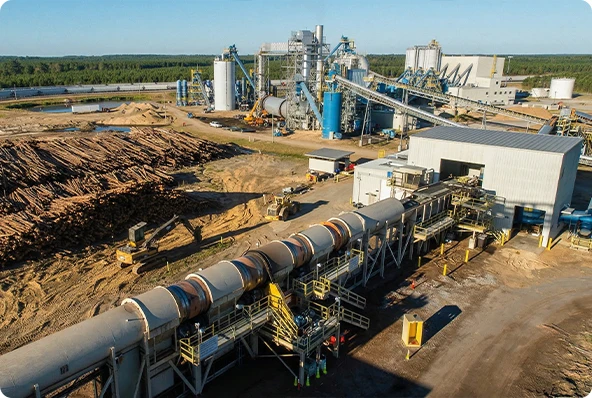
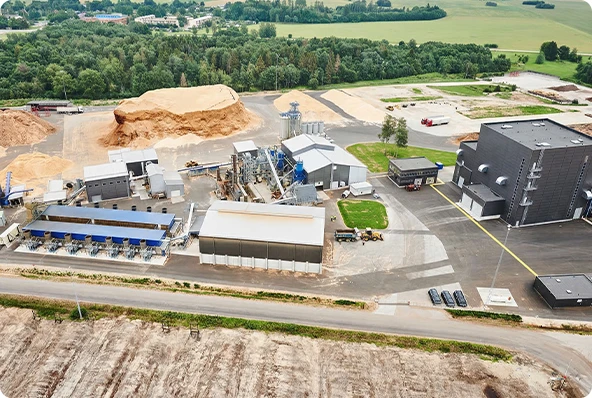
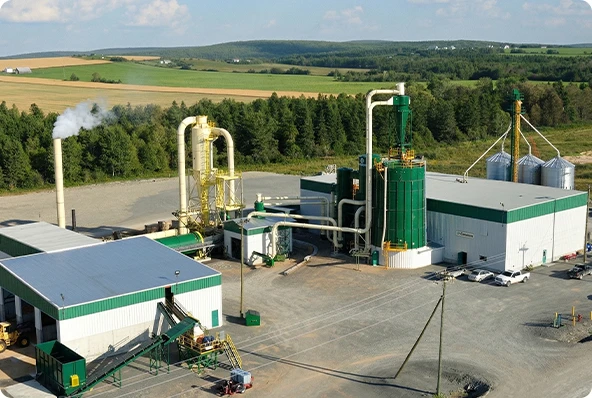
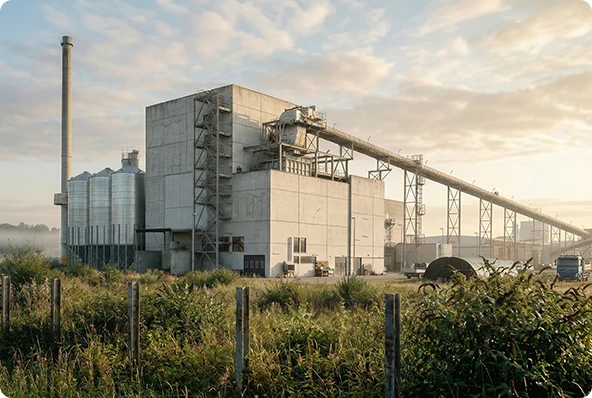
EFB Pellet Production Line
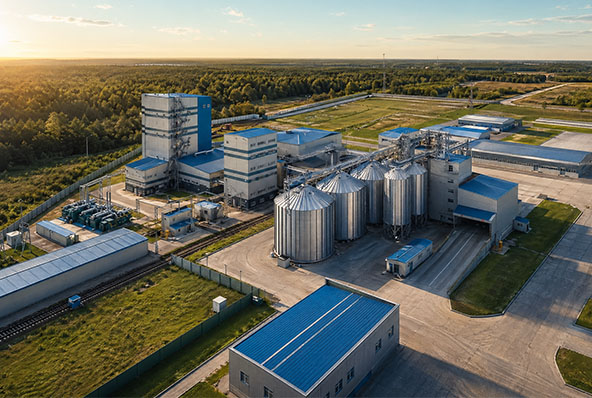
Animal Bedding Pellet Line
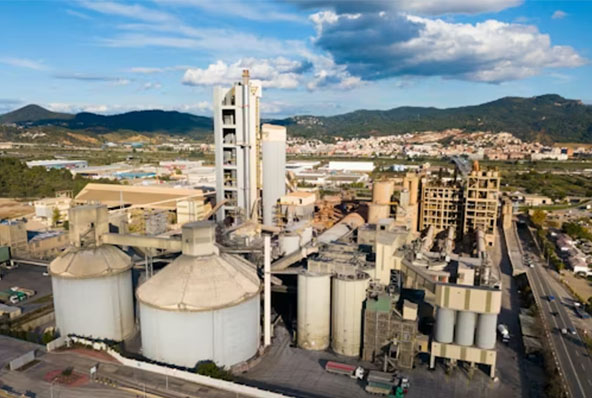
RDF Pellet Production Line
Questions You Might Have About Biomass Pellet Production
Find professional answers to common questions, covering the key processes and important considerations in biomass pellet production.
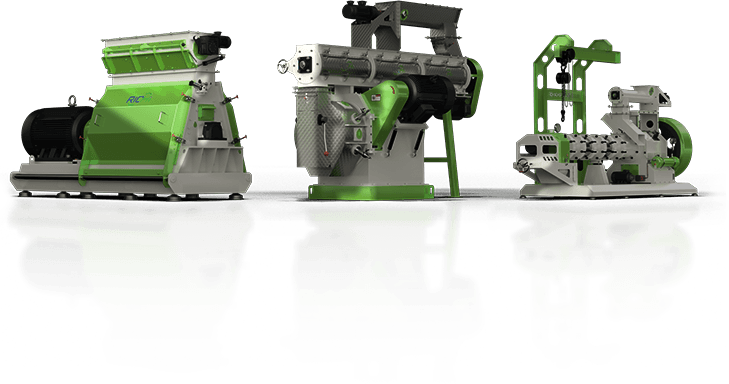
1. What is a biomass pellet machine?
A biomass pellet machine is equipment designed to process agricultural and forestry waste, as well as organic fibers, into high-density pellet fuel.
2. What raw materials have you tested your process solutions on?
We have extensive application experience with woody biomass, crop straw, and various agricultural processing by-products.
If you have unique or mixed raw materials, we will adjust the process and equipment configuration based on the material composition, ratio, and target capacity to meet your needs.
3. Our space is limited. How much area is required for this production line?
There is no standard size for the production line footprint; it mainly depends on the raw material type, production capacity, and process configuration.
For example, a small-scale pellet line typically requires only a few hundred square meters, while medium to large-scale projects may need thousands of square meters. This space must also accommodate raw material storage, finished product warehousing, and vehicle access.
Even with the same capacity, different materials have different space requirements. For instance, wood chip projects have a relatively simple process, while materials like straw and Palm Empty Fruit Bunches (EFB) usually require additional crushing and drying sections, thus increasing the footprint.
However, limited space does not mean building a pellet plant is impossible. Many projects are planned based on existing workshops. By adjusting equipment layout and process configuration, we can maximize the use of existing space while ensuring proper operation and maintenance.
If you already have a workshop or land, please provide the approximate dimensions and target capacity. We will assess the required area based on your actual situation and plan the optimal equipment layout.
4. Do different raw materials (like wood chips and straw) cause different levels of wear?
Yes, and the wear occurs at different locations depending on the material.
For example, hardwood chips are dense and hard. They exert greater pressure on the ring die and rollers, resulting in a shorter replacement cycle for wearing parts compared to softwood.Low-cost solutions may lead to frequent production line stoppages when raw materials fluctuate, shorter replacement cycles for wear parts, and higher energy consumption per ton of pellets.
Although straw materials like rice husks and wheat straw are not very hard, they have high ash and silica content, which accelerates the wear on die holes and roller surfaces over long-term production. Notably, rice husks typically cause more ring die wear than standard wood chips.
Long-fiber materials like Palm Empty Fruit Bunches (EFB) place higher demands on the feeding system and rollers. Furthermore, if the raw material is mixed with impurities like sand or metal, it will significantly shorten the service life of the ring die, rollers, and even bearings.
However, normal wear is part of pellet production and does not mean the equipment cannot process these materials. By selecting the appropriate ring die material, compression ratio, and pre-treatment process, long-term stable production is achievable for most materials. For materials with high sand content or high abrasiveness, we can add front-end processes like iron and sand removal to reduce the consumption of wearing parts.
5. What standards can your biomass pellet machines achieve for density, length, and moisture?
This depends mainly on the raw material type and the intended use of the pellets, but most of our projects meet the common requirements of the fuel pellet market.
For example, wood fuel pellets typically have a diameter of 4-12 mm and a length of 10-30 mm. The pellet density can usually reach 1.0-1.4 t/m³, and the moisture content is generally controlled between 8%-12% to meet storage, transport, and combustion requirements.
If the pellets are for animal bedding, cat litter, or other special uses, the density, length, and moisture content can be optimized by adjusting the die specifications and process parameters. For instance, bedding pellets focus more on absorbency, while export fuel pellets may need to meet standards such as ENplus or ISO 17225.
Therefore, there is no fixed set of parameters suitable for all products. The actual specifications are determined based on the material characteristics, product application, and target market requirements.
If your existing pellet production equipment passes technical testing and its parameters match, it can be integrated into the new solution’s control system and process chain, enabling seamless interconnection between old and new equipment.
6. How are different biomass materials prepared before pelletizing?
This depends entirely on the material itself.
For instance, wood chips with proper size and moisture can be pelletized directly. But long-fiber materials like straw and EFB must be crushed first. High-moisture materials also need drying.
So, we don’t use a standard solution. Instead, we design the pre-treatment process specifically for your material and capacity needs.
7. What is the production capacity range of a biomass pellet production line?
There is no fixed standard, as the capacity can be configured based on the raw material type, investment scale, and market demand.
For small-scale projects, capacity typically starts from a few hundred kilograms per hour; medium to large-scale projects can reach several tons or even tens of tons per hour. Even with the same capacity, the process configuration varies by material. For example, wood chip and straw projects have different requirements for pre-treatment and drying.
Therefore, when planning a project, we select the most suitable capacity solution by considering current needs, raw material supply, and future expansion plans.
8. Can wood chips, straw, and rice husks be pelletized together?
Yes, but not all materials are suitable for arbitrary mixing ratios.
In practice, mixtures like wood chips with straw, or wood chips with rice husks, are quite common. A reasonable ratio not only improves raw material utilization but also enhances pellet forming and combustion performance.
However, differences in fiber structure, ash content, and moisture content mean that an unreasonable ratio can affect output, pellet strength, and the service life of wearing parts. Therefore, before production, we adjust the process parameters and equipment configuration based on the material composition and final application.
9. Are binders required during the biomass pellet production process?
In most cases, no.
Common biomass materials like wood chips, straw, peanut shells, and sugarcane bagasse can be compressed using their own natural lignin under appropriate temperature and pressure, without the need for additional binders.
However, for special materials with low fiber content or poor forming performance, or for products requiring specific strength, small amounts of additives can be added as needed to improve the forming effect.

RICHI Machinery: Powering Global Pellet Production
Committed to pioneering pellet technology and industrial engineering, we leverage over 30 years of R&D expertise and global experience.
We optimize design, manufacturing, and system integration to drive the feed, biomass, and specialty industries toward efficiency, intelligence, and sustainability.
Our expert team delivers end-to-end pellet production solutions that meet international standards and align with your strategic goals for productivity and long-term growth.
60000 +m2
Square Meters of Our Factory
2000 +
Projects Running Worldwide
140 +
Countries of Our Client
200 +
Numbers of Our Team
Global Expertise & System Excellence
Advanced pellet production systems combine robustness and future-readiness, establishing industry benchmarks through technological integration and innovation.
Reliable Quality
Every machine undergoes precise and rigorous quality inspections.

Worry-Free Warranty
Supported by a global service network with fast response times.

Professional Support
Experienced technical teams provide full-cycle assistance.

Secure Payments
Multi-layer encryption ensures safe and transparent transactions.

Global Logistics
Efficient worldwide shipping ensures timely delivery to any location.
Start Your Pellet Project
Pellet production is a systematic process. Provide your raw materials and capacity needs, and we’ll create a customized solution with professional guidance for commercial production.

Address: South of intersection of Xingda Road & Hongyuan Road, Wuzhi, Jiaozuo City, Henan Province,China

Tel/WhatsApp: + 86 136 0866 8310

E-mail: enquiry@richimachinery.com



© HENAN RICHI MACHINERY CO., LTD 1995-2026 Product Line-Up / Privacy Policy
Contact Us
Please send your requirements, RICHI’s consultants will get back to you quickly.

