

Cat Litter Pellet Machine – Granulation Equipment for Tofu, Wood & Bentonite Cat Litter
Capacity Range: 1-40.0+ T/H | Main Power: 22-315 kW
RICHI MSZLH & MZLH Series Cat Litter Pellet Machine
The Cat Litter Granulator (1-40 T/H) is a specialized pelletizing machine designed for shaping cat litter granules. It plays a critical role in determining both product quality and production efficiency. By mechanically extruding mixed raw materials into uniform pellets, it serves as the essential link between raw material processing and finished product manufacturing.
As the market expands with diverse offerings like tofu, bentonite, and hybrid eco-friendly cat litter, varying raw material systems demand higher standards for granulation technology. The RICHI MSZLH & MZLH series is optimized specifically for cat litter production, delivering the versatility needed to meet the granulation requirements of different product types.
Structure and Features of the RICHI Cat Litter Pellet Mill
Our cat litter pellet machine features a modular split-body design.It integrates the feeding system, ring die system, roller assembly, transmission, pellet cutter, discharge outlet, automatic lubrication, and a PLC intelligent control system.
The layout is optimized, with compact connections between modules. We can configure the machine for various raw materials, including tofu, bentonite, and wood. This design ensures seamless continuous production, easy maintenance, and smooth integration with downstream processes.
① Feeding System
② Ring Die Pelletizing System
③ Roller Assembly
④ Transmission System
⑤ Pellet Cutting Device
⑥ Discharge Outlet
⑦ Automatic Lubrication System
⑧ Automatic Control System
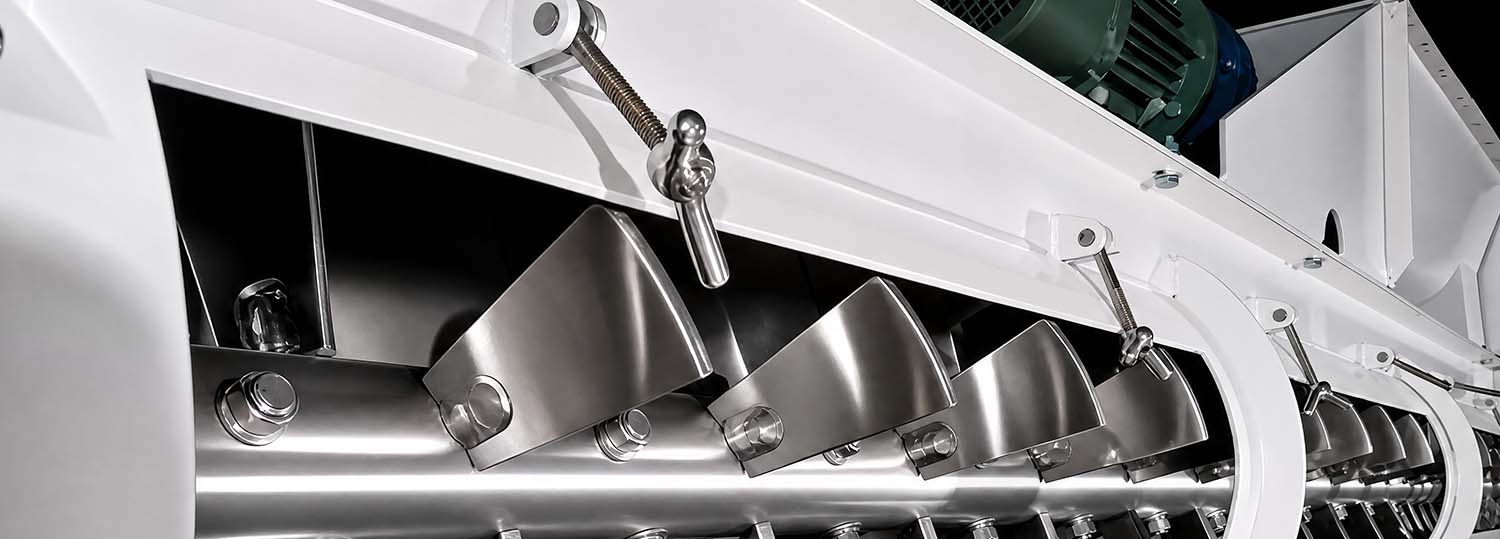
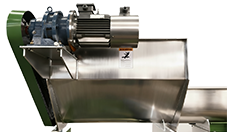
① Feeding System
We use a variable-frequency drive (VFD) design to control the feed rate. This ensures continuous and uniform supply, perfectly matching the flowability of different raw materials.
The optimized inlet structure prevents material bridging and buildup, allowing raw materials to enter the pelletizing chamber smoothly and maintaining a stable feeding state.
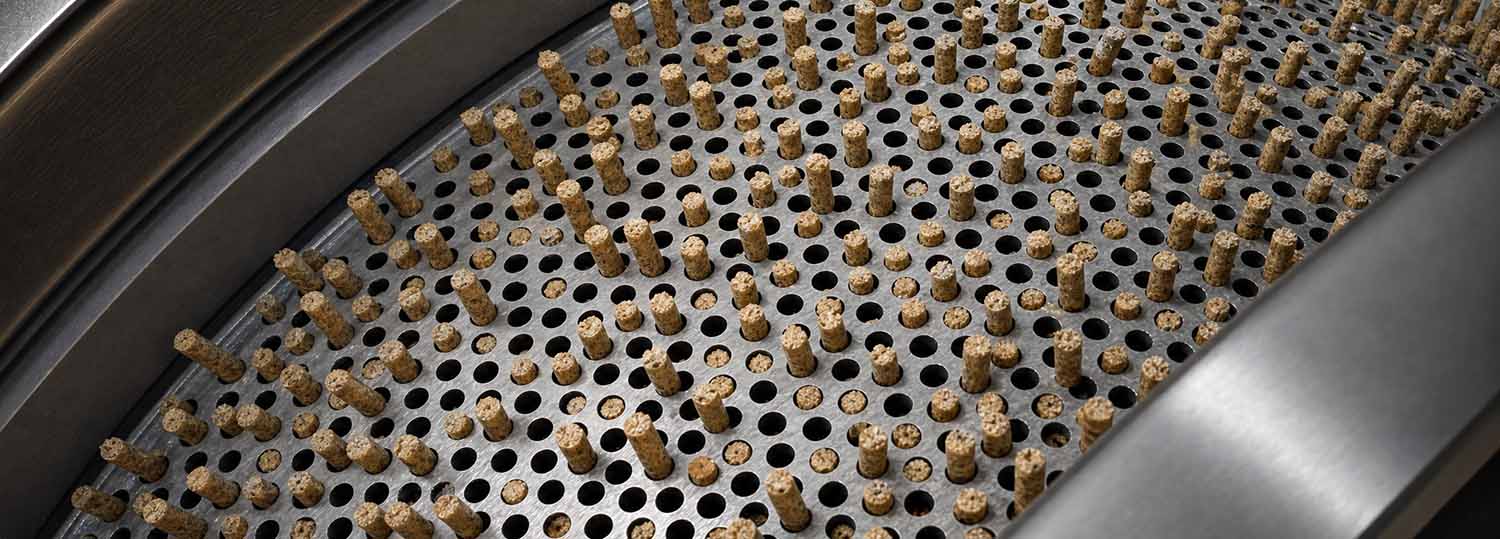
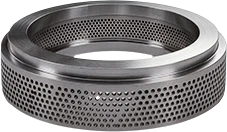
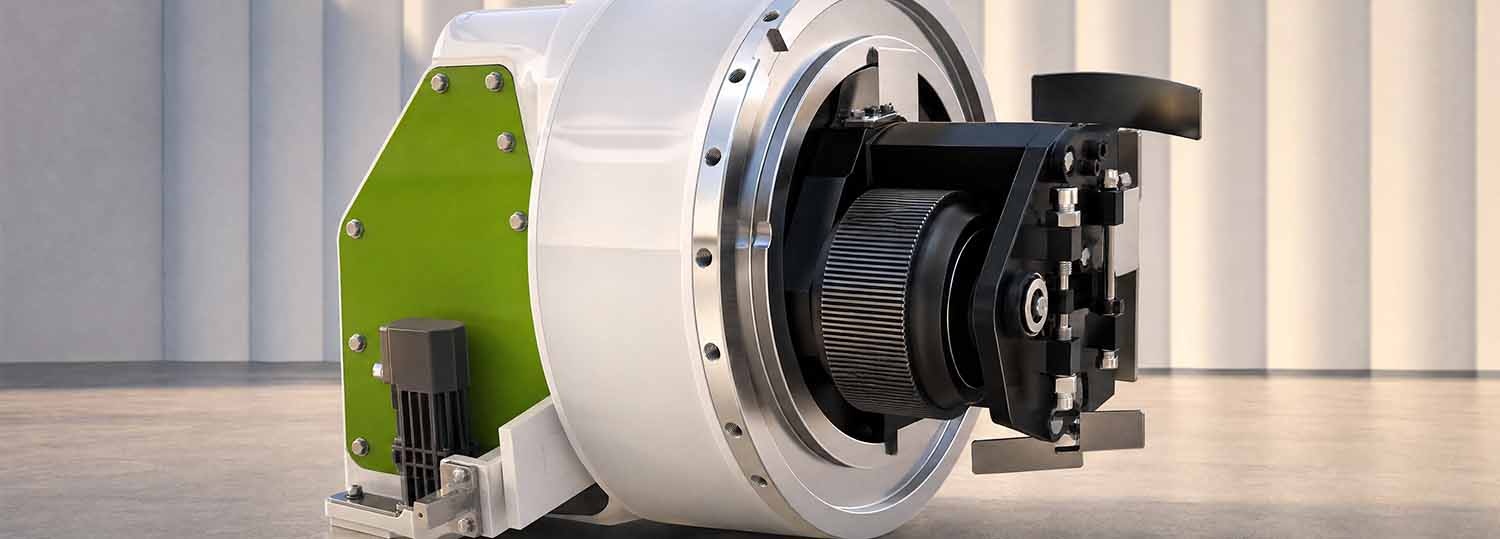
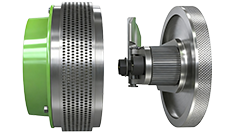
② Ring Die Pelletizing System
The ring die is the core of the pellet forming process. It is built from high-strength, wear-resistant alloy steel and treated with heat processing to maximize durability and lifespan.
We configure the die aperture and compression ratio based on specific requirements, ensuring the machine adapts to various cat litter types, pellet sizes, and molding standards.
③ Roller Assembly
The roller surface undergoes special wear-resistant treatment and is forged from wear-resistant alloy. This ensures it withstands the continuous pressure and abrasion from long-term production.
The rollers maintain a precise fit with the ring die, delivering uniform pressure during the rolling process to guarantee stable pellet formation.
④ Transmission System
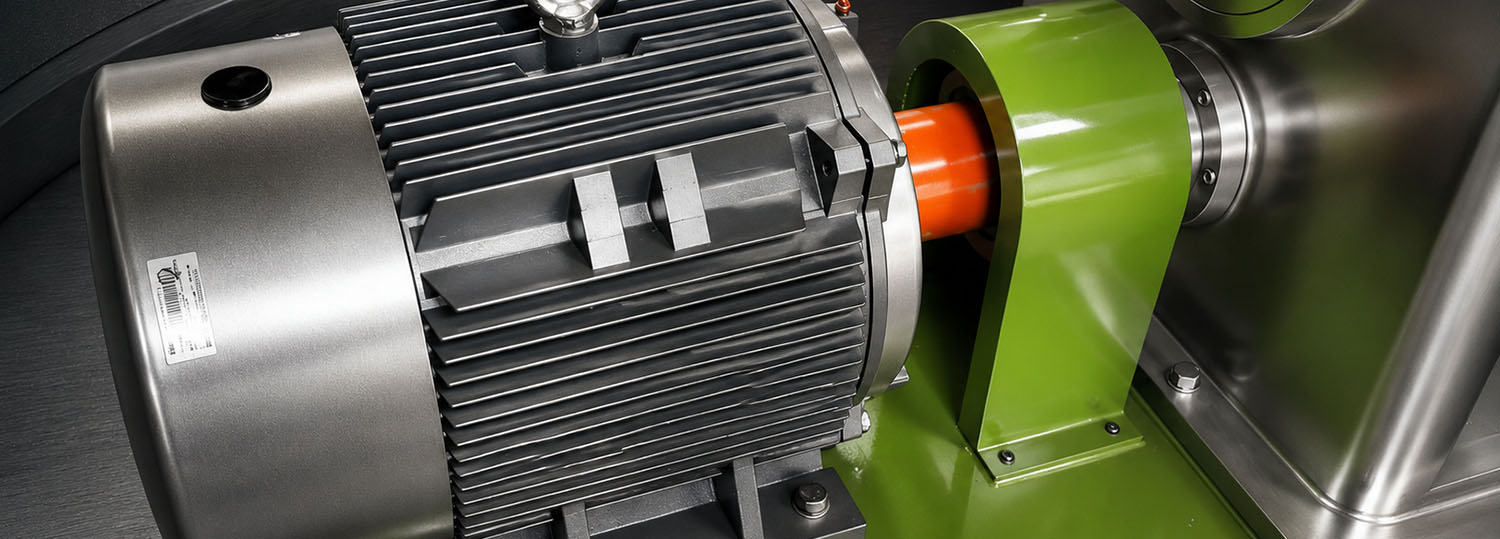
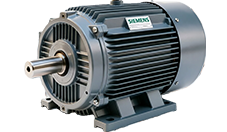
The main drive features a high-precision gear structure. This design provides direct power transmission and maximizes efficiency.
The gearbox adopts a sealed lubrication design. This minimizes oil contamination and component wear, making the system ideal for continuous, long-term operation.
⑤ Pellet Cutting Device
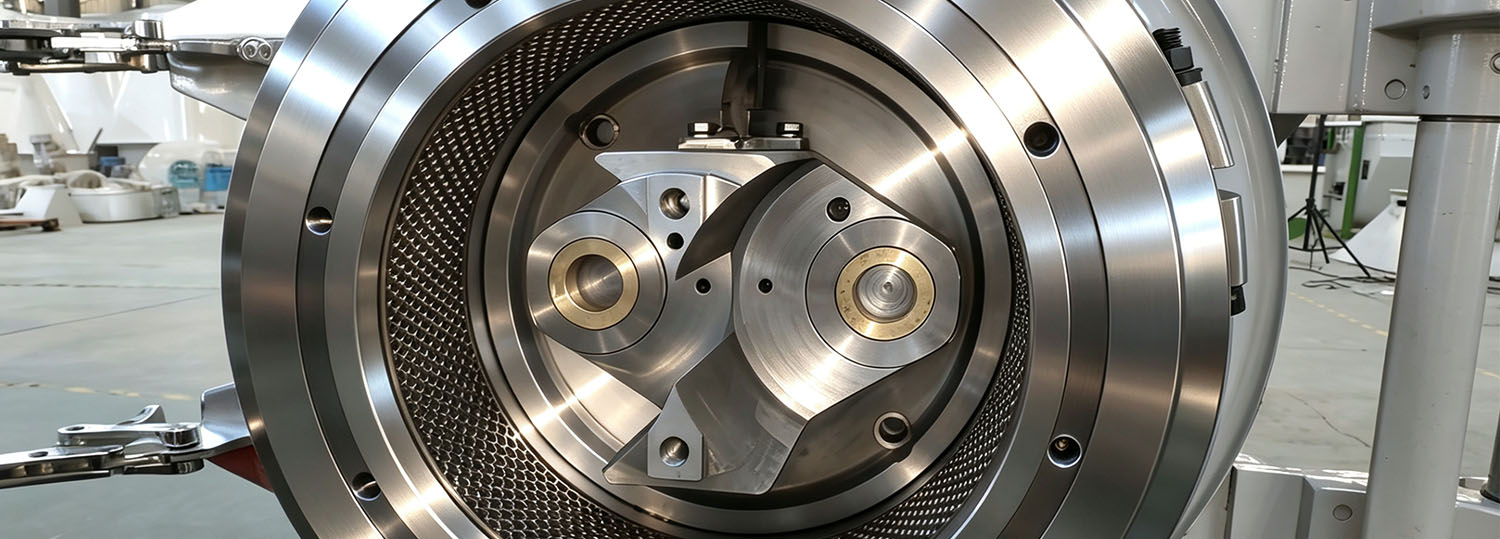
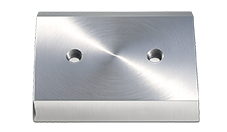
Mounted on the outer side of the ring die, this unit features an adjustable cutter. It allows for flexible control over pellet length to meet specific product requirements.
The sturdy knife holder ensures easy position adjustment, enabling the production of cylindrical cat litter pellets in various lengths.
⑥ Discharge Outlet
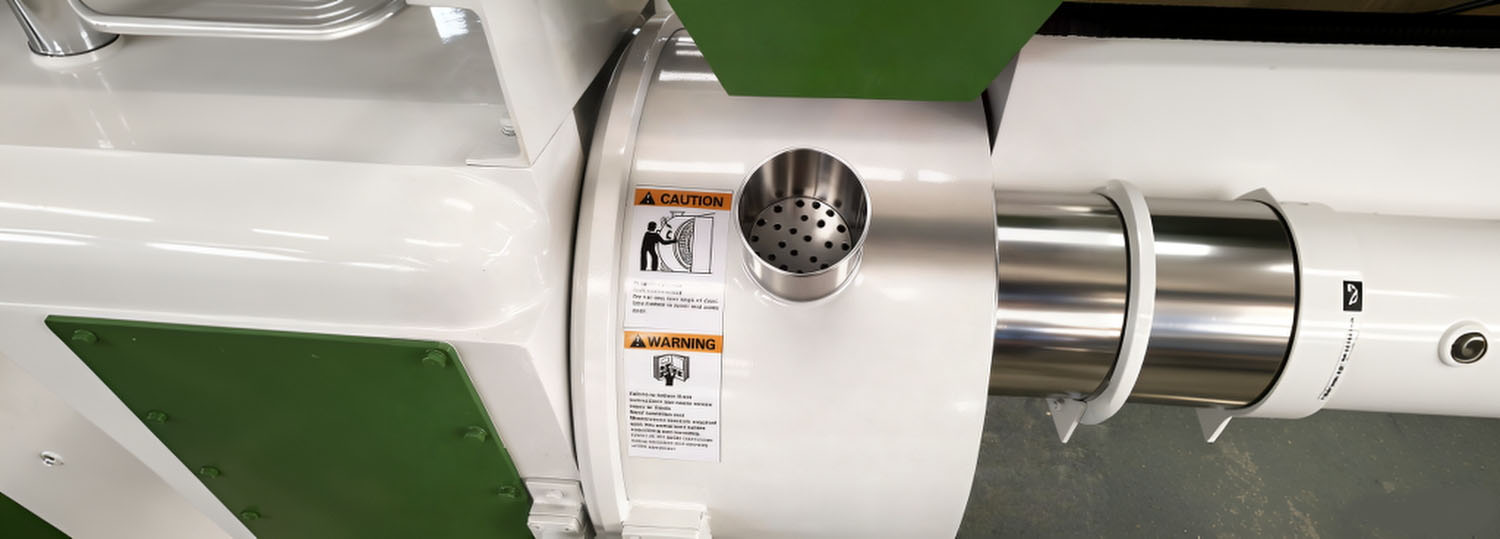
Located directly below the ring die, the discharge outlet connects seamlessly with the cutting device. Cut pellets are continuously discharged through the outlet, minimizing retention time inside the machine.
The outlet interfaces directly with subsequent equipment like coolers and conveyors, making it easy to build a continuous production line.
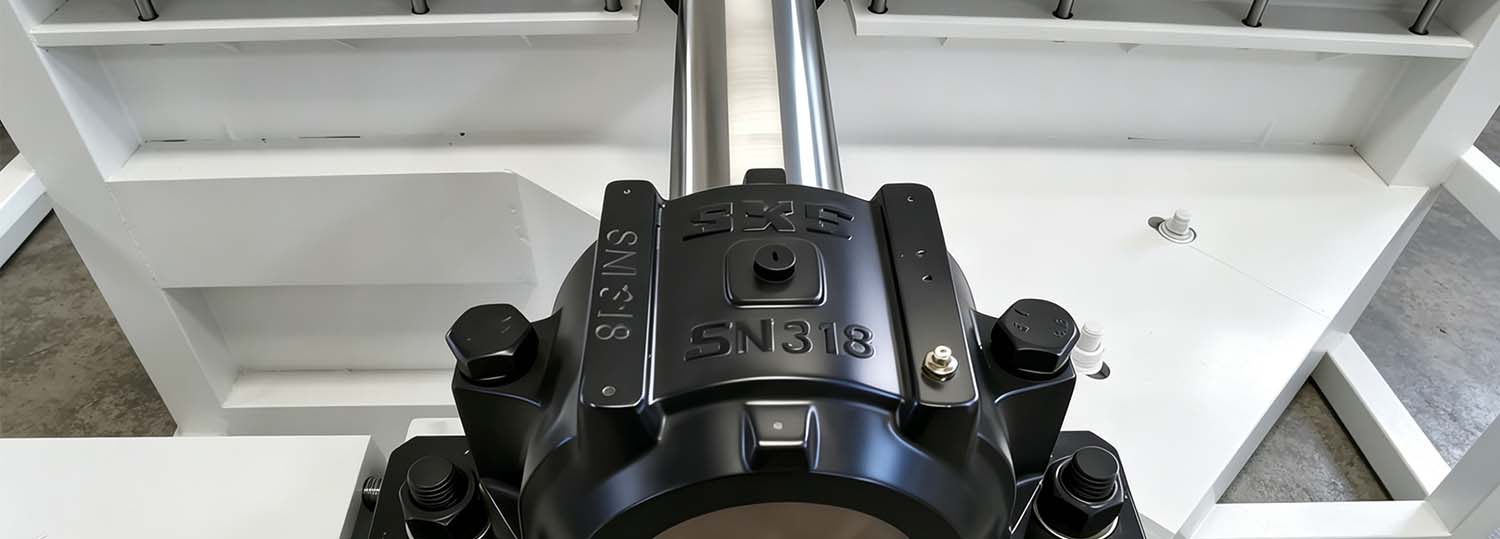
⑦ Automatic Lubrication System
We equip critical bearings and transmission parts with an automatic lubrication system. It automatically replenishes grease on a set cycle.
This reduces manual maintenance, ensures continuous lubrication, and minimizes wear on key components.
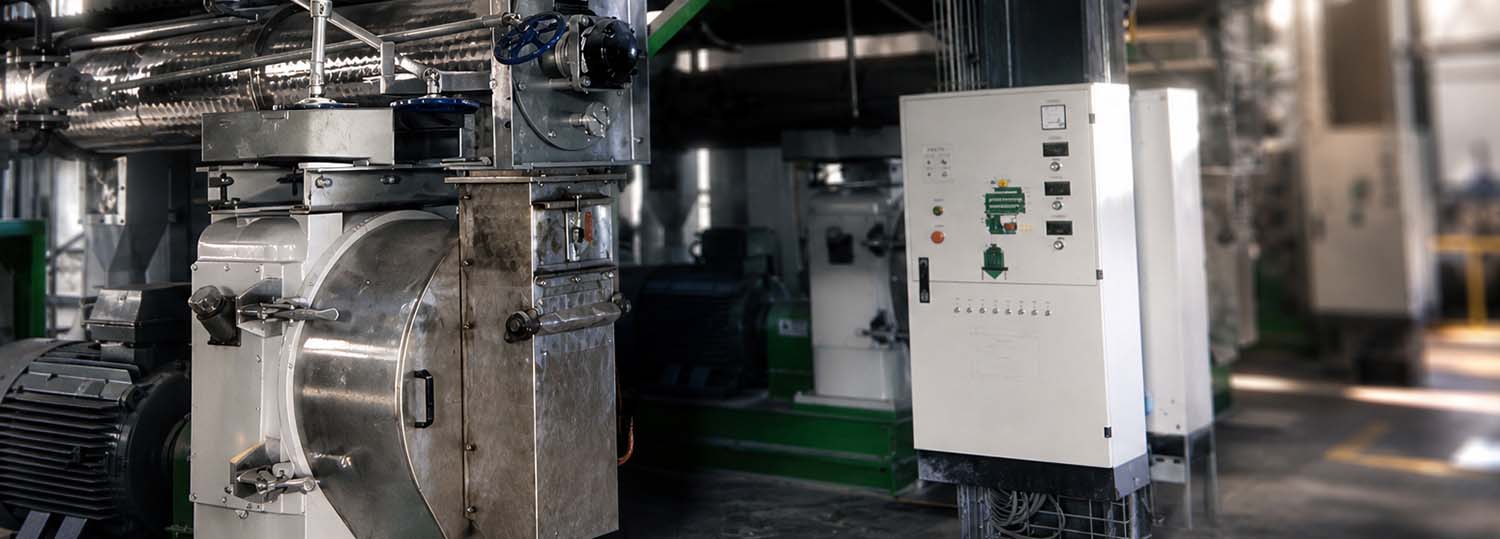
⑧ Automatic Control System
The PLC system integrates main unit control, feeding adjustment, current monitoring, and safety protection. The interface is intuitive, displaying real-time operation status.
It simplifies parameter adjustment, fault diagnosis, and daily management, boosting both operational convenience and production stability.
Working Principle of the Cat Litter Granule Machine
The formation of cat litter pellets is a continuous process. Once raw materials enter the pelletizer, they undergo a sequence of stages—conveying, extrusion, shaping, cutting, and discharge—to produce cat litter pellets that are uniform in size and regular in shape. While different types of cat litter vary in formula and production techniques, the core forming principle inside the pelletizer remains consistent.
1.
Raw Materials Enter the Pelletizing Chamber
Well-mixed raw materials, such as tofu cat litter, bentonite cat litter, or mixed cat litter formulations, are continuously fed into the pellet chamber through the feeding system.
A stable feeding rate ensures that the materials are evenly distributed between the ring die and rollers, helping maintain consistent pellet quality throughout the pelleting process.
2.
Roller Presses Raw Materials into the Ring Die Holes
Once the machine starts, the main motor drives the ring die to rotate, while the rollers rotate with it through friction. The raw materials are continuously pushed forward by the rollers and pressed into the die holes.
As the pressure increases, the loose powder or fiber materials are gradually compressed and begin to pass through the die holes.
3.
Materials are Extruded into Continuous Strands
After passing through the die holes, the compressed materials are continuously extruded from the outside of the ring die, forming long cylindrical strands.
The die hole diameter determines the pellet diameter, while the compression ratio and roller pressure affect pellet density and forming quality. Different ring die specifications can be selected to meet the processing requirements of different cat litter products.
4.
The Cutter Slices Strands into Uniform Cat Litter Pellets
As the pellet strands continue to emerge from the ring die, an adjustable cutting knife cuts them into the preset length, producing uniform cylindrical cat litter pellets.
The pellet length can be adjusted by changing the cutter position to meet different product specifications and market requirements.
5.
Finished Pellets are Discharged to the Next Process
The finished cat litter pellets are continuously discharged from the machine and transferred to the next processing stage, such as drying, cooling, screening, or packaging.
The entire pelleting process runs continuously and can process tofu, bentonite, and various blended cat litter materials, producing pellets with consistent size and appearance.
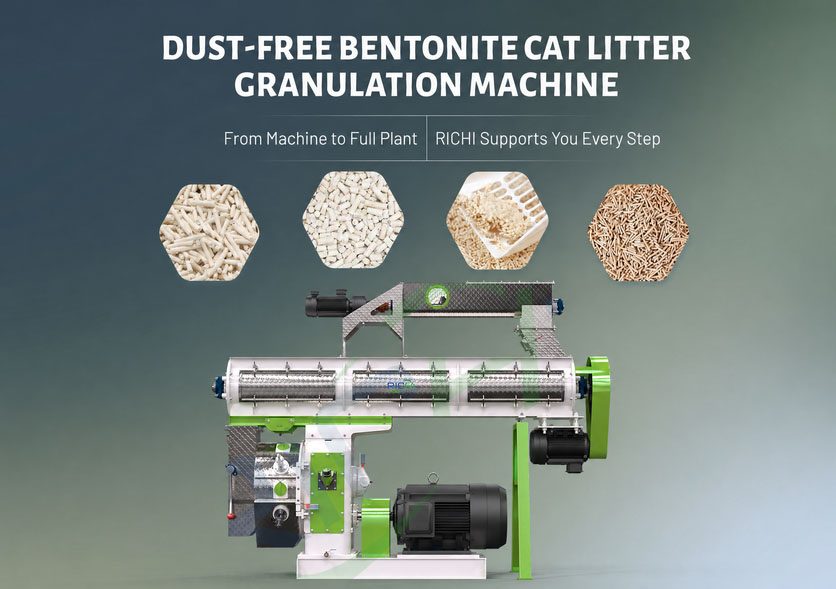
Cat Litter Pelletizer Models & Technical Parameters
Based on the production processes of different cat litter products, our cat litter pelletizers are mainly divided into two major series: MSZLH and MZLH. The MSZLH series is equipped with a conditioner, suitable for raw materials like tofu cat litter and bentonite cat litter that require the addition of moisture or liquids; the MZLH series is not equipped with a conditioner, making it more suitable for dry granulation processes for wood cat litter, paper cat litter, etc. The following parameters apply to most cat litter production projects and are for equipment selection reference only.
Actual output will vary due to differences in raw material formulas, pellet specifications, and production processes. For example, some customers add grass fiber, wood shavings, or other plant fibers to tofu cat litter, and such special formulas usually affect equipment capacity. If you have specific raw material formulas or output requirements, please feel free to contact us. We will recommend the appropriate equipment model based on your actual situation and provide corresponding capacity reference.
MSZLH Cat Litter Pellet Mill for Tofu & Bentonite Litter
| Model | Capacity (T/H) | Main Motor Power (kW) | Feeder Power (kW) | Conditioner Power (kW) | Ring Die Inner Diameter (mm) | Finished Pellet Diameter (mm) |
| MSZLH250 | 1.0–1.5 | 22 | 1.1 | 1.5 | 250 | 2–12 |
| MSZLH320 | 3–4 | 37 | 1.5 | 4 | 320 | |
| MSZLH350 | 5–6 | 55 | 1.5 | 4 | 350 | |
| MSZLH420 | 10–12 | 110 | 1.5 | 7.5 | 420 | |
| MSZLH508 | 15–16 | 160 | 1.5 | 7.5 | 508 | |
| MSZLH558 | 20–22 | 185 | 1.5 | 11 | 558 | |
| MSZLH678 | 30–33 | 250 | 1.5 | 11 | 673 | |
| MSZLH768 | 38–40 | 315 | 2.2 | 11 | 762 |
MZLH Cat Litter Pellet Mill for Wood/Paper Cat Litter
| Model | Capacity (T/H) | Main Motor Power (kW) | Anti-bridging Feeder Power (kW) | Forced Feeder Power (kW) | Ring Die Inner Diameter (mm) | Finished Pellet Diameter (mm) |
| MZLH320 | 0.2–0.3 | 22 | 2.2 | 0.75 | 320 | 4–12 |
| MZLH350 | 0.3–0.5 | 37 | 2.2 | 0.75 | 350 | |
| MZLH420 | 1.0–1.2 | 90 | 3 | 1.5 | 420 | |
| MZLH520 | 1.5–2.0 | 132 | 3 | 1.5 | 520 | |
| MZLH678 | 2.5–3.0 | 200 | 3 | 1.5 | 673 | |
| MZLH768 | 3.0–4.0 | 250 | 4 | 1.5 | 762 |
Advantages of RICHI Cat Litter Pellet Machine
Different raw materials demand different processing solutions. Focusing on pellet quality, operational stability, and continuous production, RICHI continuously optimizes key components and overall configuration. Our machines are built to handle diverse cat litter types while delivering consistent, reliable performance.

Greater Flexibility in Raw Material Handling
As the cat litter market diversifies, manufacturers are expanding from single products to tofu, bentonite, and hybrid cat litter. RICHI pelletizers allow you to configure ring die parameters and granulation processes for different materials. You can process multiple products without changing the entire machine, leaving ample room for product upgrades and new development.
Consistent Pellet Quality
For cat litter, uniform pellet size and appearance are critical to packaging and product quality. We ensure optimal matching between rollers, ring dies, and cutting devices. This guarantees even pressure on the raw materials, delivering cat litter pellets that are consistent in size and shape.
Handles High-Abrasion Raw Materials with Ease
Mineral raw materials like bentonite accelerate the wear on ring dies and rollers. Frequent part replacements raise maintenance costs and disrupt production. To solve this, RICHI uses wear-resistant materials and heat treatment for critical components. This ensures a long service life, even under high-abrasion conditions.
Stable Performance for Continuous Production
For large-scale operations, frequent downtime hurts output and disrupts schedules. Our high-precision gear transmission works with a stable feeding system to ensure continuous operation. The machine is built for long hours and high-volume cat litter production.
Flexible Product Switching
Market demands for pellet size and length vary, especially for export. By simply changing the ring die or adjusting the cutter, you can produce different specifications. This minimizes equipment costs when switching between products.
Easy Operation & Parameter Adjustment
Equipped with a PLC intelligent control system, the machine displays key parameters in real time. Operators can quickly start, stop, and adjust settings. This significantly shortens machine debugging time, even when switching to different products.
Efficient Maintenance
Less downtime means more production time. Our split-body structure and optimized service space make it easy to remove and install wear parts like the ring die, rollers, and cutter. This saves significant time on daily inspections and replacements.
Seamless Integration into Production Lines
Whether for a new factory or an expansion, our cat litter pelletizer integrates easily with crushing, mixing, drying, cooling, screening, and packaging equipment. It can also operate as a standalone unit, making future capacity expansion simple.
Typical Applications of RICHI Cat Litter Manufacturing Machine
Competition in cat litter goes beyond formulas—it hinges on processing technology. Though different cat litter products all use granulation, their requirements for raw material properties, granulation methods, and equipment configurations vary.
RICHI offers tailored pelletizing solutions for a wide range of cat litter applications. Explore the typical applications below to find the recommended machine for your product.
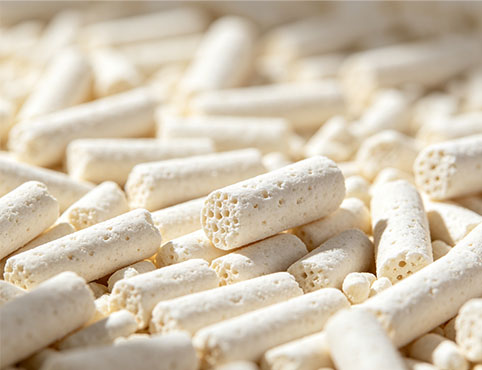
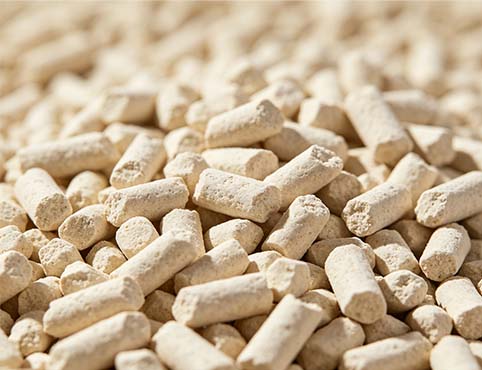
Tofu Cat Litter Production
- Main Raw Materials: Plant-based ingredients including soybean residue, soy fiber, and corn starch.
- Recommended Machinl: MSZLH Series Tofu Cat Litter Pellet Machine
- Capacity: 1-40T/H
- Tofu Cat Litter Features: Flushable, fast clumping, low dust, and biodegradable.
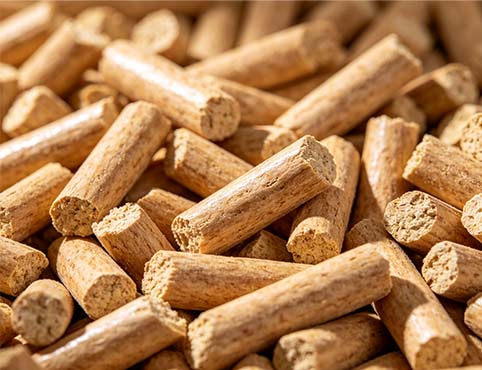
Bentonite Cat Litter Production
- Main Raw Materials: Mineral ingredients including sodium bentonite, calcium bentonite, and zeolite.
- Recommended Machine: MSZLH Series Bentonite Cat Litter Pellet Machine
- Capacity: 1-40T/H
- Bentonite Cat Litter Features: High absorbency, fast clumping, superior odor control, and high pellet strength.
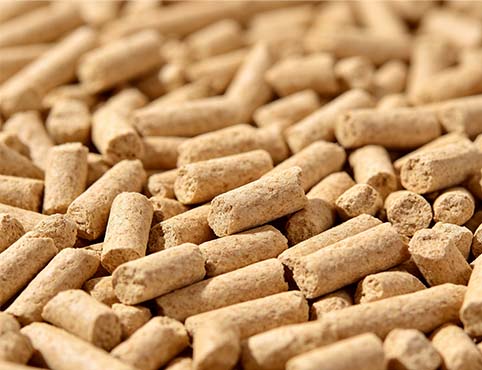
Wood Pellet Cat Litter Production
- Main Raw Materials: Wood-based fibers including pine, wood chips, and sawdust.
- Recommended Machinel: MZLH Series Wood Cat Litter Pellet Mill
- Production Capacity: 1-40T/H
- Wood Pellet Cat Litter Features: Natural wood scent, low dust, biodegradable, and excellent moisture absorption.
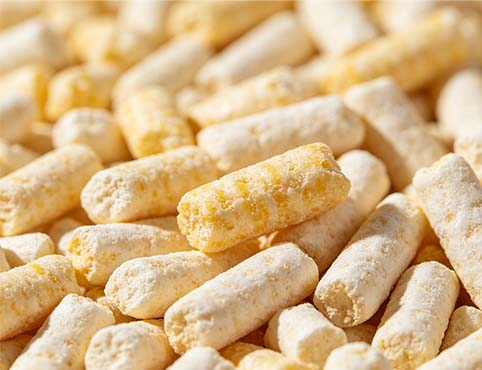
Paper Cat Litter Production
- Main Raw Materials: Recycled paper fibers including paper pulp and waste paper.
- Recommended Machine: MZLH Series Paper Cat Litter Pelletizer
- Capacity: 1-40T/H
- Paper Cat Litter Features: Natural wood scent, low dust, biodegradable, and excellent moisture absorption.
Corn Cat Litter Production
- Raw materials: corn fiber, corn starch, corn cob powder and other plant-based materials
- Recommended Machine: MSZLH Series Corn Cat Litter Granulator
- Capacity: 1–40 T/H
- Corn Cat Litter: natural plant-based, fast clumping, low dust, biodegradable
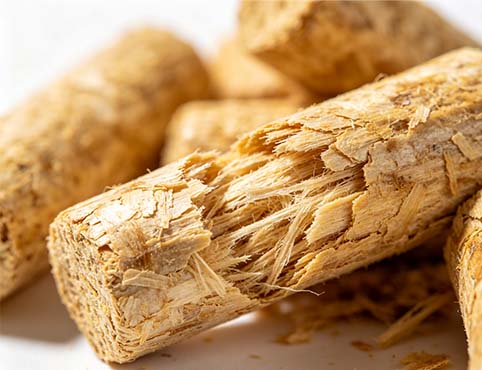
Plant Fiber Cat Litter Production
- Raw materials: bamboo fiber, bagasse, rice husk fiber, wheat straw and other plant fibers
- Recommended Machine: MSZLH / MZLH Series Plant Fiber Cat Litter Granule Machine
- Capacity: 1–40 T/H
- Plant-based Cat Litter: wide raw material sources, low dust, biodegradable, flexible formulation
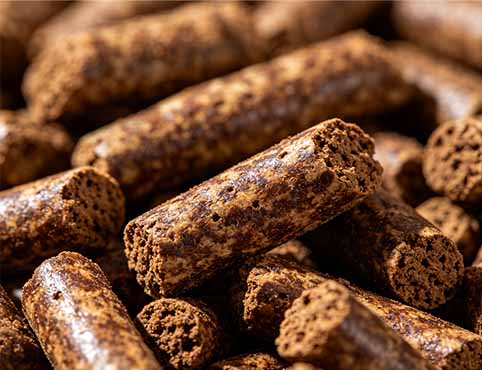
Coffee Grounds Cat Litter Production
- Raw materials: coffee grounds, wood sawdust, plant fibers and other blended materials
- Recommended Machine: MZLH / MSZLH Series Coffee Cat Litter Making Machine
- Capacity: 1–40 T/H
- Coffee Grounds Cat Litter Features: natural odor control, waste recycling, biodegradable, product differentiation
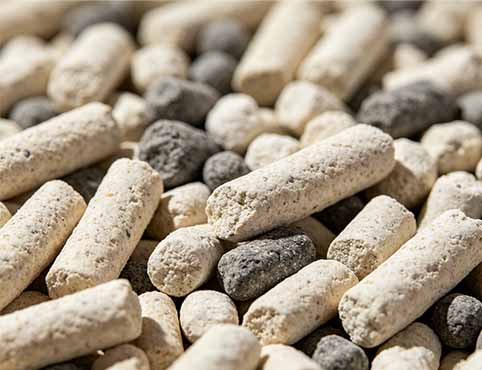
Mixed Cat Litter Production
- Raw materials: tofu cat litter materials, bentonite, plant fibers, wood sawdust and other blended formulas
- Recommended Machine: MSZLH Series Mixed Cat Litter Pellet Mill
- Capacity: 1–40 T/H
- Mixed Cat Litter Features: flexible formulation, balanced performance, combines clumping & eco-friendliness, meets diverse market needs
Cat Litter Pellet Production Related Videos
Explore our video library covering cat litter production. From biomass machinery and tofu litter testing to bentonite granulation, these clips show real field operations. See the superior performance of our equipment across diverse materials and witness the final product quality.
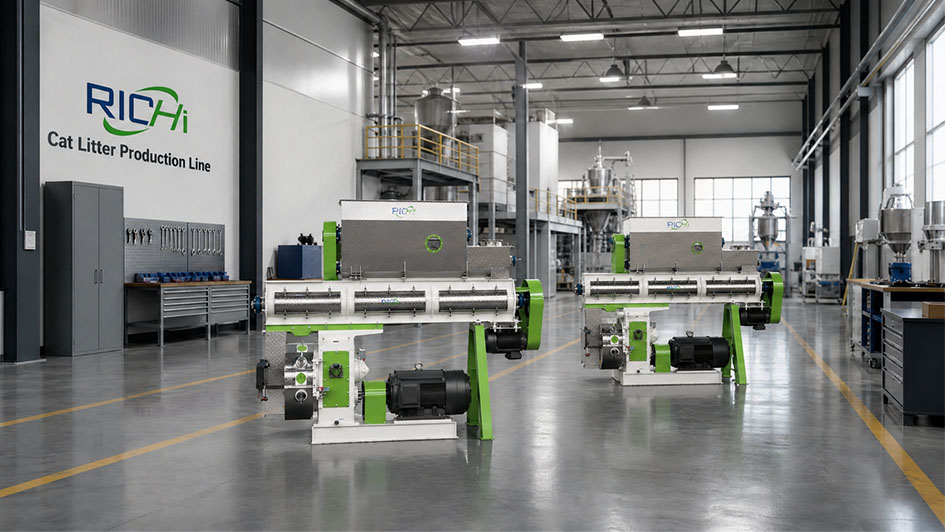

RICHI Biomass Pellet Machine (Animal Bedding Use) – Full View Operation Video
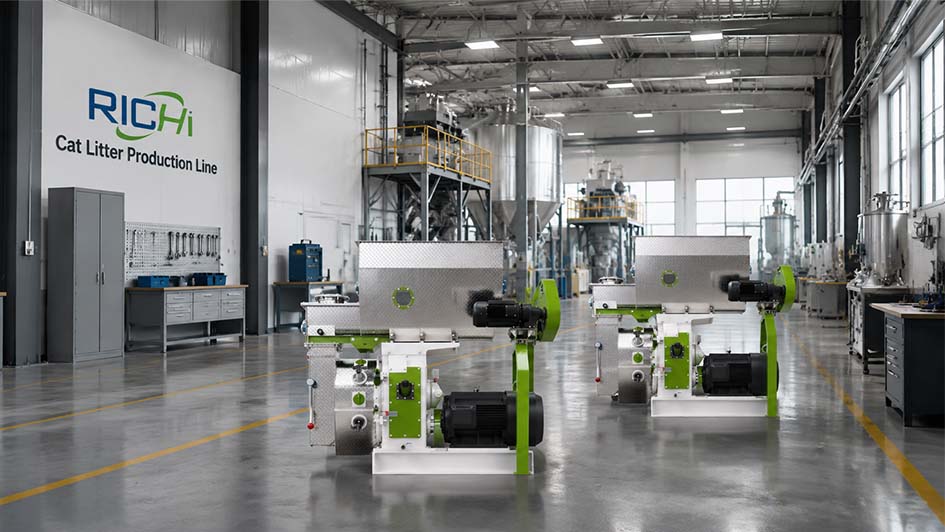
RICHI Tofu Cat Litter Pellet Machine – Finished Pellets Quality Test
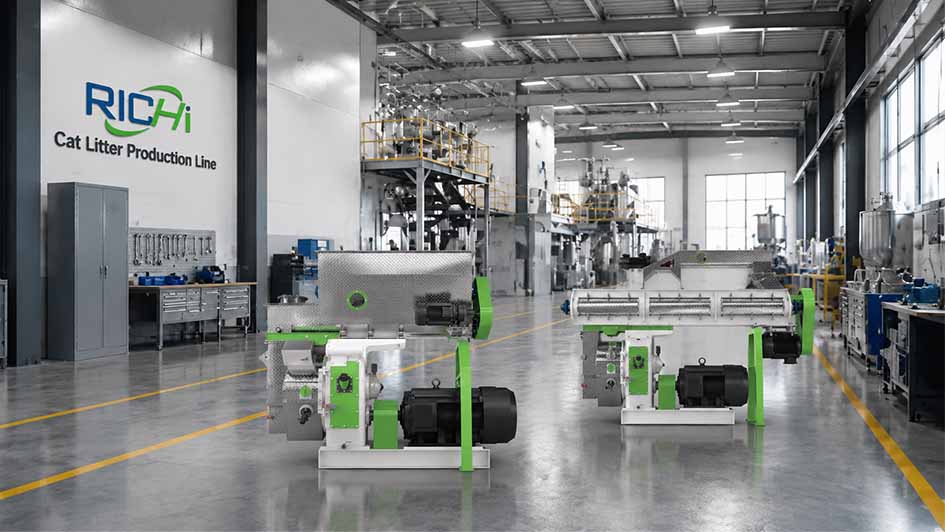
RICHI Bentonite Cat Litter Pellet Mill – Operation Video
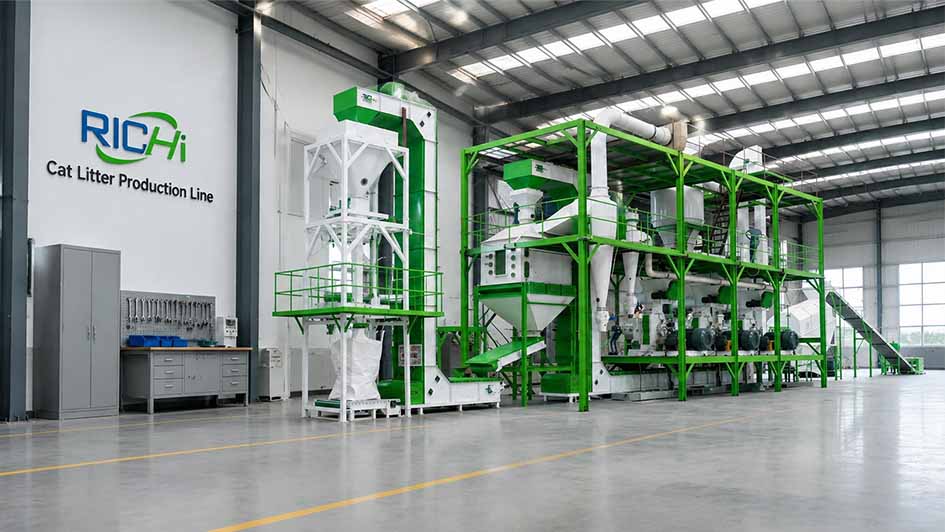
RICHI Bentonite Cat Litter Production Line – Equipment Showcase

Complete Cat Litter Pellet Production Line Solutions
Building on our standalone pellet equipment, shows the overall configuration and operating process of the cat litter pellet production line. Raw materials are processed through crushing, mixing, pelletizing, and subsequent handling stages, moving smoothly between each system. The whole line operates in sequence, with continuous material flow and step-by-step pellet formation throughout the process.
01
Raw Material Preparation
Screen raw materials like okara, plant fiber, and bentonite before production. Remove lumps, foreign matter, and clumps. Adjust moisture to the ideal range for pelletizing. Feed different materials into the line in precise proportions.
02
Crushing
Process blocky or fibrous materials through crushing equipment. Break them into uniform fine particles. Reduce particle size to ensure even distribution during mixing, preventing large particles from affecting molding.
03
Mixing
Continuously tumble various raw materials in the mixer. Add moisture and natural binders for thorough binding. The result is a uniform wet mixture, free of layering or lumps.
04
Granulation
Feed the mixture into a specialized ring die pelletizer for cat litter. Extrude under high pressure through die holes to form regular cylindrical pellets (typically 2–14mm in diameter). Adjust pellet length via the cutting device.
05
Drying
Send wet pellets into the drying system. Remove moisture continuously. Transform pellets from soft to dry and solid, with the structure beginning to set.
06
Cooling
Cool high-temperature pellets in the cooling system. Lower the temperature to room level. Stabilize the internal structure to prevent moisture absorption, softening, or crumbling during storage.
07
Screening
Strictly grade pellets in the vibrating screen system. Use screens of different mesh sizes to separate and recycle small particles, powder, and broken pellets. Retain only uniform, high-strength pellets that meet specifications as finished products.
08
Packaging
Route qualified cat litter pellets to the fully automatic packaging line. Perform high-precision weighing and sealing at set weights. Conduct packaging in a low-humidity environment to keep the final product perfectly dry and stable.
Cat Litter Manufacturing Line Equipment Configuration
A complete cat litter production line relies on the seamless coordination of multiple supporting units. Organized by workflow, the system consists of key modules: raw material handling, crushing and screening, mixing, granulation, drying and cooling, and automatic packaging.
All equipment is connected in strict process order, forming a continuous, standardized production system. The following sections categorize and display each equipment module, offering a clear overview of their configuration and functions within the production line.
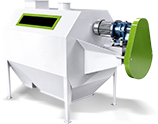
01.
Rotary Drum Cleaner
Removes stones, sand, and heavy impurities from granular materials.
- Capacity: 15-50 T/H
- Drum Speed: 12-21 rpm
02.
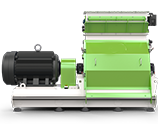
Hammer Mill
Grinds materials (≤5cm in size) into powder; screen mesh size is customizable.
- Capacity: 3-50 T/H
- Grinding Size: 0.5mm – 20mm
03.
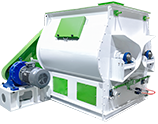
Twin Shaft Paddle Mixer
Designed for mixing powders, granules, flakes, lumps, irregular materials, and viscous substances.
- Material: Carbon Steel, Stainless Steel
- Batch Capacity: 250-2000 kg/P
04.
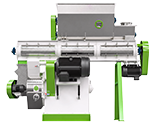
Cat Litter Pellet machine
Efficiently compresses powder into robust, durable pellets.
- Power: 22-315 kW
- Capacity: 1-40 T/H
05.
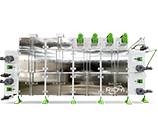
Pellet Dryer
Continuously dries particles using layered conveying and hot air circulation to gradually reduce moisture, ensuring the product is ready for storage and packaging.
- Mesh Belt Layers: 5
- Drying Area: 13-58㎡
07.
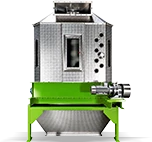
Pellet Cooler
Cools high-temperature pellets to reach room temperature.
- Cooling Time: 6-15 minutes
- Capacity: 1-40 T/H
06.
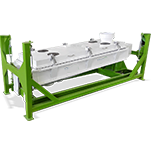
Cat Litter Screener
Screens granular materials into large, medium, and small finished products.
- Capacity: 3-40 T/H
- Power: 1.5-5.5 kW
08.
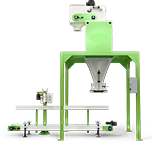
Packaging Machine
Packages materials, with sealing options: heat sealing, thread sewing, or hybrid sealing.
- Packaging Speed: 2-8 minutes/bag
Global Cases of RICHI Cat Litter Plant
We have compiled numerous successful projects for cat litter production lines, covering mainstream products like Tofu, mineral, and plant-based cat litter. These projects demonstrate mature performance across various capacities and processes, serving as a solid reference for capacity planning, process optimization, and equipment selection. If you need specific configurations or a tailored solution for your project, please feel free to contact our engineering team. We are ready to provide the technical support you need based on your actual requirements.
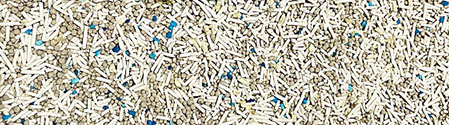
4 T/H Bentonite Cat Litter Production Line In USA
Region : North America, USA
Raw Material : Sodium Bentonite
Design Capacity : 4 t/h (Annual capacity approx. 30,000 tons)
Product Type : Low-dust clumping bentonite cat litter
Automation Level : Fully automated
Core Equipment : Double-shaft mixer, granulator, dryer, sieve, packaging machine
Application Market : Pet supply brands, OEM manufacturing, and retail chain channels
Commissioning Time : 2025
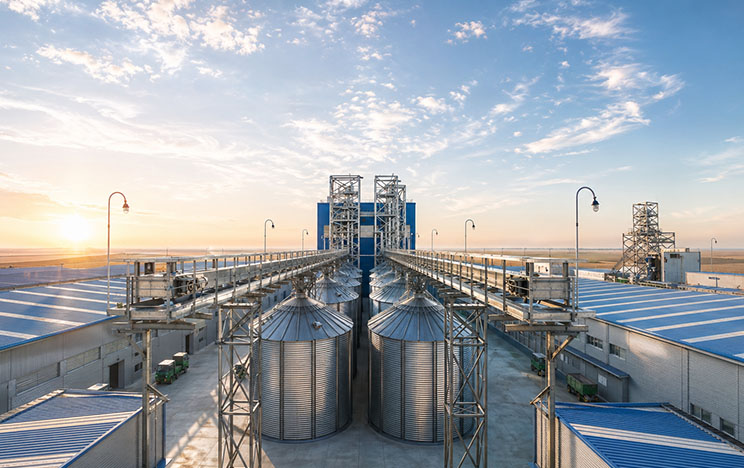
1 T/H tofu cat litter plant in Thailand
Region : Asia, Thailand
Raw Material : Soybean residue, corn starch, food-grade guar gum
Design Capacity : 1 t/h (Annual capacity approx. 7,000 tons)
Product Type : Flushable, biodegradable plant-based tofu cat litter
Automation Level : Fully automated
Core Equipment : Ultra-fine grinder, horizontal ribbon mixer, ring die granulator, dryer, sieve, automatic quantitative packaging machine
Application Market : Pet supply brands and regional market supply
Commissioning Time : 2024
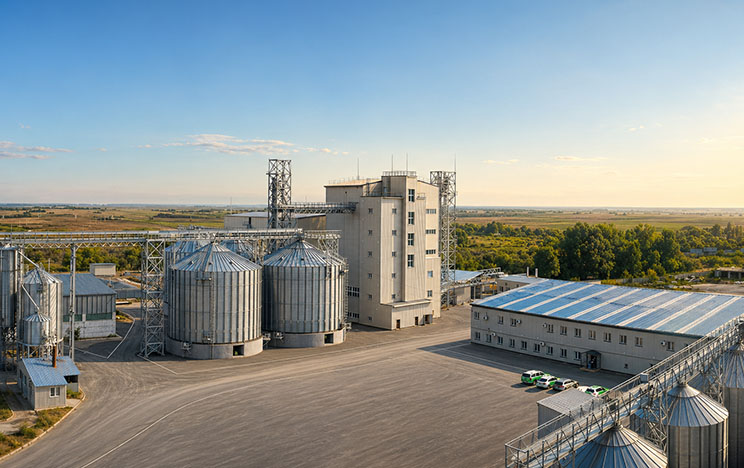
5 T/H Hybrid Cat Litter Manufacturing Line In Russia
Region : Europe, Russia
Raw Material : Bentonite, soybean residue, corn starch, deodorizing additives
Design Capacity : 5 t/h (Annual capacity approx. 36,000 tons)
Product Type : Bentonite-tofu hybrid cat litter
Automation Level : Fully automated
Core Equipment : Raw material handling system, mixer, granulator, dryer, sieve, packaging machine
Application Market : Pet supply brands and hypermarkets
Commissioning Time : 2025
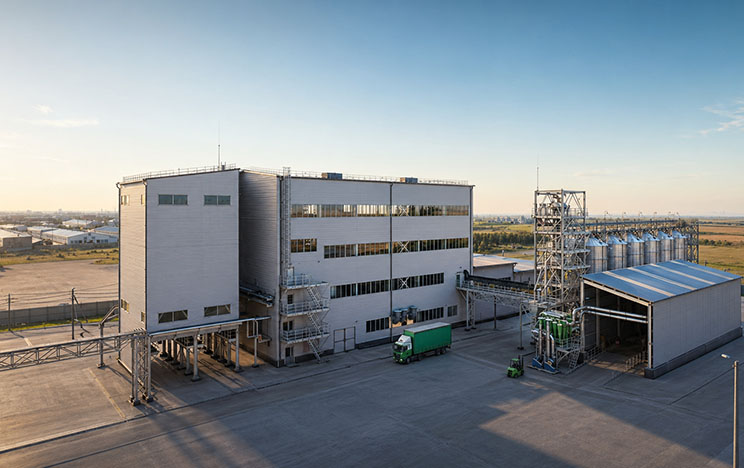
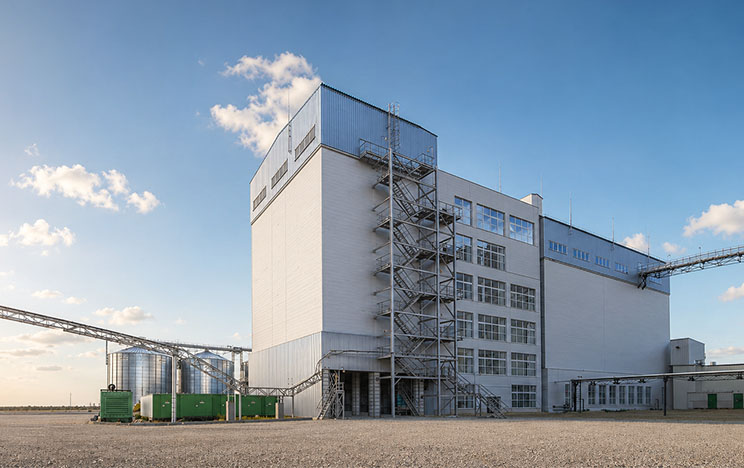
8 T/H Natural Wood Cat Litter Production Line In Australia
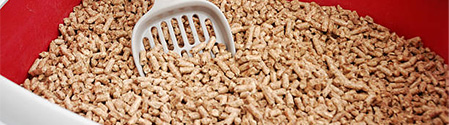
Region : Oceania, Australia
Raw Material : Sawdust, wood chips, pine wood
Design Capacity : 8 t/h (Annual capacity approx. 58,000 tons)
Product Type : Natural pine wood adsorption eco-friendly cat litter
Automation Level : Fully automated
Core Equipment : Hammer mill, ring die granulator, cooler, rotary sieve, fully automatic packaging system
Application Market : Pet supply brands, e-commerce channels, and export markets
Commissioning Time : 2025
Cat Litter Production Questions Answered
Find professional answers to common questions, covering the key processes and important considerations in cat litter pellet production.
1. How is cat litter produced?
Cat litter is made by first grinding and evenly mixing raw materials like bentonite, okara, or plant fibers. The mixture then goes through specialized pelletizing equipment to form granules. Subsequent steps include drying, cooling, and screening to finish the product.
Different types of cat litter—such as clumping or biodegradable varieties—mainly differ in raw material formulas and equipment configurations.
2. What types of cat litter can your machines produce?
Our cat litter equipment can process a wide range of litter types, including tofu, bentonite, wood-based, eco-friendly paper/corn/pea fiber litter, and hybrid formulas.
Within the same production line, product switching is achieved by changing die specifications, adjusting compression ratios, and tuning drying temperature curves.
3. Do different raw materials require new equipment?
No, complete equipment replacement is generally unnecessary. Our production line adapts to various raw material systems—such as bentonite, tofu, wood, and plant fibers—by adjusting granulation processes and operating parameters, allowing seamless product switching on the same line.
4. How does raw material moisture affect cat litter pelletizing?
Moisture content directly impacts pellet forming and strength. Both excessive and insufficient moisture can compromise granulation stability and final product quality.
Our equipment handles varying moisture levels by coordinating granulation parameters with the drying system, ensuring consistent forming results.
5. What is the output range of your cat litter pelletizer? Can the pellet size be adjusted?
Our cat litter pelletizer offers an output range of 1–40 T/H, configurable to meet different capacity needs.
Pellet size is adjustable from 2–12 mm. By changing molds and adjusting granulation parameters, stable production of various specifications is achieved.
6. Are the machines for bentonite and tofu cat litter the same?
Not exactly. Tofu litter is plant-based, lighter, and requires precise forming and drying. Bentonite is mineral-based, denser, and demands higher compression force and wear resistance. While core structures are similar, key component configurations and processes differ.
7. Can your equipment be PLC-controlled or fully automated?
Yes, automated control is available. For example, a PLC system enables automatic feeding, operation, monitoring, and shutdown. For complete production lines, near unattended operation is possible, requiring only minimal staff oversight.
8. How to fix crumble and high dust in cat litter pellets?
Crumbling pellets and high dust usually stem from raw material ratios, pellet density, and drying control. For example, insufficient forming pressure or improper moisture levels can weaken pellet strength.
Our cat litter production equipment tackles this by optimizing granulation, adjusting die compression, and using a proper drying and screening system. This improves pellet density from the source, effectively cutting breakage and dust.
9. What Is the Process for Installation, Commissioning, and Technical Support?
Before shipment, we provide installation drawings and basic guidance to help prepare your site. Once the equipment arrives, we offer remote installation and commissioning support. If needed, our engineers can go on-site to ensure the entire line runs smoothly.
10. How to choose the right cat litter pellet production equipment?
Equipment selection depends on raw material type, production capacity, and finished product specifications. Different materials require different granulation methods and configurations.
Our equipment can be tailored to your production needs, and we offer complete line design to ensure stable output for all types of cat litter.
Explore RICHI Other Pellet Production Solutions
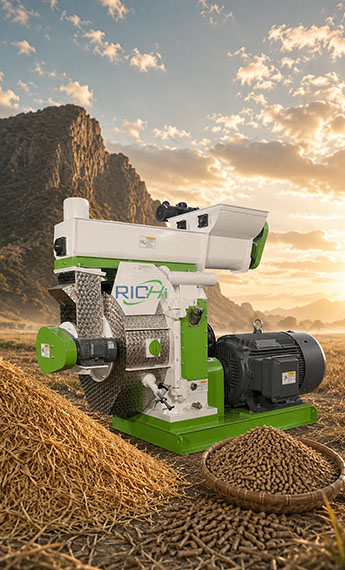
Rice husk pellet machine
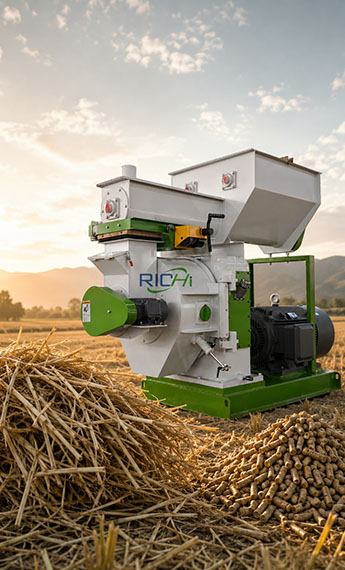
Straw pellet production machine
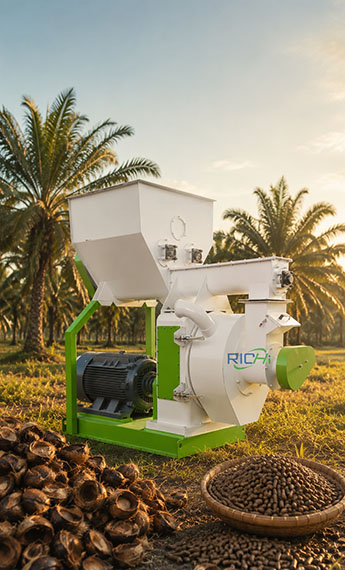
Palm shell pellet machine
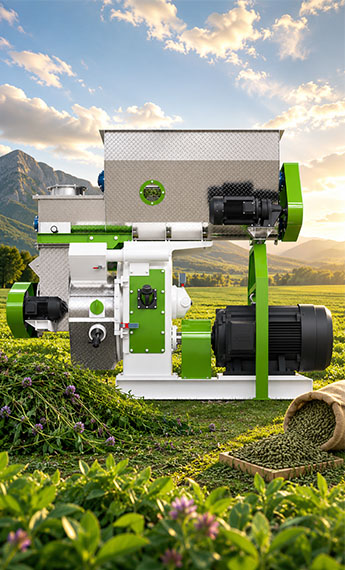

RICHI Machinery: Powering Global Pellet Production
Committed to pioneering pellet technology and industrial engineering, we leverage over 30 years of R&D expertise and global experience.
We optimize design, manufacturing, and system integration to drive the feed, biomass, and specialty industries toward efficiency, intelligence, and sustainability.
Our expert team delivers end-to-end pellet production solutions that meet international standards and align with your strategic goals for productivity and long-term growth.
60000 +m2
Square Meters of Our Factory
2000 +
Projects Running Worldwide
140 +
Countries of Our Client
200 +
Numbers of Our Team
Global Expertise & System Excellence
Advanced pellet production systems combine robustness and future-readiness, establishing industry benchmarks through technological integration and innovation.
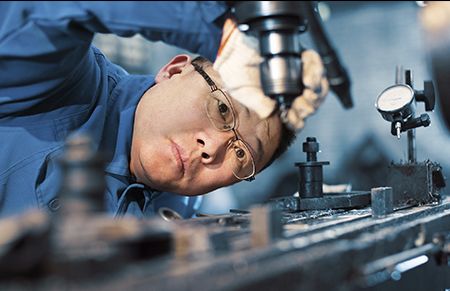
Reliable Quality
Every machine undergoes precise and rigorous quality inspections.
Worry-Free Warranty
Supported by a global service network with fast response times.
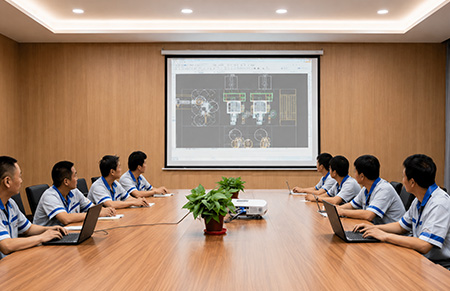
Professional Support
Experienced technical teams provide full-cycle assistance.

Secure Payments
Multi-layer encryption ensures safe and transparent transactions.

Global Logistics
Efficient worldwide shipping ensures timely delivery to any location.
Start Your Pellet Project
Pellet production is a systematic process. Provide your raw materials and capacity needs, and we’ll create a customized solution with professional guidance for commercial production.

Address: South of intersection of Xingda Road & Hongyuan Road, Wuzhi, Jiaozuo City, Henan Province,China

Tel/WhatsApp: + 86 136 0866 8310

E-mail: enquiry@richimachinery.com



© HENAN RICHI MACHINERY CO., LTD 1995-2026 Product Line-Up / Privacy Policy
Contact Us
Please send your requirements, RICHI’s consultants will get back to you quickly.

