

Alfalfa Pellet Machine
Designed for alfalfa and other high-fiber forage materials, the RICHI alfalfa pellet machine produces feed pellets, biomass fuel pellets, and organic fertilizer pellets, and is widely used in farms, feed processing, biomass energy, and agricultural resource recycling.
Why are more and more enterprises choosing alfalfa pellet production?
Alfalfa is one of the most widely cultivated and highly valuable premium forages globally. It is rich in high-quality protein, amino acids, vitamins, and minerals, and is widely used in the feeding of dairy cows, beef cattle, sheep, goats, and horses. With the development of large-scale farming and international forage trade, the limitations of traditional bulk alfalfa in transportation, storage, and commercial sales have gradually become apparent.
Due to the large volume and low bulk density of bulk alfalfa, long-distance transportation costs are high. It is also prone to powdering and nutrient loss during loading, unloading, storage, and feeding. Through pelleting, loose forage can be compressed into high-density pellets. While preserving nutritional value, this process improves storage and transportation efficiency, reduces logistics costs, and meets the needs for mechanized packaging, automated feeding, and standardized sales.
Currently, alfalfa pellets are widely applied in fields such as ruminant feed, forage trade, biomass fuel, and comprehensive utilization of agricultural resources. As the global demand for premium forage products continues to grow, more and more pastures, feed enterprises, forage processing plants, and investors are launching professional alfalfa pellet production projects to enhance product competitiveness and expand into broader markets.
RICHI CZLH Series Alfalfa Pellet Mill
The alfalfa pellet mill is equipment specifically designed to press alfalfa hay, alfalfa powder, and other high-fiber forages into pellets.
Compared with ordinary pellet mills, alfalfa pelleting not only requires higher compression capacity, but also needs to balance pellet forming rate, equipment wear resistance, and long-term continuous operation capability.
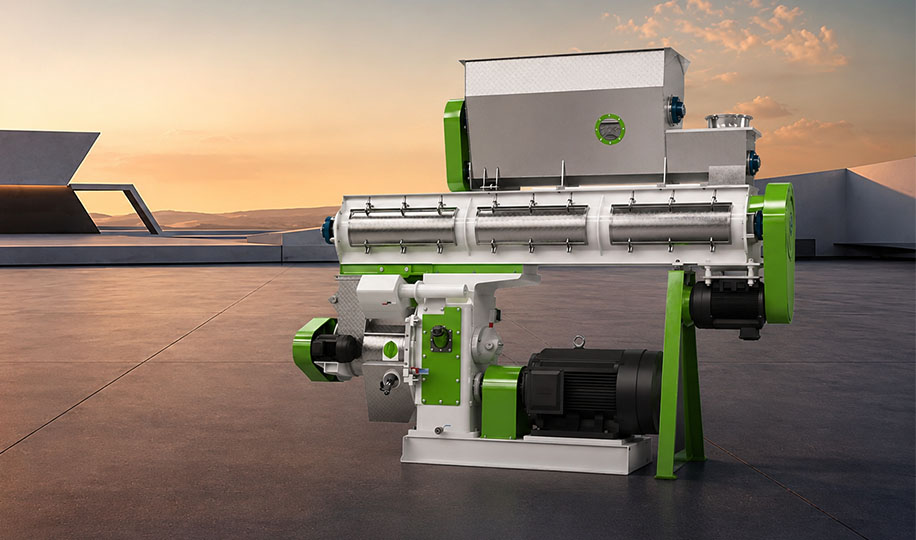

0.5-40T/H
Production capacity

22-315KW
Equipment power

Ring Die
Equipment type
Targeting the pelleting characteristics of high-fiber forages, the RICHI CZLH Series has optimized key components and the overall machine structure. It can improve production efficiency and reduce operating costs while ensuring pellet quality, making it suitable for alfalfa pellet processing projects of different scales.
Key Structures Determining Alfalfa Pelleting Performance
The stable production of high-quality alfalfa pellets relies on rational equipment structural design. During the alfalfa pelleting process, core components—including the ring die, roller, feeding system, and transmission system—are respectively responsible for material feeding, compression molding, and power transmission. Their structural design directly affects pellet density, forming rate, equipment energy consumption, wear, and continuous operation capability.
Targeting the pelleting characteristics of high-fiber forages, RICHI has optimized the configuration of key components to enhance the equipment’s adaptability to different raw materials and overall processing efficiency.
① Feeder
② Ring Die
③ Roller
④ Gear Drive
⑤ Conditioner
⑥ Cutter
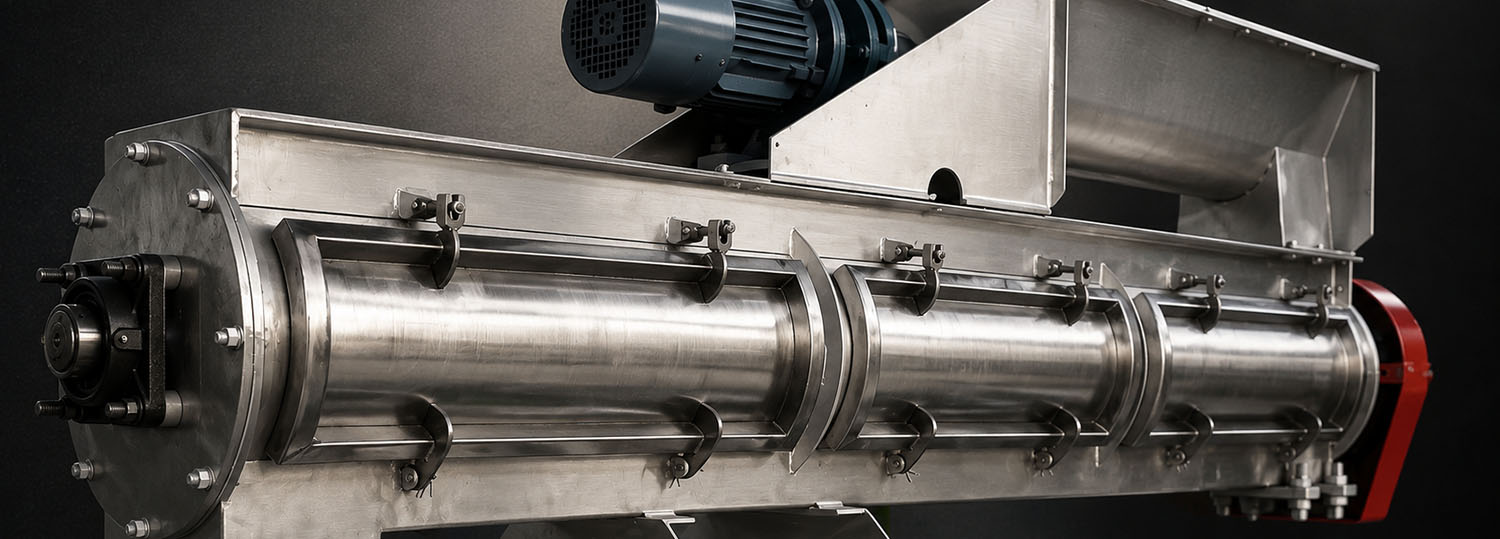
① Feeder
Adopting variable frequency feeding, the feed speed can be adjusted according to the pelleting load.
This ensures continuous and uniform entry of alfalfa raw materials into the pelleting chamber, reducing load fluctuations caused by feeding variations.

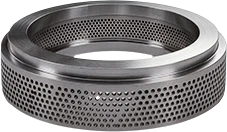
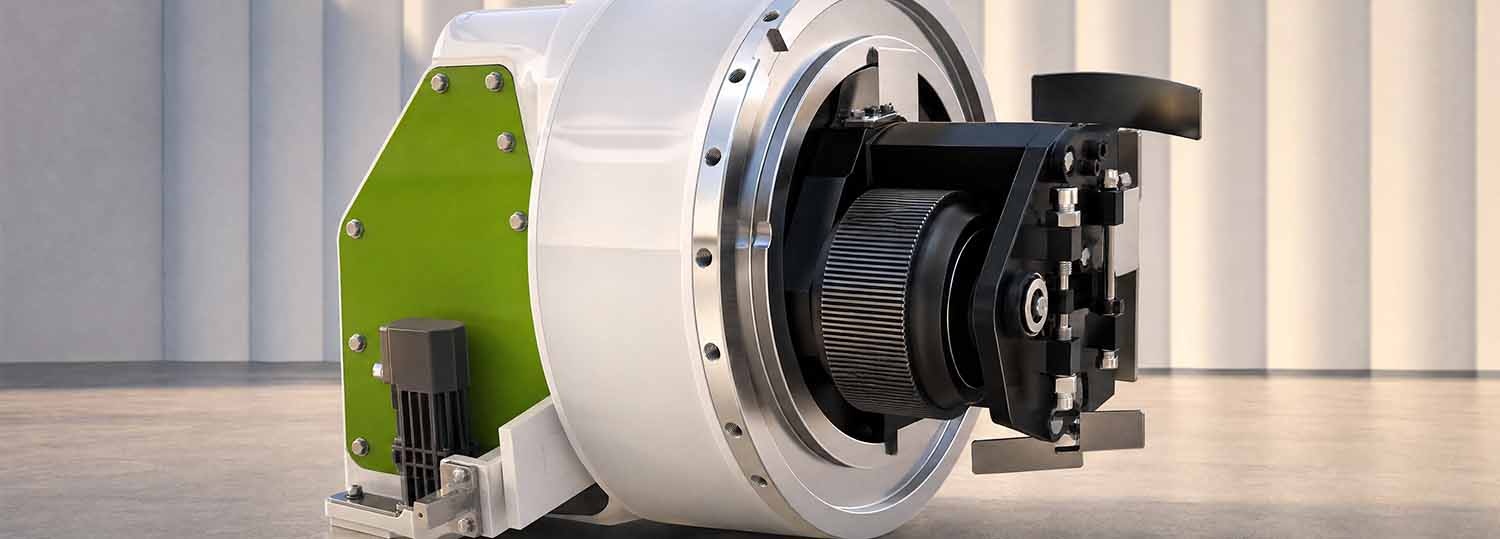
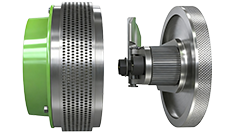
② Ring Die
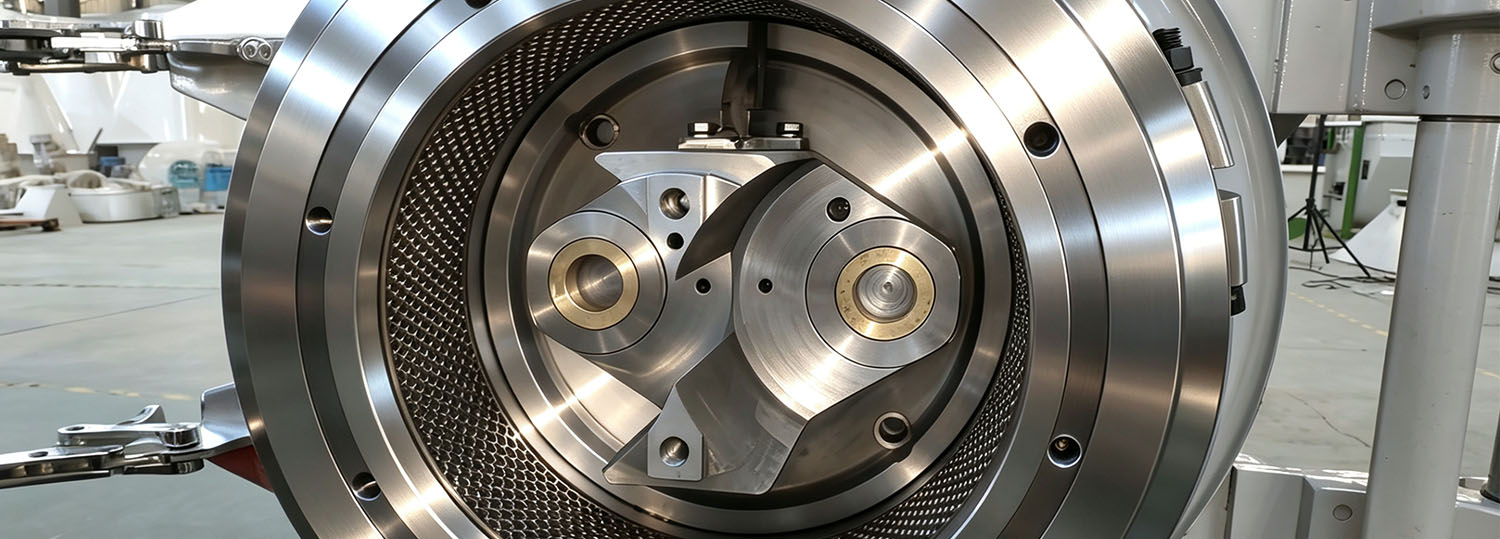
The ring die is the most critical wear part of the alfalfa pellet mill. Its compression ratio, die hole structure, and machining accuracy must be selected based on the characteristics of alfalfa fiber.
Different configurations correspond to different pellet density, forming rate, and capacity performance.
③ Roller
Alfalfa has long fibers and strong resilience. The roller needs to continuously press the raw material into the ring die holes to fully compress the fibers and form stable pellets.
The coordination between the roller and the ring die directly affects the material compression effect. Improper coordination can easily lead to problems such as reduced output, loose pellets, or die hole blockage.
④ Gear Drive
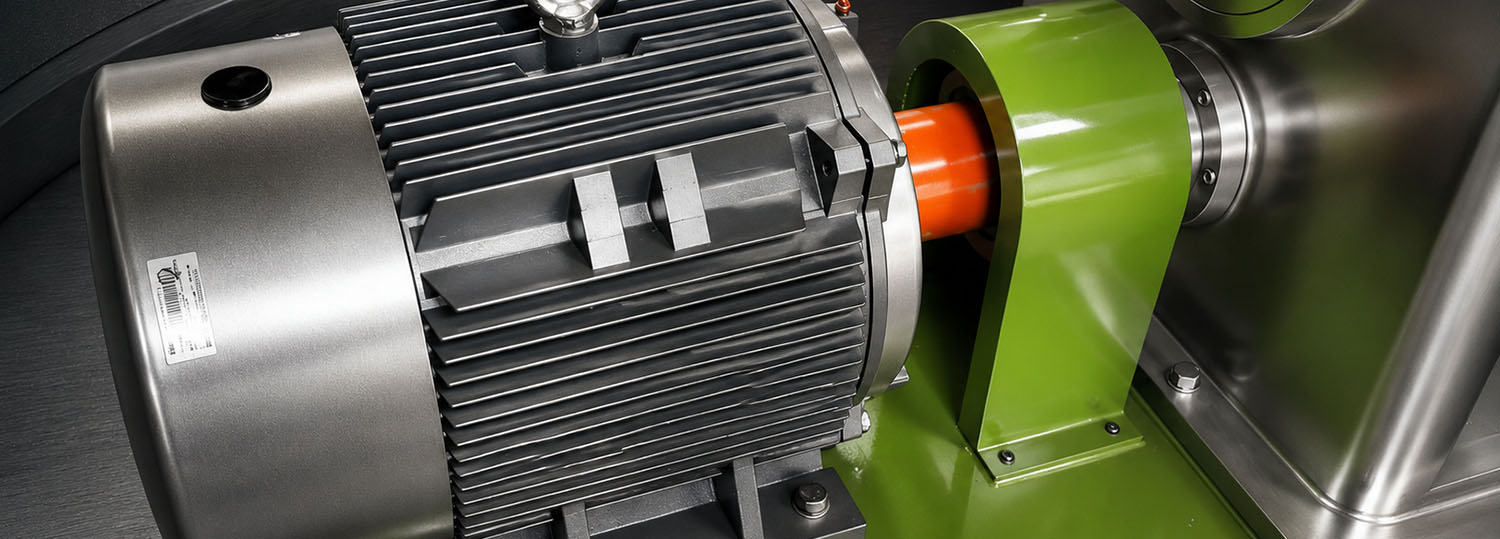
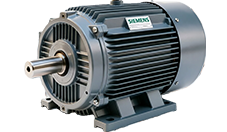
During the alfalfa pelleting process, the equipment needs to continuously withstand significant extrusion pressure and load changes.
The direct-coupled gear transmission can stably output torque and maintain stable ring die speed under high-load conditions. This reduces uneven pelleting or equipment impact caused by power fluctuations.
⑤ Conditioner
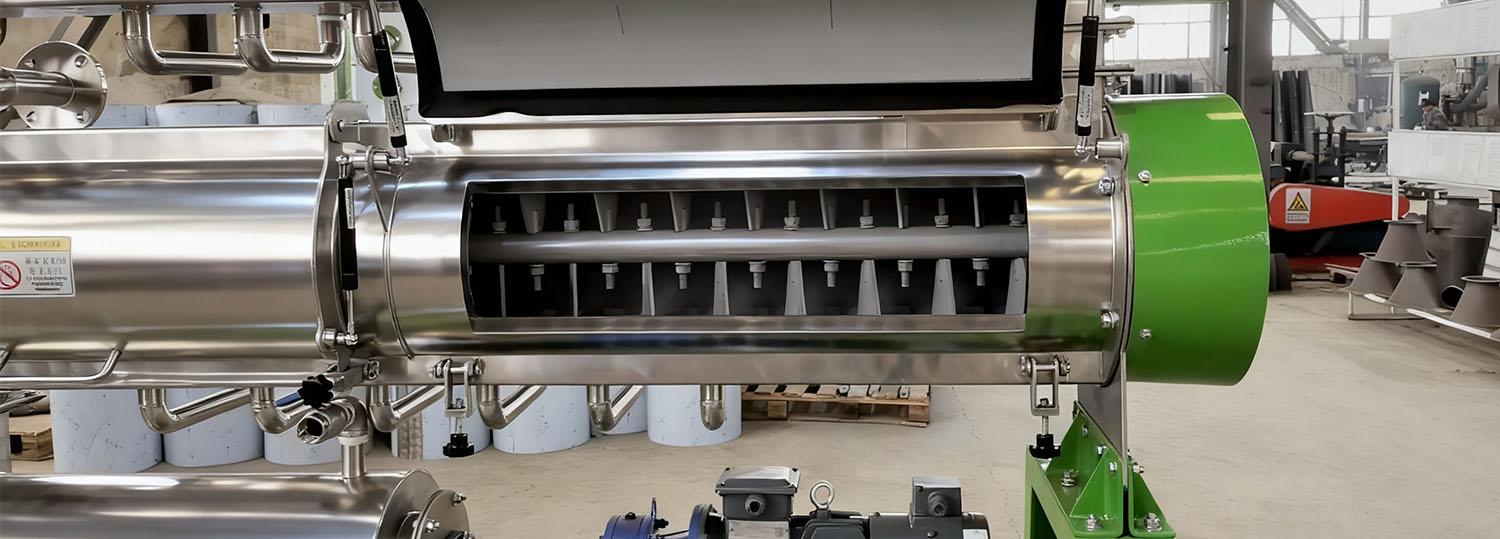
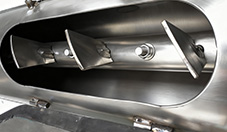
For alfalfa raw materials with large moisture fluctuations or long fibers, the conditioner adjusts the material state before pelleting.
It ensures a more uniform distribution of moisture and temperature, providing suitable processing conditions for subsequent compression.
⑥ Cutter
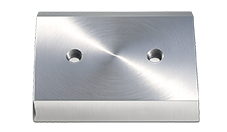
The cutter is installed at the discharge end. After the pellets leave the ring die, the cutter completes the fixed-length cutting.
By adjusting the distance between the cutter and the ring die, alfalfa pellets of different lengths can be obtained, meeting the different specifications required for feed, fuel, and organic fertilizer.
CZLH Series Alfalfa Pellet Machine Models & Technical Parameters
To meet the processing needs of alfalfa pellet production projects of different scaleas, RICHI has launched multiple models of the CZLH series alfalfa pellet mills.
Different models vary in capacity, main unit power, ring die specifications, and applicable working conditions. They can be reasonably selected based on raw material characteristics, pellet requirements, and production scale, helping customers achieve stable and efficient pellet production.
| Model | Capacity (t/h) | Main Motor Power (kw) | Anti-Arch Feeder Power (kW) | Force Feeder Power (kW) | Ring Die Inner Diameter (mm) | Pellet Diameter (mm) |
|---|---|---|---|---|---|---|
| CZLH320 | 0.5-1 | 22 | 2.2 | 0.75 | 320 | 4-12 |
| CZLH350 | 1-2 | 37 | 2.2 | 0.75 | 350 | |
| CZLH420 | 2-4 | 90 | 3 | 1.5 | 420 | |
| CZLH520 | 4-8 | 132 | 3 | 1.5 | 520 | |
| CZLH678 | 8-15 | 200 | 3 | 1.5 | 673 | |
| CZLH768 | 15-20 | 250 | 4 | 1.5 | 762 |
What Raw Materials Can RICHI Alfalfa Pellet Mill Machine Process?
Alfalfa pellet production is not only suitable for single forage materials such as alfalfa hay and alfalfa meal, but can also process various high-fiber grasses and agricultural by-products according to different regional forage resources and production needs.
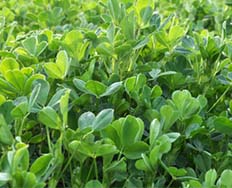
Alfalfa
Alfalfa pellets are characterized by stable shaping and good nutrient retention, making them an important product form for forage processing.
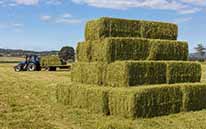
Timothy Grass
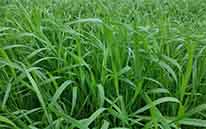
Ryegrass
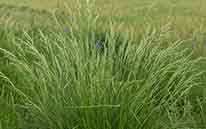
Fescue Grass
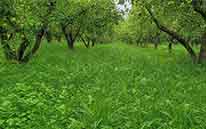
Orchard Grass

Bermuda Grass
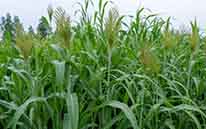
Sudan Grass
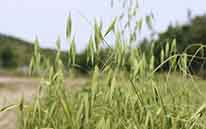
Oat Hay
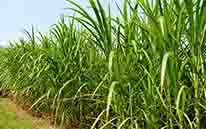
Napier Grass
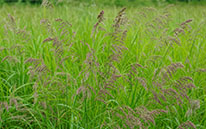
Rhodes Grass

Clover
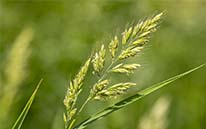
Brome Grass

Switchgrass
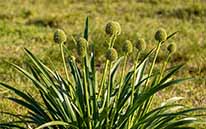
Guinea Grass
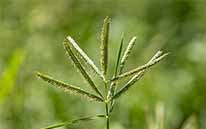
Brachiaria Grass

Miscanthus

Sorghum Grass

Sugarcane Tops
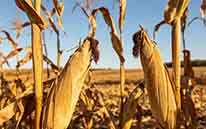
Corn Straw
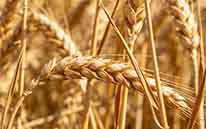
Wheat Straw
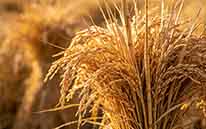
Rice Straw
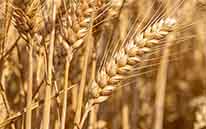
Barley Straw
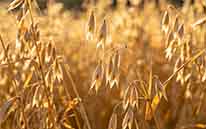
Oat Straw
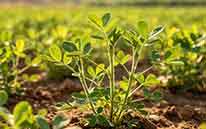
Peanut Vine

Cotton Stalk
Through proper raw material crushing, mixing, and pelletizing processes, different types of forage can be converted into pellets with uniform density and easy storage and transportation.
This improves the utilization of fiber resources and meets the needs of ruminant feed production, commercial forage processing, and agricultural waste recycling.
Working Principle of Alfalfa Pellet Mill
The pelletizing process of the alfalfa pellet mill is primarily accomplished through the coordinated operation of various internal systems. From the entry of raw materials into the equipment, the feeding, transmission, pressing, and cutting mechanisms work continuously according to the preset process, enabling the alfalfa material to undergo compression, molding, and pelletization step by step. The specific working process is as follows:
1.
Material Feeding
The crushed alfalfa meal enters the pellet mill through the feeding system. Upon entering the pelletizing chamber, it is evenly spread over the surface of the ring die, preparing for the compression molding.
2.
Alfalfa Compression and Pellet Formation
As the ring die rotates, the press rollers continuously force the alfalfa material into the die holes. Under high pressure, the loose alfalfa fibers are compressed and bound together, forming columnar pellets with a specific density.
3.
Pellet Cutting and Size Adjustment
The alfalfa columns extruded from the ring die are cut by the cutting knife to form pellets of uniform length. By adjusting the cutting knife clearance and replacing dies of different specifications, alfalfa pellets of various sizes can be produced.
4.
Pellet Discharge
The formed alfalfa pellets are discharged from the outlet of the pellet mill and enter the collection or subsequent processing workflow.
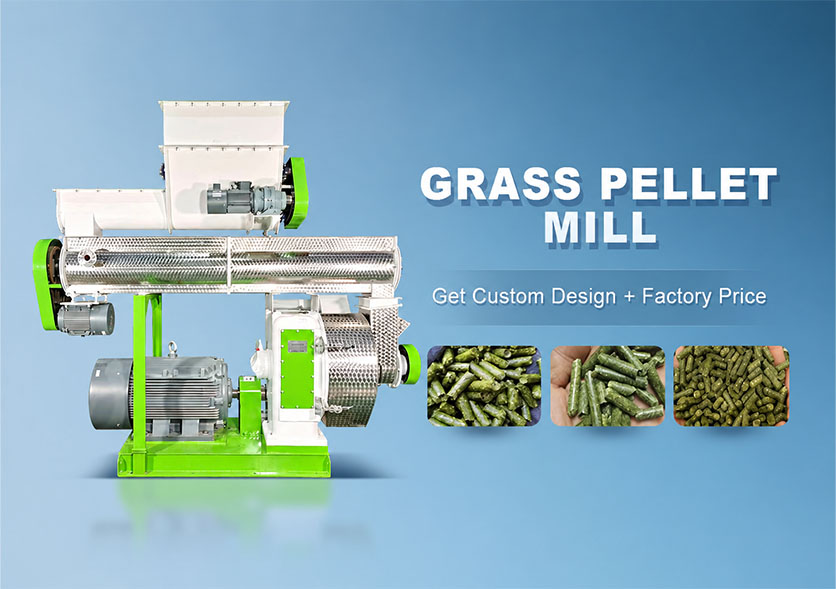

Why Choose RICHI Alfalfa Pellet Production Machine?
Alfalfa has a high fiber content, making it more difficult to compress and form into pellets. Our alfalfa pellet machine adopts a pelletizing structure suitable for forage processing, allowing materials such as alfalfa hay and alfalfa meal to be smoothly compressed and formed, and is suitable for processing various high-fiber forage materials.

Better Suited for High-Fiber Forage Processing
Alfalfa has a high fiber content, making raw material compression and molding difficult. Our alfalfa pellet mill adopts a pelleting structure specifically suitable for forage processing, enabling raw materials like alfalfa hay and alfalfa meal to be smoothly compressed and molded. It is applicable to the processing of various high-fiber forages.

Reduces Loose Pellets and Powder Issues
Alfalfa pellets require a balance of density, hardness, and integrity. By rationally configuring the ring die, rollers, and pelleting parameters, RICHI ensures that the forage is fully compressed and molded, producing denser and more uniform pellets.
Flexible Pellet Specification Adjustment
Different applications require different alfalfa pellet sizes. By replacing ring dies of different specifications and adjusting relevant parameters, the alfalfa pellet mill can produce pellets of varying diameters and lengths, meeting the needs of feed and commercial forage processing.
Adapts to Different Production Scales
Alfalfa pellet projects vary in raw material sources, output requirements, and investment scale. Based on these conditions, we can configure different models and production solutions, ensuring suitable pelleting equipment is available for everything from small-scale processing to large-scale forage pellet projects.
Suitable for Long-Term Continuous Operation
Alfalfa pellet production typically requires stable operation, as the structural strength of the equipment and the performance of key components directly affect production efficiency. The optimized design of the transmission system, pelleting components, and machine body structure meets the demands of long-term continuous processing.
Reduces Maintenance Pressure During Production
Long-term processing of alfalfa raw materials causes wear on components such as the ring die and rollers. The wear-resistant design and rational component configuration extend the service life of the equipment’s wear parts, reducing machine maintenance frequency.
Applications of Alfalfa Pellets
Alfalfa products processed by pelleting feature excellent storability and convenient transportation. They can be applied to animal feed production and biomass energy utilization based on different needs. Currently, alfalfa pellets are primarily applied in the following two fields.
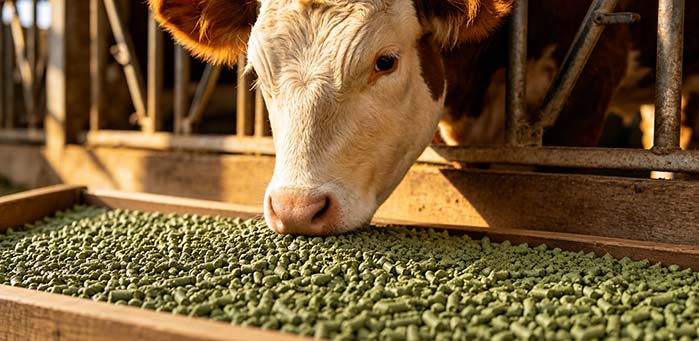
Animal Feed Pellets
Alfalfa pellets are a common form of forage feed, mainly used for raising ruminants such as dairy cows, beef cattle, sheep, and horses. After pelleting, alfalfa is easier to package, transport, and mechanize feeding, making it suitable for large-scale ranches, feed mills, and forage processing enterprises.
Alfalfa pellets can be used alone as roughage, or mixed with corn, soybean meal, and other forages to produce animal feed products with different formulations.
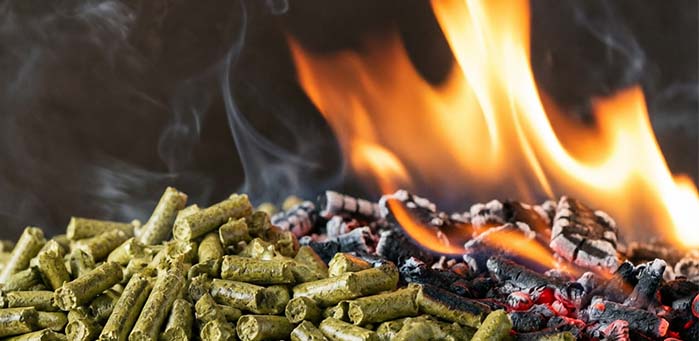
Biomass Pellets
Alfalfa and other grass raw materials can also be processed into biomass fuel pellets for energy utilization. After pelleting, the volume of the forage is reduced and the density is increased, facilitating long-distance transportation and centralized storage.
Alfalfa fuel pellets can be applied in scenarios such as biomass boilers and heating systems, providing an additional utilization method for regions rich in forage resources. Meanwhile, for the large amount of grass resources generated in some agricultural areas, pellet processing also helps achieve more efficient resource conversion.
Complete Alfalfa Pellet Production Line
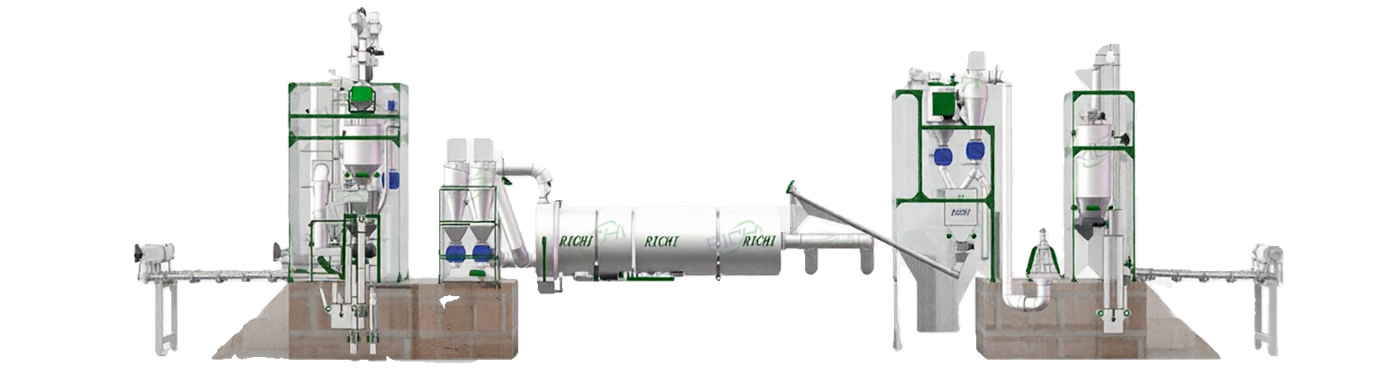
The fiber length, moisture content, and processing state of alfalfa raw materials directly affect the pellet production results. Therefore, a complete alfalfa pellet production line needs to be configured with corresponding processing stages based on the characteristics of the raw materials, including grinding, drying, pelleting, cooling, screening, and packaging, ensuring that alfalfa raw materials in different states can be smoothly processed into qualified pellet products.
RICHI can design alfalfa pellet production solutions ranging from 0.5 to 40T/H based on customers’ raw material conditions, output requirements, and end-product applications, helping customers build forage pellet processing projects tailored to their specific needs.
01
Grinding
Raw materials such as alfalfa hay usually have a long fiber structure and need to undergo grinding treatment first to ensure the material reaches the particle size requirements suitable for pelleting.
02
Drying
For alfalfa raw materials with high moisture content, drying equipment is required to adjust the moisture, bringing the material to a state suitable for pelleting; for alfalfa hay or meal that already meets processing requirements, the inclusion of a drying stage can be selected based on actual conditions.
03
Pelleting
Based on customers’ different requirements for output, pellet size, and product application, the production line can be equipped with an alfalfa pellet mill of appropriate capacity to produce alfalfa pellet products suitable for feed, forage trade, and other fields.
03
Cooling
Freshly formed alfalfa pellets have a high temperature, and their internal structure remains relatively soft. Cooling treatment helps to further stabilize the pellets and reduce breakage during subsequent transportation and storage.
05
Screening
After cooling, the pellets pass through screening equipment to separate qualified pellets from powder and non-conforming pellets generated during production. The screened finished pellets have better appearance and consistency.
06
Packaging
Qualified alfalfa pellets are packaged according to sales and transportation needs. The packaging format can be selected based on customer requirements, suitable for ranch use, feed sales, or forage product trade.
Equipment for Alfalfa Pellet Production Line
From alfalfa hay to finished pellets, each stage corresponds to specific production equipment. Based on raw material conditions and project scale, a complete alfalfa pellet production line typically includes the following main equipment:
01.
Hammer Mill
Grinds materials (≤5cm in size) into powder; screen mesh size is customizable.
- Capacity: 3-50 T/H
- Grinding Size: 0.5mm – 20mm
02.
Pellet Dryer
Continuously dries particles using layered conveying and hot air circulation to gradually reduce moisture, ensuring the product is ready for storage and packaging.
- Mesh Belt Layers: 5
- Drying Area: 13-58㎡
03.
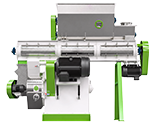
Alfalfa Pellet machine
Efficiently compresses alfalfa powder into robust, durable pellets.
- Power: 22-315 kW
- Capacity: 0.5-40 T/H
04.
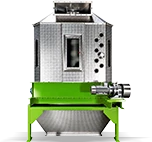
Pellet Cooler
Cools high-temperature pellets to reach room temperature.
- Cooling Time: 6-15 minutes
- Capacity: 1-40 T/H
05.
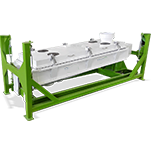
Pellet Screener
Screens granular materials into large, medium, and small finished products.
- Capacity: 3-40 T/H
- Power: 1.5-5.5 kW
06.
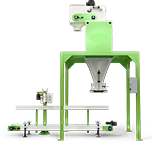
Packaging Machine
Packages materials, with sealing options: heat sealing, thread sewing, or hybrid sealing.
- Packaging Speed: 2-8 minutes/bag
Biomass Pellet Plant Engineering Projects
Every biomass pellet project is shaped by raw material characteristics, capacity targets, and process configurations. The following case studies cover biomass pellet production projects across different countries, capacities, and raw material types, serving as a reference for equipment selection and solution planning.
Wood Pellet Manufacturing Plant Project in Indonesia
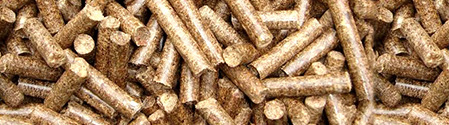
Region : Asia, Indonesia
Raw Materials : Logs and wood chips, furniture factory scraps and sawdust
Output : 1-2 T/H
Pellet Applications : Export and domestic industrial heating
Main Components : Log cutter, wood chipper, hammer crusher, dryer, MZLH420 wood pellet mill, screening machine, pellet cooler, packaging machine, etc
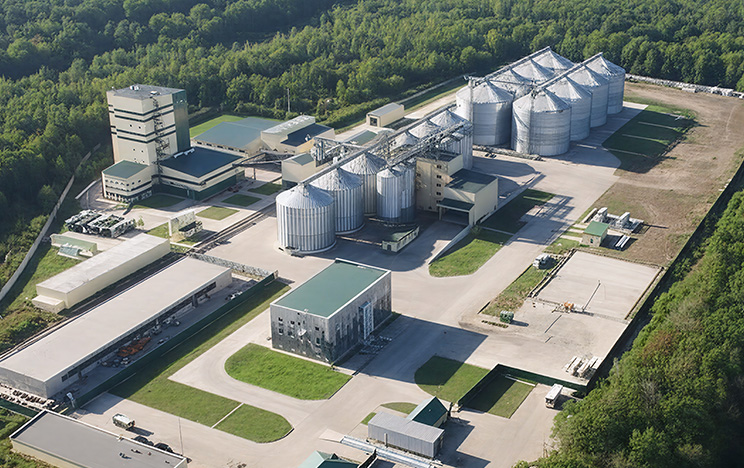
2T/H Turnkey Biomass Wood Pellet Plant in Canada
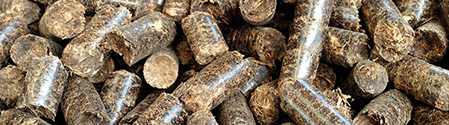
Region : Canada, North America
Raw Materials : Fir, hardwood processing waste, logging residues
Output : 2 T/H
Pellet Applications : Fuel Pellets
Main Components : Wood chipper, hammer mill, screening machine, rotary dryer, storage silo, industrial wood pellet mill, pellet cooler, automatic packaging machine, etc
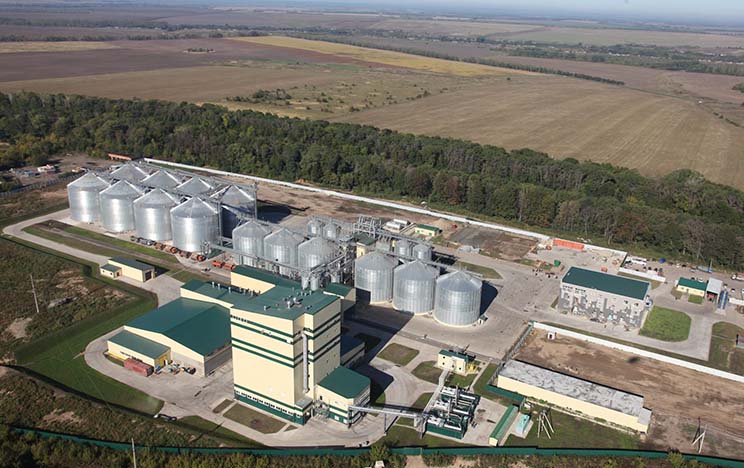
10T/H Wood Sawdust Bioenegy Pellet Processing Plant in Mexico
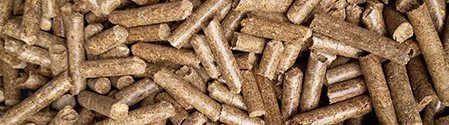
Region : Mexico, North America
Raw Materials : Softwood, oak, recycled solid wood
Output : 10 T/H
Pellet Applications : Power plants and heating
Main Components : Drum wood chipper, hammer mill, biomass pellet mill, SKLH series pellet cooler, pellet packaging machine, and other auxiliary equipment
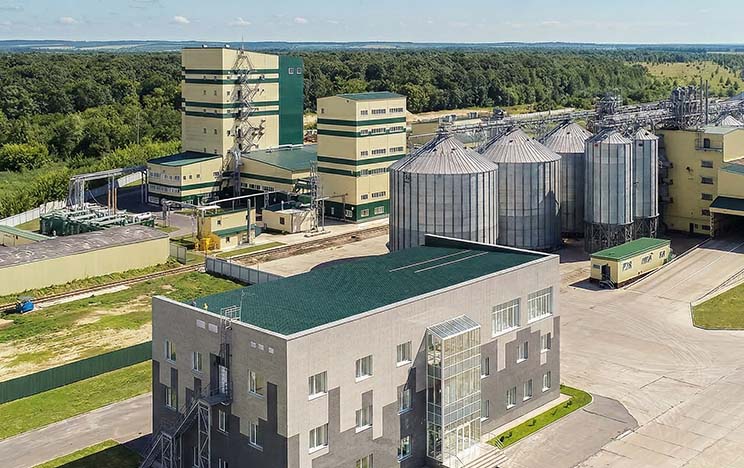
2T/H Wood Sawdust Pellet Production Line Netherlands
Region : Netherlands, Europe
Raw Materials : Wood processing scraps, clean waste solid wood
Output : 2 T/H
Pellet Applications : Power plant, as supplemental energy for natural gas
Main Components : Hammer mill, box-type pulse dust collector, electrical control cabinet, vibrating screen classifier, high-quality ring die wood pellet mill, counter-current pellet cooler, rotary dryer, and automatic packaging system
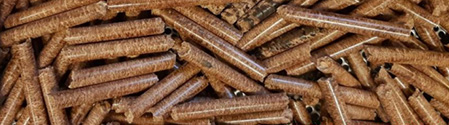
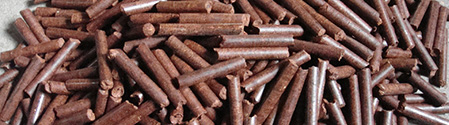
1-2T/H Biomass Pellet Line For Wood Brazil
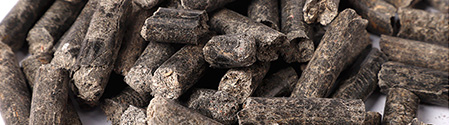
Region : Brazil, South America
Raw Materials : Sawdust, wood chips, branches, straw, stalks, palm fiber
Output : 1-2 T/H
Pellet Applications : Power plants or household combustion
Main Components : Crushingequipment, conveyor , screening machine, dryer, screw feeder, MZLH420 ring die wood pellet mill, conveyor, cooler, packaging machine
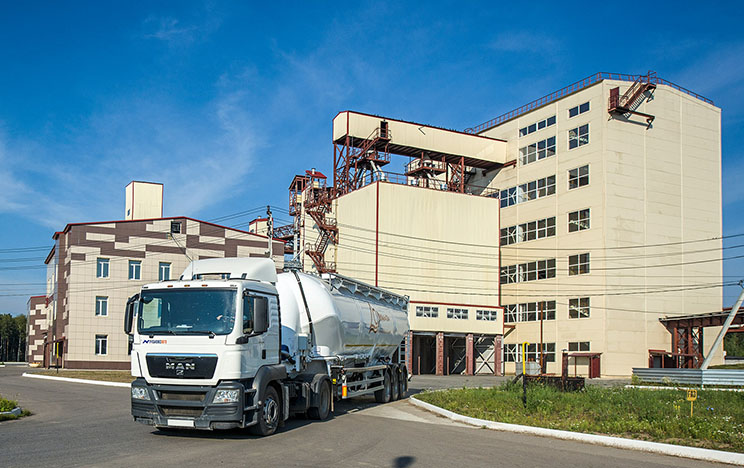
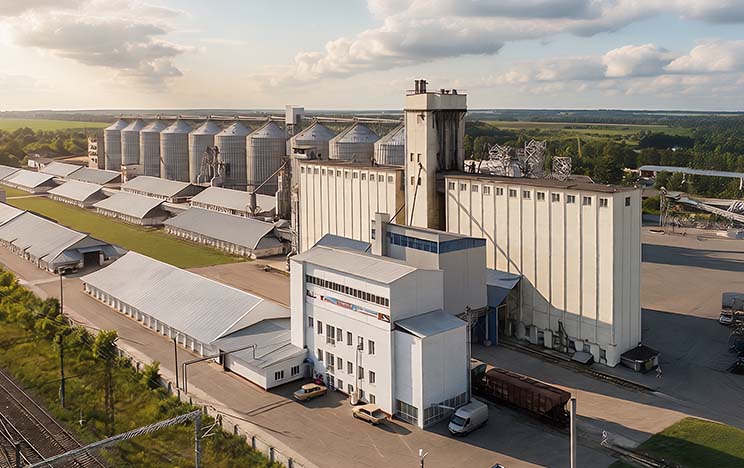
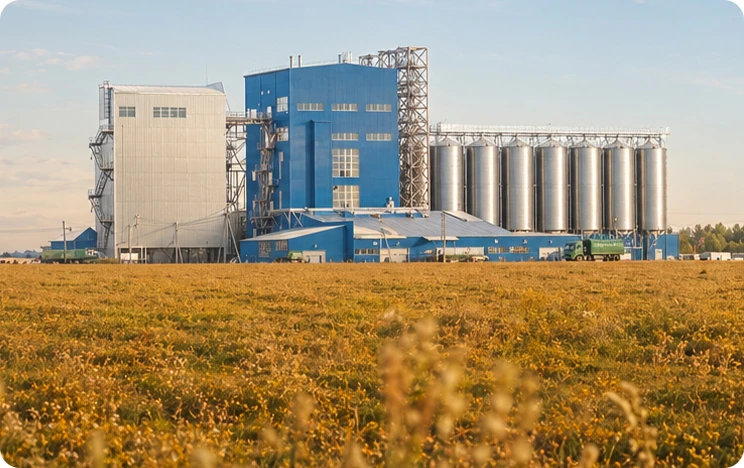
5T/H Wood Sawdust Production Line Austria
Region : Austria, Europe
Raw Materials : Wood chips, sawdust, etc
Output : 5 T/H
Pellet Applications : Heating for private residences and medium-sized industrial boilers
Main Components : Drum wood chipper, hammer mill (75 kW), pulse dust collector, electrical control cabinet, vibrating screen classifier, wood pellet mill, counter-current pellet cooler , rotary dryer, automatic packaging system
Grass Pellet Production Questions Answered
Find professional answers to common questions, covering the key processes and important considerations in grass pellet production.
1. Can Different Grades of Alfalfa Be Pelletized?
Yes. Alfalfa hay, alfalfa meal, and different grades of alfalfa can all be used for pellet production. However, the quality of the raw material will affect the final pellet quality.
For alfalfa with higher moisture content, longer fibers, or more impurities, the pre-treatment process and machine settings should be adjusted accordingly.
2. Can an Alfalfa Pellet Machine Process Other Grasses?
Yes. In addition to alfalfa, it can also process timothy grass, ryegrass, fescue, orchard grass, Bermuda grass, Sudan grass, oat grass, Napier grass, and many other forage grasses.
It is also suitable for processing some crop straws and other high-fiber plant materials.
Different raw materials may require different equipment configurations and processing parameters.
3. How Do I Choose the Right Grass Pellet Machine for My Production Capacity?
The right machine depends mainly on your raw materials, planned production capacity, and investment budget.
For small-scale production, a single pellet machine may be sufficient.
For continuous or large-scale production, a complete grass pellet production line is usually a better choice.
The largest machine is not always the best option—the right configuration should match your actual production needs.
4. What Are Alfalfa Pellets Mainly Used For?
Alfalfa pellets are widely used in feed production for dairy cattle, beef cattle, sheep, horses, and other ruminants. They are also commonly produced by forage processing plants, feed manufacturers, and forage trading companies.
In recent years, some customers have also used alfalfa to produce biomass fuel pellets, creating additional value from forage resources.
Different applications require different pellet sizes, production capacities, and processing methods. Choosing the right pellet machine or complete production line helps meet the specific requirements of each application.
5. How Can I Improve the Pelletizing Performance of Alfalfa Pellets?
Producing high-quality alfalfa pellets depends not only on the condition of the raw material but also on the right equipment. For alfalfa with long fibers or fluctuating moisture content, a suitable machine configuration can better handle different raw materials while reducing fines and loose pellets.
For long-term and continuous production, it is recommended to select a pellet machine and production line that match your raw material characteristics and production capacity to achieve more consistent pellet quality.
6. How Much Does It Cost to Build an Alfalfa Pellet Production Line?
The investment required for an alfalfa pellet production project depends on factors such as production capacity, raw materials, equipment configuration, and the level of automation.
For customers purchasing a single alfalfa pellet machine, prices typically range from USD 7,900 to USD 87,500. A complete alfalfa pellet production line generally costs between USD 37,000 and USD 620,000, depending on the capacity and production process.
Even for the same capacity, the final price may vary due to differences in raw materials, process design, and equipment configuration. To receive an accurate quotation, it is recommended to determine your raw material type, target capacity, and production requirements before selecting the equipment.
7. Can your equipment be PLC-controlled or fully automated?
Yes, automated control is available. For example, a PLC system enables automatic feeding, operation, monitoring, and shutdown. For complete production lines, near unattended operation is possible, requiring only minimal staff oversight.
8. How Do I Plan an Alfalfa Pellet Plant?
The first step is to determine your raw material supply, target production capacity, and the intended use of the finished pellets. Based on these factors, you can then plan the equipment configuration and plant layout.
If you are building a new facility, it is also worth considering future capacity expansion during the planning stage.
RICHI can provide process design and equipment configuration solutions based on your specific project requirements.
Explore RICHI Other Pellet Machines
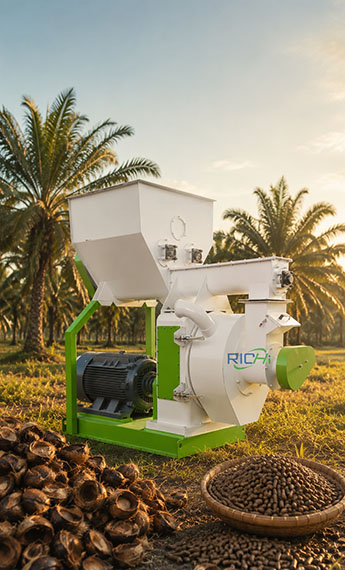

RICHI Machinery: Powering Global Pellet Production
Committed to pioneering pellet technology and industrial engineering, we leverage over 30 years of R&D expertise and global experience.
We optimize design, manufacturing, and system integration to drive the feed, biomass, and specialty industries toward efficiency, intelligence, and sustainability.
Our expert team delivers end-to-end pellet production solutions that meet international standards and align with your strategic goals for productivity and long-term growth.
60000 +m2
Square Meters of Our Factory
2000 +
Projects Running Worldwide
140 +
Countries of Our Client
200 +
Numbers of Our Team
Global Expertise & System Excellence
Advanced pellet production systems combine robustness and future-readiness, establishing industry benchmarks through technological integration and innovation.
Reliable Quality
Every machine undergoes precise and rigorous quality inspections.
Worry-Free Warranty
Supported by a global service network with fast response times.

Professional Support
Experienced technical teams provide full-cycle assistance.

Secure Payments
Multi-layer encryption ensures safe and transparent transactions.

Global Logistics
Efficient worldwide shipping ensures timely delivery to any location.
Start Your Pellet Project
Pellet production is a systematic process. Provide your raw materials and capacity needs, and we’ll create a customized solution with professional guidance for commercial production.

Address: South of intersection of Xingda Road & Hongyuan Road, Wuzhi, Jiaozuo City, Henan Province,China

Tel/WhatsApp: + 86 136 0866 8310

E-mail: enquiry@richimachinery.com



© HENAN RICHI MACHINERY CO., LTD 1995-2026 Product Line-Up / Privacy Policy
Contact Us
Please send your requirements, RICHI’s consultants will get back to you quickly.

