

Industrial Wood Pellet Mills for High-Capacity Production
Capacity Range: 0.2-40.0+ T/H (Customization supported)
Wod Pellet Mill: Complete Pellet Line Selection Logic
The wood pellet mill is the core equipment that compresses wood raw materials — sawdust, shavings, chips — into high-density pellet fuel. It handles various agricultural and forestry wastes with different sizes and moisture levels, supporting both single and blended material processing.
However, a pellet mill’s true value lies in its integration with the entire production line, not just its standalone performance. When selecting a machine, look beyond die diameter, motor power, or rated capacity — evaluate based on raw material characteristics, target output, pellet specifications, and overall process configuration.
Wood Pellet Mill Structure & Engineering Design
The core components are strategically arranged to work in perfect synergy. This ensures the smooth feeding, compression, and molding of raw materials, while minimizing wear and tear. This design guarantees low maintenance and meets the demands of long-term, continuous production.
Feeding System
Pelleting Chamber
Drive & Transmission System
Lubrication System
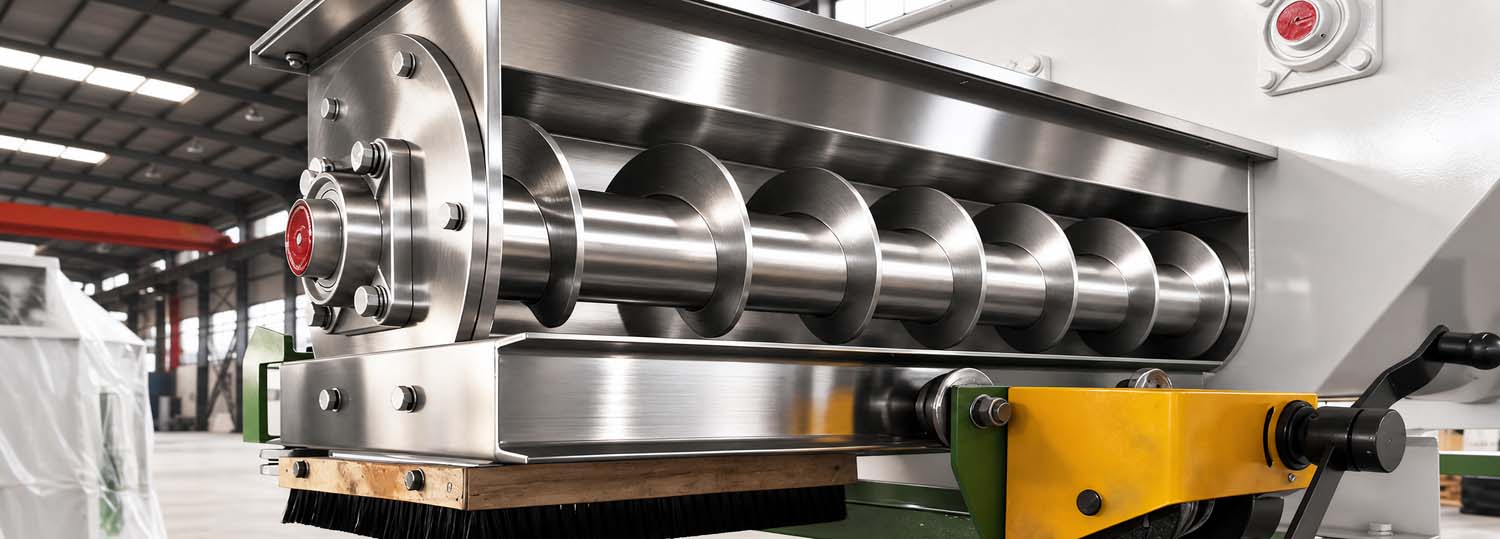
Feeding System
Ensures uniform and continuous material input to the pelletizing zone, guaranteeing stable production.
Using variable frequency control and forced feeding, the system adjusts the feed speed based on material properties. This prevents blockages and ensures a steady flow for efficient pelletizing.
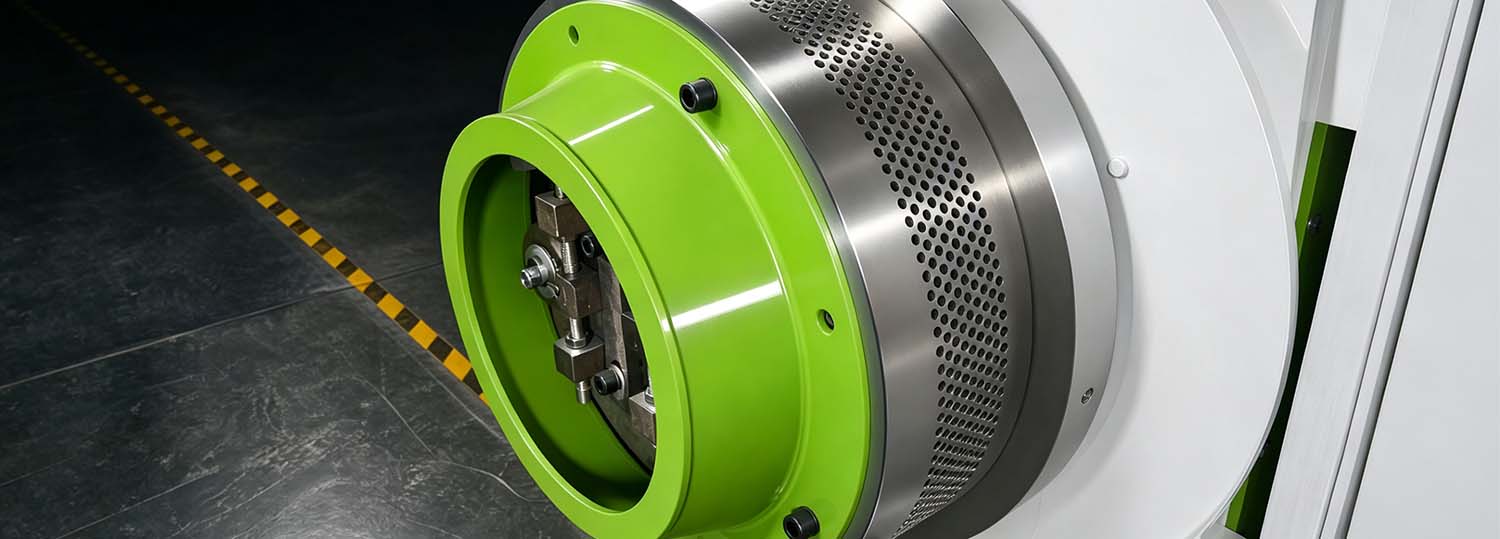
Pelleting Chamber
The core unit featuring the ring die and rollers, designed for high-efficiency compression and molding.
Engineered with an optimal compression ratio and high-strength parts, it maximizes the pellet forming rate. The result is pellets with uniform density, smooth surfaces, and consistent strength.
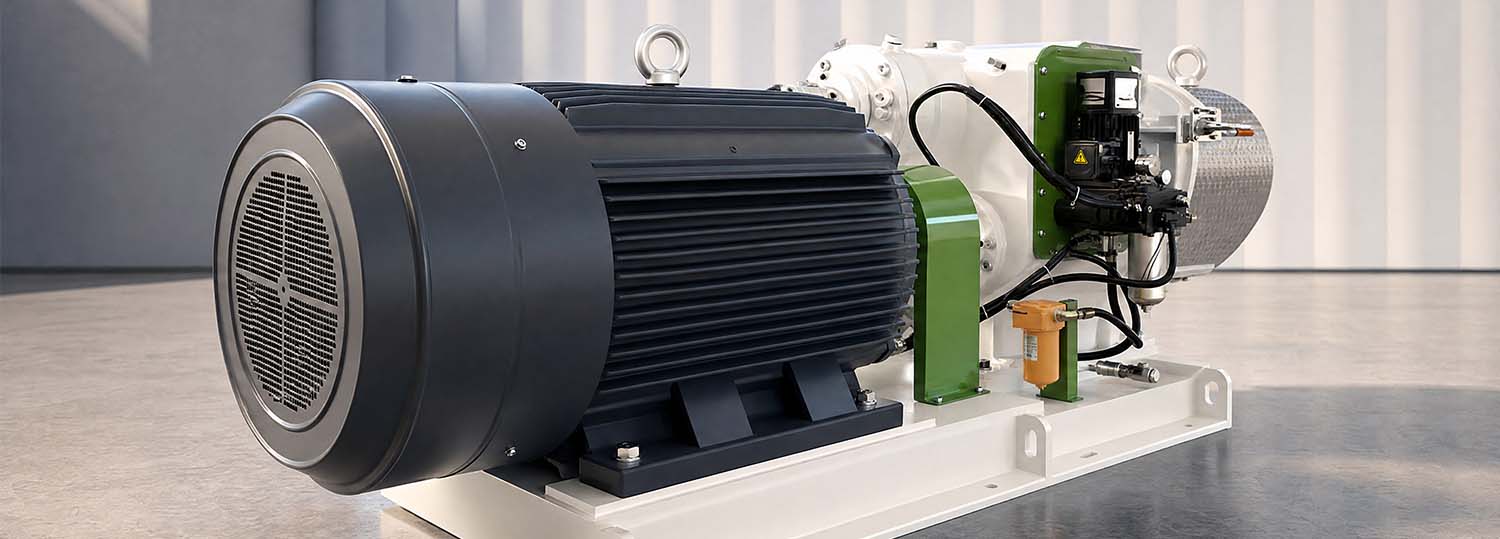
Drive & Transmission System
Delivers stable power from the motor to the pelletizing unit, ensuring continuous operation.
The optimized transmission design boosts energy efficiency and cuts power loss. It guarantees reliable performance, even during high-load operation.
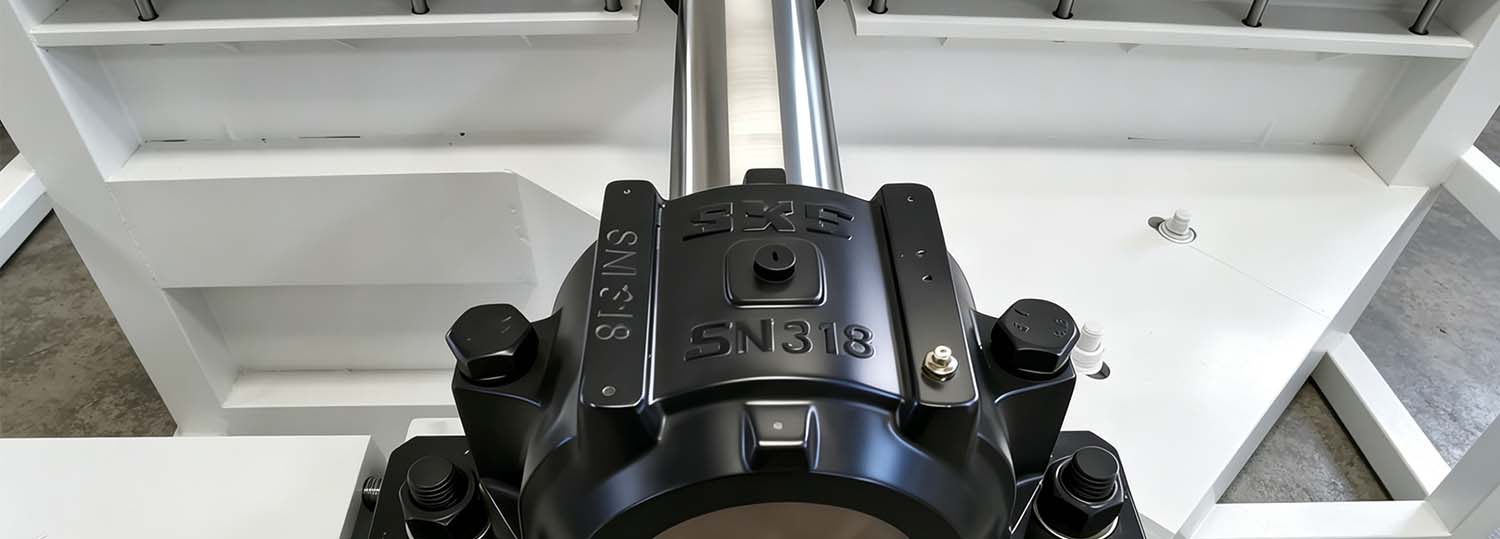
Lubrication System
Protects key components like bearings and rollers with continuous lubrication to reduce friction and wear.
The automatic lubrication system supplies oil precisely when needed. This reduces maintenance, extends the lifespan of parts, and ensures long-term reliability.
Wood Pellet Mill Specifications & Technical Parameters
The following parameters represent the rated output of the pellet mill within a complete production line. Actual capacity is directly related to the stability of the preliminary raw material processing. When selecting equipment, a reasonable margin should be reserved based on raw material characteristics and process conditions.
Selection requires multi-dimensional consideration: production capacity determines the main motor power and ring die size; material properties affect the compression ratio; and pellet specs determine the ring die hole diameter and cutter adjustment range.
Wood Pellet Mill
| Model | MZLH320 | MZLH350 | MZLH420 | MZLH520 | MZLH678 | MZLH768 |
| Main Motor Power (kW) | 22 | 37 | 90 | 132 | 200 | 250 |
| Anti-Arch Feeder Power (kW) | 2.2 | 2.2 | 3 | 3 | 3 | 4 |
| Force Feeder Power (kW) | 0.75 | 0.75 | 1.5 | 1.5 | 1.5 | 1.5 |
| Ring Die Inner Diameter (mm) | 320 | 350 | 420 | 520 | 673 | 762 |
| Pellet Diameter (mm) | 4~12 | |||||
| Capacity (T/H) | 0.2-0.3 | 0.3-0.5 | 1.0-1.2 | 1.5-2.0 | 2.5-3.0 | 3.0-4.0 |
| Note:Specs subject to final quotation. RICHI offers professional custom design and production. Final interpretation rights belong to RICHI. | ||||||
Wood-Based Raw Material Pelletizing & Equipment Configuration Reference Table
| Raw Material Type | Recommended Pellet Size (mm) | Pre-Treatment | Configuration Focus | Typical Application | Pelletizing Difficulty | Notes |
| Sawdust | 6-8 | Moisture Adjustment | Standard Pelletizing Configuration | Biomass Fuel | Low | Uniform particle size and good flowability, making it one of the most common and stable pelletizing materials. |
| Wood Shavings | 6-8 | Grinding + Moisture Adjustment | Grinding Pre-Treatment Configuration | Biomass Fuel | Medium | Additional grinding is usually required to achieve a consistent particle size before pelletizing. |
| Pine Sawdust | 6-8 | Moisture Adjustment | Standard Pelletizing Configuration | Residential Heating | Low | High lignin content provides natural binding properties and excellent pelletizing performance. |
| Mixed Hardwood Sawdust | 6-8 | Moisture Adjustment | Standard Pelletizing Configuration | Commercial Heating | Medium | Widely available, but pelletizing performance may vary depending on the wood species. |
| Eucalyptus Sawdust | 6-8 | Drying + Moisture Adjustment | Enhanced Pelletizing Configuration | Industrial Boilers | High | Dense fiber structure requires greater compression force and stable machine performance. |
| Bark | 6-8 | Drying + Screening | Wear-Resistant Pelletizing Configuration | Blended Fuel | High | High ash content; blending with wood materials is recommended to improve pellet quality. |
| Wood Offcuts | 6-8 | Grinding + Impurity Removal | Impurity Removal Pre-Treatment Configuration | Biomass Energy Projects | Medium | Offers high material utilization but requires effective removal of contaminants and foreign materials. |
| Furniture Waste | 6-8 | Metal Removal + Grinding | Metal Removal Pre-Treatment Configuration | Renewable Energy Utilization | High | Metal contaminants should be thoroughly removed before pelletizing to protect equipment. |
| Wood Cat Litter Materials | 2-6 | Fine Grinding | Small-Hole Ring Die Configuration | Pet Product Manufacturing | Medium | Higher requirements for pellet appearance, strength, and absorbency. |
| Mixed Wood Biomass | 6-10 | Formula Optimization | Customized Configuration | Integrated Pellet Projects | High | Raw material properties can vary significantly and may require process optimization. |
| Note: Specific process parameters and equipment setups depend on the material type, moisture level, target output, and final product specs. For mixed or special materials, a customized solution is recommended to guarantee stable operation and ideal pellet quality. | ||||||
Performance Advantages in Commercial Wood Pellet Production
Whether building a small-scale wood pellet line or planning a large biomass pellet plant, the wood pellet mill is the core equipment that determines production efficiency and product quality.
RICHI MZLA Series wood pellet mill machine is optimized for wood raw materials, meeting the capacity and stability demands of projects of all sizes.
1.
Stable Pellet Forming
By optimizing the structure of the ring die and rollers, the machine ensures stable compression of wood materials during pelletizing.
Even during long-term continuous operation, it guarantees uniform pellet size and a neat appearance, minimizing quality fluctuations.
2.
Adapts to Various Wood Raw Materials
Suitable for pelletizing a wide range of materials, including wood chips, sawdust, shavings, offcuts, and crushed branches.
It offers excellent adaptability for projects where raw material types may vary.
3.
Meets Continuous Production Demands
Designed for industrial production standards, the machine runs continuously under stable feeding conditions.
It is built for long-term, non-stop operation, avoiding the issues caused by frequent start-stop cycles.
4.
Easy Integration into Complete Lines
As the core unit, it pairs seamlessly with chippers, crushers, dryers, coolers, screeners, and packaging machines.
It makes it easy to build a complete production system from raw material processing to finished product packaging.
5.
Consistent Pellet Quality
Through stable control of the pelletizing process, the pellet density, length, and appearance remain highly consistent.
This ensures better performance during subsequent cooling, packaging, storage, and transportation.
6.
Stable Operation & Easy Maintenance
Key components feature a heavy-duty design to withstand high-intensity production environments.
The reasonable structure ensures easy daily inspection and maintenance, helping to reduce downtime.
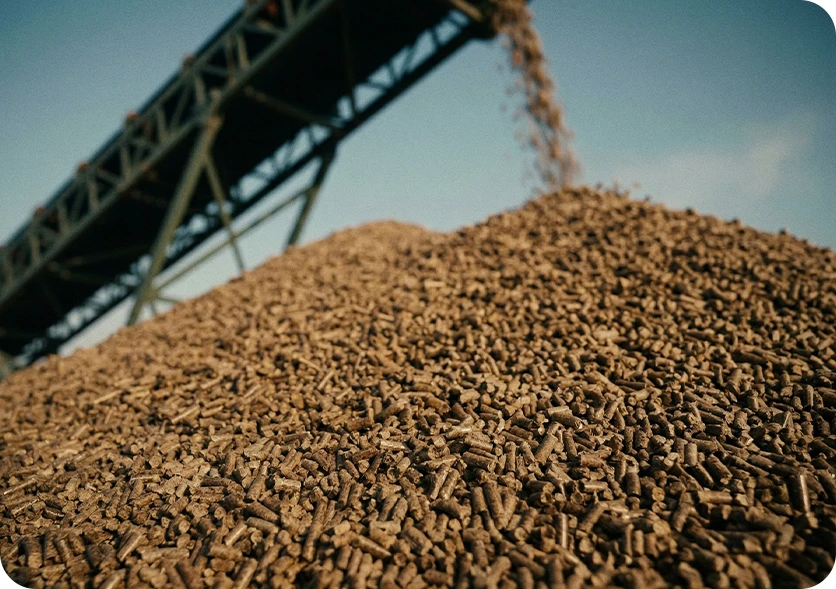
Wood Pellet Production Solutions for Your Project Scale
From single machine expansions to complete plant construction, projects at different stages demand distinct equipment configurations and automation levels. Understanding the features and applications of each solution ensures rational investment planning and reserves space for future capacity upgrades.
1. Standalone Wood Pellet Machine
2. Small-Scale Wood Pellet Mill (1-2 t/h)
3. Medium-Scale Wood Pellet Production Line (3-5 t/h)
4. Large-Scale Wood Pellet Plant (6-20+ t/h)
5. Customized Turnkey Wood Pellet Production Projects
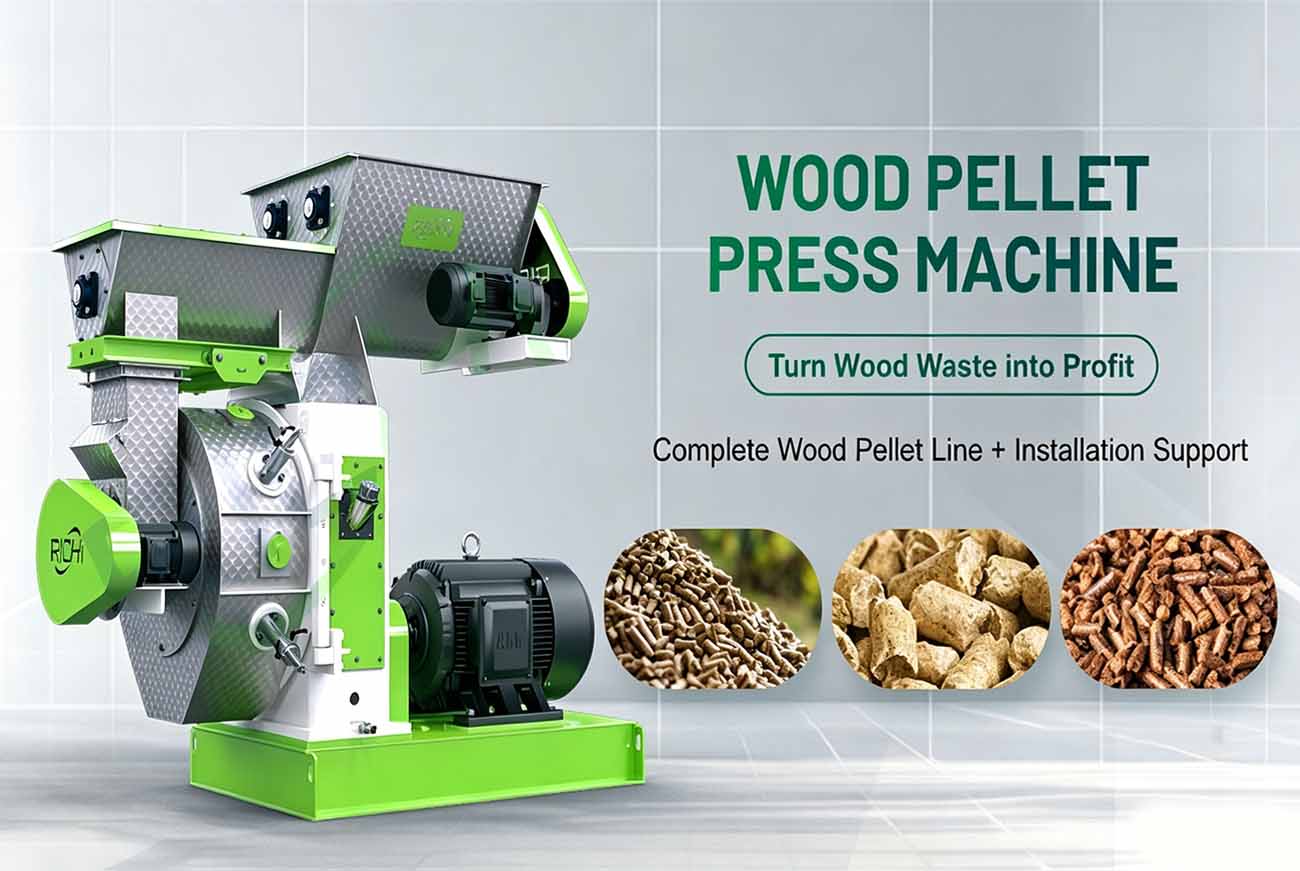
1. Standalone Wood Pellet Machine
If you already have crushing, drying, or packaging equipment, there is no need to build a complete new production line.
Solution Features:
- Short Installation cycle
- Flexible deployment
- Rapid production launch
Common Applications:
- Equipment upgrades & retrofits
- Increasing pellet capacity
- Pilot production for new products
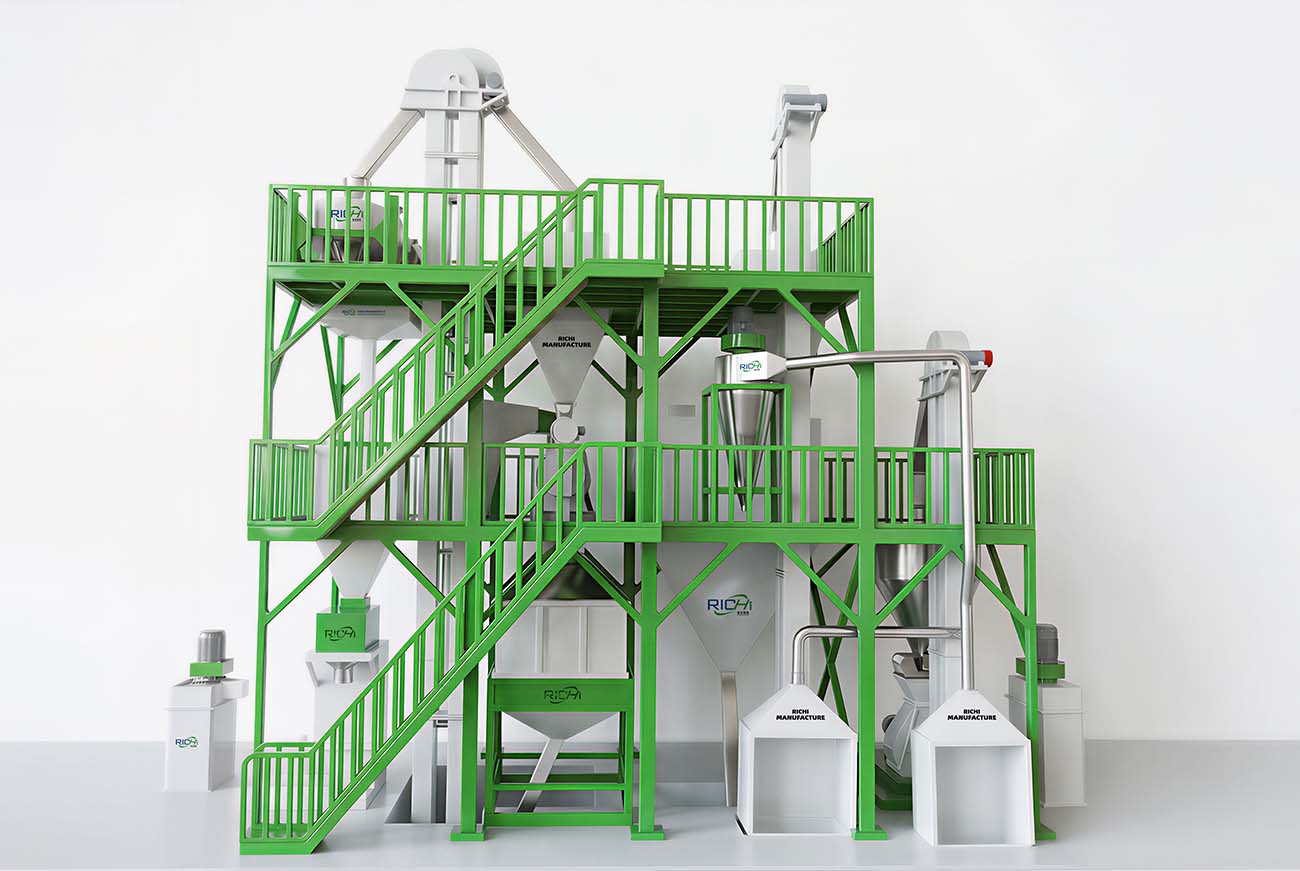
2. Small-Scale Wood Pellet Mill (1-2 t/h)
This solution covers the complete process from raw material to finished pellets. With a relatively small investment, it makes project risk easier to control.
It is the ideal starting configuration for companies entering the wood pellet industry.
Solution Features:
- Integrated poultry farming operations
- Multi-formula feed production
- Commercial feed supply projects
Recommended Pellet Diameter:
- Broiler Feed: 3-4 mm
- Layer Feed: 2-4 mm
- Breeder Feed: 3-4 mm
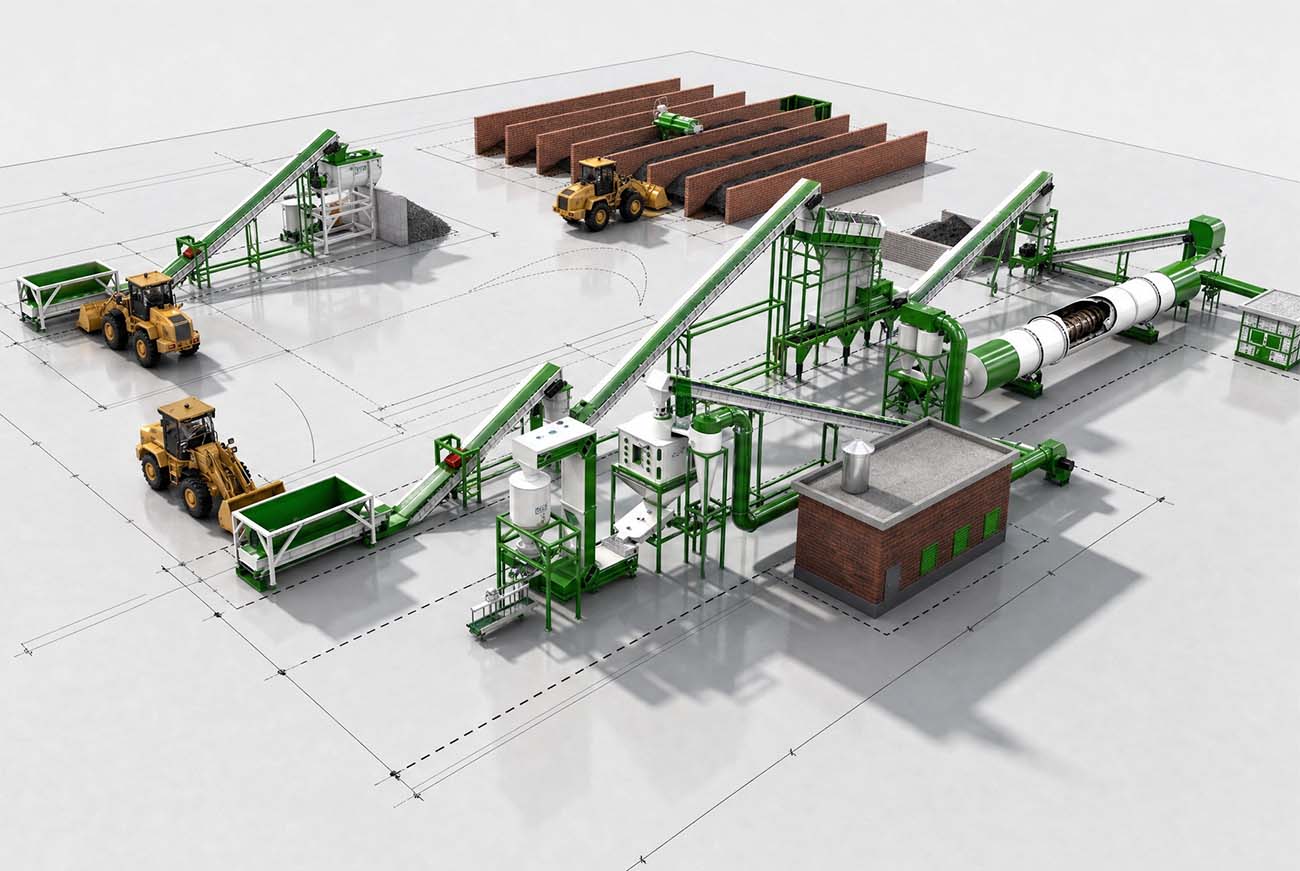
3. Medium-Scale Wood Pellet Production Line (3-5 t/h)
As orders and market demand grow, standalone machines or small configurations often fail to meet continuous production needs. Medium-scale lines strike a balance between capacity, automation, and operational efficiency.
Solution Features:
- Enhanced automation
- Higher production efficiency
- Room for capacity expansion
Target Customers:
- Commercial Pellet Fuel Plants
- Biomass Fuel Suppliers
- Growing Manufacturing Enterprises
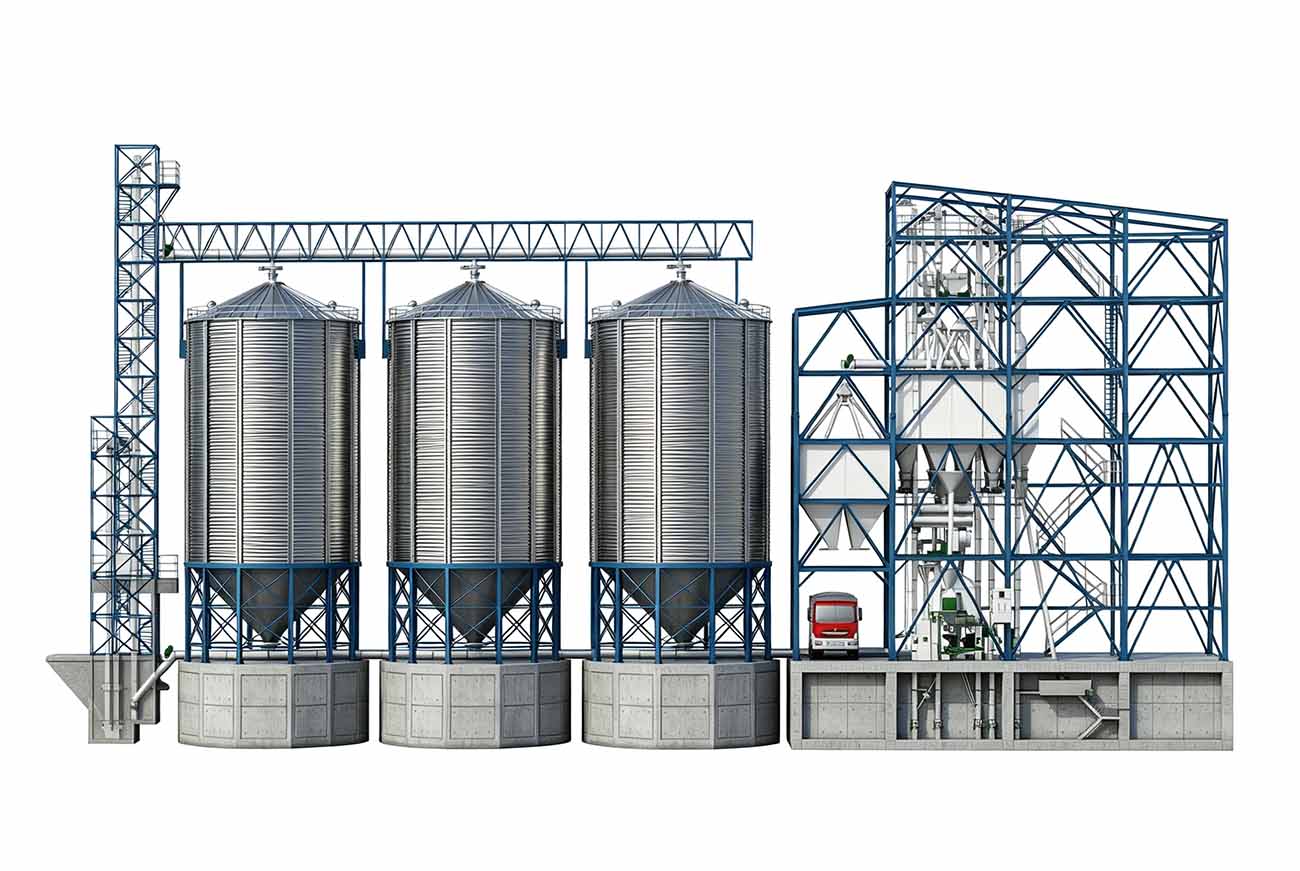
4. Large-Scale Wood Pellet Plant (6+ t/h)
When a project enters the large-scale operational phase, the focus shifts to continuous feeding, stable operation, and long-term capacity output. Large-scale plant configurations meet the demands of continuous production while lowering the operating cost per unit.
Solution Features:
- Continuous production
- Centralized control & management
- Multi-Equipment coordination
Target Customers:
- Industrial biomass projects
- Export-oriented production
- Energy companies
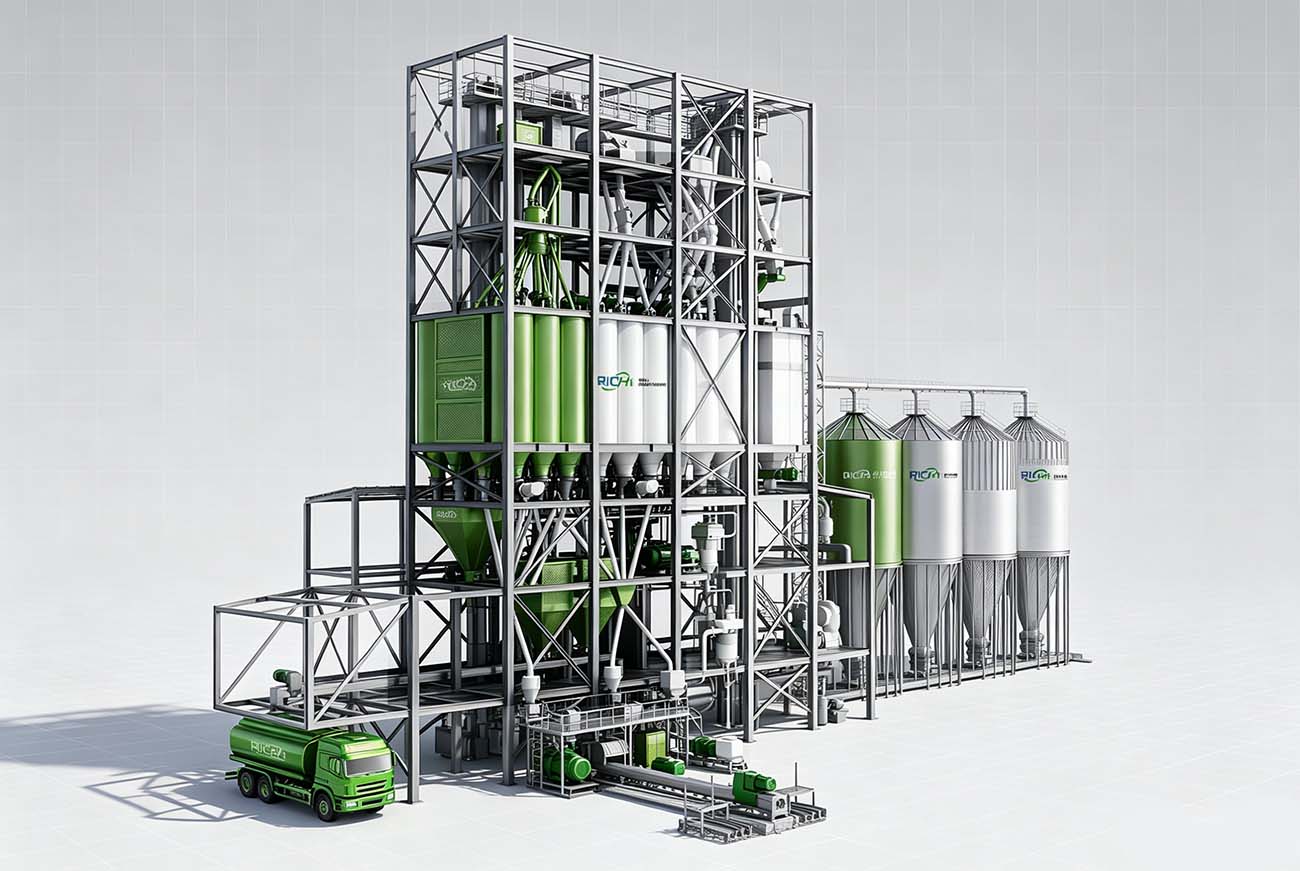
5. Customized Turnkey Wood Pellet Production Projects
Every project has unique raw materials, output targets, and facility layouts. Through customized design, we ensure an optimal match between equipment configuration, process flow, and plant planning, minimizing future adjustment costs.
Customization Factors:
- Raw materials
- Production capacity
- Pellet specifications
- Automation level
- Plant layout
Project Goals:
- Meeting personalized requirements
- Optimizing overall layout
- Reserving space for future expansion
Wood Pellet Production System
From the intake of raw materials like logs, wood chips, and sawdust to the packaging of finished pellets, the wood pellet production system typically consists of many sections.
Based on the raw material status, target capacity, and automation requirements, the equipment for each process can be flexibly configured to achieve stable and continuous pellet production.(Click to flip and view details.)
01.
Wood Grinding
Process large-sized raw materials like logs, branches, and wood scraps into specifications suitable for subsequent crushing, creating stable feeding conditions for continuous production.
Drum Chipper
Processes logs, branches, and wood strips into wood chips of 20-40mm; the screen size is customizable.
Main Motor Power
75-200 kW
Fly Knife Quantity
2-14
02.
Drying
Adjust the moisture level based on the initial moisture content of the raw materials to meet the process requirements for pelletizing, thereby improving the forming rate and pellet quality.
Rotary Dryer
Dries the moisture in sawdust and wood chips to the required level; the drum speed is adjustable according to material moisture content.
Dryer Length
6-24 m
Rotation Speed
3-12 rpm
03.
Pelletizing
Form stable structural pellets through high-pressure extrusion, achieving raw material standardization and high-density utilization.
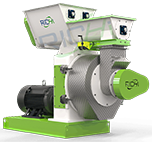
Wood Pellet Machine
Presses processed wood raw materials into high-density wood pellets.
Power
22-205 kW
Capacity
0.2-4 T/H
04.
Cooling
Reduces the temperature of new wood pellets to stabilize their structure, preventing deformation and damage during storage and transit.
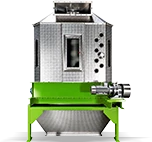
Counterflow Cooler
Ensures even cooling and superior pellet strength.
Cooling Time
6-15 min
Capacity
1-40 T/H
05.
Screening
Delivers precise grading for consistent pellet size and appearance. Rejected material is recycled back into the system.
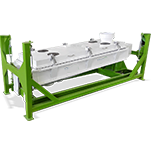
Rotary Grading Screen
Features multi-layer screens for continuous separation of different particle sizes.
Capacity
3-40 T/H
Power
1.5-5.5 kW
06.
Packaging
Electronic scales allow custom packaging (10kg-50kg or ton bags). Fully automated lines with optional robots. Control modes: Manual, semi-auto, or full-auto.
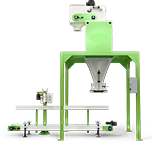
Fully Automatic Packing Scale
Packages materials, with sealing options: heat sealing, thread sewing, or hybrid sealing.
Packaging Speed
2-8 min/bag
Wood Pellet Plant Engineering Projects
Every wood pellet project is shaped by raw material characteristics, capacity targets, and process configurations. The following case studies cover wood pellet production projects across different countries, capacities, and raw material types, serving as a reference for equipment selection and solution planning.
Wood Pellet Manufacturing Plant Project in Indonesia
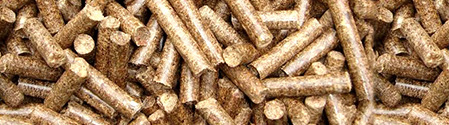
Region : Asia, Indonesia
Raw Materials : Logs and wood chips, furniture factory scraps and sawdust
Output : 1-2 T/H
Pellet Applications : Export and domestic industrial heating
Main Components : Log cutter, wood chipper, hammer crusher, dryer, MZLH420 wood pellet mill, screening machine, pellet cooler, packaging machine, etc
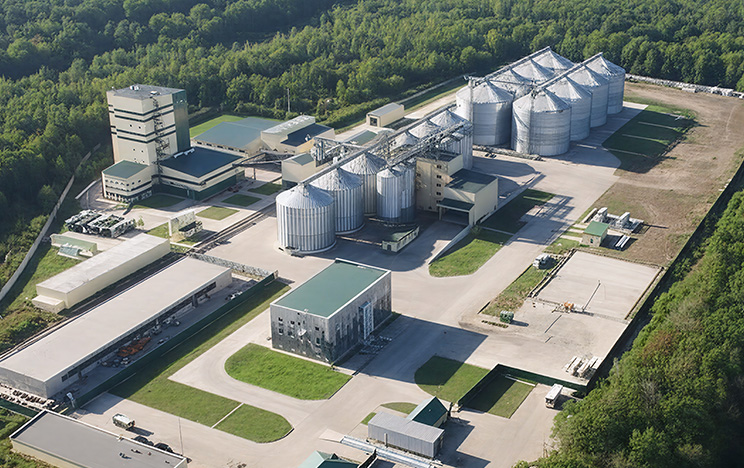
2T/H Turnkey Biomass Wood Pellet Plant in Canada
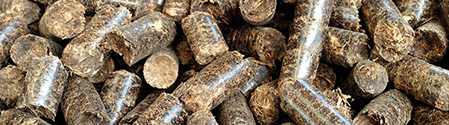
Region : Canada, North America
Raw Materials : Fir, hardwood processing waste, logging residues
Output : 2 T/H
Pellet Applications : Fuel Pellets
Main Components : Wood chipper, hammer mill, screening machine, rotary dryer, storage silo, industrial wood pellet mill, pellet cooler, automatic packaging machine, etc
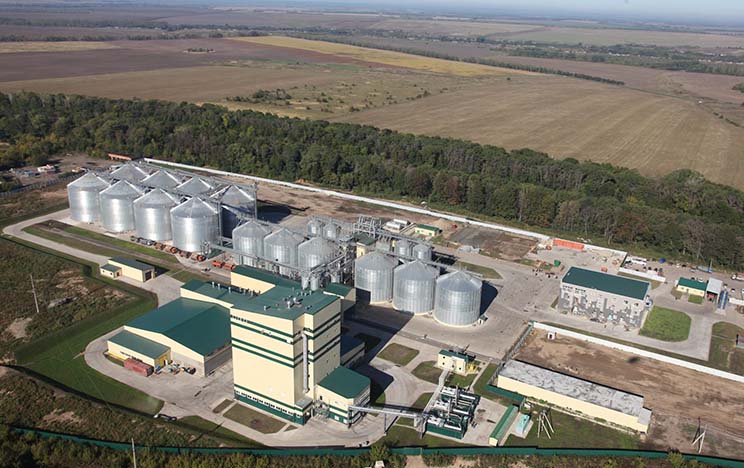
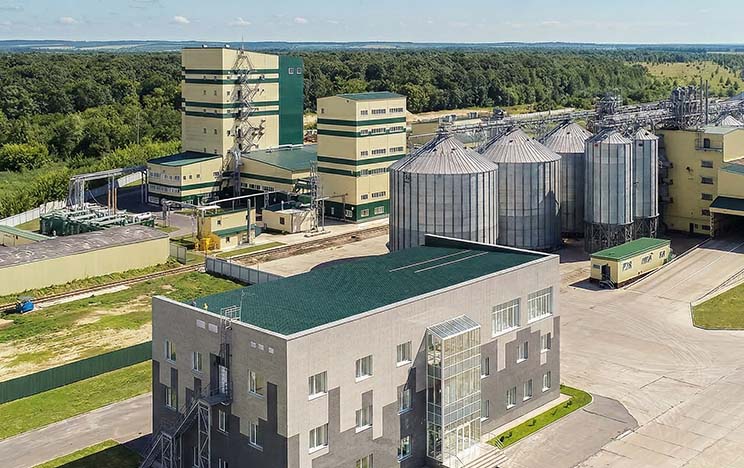
10T/H Wood Sawdust Bioenegy Pellet Processing Plant in Mexico
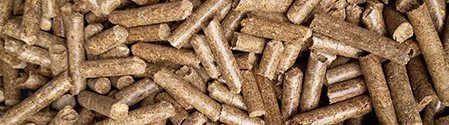
Region : Mexico, North America
Raw Materials : Softwood, oak, recycled solid wood
Output : 10 T/H
Pellet Applications : Power plants and heating
Main Components : Drum wood chipper, hammer mill, biomass pellet mill, SKLH series pellet cooler, pellet packaging machine, and other auxiliary equipment
2T/H Wood Sawdust Pellet Production Line Netherlands
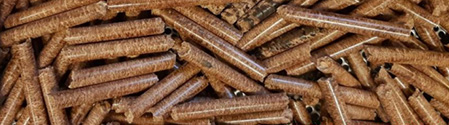
Region : Netherlands, Europe
Raw Materials : Wood processing scraps, clean waste solid wood
Output : 2 T/H
Pellet Applications : Power plant, as supplemental energy for natural gas
Main Components : Hammer mill, box-type pulse dust collector, electrical control cabinet, vibrating screen classifier, high-quality ring die wood pellet mill, counter-current pellet cooler, rotary dryer, and automatic packaging system
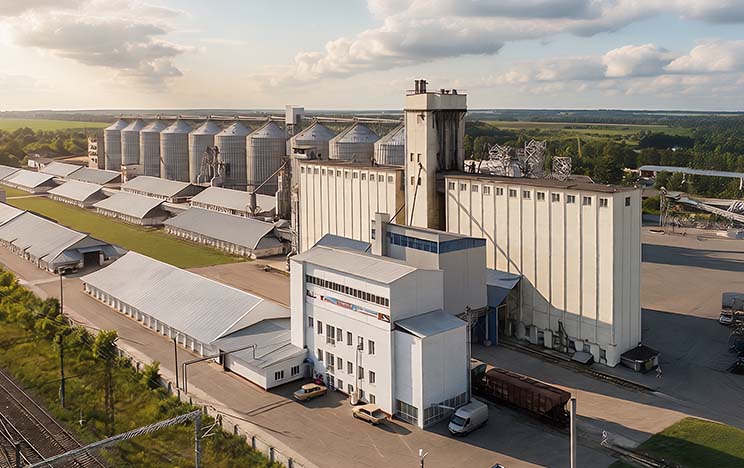
1-2T/H Biomass Pellet Line For Wood Brazil
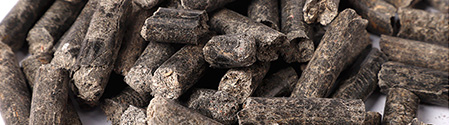
Region : Brazil, South America
Raw Materials : Sawdust, wood chips, branches, straw, stalks, palm fiber
Output : 1-2 T/H
Pellet Applications : Power plants or household combustion
Main Components : Crushingequipment, conveyor , screening machine, dryer, screw feeder, MZLH420 ring die wood pellet mill, conveyor, cooler, packaging machine
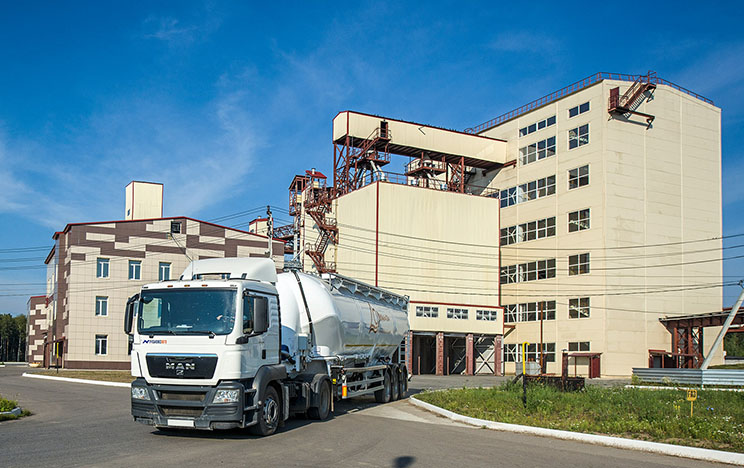
5T/H Wood Sawdust Production Line Austria
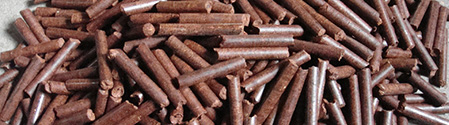
Region : Austria, Europe
Raw Materials : Wood chips, sawdust, etc
Output : 5 T/H
Pellet Applications : Heating for private residences and medium-sized industrial boilers
Main Components : Drum wood chipper, hammer mill (75 kW), pulse dust collector, electrical control cabinet, vibrating screen classifier, wood pellet mill, counter-current pellet cooler , rotary dryer, automatic packaging system
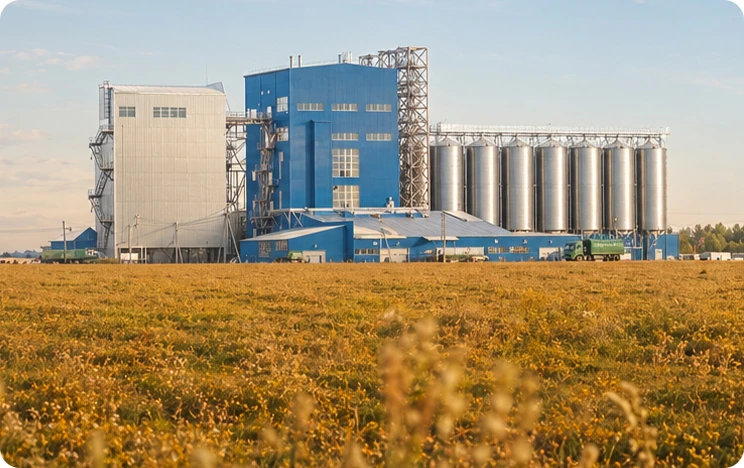
Wood Pellet Production Questions Answered
Find professional answers to common questions, covering the key processes and important considerations in biomass pellet production.
1. What’s the price of a wood pellet machine?
The price of a wood chip pellet machine varies widely, mainly depending on the equipment model and production capacity.
2. What raw materials can a wood pellet mill machine process??
A wood chip pellet machine is primarily designed to process wood-based raw materials, including sawdust, wood chips, shavings, crushed wood pieces, bark, crushed branches, and wood processing waste.
For raw logs, wood chips, or materials with high moisture content, they usually need to be crushed or dried before pelletizing. Therefore, whether a material is suitable for pellet production depends not only on its type but also on whether its particle size and moisture content meet the technical requirements.
In practical applications, most wood processing waste, forestry residues, and some agricultural and forestry biomass materials can be used as raw materials for pellet production.
3. Can a wood chip pellet machine run independently, or does it require a complete production line?
A wood chip pellet machine can either be used standalone or serve as the core equipment in a complete pellet production line.
If your raw material is sawdust or wood chips that already meet the pelletizing requirements and have proper moisture content, a single pellet machine can handle the production. A full production line is not always necessary.
However, in most real-world projects, raw materials cannot go directly into pelletizing. For example, logs, branches, wood chips, and furniture waste usually need to be crushed and dried before they are suitable for pelletizing. Therefore, as production capacity increases or raw materials become more complex, more projects adopt a full production line to ensure continuous operation and stable product quality.
For trial runs, small-scale processing, or users with existing pre-processing facilities, a standalone machine is usually sufficient. For commercial pellet production projects, a complete production line is generally better for long-term stable operation.
Ultimately, whether to choose a standalone machine or a full line depends on your raw material condition, target output, and production mode.
4. What is the essential difference between wood pellet machines with different production capacities?
The essential difference between wood chip pellet machines of different capacities lies not only in output volume, but also in structural strength, continuous operation capability, and system compatibility.
As production capacity increases, the equipment typically requires higher drive power, stronger structural stability, and a more complete supporting system to support long-term continuous operation.
Therefore, the choice of capacity actually corresponds to the design level of the entire production system, rather than just the specifications of a single machine.
In project design, the appropriate system-level configuration is usually determined based on raw material conditions and production rhythm, instead of simply selecting equipment by output volume alone.
5. What are the main uses of the pellets produced by a wood chip pellet machine?
Wood pellets are most commonly used as biomass fuel, but depending on the raw material type and pellet specifications, their applications extend far beyond the energy market.
For fuel pellet producers, the finished pellets are suitable for industrial boilers, heating systems, biomass power plants, and commercial energy projects. For wood processing enterprises and resource recycling projects, pelletizing is a key way to increase the value of raw materials and improve transportation efficiency.
In recent years, some wood pellets have also been used in products like cat litter and animal bedding. These applications usually require higher standards for pellet appearance, water absorption, and low dust levels, so the process configuration differs accordingly.
From a market perspective, pellets produced by the same wood chip pellet machine can enter either the fuel market or the pet supply and other wood pellet product markets. The final application depends on the raw material condition, pellet specifications, and project positioning.
6. What is the most important factor when choosing a wood pellet machine model?
For a wood pellet production project, the most important step is not to determine the machine model first, but to confirm the raw material.
Even though all are used to produce wood pellets, the pelletizing characteristics of sawdust, crushed wood chips, bark, and furniture waste are different. Variations in raw material type, particle size, and moisture content will directly affect equipment configuration and the final production result.
Once the raw material conditions are clear, you can then choose the appropriate model based on your target output and operating time. This approach is usually more reliable than simply selecting equipment by capacity alone. Because in pellet production, long-term stable operation of the machine is often more important than the rated output.
Explore RICHI Other Biomass Pellet Production Solutions
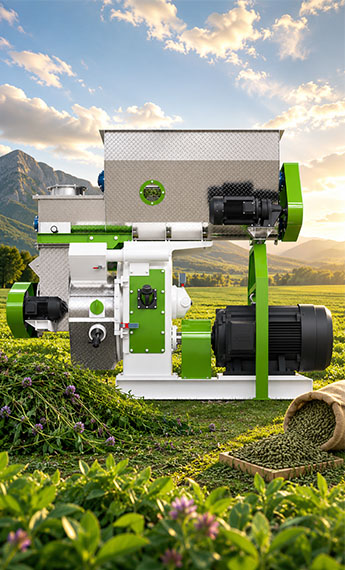
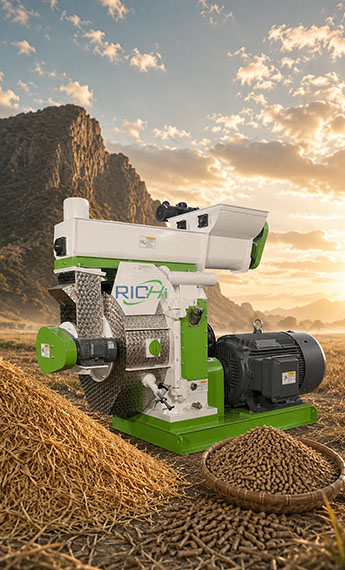
husk pellet machine
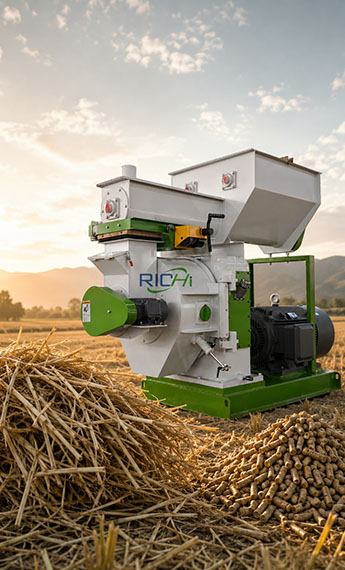
Straw pellet production machine
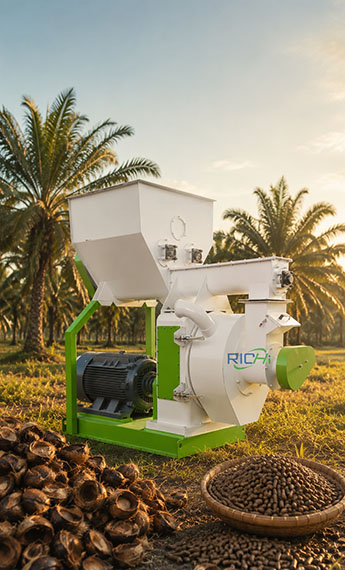
Palm shell pellet machine

RICHI Machinery: Powering Global Pellet Production
Committed to pioneering pellet technology and industrial engineering, we leverage over 30 years of R&D expertise and global experience.
We optimize design, manufacturing, and system integration to drive the feed, biomass, and specialty industries toward efficiency, intelligence, and sustainability.
Our expert team delivers end-to-end pellet production solutions that meet international standards and align with your strategic goals for productivity and long-term growth.
60000 +m2
Square Meters of Our Factory
2000 +
Projects Running Worldwide
140 +
Countries of Our Client
200 +
Numbers of Our Team
Global Expertise & System Excellence
Advanced pellet production systems combine robustness and future-readiness, establishing industry benchmarks through technological integration and innovation.
Reliable Quality
Every machine undergoes precise and rigorous quality inspections.

Worry-Free Warranty
Supported by a global service network with fast response times.

Professional Support
Experienced technical teams provide full-cycle assistance.

Secure Payments
Multi-layer encryption ensures safe and transparent transactions.

Global Logistics
Efficient worldwide shipping ensures timely delivery to any location.
Start Your Pellet Project
Pellet production is a systematic process. Provide your raw materials and capacity needs, and we’ll create a customized solution with professional guidance for commercial production.

Address: South of intersection of Xingda Road & Hongyuan Road, Wuzhi, Jiaozuo City, Henan Province,China

Tel/WhatsApp: + 86 136 0866 8310

E-mail: enquiry@richimachinery.com



© HENAN RICHI MACHINERY CO., LTD 1995-2026 Product Line-Up / Privacy Policy
Contact Us
Please send your requirements, RICHI’s consultants will get back to you quickly.

