

Cattle Feed Pellet Machine for Forage & Grain-Based Feed
Pelletizing is the efficient way to store forage, hay, and grains for the long term. RICHI industrial cattle feed pellet machine(1-40 t/h) turns seasonal feed resources into standardized pellets. This saves space and simplifies long-term reserves and feeding management.
Cattle Feed Pellet Mill: The Pelletizing Equipment in Cattle Feed Processing Systems
Cattle feed production is not as simple as putting corn, forage, and hay directly into a pellet mill. Feed raw materials from different sources usually require grinding, proportioning, and mixing first. Only then are they ready for pelletizing.
As the pelletizing equipment in the cattle feed processing system, the RICHI Cattle Feed Pellet Mill is mainly responsible for compressing ground and mixed materials into pellets. It is not designed to process raw crops. Instead, it converts established feed formulas into uniform pellets. This allows forage, grains, and other feed resources to be applied in a standardized way to beef and dairy farming.
Typical Applications of Feed Pellet Making Machine:
Feed Pellet Mill Structure & Engineering Design
The performance of a feed pellet machine is closely related to the design of its core structure. From power transmission to pelleting components, every key part affects the equipment’s operating condition and the pellet production results. RICHI creates reliable pelleting equipment suitable for commercial feed production through rational structural design and component configuration.
Ring Die & Pelleting Chamber
Feeding & Conditioning System
Drive & Transmission System
Structural Frame & Safety Design
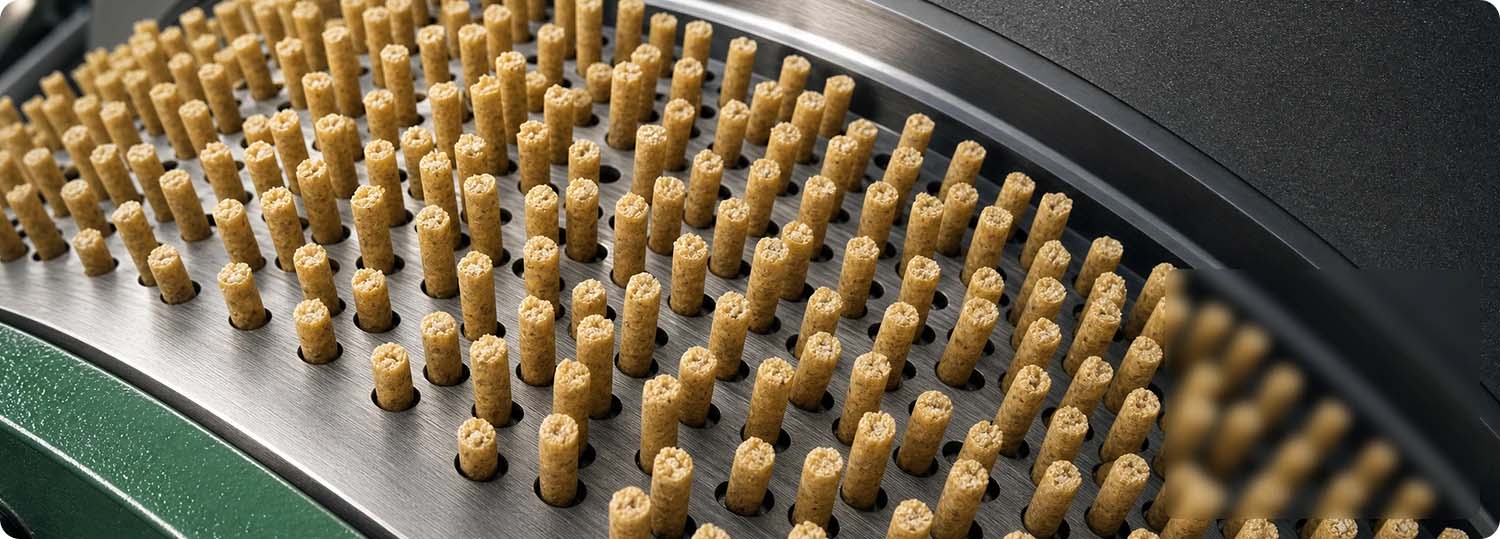
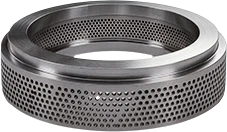
Ring Die & Pelleting Chamber
The ring die compression ratio is customized to match your feed formula. The die holes are CNC-machined for high precision, ensuring uniform pellets with a low fines rate.
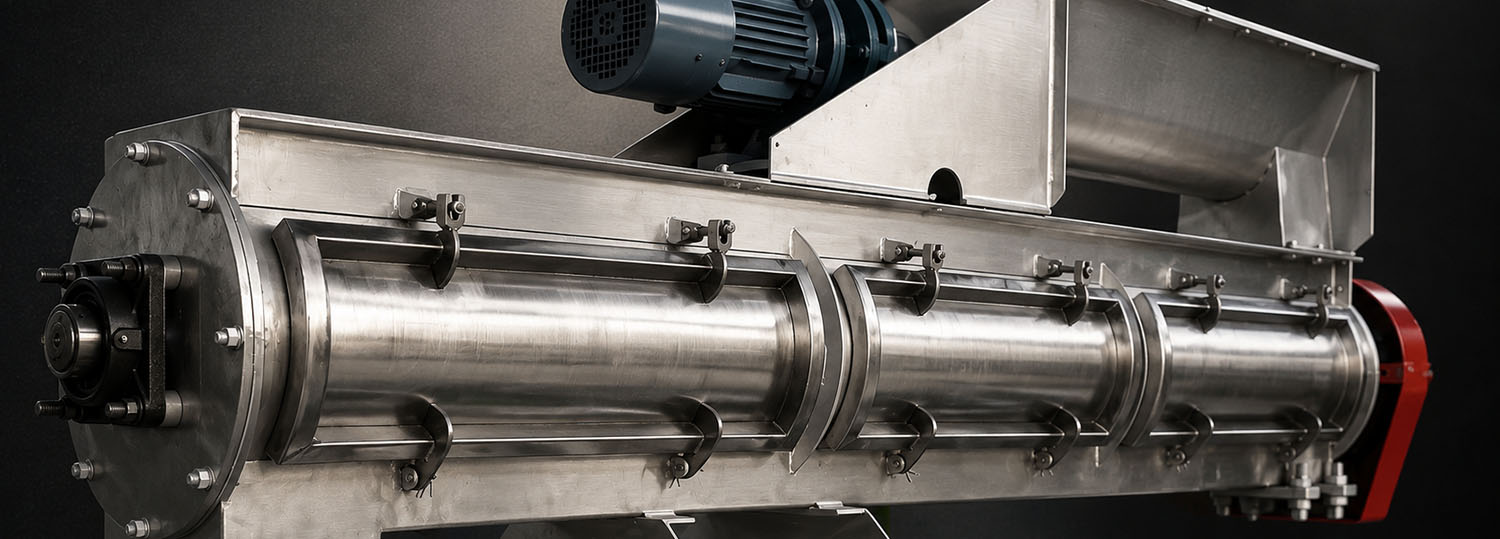
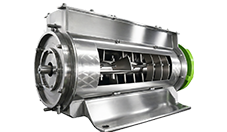
Feeding & Conditioning System
Equipped with a variable-frequency forced feeder, it ensures continuous and even material flow into the stainless steel conditioner. This prevents blockages and cross-contamination caused by material residue.
Drive & Transmission System
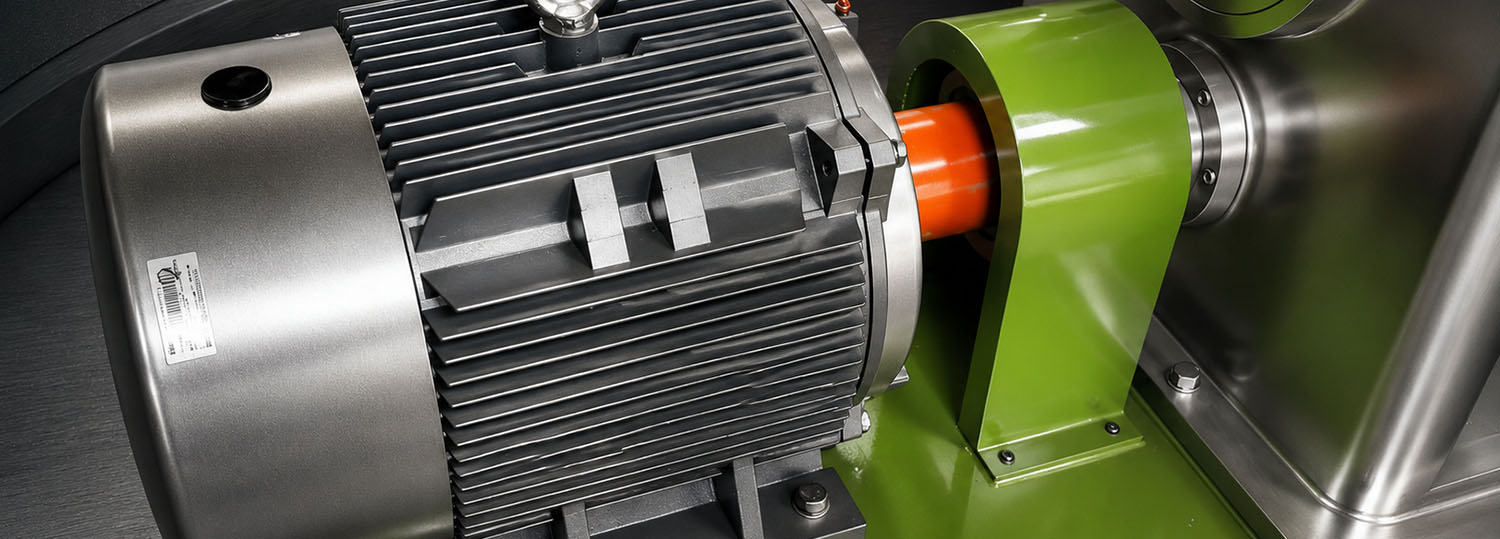
Features a high-precision gearbox transmission. It delivers high torque efficiency without slipping, eliminates belt wear issues, and guarantees superior long-term stability.
Structural Frame & Safety Design
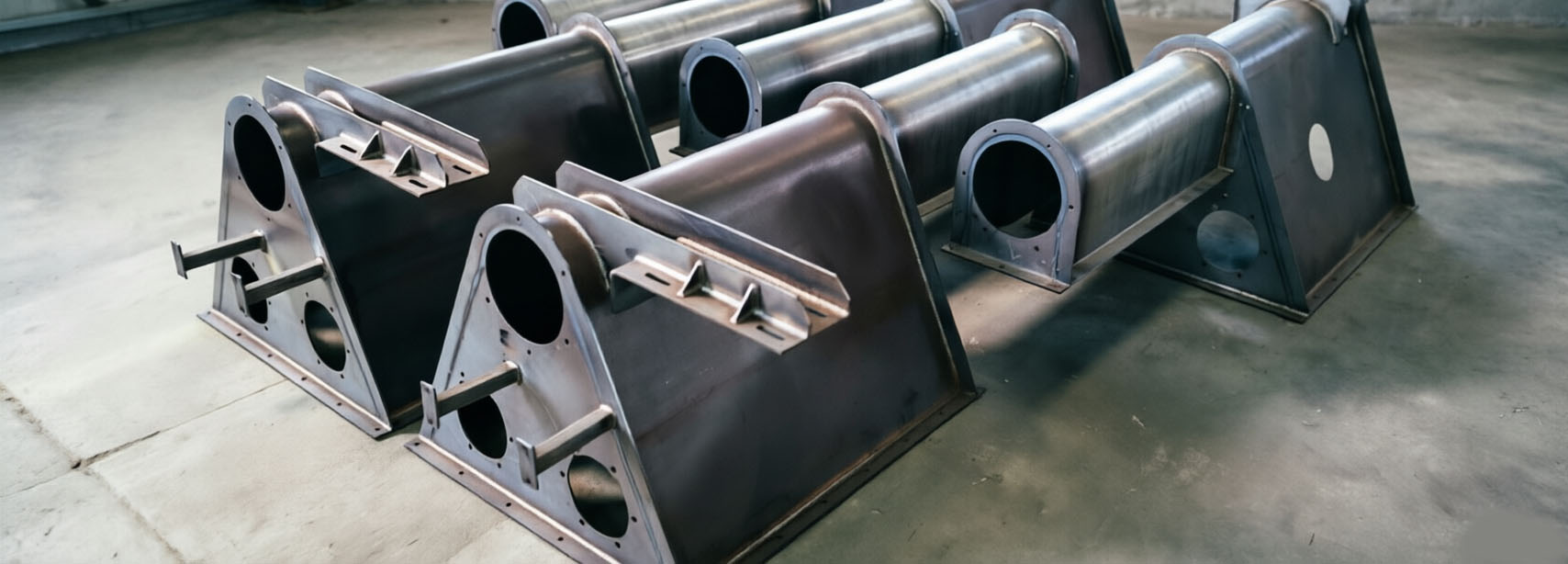
Built on a high-strength steel chassis with integrated welding, the rigid structure ensures stable operation even under high-vibration conditions.
Ring Die Cattle Feed Pelletizer Specifications & Applications
The following parameters are the rated output for a complete feed production line. Actual capacity depends on raw material prep and batching stability. Allow for a margin based on material traits and process conditions during selection.
Selection requires multi-dimensional consideration: capacity dictates power and die specs; material traits affect compression ratio and conditioning; pellet specs determine die aperture and cutter adjustment.
Ring Die Feed Pellet Mill
| Model | SZLH250 | SZLH320 | SZLH350 | SZLH420 | SZLH508 | SZLH558 | SZLH678 | SZLH768 |
| Main Motor Power (kw) | 22 | 37 | 55 | 110 | 160 | 185 | 250 | 315 |
| Feeder Power (kw) | 1.1 | 1.5 | 1.5 | 1.5 | 1.5 | 1.5 | 1.5 | 2.2 |
| Modulator Power (kw) | 1.5 | 4 | 4 | 7.5 | 7.5 | 11 | 11 | 11 |
| Ring Die Inner Diameter (mm) | 250 | 320 | 350 | 420 | 508 | 558 | 673 | 762 |
| Finished Pellet Diameter (mm) | 2~12 | |||||||
| Output (t/h) | 1.0-1.5 | 3-4 | 5-6 | 10-12 | 15-16 | 20-22 | 30-33 | 38-40 |
| Note:Specs subject to final quotation. RICHI offers professional custom design and production. Final interpretation rights belong to RICHI. | ||||||||
Feed Types Available with Ring Die Cattle Feed Pellet Machine
| Feed Type | Applicable Animals | Production Direction |
|---|---|---|
| Cattle Feed | Beef cattle, dairy cattle, calves, fattening cattle, etc. | Mainly produces 2–12 mm cattle feed pellets, covering concentrate feed pellets, forage-based pellets, and total mixed ration (TMR) pellet processing. |
| Sheep Feed | Sheep, goats, fattening sheep, etc. | Produces sheep feed pellets based on forage, alfalfa, hay, grains, and other feed ingredients. |
| Pig Feed | Piglets, growing pigs, fattening pigs, replacement sows, breeding pigs, etc. | Mainly formulated with grains and protein sources such as corn, wheat, and soybean meal for compound feed pellet production. |
| Poultry Feed | Broilers, layers, ducks, geese, turkeys, etc. | Used for conventional grain-based compound feed pellet processing. |
| Rabbit Feed | Meat rabbits, Rex rabbits, etc. | Produces fiber-based and compound feed pellets according to rabbit nutritional requirements. |
| Deer Feed | Sika deer, red deer, etc. | Combines forage and concentrate feed formulas for daily feeding and seasonal feed storage in deer farming. |
| Other Livestock Feed | Horses, donkeys, and other farm animals | Feed formulas and pellet sizes can be adjusted according to different animal feeding requirements. |
Working Principle of Cattle Feed Pellet Machine
Making cattle feed pellets is more than just compressing feed. The machine conditions the material and then uses pressure between the ring die and the rollers to compress loose feed into uniformly shaped pellets.
1.
Conditioning the Material First
Ground and mixed feed powder enters the conditioner through the feed inlet. Here, it fully mixes with steam or water. This process prepares the corn, soybean meal, and forage powder, making it ready for compression.
2.
Rollers Push Feed Through the Ring Die
Once conditioned, the material enters the pelletizing chamber. The rollers continuously press the feed against the ring die surface. As the ring die rotates, the material is forced into the die holes, gradually forming a continuous column.
3.
Die Holes Shape the Pellets
As the feed passes through the ring die holes, continuous pressure compacts the loose material. This binds it into dense, cylindrical pellets. The die hole size determines the pellet diameter, and different dies create different sizes.
4.
Cutting and Discharging the Pellets
The feed is extruded as a continuous column from the outside of the ring die. A rotating cutter cuts it at a set point to form pellets of uniform length. The cut pellets are discharged through the outlet, completing the conversion from powder to pellets.
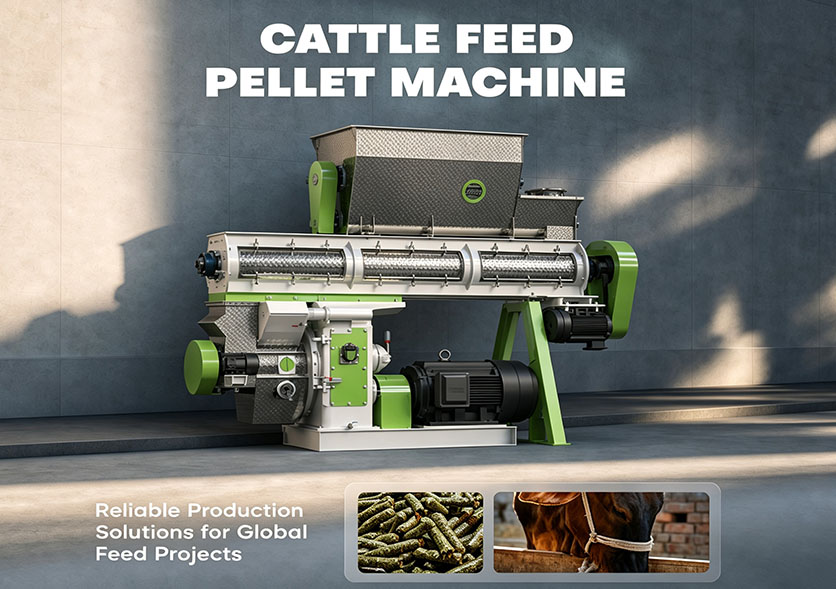

Performance Advantages of RICHI Cattle Feed Pellet Mill
Ranchers face different raw materials, feed formulas, and production scales. Therefore, choosing a cattle feed pellet mill involves more than just checking capacity parameters. Based on the specific needs of cattle feed production, RICHI designs equipment for diverse scenarios, focusing on material adaptability, pellet quality, and long-term reliability.
• Handles Complex Feed Ingredients Common in Ranching
Cattle feed is rarely made from a single ingredient. Many ranches mix self-produced forage, alfalfa, and hay with concentrates like corn and soybean meal. RICHI cattle feed pellet mills are designed for these multi-ingredient formulas. They help you process materials of different properties into uniform pellets.
• Makes Raw materials for Animal Feed Easier to Use
If your ranch has self-produced forage or agricultural by-products, direct storage and use often take up too much space and are hard to transport. Pelleting converts loose materials into denser pellets. This simplifies storage, transport, and daily feeding management.
• Adjusts Pellet Specifications to Meet Herd Needs
Cattle at different stages require different pellet sizes. RICHI can equip the machine with the right ring die based on your formula and target animals. We produce various pellet specifications to meet the needs of calves, beef cattle, and dairy cows.
• Fits Everything from Existing Lines to Complete Projects
If you already have grinders and mixers, you can simply add the pelleting stage. If you plan to build your own cattle feed processing system, RICHI can configure a complete production solution based on your output requirements.
• Engineered for Continuous, Long-Term Production
Cattle farms need a stable feed supply every day. Therefore, equipment must support long-term operation, not just momentary output. RICHI cattle feed pellet mills feature an industrial-grade design. They meet the continuous processing demands of large-scale ranches and commercial feed production.
• Supports Future Expansion, Not Just Current Needs
Many clients start by producing feed only for their own use. As their herd grows, they may expand into commercial feed sales. RICHI equipment allows you to expand the configuration as needs arise. We help you upgrade your feed processing capacity step by step.
Cattle Feed Pellet Mill Machine Solutions for Different Production Scales
Feed production demands are not fixed. As farming scale expands, feed demand increases, or business models change, production equipment also needs to have corresponding room for adjustment.
From standalone configurations that meet daily feed supply, to commercial processing solutions supporting continuous production, RICHI provides animal feed pelleting equipment with different capacity levels. It helps customers choose the proper configuration based on current production needs, and reserves space for future expansion.
1. Farm Feed Production Solution (≥8 t/day)
2. Commercial Feed Production Solution
3. Industrial Feed Manufacturing Solution
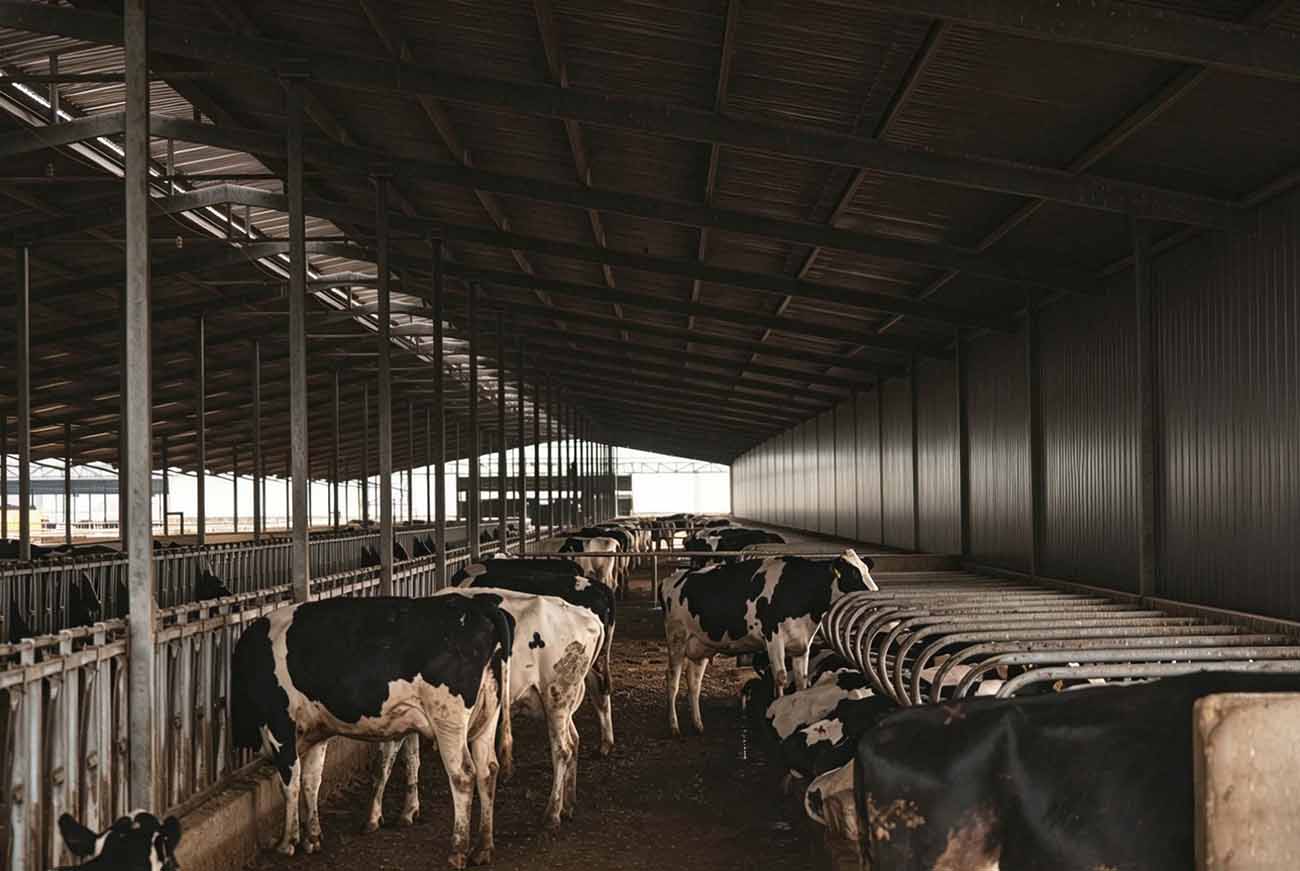
1. Farm Feed Production Solution
Production Requirements:
Daily Feed Requirement Reference:
- ≥8 tons/day → Suitable for RICHI industrial feed mill machine solutions
- <8 tons/day → Not within RICHI’s target service range
Recommended Capacity:
1–2 T/H (configured according to daily feed demand)
Typical Equipment Configuration:
Feed crusher + Feed mixer + Livestock feed mill machine + Cooling & screening equipment (optional)
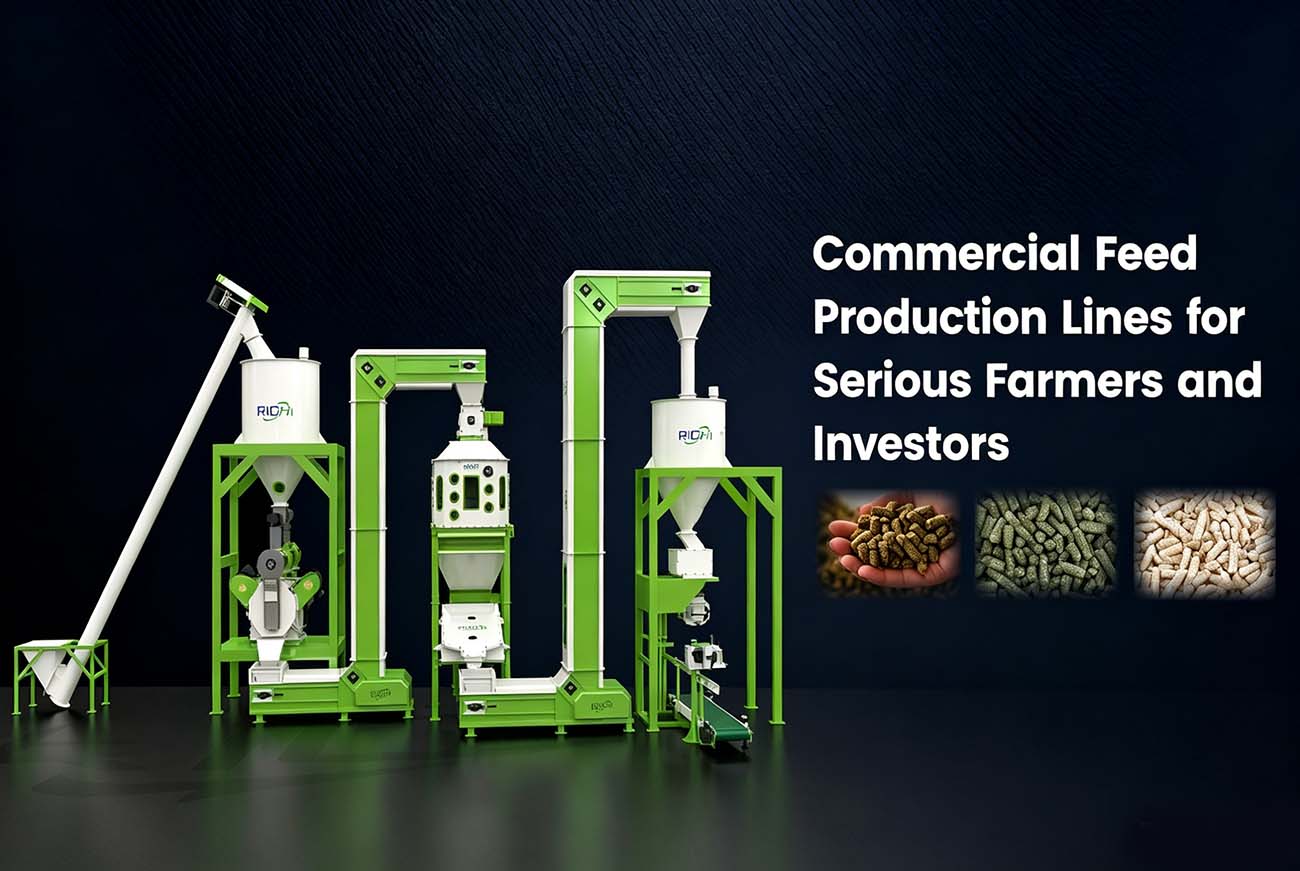
2. Commercial Feed Production Solution
Production Requirements Features:
- Balances production efficiency with investment costs, suitable for stable commercial operations;
- Supports various livestock feed formulas, including cattle feed, sheep feed, and pig feed;
- Allows flexible product adjustment according to market demand;
- Suitable for continuous production and bulk feed supply.
Recommended Capacity:
3–5 T/H
Typical Equipment Configuration:
Raw material grinding system + Mixing system + Pelletizing system + Cooling system + Packing system
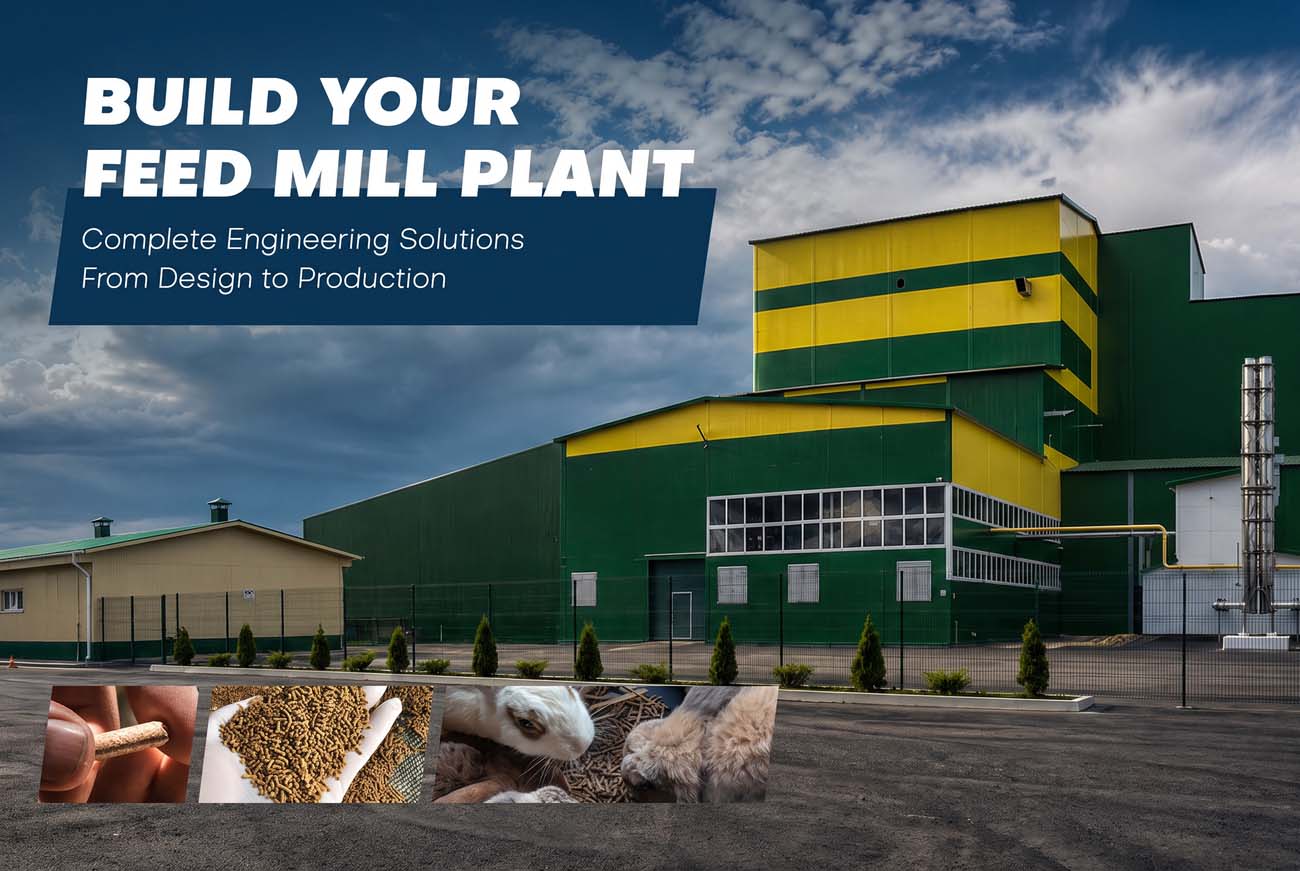
3. Industrial Feed Manufacturing Solution
Production Requirements Features :
- Meets high-volume feed production requirements;
- Supports year-round continuous operation;
- Can be equipped with automatic control systems to improve production efficiency;
- Allows future factory expansion according to increasing production needs.
Recommended Capacity:
8 T/H and above
Typical Equipment Configuration:
Complete livestock feed production line, including:
Raw material receiving system + Grinding system + Batching & mixing system + Pelletizing system + Cooling & screening system + Packing system + Automatic control system
Cattle Feed Pellet Production System
The pellet machine is the core of the feed production line, but its performance relies on matching upstream and downstream systems. Process integration and capacity balance across all stages determine the line’s efficiency and final product quality. Integrating pelleting into a full-process design is key to stable production and cost optimization. (Click to flip and view details.)
01.
Raw Material
Processing
Once received, raw materials undergo screening to eliminate coarse impurities. Cleaned materials are stored in dedicated silos with clear labeling.
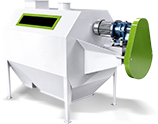
Rotary Drum Cleaner
Removes stones, sand, and heavy impurities from granular materials.
Capacity
15-50 T/H
Drum Speed
12-21 rpm
02.
Raw Material Crushing & Pellet Size Control
Grinding granularity is adjustable to match various poultry breeds and growth stages.
After grinding, the material is mechanically conveyed to the batching bin, ready for use.
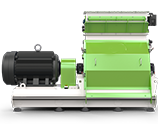
Hammer Mill
Grinds materials (≤5cm in size) into powder; screen mesh size is customizable.
Capacity
3-50 T/H
Grinding Size
0.5 – 20mm
03.
Batching & Mixing
Utilizes electronic weighing scales controlled by a PLC. Once weighed, the materials are fed into the mixer.
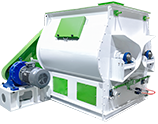
Twin-Shaft Paddle Mixer
Designed for mixing powders, granules, flakes, lumps, irregular materials, and viscous substances.
Material
Carbon Steel, Stainless Steel
Batch Capacity
250-2000 kg/P
04.
Conditioning & Pelleting
The mixed powder is conditioned with high-temperature steam. Next, it is fed into the ring die pelletizer for pelletizing. The die aperture is adjustable.
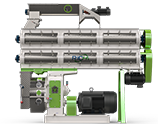
Cattle Feed Making Machine
Efficiently compresses powder into robust, durable pellets.
Power
22-315 kW
Capacity
1-40 T/H
05.
Cooling
The hot, high-moisture pellets are cooled and dehumidified to reach room temperature and safe storage moisture levels.
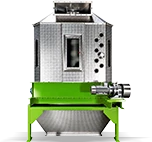
Counterflow Cooler
Cools high-temperature pellets to reach room temperature.
Cooling Time
6-15 min
Capacity
1-40 T/H
06.
Screening
The cooled pellets are graded via a vibrating screen to remove powder and fines.
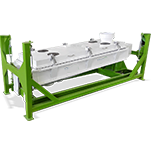
Rotary Grading Screen
Screens granular materials into large, medium, and small finished products.
Capacity
3-40 T/H
Power
1.5-5.5 kW
07.
Packaging & Automated Control System
Electronic scales allow custom packaging (10kg-50kg or ton bags). Fully automated lines with optional robots. Control modes: Manual, semi-auto, or full-auto.
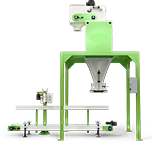
Fully Automatic Packing Scale
Packages materials, with sealing options: heat sealing, thread sewing, or hybrid sealing.
Packaging Speed
2-8 min/bag
Animal Feed Plant Engineering Projects
Serving the global market, we support large breeding groups and feed production enterprises. The following cases showcase our full animal feed production line projects across various scales and categories. Every solution is proven by large-scale production.
10 Poultry Feed Production Line In Algeria
Region : Africa
Application : poultry feed production line
Output : 10 T/H
Product Type : feed
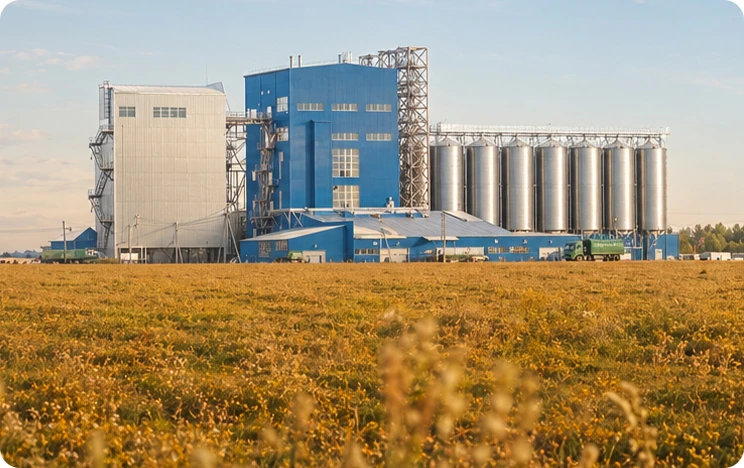
3-5 t/h complete chicken feed pellet production line in Zimbabwe
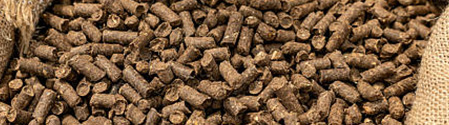
Region : Africa
Application : chicken feed production line
Output : 10-15 T/H
Product Type : pellet feed
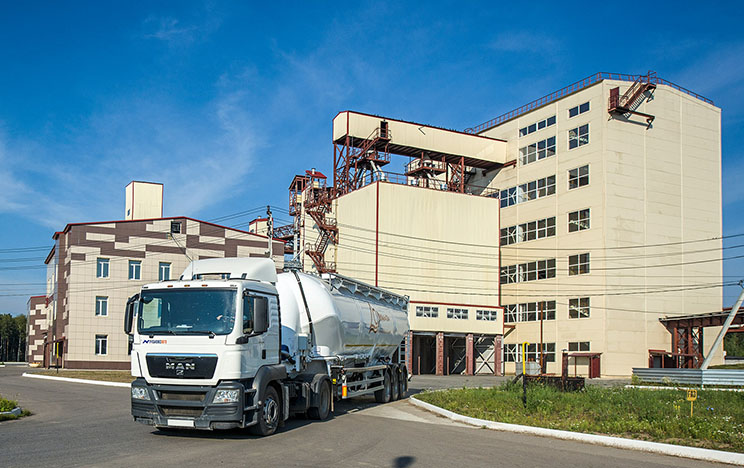
5 T/H Animal Powdered Feed Production Line In Kenya
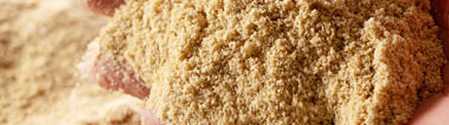
Region : Africa
Application : animal feed production line
Output : 5T/H
Product Type : powdered feed
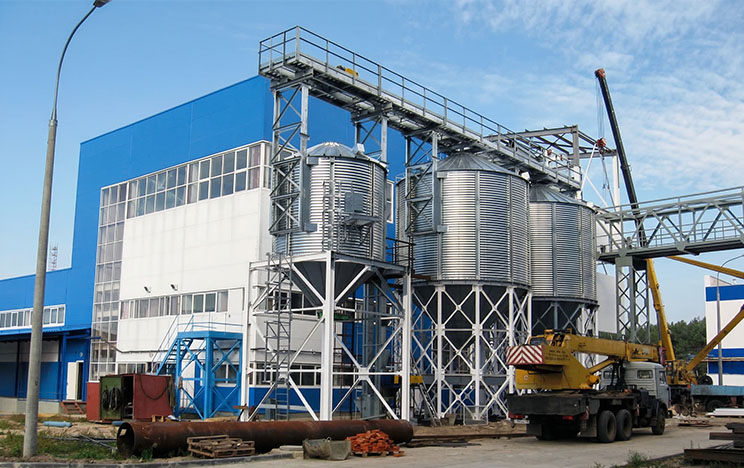
5-6 T/H Animal Feed Plant In Ethiopia
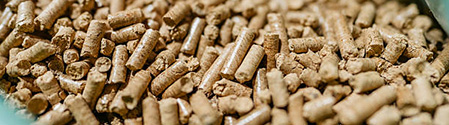
Region : Africa
Application : animal feed production line
Output : 5-6 T/H
Product Type : pelletized feed
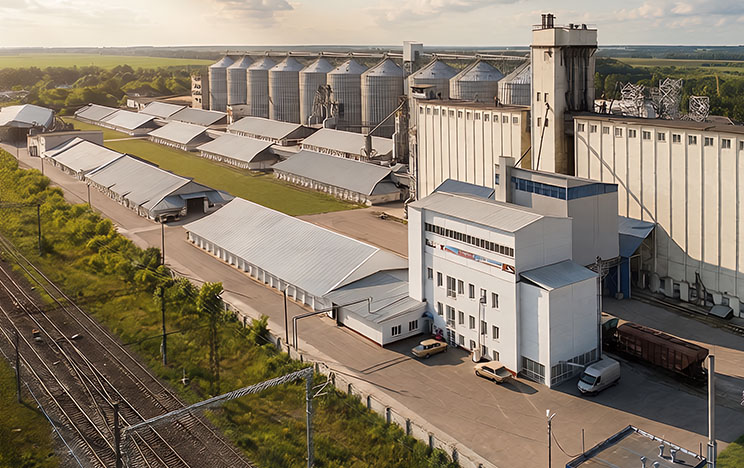
Cattle Feed Production Questions Answered
Find professional answers to common questions, covering the key processes and important considerations in animal feed production.
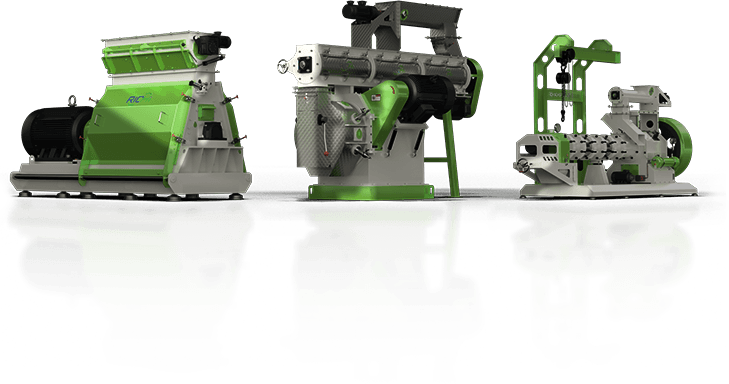
1. Can a cattle feed pellet mill process forage and hay directly?
No, you cannot put whole bales of forage, hay, or straw directly into a cattle feed pellet mill. The machine processes feed ingredients that have already been ground and mixed.
If you use self-produced forage, hay, or straw, you must first grind the raw materials. Then, mix them with other ingredients like corn and soybean meal according to your feed formula. Only then can you proceed with pelleting.
2. What equipment is needed to produce pellet feed besides the pellet mill?
Cattle feed production requires more than just a pellet mill. If your raw materials include forage, corn, or straw, you need to equip the line with a grinder and a mixer. These machines process the raw materials into a mixture suitable for pelleting. After pelleting, you can also add coolers, sifters, and packaging machines based on your production needs.
If you already have grinding and mixing equipment, you only need to add the pelleting stage. If you need to build a feed processing system from the start, we can plan the right equipment configuration for you based on your raw materials, daily output, and production goals.
3. Can a cattle feed pellet mill machine produce sheep feed or other animal feed?
Yes. A ring die cattle feed pellet mill is not only for cattle feed; it can also process sheep feed, pig feed, and poultry feed (chicken, duck, goose, etc.) according to different formulas.
The machine’s main job is to compress mixed feed ingredients into pellets. The specific feed types depend on your raw materials, formula, and pellet specifications.
If you need to produce feed for different animals later, you just need to adjust the ingredient ratios according to the formula and select the right ring die. This allows one machine to produce various types of pellet feed.
4. How do I choose the right cattle feedA pellet mill for my farm?
When choosing a cattle feed pellet mill, do not just look at the model and capacity. First, confirm your feed demand, raw material sources, and existing processing conditions. Different projects have different production methods, so the suitable equipment configuration varies.
• How much feed do you need to produce daily?
First, confirm your daily feed demand. RICHI industrial cattle feed pellet mills have a minimum capacity of about 1 T/H. If the machine is mainly for your own ranch feeding and not for commercial sales, we suggest a daily demand of at least 8 tons. This ensures reasonable equipment efficiency and capacity utilization.
• Do your current raw materials need processing?
Cattle feed pellet mills process ground and mixed feed ingredients. If you use raw materials like self-produced forage, hay, corn, or straw, you need to configure grinding and mixing equipment first based on the material characteristics. Then, proceed to pelleting.
• Do you already have grinding and mixing equipment?
If you already have front-end equipment like grinders and mixers, you only need to add the pelleting equipment. If you need to build a feed processing system from raw material handling, you need to configure a complete setup based on daily output, material type, and production goals.
• Is the feed for self-use or for sale?
If for self-use, the focus is on ensuring the equipment capacity meets daily needs. If you plan to sell commercial feed, you must consider pellet quality, storage, and transport requirements. You will also need to add post-processing equipment like coolers, sifters, and packers.
5. What raw materials can a cattle feed machine process?
It can process many common feed ingredients, such as corn, wheat, soybean meal, bran, alfalfa, hay, forage powder, and some agricultural by-products.
However, processing methods vary for different materials.
If you use fibrous materials like forage, hay, or straw, or if the raw materials are large in size or high in moisture, you usually need to grind and dry them first. Then, mix them with other ingredients before pelleting.
6. What pre-processing do raw materials need before making cattle feed pellets?
Cattle feed pellet machine cannot directly process whole forage, whole corn, or unprocessed agricultural raw materials. Generally, you need to first grind the raw materials. Then, add other ingredients according to the feed formula and mix them. Once you have a uniform mixture, you can proceed to pelleting.
If you use many types of raw materials or plan large-scale production, you also need to configure front-end equipment like grinders and mixers based on material characteristics and output requirements.
7. What is the difference between a cattle feed pelletizer and other animal feed pellet machine?
Cattle feed granulator and other animal feed pellet mills are essentially the same type of ring die pellet machine; their working methods are basically identical. The main difference lies in the feed being produced, as well as the different raw materials and formulas used.
Cattle feed usually uses forage, alfalfa, hay, corn, and soybean meal. It is mainly for ruminants like beef and dairy cattle. In contrast, pig, chicken, and duck feed use different ingredient combinations and pellet specifications based on the specific nutritional needs of those animals.
In actual production, one machine is not limited to producing just one type of animal feed. By changing the feed formula, selecting the right ring die, and adjusting production parameters, the same ring die pellet machine can process various animal feeds.
8. What equipment does a cattle feed production line need?
The equipment needed for a cattle feed production line depends mainly on your raw material type, daily production volume, and the final use of the feed.
Generally, the basic process includes a grinder, a mixer, and a cattle feed pellet mill. These handle material processing, formula mixing, and pellet forming. If you need to produce commercial feed, you can also add coolers, sifters, and packaging machines based on demand to facilitate storage and sales.
If you already have some equipment, you can simply add the missing production stages; you do not necessarily need to reconfigure the entire production line.
More Animal Feed Pellet Machines
Beyond poultry feed, our solutions cover pelleting for ruminants, livestock, aquaculture, and pets. We deliver tailored production configurations and full-line support to ensure stable operations across diverse feed applications.
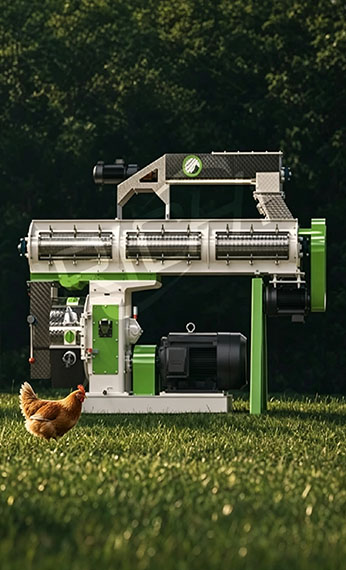
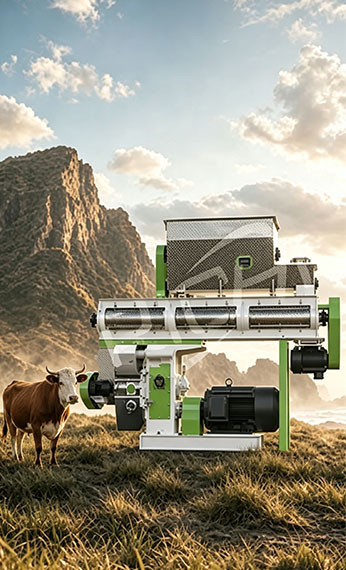
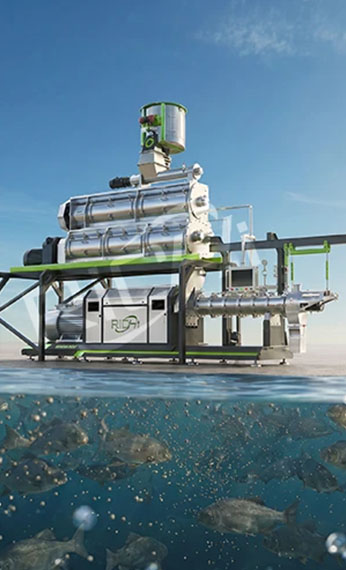
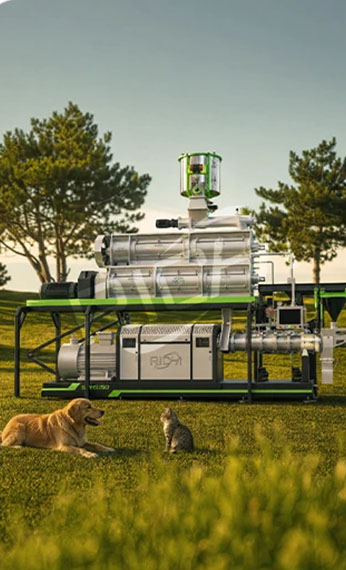
Pet food extruder machine

RICHI Machinery: Powering Global Pellet Production
Committed to pioneering pellet technology and industrial engineering, we leverage over 30 years of R&D expertise and global experience.
We optimize design, manufacturing, and system integration to drive the feed, biomass, and specialty industries toward efficiency, intelligence, and sustainability.
Our expert team delivers end-to-end pellet production solutions that meet international standards and align with your strategic goals for productivity and long-term growth.
60000 +m2
Square Meters of Our Factory
2000 +
Projects Running Worldwide
140 +
Countries of Our Client
200 +
Numbers of Our Team
Global Expertise & System Excellence
Advanced pellet production systems combine robustness and future-readiness, establishing industry benchmarks through technological integration and innovation.
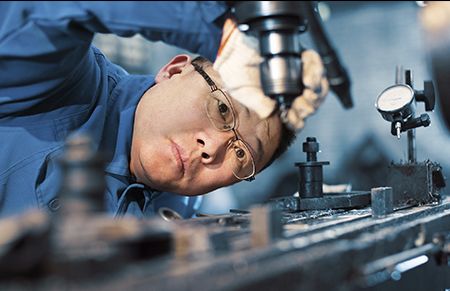
Reliable Quality
Every machine undergoes precise and rigorous quality inspections.
Worry-Free Warranty
Supported by a global service network with fast response times.
Professional Support
Experienced technical teams provide full-cycle assistance.

Secure Payments
Multi-layer encryption ensures safe and transparent transactions.

Global Logistics
Efficient worldwide shipping ensures timely delivery to any location.
Start Your Pellet Project
Pellet production is a systematic process. Provide your raw materials and capacity needs, and we’ll create a customized solution with professional guidance for commercial production.

Address: South of intersection of Xingda Road & Hongyuan Road, Wuzhi, Jiaozuo City, Henan Province,China

Tel/WhatsApp: + 86 136 0866 8310

E-mail: enquiry@richimachinery.com



© HENAN RICHI MACHINERY CO., LTD 1995-2026 Product Line-Up / Privacy Policy
Contact Us
Please send your requirements, RICHI’s consultants will get back to you quickly.

