

Reliable Livestock Feed Pellet Machine for Modern Feed Mills
RICHI specializes in manufacturing livestock feed pellet machines. Utilizing advanced ring die technology, we process raw materials like corn, wheat, barley, soybean meal, and alfalfa into high-quality pellets.
Our production capacity ranges from 1 to 40 tons per hour, suitable for cattle, sheep, and pig feed. We also provide customized equipment and complete production solutions tailored to your specific formulas and factory conditions.
RICHI specializes in manufacturing livestock feed pellet machines. Utilizing advanced ring die technology, we process raw materials like corn, wheat, barley, soybean meal, and alfalfa into high-quality pellets.
Our production capacity ranges from 1 to 40 tons per hour, suitable for cattle, sheep, and pig feed. We also provide customized equipment and complete production solutions tailored to your specific formulas and factory conditions.
Livestock Feed Pellet Machine Applications & Selection Guide
In modern livestock feed production, the pellet machine plays a key role in turning mixed raw materials into finished pellets. Using ring die technology, it processes ingredients like corn, wheat, barley, soybean meal, and alfalfa into high-quality feed for cattle, sheep, and pigs.
For commercial feed mills and large-scale farms, the pellet machine is at the heart of the production line. It connects the front-end systems (grinding and mixing) with the back-end equipment (cooling, screening, and packaging), transforming formulated powder into premium pellets.
While the machine can operate alone, pellet quality depends on more than just the equipment. Factors like raw material quality, grinding fineness, mixing uniformity, conditioning, and die selection all impact the final result. Therefore, when choosing a machine, it is essential to match it with your production scale, raw materials, and target output to ensure stable, long-term operation.
De industriële Structuur & het Techniekontwerp van de Korrelmolen van de Ringmatrijs
RICHI industrial livestock feed pellet machine features a heavy-duty ring die system, specifically developed for continuous commercial feed production.
De hele eenheid is systematisch ontworpen om stabiele prestaties te garanderen op drie belangrijke aspecten: koppeloverdracht, materiaalconditionering en pelletkwaliteit.
Ringmatrijs & pelletterkamer
Voedings- en conditioneringssysteem
Aandrijving en transmissiesysteem
Structureel frame en veiligheidsontwerp
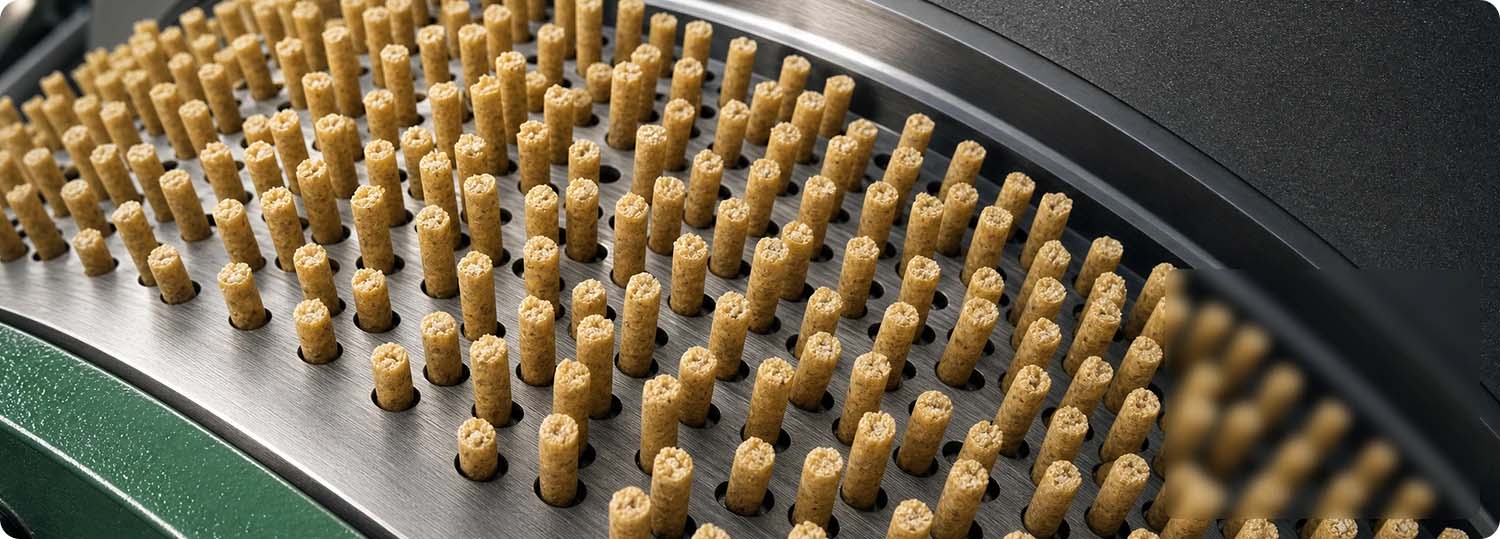
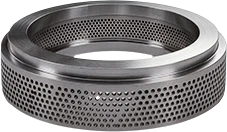
Ringmatrijs & pelletterkamer
De compressieverhouding van de ringmatrijs kan worden aangepast aan je voederformule. De matrijsgaten zijn CNC-gefreesd voor hoge precisie, waardoor uniforme pellets met een laag fijnstofgehalte worden gegarandeerd.
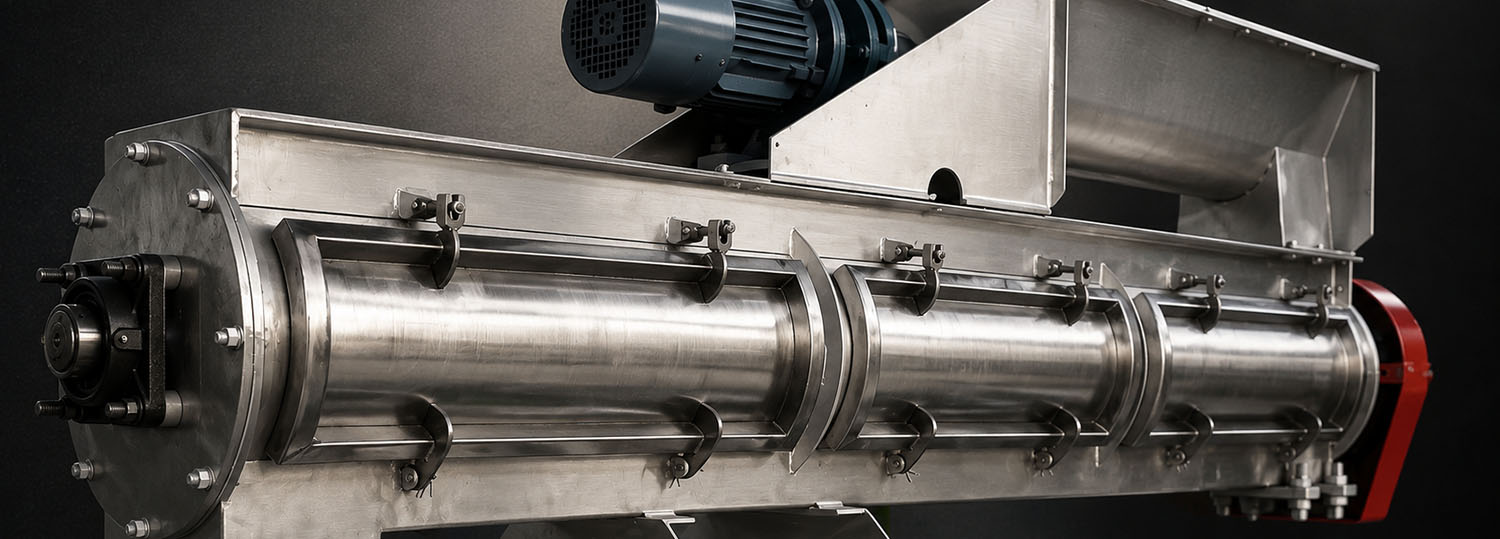
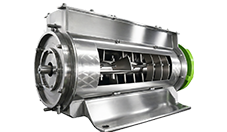
Voedings- en conditioneringssysteem
Uitgerust met een geforceerde toevoer met variabele frequentie zorgt het voor een continue en gelijkmatige materiaalstroom in de roestvrijstalen conditioner. Dit voorkomt verstoppingen en kruisbesmetting door materiaalresten.
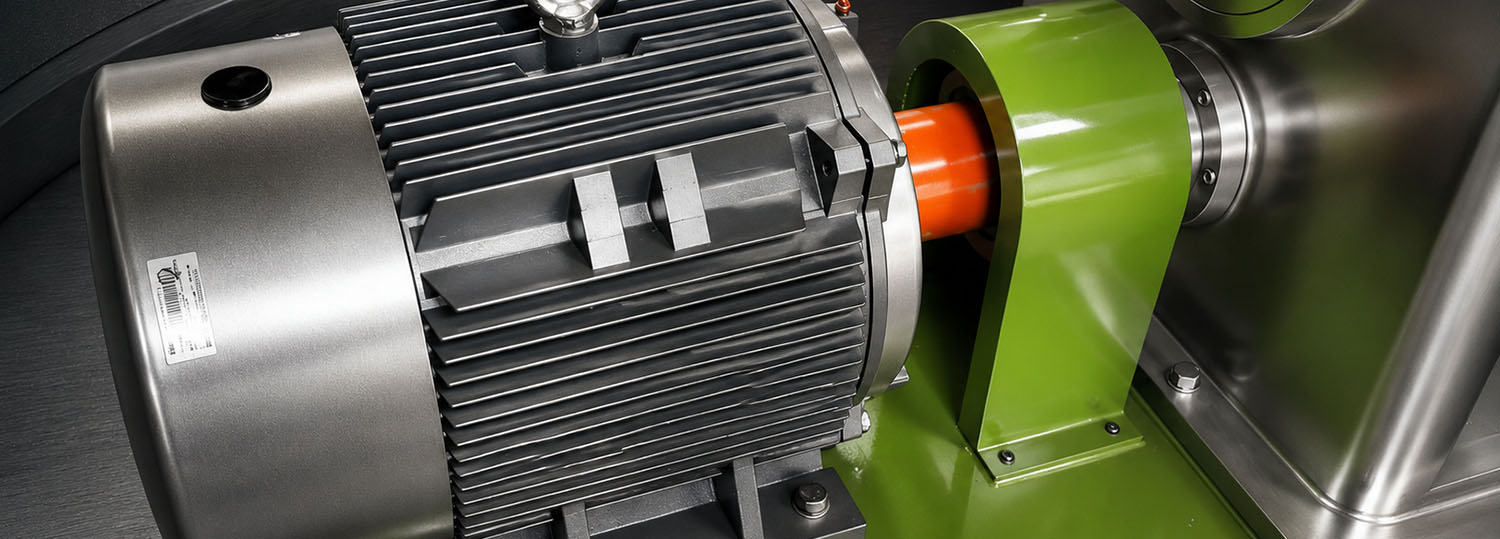
Aandrijving en transmissiesysteem
Voorzien van een uiterst nauwkeurige tandwieloverbrenging. Deze levert een hoge koppelefficiëntie zonder slippen, elimineert problemen met bandslijtage en garandeert superieure stabiliteit op lange termijn.
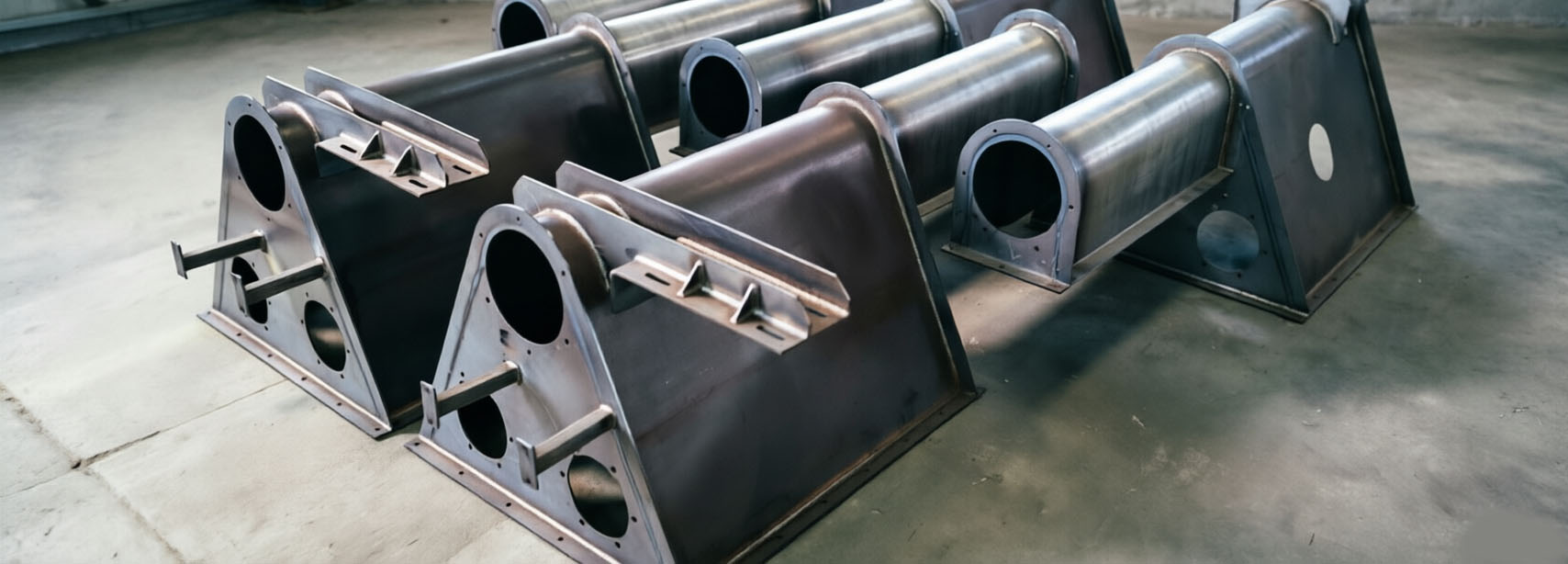
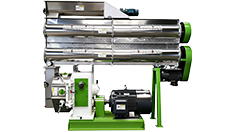
Structureel frame en veiligheidsontwerp
De stijve structuur, gebouwd op een chassis van zeer sterk staal met geïntegreerd laswerk, garandeert een stabiele werking, zelfs onder zware trillingsomstandigheden.
Specificaties en technische parameters van de pelletmolen
De volgende parameters zijn de nominale output voor een volledige voederproductielijn. De werkelijke capaciteit hangt af van de voorbereiding van de grondstoffen en de stabiliteit van de batch. Houd bij de selectie rekening met een marge op basis van materiaaleigenschappen en procesomstandigheden.
De Molen van de diervoederpellet
| Model | SZLH250 | SZLH320 | SZLH350 | SZLH420 | SZLH508 | SZLH558 | SZLH678 | SZLH768 |
| Hoofdmotorvermogen (kW) | 22 | 37 | 55 | 110 | 160 | 185 | 250 | 315 |
| Voedingsvermogen (kW) | 1.1 | 1.5 | 1.5 | 1.5 | 1.5 | 1.5 | 1.5 | 2.2 |
| Modulatorvermogen (kW) | 1.5 | 4 | 4 | 7.5 | 7.5 | 11 | 11 | 11 |
| Ringmatrijs binnendiameter (mm) | 250 | 320 | 350 | 420 | 508 | 558 | 673 | 762 |
| Diameter (mm) van de afgewerkte korrel | 2~12 | |||||||
| Output (t/u) | 1.0-1.5 | 3-4 | 5-6 | 10-12 | 15-16 | 20-22 | 30-33 | 38-40 |
| Opmerking: specificaties onderworpen aan definitieve offerte. RICHI biedt professionele aangepaste ontwerp en productie. Uiteindelijke interpretatie rechten behoren tot RICHI. | ||||||||
Livestock Feed Pellet Size & Die Hole Configuration Reference
| Livestock Type | Groeifase | Aanbevolen korreldiameter (mm) | Recommended Die Hole Diameter (mm) | Opmerkingen |
| Fattening Pigs | Piglets (Weaning–25 kg) | 2.0-3.0 | 2.0-3.0 | Smaller pellets are recommended for young pigs to improve feed intake and adaptation. |
| Growing Stage (25–60 kg) | 3.0-4.0 | 3.0-4.0 | Suitable pellet size for improving feed intake and growth performance. | |
| Finishing Stage (60 kg–Market Weight) | 4.0–5.0 | 4.0–5.0 | Larger pellets help reduce feed loss and improve feeding efficiency. | |
| Breeding Sows | Replacement Gilts | 3.0-4.0 | 3.0-4.0 | Medium-sized pellets help maintain normal feed intake. |
| Gestation & Lactation Period | 4.0–5.0 | 4.0–5.0 | Suitable for high feed intake requirements during reproductive stages. | |
| Beef Cattle | Calves | 3.0–5.0 | 3.0–5.0 | Medium-sized pellets support early feeding and digestion. |
| Fattening Cattle | 6.0–8.0 | 6.0–8.0 | Larger pellets are suitable for cattle with higher feed intake and help reduce waste. | |
| Adult Cattle | 8.0–10.0 | 8.0–10.0 | Suitable for diets containing higher levels of forage and fiber. | |
| Dairy Cattle | Calves | 3.0–5.0 | 3.0–5.0 | Pellet size can be adjusted according to concentrate feed requirements. |
| Lactating Cows | 6.0–8.0 | 6.0–8.0 | Supports high feed intake and nutritional supply. | |
| Meat Sheep | Lambs | 3.0-4.0 | 3.0-4.0 | Smaller pellets are suitable for young sheep. |
| Fattening Sheep | 4.0-6.0 | 4.0-6.0 | Medium to larger pellets improve feeding efficiency during fattening. | |
| Adult Sheep | 5.0-8.0 | 5.0-8.0 | Suitable for diets combining concentrate and forage materials. | |
| Horses | Young Horses | 3.0–5.0 | 3.0–5.0 | Avoid oversized pellets to improve feeding acceptance. |
| Adult Horses | 6.0–8.0 | 6.0–8.0 | Suitable for grain and forage-based pellet feeds. | |
| Rabbits | Young Rabbits | 2.0-3.0 | 2.0-3.0 | Smaller pellets are more suitable for young rabbits. |
| Adult Rabbits | 3.0–5.0 | 3.0–5.0 | Suitable for daily pellet feeding requirements. |
Performance Advantages in Commercial Livestock Feed Production
For feed mills, pellet mills face the rigorous challenge of continuous production and long-term operation. Stable output, consistent pellet quality, low material waste, and easy maintenance are the key factors determining equipment performance.
RICHI livestock feed making machine are engineered around these practical needs, providing stable and reliable pelletizing solutions for cattle, sheep, swine, and other livestock feed.
1.
Stable Production to Meet Long-Term Demand
Feed production is not an occasional task; it requires meeting the daily demands of farms and the market. A stable pellet mill ensures uninterrupted production, minimizes operational adjustments caused by output fluctuations, and guarantees a reliable daily feed supply.
2.
Consistent Pellet Quality for Better Feed Efficiency
Stable pellet quality across different batches is the foundation for building long-term customer trust. Through advanced pelletizing technology, our equipment produces uniform, dense pellets, significantly reducing fines (dust) during transportation and storage.
3.
Versatility to Handle Various Formulas
Livestock feed production often requires formula adjustments based on animal growth stages, local raw materials, and market trends.
Our machine processes a wide range of raw materials—including corn, wheat, soybean meal, and alfalfa. With flexible die configurations, it meets the diverse production needs of different feed types.
4.
Built for Continuous Operation, Minimizing Downtime
For feed mills, equipment downtime not only increases maintenance costs but also disrupts on-time delivery.
The reliable structural design and wear-resistant components of RICHI pellet mills are built for continuous, long-term operation. They reduce maintenance frequency, ensuring your production schedule remains stable.
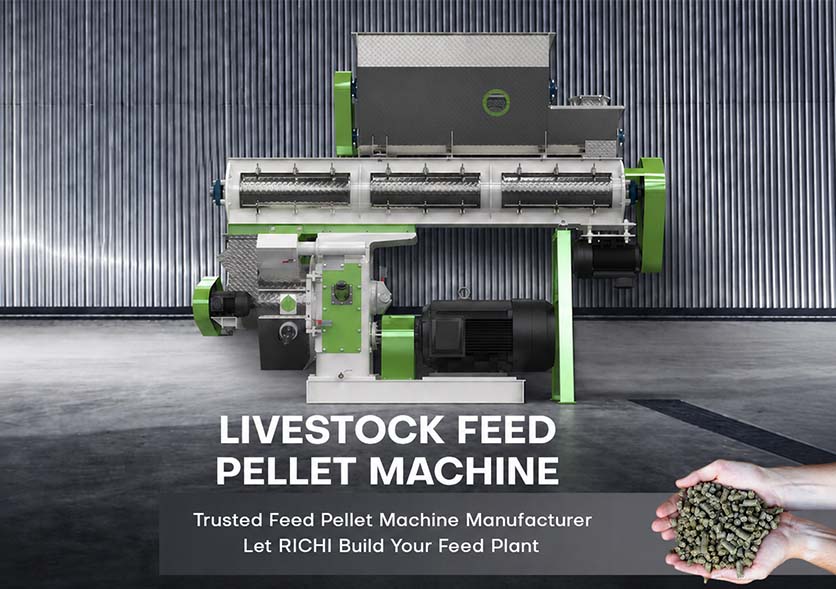

Livestock Feed Pelletizer Solutions for Different Production Scales
Whether you are producing feed for your own cattle, sheep, pigs, and other livestock, or planning to start a commercial feed production business, different feed production needs require different equipment capacities, automation levels, and configurations.
RICHI provides livestock feed pellet machine solutions from on-farm feed production to commercial feed manufacturing, based on your farm size, daily feed demand, production purpose, and future expansion plans, helping you choose the right equipment configuration for your needs.
1. Farm Feed Production Solution (≥8 t/day)
2. Commercial Feed Production Solution
3. Industrial Feed Manufacturing Solution
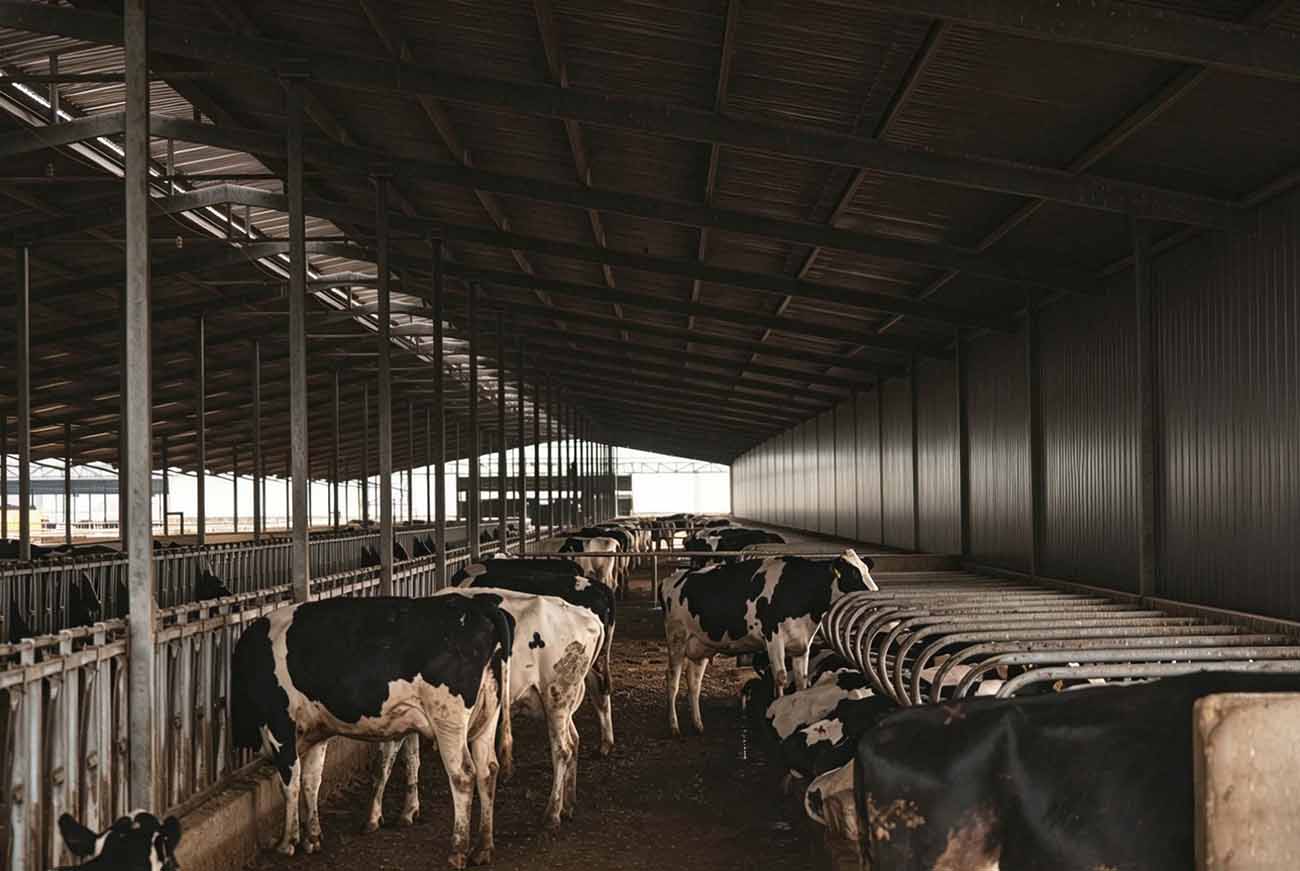
1. Farm Feed Production Solution
Production Requirements:
Daily Feed Requirement Reference:
- ≥8 tons/day → Suitable for RICHI industrial livestock feed pellet machine solutions
- <8 tons/day → Not within RICHI’s target service range
Recommended Capacity:
1–2 T/H (configured according to daily feed demand)
Typical Equipment Configuration:
Feed crusher + Feed mixer + Livestock feed mill machine + Cooling & screening equipment (optional)
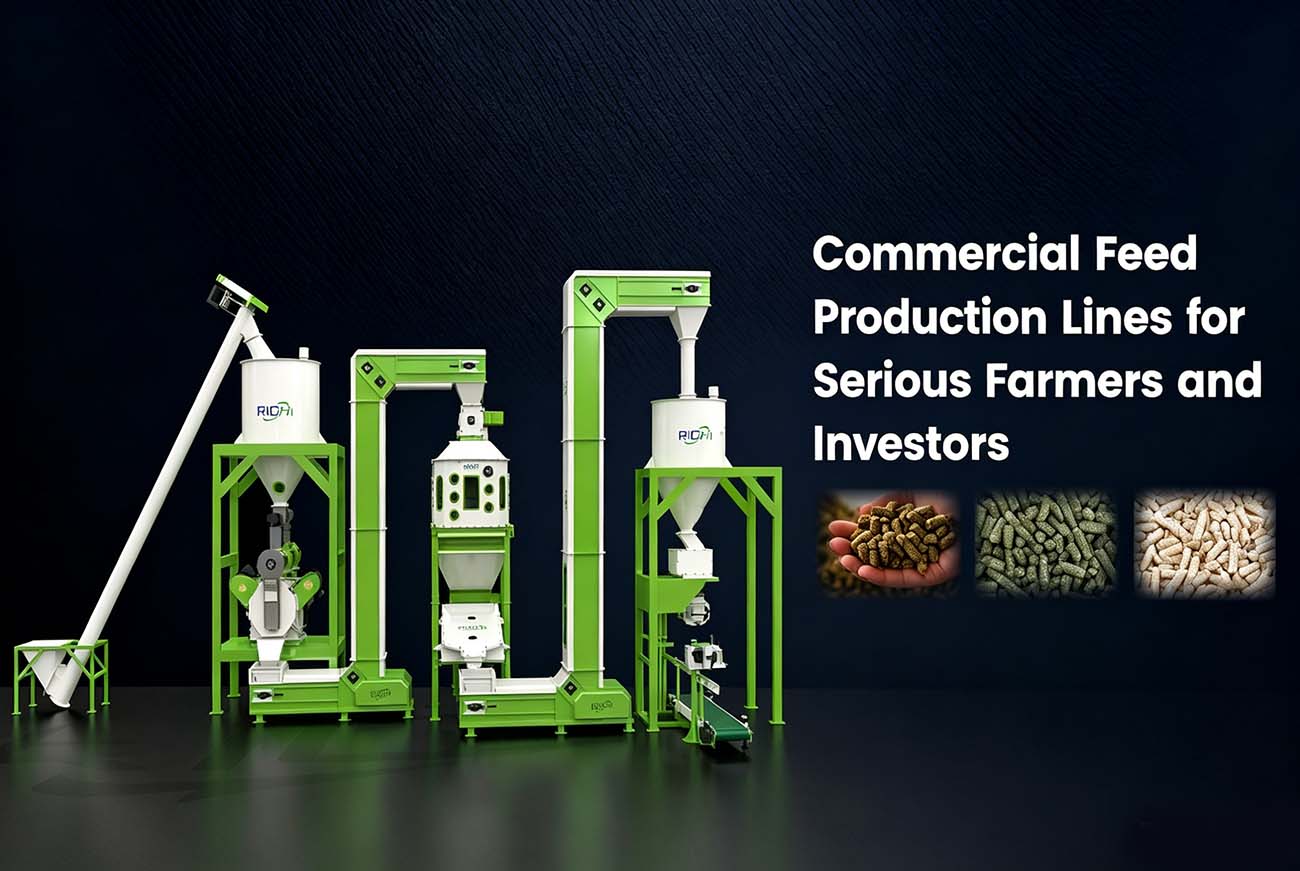
2. Commercial Feed Production Solution
Production Requirements Features:
- Balances production efficiency with investment costs, suitable for stable commercial operations;
- Supports various livestock feed formulas, including cattle feed, sheep feed, and pig feed;
- Allows flexible product adjustment according to market demand;
- Suitable for continuous production and bulk feed supply.
Recommended Capacity:
3–5 T/H
Typical Equipment Configuration:
Raw material grinding system + Mixing system + Pelletizing system + Cooling system + Packing system
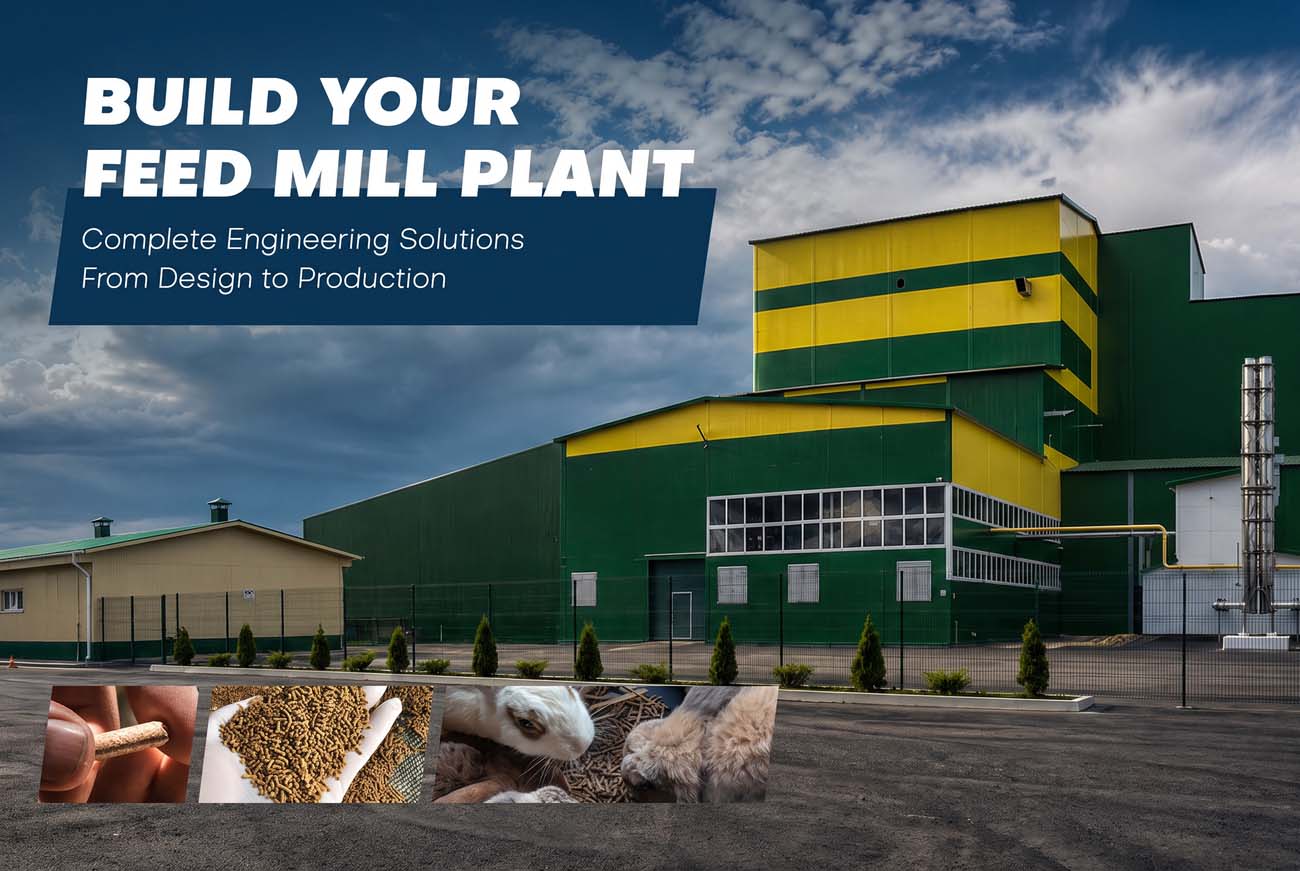
3. Industrial Feed Manufacturing Solution
Production Requirements Features :
- Meets high-volume feed production requirements;
- Supports year-round continuous operation;
- Can be equipped with automatic control systems to improve production efficiency;
- Allows future factory expansion according to increasing production needs.
Recommended Capacity:
8 T/H and above
Typical Equipment Configuration:
Complete livestock feed production line, including:
Raw material receiving system + Grinding system + Batching & mixing system + Pelletizing system + Cooling & screening system + Packing system + Automatic control system
From Pellet Machine to Complete Livestock Feed Plant
The pellet machine is the core of the feed line, but its performance relies on matching upstream and downstream systems. Process integration and capacity balance across all stages determine the line’s efficiency and final product quality. Integrating pelleting into a full-process design is key to stable production and cost optimization. (Klik om te bladeren en details te bekijken.)
01.
Grondstof
Verwerking
Na ontvangst worden de grondstoffen gescreend om grove onzuiverheden te verwijderen. Gereinigde materialen worden opgeslagen in speciale silo's met duidelijke etikettering.
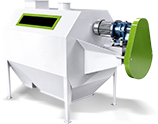
Roterende trommelreiniger
Verwijdert stenen, zand en zware onzuiverheden uit korrelige materialen.
Capaciteit
15-50 T/H
Trommelsnelheid
12-21 tpm
02.
Pletten van grondstoffen en korrelgroottecontrole
De maalkorrel is instelbaar voor verschillende pluimveerassen en groeistadia.
Na het malen wordt het materiaal mechanisch naar de verzamelbak getransporteerd, klaar voor gebruik.
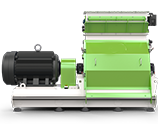
Hamermolen
Vermaalt materialen (≤5cm groot) tot poeder; de maaswijdte van het zeefdek is aanpasbaar.
Capaciteit
3-50 T/H
Maalgrootte
0,5 - 20 mm
03.
Batching en mengen
Maakt gebruik van elektronische weegschalen die bestuurd worden door een PLC. Na het wegen worden de materialen in de mixer gevoerd.
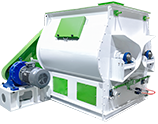
Schoepenmenger met dubbele as
Ontworpen voor het mengen van poeders, korrels, vlokken, klonten, onregelmatige materialen en viskeuze stoffen.
Materiaal
Koolstofstaal, roestvrij staal
Capaciteit batch
250-2000 kg/P
04.
Conditioneren en pelleteren
Het gemengde poeder wordt geconditioneerd met stoom op hoge temperatuur. Vervolgens wordt het in de ringvormige pelletiseermachine gepelletiseerd. De opening van de matrijs is instelbaar.
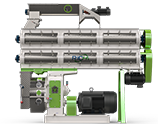
Livestock Feed Pellet Mill
Comprimeert poeder efficiënt tot robuuste, duurzame pellets.
Stroom
22-315 kW
Capaciteit
1-40 T/H
05.
Koeling
De hete, vochtrijke pellets worden gekoeld en ontvochtigd om kamertemperatuur en een veilig vochtigheidsniveau voor opslag te bereiken.
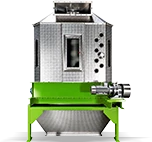
Tegenstroomkoeler
Koelt pellets van hoge temperatuur tot kamertemperatuur.
Koeltijd
6-15 min
Capaciteit
1-40 T/H
06.
Screening
De afgekoelde pellets worden gesorteerd via een trilzeef om poeder en fijne deeltjes te verwijderen.
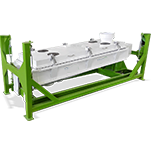
Roterend sorteerzeef
Zeeft korrelige materialen in grote, middelgrote en kleine eindproducten.
Capaciteit
3-40 T/H
Stroom
1,5-5,5 kW
07.
Verpakkings- en geautomatiseerd besturingssysteem
Elektronische weegschalen maken aangepaste verpakkingen mogelijk (10kg-50kg of tonzakken). Volautomatische lijnen met optionele robots. Besturingsmodi: Handmatig, semi-automatisch of volautomatisch.
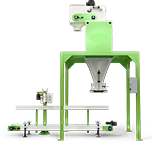
Volautomatische verpakkingsschaal
Verpakkingsmaterialen, met sealopties: heatsealen, garen naaien of hybride sealen.
Verpakkingssnelheid
2-8 min/zak
Technische projecten voor diervoederfabrieken
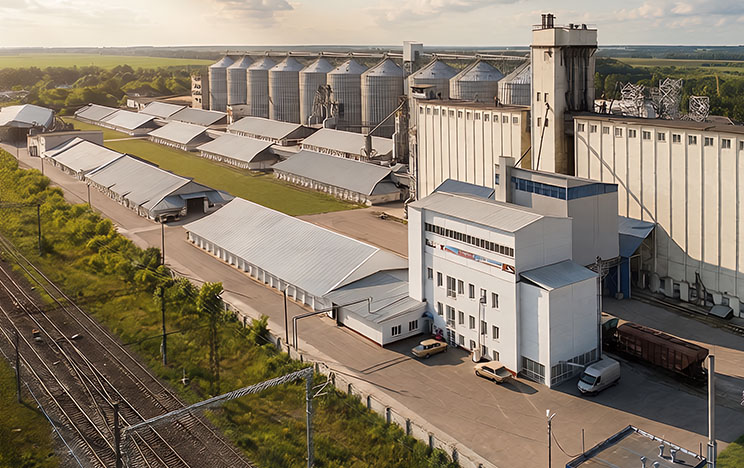
Voor de wereldwijde markt ondersteunen we grote fokkerijen en voederproductiebedrijven. De volgende voorbeelden tonen onze projecten voor volledige productielijnen voor diervoeders op verschillende schaalgroottes en in verschillende categorieën. Elke oplossing heeft zich bewezen in grootschalige productie.
10 Gevogeltevoerproductielijn in Algerije
Regio : Afrika
Toepassing : productielijn voor kippenvoer
Uitgang : 10 T/H
Type product : feed
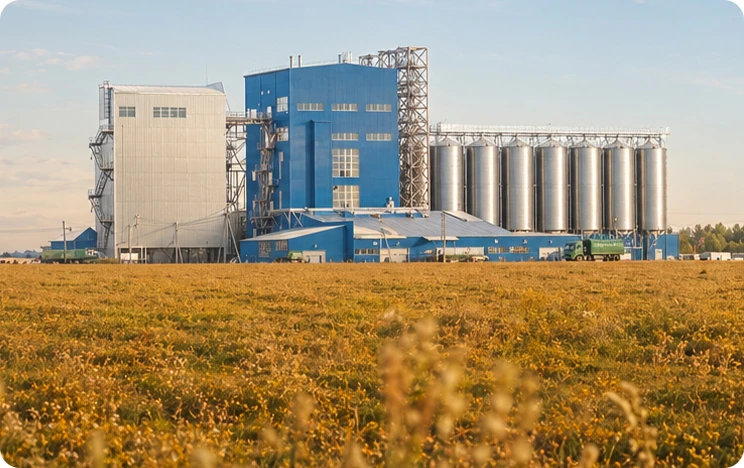
3-5 t/h complete kippenvoer pellet productielijn in Zimbabwe
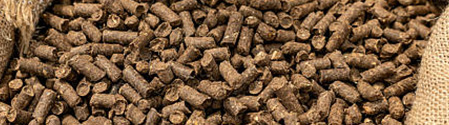
Regio : Afrika
Toepassing : productielijn voor kippenvoer
Uitgang : 10-15 T/H
Type product : pelletvoer
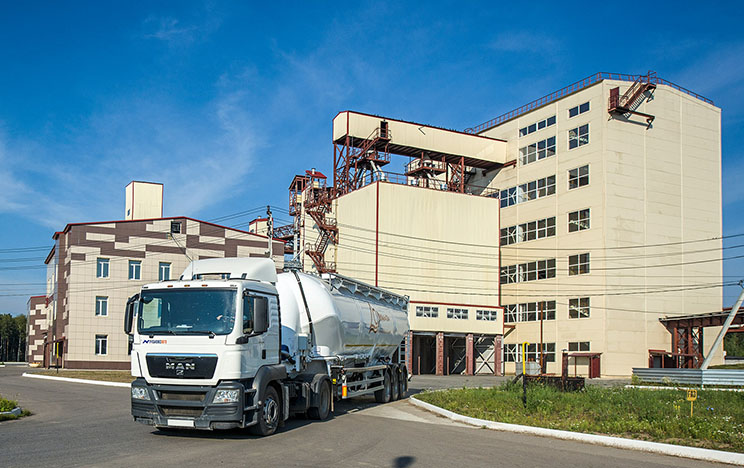
5 T/H dierlijk gepoederd voer productielijn in Kenia
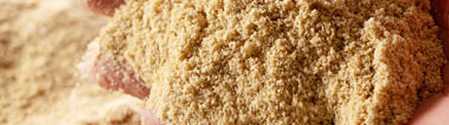
Regio : Afrika
Toepassing : productielijn voor diervoeder
Uitgang : 5T/H
Type product : voer in poedervorm
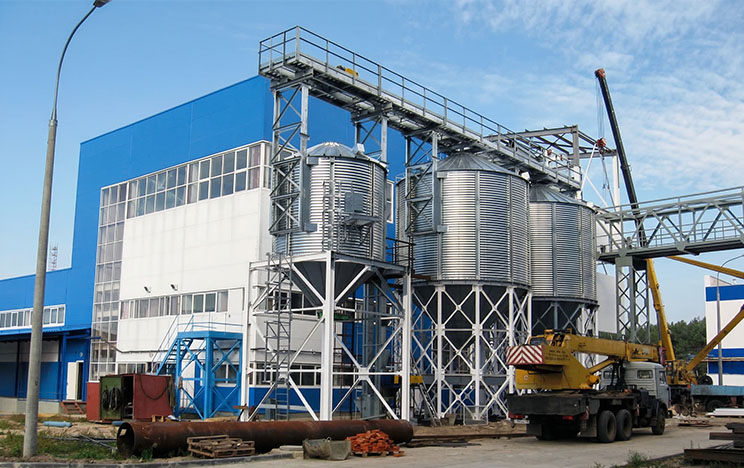
5-6 T/H diervoederfabriek in Ethiopië
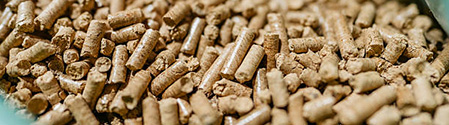
Regio : Afrika
Toepassing : productielijn voor diervoeder
Uitgang : 5-6 T/H
Type product : gepelletiseerd voer
Livestock Feed Production Questions Answered
Vind professionele antwoorden op veelgestelde vragen over de belangrijkste processen en belangrijke overwegingen bij de productie van diervoeder.
1. What is a livestock feed pellet machine? What feed can it produce?
The livestock feed pellet machine is equipment that presses crushed and mixed raw materials into pellets. It is commonly used for producing feed for cattle, sheep, and pigs.
2. What raw materials can the feed pellet machine process?
This equipment is suitable for a wide range of livestock feed raw materials, including grains, protein sources, and fiber materials. Examples include corn, wheat, barley, soybean meal, alfalfa, and various grasses.
Since fiber content, moisture, and formula ratios affect pellet quality, the machine configuration needs to be selected based on the specific raw materials.
3. What production capacity do I need for a feed pellet machine?
The capacity depends on your daily feed demand, production hours, and usage scenario. RICHI offers feed pelletizers and pelleting equipment ranging from 1 to 40 tons per hour (T/H). We provide solutions for farm self-use, small and medium-sized feed processing, and continuous production for commercial feed mills.
4. Can this machine produce feed for cattle, sheep, and pigs?
Yes. When producing feed for cattle, sheep, and pigs, you can choose the appropriate pellet specifications based on the animal species, growth stage, and feeding requirements.
For example, cattle and sheep feed usually requires larger diameter pellets, while pig feed size varies by stage. By adjusting the ring die configuration, the machine can be used as a cattle feed pellet machine or a pig feed pellet machine.
5. Can the size of the feed pellets be adjusted?
Yes. By changing the ring die with different hole sizes, the machine can produce various pellet sizes. RICHI livestock feed pellet machines support pellet diameters ranging from 2 to 12 mm, allowing you to adjust according to the animal type, age, and feed purpose.
6. Is this equipment suitable for farms or feed mills?
This equipment is primarily suitable for large-scale farms producing feed for their own use and for commercial feed mills.
- For Farm Self-use: It is recommended for daily feed needs of 8 tons or more. If the demand is lower, the investment and running costs may not match, and other production methods might be more suitable.
- For Commercial Feed Mills: Different models can be configured according to target output to produce pellet feed for cattle, sheep, pigs, etc.
Opmerking: The machine requires raw materials to be in a suitable state for processing. If using whole corn, wheat, or pasture grass, a crusher is usually required. A mixer may also be needed depending on formula uniformity and production needs.
7. How do I choose the right feed pellet production equipment?
First, determine your daily production demand and raw material situation.
- For Farm Self-use: Choose the capacity based on your daily feed consumption. If the daily demand is 8 tons or more, you can consider configuring a suitable pellet machine.
- For Commercial Feed Production: Choose models ranging from 1–40 T/H based on planned output, and consider future expansion needs.
- For Raw Materials: If processing corn, grains, or pasture grass, confirm if you already have crushing equipment. If the raw material is not powdered, it must be crushed first.
- For Different Animals: Select the appropriate pellet size and ring die specifications based on the needs of cattle, sheep, pigs, etc.
RICHI can help you select the right equipment configuration based on your raw materials, output, and production requirements.
8. Are spare parts and after-sales support provided after purchase?
Yes. RICHI provides a long-term supply of original spare parts, including ring dies, rollers, and other common wear parts. We also offer a 1-year warranty. Whether for standalone use or a complete production line, you will receive technical support for future maintenance.
9. What is the price of a poultry feed pellet machine?
The price depends mainly on the model, production capacity, ring die configuration, and level of automation. Generally, a single feed pellet machine costs between 7,500 and 80,000 USD.
If you need a complete livestock feed production line, the investment cost varies based on capacity and configuration:
- Small Line (1–2 T/H): Starts from around $30,000 USD.
- Medium Line (3–10 T/H): Typically 80,000–300,000 USD.
- Large Commercial Plant: Can exceed $300,000 USD.
Final pricing is also affected by raw material handling, crushing and mixing equipment, automation, packaging, and facility conditions. RICHI can provide a matching equipment configuration and quotation based on your daily output, raw materials, and production goals.
More Animal Feed Pellet Machines
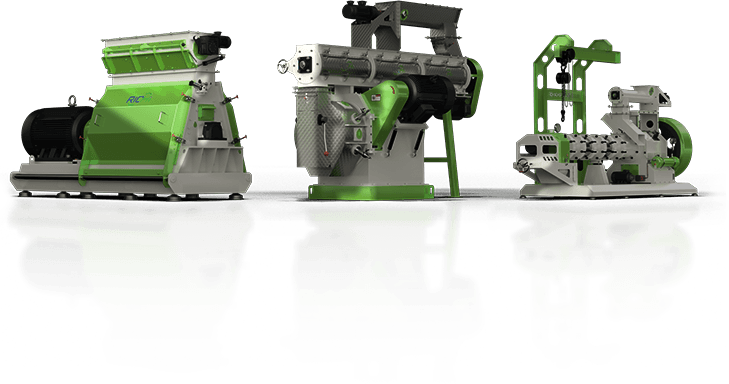
Naast pluimveevoer bieden we ook oplossingen voor het pelleteren van voer voor herkauwers, vee, aquacultuur en huisdieren. We leveren productieconfiguraties op maat en volledige ondersteuning om een stabiele bedrijfsvoering te garanderen voor diverse voedertoepassingen.
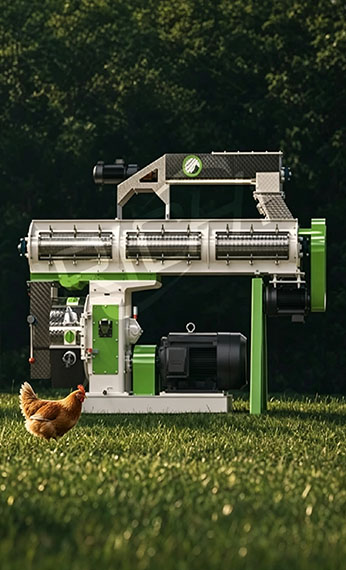
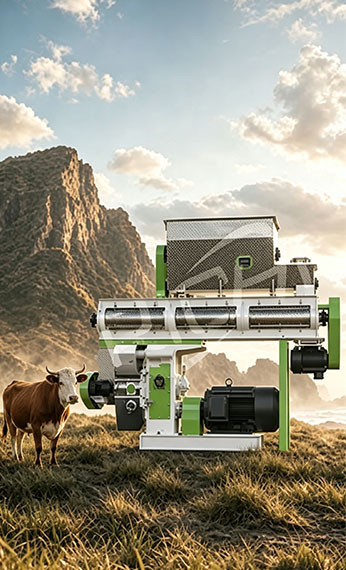
Cattle feed making machine
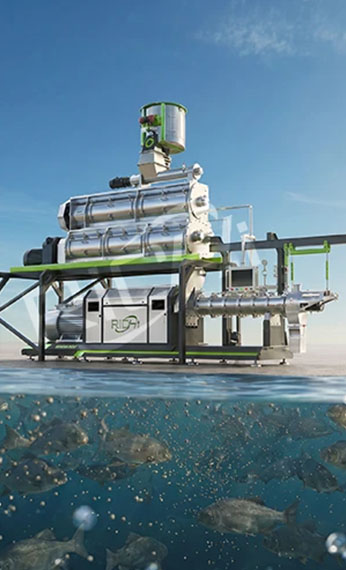
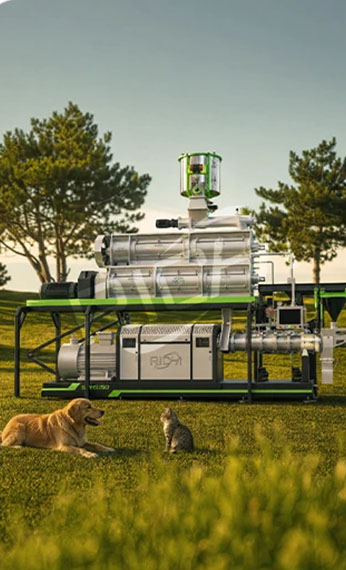
Extruder voor dierenvoeding

RICHI machines: Aanjager wereldwijde pelletproductie
We zetten ons in voor baanbrekende pellettechnologie en industriële engineering en maken daarbij gebruik van meer dan 30 jaar R&D-expertise en wereldwijde ervaring.
We optimaliseren ontwerp, productie en systeemintegratie om de voeder-, biomassa- en speciale industrieën te sturen in de richting van efficiëntie, intelligentie en duurzaamheid.
Ons deskundige team levert end-to-end oplossingen voor pelletproductie die voldoen aan internationale normen en in lijn zijn met uw strategische doelen voor productiviteit en groei op lange termijn.
60000 +m2
Vierkante meter van onze fabriek
2000 +
Projecten wereldwijd
140 +
Landen van onze klanten
200 +
Aantallen van ons team
Wereldwijde expertise & systeemexpertise
Geavanceerde pelletproductiesystemen combineren robuustheid en toekomstbestendigheid en vestigen de norm in de industrie door technologische integratie en innovatie.
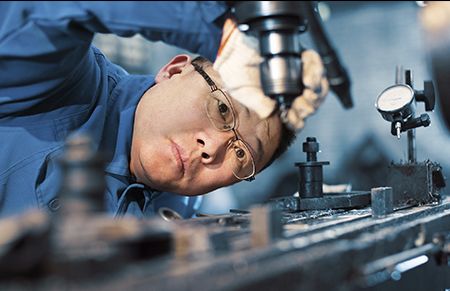
Betrouwbare kwaliteit
Elke machine ondergaat nauwkeurige en strenge kwaliteitsinspecties.
Zorgeloze garantie
Ondersteund door een wereldwijd servicenetwerk met snelle responstijden.
Professionele ondersteuning
Ervaren technische teams bieden volledige ondersteuning.

Veilige betalingen
Multi-layer encryptie zorgt voor veilige en transparante transacties.

Wereldwijde logistiek
Efficiënte wereldwijde verzending garandeert tijdige levering op elke locatie.
Start uw pelletproject
De productie van pellets is een gestructureerd proces. Geef ons uw grondstoffen en capaciteitsbehoeften door, dan stellen wij een oplossing op maat voor u samen, inclusief professioneel advies voor commerciële productie.

Adres: Ten zuiden van het kruispunt van de Xingda Road en de Hongyuan Road, Wuzhi, Jiaozuo, provincie Henan, China

Tel/WhatsApp: + 86 136 0866 8310

E-mail: enquiry@richimachinery.com



© HENAN RICHI MACHINERY CO., LTD 1995-2026 Productoverzicht / Privacybeleid
Neem contact met ons op
Stuur uw vereisten op en RICHI's consultants zullen snel contact met u opnemen.

