

Reliable Livestock Feed Pellet Machine for Modern Feed Mills
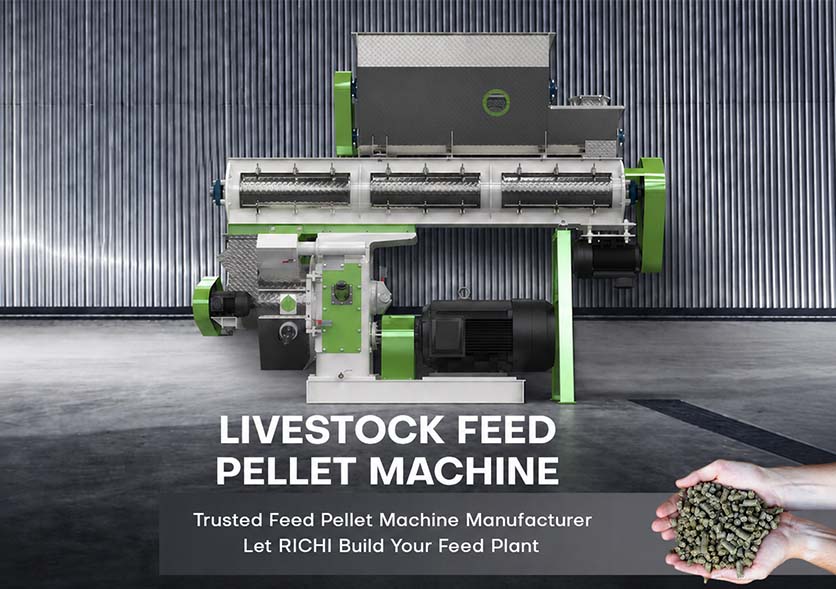
RICHI specializes in manufacturing livestock feed pellet machines. Utilizing advanced ring die technology, we process raw materials like corn, wheat, barley, soybean meal, and alfalfa into high-quality pellets.
Our production capacity ranges from 1 to 40 tons per hour, suitable for cattle, sheep, and pig feed. We also provide customized equipment and complete production solutions tailored to your specific formulas and factory conditions.
RICHI specializes in manufacturing livestock feed pellet machines. Utilizing advanced ring die technology, we process raw materials like corn, wheat, barley, soybean meal, and alfalfa into high-quality pellets.
Our production capacity ranges from 1 to 40 tons per hour, suitable for cattle, sheep, and pig feed. We also provide customized equipment and complete production solutions tailored to your specific formulas and factory conditions.
Livestock Feed Pellet Machine Applications & Selection Guide
In modern livestock feed production, the pellet machine plays a key role in turning mixed raw materials into finished pellets. Using ring die technology, it processes ingredients like corn, wheat, barley, soybean meal, and alfalfa into high-quality feed for cattle, sheep, and pigs.
For commercial feed mills and large-scale farms, the pellet machine is at the heart of the production line. It connects the front-end systems (grinding and mixing) with the back-end equipment (cooling, screening, and packaging), transforming formulated powder into premium pellets.
While the machine can operate alone, pellet quality depends on more than just the equipment. Factors like raw material quality, grinding fineness, mixing uniformity, conditioning, and die selection all impact the final result. Therefore, when choosing a machine, it is essential to match it with your production scale, raw materials, and target output to ensure stable, long-term operation.
Moinho de pelotização com matriz de anel industrial Estrutura e projeto de engenharia
RICHI industrial livestock feed pellet machine features a heavy-duty ring die system, specifically developed for continuous commercial feed production.
Toda a unidade foi sistematicamente concebida para garantir um desempenho estável em três aspectos fundamentais: transmissão do binário, acondicionamento do material e qualidade da granulação.
Matriz de anel e câmara de granulação
Sistema de alimentação e condicionamento
Sistema de acionamento e transmissão
Conceção de estruturas e segurança
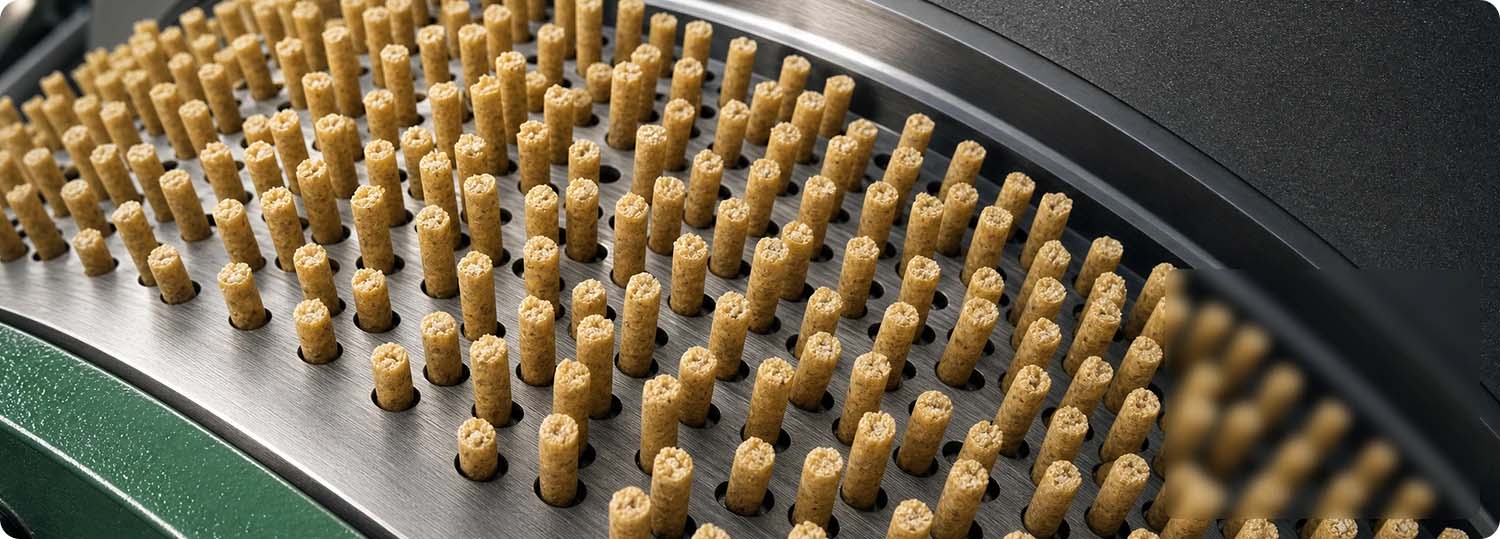
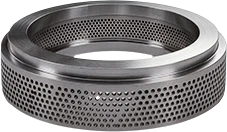
Matriz de anel e câmara de granulação
A taxa de compressão da matriz de anel é personalizada para corresponder à sua fórmula de alimentação. Os orifícios da matriz são maquinados por CNC para uma elevada precisão, garantindo pellets uniformes com uma baixa taxa de finos.
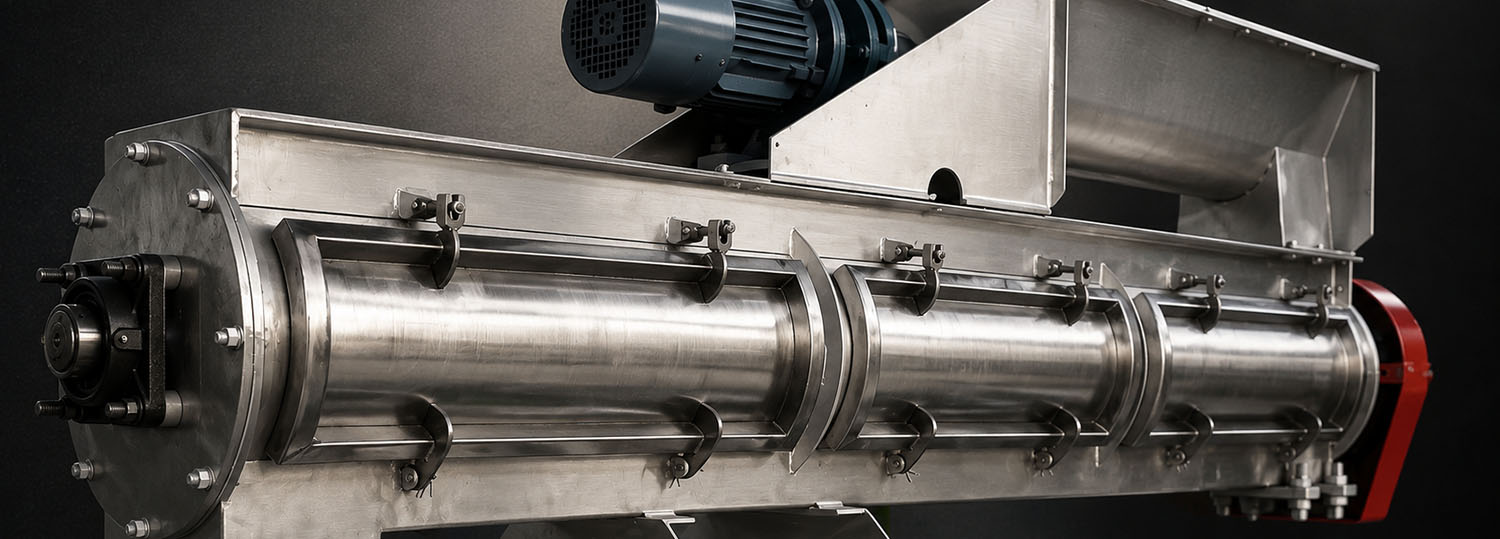
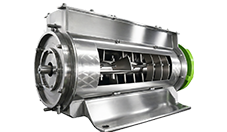
Sistema de alimentação e condicionamento
Equipado com um alimentador forçado de frequência variável, assegura um fluxo contínuo e uniforme de material para o condicionador de aço inoxidável. Isto evita bloqueios e contaminação cruzada causada por resíduos de material.
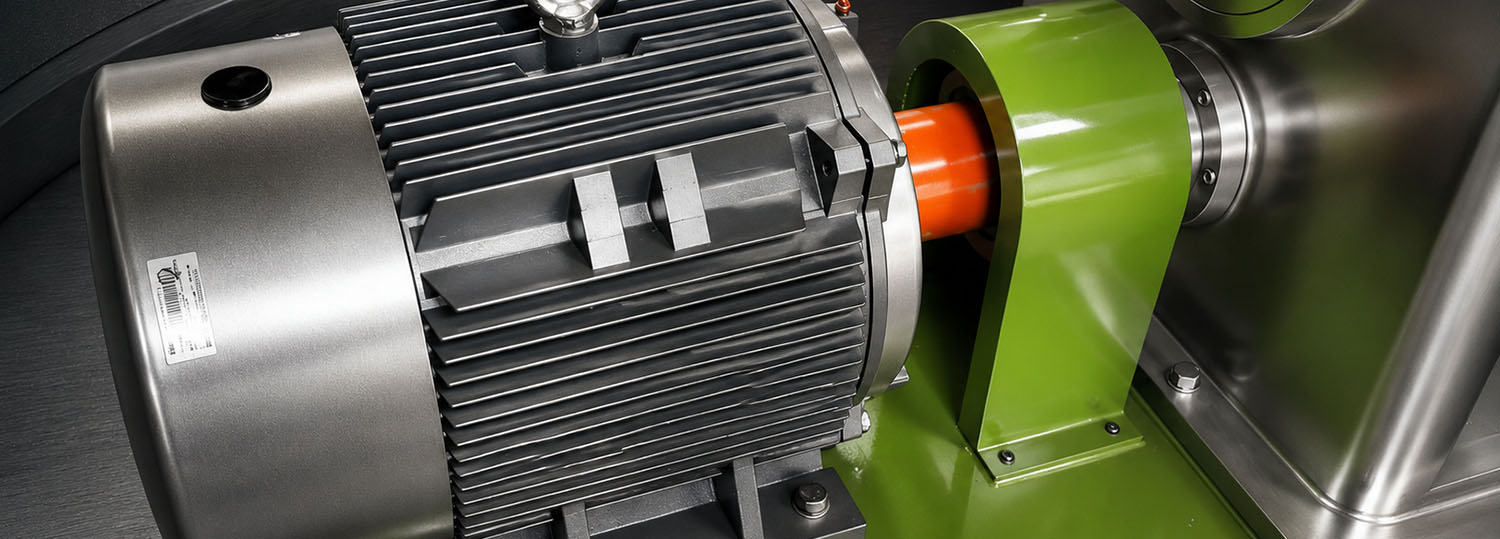
Sistema de acionamento e transmissão
Possui uma transmissão de caixa de velocidades de alta precisão. Proporciona uma elevada eficiência de binário sem deslizamento, elimina problemas de desgaste da correia e garante uma estabilidade superior a longo prazo.
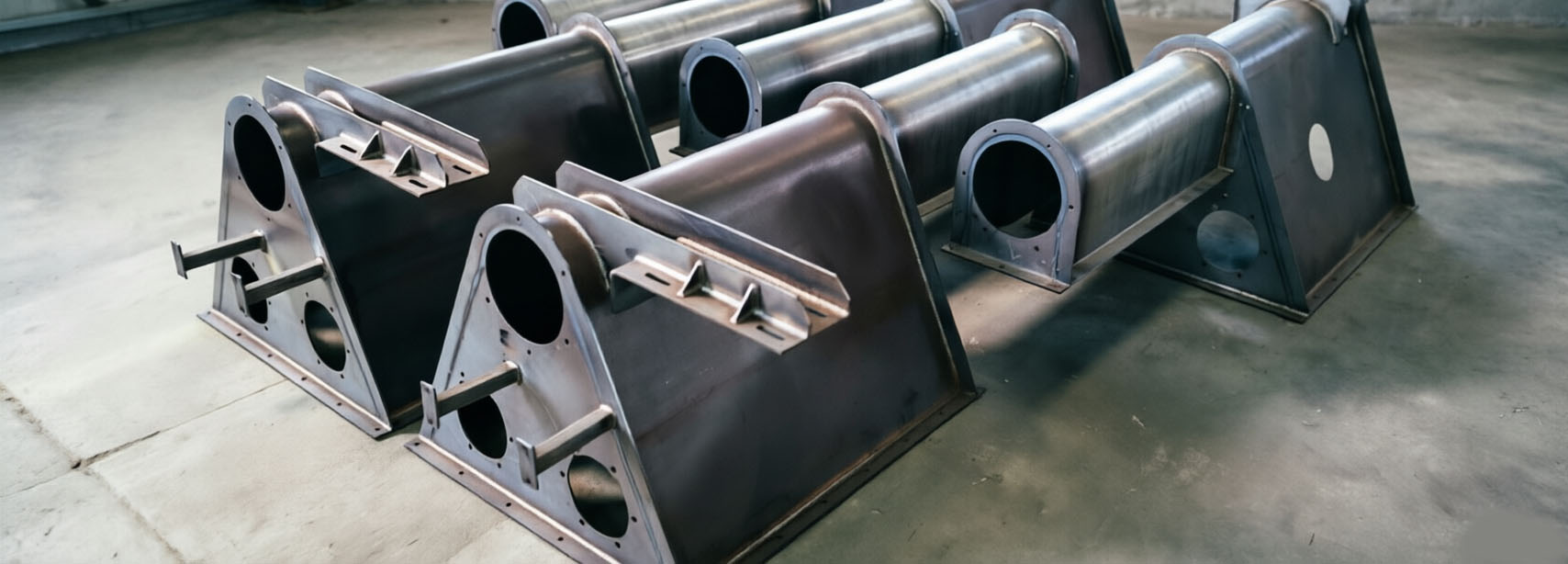
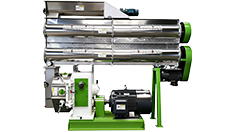
Conceção de estruturas e segurança
Construída sobre um chassis de aço de alta resistência com soldadura integrada, a estrutura rígida garante um funcionamento estável mesmo em condições de elevada vibração.
Especificações e parâmetros técnicos da peletizadora
Os parâmetros que se seguem são a produção nominal para uma linha completa de produção de alimentos para animais. A capacidade efectiva depende da preparação das matérias-primas e da estabilidade dos lotes. Durante a seleção, é necessário prever uma margem baseada nas caraterísticas do material e nas condições do processo.
Moinho de pellets para ração animal
| Modelo | SZLH250 | SZLH320 | SZLH350 | SZLH420 | SZLH508 | SZLH558 | SZLH678 | SZLH768 |
| Potência do motor principal (kw) | 22 | 37 | 55 | 110 | 160 | 185 | 250 | 315 |
| Potência do alimentador (kw) | 1.1 | 1.5 | 1.5 | 1.5 | 1.5 | 1.5 | 1.5 | 2.2 |
| Potência do modulador (kw) | 1.5 | 4 | 4 | 7.5 | 7.5 | 11 | 11 | 11 |
| Diâmetro interno da matriz do anel (mm) | 250 | 320 | 350 | 420 | 508 | 558 | 673 | 762 |
| Diâmetro da pelota acabada (mm) | 2~12 | |||||||
| Produção (t/h) | 1.0-1.5 | 3-4 | 5-6 | 10-12 | 15-16 | 20-22 | 30-33 | 38-40 |
| Nota:Especificações sujeitas a cotação final. RICHI oferece design e produção personalizados profissionais. Os direitos de interpretação final pertencem a RICHI. | ||||||||
Livestock Feed Pellet Size & Die Hole Configuration Reference
| Livestock Type | Fase de crescimento | Diâmetro de pelota recomendado (mm) | Recommended Die Hole Diameter (mm) | Notas |
| Fattening Pigs | Piglets (Weaning–25 kg) | 2.0-3.0 | 2.0-3.0 | Smaller pellets are recommended for young pigs to improve feed intake and adaptation. |
| Growing Stage (25–60 kg) | 3.0-4.0 | 3.0-4.0 | Suitable pellet size for improving feed intake and growth performance. | |
| Finishing Stage (60 kg–Market Weight) | 4.0–5.0 | 4.0–5.0 | Larger pellets help reduce feed loss and improve feeding efficiency. | |
| Breeding Sows | Replacement Gilts | 3.0-4.0 | 3.0-4.0 | Medium-sized pellets help maintain normal feed intake. |
| Gestation & Lactation Period | 4.0–5.0 | 4.0–5.0 | Suitable for high feed intake requirements during reproductive stages. | |
| Beef Cattle | Calves | 3.0–5.0 | 3.0–5.0 | Medium-sized pellets support early feeding and digestion. |
| Fattening Cattle | 6.0–8.0 | 6.0–8.0 | Larger pellets are suitable for cattle with higher feed intake and help reduce waste. | |
| Adult Cattle | 8.0–10.0 | 8.0–10.0 | Suitable for diets containing higher levels of forage and fiber. | |
| Dairy Cattle | Calves | 3.0–5.0 | 3.0–5.0 | Pellet size can be adjusted according to concentrate feed requirements. |
| Lactating Cows | 6.0–8.0 | 6.0–8.0 | Supports high feed intake and nutritional supply. | |
| Meat Sheep | Lambs | 3.0-4.0 | 3.0-4.0 | Smaller pellets are suitable for young sheep. |
| Fattening Sheep | 4.0-6.0 | 4.0-6.0 | Medium to larger pellets improve feeding efficiency during fattening. | |
| Adult Sheep | 5.0-8.0 | 5.0-8.0 | Suitable for diets combining concentrate and forage materials. | |
| Horses | Young Horses | 3.0–5.0 | 3.0–5.0 | Avoid oversized pellets to improve feeding acceptance. |
| Adult Horses | 6.0–8.0 | 6.0–8.0 | Suitable for grain and forage-based pellet feeds. | |
| Rabbits | Young Rabbits | 2.0-3.0 | 2.0-3.0 | Smaller pellets are more suitable for young rabbits. |
| Adult Rabbits | 3.0–5.0 | 3.0–5.0 | Suitable for daily pellet feeding requirements. |
Performance Advantages in Commercial Livestock Feed Production
For feed mills, pellet mills face the rigorous challenge of continuous production and long-term operation. Stable output, consistent pellet quality, low material waste, and easy maintenance are the key factors determining equipment performance.
RICHI livestock feed making machine are engineered around these practical needs, providing stable and reliable pelletizing solutions for cattle, sheep, swine, and other livestock feed.
1.
Stable Production to Meet Long-Term Demand
Feed production is not an occasional task; it requires meeting the daily demands of farms and the market. A stable pellet mill ensures uninterrupted production, minimizes operational adjustments caused by output fluctuations, and guarantees a reliable daily feed supply.
2.
Consistent Pellet Quality for Better Feed Efficiency
Stable pellet quality across different batches is the foundation for building long-term customer trust. Through advanced pelletizing technology, our equipment produces uniform, dense pellets, significantly reducing fines (dust) during transportation and storage.
3.
Versatility to Handle Various Formulas
Livestock feed production often requires formula adjustments based on animal growth stages, local raw materials, and market trends.
Our machine processes a wide range of raw materials—including corn, wheat, soybean meal, and alfalfa. With flexible die configurations, it meets the diverse production needs of different feed types.
4.
Built for Continuous Operation, Minimizing Downtime
For feed mills, equipment downtime not only increases maintenance costs but also disrupts on-time delivery.
The reliable structural design and wear-resistant components of RICHI pellet mills are built for continuous, long-term operation. They reduce maintenance frequency, ensuring your production schedule remains stable.

Livestock Feed Pelletizer Solutions for Different Production Scales
Whether you are producing feed for your own cattle, sheep, pigs, and other livestock, or planning to start a commercial feed production business, different feed production needs require different equipment capacities, automation levels, and configurations.
RICHI provides livestock feed pellet machine solutions from on-farm feed production to commercial feed manufacturing, based on your farm size, daily feed demand, production purpose, and future expansion plans, helping you choose the right equipment configuration for your needs.
1. Farm Feed Production Solution (≥8 t/day)
2. Commercial Feed Production Solution
3. Industrial Feed Manufacturing Solution
1. Farm Feed Production Solution
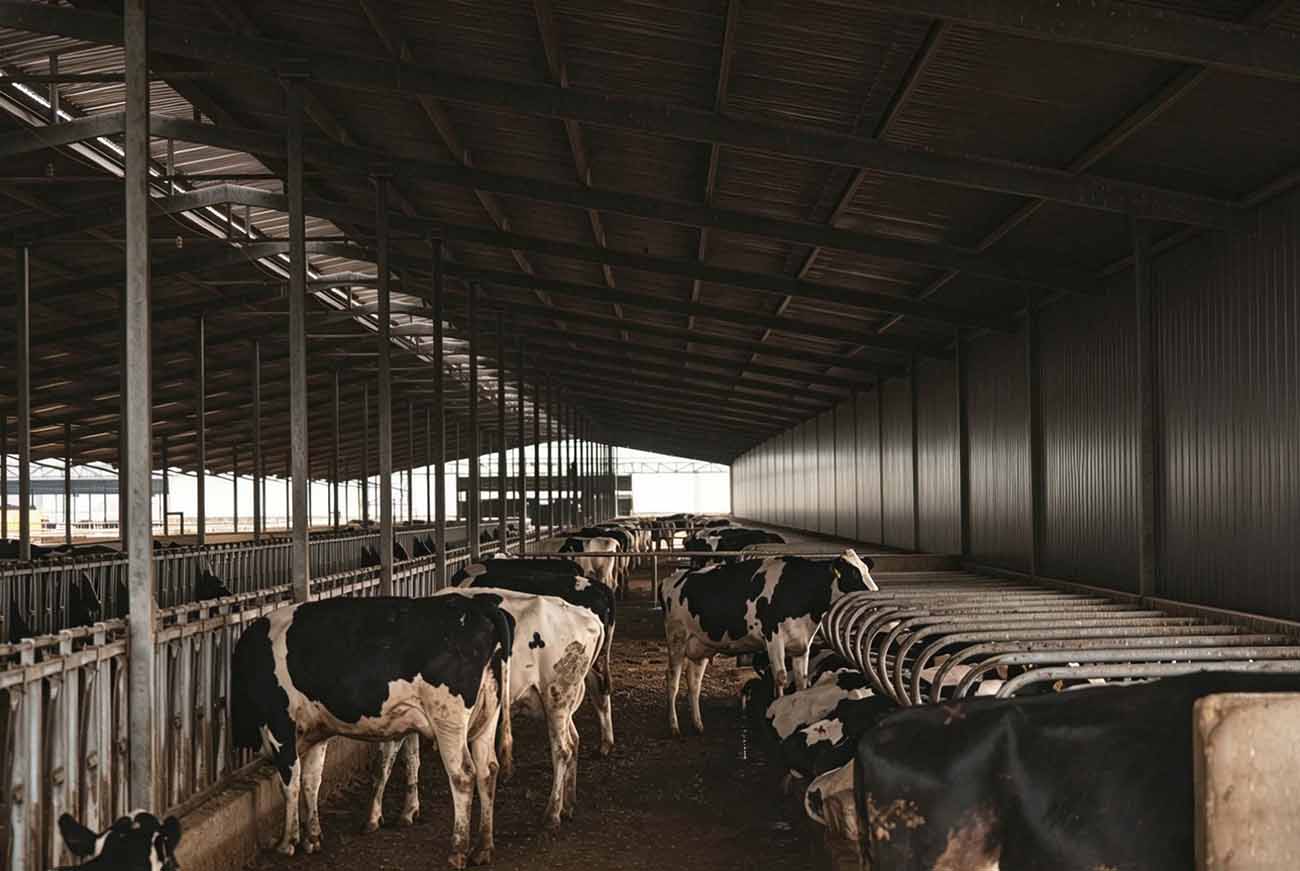
Production Requirements:
Daily Feed Requirement Reference:
- ≥8 tons/day → Suitable for RICHI industrial livestock feed pellet machine solutions
- <8 tons/day → Not within RICHI’s target service range
Recommended Capacity:
1–2 T/H (configured according to daily feed demand)
Typical Equipment Configuration:
Feed crusher + Feed mixer + Livestock feed mill machine + Cooling & screening equipment (optional)
2. Commercial Feed Production Solution
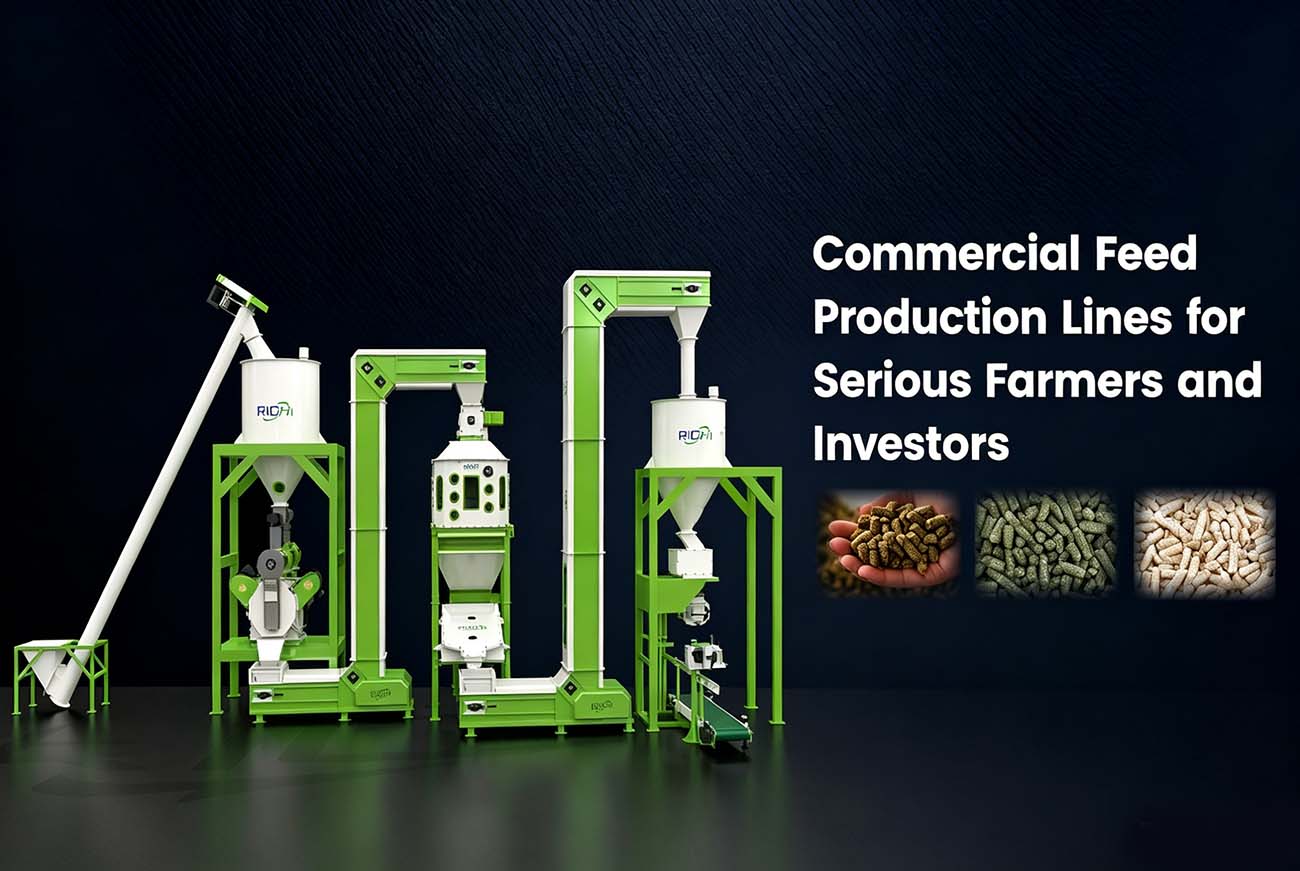
Production Requirements Features:
- Balances production efficiency with investment costs, suitable for stable commercial operations;
- Supports various livestock feed formulas, including cattle feed, sheep feed, and pig feed;
- Allows flexible product adjustment according to market demand;
- Suitable for continuous production and bulk feed supply.
Recommended Capacity:
3–5 T/H
Typical Equipment Configuration:
Raw material grinding system + Mixing system + Pelletizing system + Cooling system + Packing system
3. Industrial Feed Manufacturing Solution
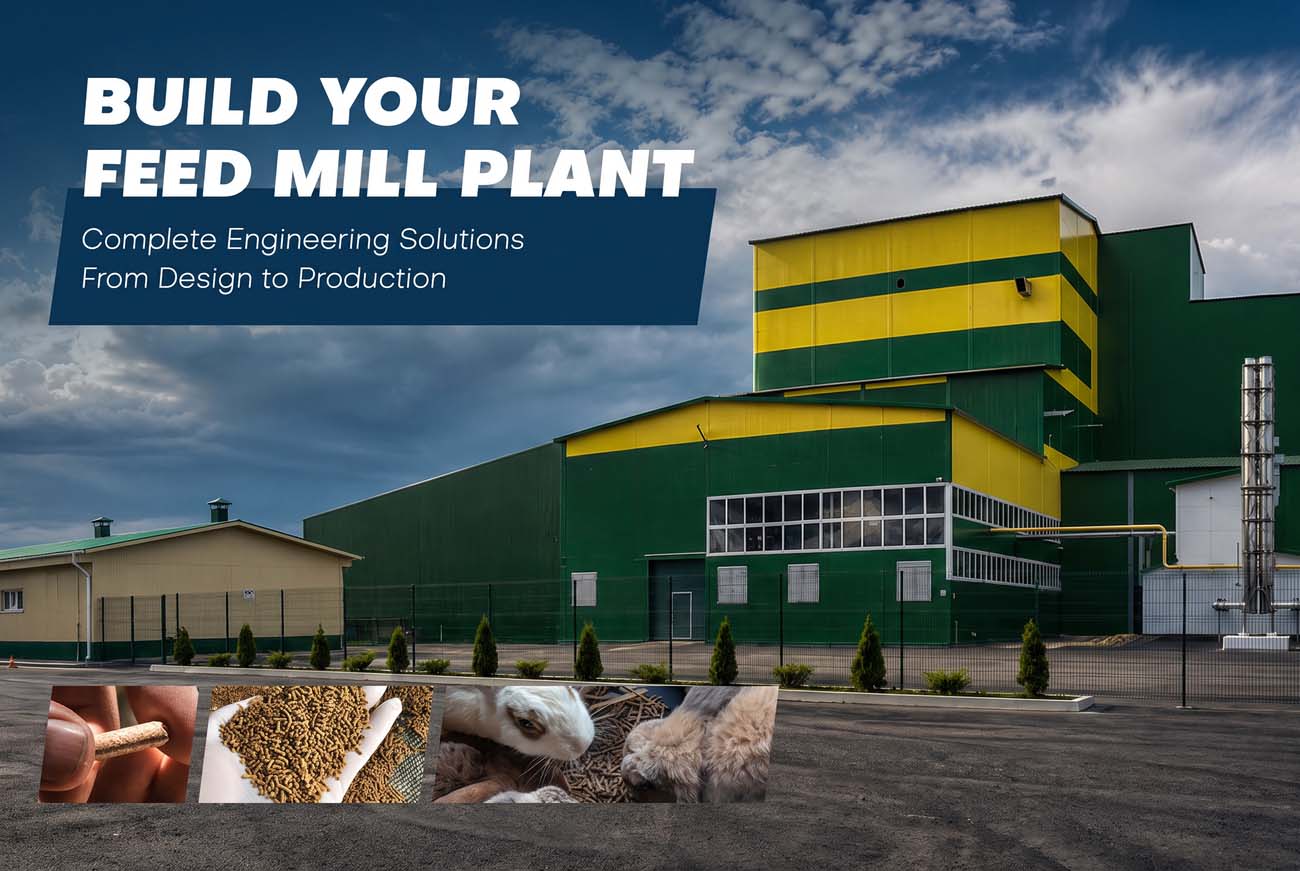
Production Requirements Features :
- Meets high-volume feed production requirements;
- Supports year-round continuous operation;
- Can be equipped with automatic control systems to improve production efficiency;
- Allows future factory expansion according to increasing production needs.
Recommended Capacity:
8 T/H and above
Typical Equipment Configuration:
Complete livestock feed production line, including:
Raw material receiving system + Grinding system + Batching & mixing system + Pelletizing system + Cooling & screening system + Packing system + Automatic control system
From Pellet Machine to Complete Livestock Feed Plant
The pellet machine is the core of the feed line, but its performance relies on matching upstream and downstream systems. Process integration and capacity balance across all stages determine the line’s efficiency and final product quality. Integrating pelleting into a full-process design is key to stable production and cost optimization. (Clique para virar e ver os pormenores.)
01.
Matéria-prima
Processamento
Uma vez recebidas, as matérias-primas são submetidas a uma triagem para eliminar as impurezas grosseiras. Os materiais limpos são armazenados em silos dedicados com rotulagem clara.
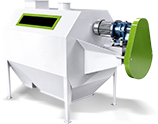
Limpador de tambor rotativo
Remove pedras, areia e impurezas pesadas de materiais granulares.
Capacidade
15-50 T/H
Velocidade do tambor
12-21 rpm
02.
Trituração de matérias-primas e controlo do tamanho das pelotas
A granularidade da moagem é ajustável para corresponder a várias raças de aves de capoeira e fases de crescimento.
Após a moagem, o material é transportado mecanicamente para o silo de dosagem, pronto a ser utilizado.
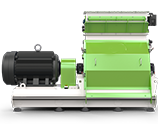
Moinho de martelos
Tritura materiais (≤5cm de tamanho) em pó; o tamanho da malha do ecrã é personalizável.
Capacidade
3-50 T/H
Tamanho da moagem
0,5 - 20mm
03.
Dosagem e mistura
Utiliza balanças electrónicas controladas por um PLC. Uma vez pesados, os materiais são introduzidos na misturadora.
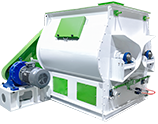
Misturador de pá de eixo duplo
Concebida para misturar pós, grânulos, flocos, grumos, materiais irregulares e substâncias viscosas.
Material
Aço carbono, aço inoxidável
Capacidade do lote
250-2000 kg/P
04.
Acondicionamento e peletização
O pó misturado é condicionado com vapor a alta temperatura. De seguida, é introduzido no granulador de matriz em anel para granulação. A abertura da matriz é ajustável.
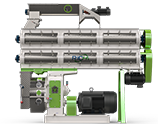
Livestock Feed Pellet Mill
Comprime eficazmente o pó em pellets robustos e duradouros.
Potência
22-315 kW
Capacidade
1-40 T/H
05.
Arrefecimento
Os pellets quentes e com elevado teor de humidade são arrefecidos e desumidificados para atingirem a temperatura ambiente e níveis de humidade de armazenamento seguros.
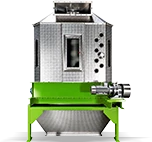
Refrigerador de contrafluxo
Arrefece os granulados a alta temperatura para atingir a temperatura ambiente.
Tempo de arrefecimento
6-15 min
Capacidade
1-40 T/H
06.
Rastreio
As pelotas arrefecidas são classificadas através de um crivo vibratório para remover o pó e os finos.
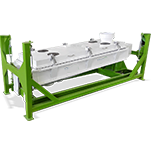
Peneira rotativa de classificação
Peneiramento de materiais granulares em produtos acabados grandes, médios e pequenos.
Capacidade
3-40 T/H
Potência
1,5-5,5 kW
07.
Embalagem e sistema de controlo automatizado
As balanças electrónicas permitem o acondicionamento personalizado (sacos de 10 kg-50 kg ou toneladas). Linhas totalmente automatizadas com robots opcionais. Modos de controlo: Manual, semi-automático ou totalmente automático.
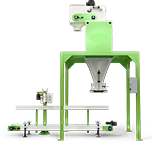
Balança de embalagem totalmente automática
Materiais de embalagem, com opções de selagem: selagem a quente, costura a fio ou selagem híbrida.
Velocidade de embalagem
2-8 min/saco
Projectos de engenharia de fábricas de rações para animais
Ao serviço do mercado global, apoiamos grandes grupos de criação e empresas de produção de alimentos para animais. Os casos seguintes mostram os nossos projectos de linhas completas de produção de alimentos para animais em várias escalas e categorias. Todas as soluções são comprovadas pela produção em larga escala.
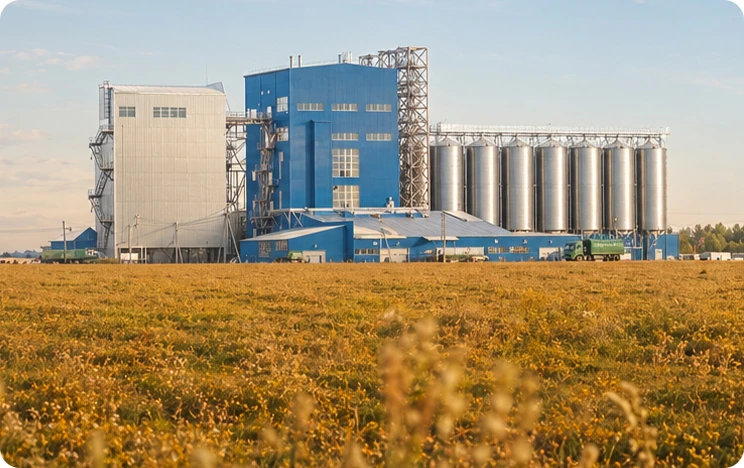
10 Linha de produção de alimentos para aves de capoeira em Argélia
Região : África
Aplicação : linha de produção de alimentos para aves de capoeira
Saída : 10 T/H
Tipo de produto : alimentação
3-5 t/h linha completa de produção de pellets de ração para galinhas em Zimbabué
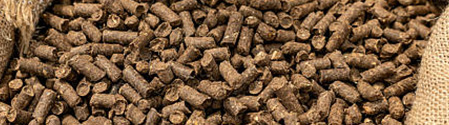
Região : África
Aplicação : linha de produção de alimentos para frangos
Saída : 10-15 T/H
Tipo de produto : pellet feed
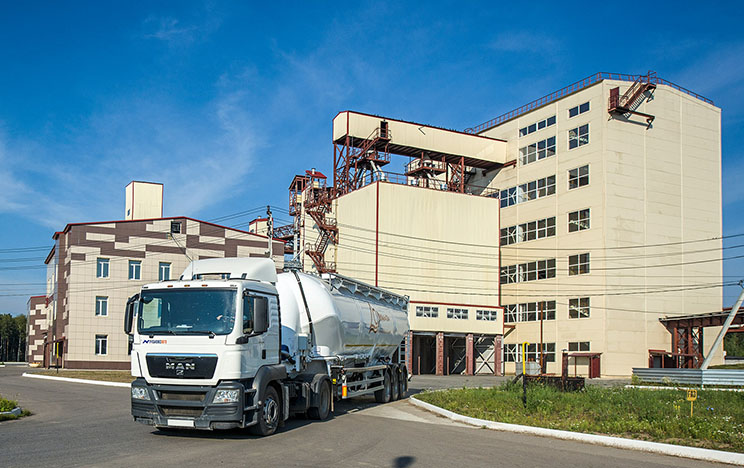
5 T/H Linha de produção de ração animal em pó em Quénia
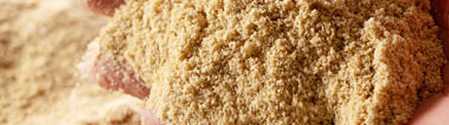
Região : África
Aplicação : linha de produção de alimentos para animais
Saída : 5T/H
Tipo de produto : alimentos em pó
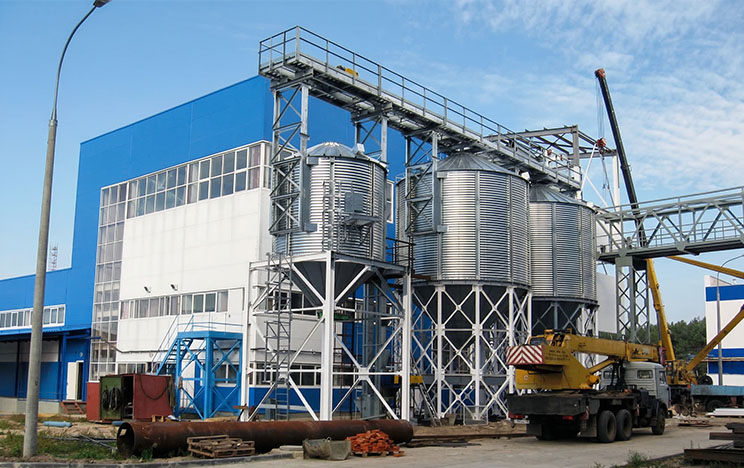
5-6 T/H Fábrica de ração animal em Etiópia
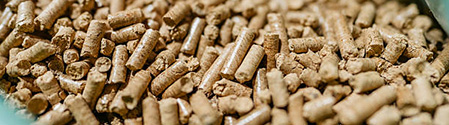
Região : África
Aplicação : linha de produção de alimentos para animais
Saída : 5-6 T/H
Tipo de produto : alimentos peletizados
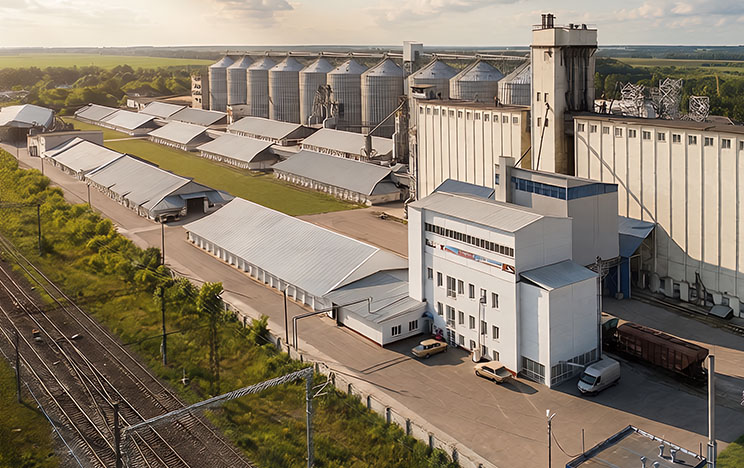
Livestock Feed Production Questions Answered
Encontre respostas profissionais a perguntas comuns, abrangendo os principais processos e considerações importantes na produção de alimentos para animais.
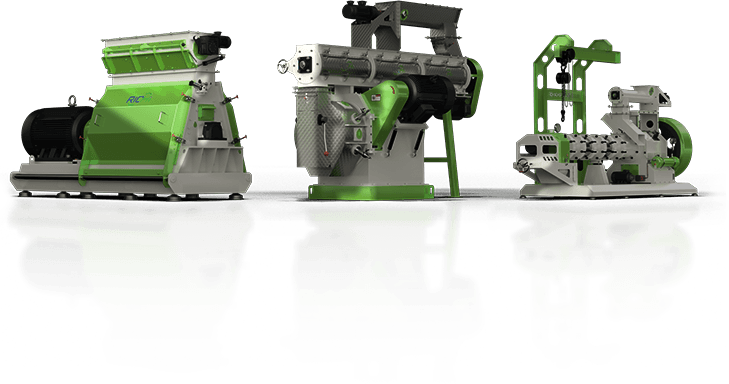
1. What is a livestock feed pellet machine? What feed can it produce?
The livestock feed pellet machine is equipment that presses crushed and mixed raw materials into pellets. It is commonly used for producing feed for cattle, sheep, and pigs.
2. What raw materials can the feed pellet machine process?
This equipment is suitable for a wide range of livestock feed raw materials, including grains, protein sources, and fiber materials. Examples include corn, wheat, barley, soybean meal, alfalfa, and various grasses.
Since fiber content, moisture, and formula ratios affect pellet quality, the machine configuration needs to be selected based on the specific raw materials.
3. What production capacity do I need for a feed pellet machine?
The capacity depends on your daily feed demand, production hours, and usage scenario. RICHI offers feed pelletizers and pelleting equipment ranging from 1 to 40 tons per hour (T/H). We provide solutions for farm self-use, small and medium-sized feed processing, and continuous production for commercial feed mills.
4. Can this machine produce feed for cattle, sheep, and pigs?
Yes. When producing feed for cattle, sheep, and pigs, you can choose the appropriate pellet specifications based on the animal species, growth stage, and feeding requirements.
For example, cattle and sheep feed usually requires larger diameter pellets, while pig feed size varies by stage. By adjusting the ring die configuration, the machine can be used as a cattle feed pellet machine or a pig feed pellet machine.
5. Can the size of the feed pellets be adjusted?
Yes. By changing the ring die with different hole sizes, the machine can produce various pellet sizes. RICHI livestock feed pellet machines support pellet diameters ranging from 2 to 12 mm, allowing you to adjust according to the animal type, age, and feed purpose.
6. Is this equipment suitable for farms or feed mills?
This equipment is primarily suitable for large-scale farms producing feed for their own use and for commercial feed mills.
- For Farm Self-use: It is recommended for daily feed needs of 8 tons or more. If the demand is lower, the investment and running costs may not match, and other production methods might be more suitable.
- For Commercial Feed Mills: Different models can be configured according to target output to produce pellet feed for cattle, sheep, pigs, etc.
Nota: The machine requires raw materials to be in a suitable state for processing. If using whole corn, wheat, or pasture grass, a crusher is usually required. A mixer may also be needed depending on formula uniformity and production needs.
7. How do I choose the right feed pellet production equipment?
First, determine your daily production demand and raw material situation.
- For Farm Self-use: Choose the capacity based on your daily feed consumption. If the daily demand is 8 tons or more, you can consider configuring a suitable pellet machine.
- For Commercial Feed Production: Choose models ranging from 1–40 T/H based on planned output, and consider future expansion needs.
- For Raw Materials: If processing corn, grains, or pasture grass, confirm if you already have crushing equipment. If the raw material is not powdered, it must be crushed first.
- For Different Animals: Select the appropriate pellet size and ring die specifications based on the needs of cattle, sheep, pigs, etc.
RICHI can help you select the right equipment configuration based on your raw materials, output, and production requirements.
8. Are spare parts and after-sales support provided after purchase?
Yes. RICHI provides a long-term supply of original spare parts, including ring dies, rollers, and other common wear parts. We also offer a 1-year warranty. Whether for standalone use or a complete production line, you will receive technical support for future maintenance.
9. What is the price of a poultry feed pellet machine?
The price depends mainly on the model, production capacity, ring die configuration, and level of automation. Generally, a single feed pellet machine costs between 7,500 and 80,000 USD.
If you need a complete livestock feed production line, the investment cost varies based on capacity and configuration:
- Small Line (1–2 T/H): Starts from around $30,000 USD.
- Medium Line (3–10 T/H): Typically 80,000–300,000 USD.
- Large Commercial Plant: Can exceed $300,000 USD.
Final pricing is also affected by raw material handling, crushing and mixing equipment, automation, packaging, and facility conditions. RICHI can provide a matching equipment configuration and quotation based on your daily output, raw materials, and production goals.
More Animal Feed Pellet Machines
Para além dos alimentos para aves, as nossas soluções abrangem a granulação para ruminantes, gado, aquacultura e animais de estimação. Fornecemos configurações de produção personalizadas e suporte de linha completa para garantir operações estáveis em diversas aplicações de rações.
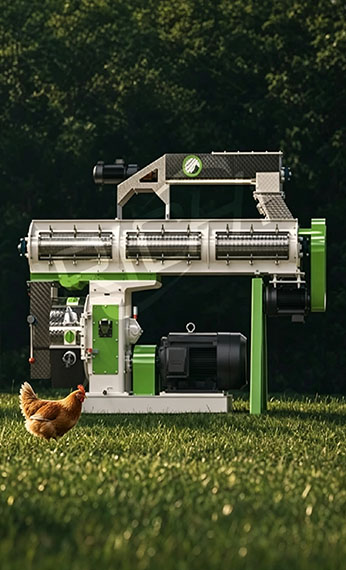
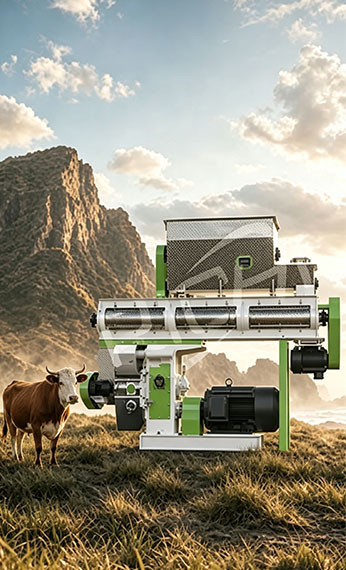
Cattle feed making machine
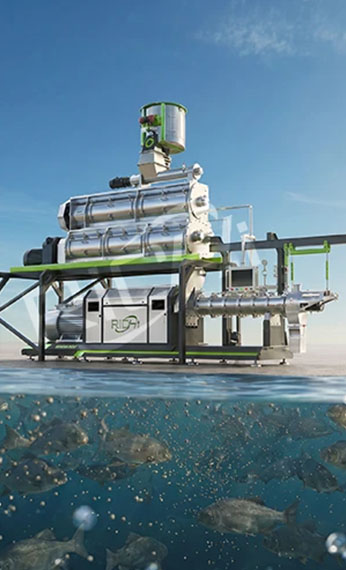
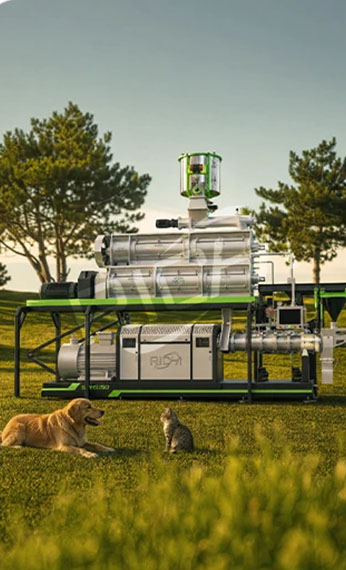
Máquina de extrusão de alimentos para animais de estimação

Máquinas RICHI: Potenciando a produção global de pellets
Empenhados em ser pioneiros na tecnologia de pellets e na engenharia industrial, tiramos partido de mais de 30 anos de conhecimentos de I&D e de experiência global.
Optimizamos o design, o fabrico e a integração de sistemas para impulsionar as indústrias de rações, biomassa e especialidades para a eficiência, inteligência e sustentabilidade.
A nossa equipa de especialistas oferece soluções de produção de pellets de ponta a ponta que cumprem as normas internacionais e se alinham com os seus objectivos estratégicos de produtividade e crescimento a longo prazo.
60000 +m2
Metros quadrados da nossa fábrica
2000 +
Projectos em curso em todo o mundo
140 +
Países dos nossos clientes
200 +
Números da nossa equipa
Especialização global e excelência do sistema
Os sistemas avançados de produção de pellets combinam robustez e preparação para o futuro, estabelecendo referências na indústria através da integração tecnológica e da inovação.
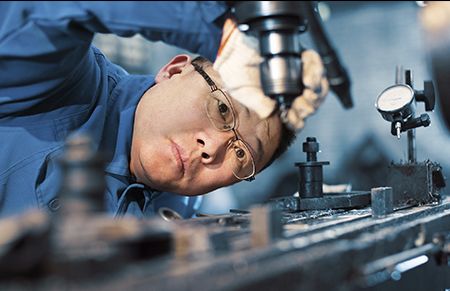
Qualidade fiável
Cada máquina é submetida a inspecções de qualidade precisas e rigorosas.
Garantia sem preocupações
Apoiado por uma rede de serviços global com tempos de resposta rápidos.
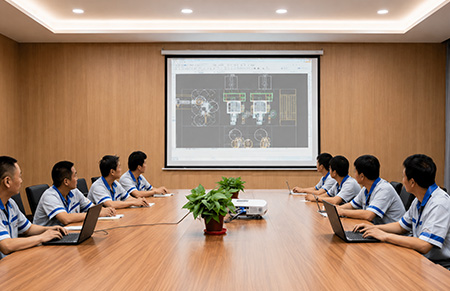
Apoio profissional
Equipas técnicas experientes prestam assistência ao longo de todo o ciclo.

Pagamentos seguros
A encriptação multi-camadas garante transacções seguras e transparentes.

Logística global
O envio eficiente para todo o mundo garante uma entrega atempada em qualquer local.
Inicie o seu projeto de pellets
A produção de pellets é um processo sistemático. Indique-nos as suas matérias-primas e as suas necessidades de capacidade, e criaremos uma solução personalizada com orientação profissional para a produção comercial.

Morada: a sul do cruzamento entre a Rua Xingda e a Rua Hongyuan, Wuzhi, cidade de Jiaozuo, província de Henan, China

Tel/WhatsApp: + 86 136 0866 8310

Correio eletrónico: enquiry@richimachinery.com



© HENAN RICHI MACHINERY CO., LTD 1995-2026 Linha de produtos / Política de privacidade
Contactar-nos
Envie-nos as suas necessidades, os consultores da RICHI entrarão em contacto consigo rapidamente.

