

Reliable Livestock Feed Pellet Machine for Modern Feed Mills
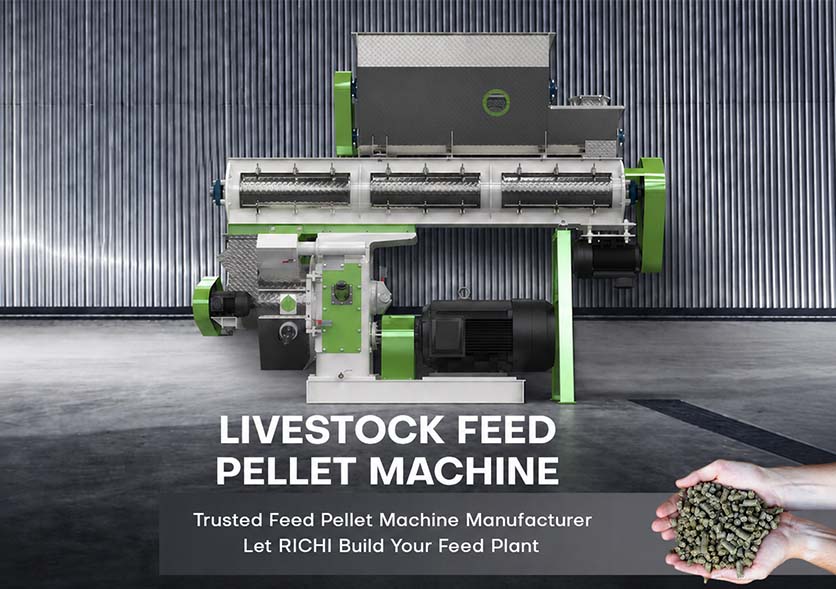
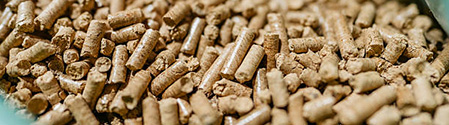
RICHI specializes in manufacturing livestock feed pellet machines. Utilizing advanced ring die technology, we process raw materials like corn, wheat, barley, soybean meal, and alfalfa into high-quality pellets.
Our production capacity ranges from 1 to 40 tons per hour, suitable for cattle, sheep, and pig feed. We also provide customized equipment and complete production solutions tailored to your specific formulas and factory conditions.
RICHI specializes in manufacturing livestock feed pellet machines. Utilizing advanced ring die technology, we process raw materials like corn, wheat, barley, soybean meal, and alfalfa into high-quality pellets.
Our production capacity ranges from 1 to 40 tons per hour, suitable for cattle, sheep, and pig feed. We also provide customized equipment and complete production solutions tailored to your specific formulas and factory conditions.
Livestock Feed Pellet Machine Applications & Selection Guide
In modern livestock feed production, the pellet machine plays a key role in turning mixed raw materials into finished pellets. Using ring die technology, it processes ingredients like corn, wheat, barley, soybean meal, and alfalfa into high-quality feed for cattle, sheep, and pigs.
For commercial feed mills and large-scale farms, the pellet machine is at the heart of the production line. It connects the front-end systems (grinding and mixing) with the back-end equipment (cooling, screening, and packaging), transforming formulated powder into premium pellets.
While the machine can operate alone, pellet quality depends on more than just the equipment. Factors like raw material quality, grinding fineness, mixing uniformity, conditioning, and die selection all impact the final result. Therefore, when choosing a machine, it is essential to match it with your production scale, raw materials, and target output to ensure stable, long-term operation.
Struttura del mulino ad anello industriale per pellet e design ingegneristico
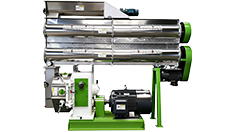
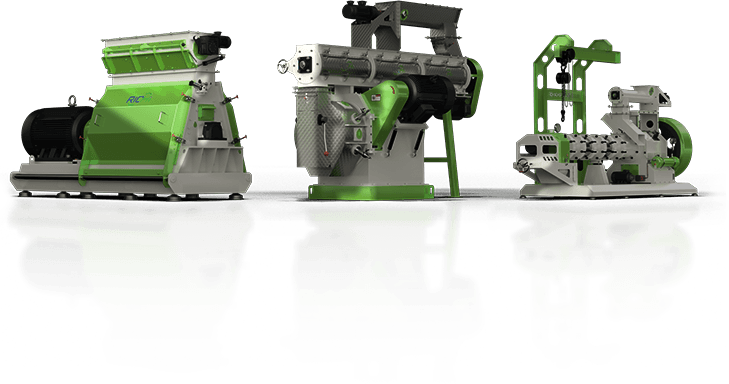
RICHI industrial livestock feed pellet machine features a heavy-duty ring die system, specifically developed for continuous commercial feed production.
L'intera unità è stata sistematicamente progettata per garantire prestazioni stabili su tre aspetti chiave: trasmissione della coppia, condizionamento del materiale e qualità della pellettizzazione.
Stampo ad anello e camera di pellettizzazione
Sistema di alimentazione e condizionamento
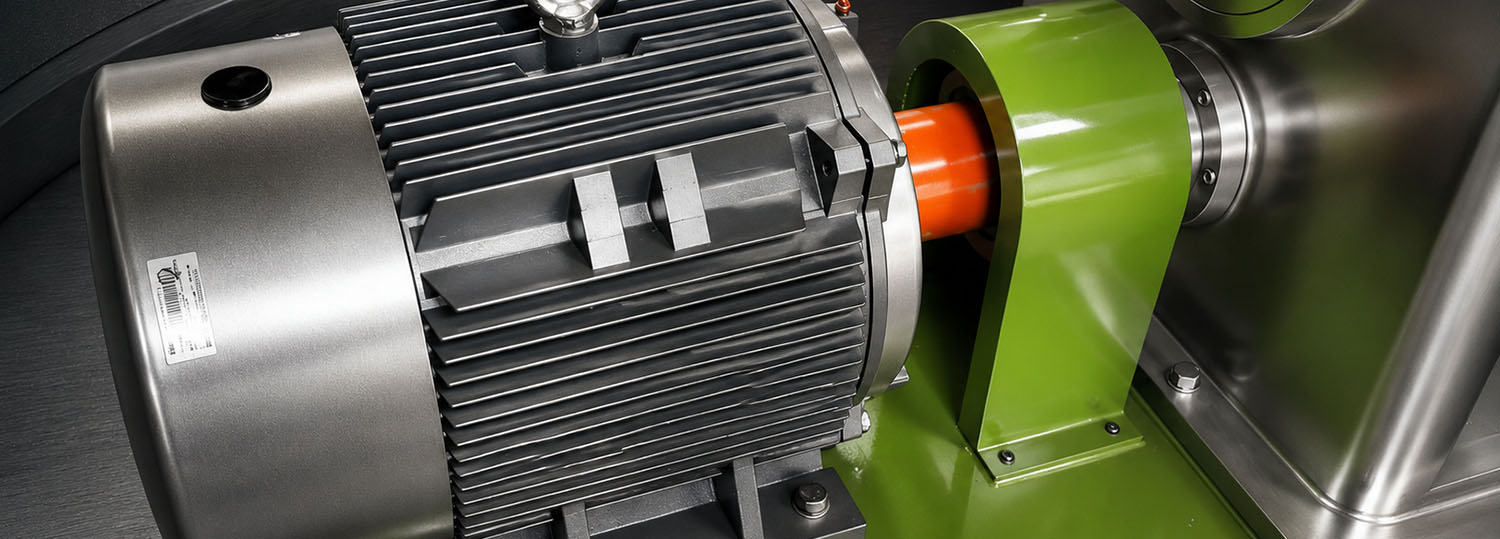
Sistema di trasmissione e trasmissione
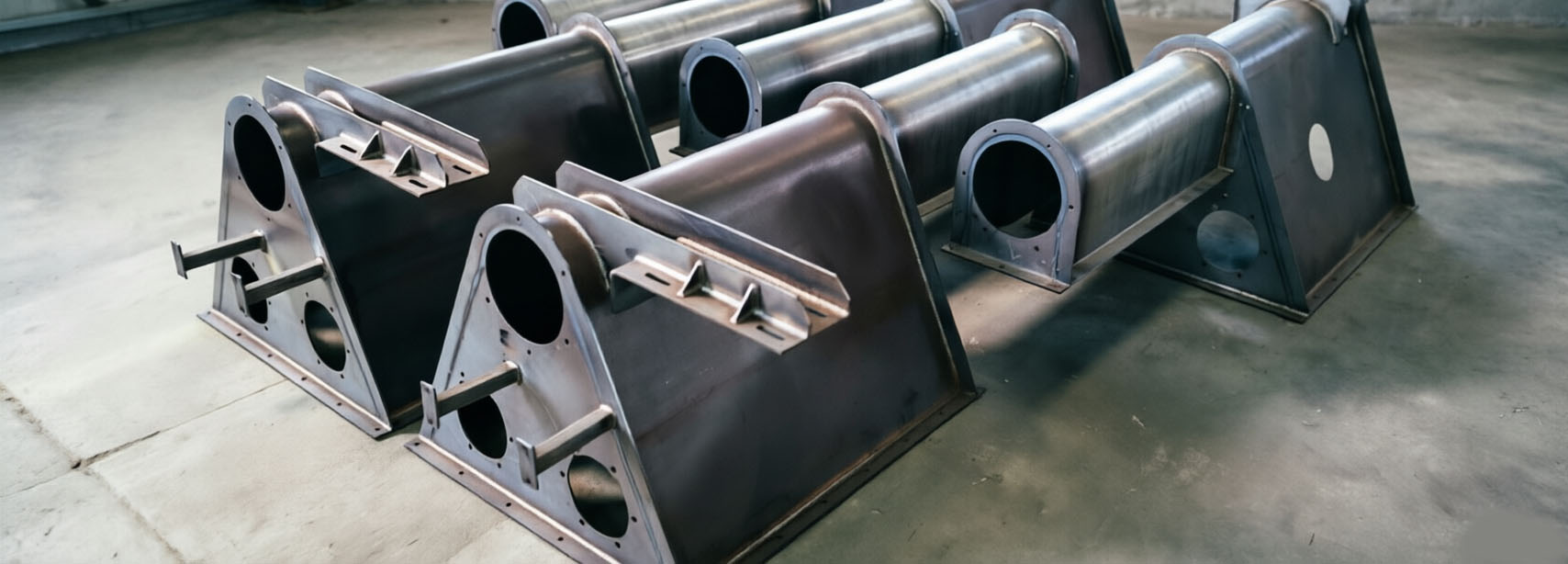
Telaio strutturale e progettazione della sicurezza
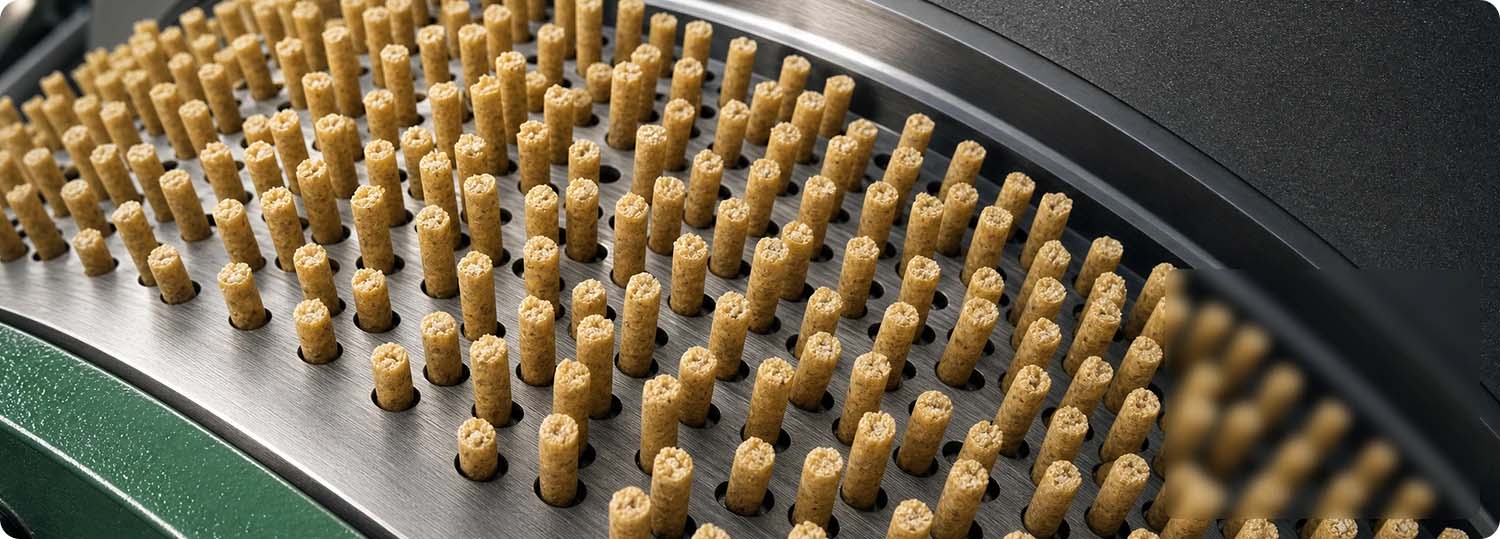
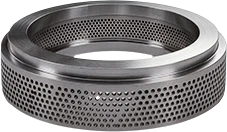
Stampo ad anello e camera di pellettizzazione
Il rapporto di compressione dello stampo ad anello è personalizzato per adattarsi alla formula del mangime. I fori dello stampo sono lavorati a CNC per garantire un'elevata precisione, assicurando pellet uniformi con un basso tasso di particelle.
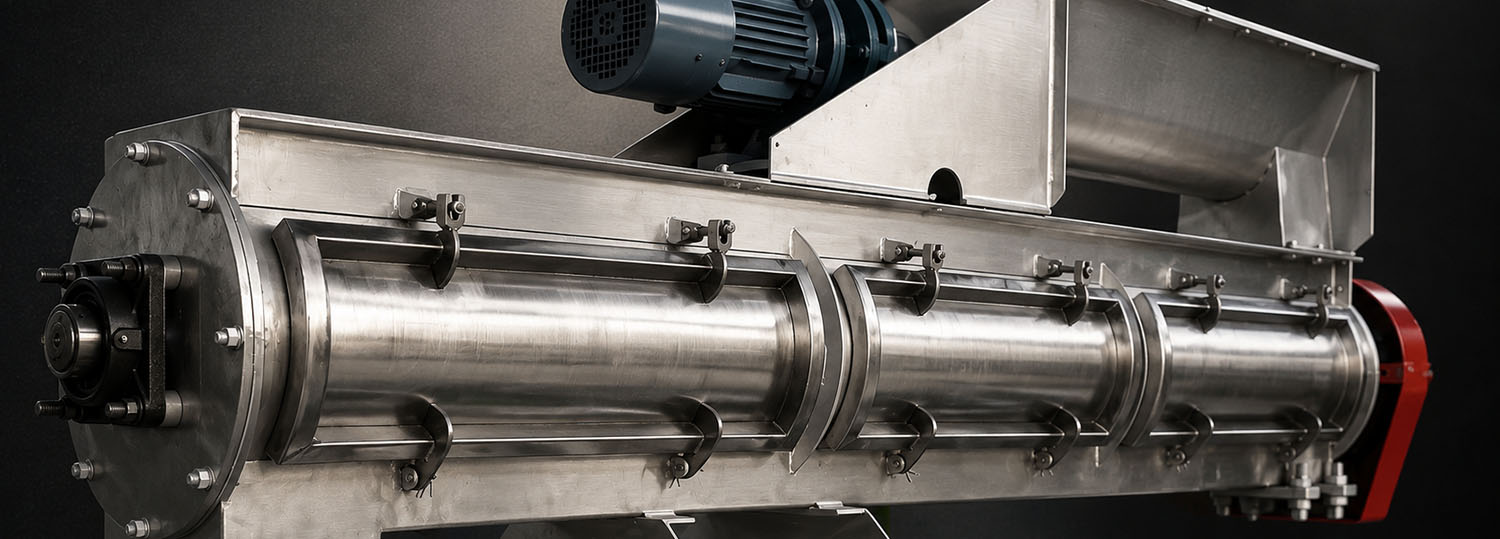
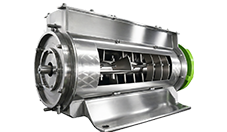
Sistema di alimentazione e condizionamento
Dotato di un alimentatore forzato a frequenza variabile, assicura un flusso continuo e uniforme di materiale nel condizionatore in acciaio inox. In questo modo si evitano intasamenti e contaminazioni incrociate causate da residui di materiale.
Sistema di trasmissione e trasmissione
Dispone di una trasmissione a ingranaggi ad alta precisione. Offre un'elevata efficienza di coppia senza slittamenti, elimina i problemi di usura della cinghia e garantisce una stabilità superiore a lungo termine.
Telaio strutturale e progettazione della sicurezza
Costruita su un telaio in acciaio ad alta resistenza con saldatura integrata, la struttura rigida garantisce un funzionamento stabile anche in condizioni di elevate vibrazioni.
Specifiche e parametri tecnici del mulino a pellet
I parametri seguenti rappresentano la produzione nominale di una linea completa di produzione di mangimi. La capacità effettiva dipende dalla preparazione delle materie prime e dalla stabilità del dosaggio. Durante la selezione, prevedere un margine basato sulle caratteristiche del materiale e sulle condizioni del processo.
Mulino a pellet per mangimi animali
| Modello | SZLH250 | SZLH320 | SZLH350 | SZLH420 | SZLH508 | SZLH558 | SZLH678 | SZLH768 |
| Potenza del motore principale (kw) | 22 | 37 | 55 | 110 | 160 | 185 | 250 | 315 |
| Potenza dell'alimentatore (kw) | 1.1 | 1.5 | 1.5 | 1.5 | 1.5 | 1.5 | 1.5 | 2.2 |
| Potenza del modulatore (kw) | 1.5 | 4 | 4 | 7.5 | 7.5 | 11 | 11 | 11 |
| Diametro interno dello stampo ad anello (mm) | 250 | 320 | 350 | 420 | 508 | 558 | 673 | 762 |
| Diametro del pellet finito (mm) | 2~12 | |||||||
| Produzione (t/h) | 1.0-1.5 | 3-4 | 5-6 | 10-12 | 15-16 | 20-22 | 30-33 | 38-40 |
| Nota: le specifiche sono soggette alla quotazione finale. RICHI offre progettazione e produzione professionale personalizzata. I diritti di interpretazione finale appartengono a RICHI. | ||||||||
Livestock Feed Pellet Size & Die Hole Configuration Reference
| Livestock Type | Fase di crescita | Diametro consigliato del pellet (mm) | Recommended Die Hole Diameter (mm) | Note |
| Fattening Pigs | Piglets (Weaning–25 kg) | 2.0-3.0 | 2.0-3.0 | Smaller pellets are recommended for young pigs to improve feed intake and adaptation. |
| Growing Stage (25–60 kg) | 3.0-4.0 | 3.0-4.0 | Suitable pellet size for improving feed intake and growth performance. | |
| Finishing Stage (60 kg–Market Weight) | 4.0–5.0 | 4.0–5.0 | Larger pellets help reduce feed loss and improve feeding efficiency. | |
| Breeding Sows | Replacement Gilts | 3.0-4.0 | 3.0-4.0 | Medium-sized pellets help maintain normal feed intake. |
| Gestation & Lactation Period | 4.0–5.0 | 4.0–5.0 | Suitable for high feed intake requirements during reproductive stages. | |
| Beef Cattle | Calves | 3.0–5.0 | 3.0–5.0 | Medium-sized pellets support early feeding and digestion. |
| Fattening Cattle | 6.0–8.0 | 6.0–8.0 | Larger pellets are suitable for cattle with higher feed intake and help reduce waste. | |
| Adult Cattle | 8.0–10.0 | 8.0–10.0 | Suitable for diets containing higher levels of forage and fiber. | |
| Dairy Cattle | Calves | 3.0–5.0 | 3.0–5.0 | Pellet size can be adjusted according to concentrate feed requirements. |
| Lactating Cows | 6.0–8.0 | 6.0–8.0 | Supports high feed intake and nutritional supply. | |
| Meat Sheep | Lambs | 3.0-4.0 | 3.0-4.0 | Smaller pellets are suitable for young sheep. |
| Fattening Sheep | 4.0-6.0 | 4.0-6.0 | Medium to larger pellets improve feeding efficiency during fattening. | |
| Adult Sheep | 5.0-8.0 | 5.0-8.0 | Suitable for diets combining concentrate and forage materials. | |
| Horses | Young Horses | 3.0–5.0 | 3.0–5.0 | Avoid oversized pellets to improve feeding acceptance. |
| Adult Horses | 6.0–8.0 | 6.0–8.0 | Suitable for grain and forage-based pellet feeds. | |
| Rabbits | Young Rabbits | 2.0-3.0 | 2.0-3.0 | Smaller pellets are more suitable for young rabbits. |
| Adult Rabbits | 3.0–5.0 | 3.0–5.0 | Suitable for daily pellet feeding requirements. |
Performance Advantages in Commercial Livestock Feed Production
For feed mills, pellet mills face the rigorous challenge of continuous production and long-term operation. Stable output, consistent pellet quality, low material waste, and easy maintenance are the key factors determining equipment performance.
RICHI livestock feed making machine are engineered around these practical needs, providing stable and reliable pelletizing solutions for cattle, sheep, swine, and other livestock feed.
1.
Stable Production to Meet Long-Term Demand
Feed production is not an occasional task; it requires meeting the daily demands of farms and the market. A stable pellet mill ensures uninterrupted production, minimizes operational adjustments caused by output fluctuations, and guarantees a reliable daily feed supply.
2.
Consistent Pellet Quality for Better Feed Efficiency
Stable pellet quality across different batches is the foundation for building long-term customer trust. Through advanced pelletizing technology, our equipment produces uniform, dense pellets, significantly reducing fines (dust) during transportation and storage.
3.
Versatility to Handle Various Formulas
Livestock feed production often requires formula adjustments based on animal growth stages, local raw materials, and market trends.
Our machine processes a wide range of raw materials—including corn, wheat, soybean meal, and alfalfa. With flexible die configurations, it meets the diverse production needs of different feed types.
4.
Built for Continuous Operation, Minimizing Downtime
For feed mills, equipment downtime not only increases maintenance costs but also disrupts on-time delivery.
The reliable structural design and wear-resistant components of RICHI pellet mills are built for continuous, long-term operation. They reduce maintenance frequency, ensuring your production schedule remains stable.

Livestock Feed Pelletizer Solutions for Different Production Scales
Whether you are producing feed for your own cattle, sheep, pigs, and other livestock, or planning to start a commercial feed production business, different feed production needs require different equipment capacities, automation levels, and configurations.
RICHI provides livestock feed pellet machine solutions from on-farm feed production to commercial feed manufacturing, based on your farm size, daily feed demand, production purpose, and future expansion plans, helping you choose the right equipment configuration for your needs.
1. Farm Feed Production Solution (≥8 t/day)
2. Commercial Feed Production Solution
3. Industrial Feed Manufacturing Solution
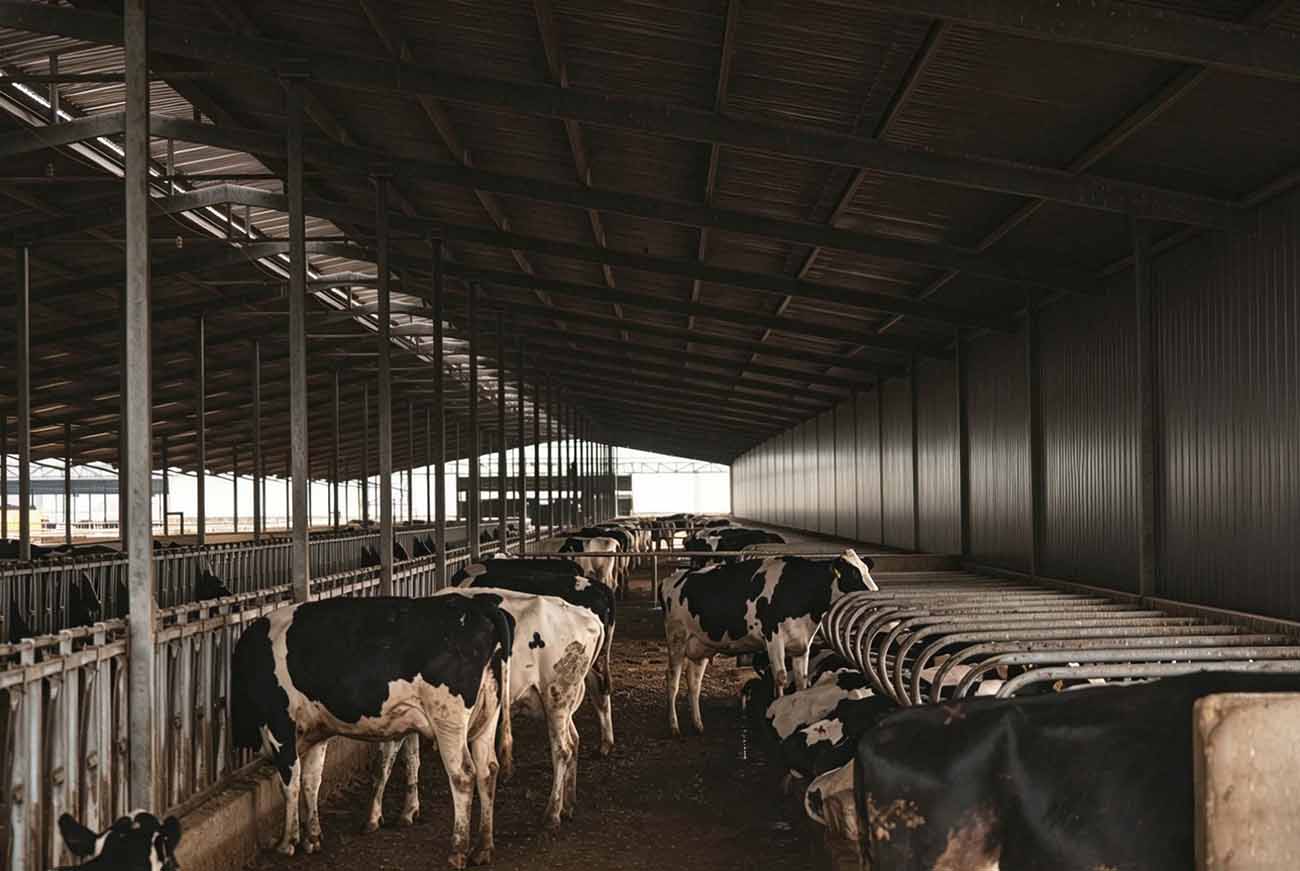
1. Farm Feed Production Solution
Production Requirements:
Daily Feed Requirement Reference:
- ≥8 tons/day → Suitable for RICHI industrial livestock feed pellet machine solutions
- <8 tons/day → Not within RICHI’s target service range
Recommended Capacity:
1–2 T/H (configured according to daily feed demand)
Typical Equipment Configuration:
Feed crusher + Feed mixer + Livestock feed mill machine + Cooling & screening equipment (optional)
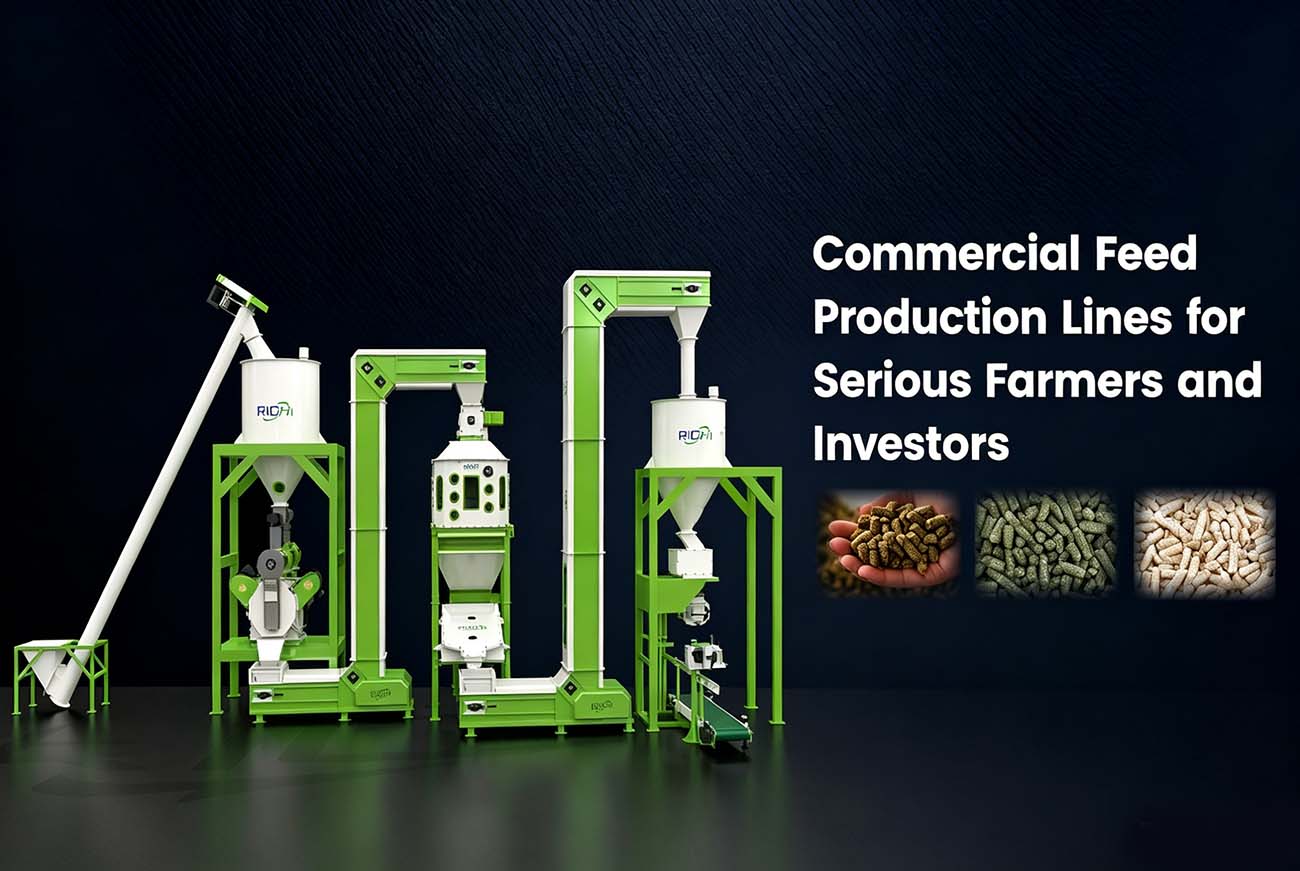
2. Commercial Feed Production Solution
Production Requirements Features:
- Balances production efficiency with investment costs, suitable for stable commercial operations;
- Supports various livestock feed formulas, including cattle feed, sheep feed, and pig feed;
- Allows flexible product adjustment according to market demand;
- Suitable for continuous production and bulk feed supply.
Recommended Capacity:
3–5 T/H
Typical Equipment Configuration:
Raw material grinding system + Mixing system + Pelletizing system + Cooling system + Packing system
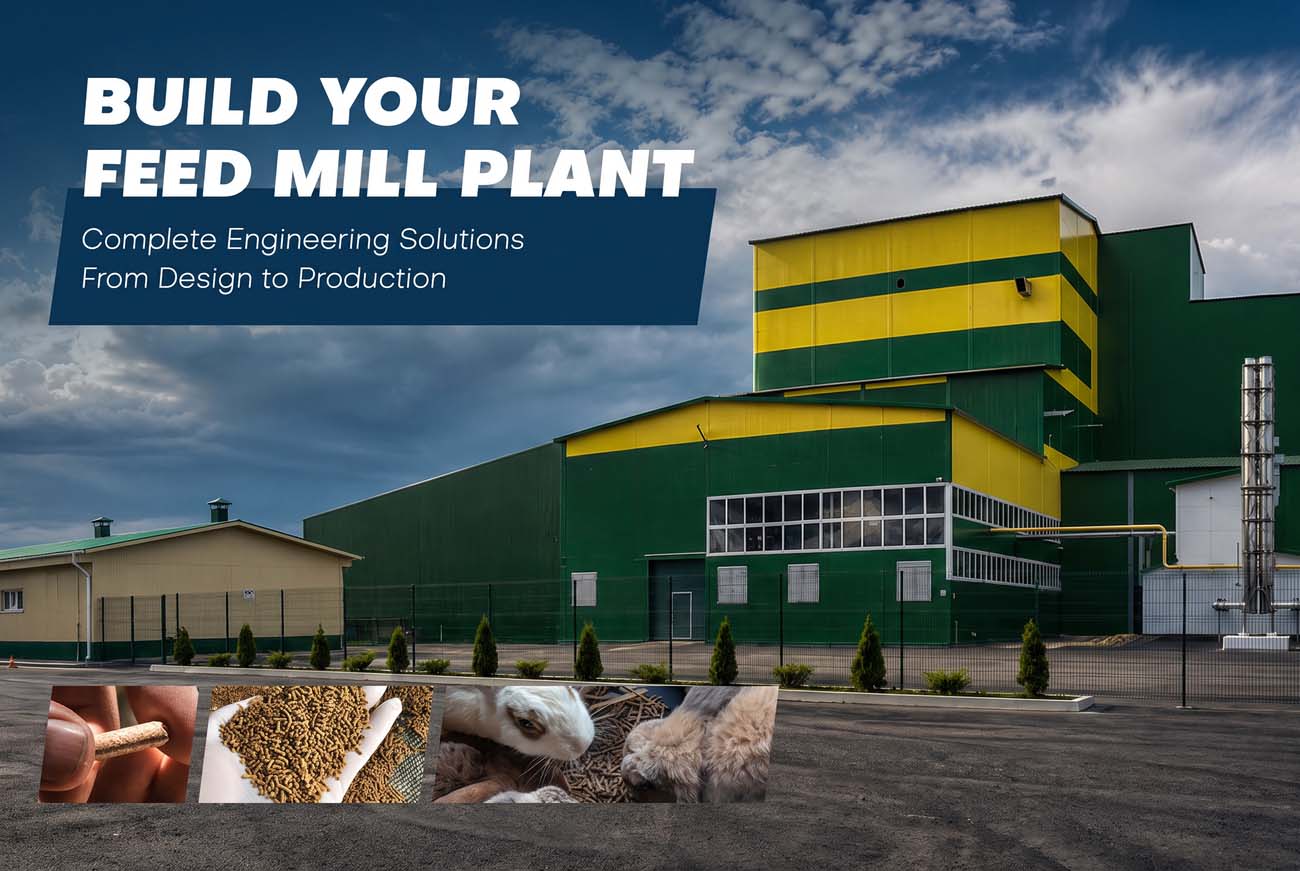
3. Industrial Feed Manufacturing Solution
Production Requirements Features :
- Meets high-volume feed production requirements;
- Supports year-round continuous operation;
- Can be equipped with automatic control systems to improve production efficiency;
- Allows future factory expansion according to increasing production needs.
Recommended Capacity:
8 T/H and above
Typical Equipment Configuration:
Complete livestock feed production line, including:
Raw material receiving system + Grinding system + Batching & mixing system + Pelletizing system + Cooling & screening system + Packing system + Automatic control system
From Pellet Machine to Complete Livestock Feed Plant
The pellet machine is the core of the feed line, but its performance relies on matching upstream and downstream systems. Process integration and capacity balance across all stages determine the line’s efficiency and final product quality. Integrating pelleting into a full-process design is key to stable production and cost optimization. (Fare clic per sfogliare e visualizzare i dettagli.)
01.
Materia prima
Elaborazione
Una volta ricevute, le materie prime vengono sottoposte a vagliatura per eliminare le impurità più grossolane. I materiali puliti vengono stoccati in silos dedicati con un'etichettatura chiara.
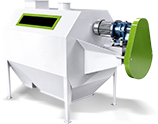
Pulitore a tamburo rotante
Rimuove pietre, sabbia e impurità pesanti dai materiali granulari.
Capacità
15-50 T/H
Velocità del tamburo
12-21 giri/minuto
02.
Frantumazione della materia prima e controllo delle dimensioni del pellet
La granularità della macinazione è regolabile per adattarsi alle varie razze di pollame e alle fasi di crescita.
Dopo la macinazione, il materiale viene trasportato meccanicamente al contenitore di dosaggio, pronto per l'uso.
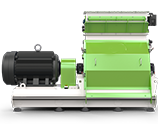
Mulino a martelli
Macina i materiali (dimensioni ≤ 5 cm) in polvere; la dimensione delle maglie del vaglio è personalizzabile.
Capacità
3-50 T/H
Dimensione della macinazione
0,5 - 20 mm
03.
Dosaggio e miscelazione
Utilizza bilance elettroniche controllate da un PLC. Una volta pesati, i materiali vengono immessi nel mescolatore.
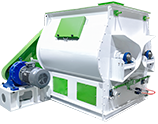
Miscelatore a pale bialbero
Progettato per la miscelazione di polveri, granuli, fiocchi, grumi, materiali irregolari e sostanze viscose.
Materiale
Acciaio al carbonio, acciaio inox
Capacità del lotto
250-2000 kg/P
04.
Condizionamento e pellettizzazione
La polvere miscelata viene condizionata con vapore ad alta temperatura. Successivamente, viene alimentata nella pellettizzatrice a matrice anulare per la pellettizzazione. L'apertura dello stampo è regolabile.
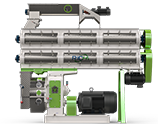
Livestock Feed Pellet Mill
Comprime efficacemente la polvere in pellet robusti e durevoli.
Potenza
22-315 kW
Capacità
1-40 T/H
05.
Raffreddamento
I pellet caldi e ad alta umidità vengono raffreddati e deumidificati per raggiungere la temperatura ambiente e livelli di umidità sicuri per lo stoccaggio.
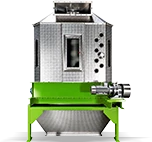
Raffreddatore in controcorrente
Raffredda i pellet ad alta temperatura fino a raggiungere la temperatura ambiente.
Tempo di raffreddamento
6-15 min
Capacità
1-40 T/H
06.
Screening
I pellet raffreddati vengono classificati attraverso un vaglio vibrante per rimuovere la polvere e i fini.
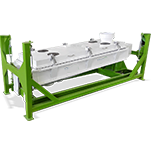
Vaglio rotante di classificazione
Vagliare i materiali granulari in prodotti finiti di grandi, medie e piccole dimensioni.
Capacità
3-40 T/H
Potenza
1,5-5,5 kW
07.
Imballaggio e sistema di controllo automatizzato
Le bilance elettroniche consentono il confezionamento personalizzato (sacchi da 10 kg-50 kg o tonnellate). Linee completamente automatizzate con robot opzionali. Modalità di controllo: Manuale, semi-automatico o completamente automatico.
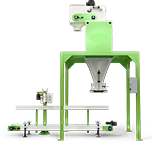
Bilancia da imballaggio completamente automatica
Materiali da imballaggio, con opzioni di sigillatura: termosaldatura, cucitura a filo o sigillatura ibrida.
Velocità di imballaggio
2-8 min/sacco
Progetti di ingegneria per impianti di alimentazione animale
Al servizio del mercato globale, supportiamo grandi gruppi di allevamento e imprese di produzione di mangimi. I casi che seguono illustrano i nostri progetti di linee complete di produzione di mangimi per animali su varie scale e categorie. Ogni soluzione è comprovata da una produzione su larga scala.
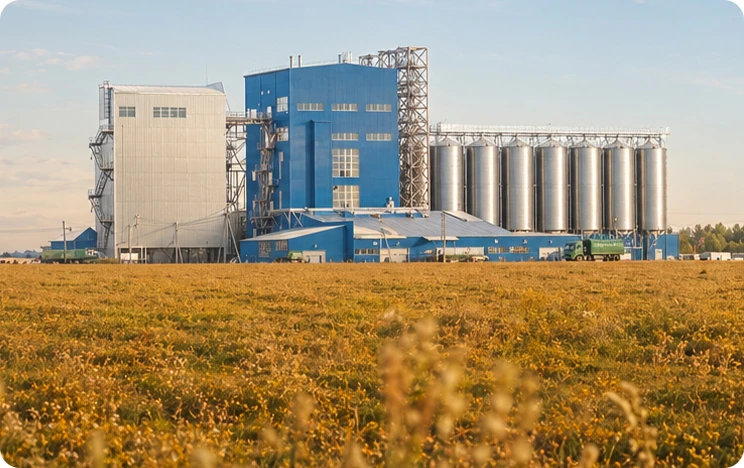
10 Linea di produzione di mangimi per pollame in Algeria
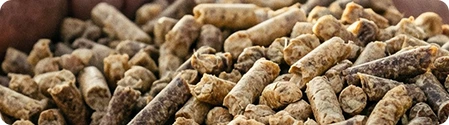
Regione : Africa
Applicazione linea di produzione di mangimi per pollame
Uscita : 10 T/H
Tipo di prodotto : alimentazione
3-5 t/h linea completa di produzione di pellet per mangimi per polli a Zimbabwe
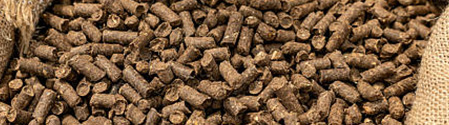
Regione : Africa
Applicazione linea di produzione di mangimi per polli
Uscita : 10-15 T/H
Tipo di prodotto : mangimi in pellet
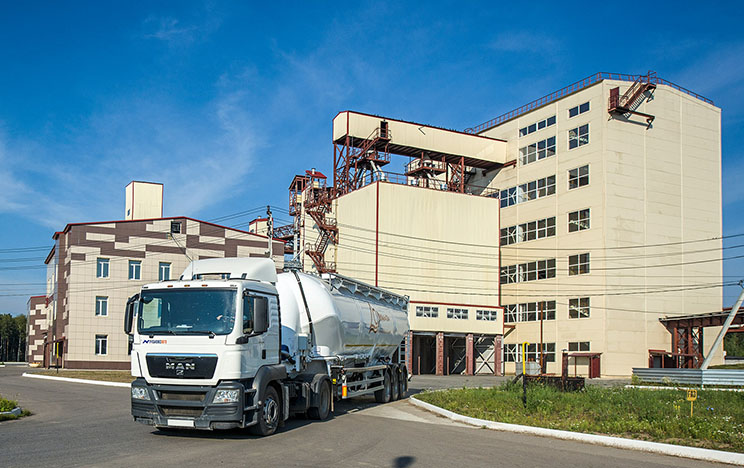
5 T/H linea di produzione di mangimi in polvere per animali in Kenya

Regione : Africa
Applicazione Linea di produzione di mangimi per animali
Uscita : 5T/H
Tipo di prodotto : mangimi in polvere
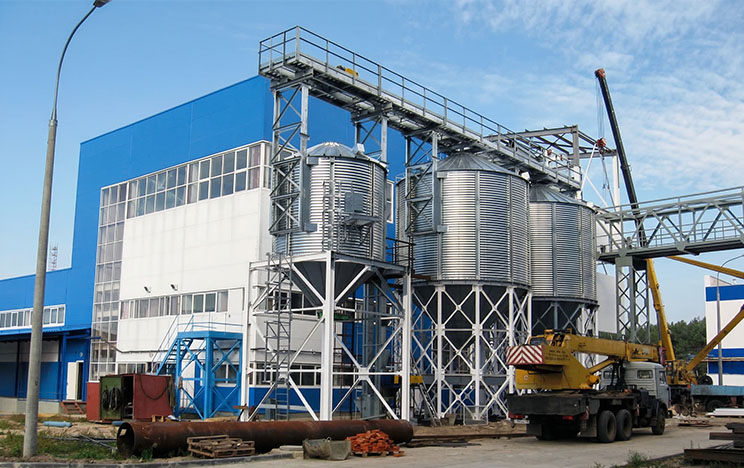
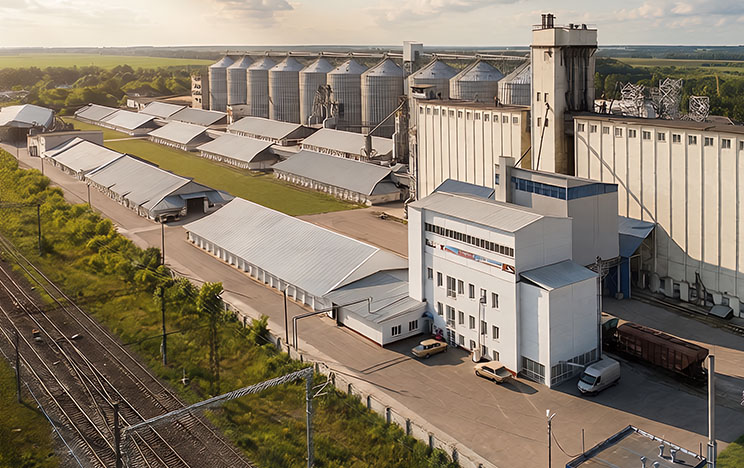
5-6 T/H impianto di alimentazione animale in Etiopia
Regione : Africa
Applicazione Linea di produzione di mangimi per animali
Uscita : 5-6 T/H
Tipo di prodotto : mangimi pellettizzati
Livestock Feed Production Questions Answered
Trovate le risposte professionali alle domande più comuni, che coprono i processi chiave e le considerazioni importanti nella produzione di mangimi.
1. What is a livestock feed pellet machine? What feed can it produce?
The livestock feed pellet machine is equipment that presses crushed and mixed raw materials into pellets. It is commonly used for producing feed for cattle, sheep, and pigs.
2. What raw materials can the feed pellet machine process?
This equipment is suitable for a wide range of livestock feed raw materials, including grains, protein sources, and fiber materials. Examples include corn, wheat, barley, soybean meal, alfalfa, and various grasses.
Since fiber content, moisture, and formula ratios affect pellet quality, the machine configuration needs to be selected based on the specific raw materials.
3. What production capacity do I need for a feed pellet machine?
The capacity depends on your daily feed demand, production hours, and usage scenario. RICHI offers feed pelletizers and pelleting equipment ranging from 1 to 40 tons per hour (T/H). We provide solutions for farm self-use, small and medium-sized feed processing, and continuous production for commercial feed mills.
4. Can this machine produce feed for cattle, sheep, and pigs?
Yes. When producing feed for cattle, sheep, and pigs, you can choose the appropriate pellet specifications based on the animal species, growth stage, and feeding requirements.
For example, cattle and sheep feed usually requires larger diameter pellets, while pig feed size varies by stage. By adjusting the ring die configuration, the machine can be used as a cattle feed pellet machine or a pig feed pellet machine.
5. Can the size of the feed pellets be adjusted?
Yes. By changing the ring die with different hole sizes, the machine can produce various pellet sizes. RICHI livestock feed pellet machines support pellet diameters ranging from 2 to 12 mm, allowing you to adjust according to the animal type, age, and feed purpose.
6. Is this equipment suitable for farms or feed mills?
This equipment is primarily suitable for large-scale farms producing feed for their own use and for commercial feed mills.
- For Farm Self-use: It is recommended for daily feed needs of 8 tons or more. If the demand is lower, the investment and running costs may not match, and other production methods might be more suitable.
- For Commercial Feed Mills: Different models can be configured according to target output to produce pellet feed for cattle, sheep, pigs, etc.
Nota: The machine requires raw materials to be in a suitable state for processing. If using whole corn, wheat, or pasture grass, a crusher is usually required. A mixer may also be needed depending on formula uniformity and production needs.
7. How do I choose the right feed pellet production equipment?
First, determine your daily production demand and raw material situation.
- For Farm Self-use: Choose the capacity based on your daily feed consumption. If the daily demand is 8 tons or more, you can consider configuring a suitable pellet machine.
- For Commercial Feed Production: Choose models ranging from 1–40 T/H based on planned output, and consider future expansion needs.
- For Raw Materials: If processing corn, grains, or pasture grass, confirm if you already have crushing equipment. If the raw material is not powdered, it must be crushed first.
- For Different Animals: Select the appropriate pellet size and ring die specifications based on the needs of cattle, sheep, pigs, etc.
RICHI can help you select the right equipment configuration based on your raw materials, output, and production requirements.
8. Are spare parts and after-sales support provided after purchase?
Yes. RICHI provides a long-term supply of original spare parts, including ring dies, rollers, and other common wear parts. We also offer a 1-year warranty. Whether for standalone use or a complete production line, you will receive technical support for future maintenance.
9. What is the price of a poultry feed pellet machine?
The price depends mainly on the model, production capacity, ring die configuration, and level of automation. Generally, a single feed pellet machine costs between 7,500 and 80,000 USD.
If you need a complete livestock feed production line, the investment cost varies based on capacity and configuration:
- Small Line (1–2 T/H): Starts from around $30,000 USD.
- Medium Line (3–10 T/H): Typically 80,000–300,000 USD.
- Large Commercial Plant: Can exceed $300,000 USD.
Final pricing is also affected by raw material handling, crushing and mixing equipment, automation, packaging, and facility conditions. RICHI can provide a matching equipment configuration and quotation based on your daily output, raw materials, and production goals.
More Animal Feed Pellet Machines
Oltre ai mangimi per pollame, le nostre soluzioni coprono la pellettizzazione per ruminanti, bestiame, acquacoltura e animali domestici. Forniamo configurazioni di produzione su misura e un'assistenza completa per garantire operazioni stabili in diverse applicazioni di mangimi.
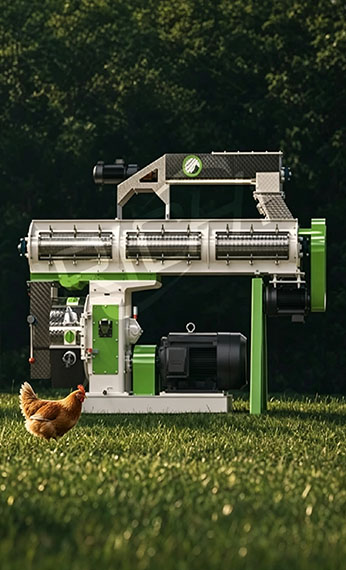
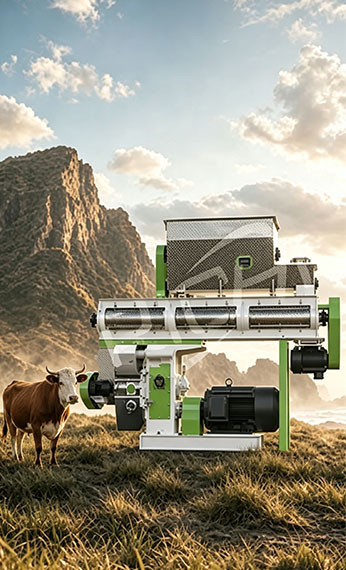
Cattle feed making machine
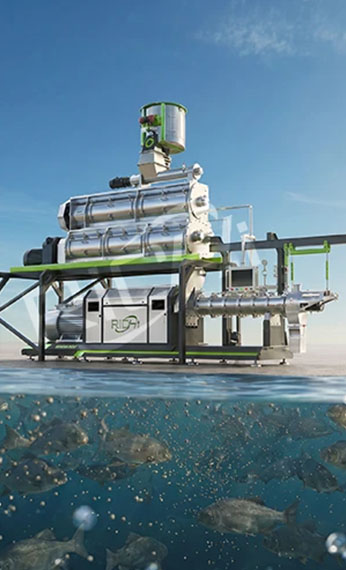
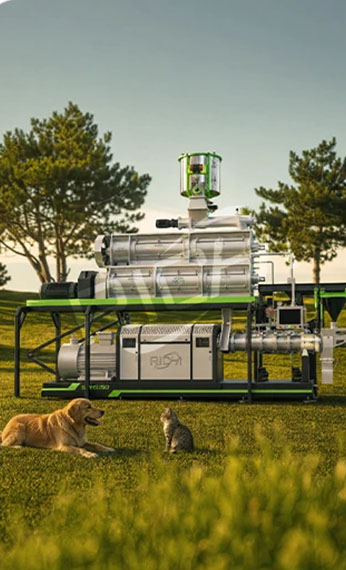
Macchina estrusore per alimenti per animali domestici

Macchinari RICHI: Alimentazione della produzione globale di pellet
Impegnati nella tecnologia pionieristica dei pellet e nell'ingegneria industriale, facciamo leva su oltre 30 anni di competenze in materia di R&S e di esperienza globale.
Ottimizziamo la progettazione, la produzione e l'integrazione dei sistemi per guidare le industrie dei mangimi, delle biomasse e delle specialità verso l'efficienza, l'intelligenza e la sostenibilità.
Il nostro team di esperti fornisce soluzioni end-to-end per la produzione di pellet che soddisfano gli standard internazionali e si allineano ai vostri obiettivi strategici di produttività e crescita a lungo termine.
60000 +m2
Metri quadrati della nostra fabbrica
2000 +
Progetti in corso in tutto il mondo
140 +
Paesi del nostro cliente
200 +
I numeri del nostro team
Competenza globale ed eccellenza del sistema
I sistemi avanzati di produzione di pellet combinano robustezza e prontezza per il futuro, stabilendo parametri di riferimento per il settore grazie all'integrazione tecnologica e all'innovazione.
Qualità affidabile
Ogni macchina è sottoposta a controlli di qualità precisi e rigorosi.
Garanzia senza preoccupazioni
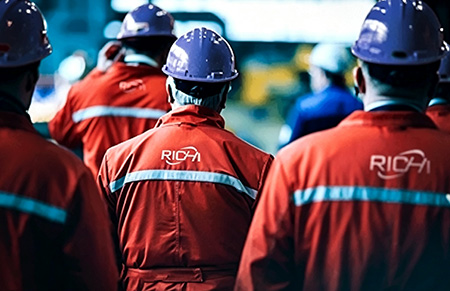
Supportati da una rete di assistenza globale con tempi di risposta rapidi.
Supporto professionale
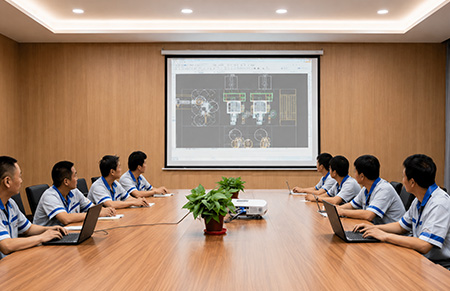
Team tecnici esperti forniscono assistenza a ciclo completo.

Pagamenti sicuri
La crittografia multistrato garantisce transazioni sicure e trasparenti.

Logistica globale
L'efficiente spedizione in tutto il mondo assicura una consegna tempestiva in qualsiasi luogo.
Avviare il progetto pellet
La produzione di pellet è un processo sistematico. Indicateci le vostre esigenze in termini di materie prime e capacità produttiva e noi creeremo una soluzione su misura, fornendovi una consulenza professionale per la produzione su scala commerciale.

Indirizzo: a sud dell'incrocio tra Xingda Road e Hongyuan Road, Wuzhi, città di Jiaozuo, provincia di Henan, Cina

Tel/WhatsApp: + 86 136 0866 8310

E-mail: enquiry@richimachinery.com



© HENAN RICHI MACHINERY CO., LTD 1995-2026 Linea di prodotti / Informativa sulla privacy
Contatto
Inviate le vostre richieste, i consulenti RICHI vi risponderanno rapidamente.

