

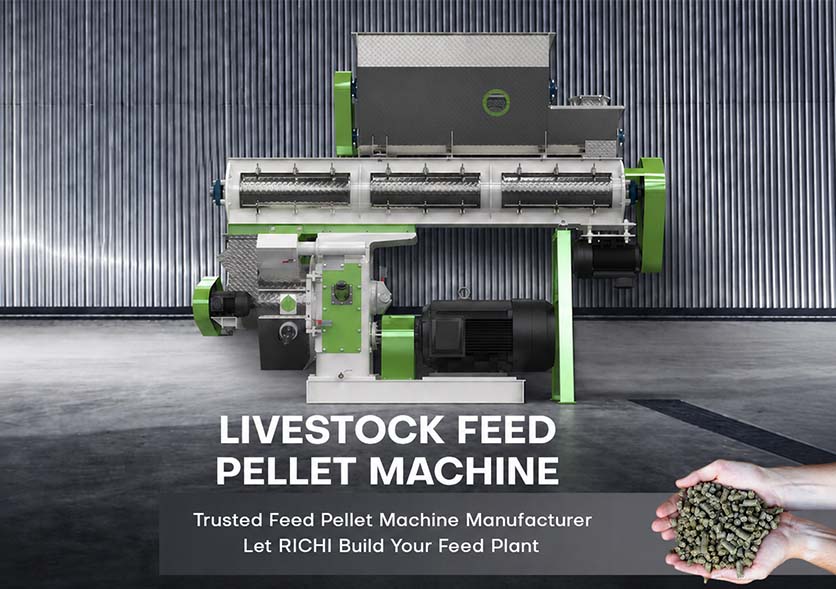
Reliable Livestock Feed Pellet Machine for Modern Feed Mills
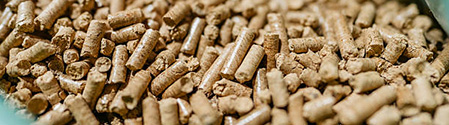
RICHI specializes in manufacturing livestock feed pellet machines. Utilizing advanced ring die technology, we process raw materials like corn, wheat, barley, soybean meal, and alfalfa into high-quality pellets.
Our production capacity ranges from 1 to 40 tons per hour, suitable for cattle, sheep, and pig feed. We also provide customized equipment and complete production solutions tailored to your specific formulas and factory conditions.
RICHI specializes in manufacturing livestock feed pellet machines. Utilizing advanced ring die technology, we process raw materials like corn, wheat, barley, soybean meal, and alfalfa into high-quality pellets.
Our production capacity ranges from 1 to 40 tons per hour, suitable for cattle, sheep, and pig feed. We also provide customized equipment and complete production solutions tailored to your specific formulas and factory conditions.
Livestock Feed Pellet Machine Applications & Selection Guide
In modern livestock feed production, the pellet machine plays a key role in turning mixed raw materials into finished pellets. Using ring die technology, it processes ingredients like corn, wheat, barley, soybean meal, and alfalfa into high-quality feed for cattle, sheep, and pigs.
For commercial feed mills and large-scale farms, the pellet machine is at the heart of the production line. It connects the front-end systems (grinding and mixing) with the back-end equipment (cooling, screening, and packaging), transforming formulated powder into premium pellets.
While the machine can operate alone, pellet quality depends on more than just the equipment. Factors like raw material quality, grinding fineness, mixing uniformity, conditioning, and die selection all impact the final result. Therefore, when choosing a machine, it is essential to match it with your production scale, raw materials, and target output to ensure stable, long-term operation.
Przemysłowy młyn pierścieniowy do peletów Struktura i projektowanie inżynieryjne
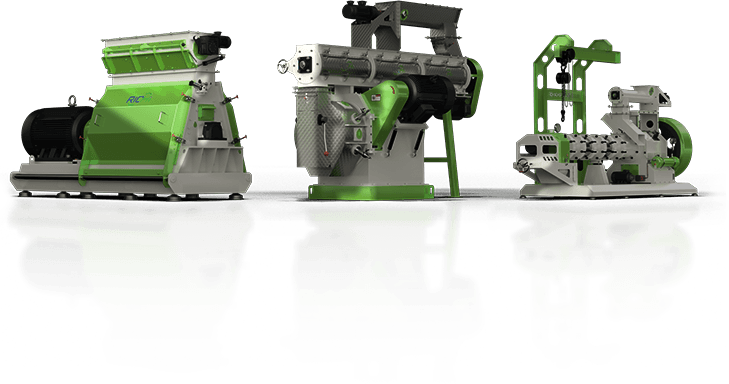
RICHI industrial livestock feed pellet machine features a heavy-duty ring die system, specifically developed for continuous commercial feed production.
Cała jednostka jest systematycznie projektowana w celu zapewnienia stabilnej wydajności w trzech kluczowych aspektach: przenoszenia momentu obrotowego, kondycjonowania materiału i jakości peletowania.
Matryca pierścieniowa i komora granulacyjna
System karmienia i kondycjonowania
Układ napędowy i skrzynia biegów
Rama strukturalna i projekt bezpieczeństwa
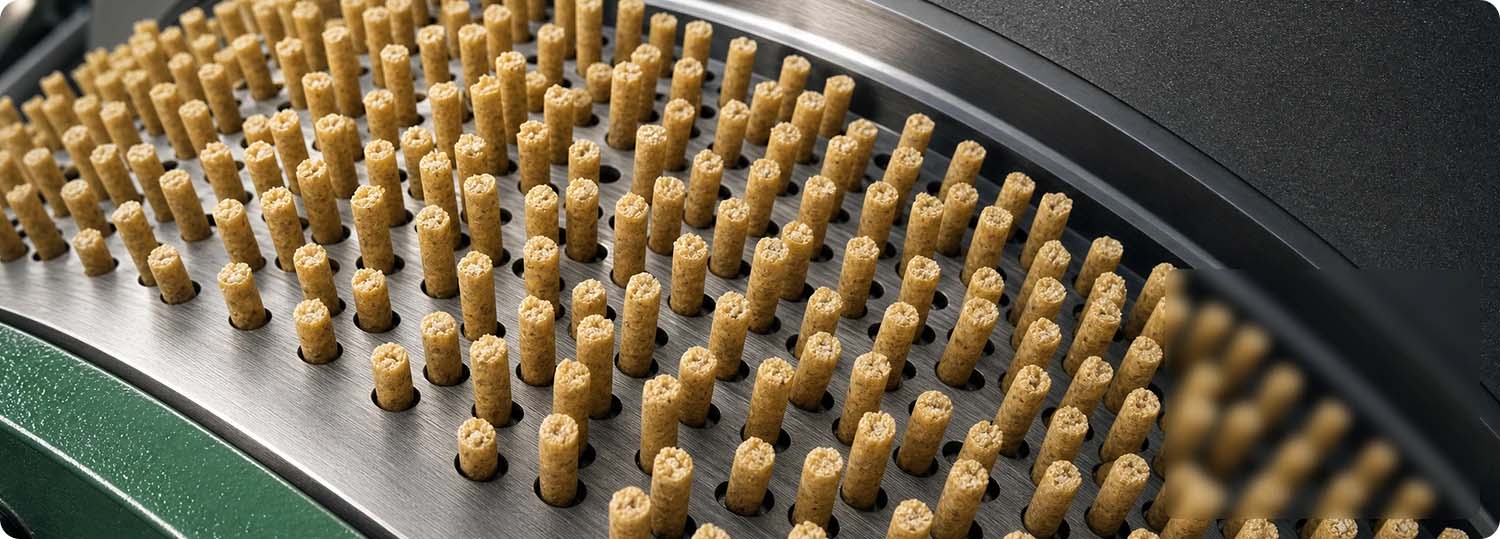
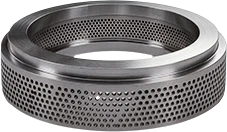
Matryca pierścieniowa i komora granulacyjna
Współczynnik kompresji matrycy pierścieniowej jest dostosowany do formuły paszy. Otwory matrycy są obrabiane CNC w celu uzyskania wysokiej precyzji, zapewniając jednorodne granulki o niskim współczynniku rozdrobnienia.
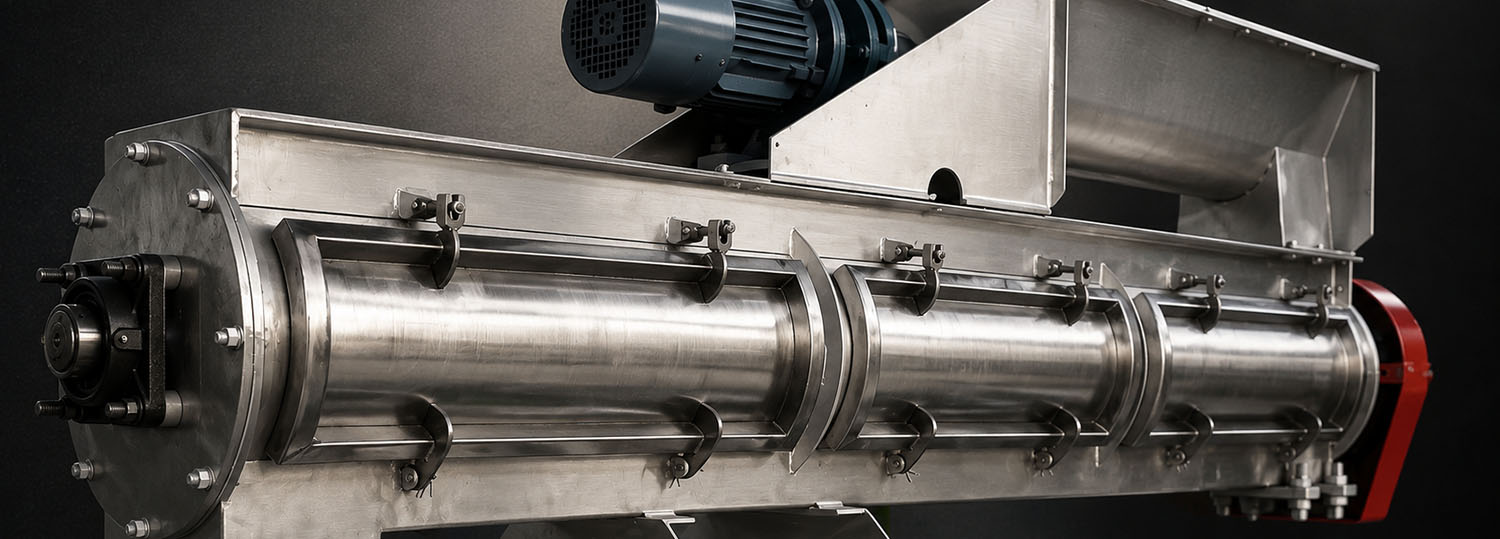
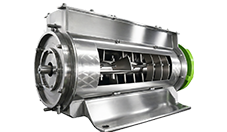
System karmienia i kondycjonowania
Wyposażony w podajnik wymuszony o zmiennej częstotliwości, zapewnia ciągły i równomierny przepływ materiału do kondycjonera ze stali nierdzewnej. Zapobiega to zatorom i zanieczyszczeniom krzyżowym powodowanym przez pozostałości materiału.
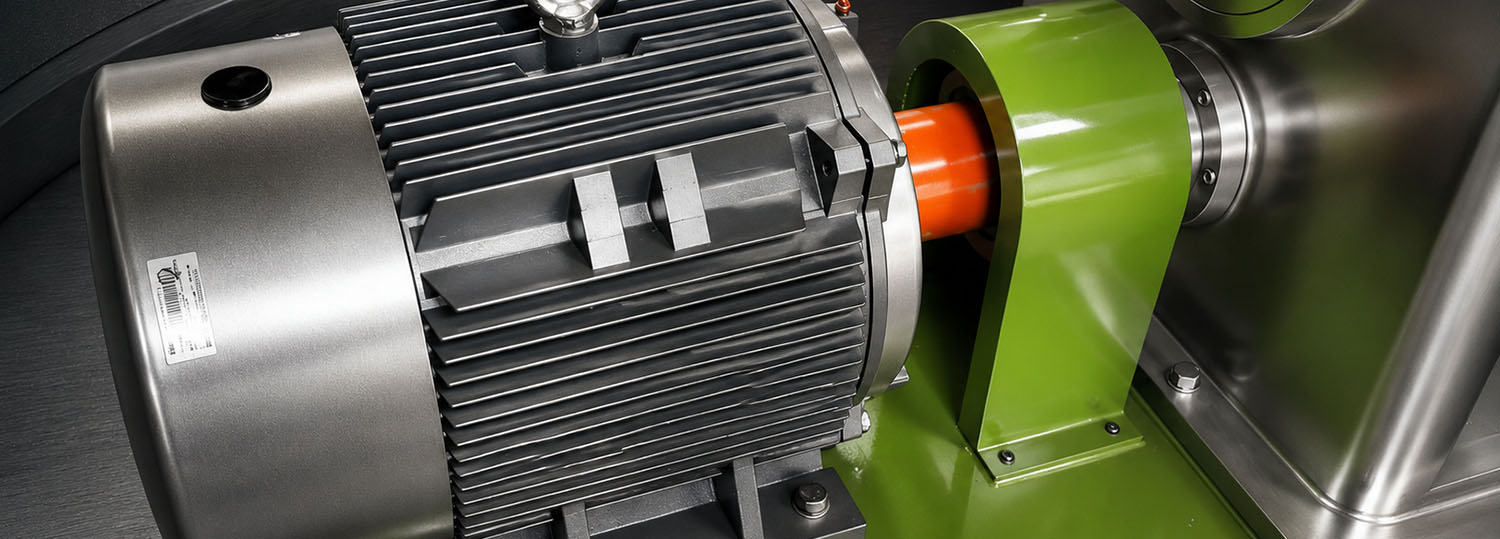
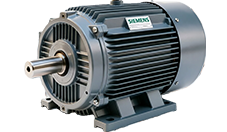
Układ napędowy i skrzynia biegów
Wyposażony w precyzyjną przekładnię. Zapewnia wysoką wydajność momentu obrotowego bez poślizgu, eliminuje zużycie paska i gwarantuje doskonałą długoterminową stabilność.
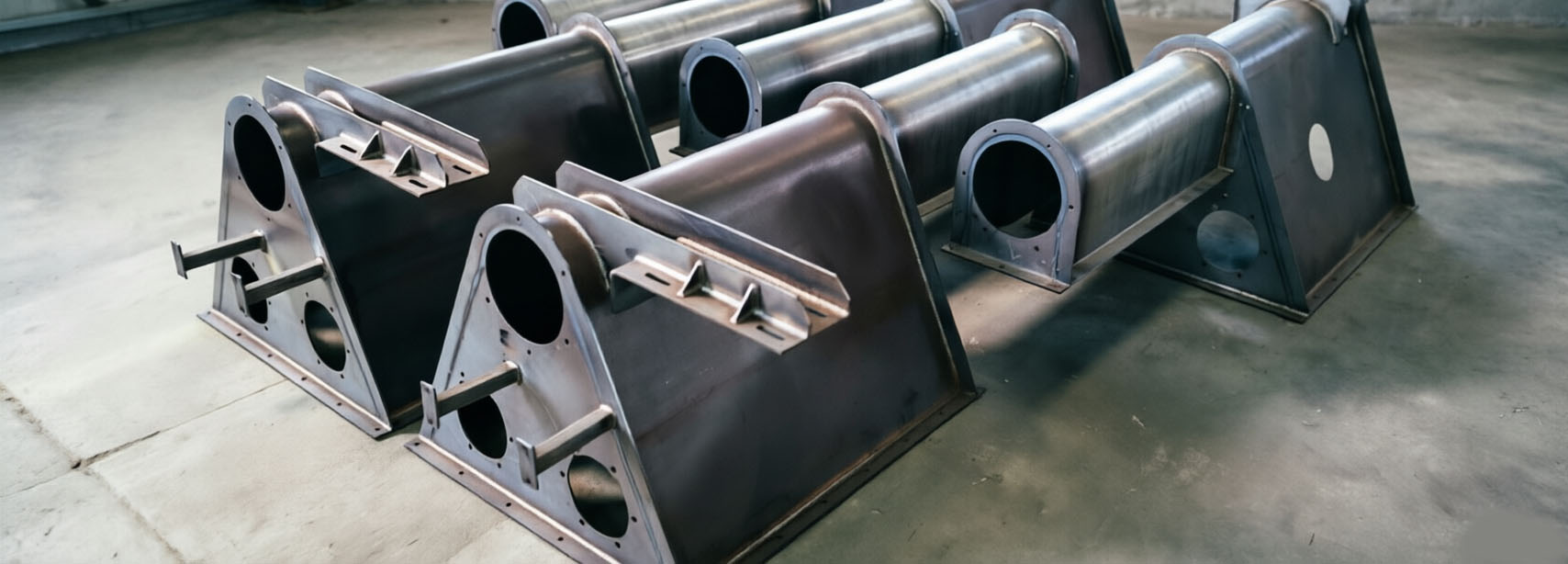
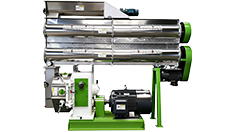
Rama strukturalna i projekt bezpieczeństwa
Zbudowana na stalowym podwoziu o wysokiej wytrzymałości ze zintegrowanym spawaniem, sztywna konstrukcja zapewnia stabilną pracę nawet w warunkach wysokich wibracji.
Specyfikacje i parametry techniczne młyna do pelletu
Poniższe parametry są znamionową wydajnością dla kompletnej linii produkcyjnej pasz. Rzeczywista wydajność zależy od przygotowania surowca i stabilności dozowania. Podczas wyboru należy uwzględnić margines oparty na cechach materiału i warunkach procesu.
Młyn do granulowania paszy dla zwierząt
| Model | SZLH250 | SZLH320 | SZLH350 | SZLH420 | SZLH508 | SZLH558 | SZLH678 | SZLH768 |
| Moc silnika głównego (kw) | 22 | 37 | 55 | 110 | 160 | 185 | 250 | 315 |
| Moc zasilacza (kw) | 1.1 | 1.5 | 1.5 | 1.5 | 1.5 | 1.5 | 1.5 | 2.2 |
| Moc modulatora (kw) | 1.5 | 4 | 4 | 7.5 | 7.5 | 11 | 11 | 11 |
| Średnica wewnętrzna matrycy pierścieniowej (mm) | 250 | 320 | 350 | 420 | 508 | 558 | 673 | 762 |
| Średnica gotowego pelletu (mm) | 2~12 | |||||||
| Wydajność (t/h) | 1.0-1.5 | 3-4 | 5-6 | 10-12 | 15-16 | 20-22 | 30-33 | 38-40 |
| Uwaga: Specyfikacje podlegają ostatecznej wycenie. RICHI oferuje profesjonalne projektowanie i produkcję na zamówienie. Ostateczne prawa do interpretacji należą do RICHI. | ||||||||
Livestock Feed Pellet Size & Die Hole Configuration Reference
| Livestock Type | Etap wzrostu | Zalecana średnica pelletu (mm) | Recommended Die Hole Diameter (mm) | Uwagi |
| Fattening Pigs | Piglets (Weaning–25 kg) | 2.0-3.0 | 2.0-3.0 | Smaller pellets are recommended for young pigs to improve feed intake and adaptation. |
| Growing Stage (25–60 kg) | 3.0-4.0 | 3.0-4.0 | Suitable pellet size for improving feed intake and growth performance. | |
| Finishing Stage (60 kg–Market Weight) | 4.0–5.0 | 4.0–5.0 | Larger pellets help reduce feed loss and improve feeding efficiency. | |
| Breeding Sows | Replacement Gilts | 3.0-4.0 | 3.0-4.0 | Medium-sized pellets help maintain normal feed intake. |
| Gestation & Lactation Period | 4.0–5.0 | 4.0–5.0 | Suitable for high feed intake requirements during reproductive stages. | |
| Beef Cattle | Calves | 3.0–5.0 | 3.0–5.0 | Medium-sized pellets support early feeding and digestion. |
| Fattening Cattle | 6.0–8.0 | 6.0–8.0 | Larger pellets are suitable for cattle with higher feed intake and help reduce waste. | |
| Adult Cattle | 8.0–10.0 | 8.0–10.0 | Suitable for diets containing higher levels of forage and fiber. | |
| Dairy Cattle | Calves | 3.0–5.0 | 3.0–5.0 | Pellet size can be adjusted according to concentrate feed requirements. |
| Lactating Cows | 6.0–8.0 | 6.0–8.0 | Supports high feed intake and nutritional supply. | |
| Meat Sheep | Lambs | 3.0-4.0 | 3.0-4.0 | Smaller pellets are suitable for young sheep. |
| Fattening Sheep | 4.0-6.0 | 4.0-6.0 | Medium to larger pellets improve feeding efficiency during fattening. | |
| Adult Sheep | 5.0-8.0 | 5.0-8.0 | Suitable for diets combining concentrate and forage materials. | |
| Horses | Young Horses | 3.0–5.0 | 3.0–5.0 | Avoid oversized pellets to improve feeding acceptance. |
| Adult Horses | 6.0–8.0 | 6.0–8.0 | Suitable for grain and forage-based pellet feeds. | |
| Rabbits | Young Rabbits | 2.0-3.0 | 2.0-3.0 | Smaller pellets are more suitable for young rabbits. |
| Adult Rabbits | 3.0–5.0 | 3.0–5.0 | Suitable for daily pellet feeding requirements. |
Performance Advantages in Commercial Livestock Feed Production
For feed mills, pellet mills face the rigorous challenge of continuous production and long-term operation. Stable output, consistent pellet quality, low material waste, and easy maintenance are the key factors determining equipment performance.
RICHI livestock feed making machine are engineered around these practical needs, providing stable and reliable pelletizing solutions for cattle, sheep, swine, and other livestock feed.
1.
Stable Production to Meet Long-Term Demand
Feed production is not an occasional task; it requires meeting the daily demands of farms and the market. A stable pellet mill ensures uninterrupted production, minimizes operational adjustments caused by output fluctuations, and guarantees a reliable daily feed supply.
2.
Consistent Pellet Quality for Better Feed Efficiency
Stable pellet quality across different batches is the foundation for building long-term customer trust. Through advanced pelletizing technology, our equipment produces uniform, dense pellets, significantly reducing fines (dust) during transportation and storage.
3.
Versatility to Handle Various Formulas
Livestock feed production often requires formula adjustments based on animal growth stages, local raw materials, and market trends.
Our machine processes a wide range of raw materials—including corn, wheat, soybean meal, and alfalfa. With flexible die configurations, it meets the diverse production needs of different feed types.
4.
Built for Continuous Operation, Minimizing Downtime
For feed mills, equipment downtime not only increases maintenance costs but also disrupts on-time delivery.
The reliable structural design and wear-resistant components of RICHI pellet mills are built for continuous, long-term operation. They reduce maintenance frequency, ensuring your production schedule remains stable.

Livestock Feed Pelletizer Solutions for Different Production Scales
Whether you are producing feed for your own cattle, sheep, pigs, and other livestock, or planning to start a commercial feed production business, different feed production needs require different equipment capacities, automation levels, and configurations.
RICHI provides livestock feed pellet machine solutions from on-farm feed production to commercial feed manufacturing, based on your farm size, daily feed demand, production purpose, and future expansion plans, helping you choose the right equipment configuration for your needs.
1. Farm Feed Production Solution (≥8 t/day)
2. Commercial Feed Production Solution
3. Industrial Feed Manufacturing Solution
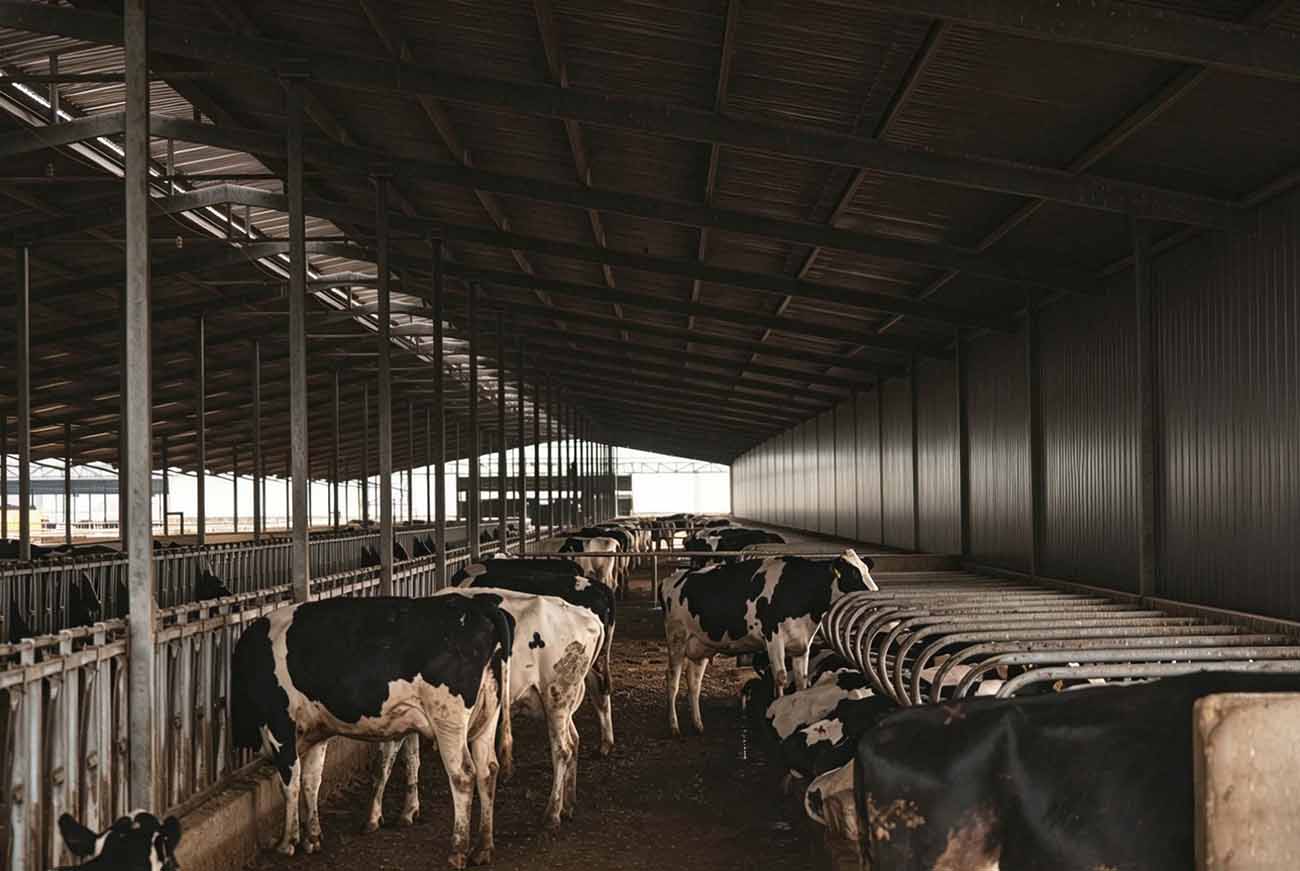
1. Farm Feed Production Solution
Production Requirements:
Daily Feed Requirement Reference:
- ≥8 tons/day → Suitable for RICHI industrial livestock feed pellet machine solutions
- <8 tons/day → Not within RICHI’s target service range
Recommended Capacity:
1–2 T/H (configured according to daily feed demand)
Typical Equipment Configuration:
Feed crusher + Feed mixer + Livestock feed mill machine + Cooling & screening equipment (optional)
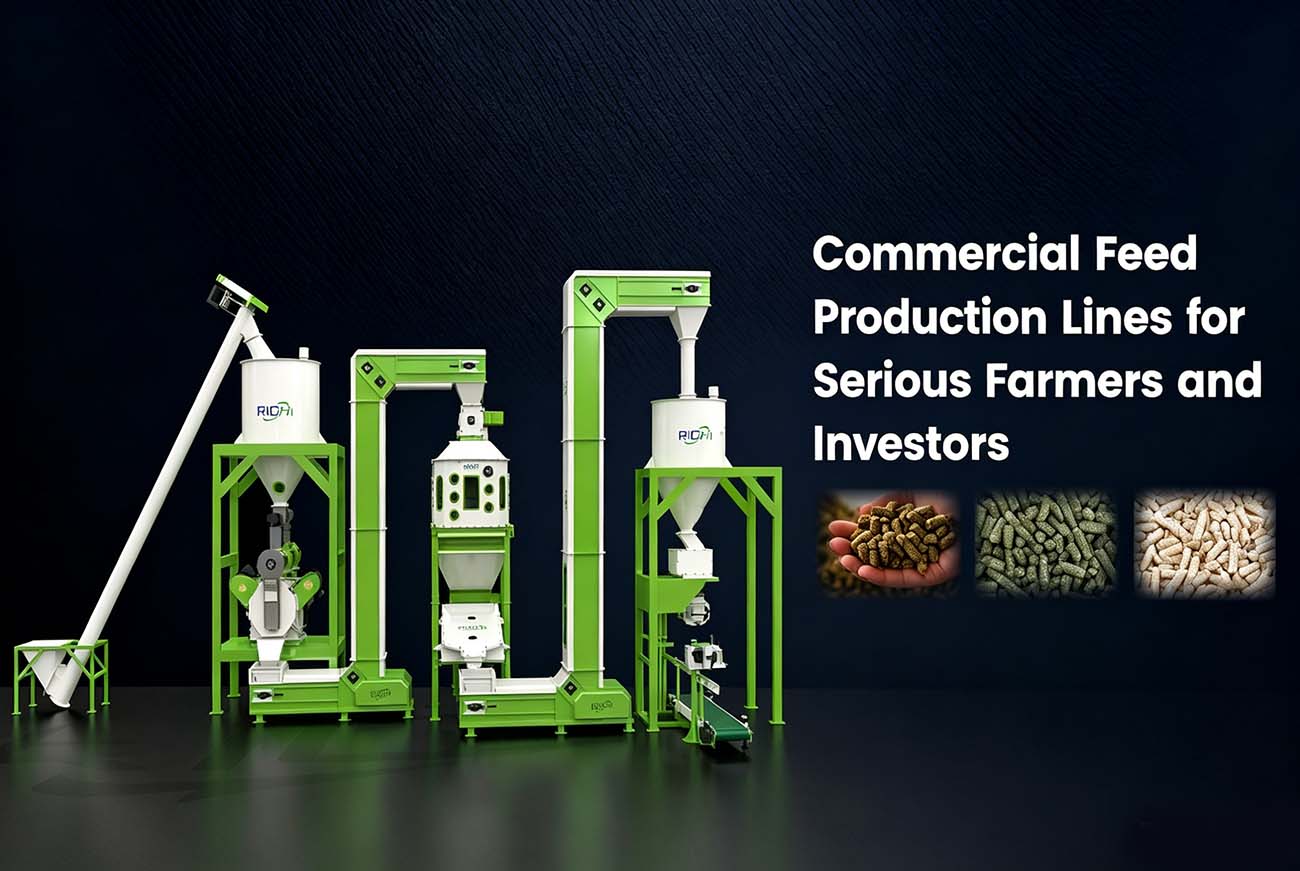
2. Commercial Feed Production Solution
Production Requirements Features:
- Balances production efficiency with investment costs, suitable for stable commercial operations;
- Supports various livestock feed formulas, including cattle feed, sheep feed, and pig feed;
- Allows flexible product adjustment according to market demand;
- Suitable for continuous production and bulk feed supply.
Recommended Capacity:
3–5 T/H
Typical Equipment Configuration:
Raw material grinding system + Mixing system + Pelletizing system + Cooling system + Packing system
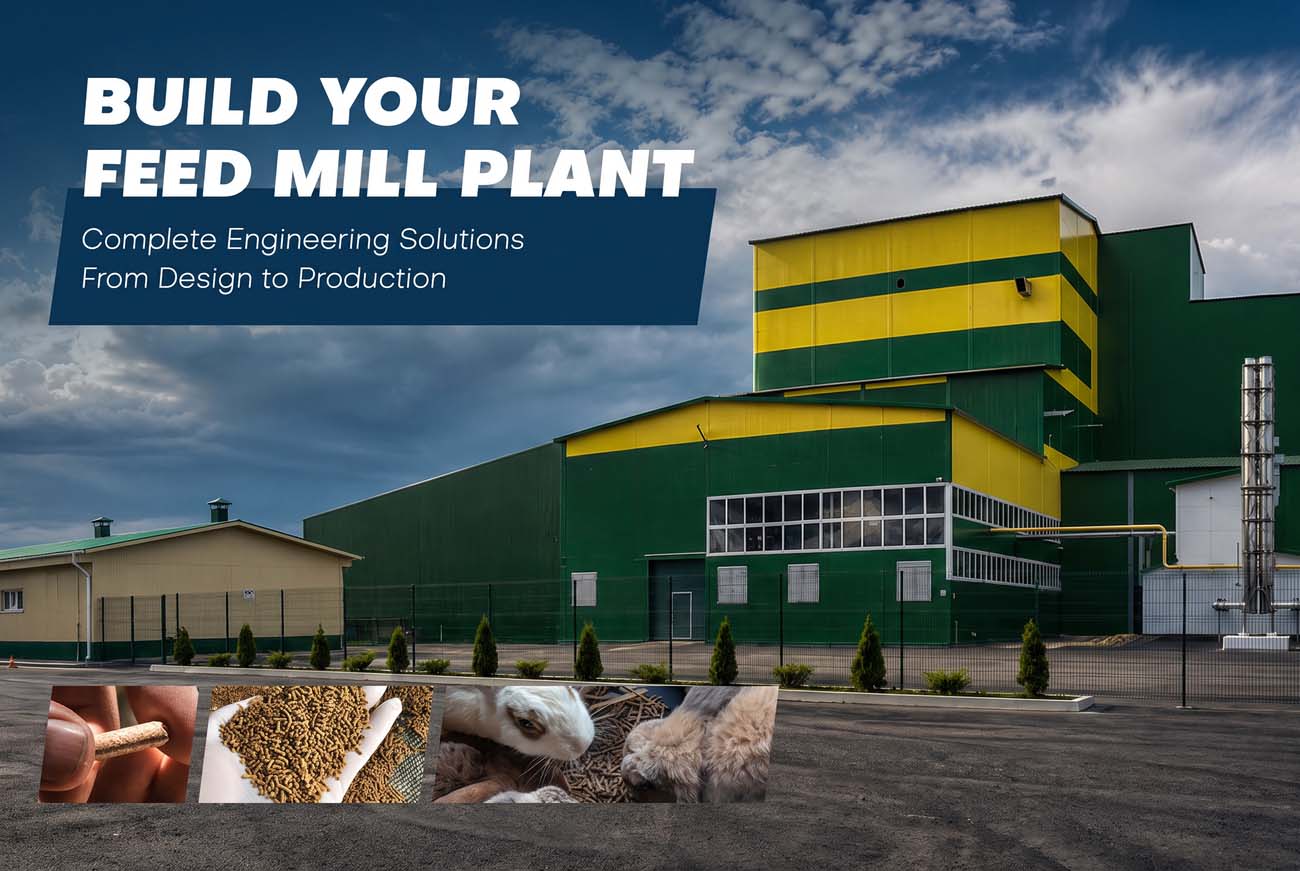
3. Industrial Feed Manufacturing Solution
Production Requirements Features :
- Meets high-volume feed production requirements;
- Supports year-round continuous operation;
- Can be equipped with automatic control systems to improve production efficiency;
- Allows future factory expansion according to increasing production needs.
Recommended Capacity:
8 T/H and above
Typical Equipment Configuration:
Complete livestock feed production line, including:
Raw material receiving system + Grinding system + Batching & mixing system + Pelletizing system + Cooling & screening system + Packing system + Automatic control system
From Pellet Machine to Complete Livestock Feed Plant
The pellet machine is the core of the feed line, but its performance relies on matching upstream and downstream systems. Process integration and capacity balance across all stages determine the line’s efficiency and final product quality. Integrating pelleting into a full-process design is key to stable production and cost optimization. (Kliknij, aby obrócić i wyświetlić szczegóły.)
01.
Surowiec
Przetwarzanie
Po otrzymaniu surowce poddawane są przesiewaniu w celu wyeliminowania gruboziarnistych zanieczyszczeń. Oczyszczone materiały są przechowywane w specjalnych silosach z wyraźnymi etykietami.
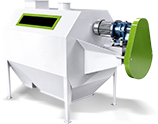
Obrotowy bęben czyszczący
Usuwa kamienie, piasek i ciężkie zanieczyszczenia z materiałów ziarnistych.
Pojemność
15-50 T/H
Prędkość bębna
12-21 obr.
02.
Kruszenie surowców i kontrola wielkości granulatu
Ziarnistość mielenia jest regulowana w celu dopasowania do różnych ras drobiu i etapów wzrostu.
Po zmieleniu materiał jest mechanicznie przenoszony do pojemnika dozującego, gotowego do użycia.
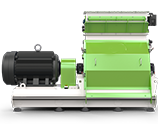
Młyn młotkowy
Rozdrabnia materiały (o wielkości ≤5 cm) na proszek; rozmiar oczek sita można dostosować.
Pojemność
3-50 T/H
Rozmiar szlifowania
0,5 - 20 mm
03.
Dozowanie i mieszanie
Wykorzystuje elektroniczne wagi sterowane przez PLC. Po zważeniu materiały są podawane do mieszalnika.
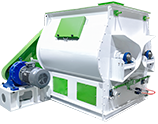
Dwuwałowy mikser łopatkowy
Przeznaczony do mieszania proszków, granulatów, płatków, grudek, materiałów nieregularnych i substancji lepkich.
Materiał
Stal węglowa, stal nierdzewna
Pojemność wsadu
250-2000 kg/P
04.
Kondycjonowanie i granulowanie
Zmieszany proszek jest kondycjonowany parą o wysokiej temperaturze. Następnie jest podawany do peletyzatora pierścieniowego w celu peletyzacji. Otwór matrycy jest regulowany.
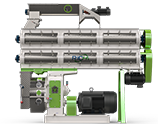
Livestock Feed Pellet Mill
Skutecznie kompresuje proszek w solidne, trwałe granulki.
Moc
22-315 kW
Pojemność
1-40 T/H
05.
Chłodzenie
Gorące granulki o wysokiej wilgotności są schładzane i osuszane, aby osiągnąć temperaturę pokojową i bezpieczny poziom wilgotności podczas przechowywania.
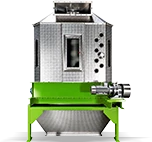
Chłodnica przeciwprądowa
Chłodzi granulat o wysokiej temperaturze do temperatury pokojowej.
Czas chłodzenia
6-15 min
Pojemność
1-40 T/H
06.
Badanie przesiewowe
Schłodzone granulki są sortowane na przesiewaczu wibracyjnym w celu usunięcia proszku i drobnych cząstek.
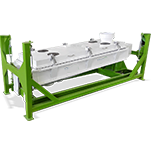
Obrotowy ekran sortujący
Przesiewa materiały ziarniste do dużych, średnich i małych produktów końcowych.
Pojemność
3-40 T/H
Moc
1,5-5,5 kW
07.
Pakowanie i zautomatyzowany system kontroli
Wagi elektroniczne umożliwiają niestandardowe pakowanie (10 kg-50 kg lub worki tonowe). W pełni zautomatyzowane linie z opcjonalnymi robotami. Tryby sterowania: Ręczny, półautomatyczny lub w pełni automatyczny.
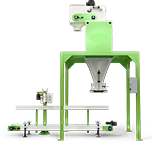
W pełni automatyczna waga pakująca
Materiały opakowaniowe z opcjami zgrzewania: zgrzewanie, szycie nićmi lub zgrzewanie hybrydowe.
Szybkość pakowania
2-8 min/worek
Projekty inżynieryjne zakładów produkcji pasz dla zwierząt
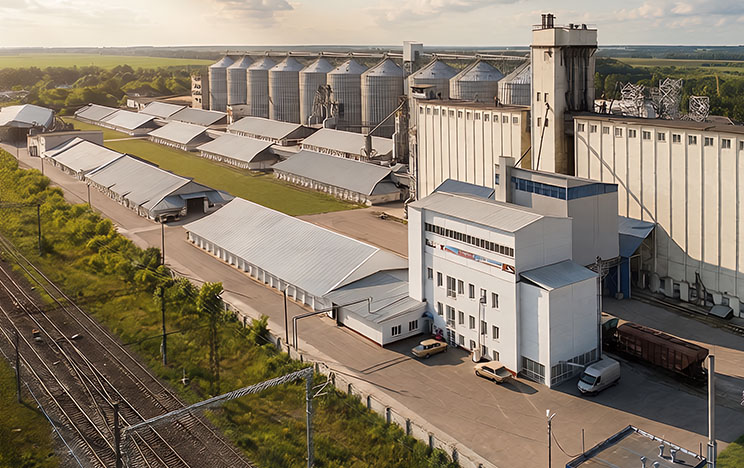
Obsługując rynek globalny, wspieramy duże grupy hodowlane i przedsiębiorstwa produkujące pasze. Poniższe przypadki przedstawiają nasze pełne projekty linii do produkcji pasz dla zwierząt w różnych skalach i kategoriach. Każde rozwiązanie zostało sprawdzone w produkcji na dużą skalę.
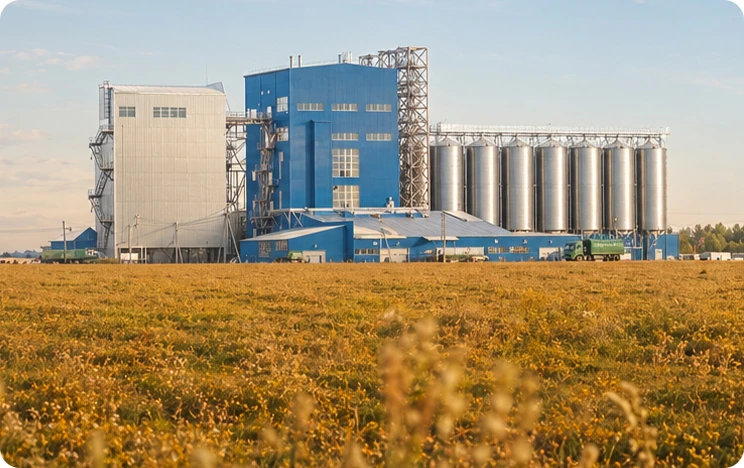
10 Linia do produkcji pasz dla drobiu w Algieria
Region : Afryka
Zastosowanie linia do produkcji paszy dla drobiu
Wyjście : 10 T/H
Typ produktu pasza
3-5 t/h kompletna linia do produkcji granulatu paszowego dla kurcząt w Zimbabwe
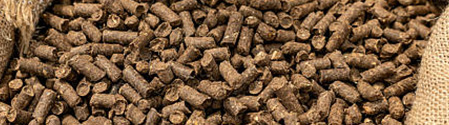
Region : Afryka
Zastosowanie linia do produkcji paszy dla kurczaków
Wyjście : 10-15 T/H
Typ produktu granulat paszowy
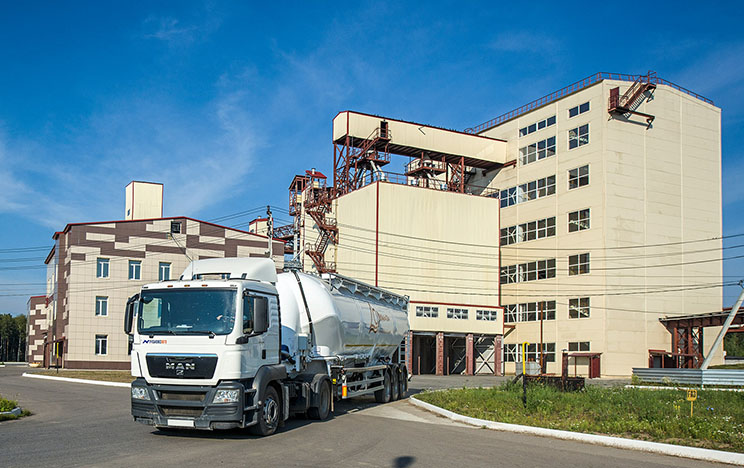
5 T / H Linia do produkcji sproszkowanej paszy dla zwierząt w Kenia
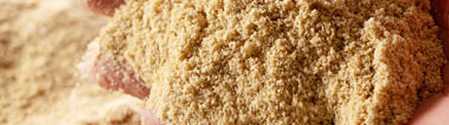
Region : Afryka
Zastosowanie linia do produkcji paszy dla zwierząt
Wyjście : 5T/H
Typ produktu pasza w proszku
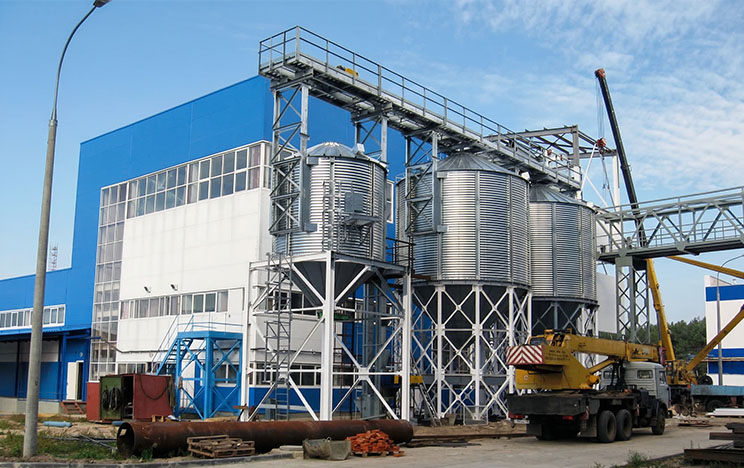
5-6 T/H Zakład produkcji pasz dla zwierząt w Etiopia
Region : Afryka
Zastosowanie linia do produkcji paszy dla zwierząt
Wyjście : 5-6 T/H
Typ produktu granulowana pasza
Livestock Feed Production Questions Answered
Znajdź profesjonalne odpowiedzi na najczęściej zadawane pytania, obejmujące kluczowe procesy i ważne kwestie związane z produkcją pasz dla zwierząt.
1. What is a livestock feed pellet machine? What feed can it produce?
The livestock feed pellet machine is equipment that presses crushed and mixed raw materials into pellets. It is commonly used for producing feed for cattle, sheep, and pigs.
2. What raw materials can the feed pellet machine process?
This equipment is suitable for a wide range of livestock feed raw materials, including grains, protein sources, and fiber materials. Examples include corn, wheat, barley, soybean meal, alfalfa, and various grasses.
Since fiber content, moisture, and formula ratios affect pellet quality, the machine configuration needs to be selected based on the specific raw materials.
3. What production capacity do I need for a feed pellet machine?
The capacity depends on your daily feed demand, production hours, and usage scenario. RICHI offers feed pelletizers and pelleting equipment ranging from 1 to 40 tons per hour (T/H). We provide solutions for farm self-use, small and medium-sized feed processing, and continuous production for commercial feed mills.
4. Can this machine produce feed for cattle, sheep, and pigs?
Yes. When producing feed for cattle, sheep, and pigs, you can choose the appropriate pellet specifications based on the animal species, growth stage, and feeding requirements.
For example, cattle and sheep feed usually requires larger diameter pellets, while pig feed size varies by stage. By adjusting the ring die configuration, the machine can be used as a cattle feed pellet machine or a pig feed pellet machine.
5. Can the size of the feed pellets be adjusted?
Yes. By changing the ring die with different hole sizes, the machine can produce various pellet sizes. RICHI livestock feed pellet machines support pellet diameters ranging from 2 to 12 mm, allowing you to adjust according to the animal type, age, and feed purpose.
6. Is this equipment suitable for farms or feed mills?
This equipment is primarily suitable for large-scale farms producing feed for their own use and for commercial feed mills.
- For Farm Self-use: It is recommended for daily feed needs of 8 tons or more. If the demand is lower, the investment and running costs may not match, and other production methods might be more suitable.
- For Commercial Feed Mills: Different models can be configured according to target output to produce pellet feed for cattle, sheep, pigs, etc.
Uwaga: The machine requires raw materials to be in a suitable state for processing. If using whole corn, wheat, or pasture grass, a crusher is usually required. A mixer may also be needed depending on formula uniformity and production needs.
7. How do I choose the right feed pellet production equipment?
First, determine your daily production demand and raw material situation.
- For Farm Self-use: Choose the capacity based on your daily feed consumption. If the daily demand is 8 tons or more, you can consider configuring a suitable pellet machine.
- For Commercial Feed Production: Choose models ranging from 1–40 T/H based on planned output, and consider future expansion needs.
- For Raw Materials: If processing corn, grains, or pasture grass, confirm if you already have crushing equipment. If the raw material is not powdered, it must be crushed first.
- For Different Animals: Select the appropriate pellet size and ring die specifications based on the needs of cattle, sheep, pigs, etc.
RICHI can help you select the right equipment configuration based on your raw materials, output, and production requirements.
8. Are spare parts and after-sales support provided after purchase?
Yes. RICHI provides a long-term supply of original spare parts, including ring dies, rollers, and other common wear parts. We also offer a 1-year warranty. Whether for standalone use or a complete production line, you will receive technical support for future maintenance.
9. What is the price of a poultry feed pellet machine?
The price depends mainly on the model, production capacity, ring die configuration, and level of automation. Generally, a single feed pellet machine costs between 7,500 and 80,000 USD.
If you need a complete livestock feed production line, the investment cost varies based on capacity and configuration:
- Small Line (1–2 T/H): Starts from around $30,000 USD.
- Medium Line (3–10 T/H): Typically 80,000–300,000 USD.
- Large Commercial Plant: Can exceed $300,000 USD.
Final pricing is also affected by raw material handling, crushing and mixing equipment, automation, packaging, and facility conditions. RICHI can provide a matching equipment configuration and quotation based on your daily output, raw materials, and production goals.
More Animal Feed Pellet Machines
Oprócz pasz dla drobiu, nasze rozwiązania obejmują granulowanie dla przeżuwaczy, zwierząt gospodarskich, akwakultury i zwierząt domowych. Dostarczamy dostosowane konfiguracje produkcyjne i pełne wsparcie, aby zapewnić stabilną pracę w różnych zastosowaniach paszowych.
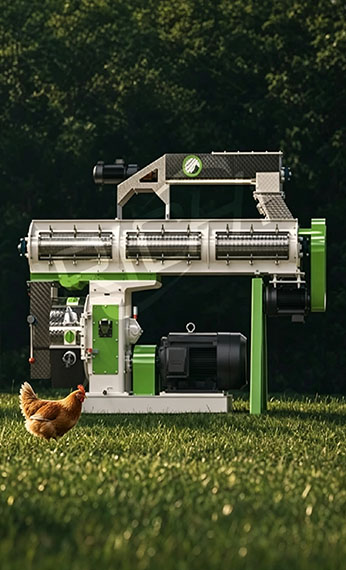
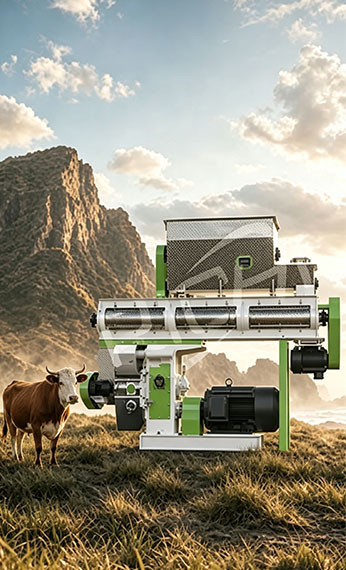
Cattle feed making machine
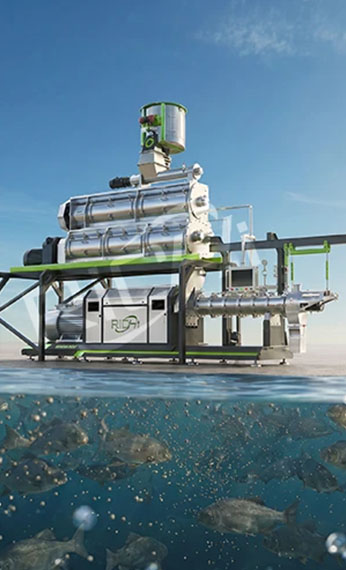
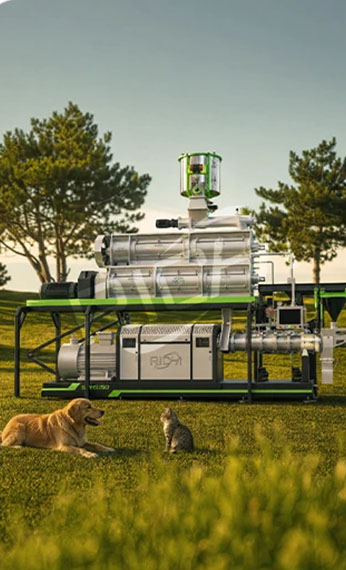
Maszyna do wytłaczania karmy dla zwierząt domowych

RICHI Machinery: Napędzanie globalnej produkcji pelletu
Zaangażowani w pionierską technologię pelletu i inżynierię przemysłową, wykorzystujemy ponad 30-letnią wiedzę badawczo-rozwojową i globalne doświadczenie.
Optymalizujemy projektowanie, produkcję i integrację systemów, aby napędzać przemysł paszowy, biomasowy i specjalistyczny w kierunku wydajności, inteligencji i zrównoważonego rozwoju.
Nasz zespół ekspertów dostarcza kompleksowe rozwiązania w zakresie produkcji pelletu, które spełniają międzynarodowe standardy i są zgodne ze strategicznymi celami w zakresie wydajności i długoterminowego wzrostu.
60000 +m2
Metry kwadratowe naszej fabryki
2000 +
Projekty realizowane na całym świecie
140 +
Kraje naszych klientów
200 +
Liczby naszego zespołu
Globalna wiedza i doskonałość systemu
Zaawansowane systemy produkcji pelletu łączą w sobie solidność i gotowość na przyszłość, ustanawiając wzorce branżowe poprzez integrację technologiczną i innowacje.
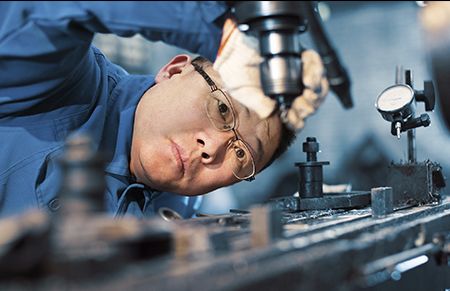
Niezawodna jakość
Każda maszyna przechodzi precyzyjne i rygorystyczne kontrole jakości.
Gwarancja bez obaw
Wsparcie globalnej sieci serwisowej o krótkim czasie reakcji.
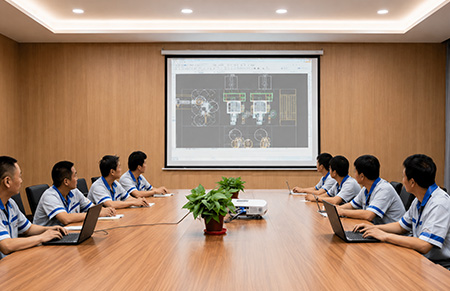
Profesjonalne wsparcie
Doświadczone zespoły techniczne zapewniają pomoc w całym cyklu.

Bezpieczne płatności
Wielowarstwowe szyfrowanie zapewnia bezpieczne i przejrzyste transakcje.

Globalna logistyka
Wydajna wysyłka na cały świat zapewnia terminową dostawę do dowolnego miejsca.
Rozpocznij swój projekt Pellet
Produkcja peletów to proces systematyczny. Podaj nam swoje wymagania dotyczące surowców i mocy produkcyjnych, a my opracujemy dla Ciebie indywidualne rozwiązanie wraz z profesjonalnym doradztwem w zakresie produkcji na skalę komercyjną.

Adres: na południe od skrzyżowania ulic Xingda i Hongyuan, Wuzhi, miasto Jiaozuo, prowincja Henan, Chiny

Tel/WhatsApp: + 86 136 0866 8310

E-mail: enquiry@richimachinery.com



© HENAN RICHI MACHINERY CO., LTD 1995-2026 Product Line-Up / Polityka prywatności
Kontakt
Prześlij swoje wymagania, a konsultanci RICHI szybko się z Tobą skontaktują.

