

Reliable Livestock Feed Pellet Machine for Modern Feed Mills
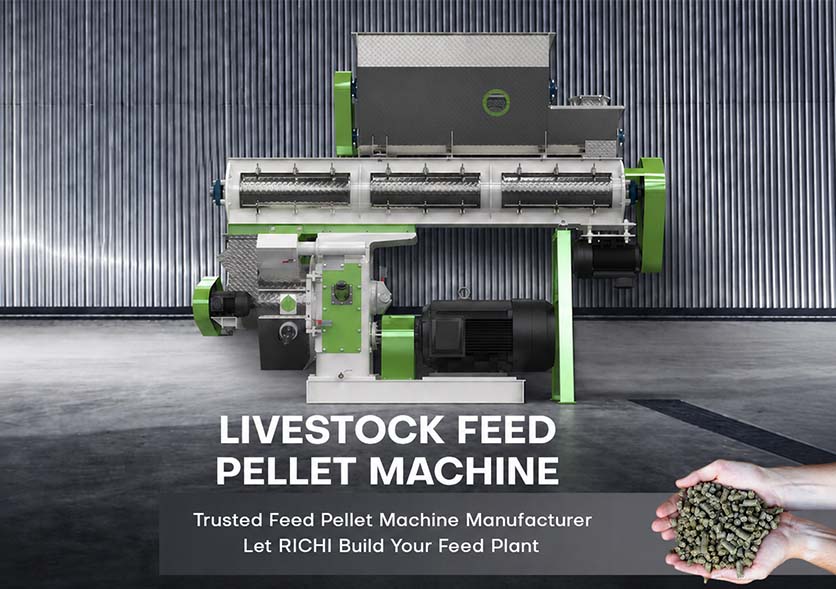
RICHI specializes in manufacturing livestock feed pellet machines. Utilizing advanced ring die technology, we process raw materials like corn, wheat, barley, soybean meal, and alfalfa into high-quality pellets.
Our production capacity ranges from 1 to 40 tons per hour, suitable for cattle, sheep, and pig feed. We also provide customized equipment and complete production solutions tailored to your specific formulas and factory conditions.
RICHI specializes in manufacturing livestock feed pellet machines. Utilizing advanced ring die technology, we process raw materials like corn, wheat, barley, soybean meal, and alfalfa into high-quality pellets.
Our production capacity ranges from 1 to 40 tons per hour, suitable for cattle, sheep, and pig feed. We also provide customized equipment and complete production solutions tailored to your specific formulas and factory conditions.
Livestock Feed Pellet Machine Applications & Selection Guide
In modern livestock feed production, the pellet machine plays a key role in turning mixed raw materials into finished pellets. Using ring die technology, it processes ingredients like corn, wheat, barley, soybean meal, and alfalfa into high-quality feed for cattle, sheep, and pigs.
For commercial feed mills and large-scale farms, the pellet machine is at the heart of the production line. It connects the front-end systems (grinding and mixing) with the back-end equipment (cooling, screening, and packaging), transforming formulated powder into premium pellets.
While the machine can operate alone, pellet quality depends on more than just the equipment. Factors like raw material quality, grinding fineness, mixing uniformity, conditioning, and die selection all impact the final result. Therefore, when choosing a machine, it is essential to match it with your production scale, raw materials, and target output to ensure stable, long-term operation.
Anillo Industrial Die Pellet Mill Estructura y Diseño de Ingeniería
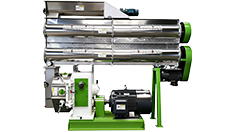
RICHI industrial livestock feed pellet machine features a heavy-duty ring die system, specifically developed for continuous commercial feed production.
Toda la unidad se ha diseñado sistemáticamente para garantizar un rendimiento estable en tres aspectos clave: la transmisión del par, el acondicionamiento del material y la calidad del granulado.
Troquel anular y cámara de granulado
Sistema de alimentación y acondicionamiento
Sistema de transmisión
Estructura y diseño de seguridad
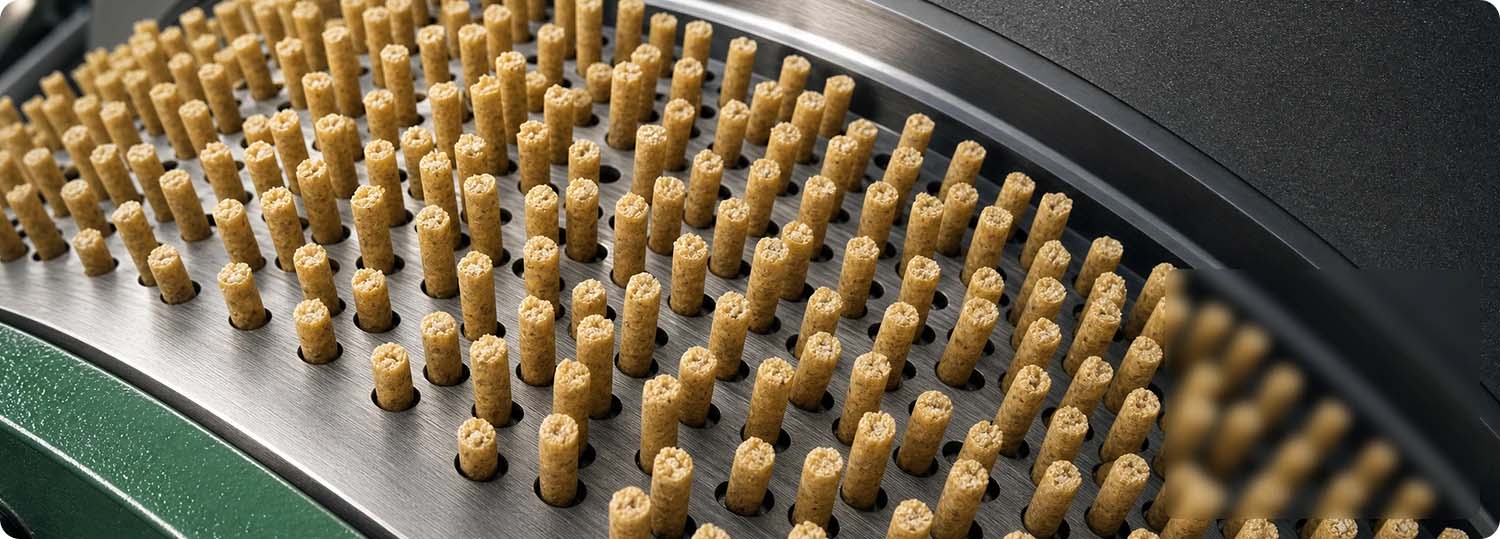
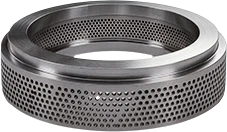
Troquel anular y cámara de granulado
La relación de compresión de la matriz anular se personaliza para adaptarse a su fórmula de alimentación. Los orificios de la matriz están mecanizados mediante CNC para una mayor precisión, lo que garantiza la uniformidad de los gránulos con un bajo índice de finos.
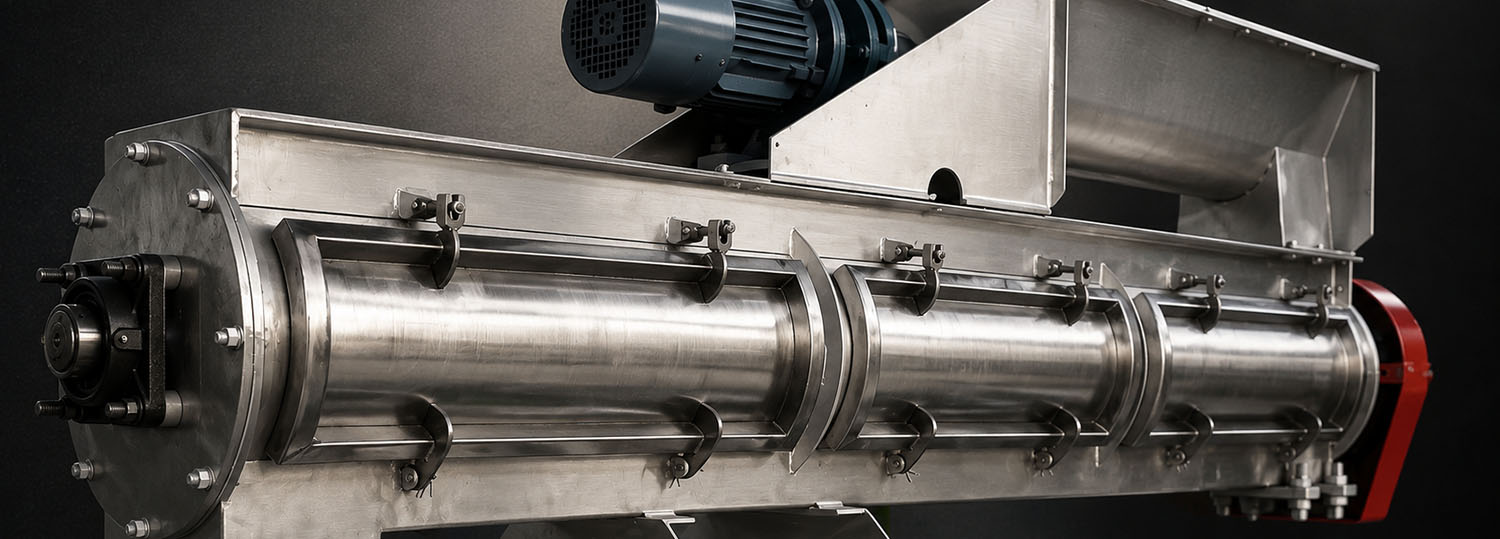
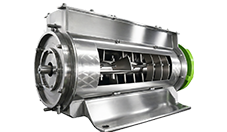
Sistema de alimentación y acondicionamiento
Equipada con un alimentador forzado de frecuencia variable, garantiza un flujo de material continuo y uniforme hacia el acondicionador de acero inoxidable. De este modo se evitan los atascos y la contaminación cruzada causada por los restos de material.
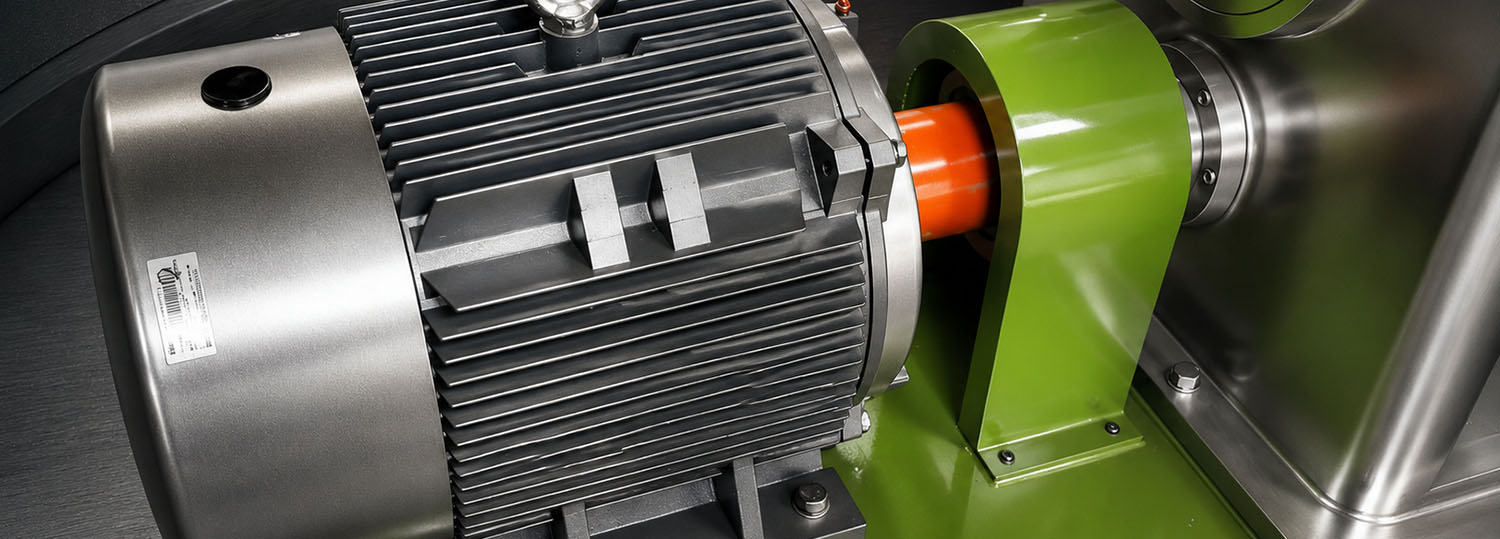
Sistema de transmisión
Incorpora una transmisión por engranajes de alta precisión. Proporciona una alta eficiencia de par sin deslizamiento, elimina los problemas de desgaste de la correa y garantiza una estabilidad superior a largo plazo.
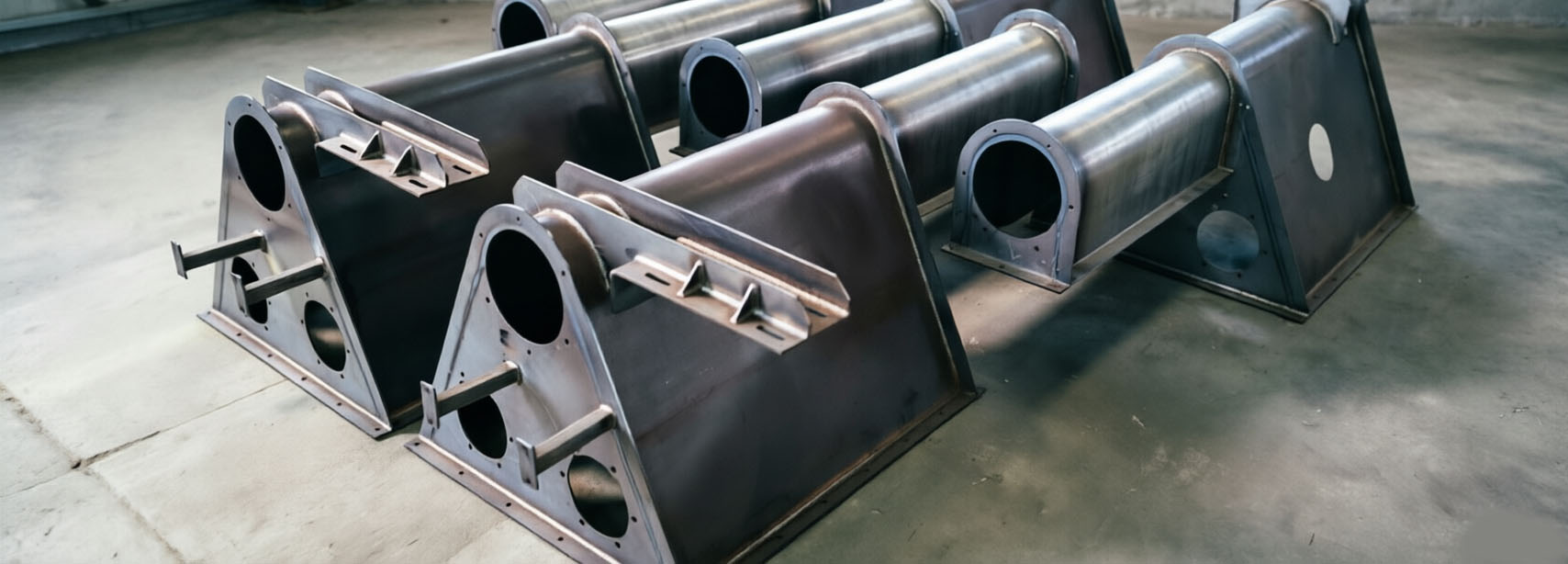
Estructura y diseño de seguridad
Construida sobre un chasis de acero de alta resistencia con soldadura integrada, la estructura rígida garantiza un funcionamiento estable incluso en condiciones de altas vibraciones.
Especificaciones y parámetros técnicos de la fábrica de pellets
Los siguientes parámetros son la producción nominal de una línea completa de producción de piensos. La capacidad real depende de la preparación de la materia prima y de la estabilidad de la dosificación. Tenga en cuenta un margen basado en las características del material y las condiciones del proceso durante la selección.
Fábrica de pellets para alimentación animal
| Modelo | SZLH250 | SZLH320 | SZLH350 | SZLH420 | SZLH508 | SZLH558 | SZLH678 | SZLH768 |
| Potencia del motor principal (kw) | 22 | 37 | 55 | 110 | 160 | 185 | 250 | 315 |
| Potencia del alimentador (kw) | 1.1 | 1.5 | 1.5 | 1.5 | 1.5 | 1.5 | 1.5 | 2.2 |
| Potencia del modulador (kw) | 1.5 | 4 | 4 | 7.5 | 7.5 | 11 | 11 | 11 |
| Diámetro interior de la matriz anular (mm) | 250 | 320 | 350 | 420 | 508 | 558 | 673 | 762 |
| Diámetro del pellet acabado (mm) | 2~12 | |||||||
| Producción (t/h) | 1.0-1.5 | 3-4 | 5-6 | 10-12 | 15-16 | 20-22 | 30-33 | 38-40 |
| Nota:Especificaciones sujetas al presupuesto final. RICHI ofrece diseño y producción profesionales personalizados. Los derechos de interpretación final pertenecen a RICHI. | ||||||||
Livestock Feed Pellet Size & Die Hole Configuration Reference
| Livestock Type | Etapa de crecimiento | Diámetro recomendado del pellet (mm) | Recommended Die Hole Diameter (mm) | Notas |
| Fattening Pigs | Piglets (Weaning–25 kg) | 2.0-3.0 | 2.0-3.0 | Smaller pellets are recommended for young pigs to improve feed intake and adaptation. |
| Growing Stage (25–60 kg) | 3.0-4.0 | 3.0-4.0 | Suitable pellet size for improving feed intake and growth performance. | |
| Finishing Stage (60 kg–Market Weight) | 4.0–5.0 | 4.0–5.0 | Larger pellets help reduce feed loss and improve feeding efficiency. | |
| Breeding Sows | Replacement Gilts | 3.0-4.0 | 3.0-4.0 | Medium-sized pellets help maintain normal feed intake. |
| Gestation & Lactation Period | 4.0–5.0 | 4.0–5.0 | Suitable for high feed intake requirements during reproductive stages. | |
| Beef Cattle | Calves | 3.0–5.0 | 3.0–5.0 | Medium-sized pellets support early feeding and digestion. |
| Fattening Cattle | 6.0–8.0 | 6.0–8.0 | Larger pellets are suitable for cattle with higher feed intake and help reduce waste. | |
| Adult Cattle | 8.0–10.0 | 8.0–10.0 | Suitable for diets containing higher levels of forage and fiber. | |
| Dairy Cattle | Calves | 3.0–5.0 | 3.0–5.0 | Pellet size can be adjusted according to concentrate feed requirements. |
| Lactating Cows | 6.0–8.0 | 6.0–8.0 | Supports high feed intake and nutritional supply. | |
| Meat Sheep | Lambs | 3.0-4.0 | 3.0-4.0 | Smaller pellets are suitable for young sheep. |
| Fattening Sheep | 4.0-6.0 | 4.0-6.0 | Medium to larger pellets improve feeding efficiency during fattening. | |
| Adult Sheep | 5.0-8.0 | 5.0-8.0 | Suitable for diets combining concentrate and forage materials. | |
| Horses | Young Horses | 3.0–5.0 | 3.0–5.0 | Avoid oversized pellets to improve feeding acceptance. |
| Adult Horses | 6.0–8.0 | 6.0–8.0 | Suitable for grain and forage-based pellet feeds. | |
| Rabbits | Young Rabbits | 2.0-3.0 | 2.0-3.0 | Smaller pellets are more suitable for young rabbits. |
| Adult Rabbits | 3.0–5.0 | 3.0–5.0 | Suitable for daily pellet feeding requirements. |
Performance Advantages in Commercial Livestock Feed Production
For feed mills, pellet mills face the rigorous challenge of continuous production and long-term operation. Stable output, consistent pellet quality, low material waste, and easy maintenance are the key factors determining equipment performance.
RICHI livestock feed making machine are engineered around these practical needs, providing stable and reliable pelletizing solutions for cattle, sheep, swine, and other livestock feed.
1.
Stable Production to Meet Long-Term Demand
Feed production is not an occasional task; it requires meeting the daily demands of farms and the market. A stable pellet mill ensures uninterrupted production, minimizes operational adjustments caused by output fluctuations, and guarantees a reliable daily feed supply.
2.
Consistent Pellet Quality for Better Feed Efficiency
Stable pellet quality across different batches is the foundation for building long-term customer trust. Through advanced pelletizing technology, our equipment produces uniform, dense pellets, significantly reducing fines (dust) during transportation and storage.
3.
Versatility to Handle Various Formulas
Livestock feed production often requires formula adjustments based on animal growth stages, local raw materials, and market trends.
Our machine processes a wide range of raw materials—including corn, wheat, soybean meal, and alfalfa. With flexible die configurations, it meets the diverse production needs of different feed types.
4.
Built for Continuous Operation, Minimizing Downtime
For feed mills, equipment downtime not only increases maintenance costs but also disrupts on-time delivery.
The reliable structural design and wear-resistant components of RICHI pellet mills are built for continuous, long-term operation. They reduce maintenance frequency, ensuring your production schedule remains stable.

Livestock Feed Pelletizer Solutions for Different Production Scales
Whether you are producing feed for your own cattle, sheep, pigs, and other livestock, or planning to start a commercial feed production business, different feed production needs require different equipment capacities, automation levels, and configurations.
RICHI provides livestock feed pellet machine solutions from on-farm feed production to commercial feed manufacturing, based on your farm size, daily feed demand, production purpose, and future expansion plans, helping you choose the right equipment configuration for your needs.
1. Farm Feed Production Solution (≥8 t/day)
2. Commercial Feed Production Solution
3. Industrial Feed Manufacturing Solution
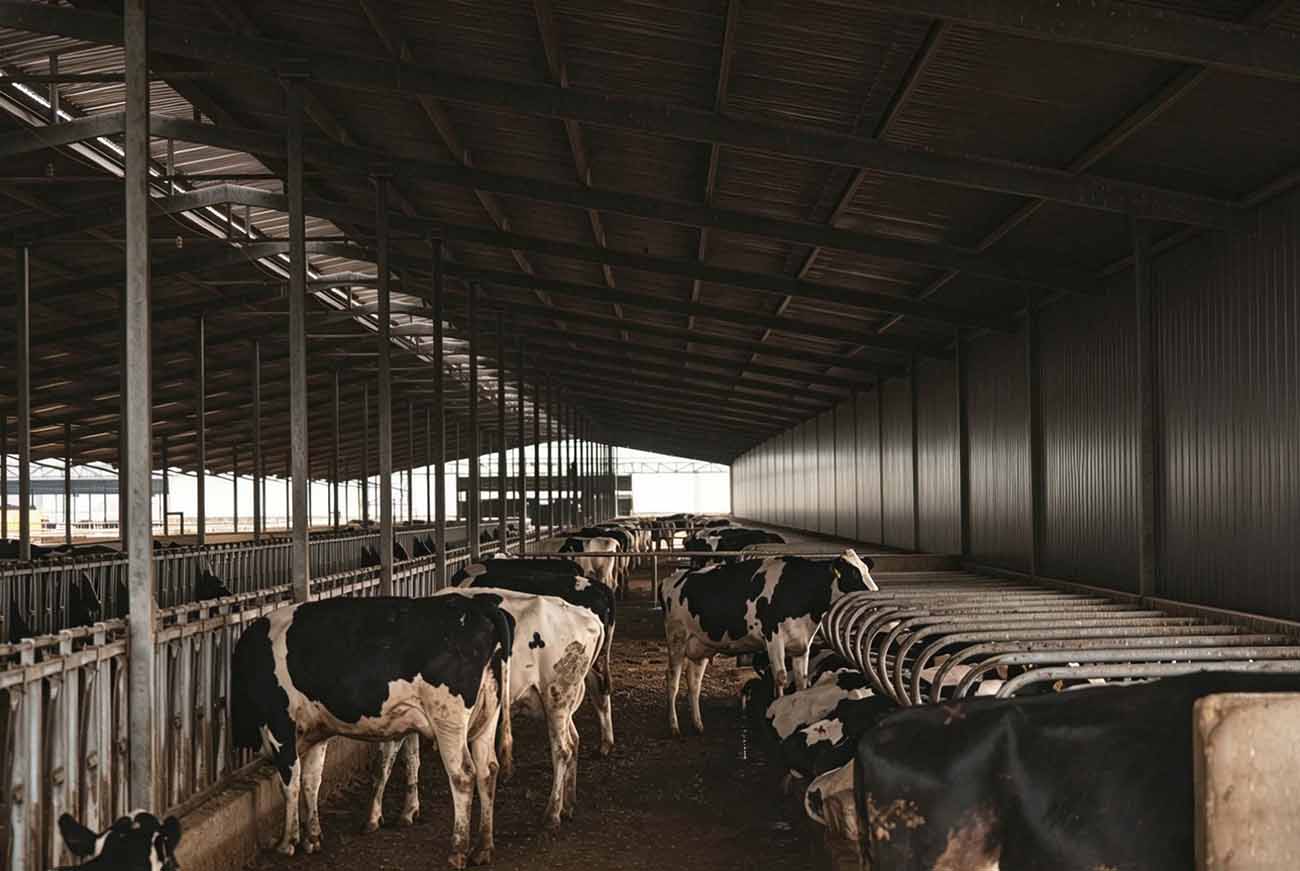
1. Farm Feed Production Solution
Production Requirements:
Daily Feed Requirement Reference:
- ≥8 tons/day → Suitable for RICHI industrial livestock feed pellet machine solutions
- <8 tons/day → Not within RICHI’s target service range
Recommended Capacity:
1–2 T/H (configured according to daily feed demand)
Typical Equipment Configuration:
Feed crusher + Feed mixer + Livestock feed mill machine + Cooling & screening equipment (optional)
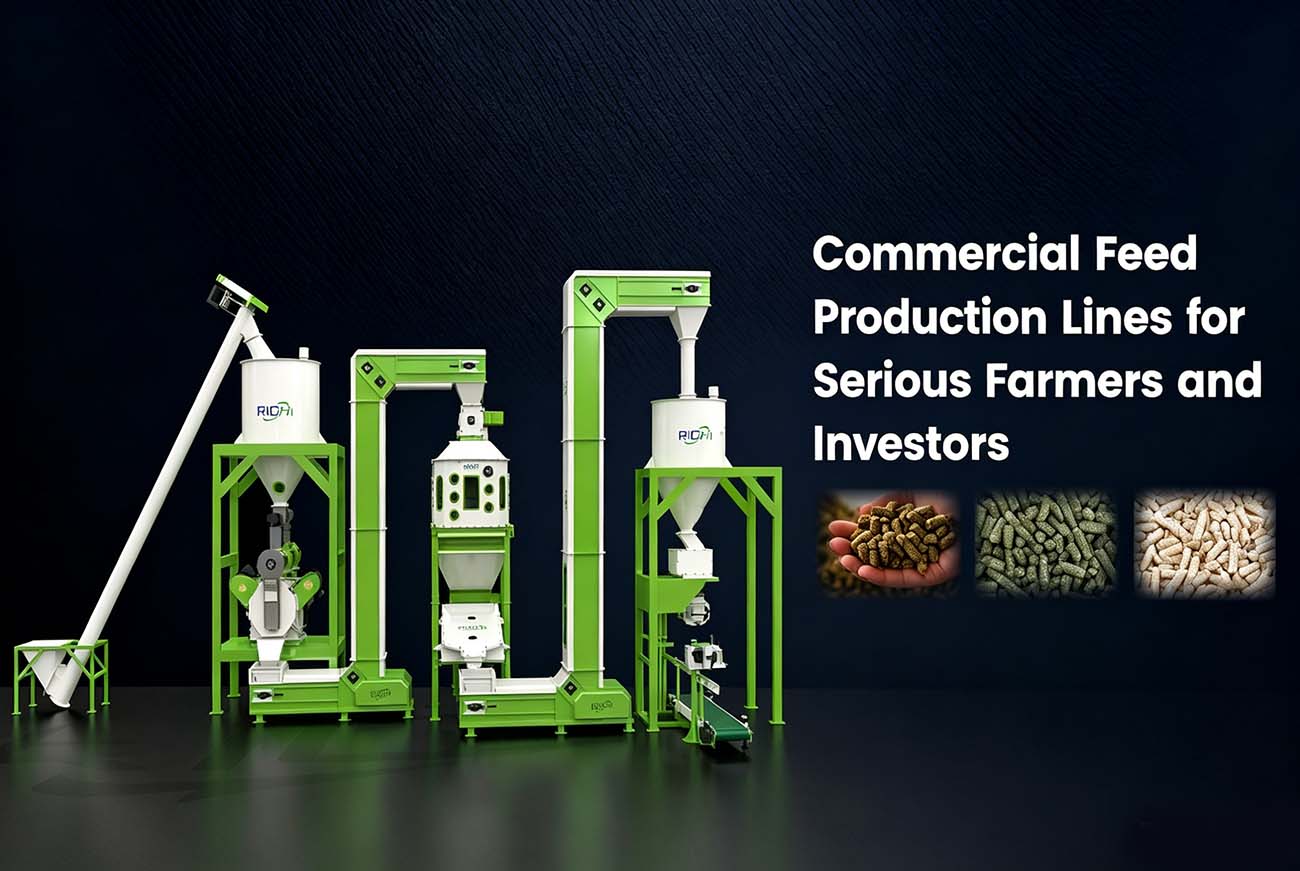
2. Commercial Feed Production Solution
Production Requirements Features:
- Balances production efficiency with investment costs, suitable for stable commercial operations;
- Supports various livestock feed formulas, including cattle feed, sheep feed, and pig feed;
- Allows flexible product adjustment according to market demand;
- Suitable for continuous production and bulk feed supply.
Recommended Capacity:
3–5 T/H
Typical Equipment Configuration:
Raw material grinding system + Mixing system + Pelletizing system + Cooling system + Packing system
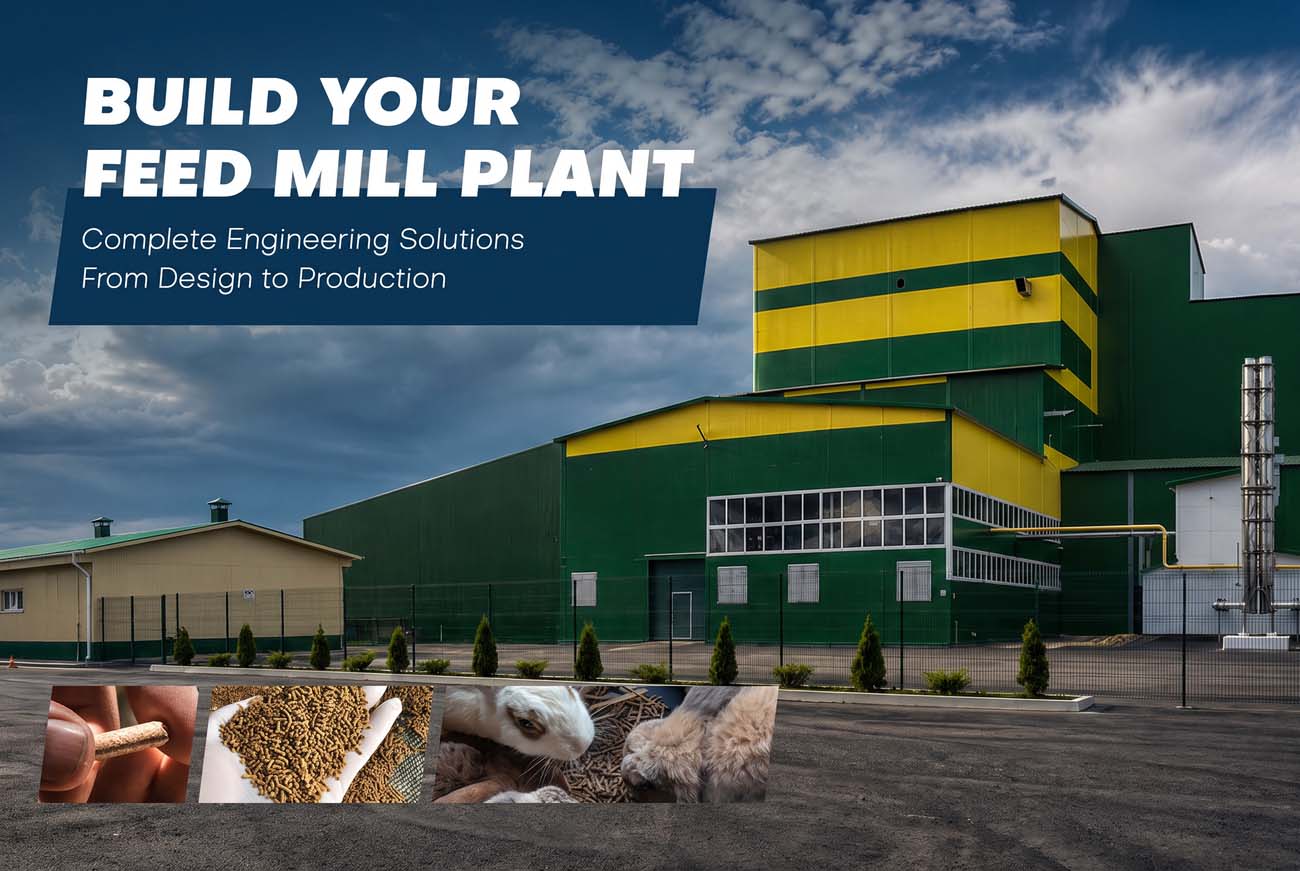
3. Industrial Feed Manufacturing Solution
Production Requirements Features :
- Meets high-volume feed production requirements;
- Supports year-round continuous operation;
- Can be equipped with automatic control systems to improve production efficiency;
- Allows future factory expansion according to increasing production needs.
Recommended Capacity:
8 T/H and above
Typical Equipment Configuration:
Complete livestock feed production line, including:
Raw material receiving system + Grinding system + Batching & mixing system + Pelletizing system + Cooling & screening system + Packing system + Automatic control system
From Pellet Machine to Complete Livestock Feed Plant
The pellet machine is the core of the feed line, but its performance relies on matching upstream and downstream systems. Process integration and capacity balance across all stages determine the line’s efficiency and final product quality. Integrating pelleting into a full-process design is key to stable production and cost optimization. (Haga clic para voltear y ver los detalles.)
01.
Materia prima
Tratamiento
Una vez recibidas, las materias primas se someten a un cribado para eliminar las impurezas gruesas. Los materiales limpios se almacenan en silos específicos claramente etiquetados.
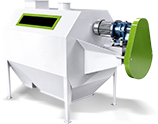
Limpiadora de tambor rotativo
Elimina piedras, arena e impurezas pesadas de los materiales granulares.
Capacidad
15-50 T/H
Velocidad del tambor
12-21 rpm
02.
Trituración de materias primas y control del tamaño de los pellets
La granularidad de la molienda es ajustable para adaptarse a diversas razas de aves de corral y etapas de crecimiento.
Tras la trituración, el material se transporta mecánicamente al silo de dosificación, listo para su uso.
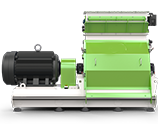
Molino de martillos
Tritura materiales (≤5cm de tamaño) hasta convertirlos en polvo; el tamaño de la malla de la criba es personalizable.
Capacidad
3-50 T/H
Tamaño de molienda
0,5 - 20 mm
03.
Dosificación y mezcla
Utiliza balanzas electrónicas controladas por un PLC. Una vez pesados, los materiales se introducen en la mezcladora.
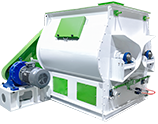
Mezcladora de paletas de dos ejes
Diseñado para mezclar polvos, gránulos, copos, grumos, materiales irregulares y sustancias viscosas.
Material
Acero al carbono, acero inoxidable
Capacidad del lote
250-2000 kg/P
04.
Acondicionamiento y granulado
El polvo mezclado se acondiciona con vapor a alta temperatura. A continuación, se introduce en la granuladora de matriz anular para granularlo. La abertura de la matriz es ajustable.
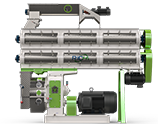
Livestock Feed Pellet Mill
Comprime eficazmente el polvo en gránulos robustos y duraderos.
Potencia
22-315 kW
Capacidad
1-40 T/H
05.
Refrigeración
Los gránulos calientes de alta humedad se enfrían y deshumidifican para alcanzar la temperatura ambiente y unos niveles de humedad de almacenamiento seguros.
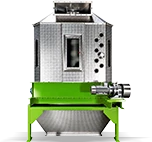
Refrigerador de contracorriente
Enfría los pellets de alta temperatura hasta alcanzar la temperatura ambiente.
Tiempo de enfriamiento
6-15 min
Capacidad
1-40 T/H
06.
Proyección
Los gránulos enfriados se clasifican mediante una criba vibratoria para eliminar el polvo y los finos.
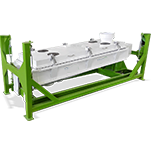
Criba rotatoria de clasificación
Criba materiales granulares en productos acabados grandes, medianos y pequeños.
Capacidad
3-40 T/H
Potencia
1,5-5,5 kW
07.
Sistema de envasado y control automatizado
Las básculas electrónicas permiten el envasado personalizado (bolsas de 10 kg-50 kg o toneladas). Líneas totalmente automatizadas con robots opcionales. Modos de control: Manual, semiautomático o totalmente automático.
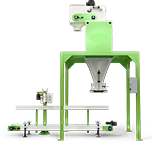
Balanza de envasado totalmente automática
Paquetes de materiales, con opciones de sellado: termosellado, cosido con hilo o sellado híbrido.
Velocidad de envasado
2-8 min/bolsa
Proyectos de ingeniería de plantas de alimentación animal
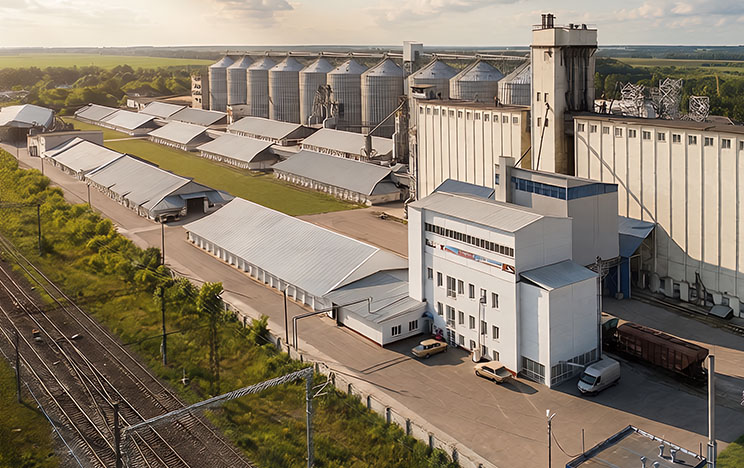
Prestamos servicio en el mercado mundial a grandes grupos de cría y empresas de producción de piensos. Los siguientes casos muestran nuestros proyectos de líneas completas de producción de piensos a distintas escalas y categorías. Todas las soluciones han sido probadas en la producción a gran escala.
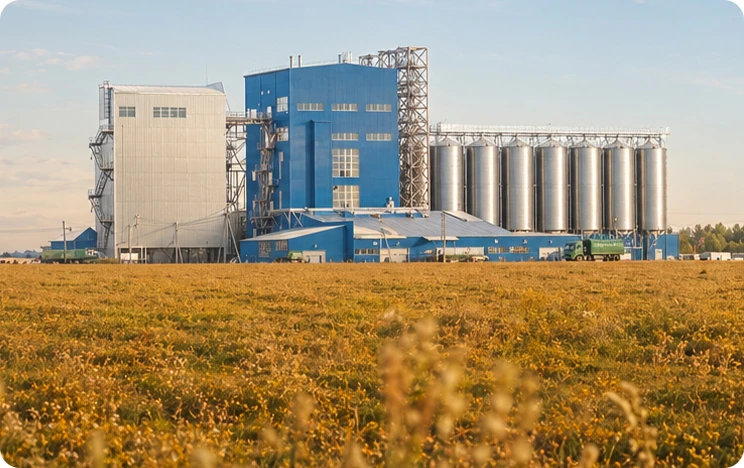
10 Línea de producción de piensos para aves de corral en Argelia
Región : África
Aplicación Línea de producción de piensos para aves de corral
Salida : 10 T/H
Tipo de producto : alimentación
3-5 t/h línea completa de producción de pellets de pienso para pollos en Zimbabue
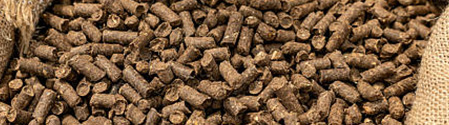
Región : África
Aplicación Línea de producción de piensos para pollos
Salida : 10-15 T/H
Tipo de producto : pienso en pellets
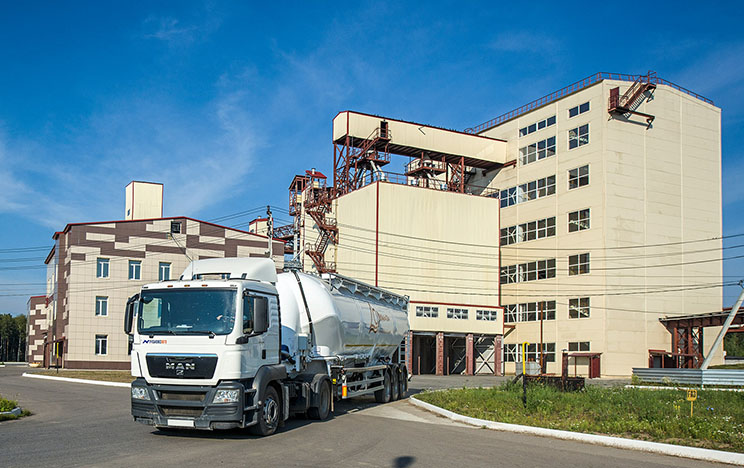
5 T/H Línea de producción de alimentos en polvo para animales en Kenia
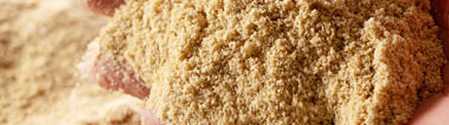
Región : África
Aplicación Línea de producción de piensos
Salida : 5T/H
Tipo de producto Pienso en polvo
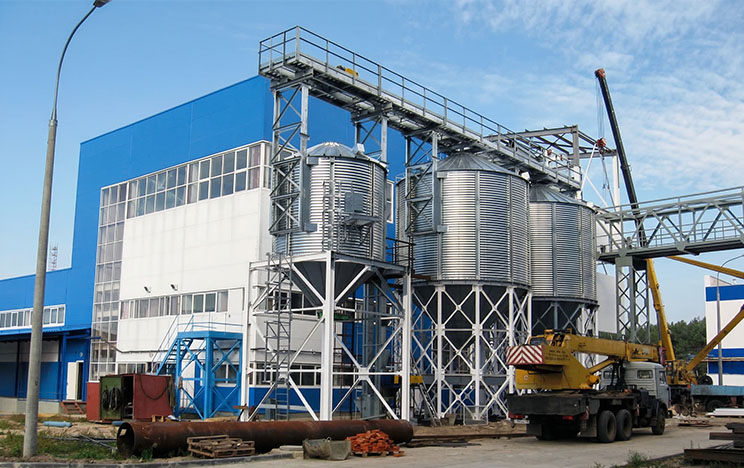
5-6 T/H Planta De Alimentación Animal En Etiopía
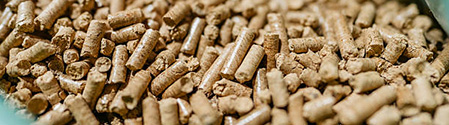
Región : África
Aplicación Línea de producción de piensos
Salida : 5-6 T/H
Tipo de producto piensos granulados
Livestock Feed Production Questions Answered
Encuentre respuestas profesionales a las preguntas más habituales sobre los procesos clave y los aspectos más importantes de la producción de piensos.
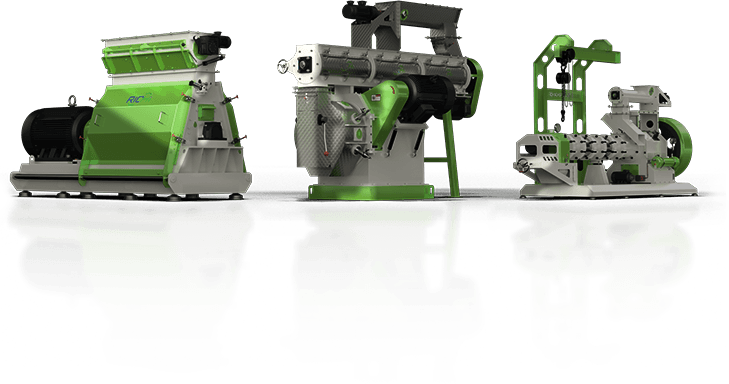
1. What is a livestock feed pellet machine? What feed can it produce?
The livestock feed pellet machine is equipment that presses crushed and mixed raw materials into pellets. It is commonly used for producing feed for cattle, sheep, and pigs.
2. What raw materials can the feed pellet machine process?
This equipment is suitable for a wide range of livestock feed raw materials, including grains, protein sources, and fiber materials. Examples include corn, wheat, barley, soybean meal, alfalfa, and various grasses.
Since fiber content, moisture, and formula ratios affect pellet quality, the machine configuration needs to be selected based on the specific raw materials.
3. What production capacity do I need for a feed pellet machine?
The capacity depends on your daily feed demand, production hours, and usage scenario. RICHI offers feed pelletizers and pelleting equipment ranging from 1 to 40 tons per hour (T/H). We provide solutions for farm self-use, small and medium-sized feed processing, and continuous production for commercial feed mills.
4. Can this machine produce feed for cattle, sheep, and pigs?
Yes. When producing feed for cattle, sheep, and pigs, you can choose the appropriate pellet specifications based on the animal species, growth stage, and feeding requirements.
For example, cattle and sheep feed usually requires larger diameter pellets, while pig feed size varies by stage. By adjusting the ring die configuration, the machine can be used as a cattle feed pellet machine or a pig feed pellet machine.
5. Can the size of the feed pellets be adjusted?
Yes. By changing the ring die with different hole sizes, the machine can produce various pellet sizes. RICHI livestock feed pellet machines support pellet diameters ranging from 2 to 12 mm, allowing you to adjust according to the animal type, age, and feed purpose.
6. Is this equipment suitable for farms or feed mills?
This equipment is primarily suitable for large-scale farms producing feed for their own use and for commercial feed mills.
- For Farm Self-use: It is recommended for daily feed needs of 8 tons or more. If the demand is lower, the investment and running costs may not match, and other production methods might be more suitable.
- For Commercial Feed Mills: Different models can be configured according to target output to produce pellet feed for cattle, sheep, pigs, etc.
Nota: The machine requires raw materials to be in a suitable state for processing. If using whole corn, wheat, or pasture grass, a crusher is usually required. A mixer may also be needed depending on formula uniformity and production needs.
7. How do I choose the right feed pellet production equipment?
First, determine your daily production demand and raw material situation.
- For Farm Self-use: Choose the capacity based on your daily feed consumption. If the daily demand is 8 tons or more, you can consider configuring a suitable pellet machine.
- For Commercial Feed Production: Choose models ranging from 1–40 T/H based on planned output, and consider future expansion needs.
- For Raw Materials: If processing corn, grains, or pasture grass, confirm if you already have crushing equipment. If the raw material is not powdered, it must be crushed first.
- For Different Animals: Select the appropriate pellet size and ring die specifications based on the needs of cattle, sheep, pigs, etc.
RICHI can help you select the right equipment configuration based on your raw materials, output, and production requirements.
8. Are spare parts and after-sales support provided after purchase?
Yes. RICHI provides a long-term supply of original spare parts, including ring dies, rollers, and other common wear parts. We also offer a 1-year warranty. Whether for standalone use or a complete production line, you will receive technical support for future maintenance.
9. What is the price of a poultry feed pellet machine?
The price depends mainly on the model, production capacity, ring die configuration, and level of automation. Generally, a single feed pellet machine costs between 7,500 and 80,000 USD.
If you need a complete livestock feed production line, the investment cost varies based on capacity and configuration:
- Small Line (1–2 T/H): Starts from around $30,000 USD.
- Medium Line (3–10 T/H): Typically 80,000–300,000 USD.
- Large Commercial Plant: Can exceed $300,000 USD.
Final pricing is also affected by raw material handling, crushing and mixing equipment, automation, packaging, and facility conditions. RICHI can provide a matching equipment configuration and quotation based on your daily output, raw materials, and production goals.
More Animal Feed Pellet Machines
Además de piensos para aves de corral, nuestras soluciones abarcan el peletizado para rumiantes, ganado, acuicultura y animales de compañía. Ofrecemos configuraciones de producción a medida y asistencia completa para garantizar la estabilidad de las operaciones en diversas aplicaciones de piensos.
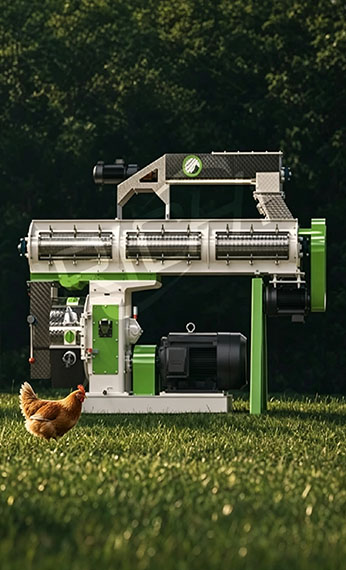
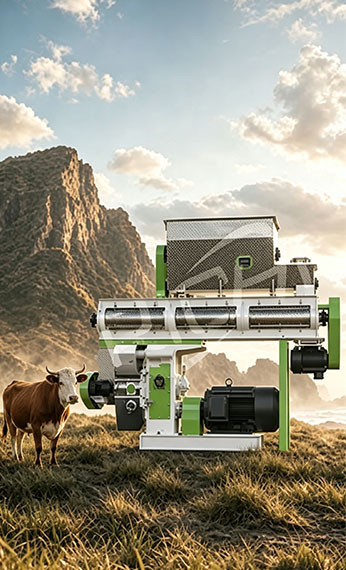
Cattle feed making machine
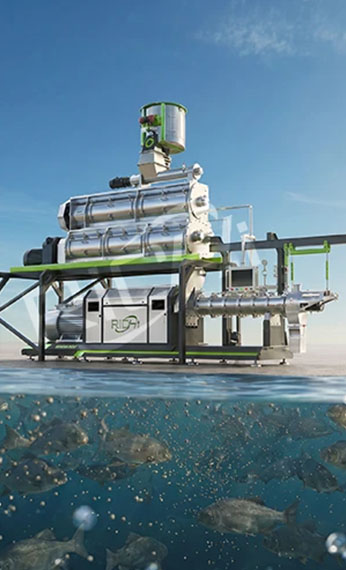
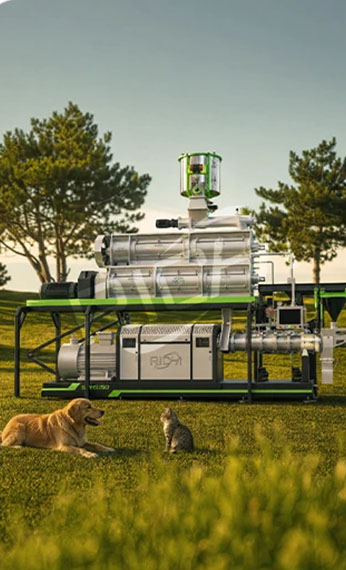
Máquina extrusora de alimentos para mascotas

Maquinaria RICHI: Impulsando la producción mundial de pellets
Comprometidos con la tecnología pionera de pellets y la ingeniería industrial, aprovechamos más de 30 años de conocimientos en I+D y experiencia mundial.
Optimizamos el diseño, la fabricación y la integración de sistemas para impulsar las industrias de piensos, biomasa y especialidades hacia la eficiencia, la inteligencia y la sostenibilidad.
Nuestro equipo de expertos ofrece soluciones integrales de producción de pellets que cumplen las normas internacionales y se ajustan a sus objetivos estratégicos de productividad y crecimiento a largo plazo.
60000 +m2
Metros cuadrados de nuestra fábrica
2000 +
Proyectos en marcha en todo el mundo
140 +
Países de nuestros clientes
200 +
Números de nuestro equipo
Experiencia global y excelencia del sistema
Los sistemas avanzados de producción de pellets combinan robustez y preparación para el futuro, estableciendo puntos de referencia en la industria mediante la integración tecnológica y la innovación.
Calidad fiable
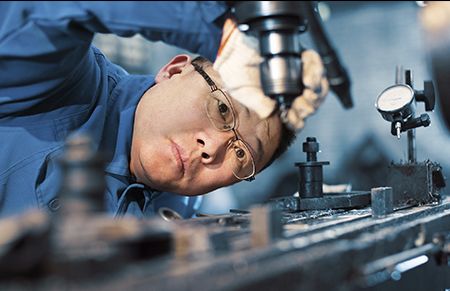
Cada máquina se somete a inspecciones de calidad precisas y rigurosas.
Garantía sin preocupaciones
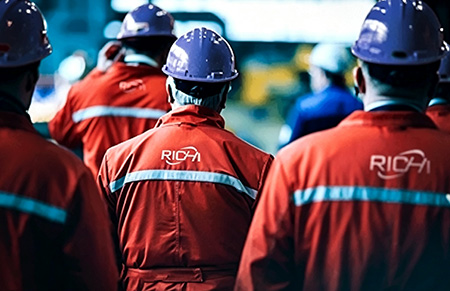
Con el apoyo de una red mundial de servicios con tiempos de respuesta rápidos.
Apoyo profesional
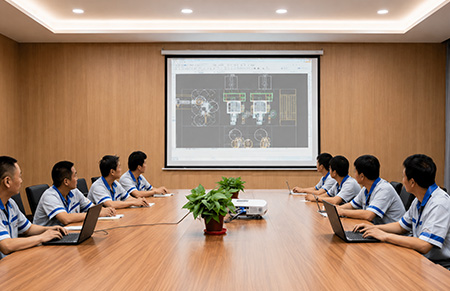
Equipos técnicos experimentados prestan asistencia durante todo el ciclo.

Pagos seguros
El cifrado multicapa garantiza transacciones seguras y transparentes.

Logística mundial
Los eficaces envíos a todo el mundo garantizan una entrega puntual en cualquier lugar.
Inicie su proyecto de pellets
La producción de pellets es un proceso sistemático. Indíquenos cuáles son sus materias primas y sus necesidades de capacidad, y crearemos una solución a medida con asesoramiento profesional para la producción comercial.

Dirección: Al sur del cruce entre las calles Xingda y Hongyuan, Wuzhi, ciudad de Jiaozuo, provincia de Henan, China

Tel/WhatsApp: + 86 136 0866 8310

Correo electrónico: enquiry@richimachinery.com



HENAN RICHI MACHINERY CO., LTD 1995-2026 Línea de productos / Política de privacidad
Póngase en contacto con nosotros
Envíenos sus requisitos, los asesores de RICHI se pondrán en contacto con usted rápidamente.

