

Máy và dây chuyền sản xuất thức ăn cá thương mại
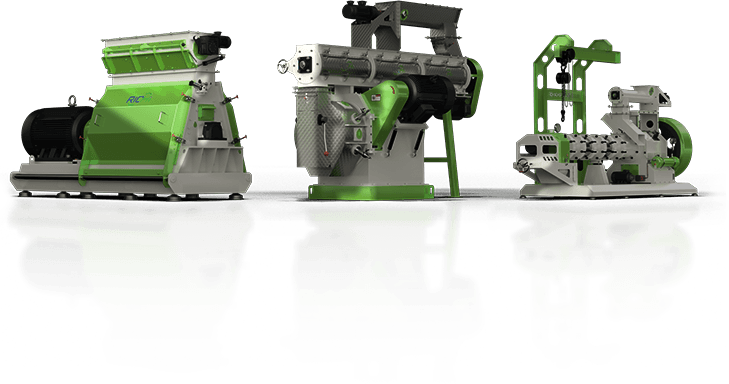
Từ một máy sản xuất thức ăn thủy sản đơn lẻ đến một dây chuyền sản xuất hoàn chỉnh, RICHI giúp bạn khám phá thêm nhiều tiềm năng trong lĩnh vực sản xuất thức ăn thủy sản.
Dựa trên nguyên liệu thô, các loại thức ăn và năng lực sản xuất của quý khách, chúng tôi cung cấp các loại máy sản xuất thức ăn cá, thiết bị ép đùn và các giải pháp dây chuyền sản xuất hoàn chỉnh phù hợp. Từ thức ăn cá nổi, thức ăn cá chìm đến thức ăn tôm, các giải pháp của chúng tôi được thiết kế để đáp ứng các yêu cầu về sản phẩm của quý khách và giúp quý khách đạt được hiệu quả sản xuất ổn định và hiệu quả.
Máy sản xuất thức ăn theo từng loài thủy sản
Các loài động vật thủy sinh khác nhau có thói quen ăn uống khác nhau, và do đó, kích thước hạt thức ăn cũng như đặc tính chìm/nổi của chúng cũng khác nhau, và các kỹ thuật chế biến cũng có sự khác biệt. Chúng tôi tùy chỉnh theo yêu cầu và lựa chọn phù hợp với từng loài, giúp thiết bị chăn nuôi phục vụ hiệu quả cho hoạt động chăn nuôi, đồng thời giúp hoạt động chăn nuôi trở nên gần gũi hơn với thực tế.
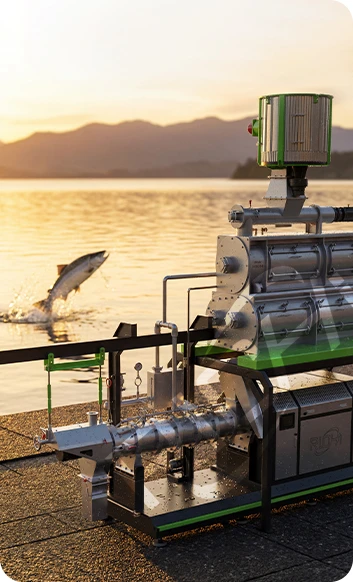
Máy sản xuất thức ăn cho cá
Dung lượng tùy chọn:
0,5 – 20+ tấn/giờ
Các loài thích hợp:
Cá trê, cá rô phi, cá chình, cá hồi…
Thiết bị này đáp ứng mọi giai đoạn trong quá trình nuôi cá. Hệ thống này cho phép sản xuất linh hoạt các loại thức ăn nổi, chìm chậm và chìm hoàn toàn trong cùng một hệ thống. Có thể điều chỉnh các thông số để phù hợp với nhu cầu dinh dưỡng của từng giai đoạn sinh trưởng.
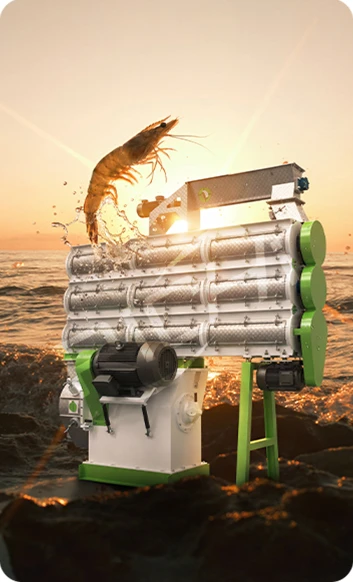
Dung lượng tùy chọn:
1 – 40 tấn/giờ
Dung lượng tùy chọn:
Litopenaeus vannamei, tôm càng, tôm nước ngọt khổng lồ… (Các loài phổ biến bao gồm)
Sản phẩm này tạo ra thức ăn cho tôm có mặt cắt gọn gàng và kích thước đồng đều. Chúng mềm ra vừa phải khi ngâm trong nước nhưng vẫn giữ nguyên hình dạng, giúp tôm có đủ thời gian để bám vào và ăn chúng.
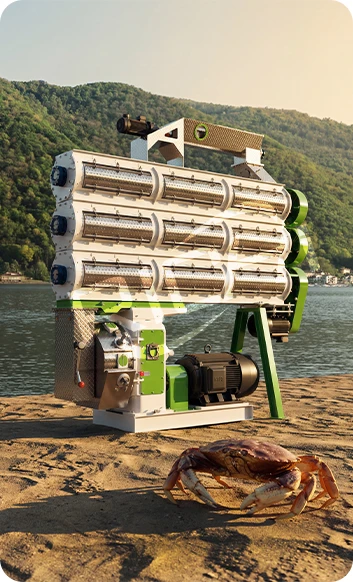
Dung lượng tùy chọn:
1 – 40 tấn/giờ
Dung lượng tùy chọn:
Cua sông, cua bơi, cua bùn…
Thức ăn cho cua do máy này sản xuất có độ đặc cao và tốc độ chìm nhanh. Nó nhanh chóng chạm đáy, giữ nguyên hình dạng trên đáy bể và hoàn toàn phù hợp với thói quen ăn chậm của cua.
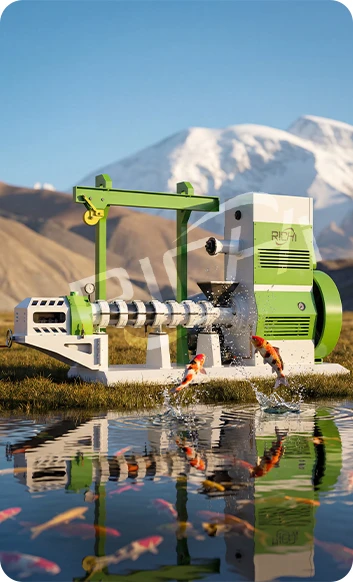
Dung lượng tùy chọn:
0,5 – 20+ tấn/giờ
Dung lượng tùy chọn:
Cá Koi, cá vàng, cá nhiệt đới…
Quá trình ép đùn ở nhiệt độ thấp giúp giữ nguyên các chất dinh dưỡng và ngăn ngừa hiện tượng phai màu hoặc bám bụi. Kích thước có thể tùy chỉnh cùng các đặc tính nổi giúp thức ăn không chỉ giàu dinh dưỡng mà còn trông bắt mắt trong bể cá.
Máy sản xuất thức ăn cá theo công nghệ chế biến
Nhằm đáp ứng các nhu cầu đa dạng trong lĩnh vực nuôi trồng thủy sản, chúng tôi cung cấp nhiều công nghệ khác nhau: ép đùn khô, ép đùn ướt, ép đùn trục vít đôi và ép viên bằng khuôn vòng. Chúng tôi sẽ hỗ trợ quý khách lựa chọn thiết bị phù hợp nhất với yêu cầu kỹ thuật về thức ăn và ngân sách của quý khách.
Máy đùn kiểu khô Máy móc
Không cần nồi hơi. Với công nghệ đùn điện, phương pháp này mang lại chi phí đầu tư ban đầu thấp — rất phù hợp cho các doanh nghiệp khởi nghiệp hoặc sản xuất thức ăn thủy sản quy mô nhỏ.
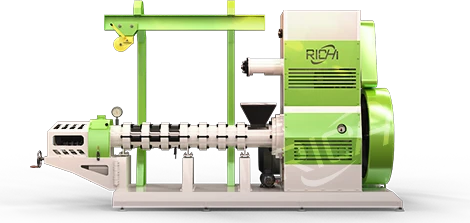
Dung lượng tùy chọn
0,3 - 20+ tấn/giờ
Loại vít
Trục vít đơn
Ứng dụng: Được thiết kế để sản xuất viên thức ăn cho cá, tôm và thú cưng.
Máy đùn kiểu ướt
Được trang bị hệ thống xử lý tích hợp giúp gelatin hóa hoàn toàn nguyên liệu. Sản phẩm mang lại độ đồng nhất cao hơn cho viên nén và khả năng nổi ổn định hơn so với loại khô.
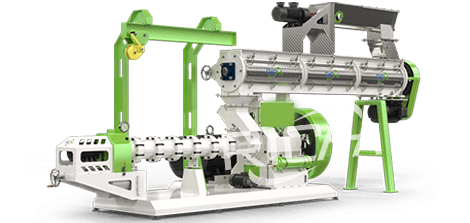
Dung lượng tùy chọn
0,5 - 20+ T/H
Loại vít
Trục vít đơn
Ứng dụng: Được thiết kế để sản xuất thức ăn viên cho cá, tôm và thú cưng.
Máy ép thức ăn cá trục vít đôi
Sản phẩm sở hữu khả năng cắt mạnh mẽ và khả năng kiểm soát nhiệt độ chính xác, đảm bảo khả năng tương thích với nhiều loại nguyên liệu. Sản phẩm có thể xử lý các công thức có hàm lượng protein, dầu và chất xơ cao mà vẫn đảm bảo kết quả định hình ổn định.
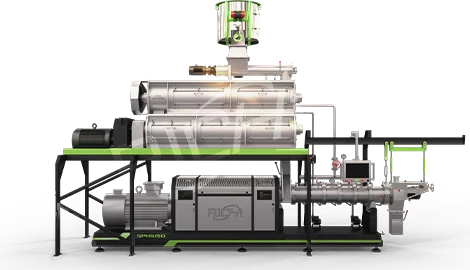
Dung lượng tùy chọn
0,5 - 20+ T/H
Loại vít
Trục vít đôi
Ứng dụng: Sản xuất viên thức ăn cho tôm và cá, viên thức ăn cho thú cưng
Máy sản xuất viên thức ăn cá
Chuyên sản xuất viên thức ăn cứng chìm — không cần qua quá trình ép đùn. Với thiết kế đơn giản, năng suất cao và chi phí vận hành thấp, máy này là lựa chọn lý tưởng cho việc sản xuất quy mô lớn thức ăn chìm tiêu chuẩn dành cho các loài cá như cá chép cỏ và cá chép.
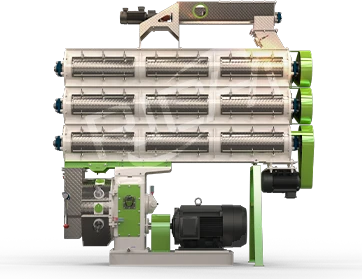
Dung lượng tùy chọn
1 – 40 tấn/giờ
Loại máy
Máy ép viên kiểu khuôn vòng
Ứng dụng: Sản xuất thức ăn viên chìm; thức ăn cho gia súc, gia cầm, bò và lợn
Thiết bị cho cá ăn theo loại thức ăn
Việc thức ăn nổi hay chìm không chỉ phụ thuộc vào kết cấu của nó mà còn ảnh hưởng trực tiếp đến cách bạn cho ăn, mức độ hiệu quả khi cá ăn và tổng chi phí của bạn.
Chúng tôi cung cấp các thiết bị sản xuất thức ăn thủy sản phù hợp với từng loại thức ăn, đảm bảo hình dạng thức ăn hoàn toàn phù hợp với mục tiêu nuôi trồng của quý khách.
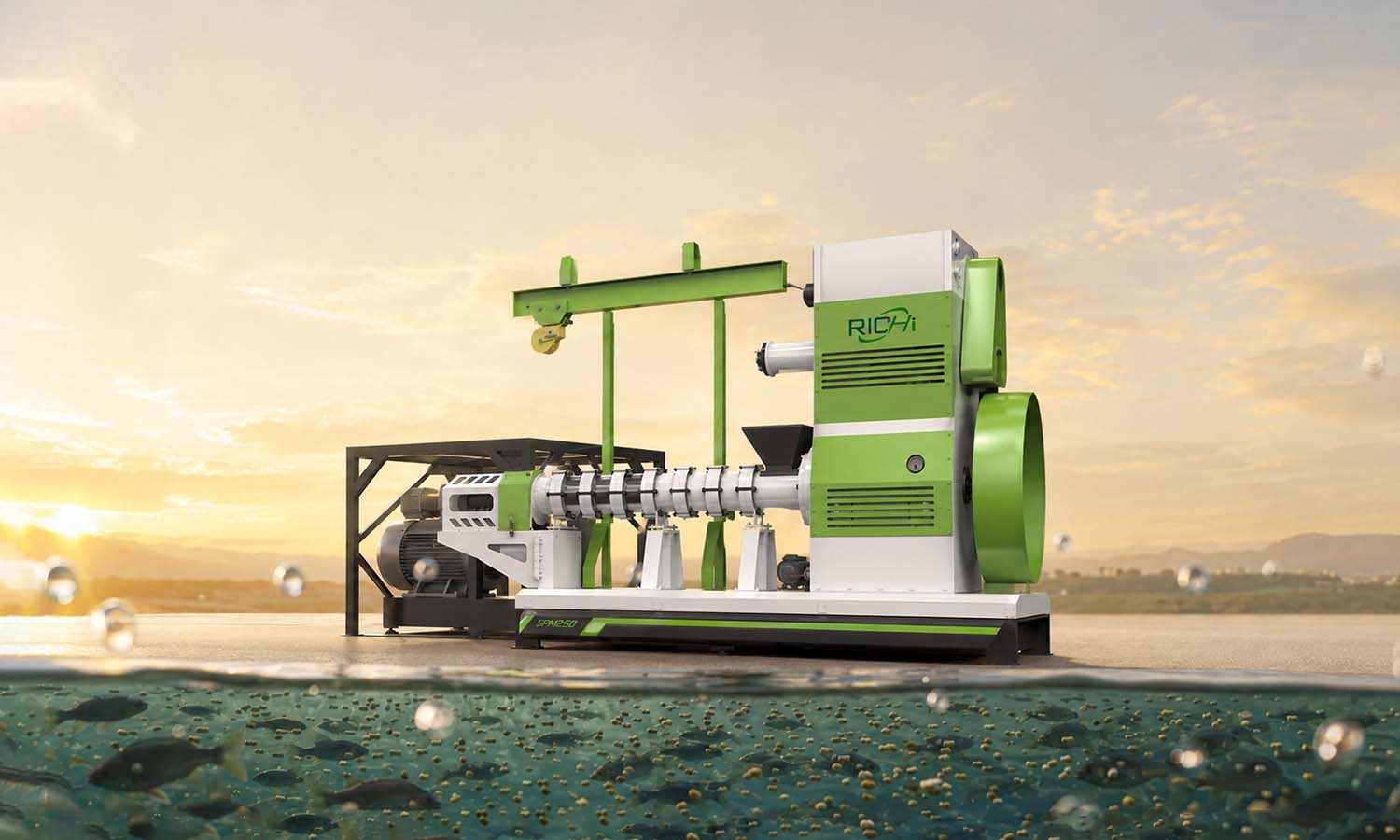
Các tùy chọn:
Máy đùn kiểu khô/ướt, máy đùn trục vít đôi
Kết quả:
0,5–20+ tấn/giờ
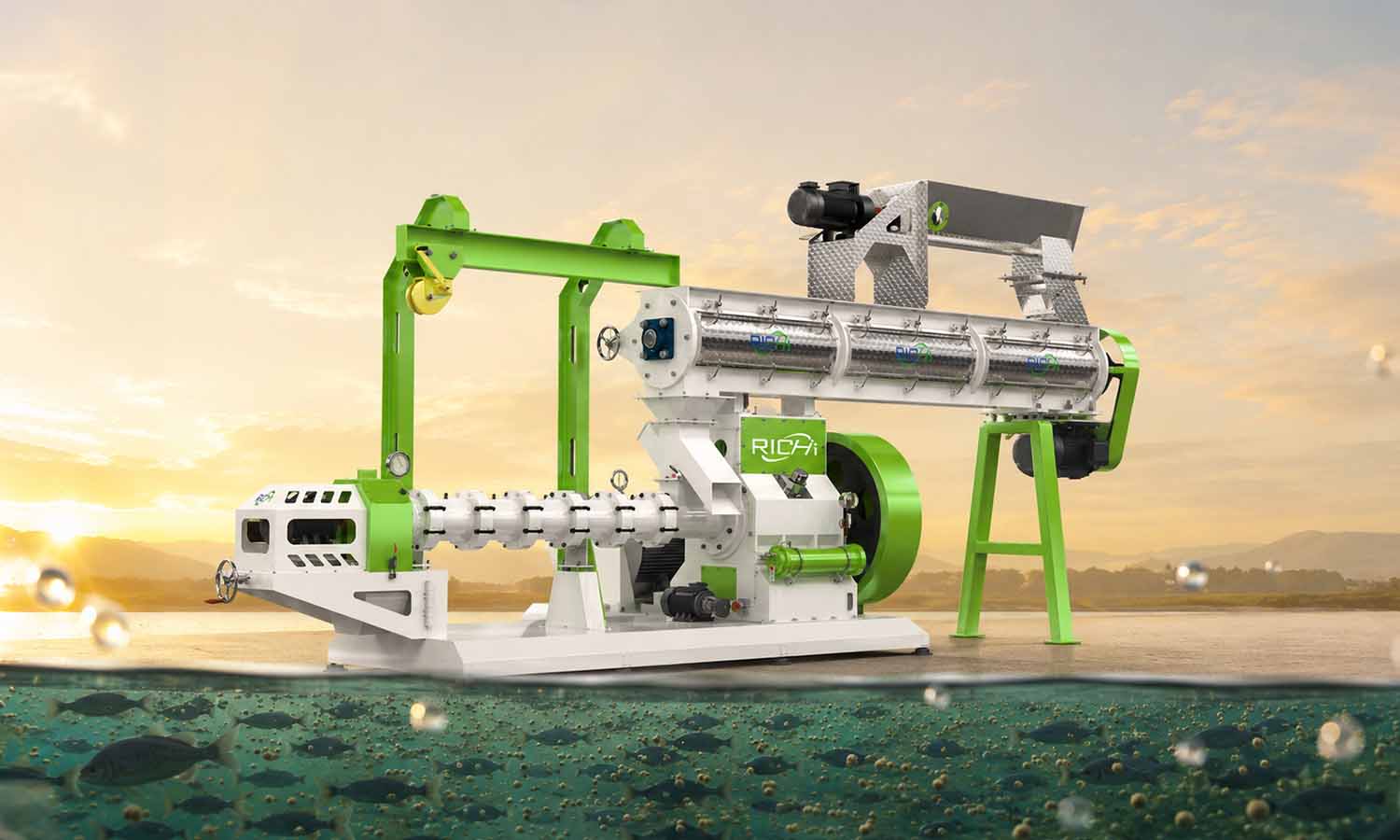
Các tùy chọn:
Máy đùn kiểu khô/ướt, máy đùn trục vít đôi, máy ép viên thức ăn cá
Kết quả:
0,5–20+ tấn/giờ
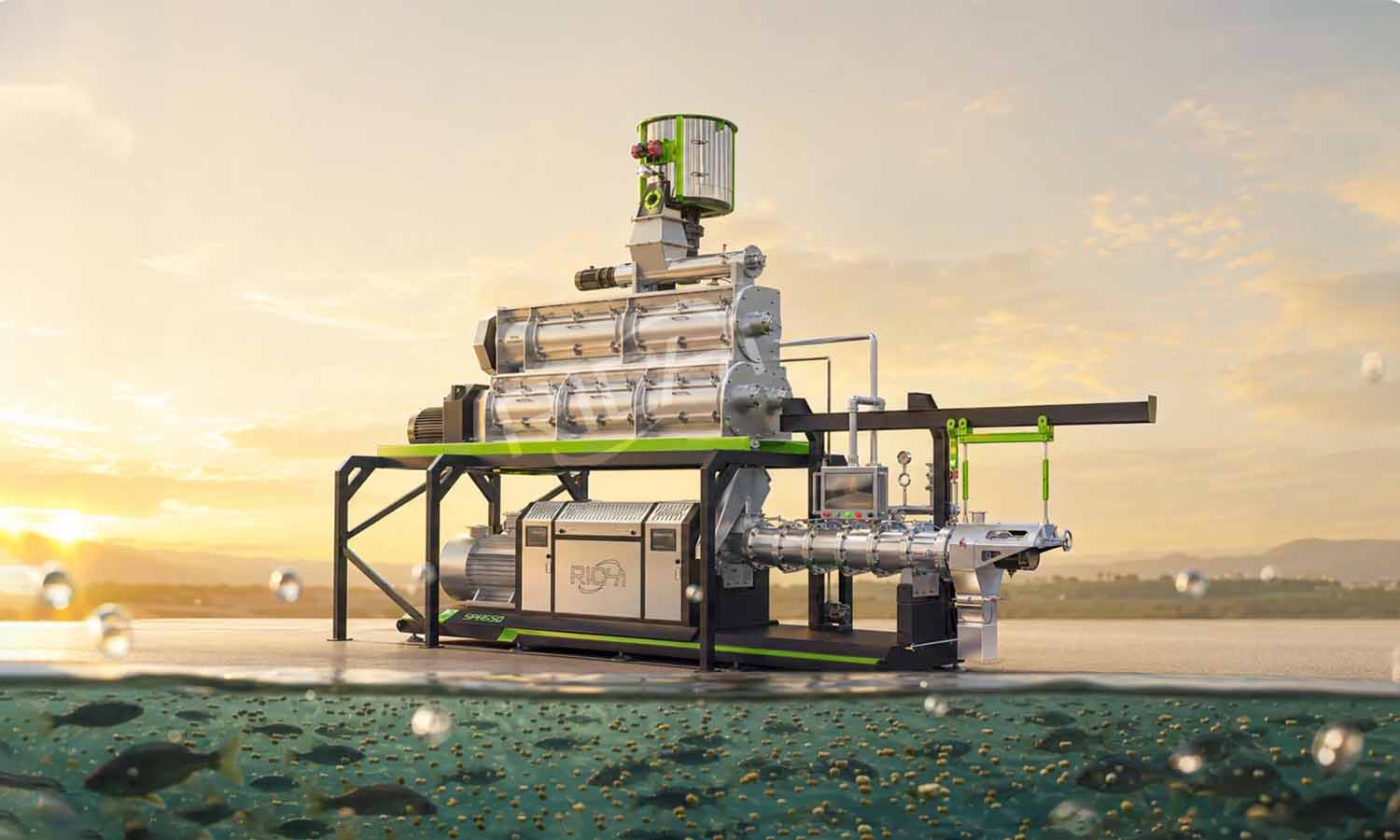
Các tùy chọn:
Máy đùn kiểu khô/ướt, máy đùn trục vít đôi
Kết quả:
0,5–20 +T/H
Quy trình sản xuất thức ăn cho cá hoàn chỉnh
Dựa trên ba tiêu chí lựa chọn là loài thủy sản, công nghệ chế biến và độ nổi của thức ăn, trước tiên sẽ xác định các quy trình sản xuất tương ứng (chẳng hạn như ép viên hoặc ép đùn) cùng các thông số vận hành chính theo các nhu cầu ứng dụng khác nhau.
Trên cơ sở đó, các phương thức kết hợp thiết bị cho từng công đoạn — bao gồm xử lý nguyên liệu, định lượng và trộn, tạo hình, và gia công sau — được phối hợp hài hòa, nhằm hình thành một cấu trúc quy trình tiêu chuẩn, liên tục và liền mạch cho toàn bộ dây chuyền sản xuất thức ăn cá.
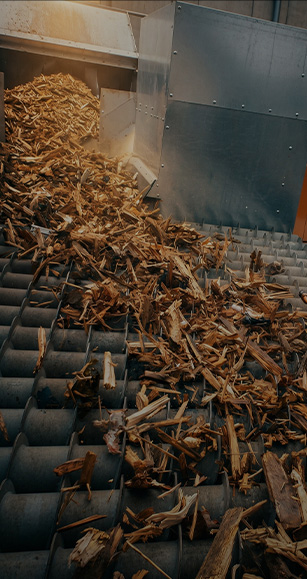
01
Chế biến nguyên liệu thô
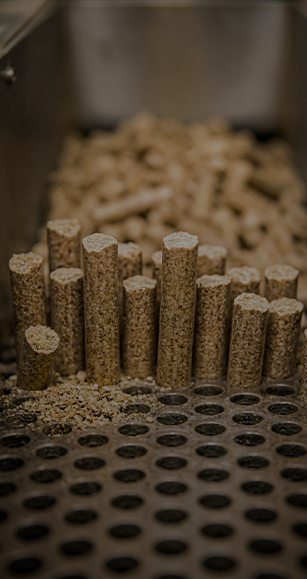
Các nguyên liệu thức ăn thủy sản thông dụng — như bột cá, bột đậu nành, ngô và lúa mì — đều được làm sạch, nghiền và sàng lọc trước khi sản xuất để loại bỏ tạp chất và chuẩn hóa kích thước hạt.
Tiếp theo, quá trình định lượng và trộn tự động hoặc bán tự động được thực hiện theo các công thức dinh dưỡng. Điều này đảm bảo nguyên liệu thô được trộn đều với tỷ lệ chính xác, từ đó đạt được sự phân bố tối ưu của protein, năng lượng và các nguyên tố vi lượng.
02
Ép đùn/Tạo hạt
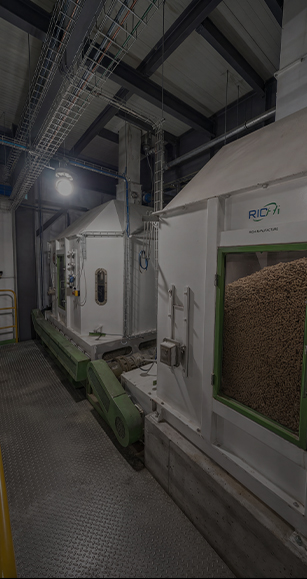
Các vật liệu hỗn hợp được đưa vào hệ thống tạo viên bằng khuôn vòng hoặc hệ thống đùn, nơi chúng được định hình liên tục dưới áp suất và nhiệt độ cao.
Bằng cách điều chỉnh các thông số quy trình, có thể kiểm soát chính xác mật độ và cấu trúc của viên thức ăn. Điều này cho phép sản xuất thức ăn chìm hoặc nổi cho cá, phù hợp với các nhu cầu nuôi trồng thủy sản khác nhau.
03
Hoàn tất quá trình chế biến thức ăn chăn nuôi
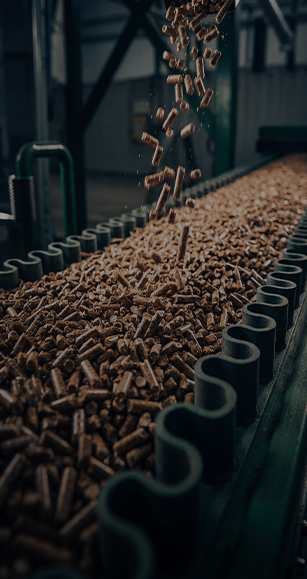
Các viên thức ăn vừa được ép thành hình sẽ được làm lạnh nhanh chóng thông qua hệ thống làm lạnh, sau đó được sàng lọc và phân loại để tách bột mịn và các mảnh vỡ.
Các viên nén đạt tiêu chuẩn duy trì độ cứng và cấu trúc ổn định, đảm bảo đáp ứng các yêu cầu về bảo quản, vận chuyển và các điều kiện cho ăn khác nhau.
04
Hệ thống phụ trợ
Phần này bao gồm các hệ thống vận chuyển khí nén, hệ thống khử bụi, hệ thống phun chất lỏng và hệ thống đóng gói tự động.
Hệ thống khí nén đảm bảo việc chuyển tải nguyên liệu liên tục giữa các công đoạn, hệ thống khử bụi giúp kiểm soát môi trường sản xuất, hệ thống phun chất lỏng được sử dụng để bổ sung dầu hoặc chất dinh dưỡng, và công đoạn đóng gói thực hiện việc đóng gói sản phẩm thành phẩm.
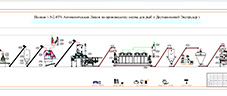
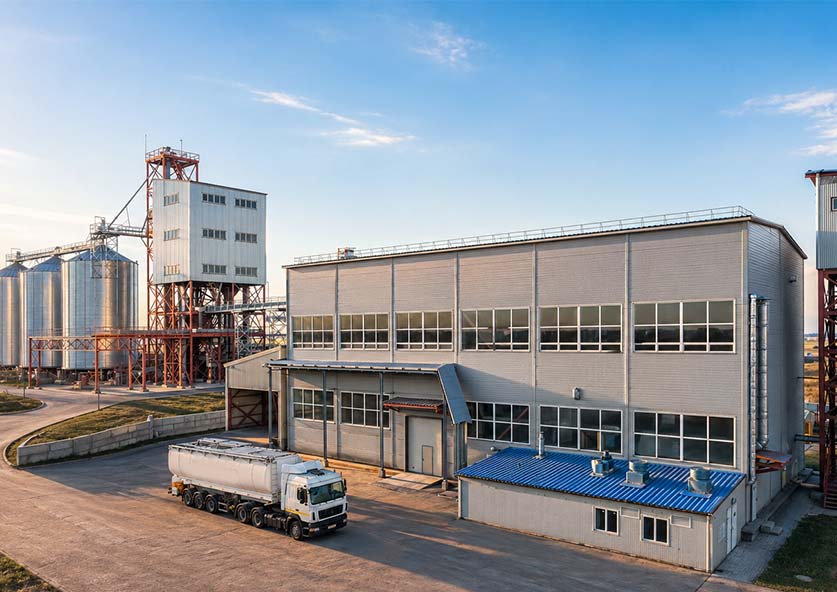
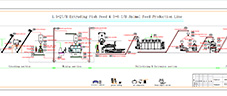
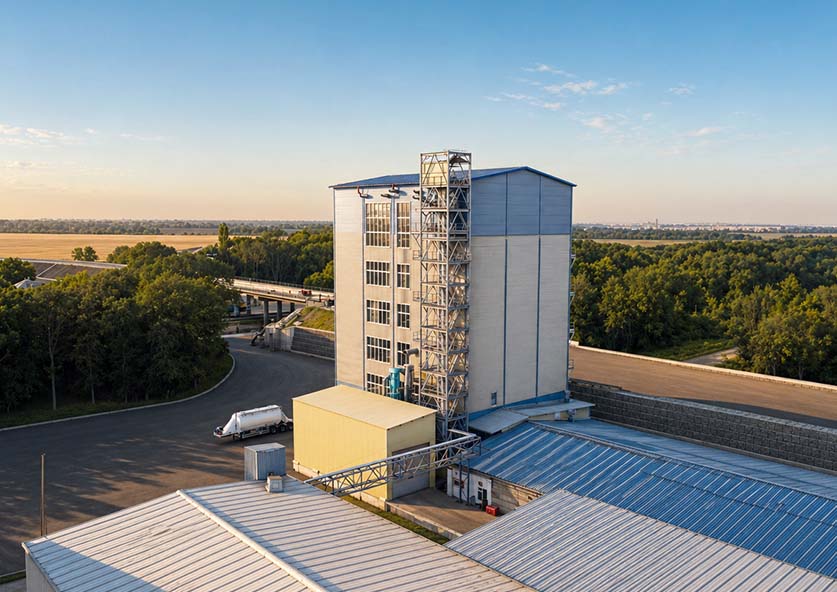
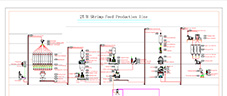
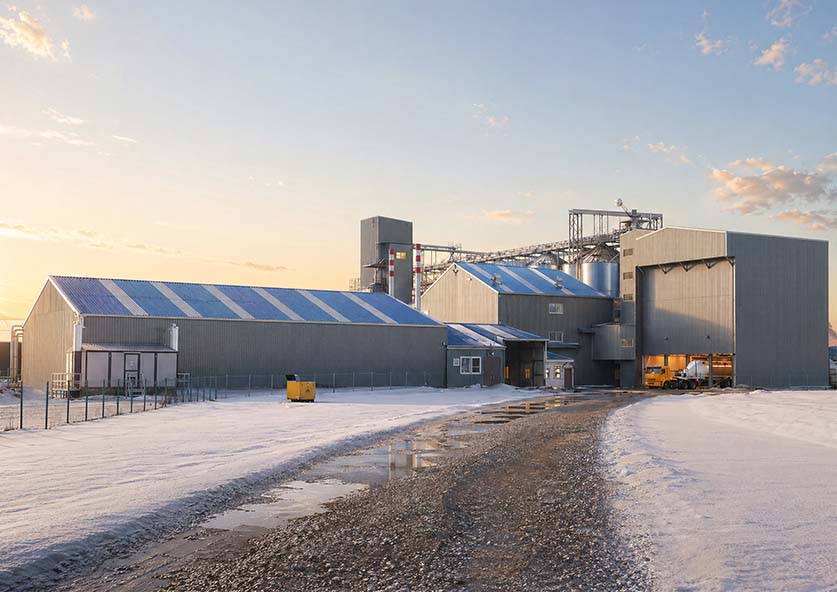
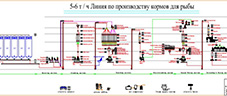
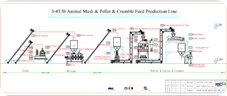
Dây chuyền sản xuất thức ăn thủy sản theo yêu cầu RICHI
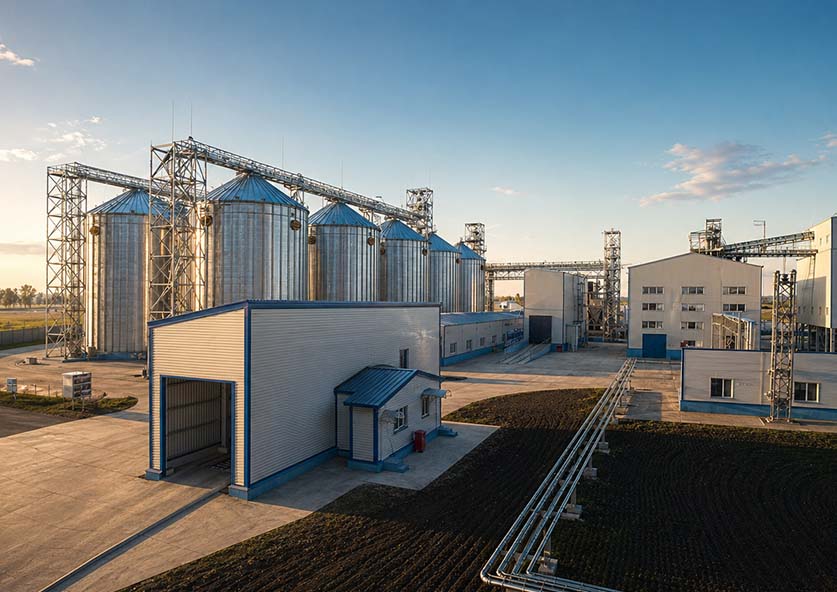
RICHI cung cấp các giải pháp dây chuyền sản xuất được thiết kế riêng cho các dự án thức ăn cá và tôm. Chúng tôi thiết kế các hệ thống nhằm đáp ứng các cấu trúc sản phẩm đa dạng và nhu cầu về công suất, hỗ trợ sản xuất quy mô lớn cũng như các quy trình được tùy chỉnh theo yêu cầu.
Các hệ thống của chúng tôi hỗ trợ hai quy trình cốt lõi: tạo viên và ép đùn. Điều này cho phép lựa chọn linh hoạt dựa trên đặc tính của viên thức ăn, độ ổn định trong nước và yêu cầu cho ăn, từ đó đảm bảo sản xuất liên tục cả thức ăn chìm và thức ăn nổi.

Các câu hỏi thường gặp về sản xuất thức ăn thủy sản
Tìm câu trả lời chuyên môn cho các câu hỏi thường gặp, bao quát các quy trình chính và những yếu tố quan trọng cần lưu ý trong sản xuất thức ăn cho tôm, cua và cá.
1. Sự khác biệt giữa máy ép viên thức ăn chăn nuôi và máy đùn thức ăn chăn nuôi là gì?
Sự khác biệt chính nằm ở phương pháp tạo hình.
2. Thiết bị nào phù hợp hơn cho sản xuất thức ăn cá: máy ép viên hay máy đùn?
Đối với các loài cá truyền thống như cá chép cỏ và cá chép thông thường, thức ăn chìm vẫn chiếm thị phần lớn. Do đó, một số dự án vẫn sử dụng máy ép viên để giảm chi phí đầu tư thiết bị và chi phí sản xuất.
Tuy nhiên, cùng với sự phát triển của mô hình nuôi trồng thâm canh, các doanh nghiệp nuôi trồng thủy sản ngày càng chú trọng đến việc tận dụng thức ăn, hiệu quả quản lý và kiểm soát chất lượng nước. Nhu cầu về thức ăn nổi và thức ăn chìm chậm đang gia tăng, khiến quy trình ép đùn trở thành lựa chọn then chốt cho các dự án thức ăn thủy sản mới.
Nếu bạn muốn mở rộng phạm vi sang nhiều loài cá hơn và thích ứng với các mô hình nuôi trồng khác nhau, máy đùn thường mang lại sự linh hoạt cao hơn trong việc phát triển sản phẩm.
3. Tại sao máy đùn có thể sản xuất thức ăn nổi?
Chìa khóa nằm ở quy trình xử lý đặc biệt ở nhiệt độ và áp suất cao.
Bên trong máy đùn, nguyên liệu thô phải chịu nhiệt độ cao, áp suất cao và lực cắt mạnh, khiến tinh bột gelatin hóa hoàn toàn. Khi nguyên liệu thoát ra khỏi khuôn, áp suất giảm ngay lập tức, khiến độ ẩm bên trong bay hơi và giãn nở. Quá trình này tạo ra vô số lỗ rỗng siêu nhỏ đồng đều bên trong viên nén.
Những lỗ rỗng siêu nhỏ này làm giảm mật độ tổng thể của viên thức ăn, giúp viên thức ăn nổi trên mặt nước.
Bằng cách điều chỉnh công thức, nhiệt độ, áp suất và các thông số quy trình, các máy đùn cũng có thể sản xuất các sản phẩm chìm chậm và chìm nhanh, mang lại sự linh hoạt cao trong sản xuất thức ăn thủy sản hiện đại.
4. Máy đùn thức ăn thủy sản và máy ép viên có thể thay thế lẫn nhau không?
Có một số điểm trùng lặp trong quá trình sản xuất, nhưng nhìn chung chúng không thể thay thế hoàn toàn lẫn nhau.
Đối với thức ăn chìm thông thường dành cho cá, cả hai loại máy đều có thể hoàn thành công việc. Tuy nhiên, đối với thức ăn nổi, thức ăn đã qua chế biến kỹ hoặc các sản phẩm chức năng đặc biệt, quy trình ép viên thường không thể đạt được kết quả tương tự như quy trình ép đùn.
Ngược lại, mặc dù các máy đùn có thể sản xuất các sản phẩm chìm, nhưng chi phí đầu tư thiết bị và chi phí vận hành của chúng thường cao hơn so với các nhà máy sản xuất viên nén truyền thống.
Do đó, chúng không phải là những sản phẩm thay thế đơn thuần, mà là những giải pháp sản xuất khác nhau, phù hợp với các định vị sản phẩm và nhu cầu thị trường khác nhau.
5. Làm thế nào để chọn được thiết bị sản xuất thức ăn cá phù hợp?
Trước khi đưa ra quyết định, hãy tự hỏi bản thân ba câu hỏi sau:
• Quý vị dự định sản xuất những sản phẩm nào?
Đó là thức ăn chìm thông thường, thức ăn nổi hay thức ăn dành cho tôm và các loài thủy sản đặc biệt? Các sản phẩm khác nhau đòi hỏi các công nghệ chế biến khác nhau, và điều này sẽ quyết định hướng phát triển của dây chuyền sản xuất của quý vị.
• Trong tương lai, quý công ty có dự định mở rộng dòng sản phẩm của mình không?
Nhiều dự án ban đầu chỉ xử lý một loại nguyên liệu thô, nhưng sẽ bổ sung các loại mới khi thị trường thay đổi. Nếu thiết bị của bạn thiếu khả năng mở rộng, bạn có thể sẽ phải đầu tư lại sau này.
• Quý vị dự định triển khai dự án trong bao lâu?
Nếu mục tiêu chỉ là đáp ứng nhu cầu hiện tại, hãy cấu hình thiết bị cho tình hình hiện tại. Nếu bạn hướng đến việc vận hành lâu dài với khả năng nâng cấp, hãy tính đến các bản nâng cấp sản phẩm trong tương lai và những thay đổi của thị trường ngay từ đầu.
Nói chung, thiết bị phù hợp nhất không phải là thiết bị rẻ nhất, mà là thiết bị đáp ứng được nhu cầu sản xuất hiện tại đồng thời hỗ trợ cho sự phát triển trong tương lai.
6. Sự khác biệt về công nghệ sản xuất giữa thức ăn nổi và thức ăn chìm cho cá là gì?
Sự khác biệt chủ yếu nằm ở quy trình tạo hình.
Nếu bạn sản xuất thức ăn chìm cho cá, bạn thường sử dụng quy trình ép viên. Các viên thức ăn này có mật độ cao và tự chìm trong nước.
Nếu bạn cần sản xuất thức ăn nổi cho cá, thông thường người ta sẽ sử dụng quy trình ép đùn. Dưới tác động của nhiệt độ và áp suất cao, một cấu trúc lỗ rỗng vi mô bên trong được hình thành, giúp các viên thức ăn nổi trên mặt nước.
Đối với người nuôi cá, thức ăn nổi giúp việc quan sát quá trình ăn uống của cá trở nên dễ dàng hơn và giảm thiểu lãng phí, trong khi thức ăn chìm lại phù hợp hơn với các loài cá ăn ở đáy.
Do đó, khi lập kế hoạch cho một dây chuyền sản xuất, việc xác định sản phẩm của bạn là thức ăn nổi hay chìm lại quan trọng hơn so với mẫu thiết bị cụ thể.
7. Máy chế biến thức ăn cho cá có thể xử lý những loại nguyên liệu thô nào?
Hầu hết các máy cho cá ăn đều có thể xử lý các thành phần thông dụng trong công thức thức ăn thủy sản.
Ví dụ như ngô, bột đậu nành, bột cá, lúa mì, cám gạo và cám lúa mì. Một số dự án còn bổ sung bột thịt và xương, bột tôm, bột hạt cải dầu hoặc các nguồn protein khác tùy theo yêu cầu của công thức.
Điều quan trọng hơn việc liệu nguyên liệu có thể được chế biến hay không là tỷ lệ nguyên liệu thô, độ ẩm và độ mịn của bột có đáp ứng các yêu cầu của quy trình hay không. Cùng một máy sẽ tạo ra các viên nén có chất lượng khác nhau tùy theo công thức nguyên liệu thô khác nhau.
Nếu bạn đã xác định được các nguồn nguyên liệu chính, việc cung cấp thông tin về công thức trong quá trình lựa chọn thiết bị sẽ giúp bạn có được giải pháp sản xuất phù hợp hơn.
8. Máy sản xuất thức ăn cho cá đảm bảo chất lượng viên thức ăn ổn định như thế nào?
Nhiều khách hàng cho rằng chất lượng viên nén chỉ phụ thuộc vào máy móc, nhưng máy móc chỉ là một phần trong toàn bộ quá trình.
Để sản xuất được viên thức ăn cá ổn định, trước tiên bạn phải đảm bảo tỷ lệ nguyên liệu thô luôn nhất quán. Thứ hai, bạn cần kiểm soát các công đoạn quan trọng như nghiền, trộn và ép viên hoặc đùn. Cuối cùng, thiết bị phải duy trì hoạt động ổn định trong thời gian dài.
Đối với các dây chuyền sản xuất có mức độ tự động hóa cao, hầu hết các thông số quy trình đều có thể được điều khiển tự động, từ đó giảm thiểu những dao động do con người gây ra trong quá trình vận hành.
Nói một cách đơn giản, công thức ổn định, quy trình ổn định và thiết bị ổn định đều là những yếu tố không thể thiếu. Chỉ khi toàn bộ hệ thống hoạt động hài hòa với nhau, bạn mới có thể sản xuất thức ăn cá có chất lượng đồng đều một cách ổn định.

RICHI Machinery: Động lực cho ngành sản xuất viên nén toàn cầu
Với cam kết tiên phong trong lĩnh vực công nghệ viên nén và kỹ thuật công nghiệp, chúng tôi tận dụng hơn 30 năm kinh nghiệm nghiên cứu và phát triển cùng kinh nghiệm toàn cầu.
Chúng tôi tối ưu hóa quy trình thiết kế, sản xuất và tích hợp hệ thống nhằm thúc đẩy các ngành công nghiệp thức ăn chăn nuôi, sinh khối và các ngành công nghiệp chuyên biệt hướng tới hiệu quả, thông minh và bền vững.
Đội ngũ chuyên gia của chúng tôi cung cấp các giải pháp sản xuất viên nén trọn gói, đáp ứng các tiêu chuẩn quốc tế và phù hợp với các mục tiêu chiến lược của quý khách về năng suất và tăng trưởng dài hạn.
60.000+ m2
Diện tích nhà máy của chúng tôi
2000 +
Các dự án đang được triển khai trên toàn thế giới
140 +
Các quốc gia của khách hàng chúng tôi
200 +
Thông tin về đội ngũ của chúng tôi
Chuyên môn toàn cầu & Hệ thống xuất sắc
Các hệ thống sản xuất viên nén tiên tiến kết hợp giữa độ bền vững và khả năng thích ứng với tương lai, thiết lập các tiêu chuẩn ngành thông qua sự tích hợp công nghệ và đổi mới.
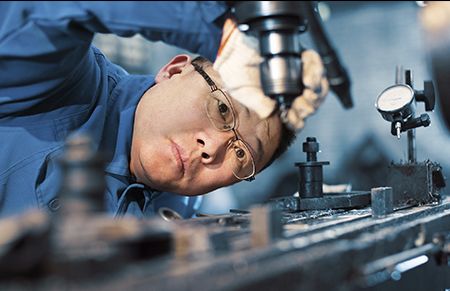
Chất lượng đáng tin cậy
Mỗi máy móc đều phải trải qua các cuộc kiểm tra chất lượng chính xác và nghiêm ngặt.
Bảo hành an tâm
Được hỗ trợ bởi mạng lưới dịch vụ toàn cầu với thời gian phản hồi nhanh chóng.
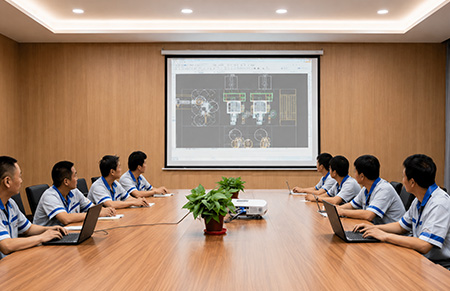
Hỗ trợ chuyên nghiệp
Các đội ngũ kỹ thuật giàu kinh nghiệm cung cấp dịch vụ hỗ trợ trọn gói.

Thanh toán an toàn
Mã hóa nhiều lớp đảm bảo các giao dịch an toàn và minh bạch.
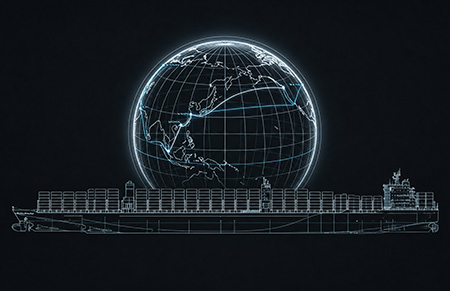
Logistics toàn cầu
Dịch vụ vận chuyển quốc tế hiệu quả đảm bảo hàng hóa được giao đúng hẹn đến bất kỳ địa điểm nào.
Bắt đầu dự án sử dụng viên nén của bạn
Sản xuất viên nén là một quy trình có hệ thống. Hãy cung cấp thông tin về nguyên liệu thô và nhu cầu về công suất của quý khách, và chúng tôi sẽ thiết kế một giải pháp tùy chỉnh kèm theo sự tư vấn chuyên nghiệp để phục vụ cho sản xuất thương mại.

Địa chỉ: Phía nam ngã tư đường Xingda và đường Hongyuan, Wuzhi, thành phố Jiaozuo, tỉnh Hà Nam, Trung Quốc

Điện thoại/WhatsApp: +86 136 0866 8310

Email: enquiry@richimachinery.com



© Công ty TNHH Máy móc HENAN RICHI 1995-2026 Danh mục sản phẩm / Chính sách bảo mật
Liên hệ với chúng tôi
Vui lòng gửi yêu cầu của quý vị, các chuyên gia tư vấn của RICHI sẽ liên hệ lại với quý vị trong thời gian sớm nhất.

