

業務用魚用飼料製造機および生産ライン
単体の魚用飼料製造機から完全な生産ラインに至るまで、RICHIは水産飼料生産におけるさらなる可能性の開拓をお手伝いします。.
お客様の原材料、飼料の種類、生産能力に基づき、最適な魚用飼料製造機、押出装置、および生産ラインのトータルソリューションをご提供いたします。浮上性魚用飼料や沈降性魚用飼料からエビ用飼料に至るまで、当社のソリューションはお客様の製品要件に合わせて設計されており、安定的かつ効率的な生産の実現を支援します。.
水生生物種別の飼料製造機
水生動物によって摂食習慣は異なり、それに応じて餌の粒子径や沈降・浮遊特性も異なる。, 、また加工技術も異なります。当社はご要望に応じてカスタマイズを行い、魚種に合わせて調整することで、給餌設備が養殖に役立ち、養殖をより現実に即したものにするよう努めています。.
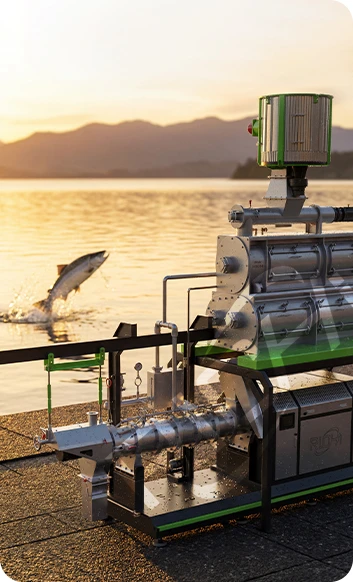
魚の飼料機械
オプション容量:
0.5 ~ 20+ T/H
適した種:
ナマズ、ティラピア、ウナギ、サーモン…
この設備は、養殖のあらゆる段階に対応しています。1つのシステムで、浮遊性、緩沈性、沈降性の飼料を柔軟に生産できます。各成長段階の給餌ニーズに合わせて設定を調整できます。.
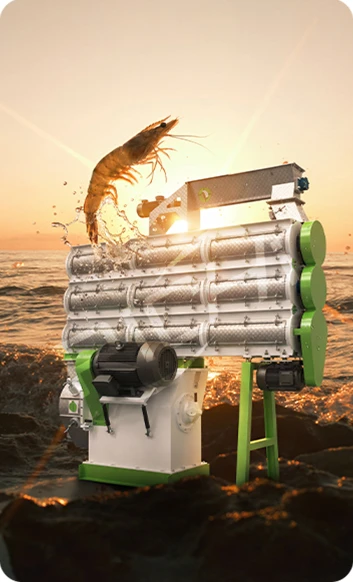
オプション容量:
1~40 T/H
オプション容量:
リトペナエウス・ヴァンナメイ、ザリガニ、オオ淡水エビ……(代表的な種には以下が含まれる)
この製品は、断面がきれいでサイズが均一なエビ用飼料を製造します。水に浸すと適度に柔らかくなりますが、形は崩れず、エビがしっかりと掴んで食べるのに十分な時間を確保できます。.
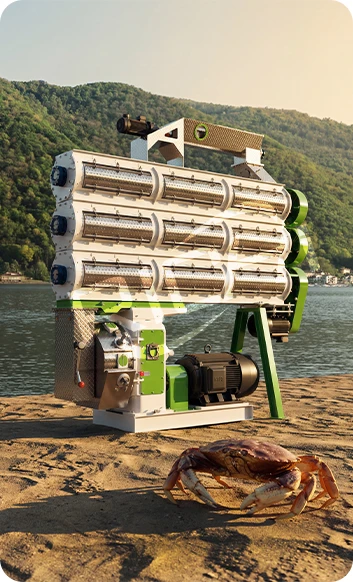
オプション容量:
1~40 T/H
オプション容量:
川ガニ、泳ぎガニ、泥ガニ……
この機械で製造されたカニ用エサは、高密度で沈下速度が速いのが特徴です。素早く底に到達し、水槽の底で形を保ったまま残り、カニのゆっくりとした摂食習慣にぴったり合っています。.
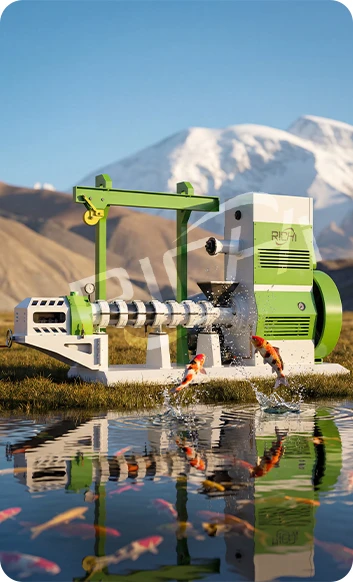
オプション容量:
0.5 ~ 20+ T/H
オプション容量:
鯉、金魚、熱帯魚……
低温押出成形により、栄養素をしっかりと閉じ込め、色あせや粉塵の発生を防ぎます。サイズや浮力の特性を自由に調整できるため、この飼料は栄養価が高く、水槽内でも視覚的に魅力的な仕上がりとなっています。.
加工技術による魚用飼料製造機
さまざまな水産養殖のニーズに対応するため、当社はドライ式押出、ウェット式押出、二軸スクリュー押出、リングダイペレット化など、多彩な技術を提供しています。お客様の飼料仕様や予算に合わせて、最適な設備の選定をお手伝いいたします。.
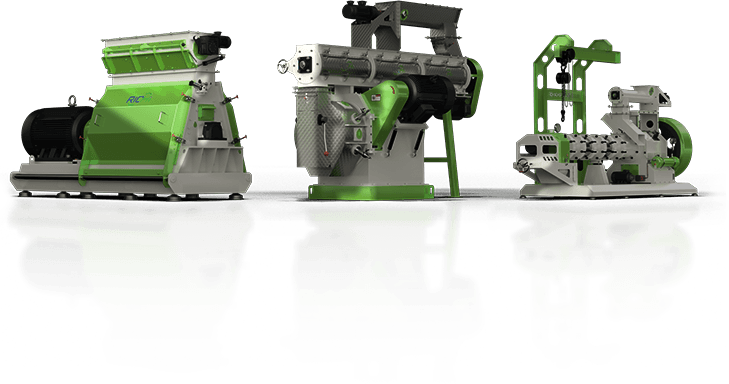
乾式押出機 機械
ボイラーは不要です。電気式押出成形を採用しているため、導入コストが低く抑えられ、スタートアップ企業や小規模な水産飼料生産に最適です。.
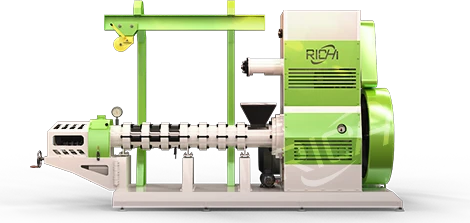
オプション容量
0.3~20+ T/H
ねじタイプ
単軸スクリュー
用途: 魚、エビ、ペットフード用のペレットを製造するために設計されています。.
湿式押出機
材料を完全に糊化させるためのコンディショニングシステムを内蔵しています。ドライタイプと比較して、ペレットの均一性が向上し、安定した浮遊性能を発揮します。.
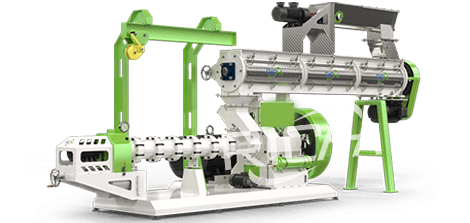
オプション容量
0.5~20+ T/H
ねじタイプ
単軸スクリュー
用途: 魚、エビの飼料、およびペットフードのペレット製造用に設計されています。.
二軸式魚用飼料押出機
強力な剪断力と精密な温度制御を備え、幅広い素材に対応しています。高タンパク質、高油脂、高繊維の配合でも、安定した成形結果を実現します。.
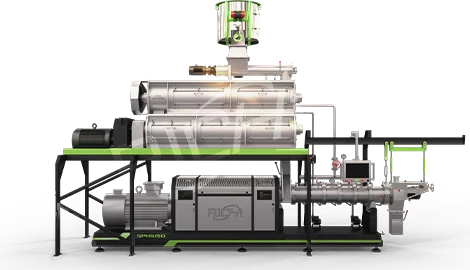
オプション容量
0.5~20+ T/H
ねじタイプ
ツインスクリュー
用途: エビ・魚用ペレット飼料、ペットフード用ペレットの製造
魚の餌機械
沈下性の硬質ペレットの製造に特化しており、押出成形は不要です。シンプルな設計、高い生産能力、そして低いランニングコストを兼ね備えており、グラスカールやコイなどの魚向け標準的な沈下性飼料の大規模生産に最適です。.
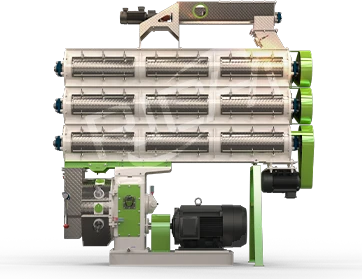
オプション容量
1~40 T/H
機械の種類
リングダイ式ペレットミル
用途: 沈下性ペレット飼料の製造;家畜・家禽・牛・豚用飼料
飼料の種類別・魚用給餌設備
餌が浮くか沈むかは、単にその質感だけでなく、与え方、魚の摂食効率、そして総コストにも直接影響を及ぼします。.
当社は、飼料の種類ごとに最適な魚用飼料製造設備を提供し、飼料の形状がお客様の養殖目標に完璧に合致するよう保証いたします。.
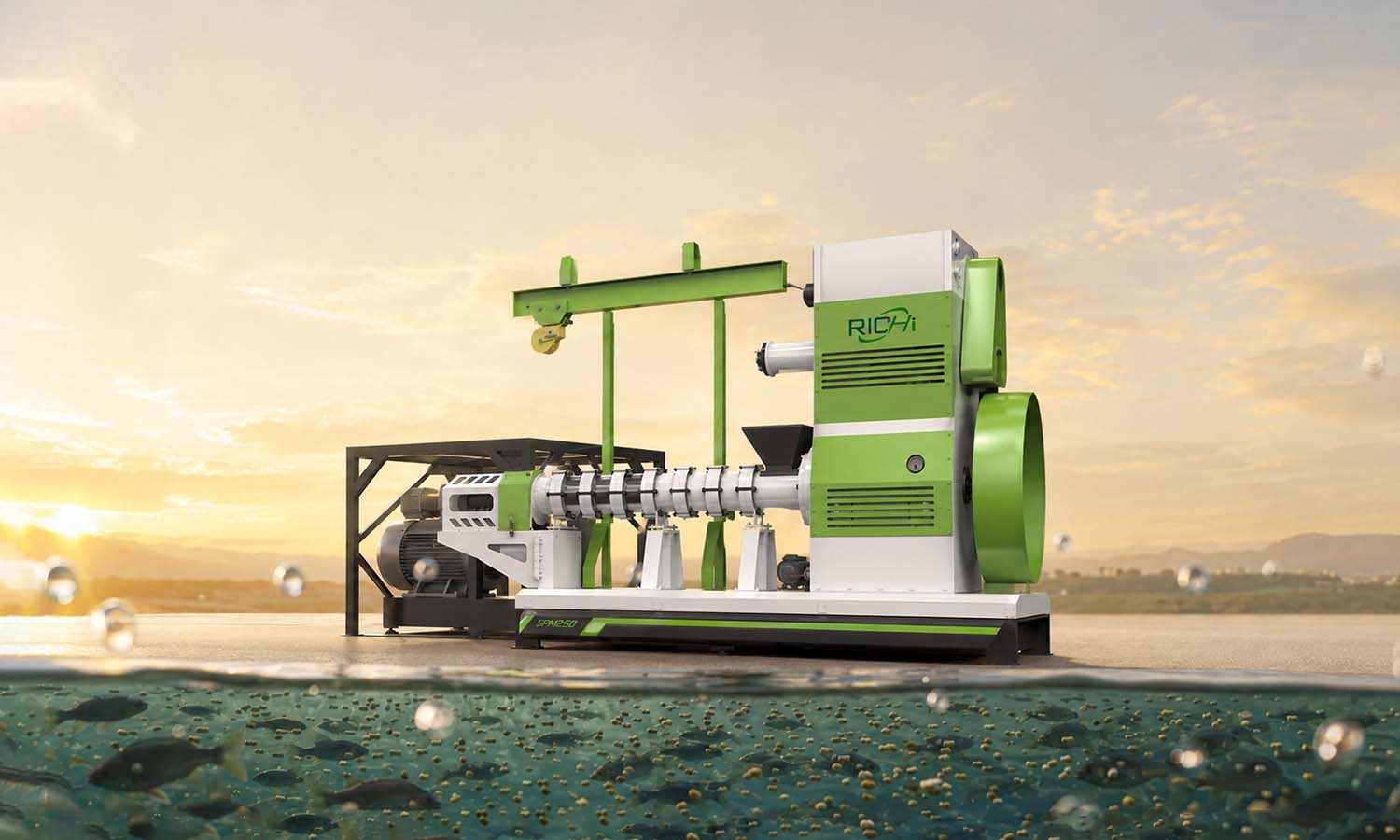
オプションの選択肢:
乾式・湿式エクストルーダー、二軸スクリューエクストルーダー
出力:
0.5~20+ T/H
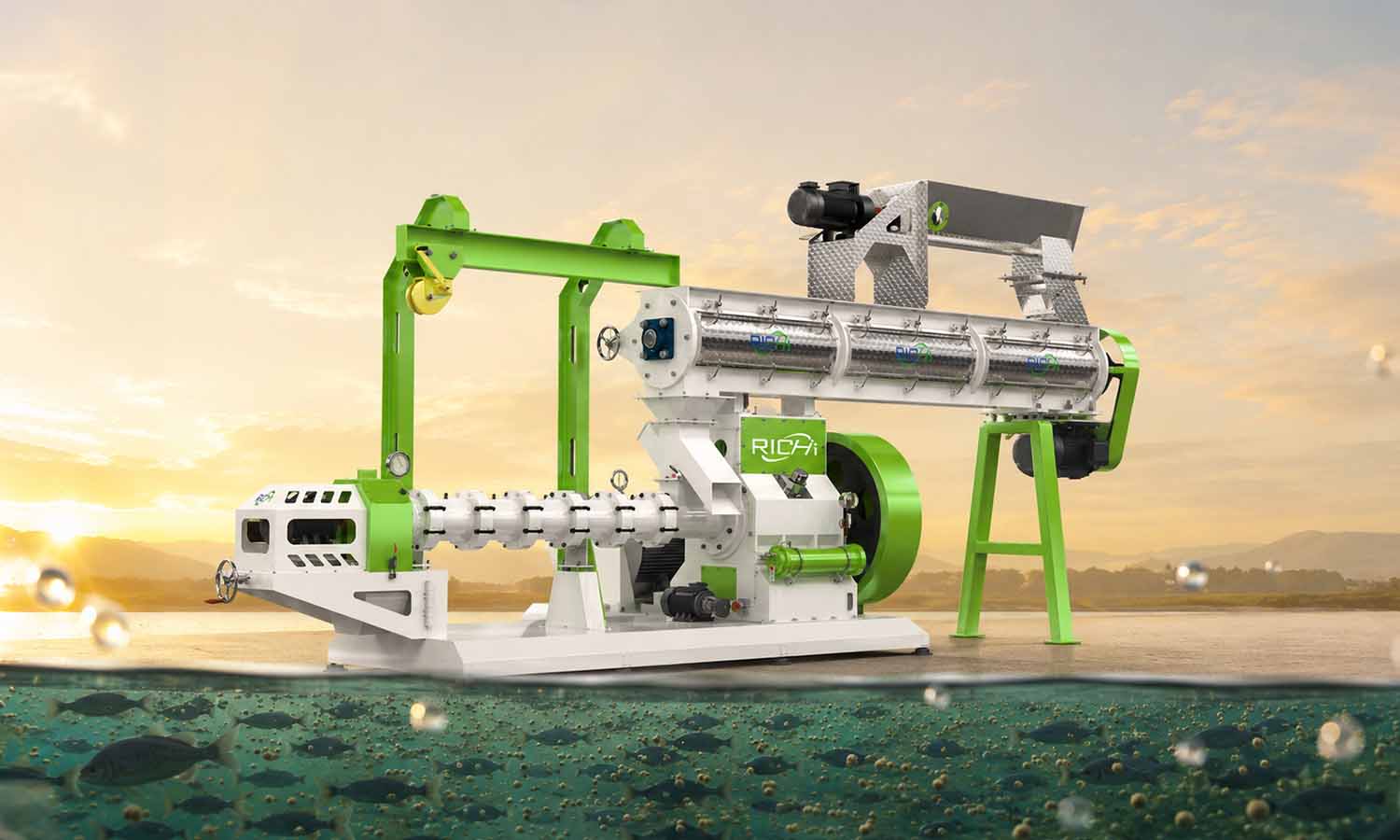
オプションの選択肢:
乾式・湿式エクストルーダー、二軸スクリューエクストルーダー、魚用飼料ペレット製造機
出力:
0.5~20+ T/H
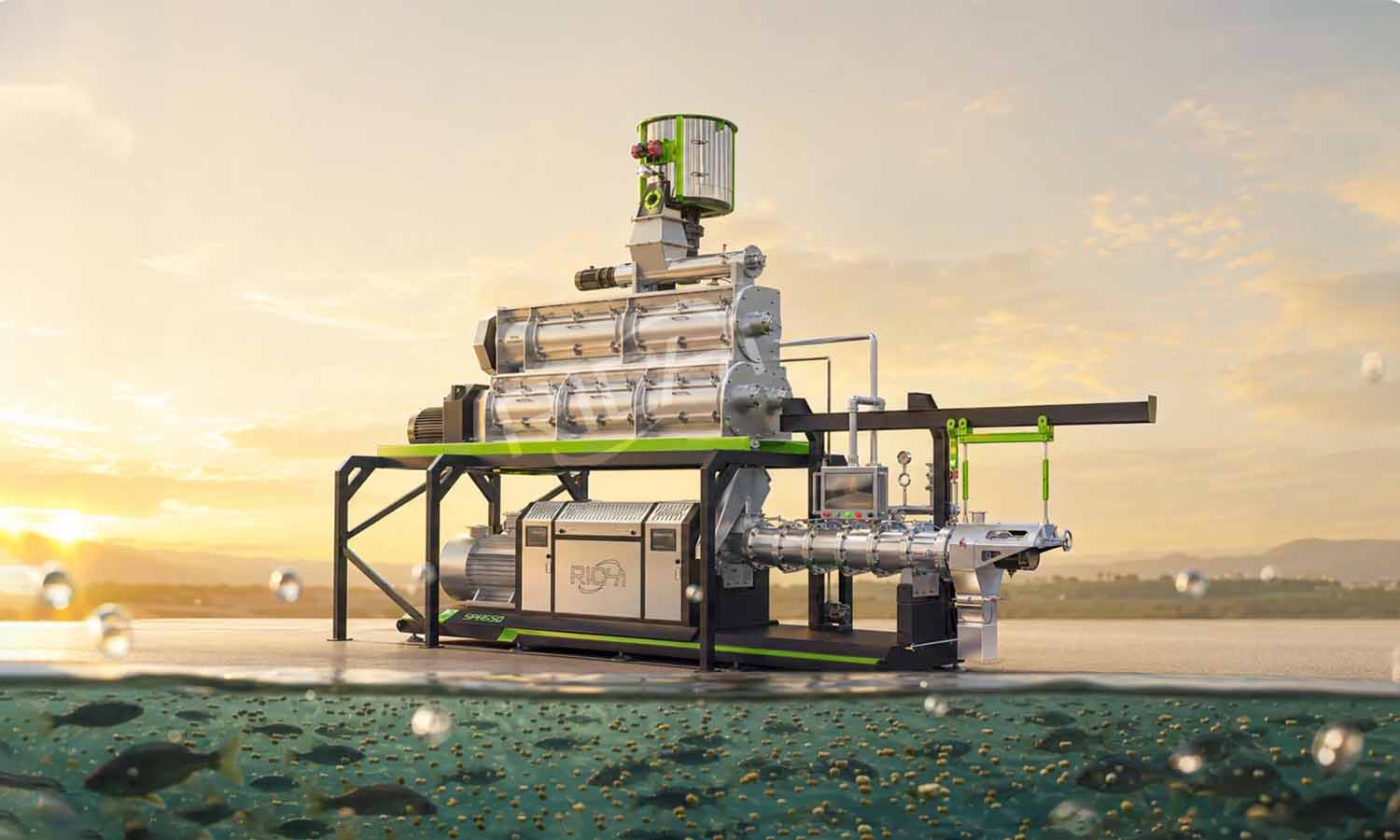
オプションの選択肢:
乾式・湿式エクストルーダー、二軸スクリューエクストルーダー
出力:
0.5~20 +T/H
魚用飼料の製造工程全体
水生生物の種類、加工技術、飼料の浮力の3つの選定基準に基づき、まず、さまざまな用途のニーズに応じて、適切な製造工程(ペレット化や押出成形など)および主要な運転パラメータを決定する。.
これに基づき、原料の取り扱い、計量・混合、成形、後処理といった各工程セクションの設備組み合わせを最適化することで、魚用飼料生産ライン全体にわたって、連続的かつ標準化されたプロセス構造を構築しています。.
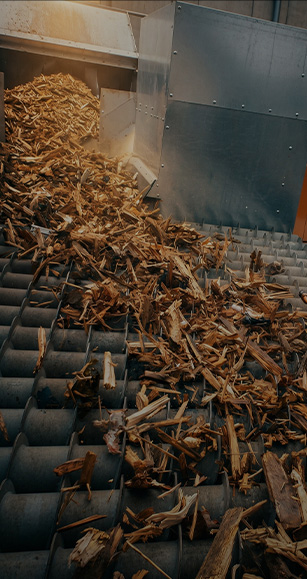
01
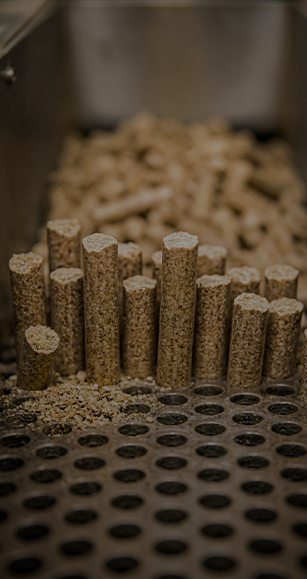
原料加工
魚粉、大豆粕、トウモロコシ、小麦などの一般的な水生飼料原料は、製造前に洗浄、粉砕、選別を経て、不純物を除去し、粒子径を均一化します。.
その後、栄養配合に基づき、自動または半自動による計量・混合が行われます。これにより、原材料が正確な比率で均一に混合され、タンパク質、エネルギー、および微量元素の最適な配分が実現されます。.
02
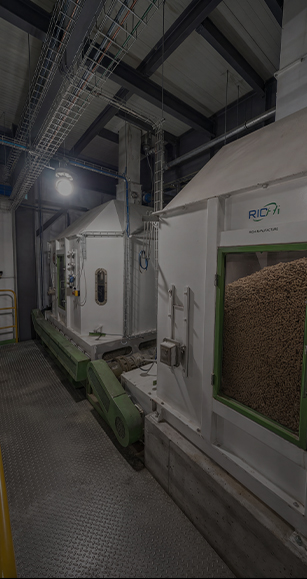
押出・ペレット化
混合された材料は、リングダイペレット化システムまたは押出成形システムのいずれかに入り、そこで高圧・高温下で連続的に成形されます。.
プロセスパラメータを調整することで、ペレットの密度や構造を精密に制御することができます。これにより、さまざまな養殖ニーズに合わせた、沈下性または浮上性の魚用飼料を製造することが可能になります。.
03
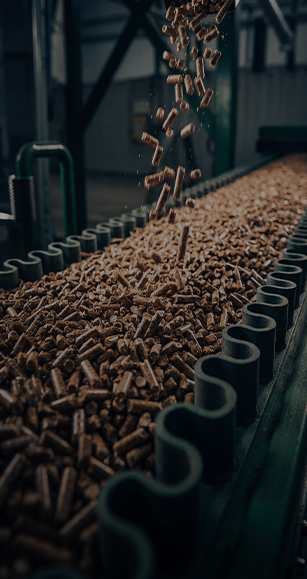
飼料の最終加工
成形されたばかりの飼料ペレットは、冷却システムを通じて急速に冷却された後、ふるい分けと選別が行われ、微粉末や破砕粒子が取り除かれます。.
認定を受けたペレットは、硬度と構造が安定しており、保管、輸送、およびさまざまな給餌環境における要件を確実に満たしています。.
04
補助システム
このセクションには、空気輸送システム、集塵システム、液体噴霧システム、および自動包装システムが含まれます。.
空気圧システムにより各セクション間の連続的な材料搬送が行われ、集塵装置によって生産環境が管理され、液体噴霧により油分や栄養分の添加が行われ、包装工程で最終製品の梱包が完了します。.
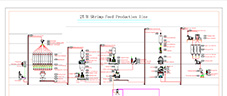
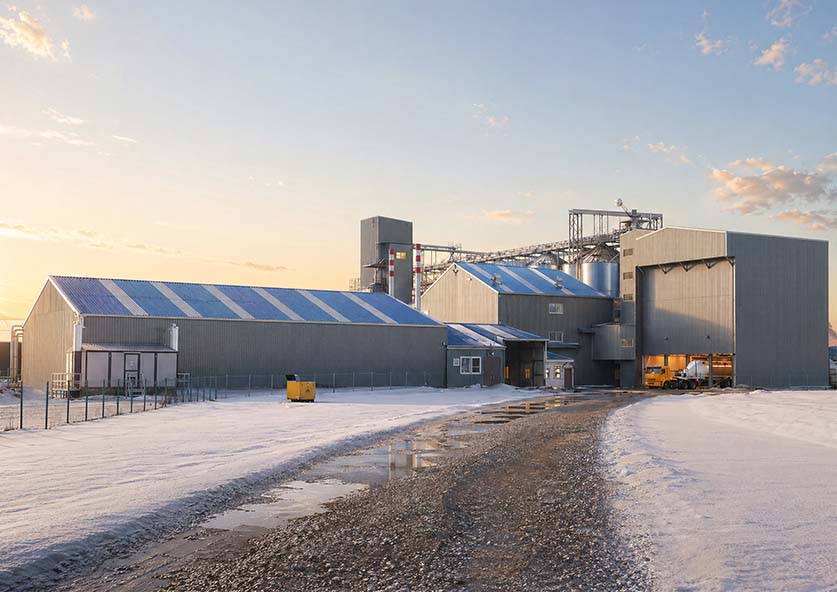
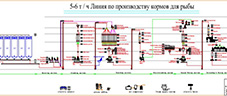
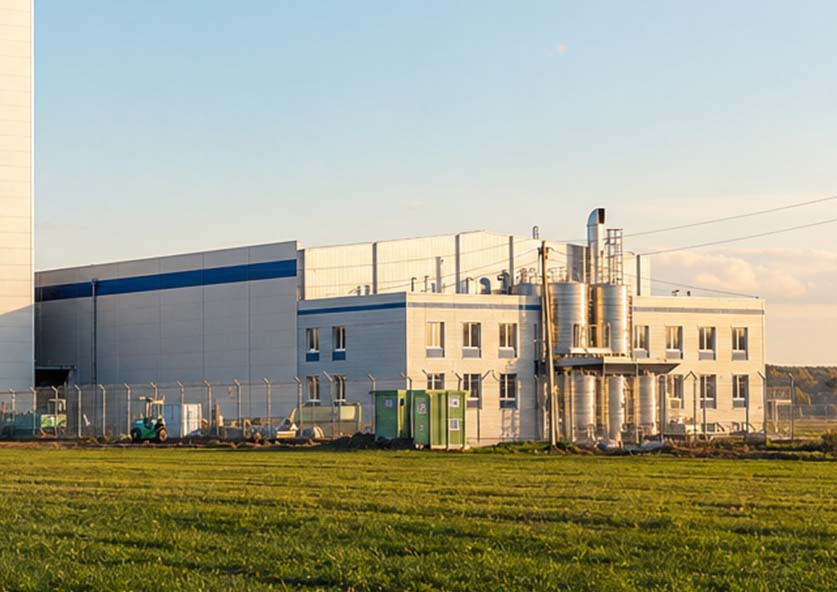
RICHI カスタム水生飼料生産ライン
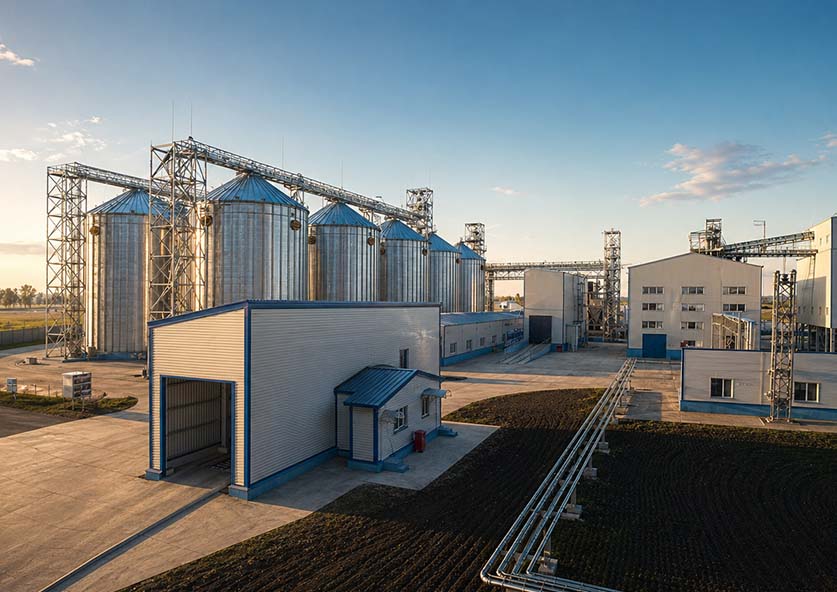
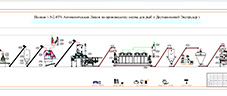
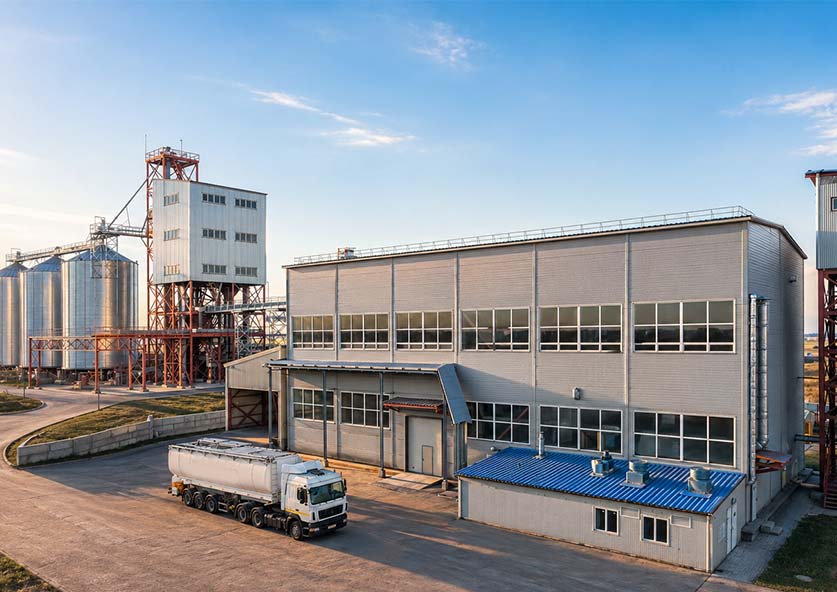
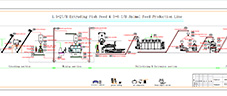
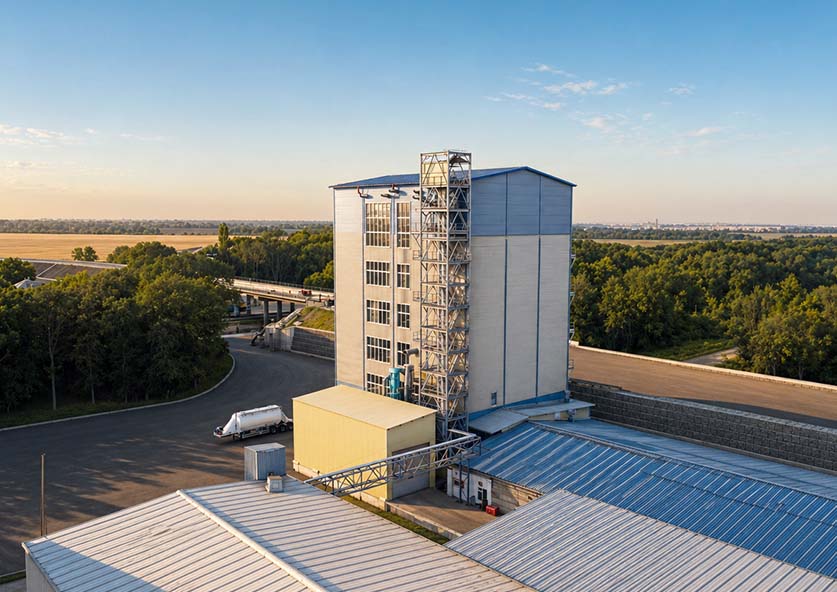
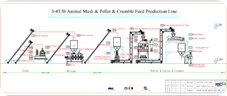
RICHIは、魚・エビ用飼料プロジェクト向けに、ニーズに合わせた生産ラインソリューションを提供しています。当社は、多様な製品構成や生産能力のニーズに対応したシステムを設計し、大規模生産やカスタマイズされた工程を支援します。.
当社のシステムは、ペレット化と押出成形という2つの主要プロセスをサポートしています。これにより、ペレットの特性、水中の安定性、および給餌要件に応じて柔軟にプロセスを選択することができ、沈下性飼料と浮上性飼料の両方を連続的に生産することが可能になります。.
水生飼料の生産に関するよくある質問
エビ、カニ、魚用飼料の生産における主要なプロセスや重要な留意事項について、よくある質問に対する専門家の回答をご覧ください。.
1. 飼料ペレット製造機と飼料押出機の違いは何ですか?
主な違いは成形方法にあります。.
2. 魚の飼料生産には、飼料ペレット製造機とエクストルーダーのどちらが適していますか?
草魚やコイといった在来種の場合、沈下性飼料が依然として大きな市場シェアを占めています。そのため、設備投資や生産コストを削減するために、ペレット製造機を採用しているプロジェクトも依然として存在します。.
しかし、集約型養殖の発展に伴い、養殖企業は飼料の利用効率、管理効率、水質管理にますます注力するようになっています。浮遊性および徐沈性の飼料に対する需要が高まっており、新たな魚用飼料プロジェクトにおいては、押出成形プロセスが重要な選択肢となっています。.
より多くの魚種に対応し、さまざまな養殖形態に適応させたい場合、エクストルーダーは通常、製品開発においてより高い柔軟性を提供します。.
3. なぜ押出機は浮遊飼料を製造できるのですか?
その鍵は、特殊な高温・高圧処理にある。.
押出機内部では、原料が高温・高圧および強いせん断力にさらされ、デンプンが完全に糊化します。原料がダイから排出されると、圧力が瞬時に低下し、内部の水分が蒸発して膨張します。これにより、ペレット内部に多数の均一な微細孔が形成されます。.
これらの微細な気孔により、ペレットの全体的な密度が低下し、飼料が水面に浮くようになります。.
配合、温度、圧力、および工程パラメータを調整することで、押出機はゆっくりと沈む製品や沈む製品も製造することができ、現代の水産飼料生産において高い柔軟性を発揮します。.
4. 水生飼料用押出機とペレットミルは、互いに代用可能ですか?
生産面では多少の重複はあるものの、一般的に、互いを完全に代替することはできない。.
通常の沈下性魚用飼料であれば、どちらの機械でも製造が可能です。しかし、浮上性飼料、高度に加熱調理された飼料、あるいは特殊な機能性製品の場合、ペレット化工程では、押出成形と同等の結果が得られないことがよくあります。.
一方、押出機では沈降性製品を製造することは可能ですが、設備投資や運転コストは、一般的に従来のペレットミルよりも高くなります。.
したがって、これらは単なる代替品ではなく、それぞれの製品のポジショニングや市場の需要に適した、異なる生産ソリューションである。.
5. 適切な魚用飼料製造設備はどのように選べばよいですか?
選ぶ前に、次の3つの質問を自分に問いかけてみてください:
• どのような製品を生産する予定ですか?
通常の沈下性魚用飼料、浮上性魚用飼料、それともエビ用や特殊水生生物用飼料でしょうか?製品によって必要な加工技術が異なり、それが生産ラインの方向性を決定づけます。.
• 今後、製品ラインナップを拡充する予定はありますか?
多くのプロジェクトは、ある種類の供給から始まりますが、市場の変化に応じて新しいカテゴリーが追加されていきます。設備に拡張性が欠けていると、後で再投資が必要になる可能性があります。.
• このプロジェクトは、どのくらいの期間運営する予定ですか?
単に現在のニーズを満たすことが目的であれば、現時点の状況に合わせて機器を設定すればよい。一方、アップグレードの余地を残した長期的な運用を目指すのであれば、初期段階から将来の製品アップグレードや市場の変化を見据えておく必要がある。.
一般的に、最適な設備とは、最も安価なものではなく、現在の生産ニーズを満たしつつ、将来の発展にも対応できるものです。.
6. 浮遊性魚用飼料と沈降性魚用飼料の製造技術にはどのような違いがありますか?
その違いは主に成形工程にあります。.
沈下性の魚用飼料を製造する場合、通常はペレット化工程を用います。ペレットは密度が高く、水中で自然に沈みます。.
浮遊性の魚用飼料を製造する場合、通常は押出成形法が用いられます。高温・高圧によって内部に微細な気孔構造が形成され、これによりペレットが水面に浮くようになります。.
養殖業者にとって、浮上性の飼料は給餌の様子を観察しやすく、無駄を減らすことができます。一方、沈降性の飼料は底生魚に適しています。.
したがって、生産ラインを計画する際には、具体的な設備の機種よりも、対象製品が浮遊型か沈降型かを判断することがより重要です。.
7. 魚用飼料製造機では、どのような原材料を処理できますか?
ほとんどの魚用給餌機は、一般的な水生動物用飼料の配合原料に対応しています。.
例としては、トウモロコシ、大豆粕、魚粉、小麦、米ぬか、小麦ふすまなどが挙げられます。プロジェクトによっては、配合要件に応じて、肉骨粉、エビ粉、菜種粕、その他のタンパク質源を添加する場合もあります。.
処理が可能かどうかよりも重要なのは、原料の配合比率、水分含有量、および粉砕の細かさが、製造工程の要件を満たしているかどうかです。同じ機械であっても、原料の配合が異なれば、製造されるペレットの品質も異なります。.
主な原材料の調達先が決まっている場合は、設備選定の際に配合情報を提供することで、より適切な生産ソリューションを得ることができます。.
8. 魚用飼料製造機は、どのようにしてペレットの品質を安定させているのでしょうか?
多くのお客様は、ペレットの品質は機械次第だと考えていますが、機械はあくまでその一要素に過ぎません。.
安定した魚用ペレット飼料を製造するには、まず原材料の配合比率を一定に保つ必要があります。次に、粉砕、混合、ペレット化または押出成形といった主要な工程を適切に管理する必要があります。最後に、設備が長期にわたり安定した稼働を維持できることが求められます。.
高度に自動化された生産ラインでは、ほとんどのプロセスパラメータを自動的に制御できるため、人的操作に起因する変動を低減することができます。.
端的に言えば、安定した配合、安定した製造工程、そして安定した設備は、いずれも不可欠です。システム全体が相乗効果を発揮して初めて、品質が均一な魚用飼料を一貫して生産することができるのです。.

リチ・マシナリー世界のペレット生産を支える
ペレット技術と産業工学のパイオニアとして、30年以上にわたる研究開発の専門知識とグローバルな経験を活かしています。.
飼料、バイオマス、特殊産業の効率性、インテリジェンス、持続可能性を高めるため、設計、製造、システム統合を最適化します。.
私たちの専門家チームは、国際基準を満たし、生産性と長期的成長のための戦略的目標に沿ったエンド・ツー・エンドのペレット生産ソリューションを提供します。.
60000 +m2
工場面積
2000 +
世界中で進行中のプロジェクト
140 +
クライアントの国
200 +
チームの人数
グローバルな専門知識と卓越したシステム
先進的なペレット製造システムは、堅牢性と将来性を兼ね備えており、技術統合と革新によって業界のベンチマークを確立しています。.
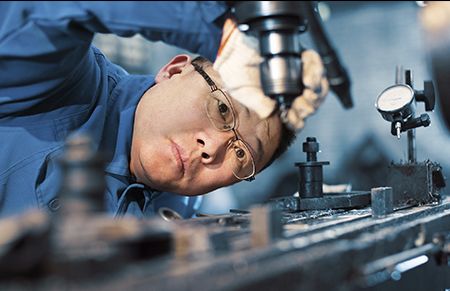
信頼できる品質
すべての機械は精密で厳格な品質検査を受けている。.
安心の保証
グローバルなサービスネットワークによる迅速な対応。.
プロフェッショナル・サポート
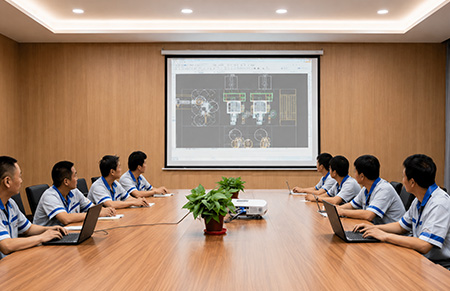
経験豊富な技術チームがフルサイクルのサポートを提供します。.

安全な支払い
多層暗号化により、安全で透明性の高い取引が保証されます。.
グローバル・ロジスティクス
世界中への効率的な配送により、どの地域にもタイムリーにお届けします。.
ペレットプロジェクトの開始
ペレットの製造は体系的なプロセスです。原材料と必要な生産能力をお知らせいただければ、商業生産に向けた専門的な指導とともに、お客様に合わせたソリューションをご提案いたします。.

住所:中国河南省焦作市武芝、興達路と紅園路の交差点の南側

電話/WhatsApp:+86 136 0866 8310

Eメール:enquiry@richimachinery.com



© HENAN RICHI MACHINERY CO., LTD 1995-2026 製品ラインナップ / プライバシーポリシー
お問い合わせ
ご要望をお送りください。リチのコンサルタントが迅速にお返事いたします。.

