

EFB Pellet Machine for Palm Waste Recycling
RICHI EFB pellet machine processes palm empty fruit bunches, palm fiber, and other palm waste into high-density biomass fuel pellets. It helps palm oil mills turn by-products into valuable resources. The equipment fits EFB pellet production projects of different scales. We provide standalone machines and complete EFB pellet production line solutions based on your raw materials and output needs.
With over 30 years of experience in pellet equipment manufacturing, RICHI has mature biomass pelleting technology and extensive project expertise. We offer stable and reliable industrial-grade pellet production equipment to our clients.
EFB Pellet Machine: For Industrial Biomass Fuel Pellet Production
As the palm oil industry grows, more companies are focusing on recycling by-products like EFB. Palm empty fruit bunches are originally loose and take up a lot of space. After pelleting, they turn into biomass fuel pellets that are easy to store and transport, greatly increasing their value.
EFB pellet production demands high continuous operation and stability from the equipment. The RICHI EFB pellet mill has a minimum capacity of 300 kg/h. It features an industrial-grade design and can be flexibly configured based on project scale and capacity needs.
Since this equipment is for commercial production, it must meet long-term operation requirements. Its investment and supporting needs also differ from ordinary pellet machines. Therefore, this equipment is not designed for personal small-scale processing, home use, or occasional EFB handling. For clients with stable raw material sources and clear production plans—such as palm oil mills and biomass fuel companies—industrial-grade EFB pellet equipment offers more reliable production support.
EFB pellet machine is not an ordinary pellet making machine:
Ring Die Pellet Mill Structure & Engineering Design
From the overall structure to the core components, RICHI ring die pellet machines are designed for industrial continuous production. The equipment features a reliable transmission system and precisely machined ring dies and roller assemblies. We also optimize the machine for different production environments. This reduces failures and maintenance during operation, meeting the demands of long-term continuous production.
1. Système d'alimentation
2. Chambre de granulation
3. Drive & Transmission System
4. Lubrication System
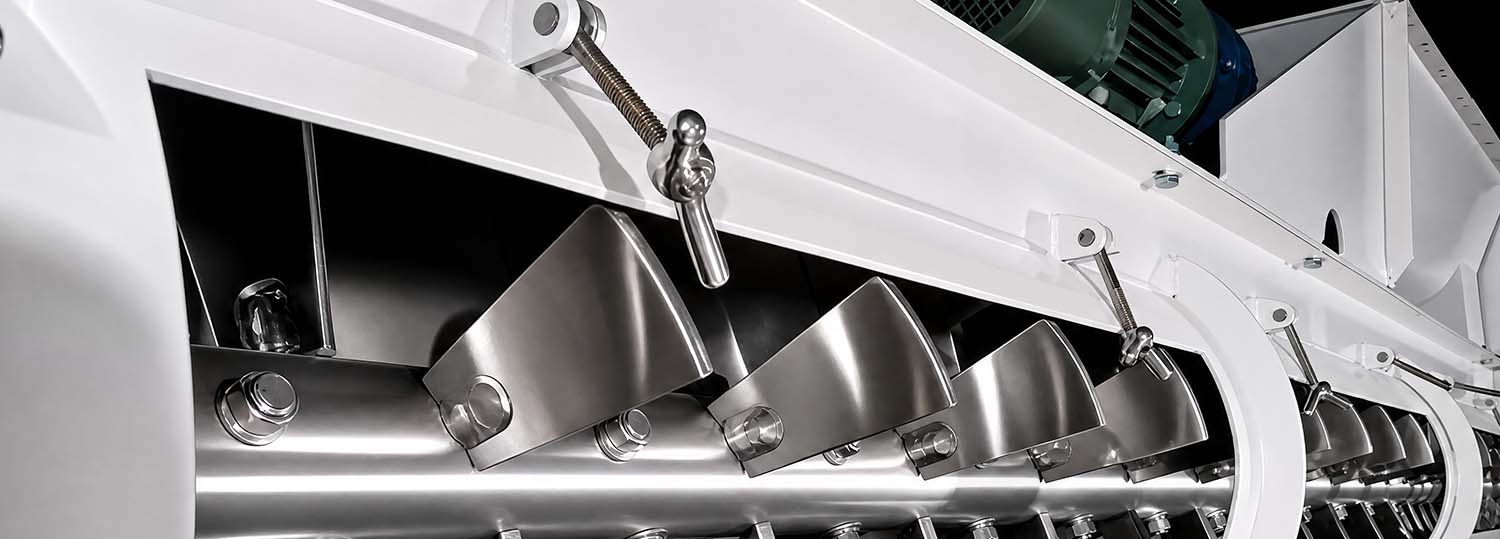
1. Système d'alimentation
Delivers raw materials evenly and continuously to the pelleting area.
Uses variable frequency control and forced feeding to adjust feed speed for different materials. For materials with varying moisture and fiber content, stable feeding reduces blockages and interruptions, ensuring a smooth pelleting process.
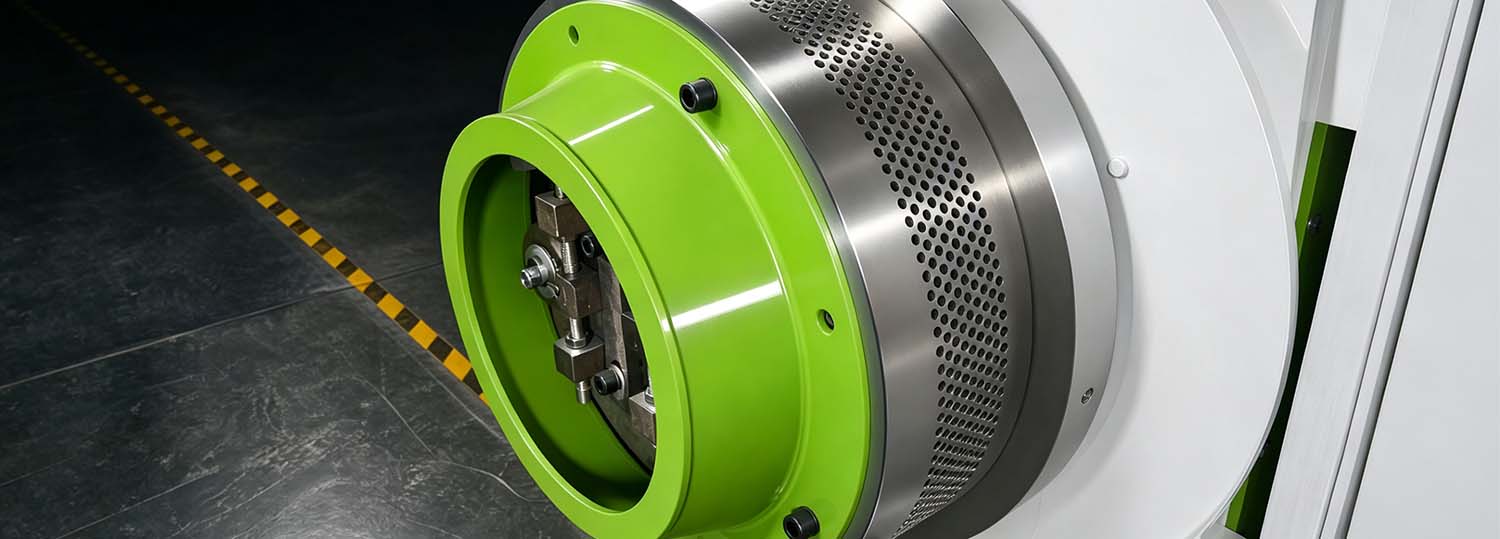
2. Chambre de granulation
Comprises core components like the ring die and rollers, and is the area where raw materials are compressed and formed.
By matching the right ring die specifications and compression ratio, the machine produces uniform pellets with stable density, while reducing abnormalities during pelleting.
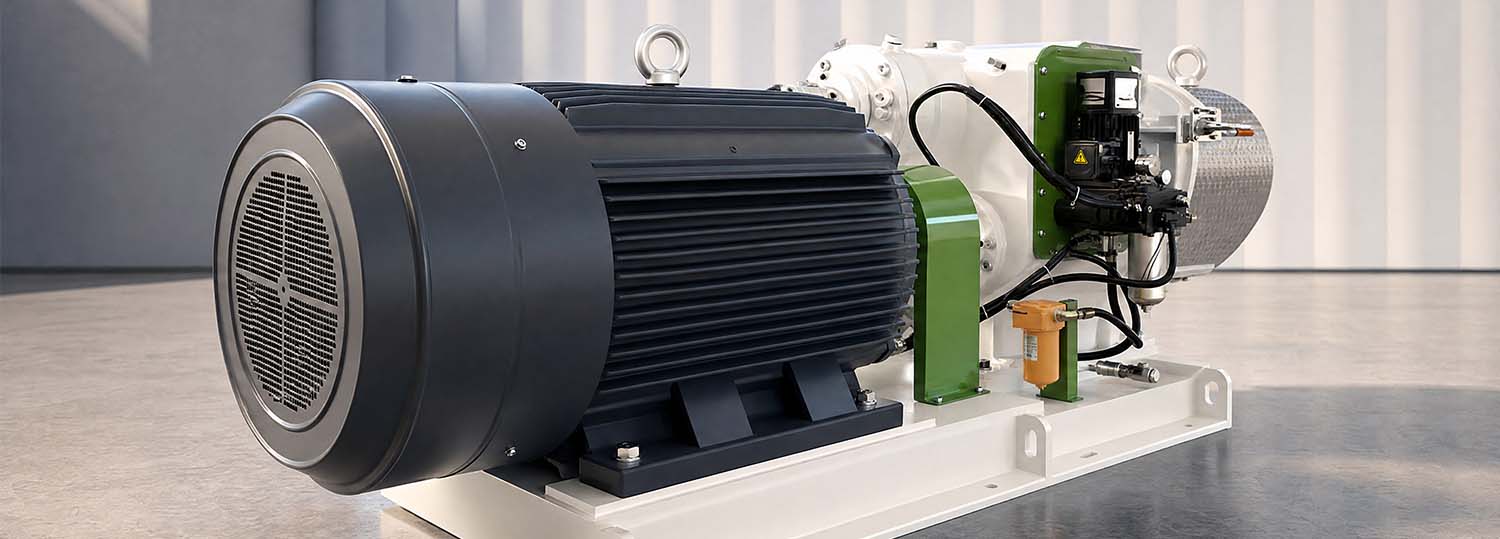
3. Drive & Transmission System
Efficiently transfers motor power to the pelleting mechanism, providing stable power for continuous operation.
The optimized transmission structure improves energy efficiency, reduces power loss, and maintains stable, reliable performance under high-load conditions.
4. Lubrication System
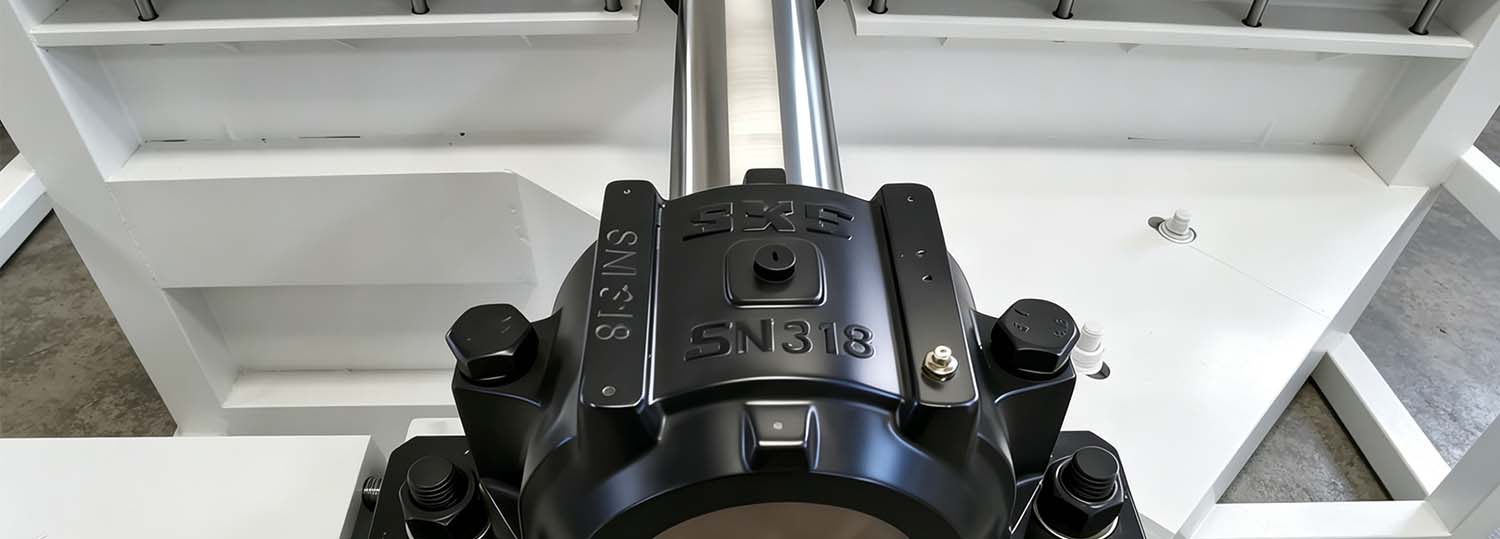
Provides continuous lubrication for key components like bearings and rollers, reducing friction and wear.
The automated lubrication design ensures on-demand lubricant supply, cutting maintenance work. It also extends the life of critical parts and improves equipment reliability.
Empty Fruit Bunches Pellet Mill Models & Technical Parameters
EFB pellet production projects of different scales vary in equipment capacity, power configuration, and processing requirements. RICHI offers multiple models of oil palm empty fruit bunch pellet machines. Select the right equipment specifications based on raw material supply, planned output, and production environment.
By reviewing the equipment model, capacity, motor power, and pellet size range, you can clearly understand the processing capabilities of different models, providing a reference for equipment selection.
| Modèle | Capacité (t/h) | Moteur principal Puissance (kw) | Puissance de l'alimentateur anti-arrachement (kW) | Force Puissance de l'alimentateur (kW) | Diamètre intérieur de l'anneau (mm) | Diamètre des granulés (mm) |
|---|---|---|---|---|---|---|
| CZLH320 | 0.5-1 | 22 | 2.2 | 0.75 | 320 | 4-12 |
| CZLH350 | 1-2 | 37 | 2.2 | 0.75 | 350 | |
| CZLH420 | 2-4 | 90 | 3 | 1.5 | 420 | |
| CZLH520 | 4-8 | 132 | 3 | 1.5 | 520 | |
| CZLH678 | 8-15 | 200 | 3 | 1.5 | 673 | |
| CZLH768 | 15-20 | 250 | 4 | 1.5 | 762 |
What Raw Materials Can RICHI EFB Pellet Mill Process?
Different biomass raw materials vary in fiber content, moisture content, and storage condition, requiring different processing methods for pelleting. The RICHI EFB pellet machine applies to pre-treated palm empty fruit bunches (EFB) and various fiber-based biomass materials. It converts palm processing and agricultural waste into usable biomass pellets. The following lists the common applicable raw materials.
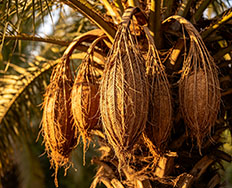
Palm Empty Fruit Bunch
A primary fibrous waste from palm fruit processing, rich in plant fiber. Due to its bulky texture and high moisture content, it usually requires pre-treatment like crushing and drying before pelleting. It can be processed into biomass fuel pellets.
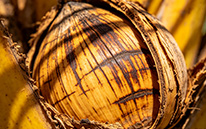
Palm Kernel Shell (PKS)

Palm Leaf

Coconut Shell
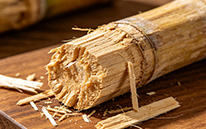
Bagasse
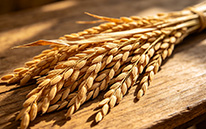
Écorce de riz
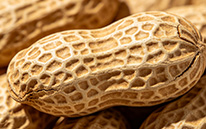
Peanut Shell
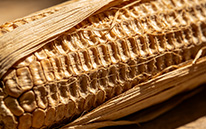
Corn Cob
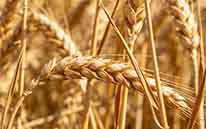
Paille de blé
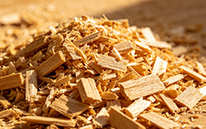
Sciure
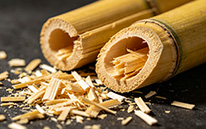
Bamboo Dust
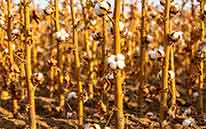
Tige de coton
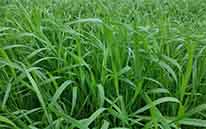
L'herbe
After pelleting, these fiber-based biomass materials turn into denser, more uniform pellets.
Compared to their original loose state, the pellets are easier to store and transport. They are also more convenient to use in biomass fuel equipment, serving fuel applications such as industrial boilers.
Working Principle of the EFB Pellet Mill Machine
This equipment uses mechanical extrusion to process pre-treated palm empty fruit bunch (EFB) fiber into uniform pellets. The entire pelleting process requires adjusting processing conditions based on the fiber characteristics of EFB. This transforms the originally bulky and hard-to-transport palm waste into usable biomass fuel.
1.
Pre-processing EFB material enters the pellet machine
EFB fiber material, after crushing and drying, enters the pelleting chamber via a variable-frequency feeder. The uniform feeding method ensures the material continuously enters the working area between the ring die and the roller.
2.
The ring die and roller compress the material
Inside the pelleting chamber, the rotating ring die moves the material, and the roller continuously presses the material into the die holes. Under sustained pressure, the originally bulky EFB fiber is compressed. The fibers gradually bind together, forming a dense column of material.
3.
Compressed material is extruded from the die holes
When the pressure reaches a certain level, the compacted material is continuously extruded through the ring die holes. The hole size determines the pellet diameter.
For example, using a 6 mm die hole produces EFB pellets with a diameter of about 6 mm. Different ring dies can be replaced to meet various usage needs. The extruded material then forms continuous biomass strips.
4.
Cutter cuts the strips into pellets
The strips extruded from the ring die are cut by the cutter to form EFB biomass pellets of uniform length. The pellet diameter is determined by the ring die specifications, while the length is controlled by adjusting the cutter position.
For example, 6 mm diameter pellets can be adjusted to different lengths, such as 10 mm, 20 mm, or 30 mm, according to requirements.
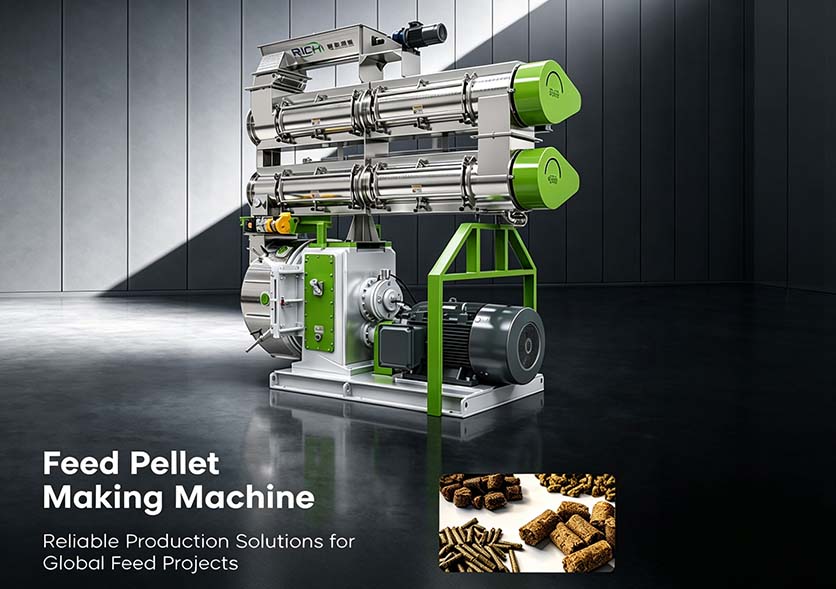

Why Choose RICHI EFB Pellet Mill for Palm Biomass?
From EFB raw material processing to pellet production, the RICHI EFB pellet machine fully addresses the key needs of palm biomass processing. We provide customers with a complete solution covering equipment selection, process design, and production application—not just a standardized pellet machine.
• Optimized Design for High-Fiber EFB Material
Palm empty fruit bunches (EFB) have a high fiber content and a loose structure. Direct processing often leads to unstable pellet forming results.
By choosing a pellet machine specifically designed for EFB characteristics, you can better process this high-fiber palm waste and turn it into biomass fuel pellets that are easy to store, transport, and use.
• Meet Large-Scale Biomass Production Demands
If you plan to build a commercial EFB pellet production project, equipment capacity and long-term reliability directly impact production efficiency.
The RICHI EFB pellet machine offers capacities from 1 to 40 T/H. You can select the right equipment based on your raw material supply and production goals, meeting the needs of everything from palm processing waste utilization to biomass fuel production projects.
• Comprehensive Consideration of EFB Pre-treatment
EFB cannot simply be fed into a pellet machine for production. Palm empty fruit bunches from different sources vary in moisture, fiber length, and storage condition.
When building a production line, you can configure equipment for crushing, drying, pelleting, cooling, screening, and packaging based on your actual raw material situation. This ensures the entire process better fits your production needs.
• Extensive Biomass Project Experience
With over 30 years of machinery manufacturing experience, RICHI has supplied biomass pellet equipment to customers worldwide.
By choosing an experienced supplier, you gain more support during project planning, equipment selection, and construction.
• Direct Factory Supply with Professional Technical Support
Investing in large-scale pellet equipment requires attention not only to price but also to equipment quality, delivery capability, and after-sales service.
By choosing RICHI, you deal directly with the manufacturing factory and receive: CE-certified equipment, ISO quality system assurance, customized equipment solutions based on project needs, installation and commissioning support, and long-term technical service.
• Efficiently Utilize Palm Waste to Create Extra Value
If your region has abundant palm empty fruit bunches, proper utilization of this waste can reduce storage and disposal pressure while creating new value.
Through EFB pellet production, you can convert palm waste that requires disposal into biomass fuel. Use it for internal consumption, energy projects, or fuel sales, achieving effective resource utilization.
Biomass Fuel Pellet Production System
Depuis la réception des matières premières telles que les bûches, les copeaux de bois et la sciure jusqu'à l'emballage des granulés finis, le système de production de granulés de bois se compose généralement de nombreuses sections.
En fonction de l'état des matières premières, de la capacité visée et des exigences en matière d'automatisation, l'équipement de chaque processus peut être configuré de manière flexible afin d'obtenir une production de granulés stable et continue.(Cliquez pour retourner et voir les détails.)
01.
Broyage
La granularité du broyage est réglable pour s'adapter aux différentes races de volailles et aux différents stades de croissance.
Après le broyage, le matériau est transporté mécaniquement jusqu'à la trémie de dosage, prête à l'emploi.
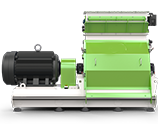
Moulin à marteaux
Broie les matériaux (taille ≤5cm) en poudre ; la taille des mailles du tamis est personnalisable.
Capacité
3-50 T/H
Taille de broyage
0,5 - 20 mm
02.
Séchage
Ajuster le niveau d'humidité en fonction de la teneur en eau initiale des matières premières afin de répondre aux exigences du processus de granulation, améliorant ainsi le taux de formation et la qualité des granulés.
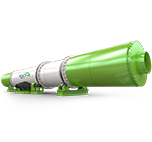
Sécheur rotatif
Sèche l'humidité de la sciure et des copeaux de bois jusqu'au niveau requis ; la vitesse du tambour est réglable en fonction de l'humidité du matériau.
Longueur du séchoir
6-24 m
Vitesse de rotation
3-12 tr/min
03.
Granulation
Former des granulés structurels stables grâce à l'extrusion à haute pression, ce qui permet de standardiser les matières premières et d'utiliser une densité élevée.
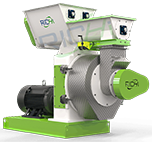
Machine à granuler EFB
Pressage de matières premières ligneuses transformées en granulés de bois de haute densité.
Puissance
22-205 kW
Capacité
0,2-4 T/H
04.
Refroidissement
Réduit la température des nouveaux granulés de bois afin de stabiliser leur structure et d'éviter les déformations et les dommages pendant le stockage et le transport.
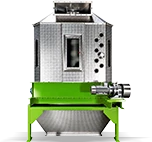
Refroidisseur à contre-courant
Garantit un refroidissement uniforme et une résistance supérieure des granulés.
Temps de refroidissement
6-15 min
Capacité
1-40 T/H
05.
Dépistage
Permet un calibrage précis pour des granulés de taille et d'aspect homogènes. Les matériaux rejetés sont recyclés dans le système.
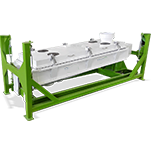
Tamis de triage rotatif
Comprend des tamis multicouches pour une séparation continue de différentes tailles de particules.
Capacité
3-40 T/H
Puissance
1,5-5,5 kW
06.
Emballage
Des balances électroniques permettent un conditionnement sur mesure (sacs de 10 à 50 kg ou à la tonne). Lignes entièrement automatisées avec robots en option. Modes de contrôle : Manuel, semi-automatique ou automatique.
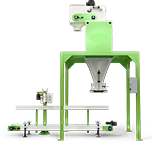
Balance d'emballage entièrement automatique
Matériaux d'emballage, avec options de scellage : scellage à chaud, couture de fil ou scellage hybride.
Vitesse d'emballage
2-8 min/sac
Biomass Pellet Plant Projects
Every biomass pellet project is shaped by raw material characteristics, capacity targets, and process configurations. The following case studies cover wood pellet production projects across different countries, capacities, and raw material types, serving as a reference for equipment selection and solution planning.
Projet d'usine de fabrication de granulés de bois en Indonésie
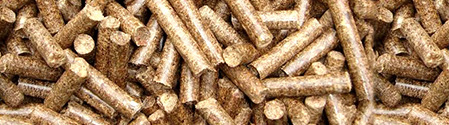
Région : Asie, Indonésie
Matières premières : Grumes et copeaux de bois, déchets de fabrication de meubles et sciure de bois
Sortie : 1-2 T/H
Applications des granulés : Chauffage industriel domestique et à l'exportation
Principaux éléments : Coupe-bois, broyeur de bois, broyeur à marteaux, séchoir, broyeur de granulés de bois MZLH420, tamiseur, refroidisseur de granulés, machine d'emballage, etc.
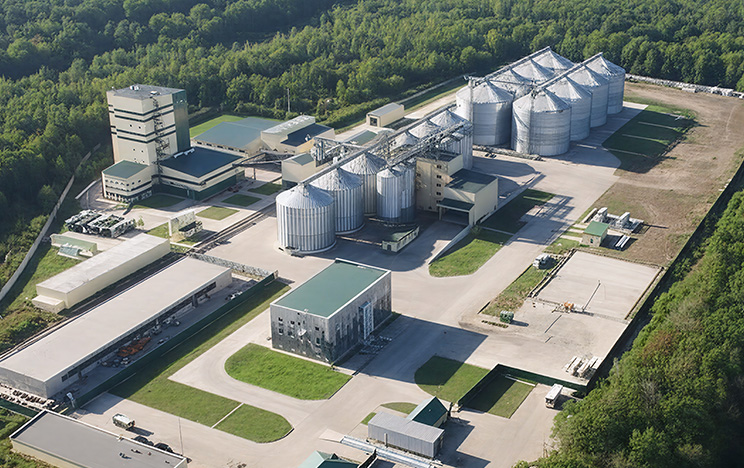
Usine de granulés de bois de biomasse clé en main 2T/H en Canada
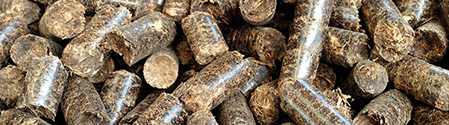
Région : Canada, Amérique du Nord
Matières premières : Sapin, déchets de transformation de bois dur, résidus d'exploitation forestière
Sortie : 2 T/H
Applications des granulés : Pellets de combustible
Principaux éléments : Broyeur de bois, broyeur à marteaux, tamiseur, sécheur rotatif, silo de stockage, broyeur industriel de granulés de bois, refroidisseur de granulés, machine d'emballage automatique, etc.
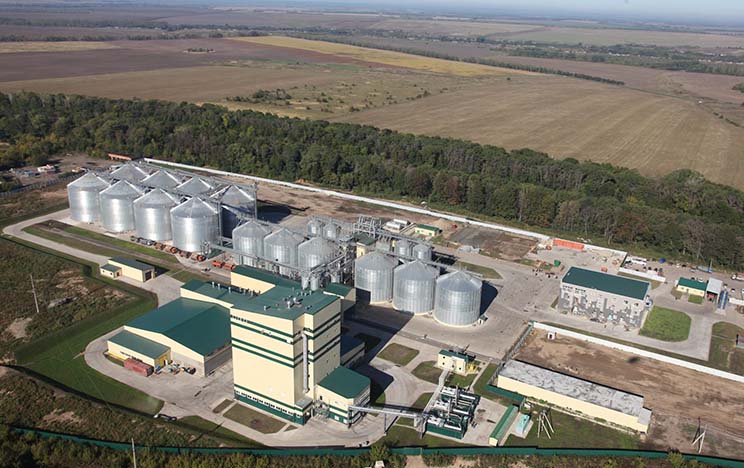
Usine de traitement de pellets bioénergétiques à base de sciure de bois 10T/H en Mexique
Région : Mexique, Amérique du Nord
Matières premières : Résineux, chêne, bois massif recyclé
Sortie : 10 T/H
Applications des granulés : Centrales électriques et chauffage
Principaux éléments : Broyeur à tambour, broyeur à marteaux, broyeur de granulés de biomasse, refroidisseur de granulés de la série SKLH, machine à emballer les granulés, et autres équipements auxiliaires.
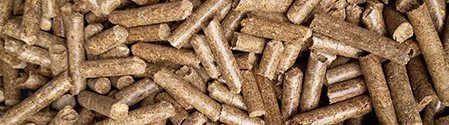
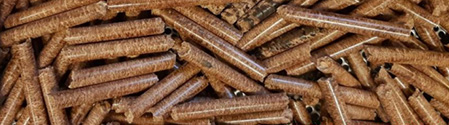
Ligne de production de pellets de sciure de bois 2T/H Pays-Bas
Région : Pays-Bas, Europe
Matières premières : Déchets de la transformation du bois, déchets propres de bois massif
Sortie : 2 T/H
Applications des granulés : Centrale électrique, comme énergie d'appoint pour le gaz naturel
Principaux éléments : Broyeur à marteaux, dépoussiéreur à impulsions de type boîte, armoire de commande électrique, classificateur à écran vibrant, broyeur de granulés de bois à filière annulaire de haute qualité, refroidisseur de granulés à contre-courant, séchoir rotatif et système d'emballage automatique.
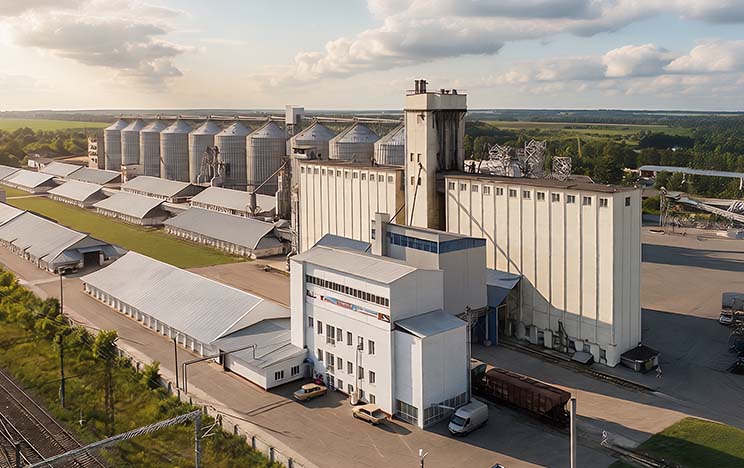
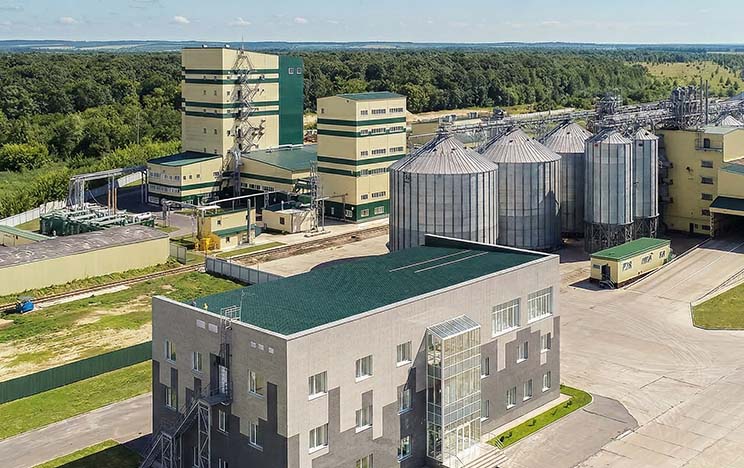
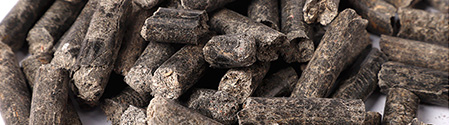
Ligne de granulation de biomasse 1-2T/H pour le bois Brésil
Région : Brésil, Amérique du Sud
Matières premières : Sciure, copeaux de bois, branches, paille, tiges, fibre de palmier
Sortie : 1-2 T/H
Applications des granulés : Centrales électriques ou combustion domestique
Principaux éléments : Matériel de concassage, convoyeur, cribleur, séchoir, alimentateur à vis, Moulin à granulés de bois à filière annulaire MZLH420, convoyeur, refroidisseur, machine d'emballage
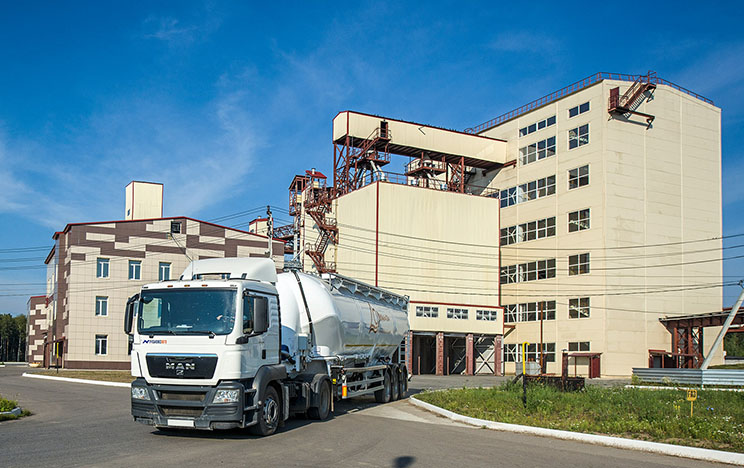
Ligne de production de sciure de bois 5T/H Autriche
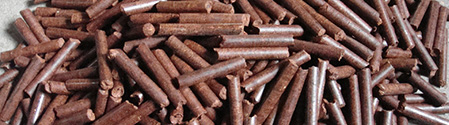
Région : Autriche, Europe
Matières premières : Copeaux de bois, sciure de bois, etc.
Sortie : 5 T/H
Applications des granulés : Chauffage pour les résidences privées et les chaudières industrielles de taille moyenne
Principaux éléments : Broyeur à tambour, broyeur à marteaux (75 kW), dépoussiéreur à impulsions, armoire de commande électrique, crible vibrant classificateur, broyeur de granulés de bois, refroidisseur de granulés à contre-courant, séchoir rotatif, système d'emballage automatique.
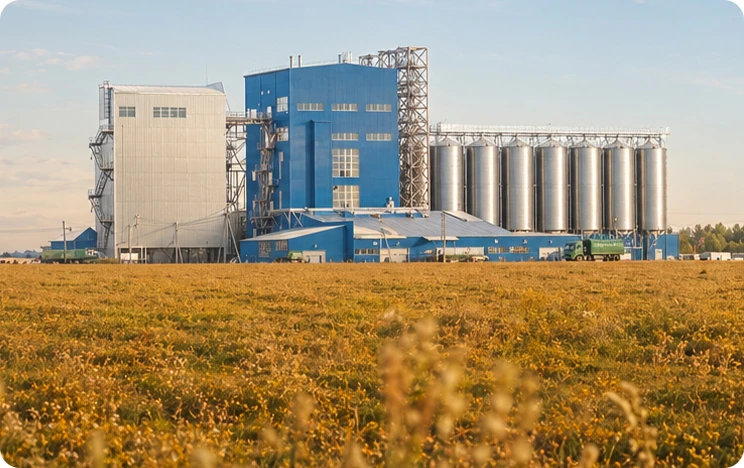

RICHI Machinery : La production mondiale de granulés de bois
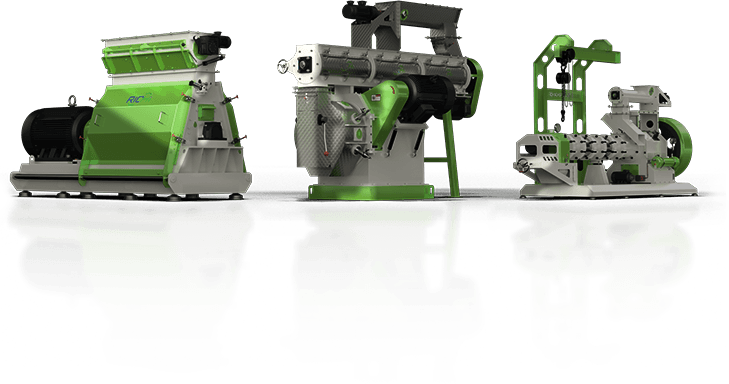
Engagés dans l'innovation en matière de technologie des granulés et d'ingénierie industrielle, nous nous appuyons sur plus de 30 ans d'expertise en R&D et d'expérience mondiale.
Nous optimisons la conception, la fabrication et l'intégration des systèmes afin de conduire les industries de l'alimentation animale, de la biomasse et des spécialités vers l'efficacité, l'intelligence et la durabilité.
Notre équipe d'experts fournit des solutions de production de granulés de bout en bout qui répondent aux normes internationales et s'alignent sur vos objectifs stratégiques en matière de productivité et de croissance à long terme.
60000 +m2
Mètres carrés de notre usine
2000 +
Projets en cours dans le monde entier
140 +
Pays de nos clients
200 +
Les effectifs de notre équipe
Expertise mondiale et excellence des systèmes
Les systèmes avancés de production de granulés combinent robustesse et préparation à l'avenir, établissant des références dans l'industrie grâce à l'intégration technologique et à l'innovation.
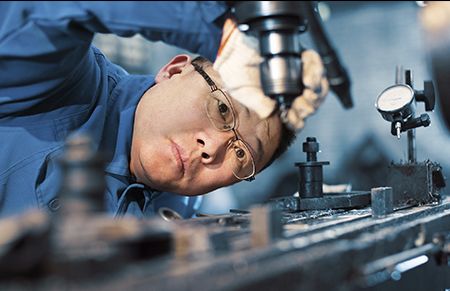
Une qualité fiable
Chaque machine est soumise à des contrôles de qualité précis et rigoureux.
Une garantie sans souci
Soutenu par un réseau mondial de services avec des temps de réponse rapides.
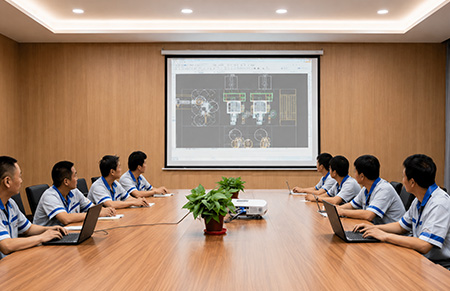
Soutien professionnel
Des équipes techniques expérimentées fournissent une assistance tout au long du cycle.

Paiements sécurisés
Le cryptage multicouche garantit des transactions sûres et transparentes.

Logistique mondiale
Un service d'expédition efficace dans le monde entier garantit une livraison rapide dans n'importe quel pays.
EFB Pellet Production Questions Answered
Trouvez des réponses professionnelles aux questions les plus courantes, couvrant les processus clés et les considérations importantes dans la production de granulés de biomasse.
1. What is the main use of the EFB pelletizer?
It is mainly used to process waste such as palm empty fruit bunches (EFB) generated during palm oil production. Through pelleting, loose and bulky EFB transforms into easy-to-store and transport biomass fuel pellets. These are used for industrial boilers, biomass energy projects, or fuel sales.
2. Can palm empty fruit bunches go directly into the pellet machine?
Usually, they cannot go directly.
Fresh EFB is typically fluffy, high in moisture, and has long fibers. These factors affect pellet forming. Therefore, before production, we need to determine if crushing, drying, or other treatments are needed based on the actual raw material.
EFB conditions vary across palm oil mills. The specific equipment configuration depends on your raw material situation.
3. What is the production process for EFB pellets?
EFB pellet production typically involves raw material handling, crushing, drying, pelleting, cooling, screening, and packaging.
The specific process is not fixed. It needs adjustment based on EFB moisture content, storage time, raw material supply, and target output. Some projects only need partial equipment additions, while large commercial projects usually require a complete EFB pellet production line.
4. What are the main advantages of EFB pellets?
After pelleting, EFB volume decreases significantly and density increases, making storage, transport, and subsequent use easier.
Compared to simply piling up EFB, pelleting makes palm waste easier to use as biomass fuel and reduces the disposal pressure caused by long-term waste accumulation.
5. Who is the EFB pellet machine suitable for?
The EFB pellet machine is mainly suitable for enterprises with a stable source of palm biomass and plans for long-term production.
For example, palm oil mills can use EFB by-products from production to reduce waste disposal pressure. Biomass fuel companies can process EFB into fuel pellets for sales or energy projects. Agricultural waste processing companies can also utilize abundant regional biomass resources for processing.
If you only process small amounts of EFB occasionally, or lack a stable raw material source, small-scale processing is generally not suitable for industrial-grade EFB pellet equipment.
6. What conditions are needed for EFB pellet production?
To build an EFB pellet production project, you first need a stable supply of EFB raw materials, as the equipment needs continuous operation to deliver value.
At the same time, raw material condition is crucial. EFB moisture content, fiber length, and storage time all affect the final production result.
Additionally, you need power conditions and production space suitable for industrial equipment operation, including space for raw material storage, equipment installation, and finished product storage.
7. How much does an EFB pellet production line cost?
There is no fixed price for an EFB pellet production line. The cost mainly depends on production scale, equipment configuration, and raw material processing needs.
If the EFB requires pre-treatment like crushing and drying, more equipment is needed, increasing the overall investment. Before finalizing the investment plan, we need to understand your raw material supply, target output, and production requirements.
8. Where can EFB pellets be used?
EFB pellets are mainly used as biomass fuel for industrial boilers, biomass energy projects, and the fuel supply market.
Compared to untreated EFB, pellet fuel is easier to transport and store, making it more suitable for commercial use.
9. Besides EFB, what other materials can the pellet machine process?
Besides palm empty fruit bunches (EFB), the biomass pellet machine can process various fiber-based materials, such as palm kernel shells, coconut shells, bagasse, rice husk, corn cob, straw, and sawdust.
Different materials have different properties. During actual production, we need to select the appropriate processing solution based on the material characteristics.
10. What is the difference between EFB pellets and ordinary wood pellets?
Both EFB pellets and wood pellets are biomass fuels, but their raw materials differ.
Sawdust usually has a stable source and a fiber structure that is relatively easy to process. EFB is a palm processing waste with variable moisture content and fiber condition. Therefore, producing EFB pellets requires more attention to raw material pre-treatment and equipment adaptation.
11. Why does EFB need crushing and drying before pelleting?
Because EFB raw material is usually loose, has long fibers, and high moisture when freshly produced. Crushing makes the material more uniform, and drying adjusts the moisture, bringing the EFB to a state more suitable for pelleting.
However, not all EFB projects require the exact same treatment. Whether crushing or drying is needed depends on your specific raw material situation.
Explore RICHI Other Biomass Pellet Machines
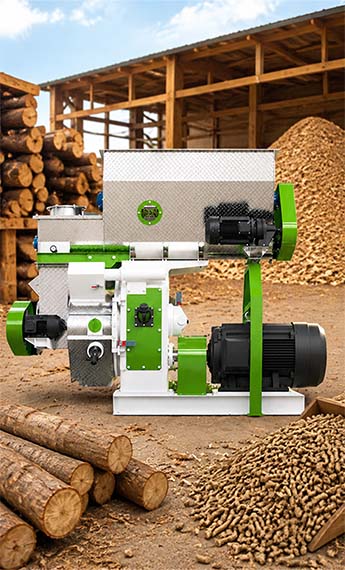
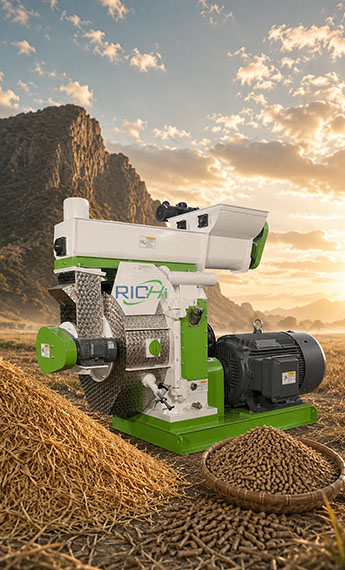
machine à granulés de cosses
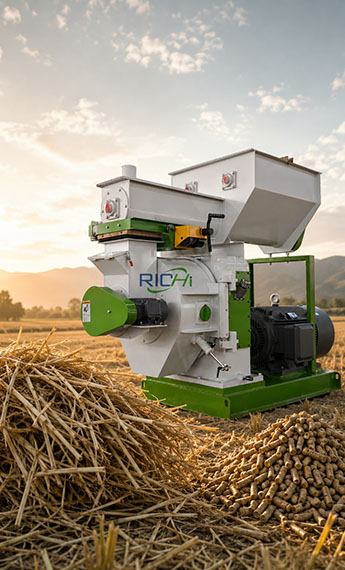
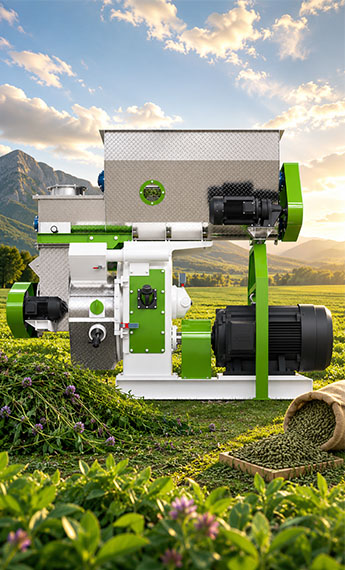
Machine de production de granulés de paille
Lancez votre projet de granulés de bois
La production de granulés est un processus méthodique. Indiquez-nous vos matières premières et vos besoins en capacité de production, et nous élaborerons une solution sur mesure, accompagnée de conseils d'experts, pour une production à l'échelle commerciale.

Adresse : au sud du carrefour entre la route Xingda et la route Hongyuan, Wuzhi, ville de Jiaozuo, province du Henan, Chine

Tél./WhatsApp : + 86 136 0866 8310

Courriel : enquiry@richimachinery.com



HENAN RICHI MACHINERY CO. 1995-2026 Ligne de produits / Politique de confidentialité
Nous contacter
Veuillez envoyer vos exigences, les consultants de RICHI vous répondront rapidement.

