

EFB Pellet Machine for Palm Waste Recycling
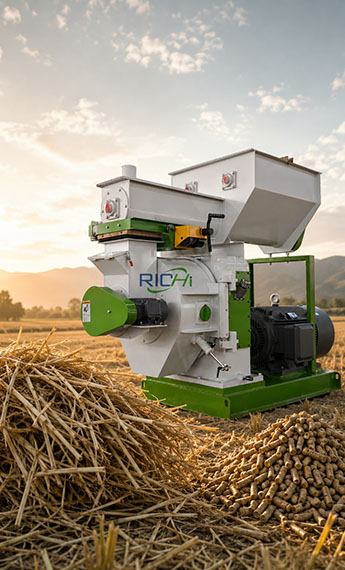
RICHI EFB pellet machine processes palm empty fruit bunches, palm fiber, and other palm waste into high-density biomass fuel pellets. It helps palm oil mills turn by-products into valuable resources. The equipment fits EFB pellet production projects of different scales. We provide standalone machines and complete EFB pellet production line solutions based on your raw materials and output needs.
With over 30 years of experience in pellet equipment manufacturing, RICHI has mature biomass pelleting technology and extensive project expertise. We offer stable and reliable industrial-grade pellet production equipment to our clients.
EFB Pellet Machine: For Industrial Biomass Fuel Pellet Production
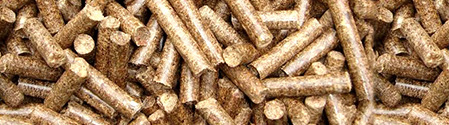
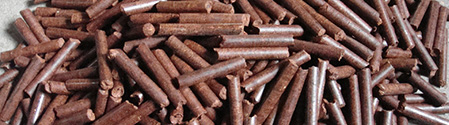
As the palm oil industry grows, more companies are focusing on recycling by-products like EFB. Palm empty fruit bunches are originally loose and take up a lot of space. After pelleting, they turn into biomass fuel pellets that are easy to store and transport, greatly increasing their value.
EFB pellet production demands high continuous operation and stability from the equipment. The RICHI EFB pellet mill has a minimum capacity of 300 kg/h. It features an industrial-grade design and can be flexibly configured based on project scale and capacity needs.
Since this equipment is for commercial production, it must meet long-term operation requirements. Its investment and supporting needs also differ from ordinary pellet machines. Therefore, this equipment is not designed for personal small-scale processing, home use, or occasional EFB handling. For clients with stable raw material sources and clear production plans—such as palm oil mills and biomass fuel companies—industrial-grade EFB pellet equipment offers more reliable production support.
EFB pellet machine is not an ordinary pellet making machine:
Ring Die Pellet Mill Structure & Engineering Design
From the overall structure to the core components, RICHI ring die pellet machines are designed for industrial continuous production. The equipment features a reliable transmission system and precisely machined ring dies and roller assemblies. We also optimize the machine for different production environments. This reduces failures and maintenance during operation, meeting the demands of long-term continuous production.
1. Sistema de alimentación
2. Cámara de peletización
3. Drive & Transmission System
4. Lubrication System
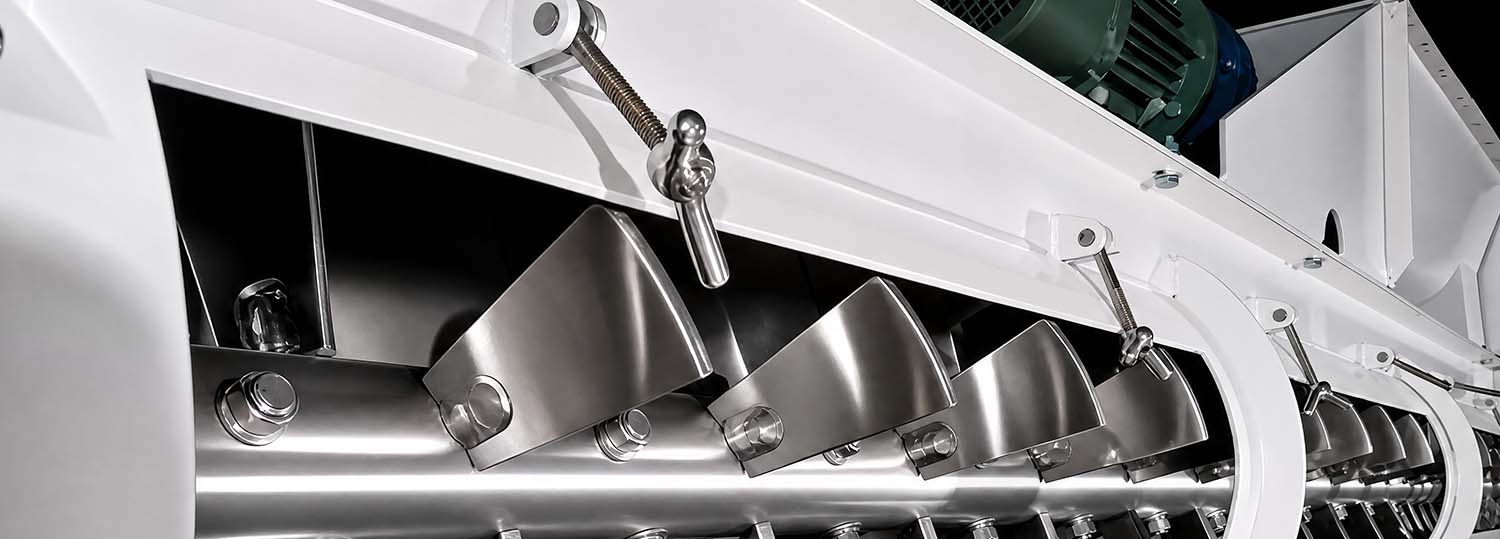
1. Sistema de alimentación
Delivers raw materials evenly and continuously to the pelleting area.
Uses variable frequency control and forced feeding to adjust feed speed for different materials. For materials with varying moisture and fiber content, stable feeding reduces blockages and interruptions, ensuring a smooth pelleting process.
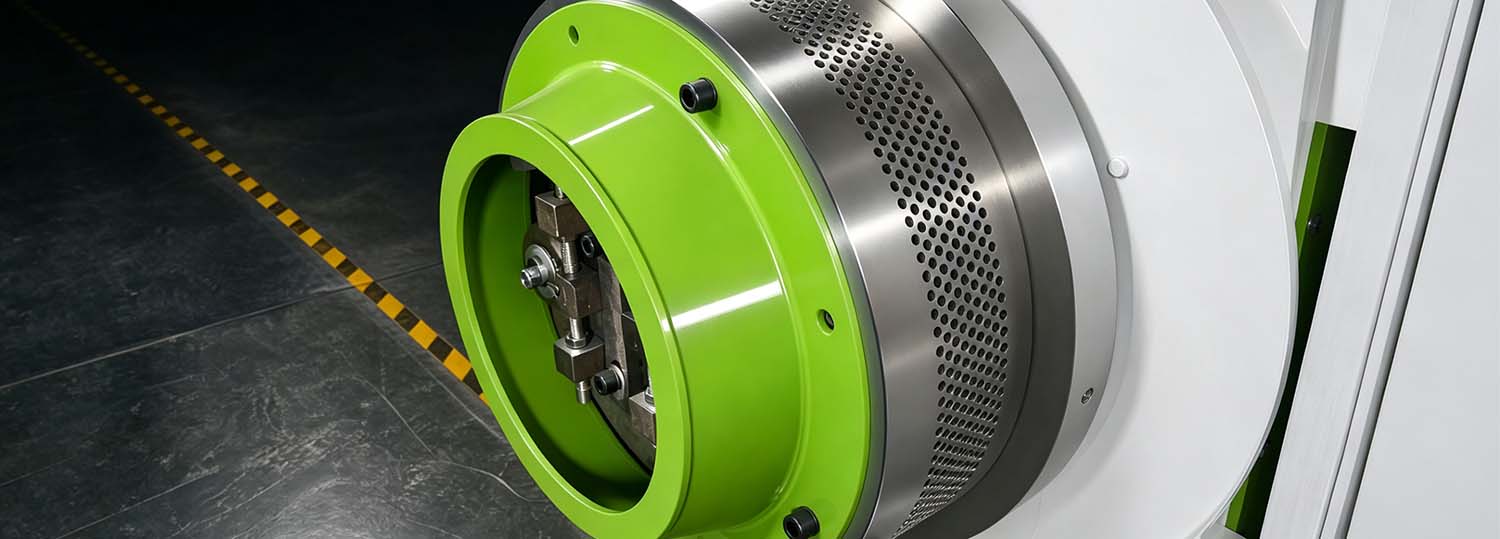
2. Cámara de peletización
Comprises core components like the ring die and rollers, and is the area where raw materials are compressed and formed.
By matching the right ring die specifications and compression ratio, the machine produces uniform pellets with stable density, while reducing abnormalities during pelleting.
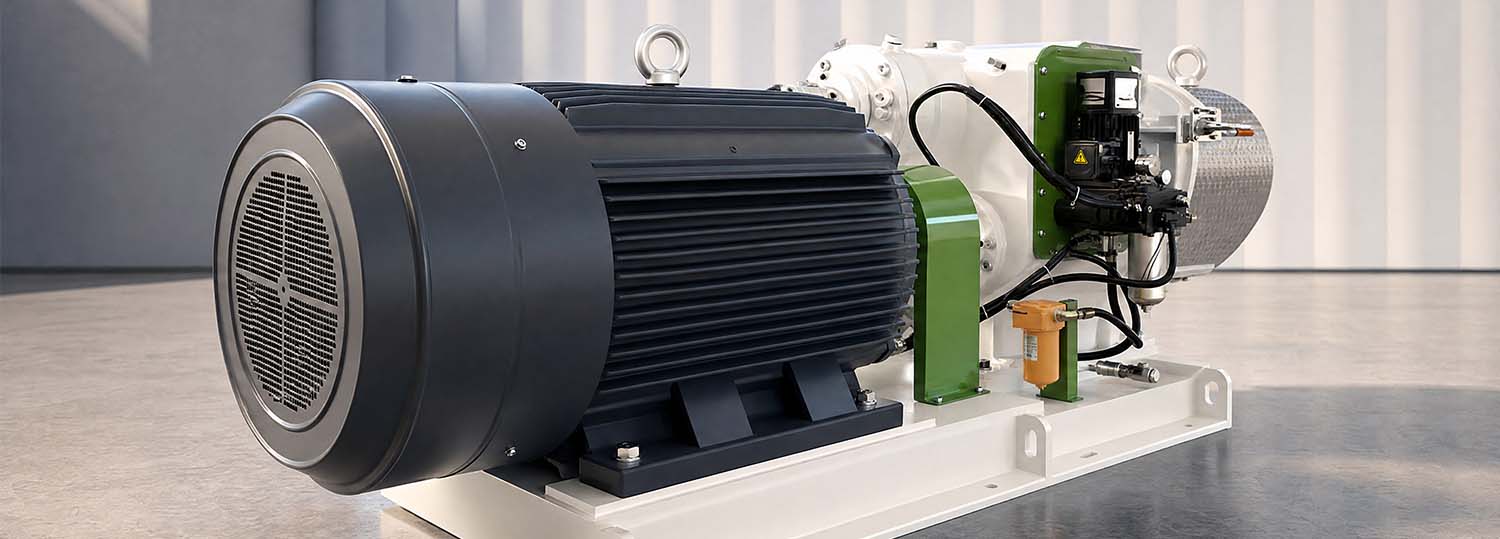
3. Drive & Transmission System
Efficiently transfers motor power to the pelleting mechanism, providing stable power for continuous operation.
The optimized transmission structure improves energy efficiency, reduces power loss, and maintains stable, reliable performance under high-load conditions.
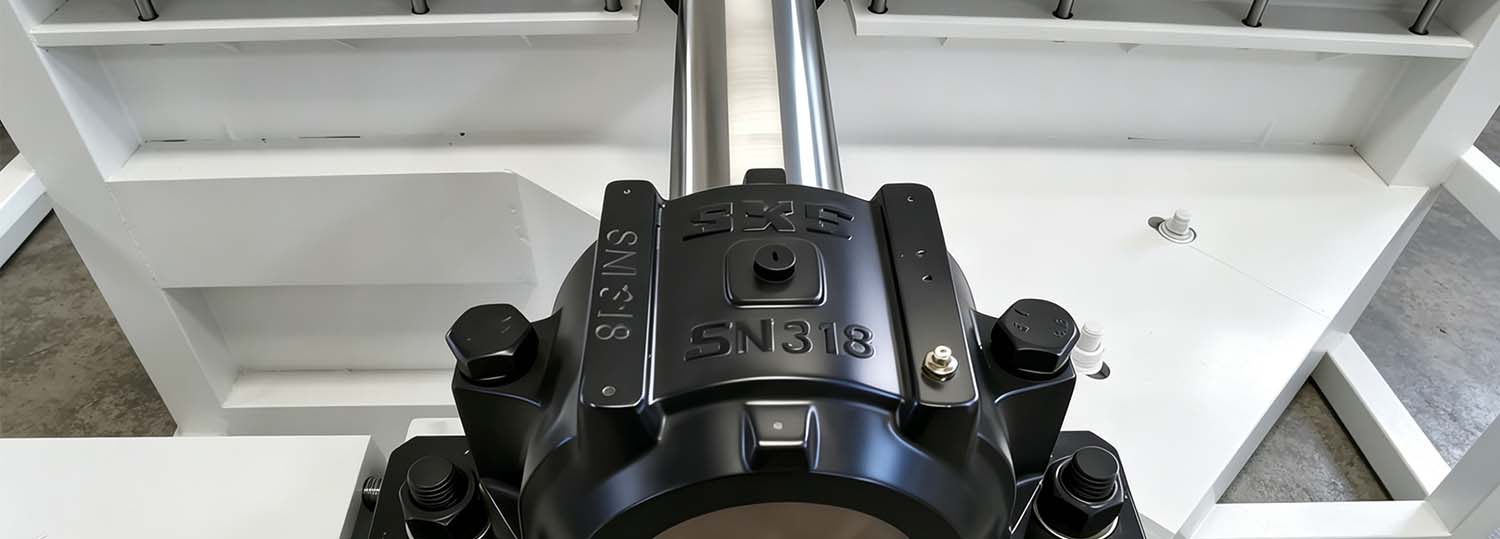
4. Lubrication System
Provides continuous lubrication for key components like bearings and rollers, reducing friction and wear.
The automated lubrication design ensures on-demand lubricant supply, cutting maintenance work. It also extends the life of critical parts and improves equipment reliability.
Empty Fruit Bunches Pellet Mill Models & Technical Parameters
EFB pellet production projects of different scales vary in equipment capacity, power configuration, and processing requirements. RICHI offers multiple models of oil palm empty fruit bunch pellet machines. Select the right equipment specifications based on raw material supply, planned output, and production environment.
By reviewing the equipment model, capacity, motor power, and pellet size range, you can clearly understand the processing capabilities of different models, providing a reference for equipment selection.
| Modelo | Capacidad (t/h) | Motor principal Potencia (kw) | Potencia del alimentador antiarco (kW) | Fuerza Potencia del alimentador (kW) | Diámetro interior de la matriz anular (mm) | Diámetro del pellet (mm) |
|---|---|---|---|---|---|---|
| CZLH320 | 0.5-1 | 22 | 2.2 | 0.75 | 320 | 4-12 |
| CZLH350 | 1-2 | 37 | 2.2 | 0.75 | 350 | |
| CZLH420 | 2-4 | 90 | 3 | 1.5 | 420 | |
| CZLH520 | 4-8 | 132 | 3 | 1.5 | 520 | |
| CZLH678 | 8-15 | 200 | 3 | 1.5 | 673 | |
| CZLH768 | 15-20 | 250 | 4 | 1.5 | 762 |
What Raw Materials Can RICHI EFB Pellet Mill Process?
Different biomass raw materials vary in fiber content, moisture content, and storage condition, requiring different processing methods for pelleting. The RICHI EFB pellet machine applies to pre-treated palm empty fruit bunches (EFB) and various fiber-based biomass materials. It converts palm processing and agricultural waste into usable biomass pellets. The following lists the common applicable raw materials.
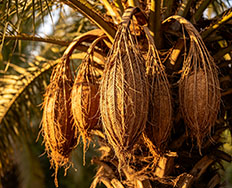
Palm Empty Fruit Bunch
A primary fibrous waste from palm fruit processing, rich in plant fiber. Due to its bulky texture and high moisture content, it usually requires pre-treatment like crushing and drying before pelleting. It can be processed into biomass fuel pellets.
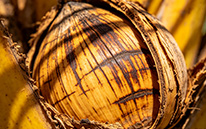
Palm Kernel Shell (PKS)

Palm Leaf

Coconut Shell
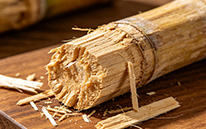
Bagasse
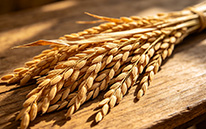
Cáscara de arroz
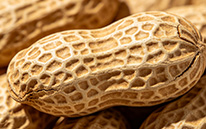
Peanut Shell
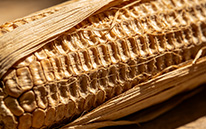
Corn Cob
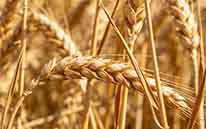
Paja de trigo
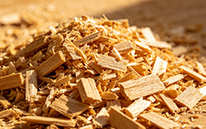
Serrín
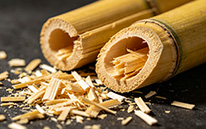
Bamboo Dust
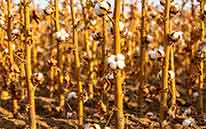
Tallo de algodón
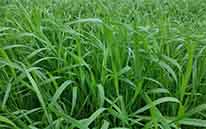
Hierba
After pelleting, these fiber-based biomass materials turn into denser, more uniform pellets.
Compared to their original loose state, the pellets are easier to store and transport. They are also more convenient to use in biomass fuel equipment, serving fuel applications such as industrial boilers.
Working Principle of the EFB Pellet Mill Machine
This equipment uses mechanical extrusion to process pre-treated palm empty fruit bunch (EFB) fiber into uniform pellets. The entire pelleting process requires adjusting processing conditions based on the fiber characteristics of EFB. This transforms the originally bulky and hard-to-transport palm waste into usable biomass fuel.
1.
Pre-processing EFB material enters the pellet machine
EFB fiber material, after crushing and drying, enters the pelleting chamber via a variable-frequency feeder. The uniform feeding method ensures the material continuously enters the working area between the ring die and the roller.
2.
The ring die and roller compress the material
Inside the pelleting chamber, the rotating ring die moves the material, and the roller continuously presses the material into the die holes. Under sustained pressure, the originally bulky EFB fiber is compressed. The fibers gradually bind together, forming a dense column of material.
3.
Compressed material is extruded from the die holes
When the pressure reaches a certain level, the compacted material is continuously extruded through the ring die holes. The hole size determines the pellet diameter.
For example, using a 6 mm die hole produces EFB pellets with a diameter of about 6 mm. Different ring dies can be replaced to meet various usage needs. The extruded material then forms continuous biomass strips.
4.
Cutter cuts the strips into pellets
The strips extruded from the ring die are cut by the cutter to form EFB biomass pellets of uniform length. The pellet diameter is determined by the ring die specifications, while the length is controlled by adjusting the cutter position.
For example, 6 mm diameter pellets can be adjusted to different lengths, such as 10 mm, 20 mm, or 30 mm, according to requirements.
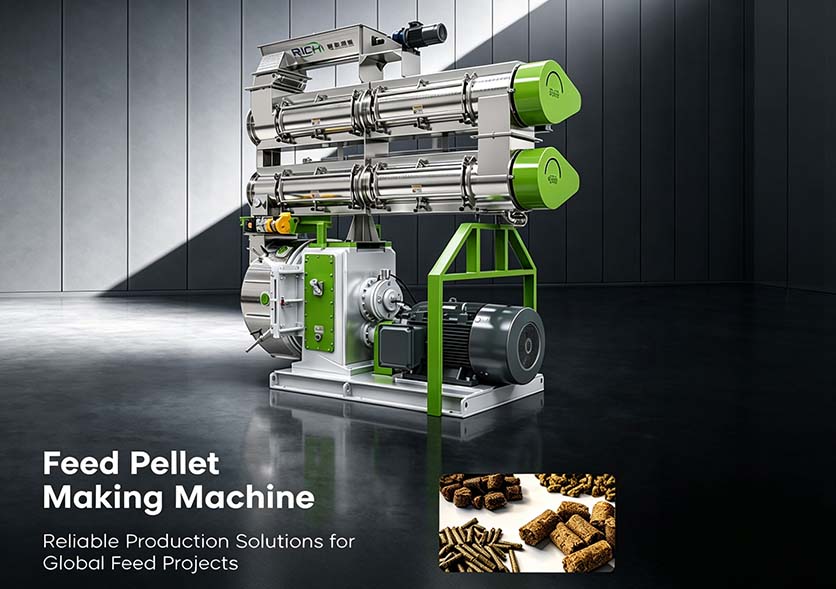

Why Choose RICHI EFB Pellet Mill for Palm Biomass?
From EFB raw material processing to pellet production, the RICHI EFB pellet machine fully addresses the key needs of palm biomass processing. We provide customers with a complete solution covering equipment selection, process design, and production application—not just a standardized pellet machine.
• Optimized Design for High-Fiber EFB Material
Palm empty fruit bunches (EFB) have a high fiber content and a loose structure. Direct processing often leads to unstable pellet forming results.
By choosing a pellet machine specifically designed for EFB characteristics, you can better process this high-fiber palm waste and turn it into biomass fuel pellets that are easy to store, transport, and use.
• Meet Large-Scale Biomass Production Demands
If you plan to build a commercial EFB pellet production project, equipment capacity and long-term reliability directly impact production efficiency.
The RICHI EFB pellet machine offers capacities from 1 to 40 T/H. You can select the right equipment based on your raw material supply and production goals, meeting the needs of everything from palm processing waste utilization to biomass fuel production projects.
• Comprehensive Consideration of EFB Pre-treatment
EFB cannot simply be fed into a pellet machine for production. Palm empty fruit bunches from different sources vary in moisture, fiber length, and storage condition.
When building a production line, you can configure equipment for crushing, drying, pelleting, cooling, screening, and packaging based on your actual raw material situation. This ensures the entire process better fits your production needs.
• Extensive Biomass Project Experience
With over 30 years of machinery manufacturing experience, RICHI has supplied biomass pellet equipment to customers worldwide.
By choosing an experienced supplier, you gain more support during project planning, equipment selection, and construction.
• Direct Factory Supply with Professional Technical Support
Investing in large-scale pellet equipment requires attention not only to price but also to equipment quality, delivery capability, and after-sales service.
By choosing RICHI, you deal directly with the manufacturing factory and receive: CE-certified equipment, ISO quality system assurance, customized equipment solutions based on project needs, installation and commissioning support, and long-term technical service.
• Efficiently Utilize Palm Waste to Create Extra Value
If your region has abundant palm empty fruit bunches, proper utilization of this waste can reduce storage and disposal pressure while creating new value.
Through EFB pellet production, you can convert palm waste that requires disposal into biomass fuel. Use it for internal consumption, energy projects, or fuel sales, achieving effective resource utilization.
Biomass Fuel Pellet Production System
Desde la recepción de materias primas como troncos, astillas y serrín hasta el envasado de los pellets acabados, el sistema de producción de pellets de madera suele constar de muchas secciones.
En función del estado de la materia prima, la capacidad objetivo y los requisitos de automatización, los equipos de cada proceso pueden configurarse de forma flexible para lograr una producción de pellets estable y continua.(Haga clic para voltear y ver los detalles.)
01.
Rectificado
La granularidad de la molienda es ajustable para adaptarse a diversas razas de aves de corral y etapas de crecimiento.
Tras la trituración, el material se transporta mecánicamente al silo de dosificación, listo para su uso.
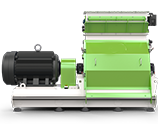
Molino de martillos
Tritura materiales (≤5cm de tamaño) hasta convertirlos en polvo; el tamaño de la malla de la criba es personalizable.
Capacidad
3-50 T/H
Tamaño de molienda
0,5 - 20 mm
02.
Secado
Ajuste el nivel de humedad en función del contenido inicial de humedad de las materias primas para cumplir los requisitos del proceso de granulación, mejorando así la velocidad de formación y la calidad del granulado.
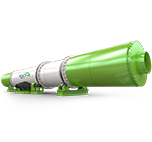
Secador rotativo
Seca la humedad del serrín y las virutas de madera hasta el nivel requerido; la velocidad del tambor es ajustable en función del contenido de humedad del material.
Longitud del secador
6-24 m
Velocidad de rotación
3-12 rpm
03.
Peletización
Formar pelets estructurales estables mediante extrusión a alta presión, logrando la estandarización de la materia prima y la utilización de alta densidad.
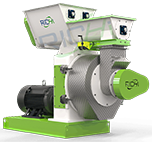
Máquina de pellets EFB
Prensa materias primas de madera procesada para obtener pellets de madera de alta densidad.
Potencia
22-205 kW
Capacidad
0,2-4 T/H
04.
Refrigeración
Reduce la temperatura de los pellets de madera nuevos para estabilizar su estructura, evitando deformaciones y daños durante el almacenamiento y el tránsito.
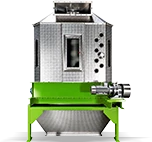
Refrigerador de contracorriente
Garantiza un enfriamiento uniforme y una resistencia superior de los gránulos.
Tiempo de enfriamiento
6-15 min
Capacidad
1-40 T/H
05.
Proyección
Proporciona una clasificación precisa para obtener un tamaño y un aspecto uniformes del granulado. El material rechazado se recicla de nuevo en el sistema.
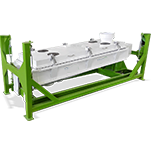
Criba rotatoria de clasificación
Dispone de cribas multicapa para la separación continua de diferentes tamaños de partículas.
Capacidad
3-40 T/H
Potencia
1,5-5,5 kW
06.
Embalaje
Las básculas electrónicas permiten el envasado personalizado (bolsas de 10 kg-50 kg o toneladas). Líneas totalmente automatizadas con robots opcionales. Modos de control: Manual, semiautomático o totalmente automático.
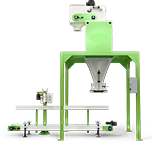
Balanza de envasado totalmente automática
Paquetes de materiales, con opciones de sellado: termosellado, cosido con hilo o sellado híbrido.
Velocidad de envasado
2-8 min/bolsa
Biomass Pellet Plant Projects
Every biomass pellet project is shaped by raw material characteristics, capacity targets, and process configurations. The following case studies cover wood pellet production projects across different countries, capacities, and raw material types, serving as a reference for equipment selection and solution planning.
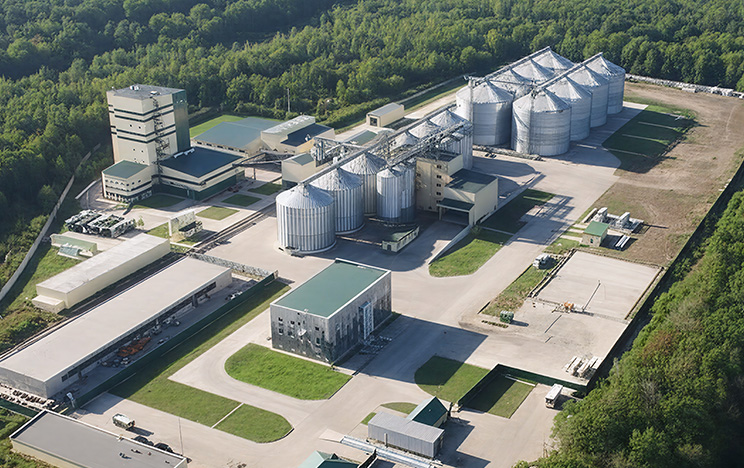
Proyecto de planta de fabricación de pellets de madera en Indonesia
Región : Asia, Indonesia
Materias primas : Troncos y astillas de madera, restos de fábricas de muebles y serrín
Salida : 1-2 T/H
Aplicaciones de pellets : Exportación y calefacción industrial doméstica
Componentes principales : Cortadora de troncos, astilladora de madera, trituradora de martillos, secadora, molino de pellets de madera MZLH420, tamizadora, enfriador de pellets, empaquetadora, etc.
Planta de pellets de madera de biomasa llave en mano de 2T/H en Canadá
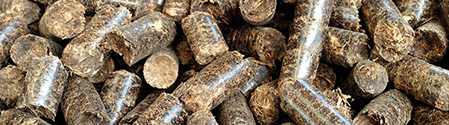
Región : Canadá, América del Norte
Materias primas : Abeto, residuos de la transformación de la madera dura, residuos de la tala
Salida : 2 T/H
Aplicaciones de pellets : Pellets combustibles
Componentes principales : Astilladora de madera, molino de martillos, tamizadora, secador rotativo, silo de almacenamiento, molino industrial de pellets de madera, enfriador de pellets, envasadora automática, etc.
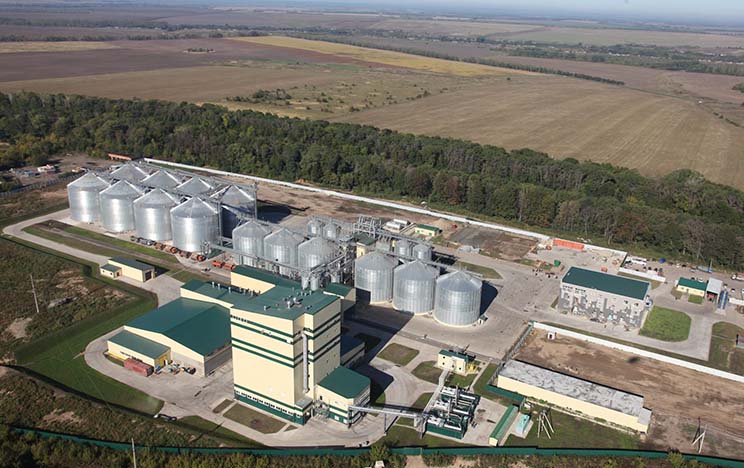
10T/H Aserrín de madera Bioenegy Pellet Planta de Procesamiento en México
Región : México, América del Norte
Materias primas : Madera blanda, roble, madera maciza reciclada
Salida : 10 T/H
Aplicaciones de pellets : Centrales eléctricas y calefacción
Componentes principales : Astilladora de tambor, molino de martillos, molino de pellets de biomasa, enfriador de pellets serie SKLH, envasadora de pellets y otros equipos auxiliares.
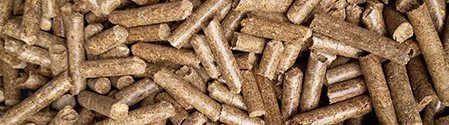
Línea de producción de pellets de serrín de madera 2T/H Países Bajos
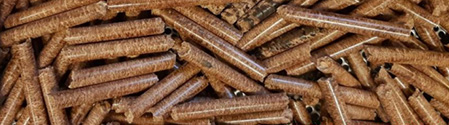
Región : Países Bajos, Europa
Materias primas : Residuos de la transformación de la madera, residuos limpios de madera maciza
Salida : 2 T/H
Aplicaciones de pellets : Central eléctrica, como energía suplementaria para el gas natural
Componentes principales : Molino de martillos, colector de polvo de pulso tipo caja, armario de control eléctrico, clasificador de criba vibratoria, molino de pellets de madera de matriz anular de alta calidad, enfriador de pellets de contracorriente, secador rotatorio y sistema de embalaje automático.
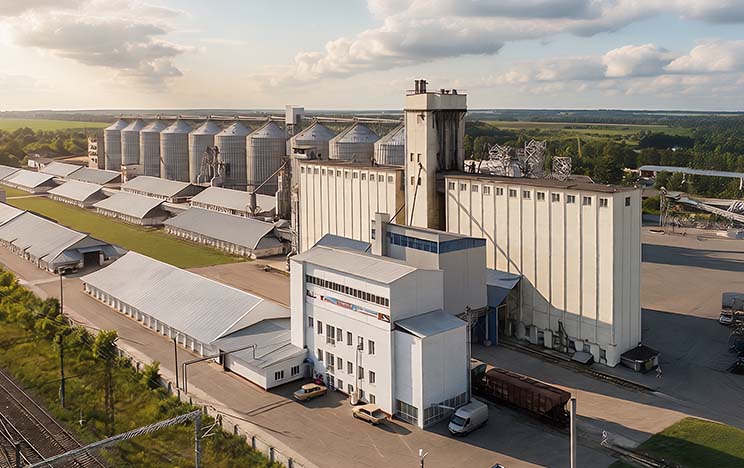
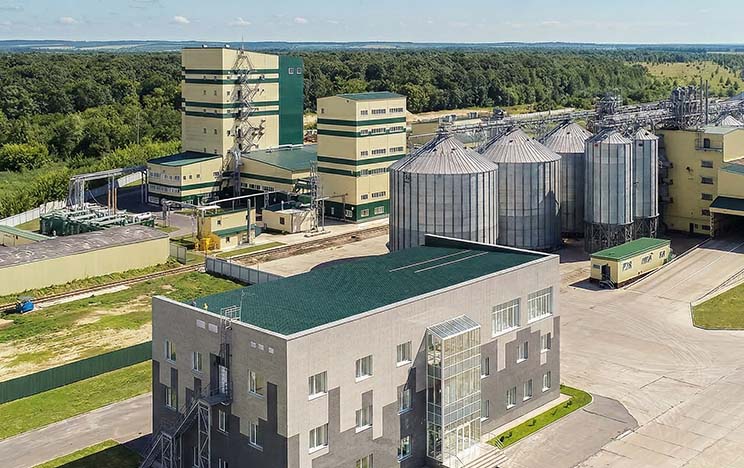
1-2T/H Línea de pellets de biomasa para madera Brasil
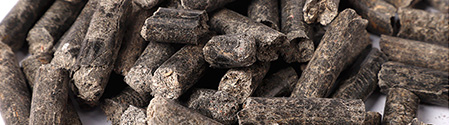
Región : Brasil, América del Sur
Materias primas : Serrín, virutas de madera, ramas, paja, tallos, fibra de palma
Salida : 1-2 T/H
Aplicaciones de pellets : Centrales eléctricas o combustión doméstica
Componentes principales : Equipos de trituración, transportadores, cribadoras, secador, alimentador de tornillo, MZLH420 anillo muere molino de pellets de madera, transportador, refrigerador, máquina de embalaje
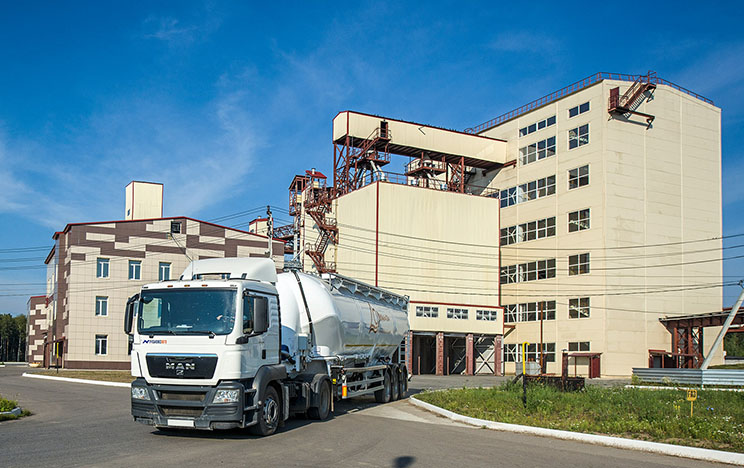
Línea de producción de serrín de madera de 5T/H Austria
Región : Austria, Europa
Materias primas : Virutas de madera, serrín, etc.
Salida : 5 T/H
Aplicaciones de pellets : Calefacción para viviendas particulares y calderas industriales de tamaño medio
Componentes principales : Astilladora de tambor, molino de martillos (75 kW), colector de polvo por impulsos, armario eléctrico de control, clasificador de criba vibratoria, molino de pellets de madera, enfriador de pellets en contracorriente , secador rotativo, sistema de embalaje automático.
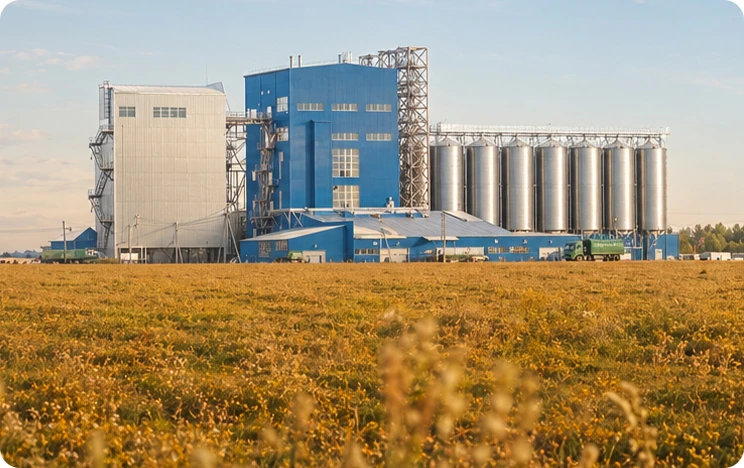

Maquinaria RICHI: Impulsando la producción mundial de pellets
Comprometidos con la tecnología pionera de pellets y la ingeniería industrial, aprovechamos más de 30 años de conocimientos en I+D y experiencia mundial.
Optimizamos el diseño, la fabricación y la integración de sistemas para impulsar las industrias de piensos, biomasa y especialidades hacia la eficiencia, la inteligencia y la sostenibilidad.
Nuestro equipo de expertos ofrece soluciones integrales de producción de pellets que cumplen las normas internacionales y se ajustan a sus objetivos estratégicos de productividad y crecimiento a largo plazo.
60000 +m2
Metros cuadrados de nuestra fábrica
2000 +
Proyectos en marcha en todo el mundo
140 +
Países de nuestros clientes
200 +
Números de nuestro equipo
Experiencia global y excelencia del sistema
Los sistemas avanzados de producción de pellets combinan robustez y preparación para el futuro, estableciendo puntos de referencia en la industria mediante la integración tecnológica y la innovación.
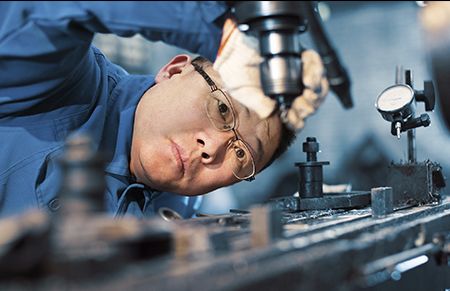
Calidad fiable
Cada máquina se somete a inspecciones de calidad precisas y rigurosas.
Garantía sin preocupaciones
Con el apoyo de una red mundial de servicios con tiempos de respuesta rápidos.

Apoyo profesional
Equipos técnicos experimentados prestan asistencia durante todo el ciclo.

Pagos seguros
El cifrado multicapa garantiza transacciones seguras y transparentes.

Logística mundial
Los eficaces envíos a todo el mundo garantizan una entrega puntual en cualquier lugar.
EFB Pellet Production Questions Answered
Encuentre respuestas profesionales a las preguntas más habituales sobre los procesos clave y las consideraciones importantes en la producción de pellets de biomasa.
1. What is the main use of the EFB pelletizer?
It is mainly used to process waste such as palm empty fruit bunches (EFB) generated during palm oil production. Through pelleting, loose and bulky EFB transforms into easy-to-store and transport biomass fuel pellets. These are used for industrial boilers, biomass energy projects, or fuel sales.
2. Can palm empty fruit bunches go directly into the pellet machine?
Usually, they cannot go directly.
Fresh EFB is typically fluffy, high in moisture, and has long fibers. These factors affect pellet forming. Therefore, before production, we need to determine if crushing, drying, or other treatments are needed based on the actual raw material.
EFB conditions vary across palm oil mills. The specific equipment configuration depends on your raw material situation.
3. What is the production process for EFB pellets?
EFB pellet production typically involves raw material handling, crushing, drying, pelleting, cooling, screening, and packaging.
The specific process is not fixed. It needs adjustment based on EFB moisture content, storage time, raw material supply, and target output. Some projects only need partial equipment additions, while large commercial projects usually require a complete EFB pellet production line.
4. What are the main advantages of EFB pellets?
After pelleting, EFB volume decreases significantly and density increases, making storage, transport, and subsequent use easier.
Compared to simply piling up EFB, pelleting makes palm waste easier to use as biomass fuel and reduces the disposal pressure caused by long-term waste accumulation.
5. Who is the EFB pellet machine suitable for?
The EFB pellet machine is mainly suitable for enterprises with a stable source of palm biomass and plans for long-term production.
For example, palm oil mills can use EFB by-products from production to reduce waste disposal pressure. Biomass fuel companies can process EFB into fuel pellets for sales or energy projects. Agricultural waste processing companies can also utilize abundant regional biomass resources for processing.
If you only process small amounts of EFB occasionally, or lack a stable raw material source, small-scale processing is generally not suitable for industrial-grade EFB pellet equipment.
6. What conditions are needed for EFB pellet production?
To build an EFB pellet production project, you first need a stable supply of EFB raw materials, as the equipment needs continuous operation to deliver value.
At the same time, raw material condition is crucial. EFB moisture content, fiber length, and storage time all affect the final production result.
Additionally, you need power conditions and production space suitable for industrial equipment operation, including space for raw material storage, equipment installation, and finished product storage.
7. How much does an EFB pellet production line cost?
There is no fixed price for an EFB pellet production line. The cost mainly depends on production scale, equipment configuration, and raw material processing needs.
If the EFB requires pre-treatment like crushing and drying, more equipment is needed, increasing the overall investment. Before finalizing the investment plan, we need to understand your raw material supply, target output, and production requirements.
8. Where can EFB pellets be used?
EFB pellets are mainly used as biomass fuel for industrial boilers, biomass energy projects, and the fuel supply market.
Compared to untreated EFB, pellet fuel is easier to transport and store, making it more suitable for commercial use.
9. Besides EFB, what other materials can the pellet machine process?
Besides palm empty fruit bunches (EFB), the biomass pellet machine can process various fiber-based materials, such as palm kernel shells, coconut shells, bagasse, rice husk, corn cob, straw, and sawdust.
Different materials have different properties. During actual production, we need to select the appropriate processing solution based on the material characteristics.
10. What is the difference between EFB pellets and ordinary wood pellets?
Both EFB pellets and wood pellets are biomass fuels, but their raw materials differ.
Sawdust usually has a stable source and a fiber structure that is relatively easy to process. EFB is a palm processing waste with variable moisture content and fiber condition. Therefore, producing EFB pellets requires more attention to raw material pre-treatment and equipment adaptation.
11. Why does EFB need crushing and drying before pelleting?
Because EFB raw material is usually loose, has long fibers, and high moisture when freshly produced. Crushing makes the material more uniform, and drying adjusts the moisture, bringing the EFB to a state more suitable for pelleting.
However, not all EFB projects require the exact same treatment. Whether crushing or drying is needed depends on your specific raw material situation.
Explore RICHI Other Biomass Pellet Machines
máquina para fabricar pellets de cáscara
Máquina de producción de pellets de paja
Inicie su proyecto de pellets
La producción de pellets es un proceso sistemático. Indíquenos cuáles son sus materias primas y sus necesidades de capacidad, y crearemos una solución a medida con asesoramiento profesional para la producción comercial.

Dirección: Al sur del cruce entre las calles Xingda y Hongyuan, Wuzhi, ciudad de Jiaozuo, provincia de Henan, China

Tel./WhatsApp: +86 136 0866 8310

Correo electrónico: enquiry@richimachinery.com



HENAN RICHI MACHINERY CO., LTD 1995-2026 Línea de productos / Política de privacidad
Póngase en contacto con nosotros
Envíenos sus requisitos, los asesores de RICHI se pondrán en contacto con usted rápidamente.

