

EFB Pellet Machine for Palm Waste Recycling
RICHI EFB pellet machine processes palm empty fruit bunches, palm fiber, and other palm waste into high-density biomass fuel pellets. It helps palm oil mills turn by-products into valuable resources. The equipment fits EFB pellet production projects of different scales. We provide standalone machines and complete EFB pellet production line solutions based on your raw materials and output needs.
With over 30 years of experience in pellet equipment manufacturing, RICHI has mature biomass pelleting technology and extensive project expertise. We offer stable and reliable industrial-grade pellet production equipment to our clients.
EFB Pellet Machine: For Industrial Biomass Fuel Pellet Production
As the palm oil industry grows, more companies are focusing on recycling by-products like EFB. Palm empty fruit bunches are originally loose and take up a lot of space. After pelleting, they turn into biomass fuel pellets that are easy to store and transport, greatly increasing their value.
EFB pellet production demands high continuous operation and stability from the equipment. The RICHI EFB pellet mill has a minimum capacity of 300 kg/h. It features an industrial-grade design and can be flexibly configured based on project scale and capacity needs.
Since this equipment is for commercial production, it must meet long-term operation requirements. Its investment and supporting needs also differ from ordinary pellet machines. Therefore, this equipment is not designed for personal small-scale processing, home use, or occasional EFB handling. For clients with stable raw material sources and clear production plans—such as palm oil mills and biomass fuel companies—industrial-grade EFB pellet equipment offers more reliable production support.
EFB pellet machine is not an ordinary pellet making machine:
Ring Die Pellet Mill Structure & Engineering Design
From the overall structure to the core components, RICHI ring die pellet machines are designed for industrial continuous production. The equipment features a reliable transmission system and precisely machined ring dies and roller assemblies. We also optimize the machine for different production environments. This reduces failures and maintenance during operation, meeting the demands of long-term continuous production.
1. Sistema di alimentazione
2. Camera di pellettizzazione
3. Drive & Transmission System
4. Lubrication System
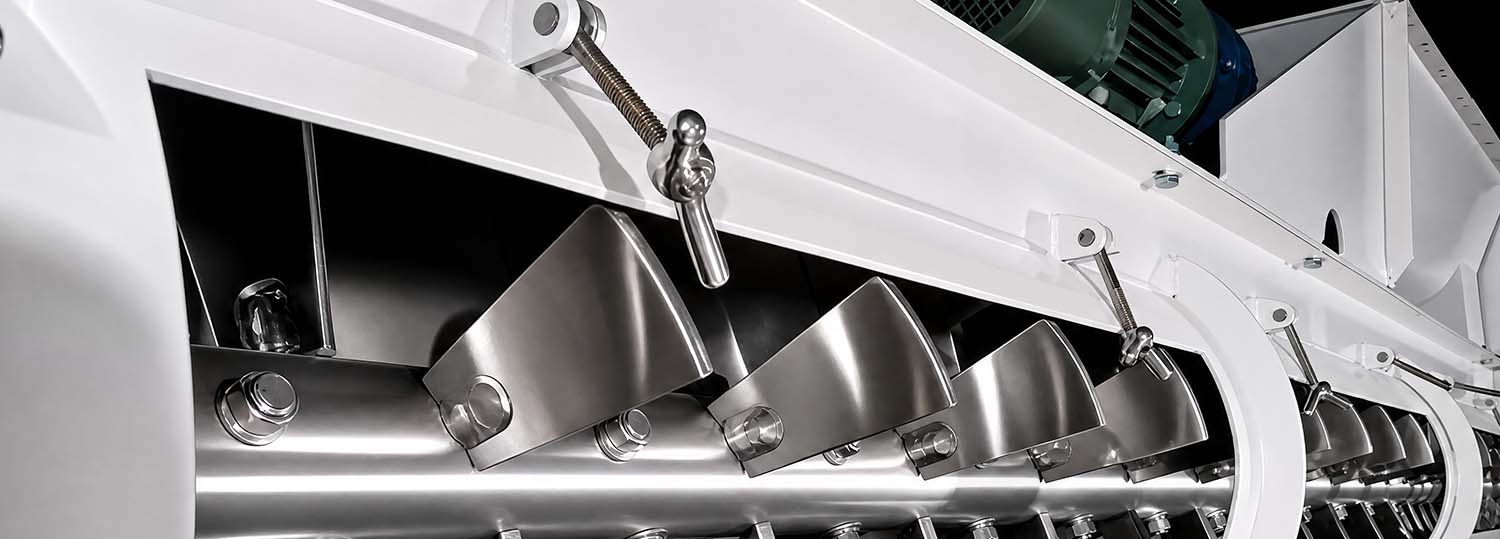
1. Sistema di alimentazione
Delivers raw materials evenly and continuously to the pelleting area.
Uses variable frequency control and forced feeding to adjust feed speed for different materials. For materials with varying moisture and fiber content, stable feeding reduces blockages and interruptions, ensuring a smooth pelleting process.
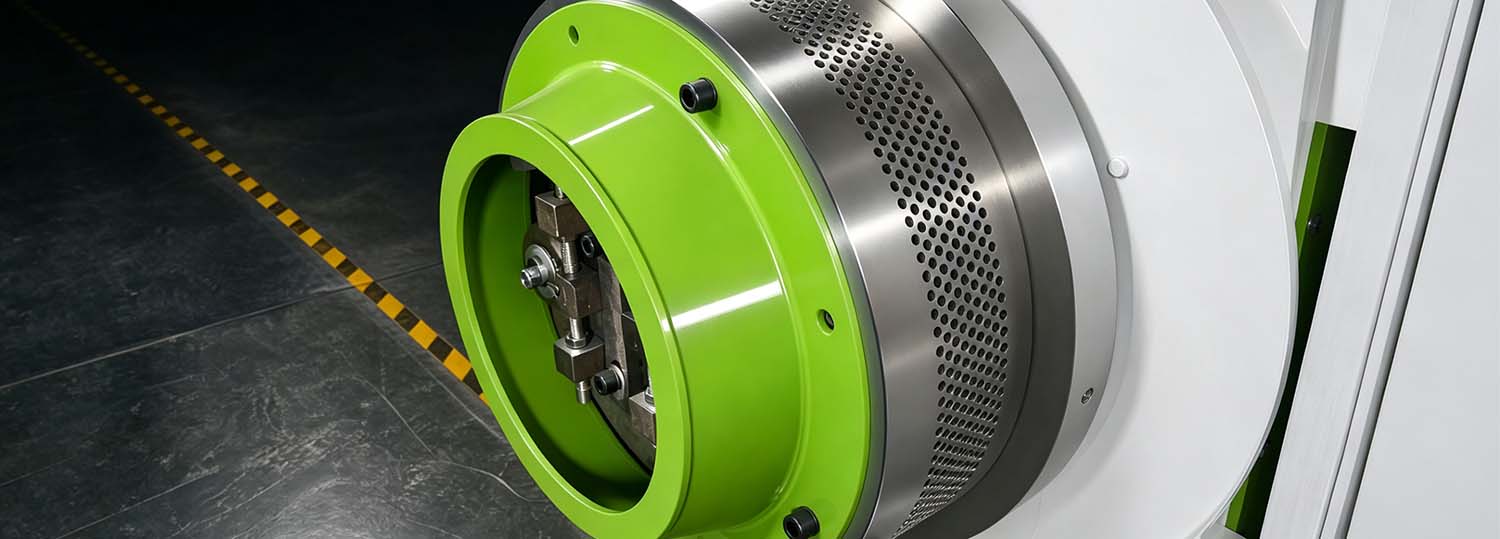
2. Camera di pellettizzazione
Comprises core components like the ring die and rollers, and is the area where raw materials are compressed and formed.
By matching the right ring die specifications and compression ratio, the machine produces uniform pellets with stable density, while reducing abnormalities during pelleting.
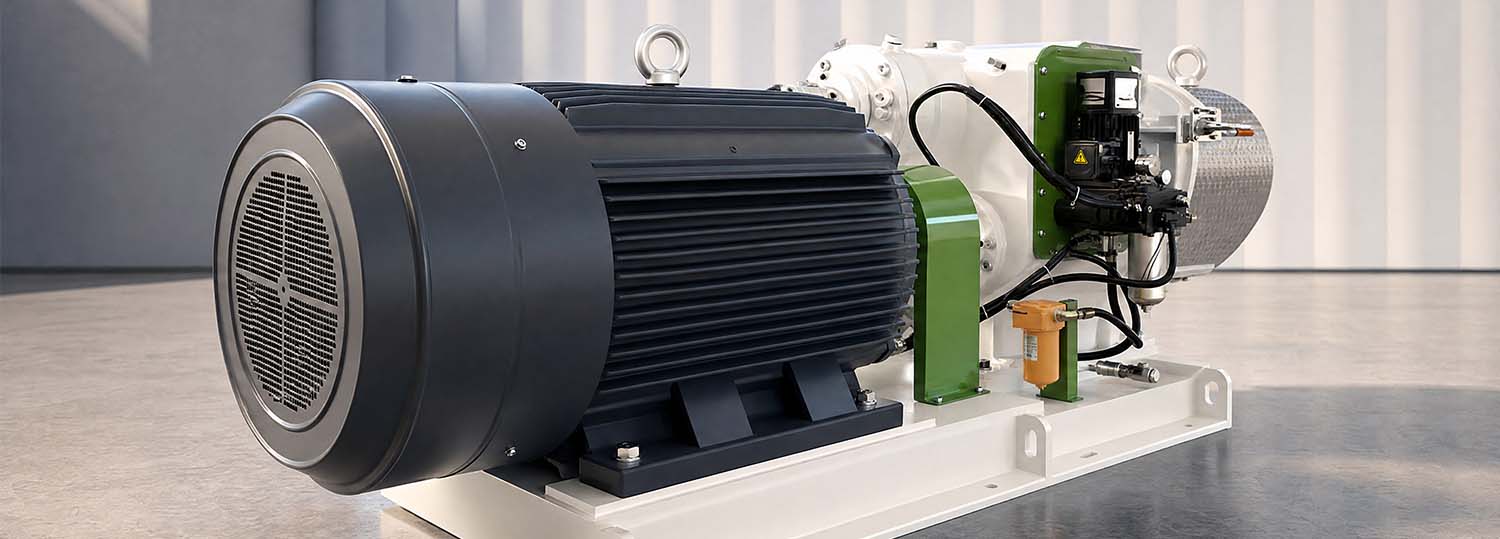
3. Drive & Transmission System
Efficiently transfers motor power to the pelleting mechanism, providing stable power for continuous operation.
The optimized transmission structure improves energy efficiency, reduces power loss, and maintains stable, reliable performance under high-load conditions.
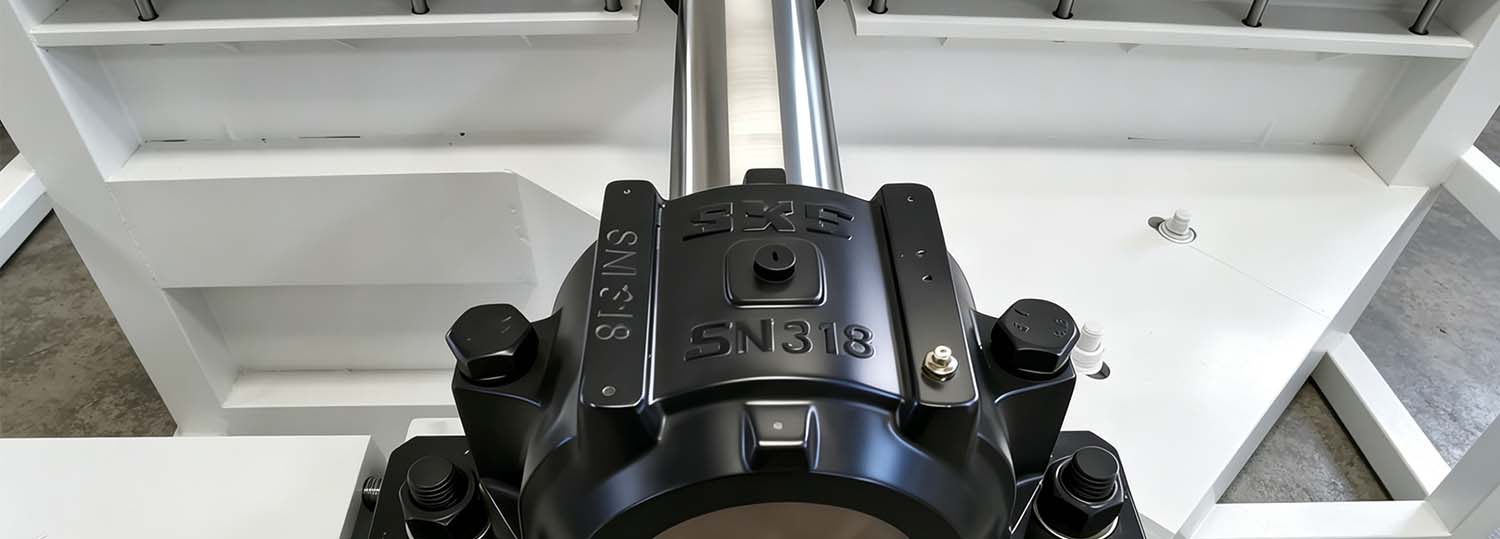
4. Lubrication System
Provides continuous lubrication for key components like bearings and rollers, reducing friction and wear.
The automated lubrication design ensures on-demand lubricant supply, cutting maintenance work. It also extends the life of critical parts and improves equipment reliability.
Empty Fruit Bunches Pellet Mill Models & Technical Parameters
EFB pellet production projects of different scales vary in equipment capacity, power configuration, and processing requirements. RICHI offers multiple models of oil palm empty fruit bunch pellet machines. Select the right equipment specifications based on raw material supply, planned output, and production environment.
By reviewing the equipment model, capacity, motor power, and pellet size range, you can clearly understand the processing capabilities of different models, providing a reference for equipment selection.
| Modello | Capacità (t/h) | Motore principale Potenza (kw) | Potenza dell'alimentatore antiarco (kW) | Forza Potenza dell'alimentatore (kW) | Diametro interno dello stampo ad anello (mm) | Diametro del pellet (mm) |
|---|---|---|---|---|---|---|
| CZLH320 | 0.5-1 | 22 | 2.2 | 0.75 | 320 | 4-12 |
| CZLH350 | 1-2 | 37 | 2.2 | 0.75 | 350 | |
| CZLH420 | 2-4 | 90 | 3 | 1.5 | 420 | |
| CZLH520 | 4-8 | 132 | 3 | 1.5 | 520 | |
| CZLH678 | 8-15 | 200 | 3 | 1.5 | 673 | |
| CZLH768 | 15-20 | 250 | 4 | 1.5 | 762 |
What Raw Materials Can RICHI EFB Pellet Mill Process?
Different biomass raw materials vary in fiber content, moisture content, and storage condition, requiring different processing methods for pelleting. The RICHI EFB pellet machine applies to pre-treated palm empty fruit bunches (EFB) and various fiber-based biomass materials. It converts palm processing and agricultural waste into usable biomass pellets. The following lists the common applicable raw materials.
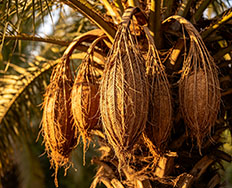
Palm Empty Fruit Bunch
A primary fibrous waste from palm fruit processing, rich in plant fiber. Due to its bulky texture and high moisture content, it usually requires pre-treatment like crushing and drying before pelleting. It can be processed into biomass fuel pellets.
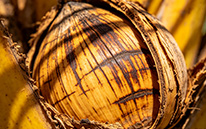
Palm Kernel Shell (PKS)

Palm Leaf

Coconut Shell
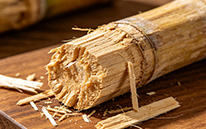
Bagasse
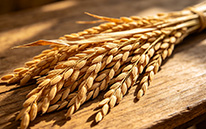
Zucchero di riso
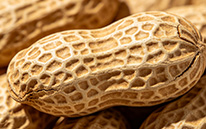
Peanut Shell
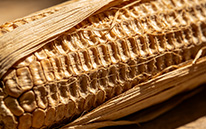
Corn Cob
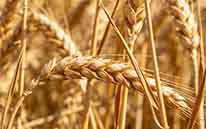
Paglia di frumento
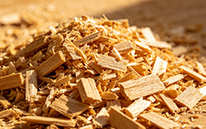
Segatura
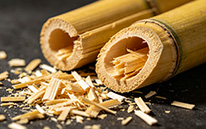
Bamboo Dust
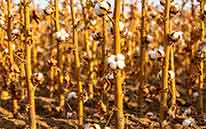
Stelo di cotone
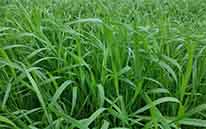
Erba
After pelleting, these fiber-based biomass materials turn into denser, more uniform pellets.
Compared to their original loose state, the pellets are easier to store and transport. They are also more convenient to use in biomass fuel equipment, serving fuel applications such as industrial boilers.
Working Principle of the EFB Pellet Mill Machine
This equipment uses mechanical extrusion to process pre-treated palm empty fruit bunch (EFB) fiber into uniform pellets. The entire pelleting process requires adjusting processing conditions based on the fiber characteristics of EFB. This transforms the originally bulky and hard-to-transport palm waste into usable biomass fuel.
1.
Pre-processing EFB material enters the pellet machine
EFB fiber material, after crushing and drying, enters the pelleting chamber via a variable-frequency feeder. The uniform feeding method ensures the material continuously enters the working area between the ring die and the roller.
2.
The ring die and roller compress the material
Inside the pelleting chamber, the rotating ring die moves the material, and the roller continuously presses the material into the die holes. Under sustained pressure, the originally bulky EFB fiber is compressed. The fibers gradually bind together, forming a dense column of material.
3.
Compressed material is extruded from the die holes
When the pressure reaches a certain level, the compacted material is continuously extruded through the ring die holes. The hole size determines the pellet diameter.
For example, using a 6 mm die hole produces EFB pellets with a diameter of about 6 mm. Different ring dies can be replaced to meet various usage needs. The extruded material then forms continuous biomass strips.
4.
Cutter cuts the strips into pellets
The strips extruded from the ring die are cut by the cutter to form EFB biomass pellets of uniform length. The pellet diameter is determined by the ring die specifications, while the length is controlled by adjusting the cutter position.
For example, 6 mm diameter pellets can be adjusted to different lengths, such as 10 mm, 20 mm, or 30 mm, according to requirements.
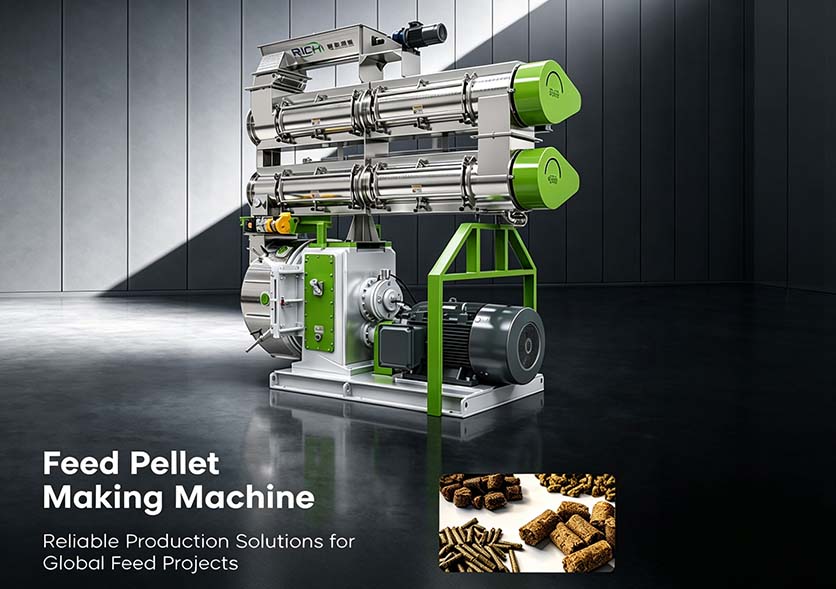

Why Choose RICHI EFB Pellet Mill for Palm Biomass?
From EFB raw material processing to pellet production, the RICHI EFB pellet machine fully addresses the key needs of palm biomass processing. We provide customers with a complete solution covering equipment selection, process design, and production application—not just a standardized pellet machine.
• Optimized Design for High-Fiber EFB Material
Palm empty fruit bunches (EFB) have a high fiber content and a loose structure. Direct processing often leads to unstable pellet forming results.
By choosing a pellet machine specifically designed for EFB characteristics, you can better process this high-fiber palm waste and turn it into biomass fuel pellets that are easy to store, transport, and use.
• Meet Large-Scale Biomass Production Demands
If you plan to build a commercial EFB pellet production project, equipment capacity and long-term reliability directly impact production efficiency.
The RICHI EFB pellet machine offers capacities from 1 to 40 T/H. You can select the right equipment based on your raw material supply and production goals, meeting the needs of everything from palm processing waste utilization to biomass fuel production projects.
• Comprehensive Consideration of EFB Pre-treatment
EFB cannot simply be fed into a pellet machine for production. Palm empty fruit bunches from different sources vary in moisture, fiber length, and storage condition.
When building a production line, you can configure equipment for crushing, drying, pelleting, cooling, screening, and packaging based on your actual raw material situation. This ensures the entire process better fits your production needs.
• Extensive Biomass Project Experience
With over 30 years of machinery manufacturing experience, RICHI has supplied biomass pellet equipment to customers worldwide.
By choosing an experienced supplier, you gain more support during project planning, equipment selection, and construction.
• Direct Factory Supply with Professional Technical Support
Investing in large-scale pellet equipment requires attention not only to price but also to equipment quality, delivery capability, and after-sales service.
By choosing RICHI, you deal directly with the manufacturing factory and receive: CE-certified equipment, ISO quality system assurance, customized equipment solutions based on project needs, installation and commissioning support, and long-term technical service.
• Efficiently Utilize Palm Waste to Create Extra Value
If your region has abundant palm empty fruit bunches, proper utilization of this waste can reduce storage and disposal pressure while creating new value.
Through EFB pellet production, you can convert palm waste that requires disposal into biomass fuel. Use it for internal consumption, energy projects, or fuel sales, achieving effective resource utilization.
Biomass Fuel Pellet Production System
Dall'ingresso delle materie prime, come tronchi, trucioli e segatura, al confezionamento dei pellet finiti, il sistema di produzione dei pellet di legno è tipicamente composto da molte sezioni.
In base allo stato delle materie prime, alla capacità target e ai requisiti di automazione, l'attrezzatura per ogni processo può essere configurata in modo flessibile per ottenere una produzione di pellet stabile e continua.Fare clic per sfogliare e visualizzare i dettagli.)
01.
Rettifica
La granularità della macinazione è regolabile per adattarsi alle varie razze di pollame e alle fasi di crescita.
Dopo la macinazione, il materiale viene trasportato meccanicamente al contenitore di dosaggio, pronto per l'uso.
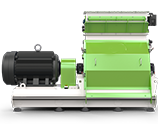
Mulino a martelli
Macina i materiali (dimensioni ≤ 5 cm) in polvere; la dimensione delle maglie del vaglio è personalizzabile.
Capacità
3-50 T/H
Dimensione della macinazione
0,5 - 20 mm
02.
Asciugatura
Regolare il livello di umidità in base al contenuto iniziale di umidità delle materie prime per soddisfare i requisiti di processo per la pellettizzazione, migliorando così il tasso di formazione e la qualità del pellet.
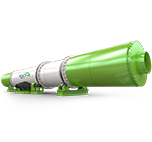
Essiccatore rotante
Essicca l'umidità della segatura e dei trucioli di legno al livello desiderato; la velocità del tamburo è regolabile in base al contenuto di umidità del materiale.
Lunghezza dell'asciugatrice
6-24 m
Velocità di rotazione
3-12 giri/minuto
03.
Pellettizzazione
Formare pellet strutturali stabili attraverso l'estrusione ad alta pressione, ottenendo la standardizzazione delle materie prime e l'utilizzo ad alta densità.
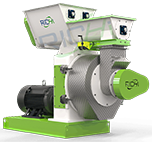
Macchina per pellet EFB
Pressa le materie prime legnose lavorate in pellet di legno ad alta densità.
Potenza
22-205 kW
Capacità
0,2-4 T/H
04.
Raffreddamento
Riduce la temperatura dei pellet di legno nuovi per stabilizzarne la struttura, evitando deformazioni e danni durante lo stoccaggio e il trasporto.
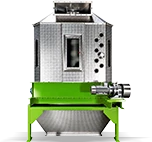
Raffreddatore in controcorrente
Assicura un raffreddamento uniforme e una resistenza superiore dei pellet.
Tempo di raffreddamento
6-15 min
Capacità
1-40 T/H
05.
Screening
Fornisce una classificazione precisa per ottenere pellet di dimensioni e aspetto uniformi. Il materiale scartato viene riciclato nel sistema.
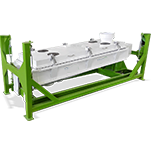
Vaglio rotante di classificazione
Dispone di vagli multistrato per la separazione continua di particelle di diverse dimensioni.
Capacità
3-40 T/H
Potenza
1,5-5,5 kW
06.
Imballaggio
Le bilance elettroniche consentono il confezionamento personalizzato (sacchi da 10 kg-50 kg o tonnellate). Linee completamente automatizzate con robot opzionali. Modalità di controllo: Manuale, semi-automatico o completamente automatico.
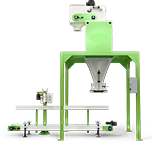
Bilancia da imballaggio completamente automatica
Materiali da imballaggio, con opzioni di sigillatura: termosaldatura, cucitura a filo o sigillatura ibrida.
Velocità di imballaggio
2-8 min/sacco
Biomass Pellet Plant Projects
Every biomass pellet project is shaped by raw material characteristics, capacity targets, and process configurations. The following case studies cover wood pellet production projects across different countries, capacities, and raw material types, serving as a reference for equipment selection and solution planning.
Progetto di impianto di produzione di pellet di legno in Indonesia
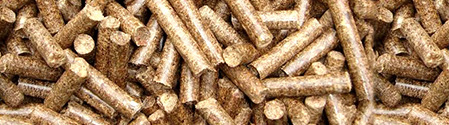
Regione : Asia, Indonesia
Materie prime : Tronchi e trucioli di legno, scarti di fabbrica di mobili e segatura
Uscita : 1-2 T/H
Applicazioni del pellet : Esportazione e riscaldamento industriale domestico
Componenti principali : Tagliatronchi, cippatrice, frantumatore a martelli, essiccatore, mulino per pellet di legno MZLH420, vagliatrice, raffreddatore per pellet, imballatrice, ecc.
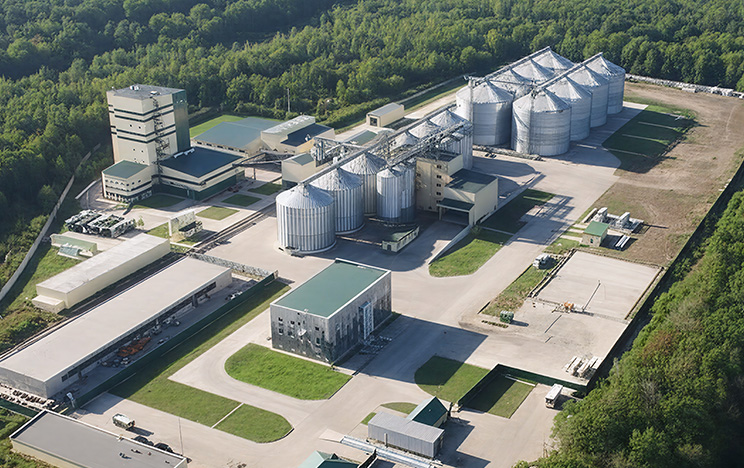
Impianto di pellet di legno a biomassa 2T/H chiavi in mano in Canada
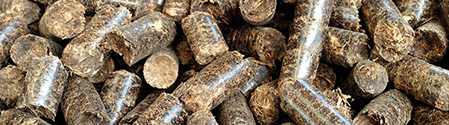
Regione : Canada, Nord America
Materie prime : Abete, scarti di lavorazione del legno duro, residui di taglio.
Uscita : 2 T/H
Applicazioni del pellet : Pellet combustibile
Componenti principali : Cippatrice, mulino a martelli, vagliatrice, essiccatore rotante, silo di stoccaggio, mulino industriale per pellet di legno, raffreddatore per pellet, confezionatrice automatica, ecc.
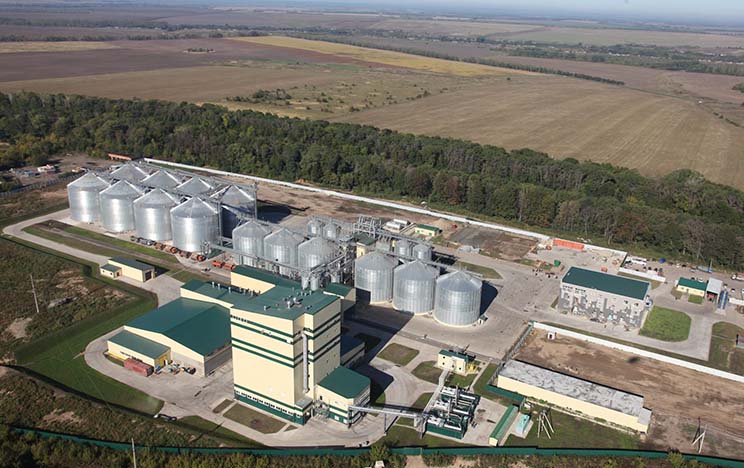
10T/H Impianto di lavorazione della pellet di bioenergia di segatura di legno in Messico
Regione : Messico, Nord America
Materie prime : Legno dolce, rovere, legno massiccio riciclato
Uscita : 10 T/H
Applicazioni del pellet : Centrali elettriche e riscaldamento
Componenti principali : Cippatrice a tamburo, mulino a martelli, mulino per pellet di biomassa, raffreddatore di pellet della serie SKLH, confezionatrice di pellet e altre attrezzature ausiliarie.
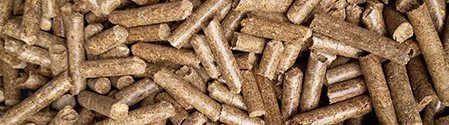
Linea di produzione di pellet di segatura di legno 2T/H Paesi Bassi
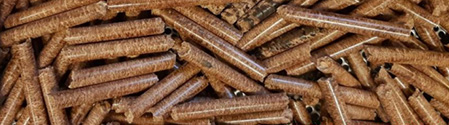
Regione : Paesi Bassi, Europa
Materie prime : Scarti di lavorazione del legno, rifiuti puliti di legno solido
Uscita : 2 T/H
Applicazioni del pellet : Centrale elettrica, come energia supplementare per il gas naturale
Componenti principali : Mulino a martelli, depolveratore ad impulsi di tipo scatolare, quadro elettrico di controllo, classificatore a vaglio vibrante, mulino per pellet di legno di alta qualità con trafila ad anello, raffreddatore di pellet in controcorrente, essiccatore rotante e sistema di imballaggio automatico.
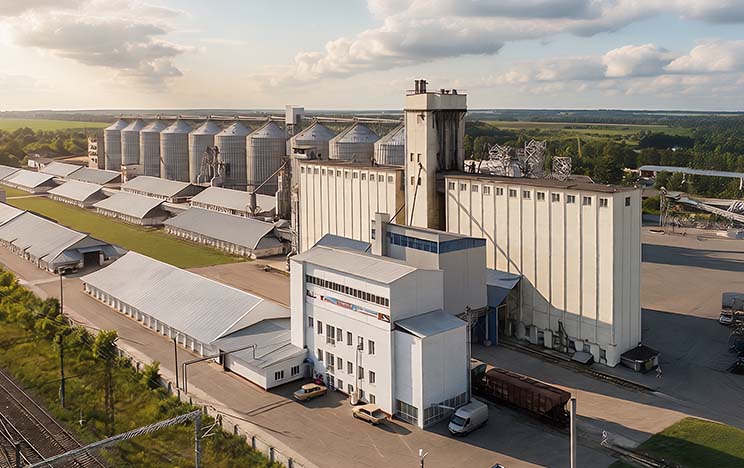
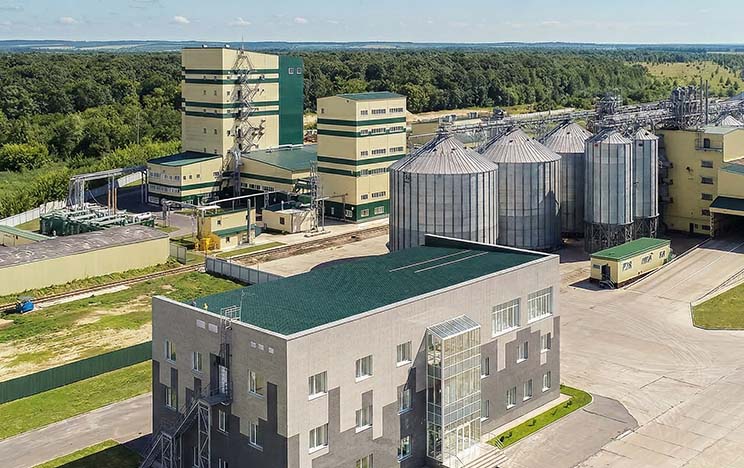
Linea della pallina della biomassa 1-2T/H per legno Brasile
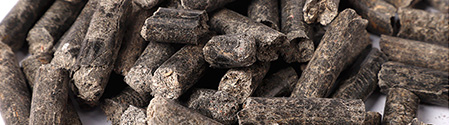
Regione : Brasile, Sud America
Materie prime : Segatura, trucioli di legno, rami, paglia, steli, fibra di palma
Uscita : 1-2 T/H
Applicazioni del pellet : Centrali elettriche o combustione domestica
Componenti principali : Impianti di frantumazione, trasportatori, macchine per la vagliatura, essiccatore, alimentatore a vite, Mulino per pellet di legno con trafila ad anello MZLH420, trasportatore, raffreddatore, confezionatrice
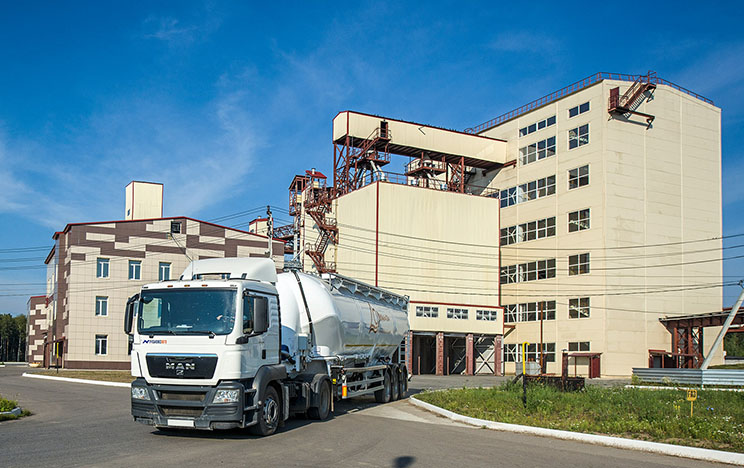
Linea di produzione di segatura di legno 5T/H Austria
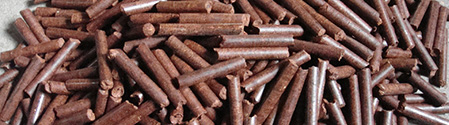
Regione : Austria, Europa
Materie prime : Trucioli di legno, segatura, ecc.
Uscita : 5 T/H
Applicazioni del pellet : Riscaldamento per abitazioni private e caldaie industriali di medie dimensioni
Componenti principali : Cippatrice a tamburo, mulino a martelli (75 kW), depolveratore a impulsi, quadro elettrico, vibrovaglio classificatore, mulino per pellet di legno, raffreddatore di pellet in controcorrente, essiccatore rotativo, sistema di imballaggio automatico.
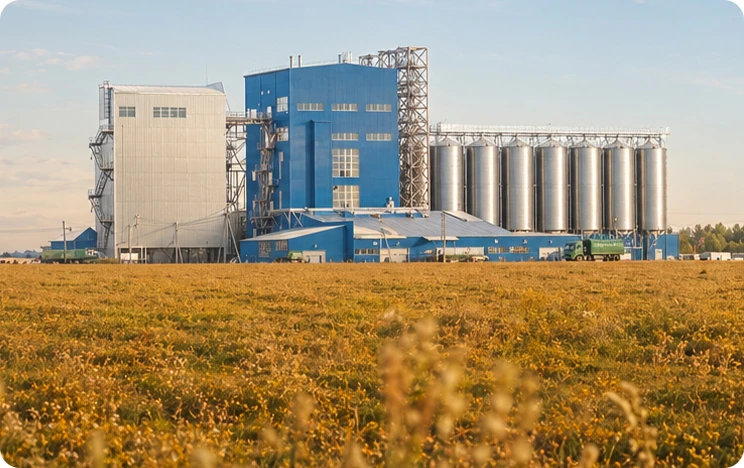

Macchinari RICHI: Alimentazione della produzione globale di pellet
Impegnati nella tecnologia pionieristica dei pellet e nell'ingegneria industriale, facciamo leva su oltre 30 anni di competenze in materia di R&S e di esperienza globale.
Ottimizziamo la progettazione, la produzione e l'integrazione dei sistemi per guidare le industrie dei mangimi, delle biomasse e delle specialità verso l'efficienza, l'intelligenza e la sostenibilità.
Il nostro team di esperti fornisce soluzioni end-to-end per la produzione di pellet che soddisfano gli standard internazionali e si allineano ai vostri obiettivi strategici di produttività e crescita a lungo termine.
60000 +m2
Metri quadrati della nostra fabbrica
2000 +
Progetti in corso in tutto il mondo
140 +
Paesi del nostro cliente
200 +
I numeri del nostro team
Competenza globale ed eccellenza del sistema
I sistemi avanzati di produzione di pellet combinano robustezza e prontezza per il futuro, stabilendo parametri di riferimento per il settore grazie all'integrazione tecnologica e all'innovazione.
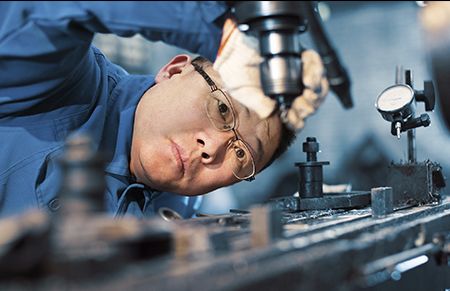
Qualità affidabile
Ogni macchina è sottoposta a controlli di qualità precisi e rigorosi.
Garanzia senza preoccupazioni
Supportati da una rete di assistenza globale con tempi di risposta rapidi.
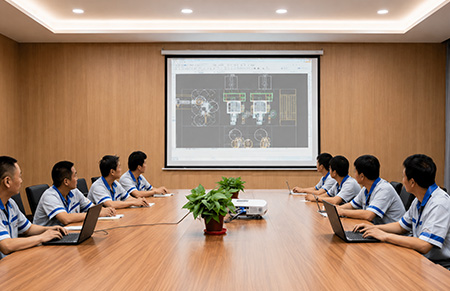
Supporto professionale
Team tecnici esperti forniscono assistenza a ciclo completo.

Pagamenti sicuri
La crittografia multistrato garantisce transazioni sicure e trasparenti.

Logistica globale
L'efficiente spedizione in tutto il mondo assicura una consegna tempestiva in qualsiasi luogo.
EFB Pellet Production Questions Answered
Trovate le risposte professionali alle domande più comuni, che coprono i processi chiave e le considerazioni importanti nella produzione di pellet di biomassa.
1. What is the main use of the EFB pelletizer?
It is mainly used to process waste such as palm empty fruit bunches (EFB) generated during palm oil production. Through pelleting, loose and bulky EFB transforms into easy-to-store and transport biomass fuel pellets. These are used for industrial boilers, biomass energy projects, or fuel sales.
2. Can palm empty fruit bunches go directly into the pellet machine?
Usually, they cannot go directly.
Fresh EFB is typically fluffy, high in moisture, and has long fibers. These factors affect pellet forming. Therefore, before production, we need to determine if crushing, drying, or other treatments are needed based on the actual raw material.
EFB conditions vary across palm oil mills. The specific equipment configuration depends on your raw material situation.
3. What is the production process for EFB pellets?
EFB pellet production typically involves raw material handling, crushing, drying, pelleting, cooling, screening, and packaging.
The specific process is not fixed. It needs adjustment based on EFB moisture content, storage time, raw material supply, and target output. Some projects only need partial equipment additions, while large commercial projects usually require a complete EFB pellet production line.
4. What are the main advantages of EFB pellets?
After pelleting, EFB volume decreases significantly and density increases, making storage, transport, and subsequent use easier.
Compared to simply piling up EFB, pelleting makes palm waste easier to use as biomass fuel and reduces the disposal pressure caused by long-term waste accumulation.
5. Who is the EFB pellet machine suitable for?
The EFB pellet machine is mainly suitable for enterprises with a stable source of palm biomass and plans for long-term production.
For example, palm oil mills can use EFB by-products from production to reduce waste disposal pressure. Biomass fuel companies can process EFB into fuel pellets for sales or energy projects. Agricultural waste processing companies can also utilize abundant regional biomass resources for processing.
If you only process small amounts of EFB occasionally, or lack a stable raw material source, small-scale processing is generally not suitable for industrial-grade EFB pellet equipment.
6. What conditions are needed for EFB pellet production?
To build an EFB pellet production project, you first need a stable supply of EFB raw materials, as the equipment needs continuous operation to deliver value.
At the same time, raw material condition is crucial. EFB moisture content, fiber length, and storage time all affect the final production result.
Additionally, you need power conditions and production space suitable for industrial equipment operation, including space for raw material storage, equipment installation, and finished product storage.
7. How much does an EFB pellet production line cost?
There is no fixed price for an EFB pellet production line. The cost mainly depends on production scale, equipment configuration, and raw material processing needs.
If the EFB requires pre-treatment like crushing and drying, more equipment is needed, increasing the overall investment. Before finalizing the investment plan, we need to understand your raw material supply, target output, and production requirements.
8. Where can EFB pellets be used?
EFB pellets are mainly used as biomass fuel for industrial boilers, biomass energy projects, and the fuel supply market.
Compared to untreated EFB, pellet fuel is easier to transport and store, making it more suitable for commercial use.
9. Besides EFB, what other materials can the pellet machine process?
Besides palm empty fruit bunches (EFB), the biomass pellet machine can process various fiber-based materials, such as palm kernel shells, coconut shells, bagasse, rice husk, corn cob, straw, and sawdust.
Different materials have different properties. During actual production, we need to select the appropriate processing solution based on the material characteristics.
10. What is the difference between EFB pellets and ordinary wood pellets?
Both EFB pellets and wood pellets are biomass fuels, but their raw materials differ.
Sawdust usually has a stable source and a fiber structure that is relatively easy to process. EFB is a palm processing waste with variable moisture content and fiber condition. Therefore, producing EFB pellets requires more attention to raw material pre-treatment and equipment adaptation.
11. Why does EFB need crushing and drying before pelleting?
Because EFB raw material is usually loose, has long fibers, and high moisture when freshly produced. Crushing makes the material more uniform, and drying adjusts the moisture, bringing the EFB to a state more suitable for pelleting.
However, not all EFB projects require the exact same treatment. Whether crushing or drying is needed depends on your specific raw material situation.
Explore RICHI Other Biomass Pellet Machines
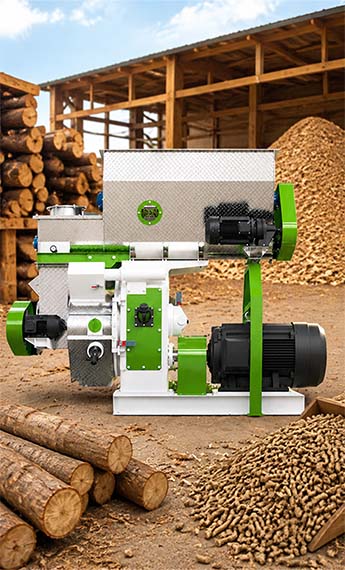
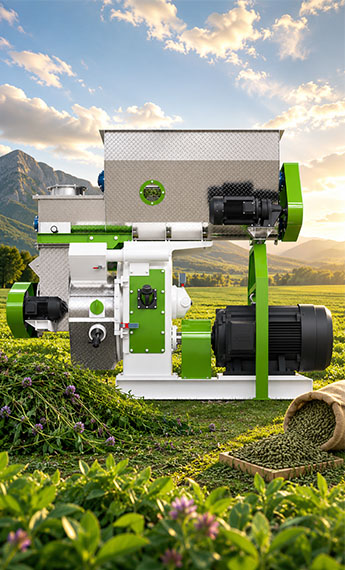
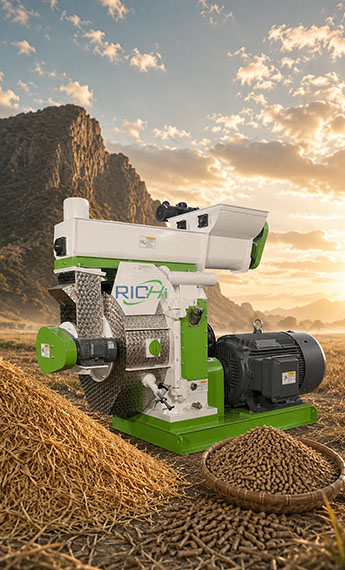
macchina per la produzione di pellet di bucce
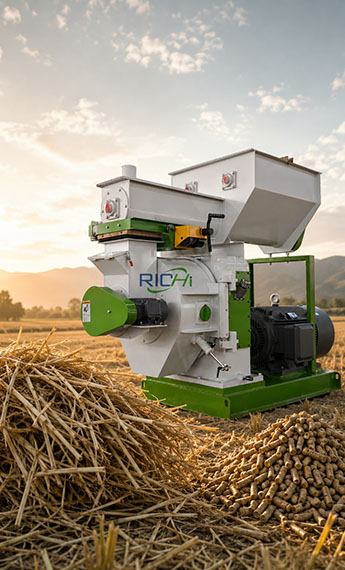
Macchina per la produzione di pellet di paglia
Avviare il progetto pellet
La produzione di pellet è un processo sistematico. Indicateci le vostre esigenze in termini di materie prime e capacità produttiva e noi creeremo una soluzione su misura, fornendovi una consulenza professionale per la produzione su scala commerciale.

Indirizzo: a sud dell'incrocio tra Xingda Road e Hongyuan Road, Wuzhi, città di Jiaozuo, provincia di Henan, Cina

Tel./WhatsApp: +86 136 0866 8310

E-mail: enquiry@richimachinery.com



© HENAN RICHI MACHINERY CO., LTD 1995-2026 Linea di prodotti / Informativa sulla privacy
Contatto
Inviate le vostre richieste, i consulenti RICHI vi risponderanno rapidamente.

