

EFB Pellet Machine for Palm Waste Recycling
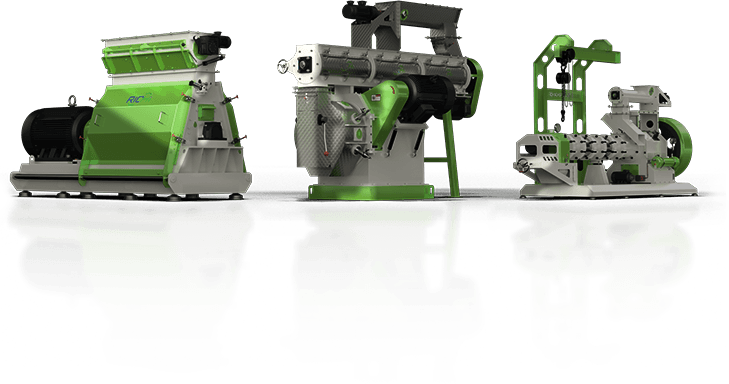
RICHI EFB pellet machine processes palm empty fruit bunches, palm fiber, and other palm waste into high-density biomass fuel pellets. It helps palm oil mills turn by-products into valuable resources. The equipment fits EFB pellet production projects of different scales. We provide standalone machines and complete EFB pellet production line solutions based on your raw materials and output needs.
With over 30 years of experience in pellet equipment manufacturing, RICHI has mature biomass pelleting technology and extensive project expertise. We offer stable and reliable industrial-grade pellet production equipment to our clients.
EFB Pellet Machine: For Industrial Biomass Fuel Pellet Production
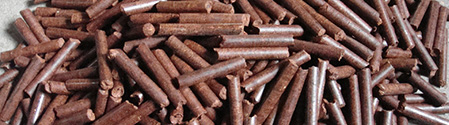
As the palm oil industry grows, more companies are focusing on recycling by-products like EFB. Palm empty fruit bunches are originally loose and take up a lot of space. After pelleting, they turn into biomass fuel pellets that are easy to store and transport, greatly increasing their value.
EFB pellet production demands high continuous operation and stability from the equipment. The RICHI EFB pellet mill has a minimum capacity of 300 kg/h. It features an industrial-grade design and can be flexibly configured based on project scale and capacity needs.
Since this equipment is for commercial production, it must meet long-term operation requirements. Its investment and supporting needs also differ from ordinary pellet machines. Therefore, this equipment is not designed for personal small-scale processing, home use, or occasional EFB handling. For clients with stable raw material sources and clear production plans—such as palm oil mills and biomass fuel companies—industrial-grade EFB pellet equipment offers more reliable production support.
EFB pellet machine is not an ordinary pellet making machine:
Ring Die Pellet Mill Structure & Engineering Design
From the overall structure to the core components, RICHI ring die pellet machines are designed for industrial continuous production. The equipment features a reliable transmission system and precisely machined ring dies and roller assemblies. We also optimize the machine for different production environments. This reduces failures and maintenance during operation, meeting the demands of long-term continuous production.
1. Sistem Pemberian Makan
2. Ruang Pelet
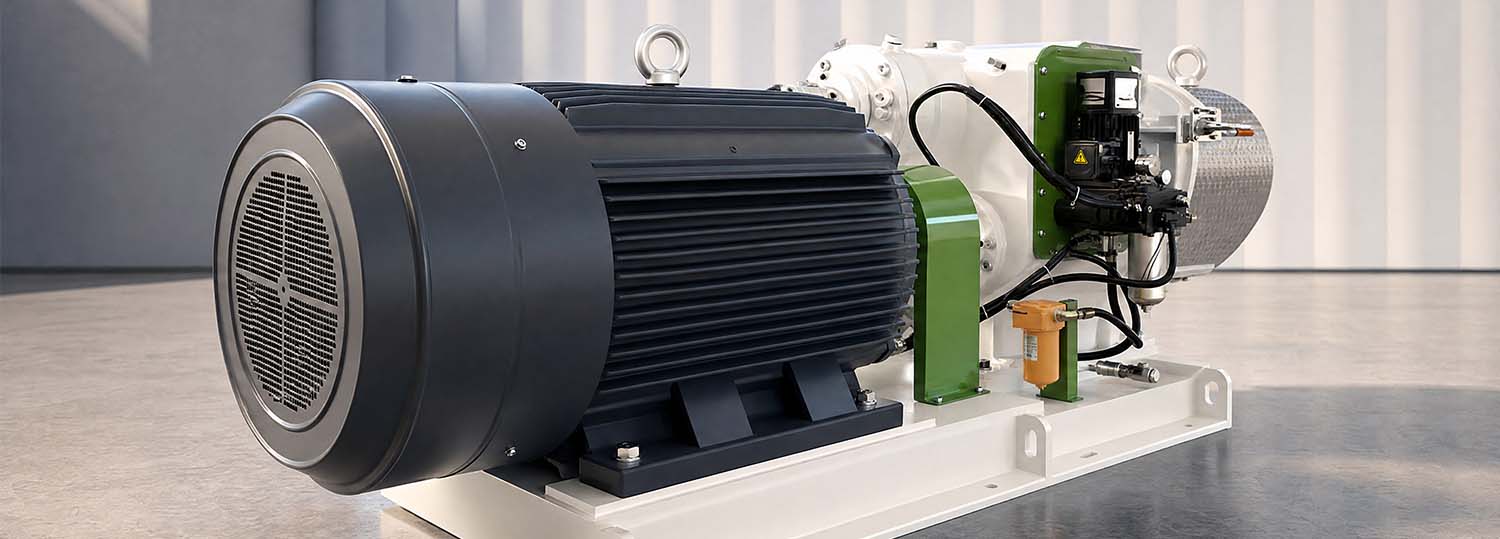
3. Drive & Transmission System
4. Lubrication System
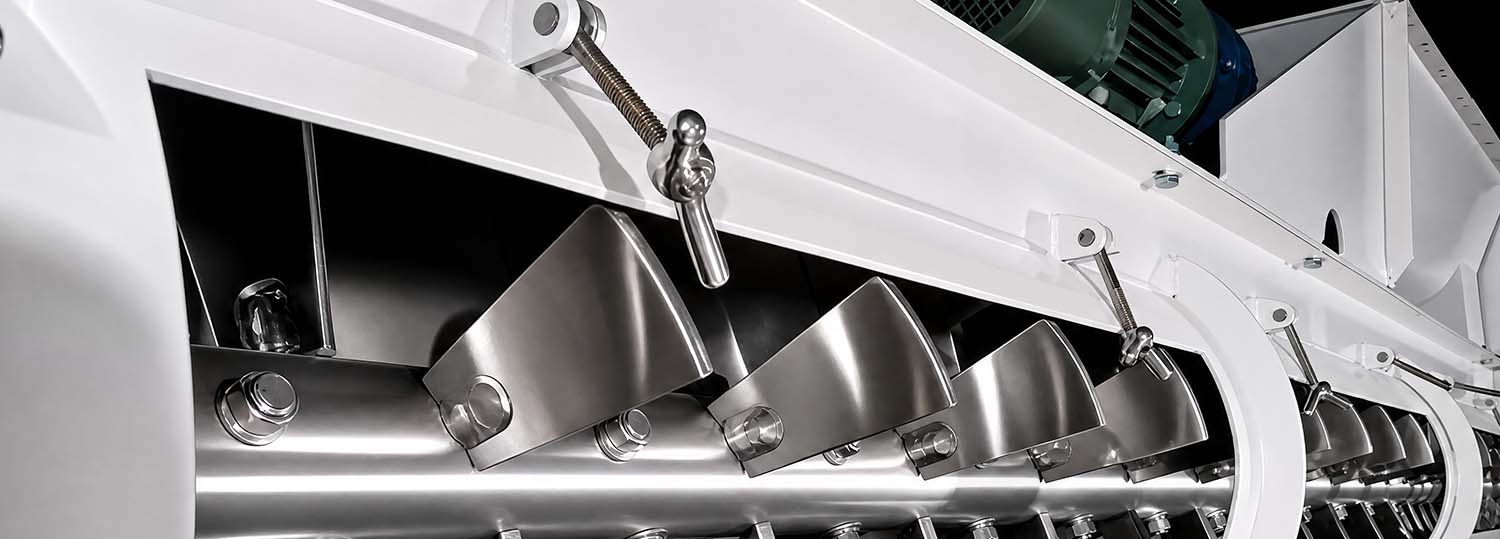
1. Sistem Pemberian Makan
Delivers raw materials evenly and continuously to the pelleting area.
Uses variable frequency control and forced feeding to adjust feed speed for different materials. For materials with varying moisture and fiber content, stable feeding reduces blockages and interruptions, ensuring a smooth pelleting process.
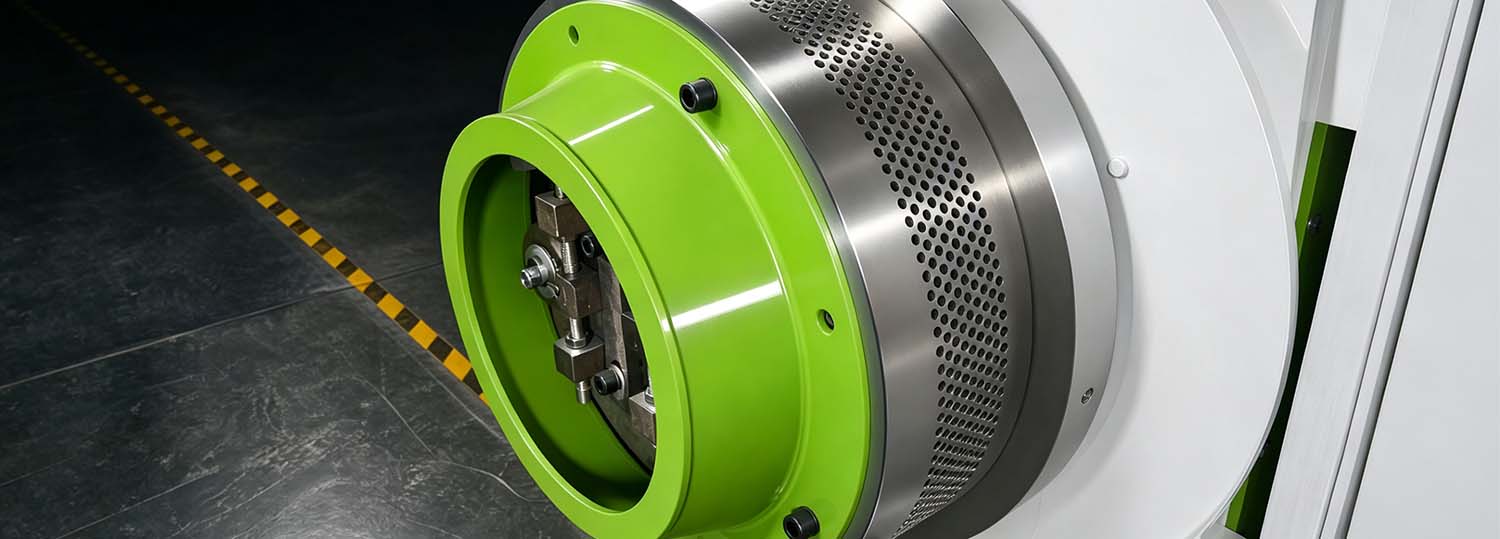
2. Ruang Pelet
Comprises core components like the ring die and rollers, and is the area where raw materials are compressed and formed.
By matching the right ring die specifications and compression ratio, the machine produces uniform pellets with stable density, while reducing abnormalities during pelleting.
3. Drive & Transmission System
Efficiently transfers motor power to the pelleting mechanism, providing stable power for continuous operation.
The optimized transmission structure improves energy efficiency, reduces power loss, and maintains stable, reliable performance under high-load conditions.
4. Lubrication System
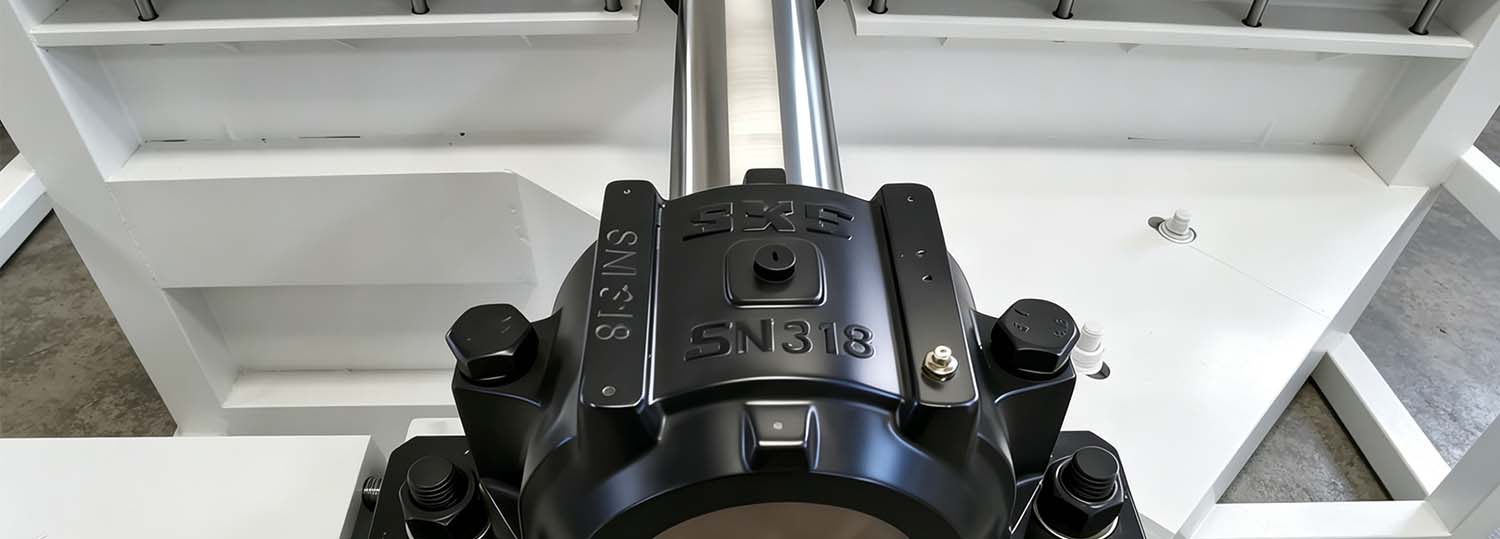
Provides continuous lubrication for key components like bearings and rollers, reducing friction and wear.
The automated lubrication design ensures on-demand lubricant supply, cutting maintenance work. It also extends the life of critical parts and improves equipment reliability.
Empty Fruit Bunches Pellet Mill Models & Technical Parameters
EFB pellet production projects of different scales vary in equipment capacity, power configuration, and processing requirements. RICHI offers multiple models of oil palm empty fruit bunch pellet machines. Select the right equipment specifications based on raw material supply, planned output, and production environment.
By reviewing the equipment model, capacity, motor power, and pellet size range, you can clearly understand the processing capabilities of different models, providing a reference for equipment selection.
| Model | Kapasitas (t/jam) | Motor Utama Daya (kw) | Daya Pengumpan Anti-Lengkung (kW) | Daya Pengumpan Paksa (kW) | Diameter Bagian Dalam Ring Die (mm) | Diameter Pelet (mm) |
|---|---|---|---|---|---|---|
| CZLH320 | 0.5-1 | 22 | 2.2 | 0.75 | 320 | 4-12 |
| CZLH350 | 1-2 | 37 | 2.2 | 0.75 | 350 | |
| CZLH420 | 2-4 | 90 | 3 | 1.5 | 420 | |
| CZLH520 | 4-8 | 132 | 3 | 1.5 | 520 | |
| CZLH678 | 8-15 | 200 | 3 | 1.5 | 673 | |
| CZLH768 | 15-20 | 250 | 4 | 1.5 | 762 |
What Raw Materials Can RICHI EFB Pellet Mill Process?
Different biomass raw materials vary in fiber content, moisture content, and storage condition, requiring different processing methods for pelleting. The RICHI EFB pellet machine applies to pre-treated palm empty fruit bunches (EFB) and various fiber-based biomass materials. It converts palm processing and agricultural waste into usable biomass pellets. The following lists the common applicable raw materials.
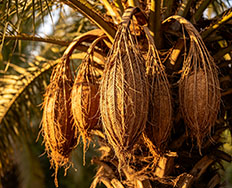
Palm Empty Fruit Bunch
A primary fibrous waste from palm fruit processing, rich in plant fiber. Due to its bulky texture and high moisture content, it usually requires pre-treatment like crushing and drying before pelleting. It can be processed into biomass fuel pellets.
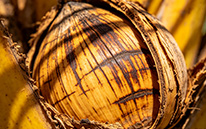
Palm Kernel Shell (PKS)

Palm Leaf

Coconut Shell
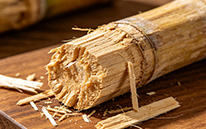
Bagasse
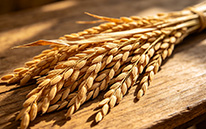
Sekam Padi
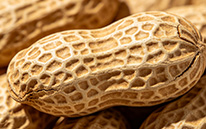
Peanut Shell
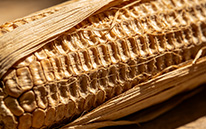
Corn Cob
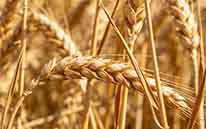
Jerami Gandum
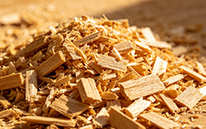
Serbuk gergaji
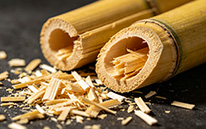
Bamboo Dust
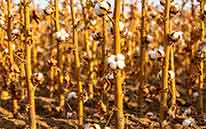
Batang Kapas
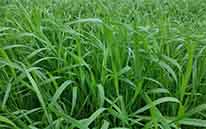
Rumput
After pelleting, these fiber-based biomass materials turn into denser, more uniform pellets.
Compared to their original loose state, the pellets are easier to store and transport. They are also more convenient to use in biomass fuel equipment, serving fuel applications such as industrial boilers.
Working Principle of the EFB Pellet Mill Machine
This equipment uses mechanical extrusion to process pre-treated palm empty fruit bunch (EFB) fiber into uniform pellets. The entire pelleting process requires adjusting processing conditions based on the fiber characteristics of EFB. This transforms the originally bulky and hard-to-transport palm waste into usable biomass fuel.
1.
Pre-processing EFB material enters the pellet machine
EFB fiber material, after crushing and drying, enters the pelleting chamber via a variable-frequency feeder. The uniform feeding method ensures the material continuously enters the working area between the ring die and the roller.
2.
The ring die and roller compress the material
Inside the pelleting chamber, the rotating ring die moves the material, and the roller continuously presses the material into the die holes. Under sustained pressure, the originally bulky EFB fiber is compressed. The fibers gradually bind together, forming a dense column of material.
3.
Compressed material is extruded from the die holes
When the pressure reaches a certain level, the compacted material is continuously extruded through the ring die holes. The hole size determines the pellet diameter.
For example, using a 6 mm die hole produces EFB pellets with a diameter of about 6 mm. Different ring dies can be replaced to meet various usage needs. The extruded material then forms continuous biomass strips.
4.
Cutter cuts the strips into pellets
The strips extruded from the ring die are cut by the cutter to form EFB biomass pellets of uniform length. The pellet diameter is determined by the ring die specifications, while the length is controlled by adjusting the cutter position.
For example, 6 mm diameter pellets can be adjusted to different lengths, such as 10 mm, 20 mm, or 30 mm, according to requirements.
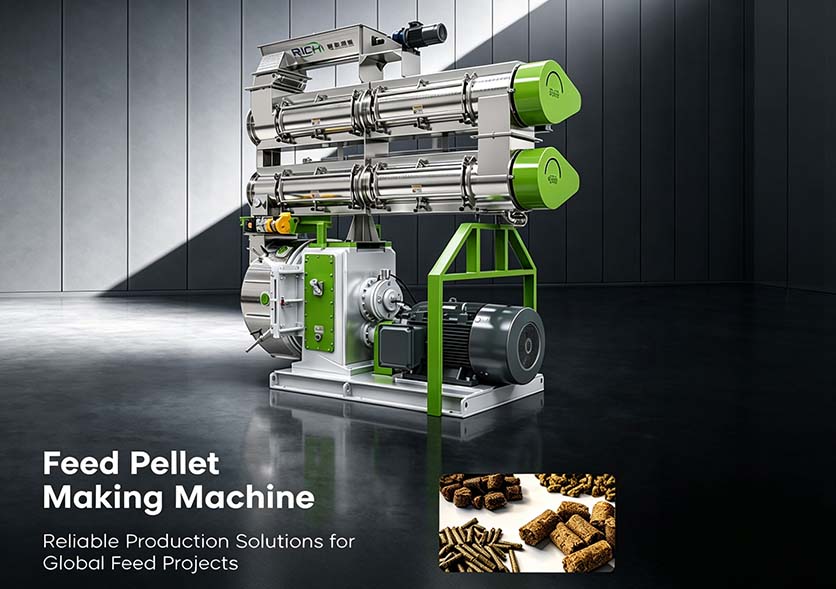

Why Choose RICHI EFB Pellet Mill for Palm Biomass?
From EFB raw material processing to pellet production, the RICHI EFB pellet machine fully addresses the key needs of palm biomass processing. We provide customers with a complete solution covering equipment selection, process design, and production application—not just a standardized pellet machine.
• Optimized Design for High-Fiber EFB Material
Palm empty fruit bunches (EFB) have a high fiber content and a loose structure. Direct processing often leads to unstable pellet forming results.
By choosing a pellet machine specifically designed for EFB characteristics, you can better process this high-fiber palm waste and turn it into biomass fuel pellets that are easy to store, transport, and use.
• Meet Large-Scale Biomass Production Demands
If you plan to build a commercial EFB pellet production project, equipment capacity and long-term reliability directly impact production efficiency.
The RICHI EFB pellet machine offers capacities from 1 to 40 T/H. You can select the right equipment based on your raw material supply and production goals, meeting the needs of everything from palm processing waste utilization to biomass fuel production projects.
• Comprehensive Consideration of EFB Pre-treatment
EFB cannot simply be fed into a pellet machine for production. Palm empty fruit bunches from different sources vary in moisture, fiber length, and storage condition.
When building a production line, you can configure equipment for crushing, drying, pelleting, cooling, screening, and packaging based on your actual raw material situation. This ensures the entire process better fits your production needs.
• Extensive Biomass Project Experience
With over 30 years of machinery manufacturing experience, RICHI has supplied biomass pellet equipment to customers worldwide.
By choosing an experienced supplier, you gain more support during project planning, equipment selection, and construction.
• Direct Factory Supply with Professional Technical Support
Investing in large-scale pellet equipment requires attention not only to price but also to equipment quality, delivery capability, and after-sales service.
By choosing RICHI, you deal directly with the manufacturing factory and receive: CE-certified equipment, ISO quality system assurance, customized equipment solutions based on project needs, installation and commissioning support, and long-term technical service.
• Efficiently Utilize Palm Waste to Create Extra Value
If your region has abundant palm empty fruit bunches, proper utilization of this waste can reduce storage and disposal pressure while creating new value.
Through EFB pellet production, you can convert palm waste that requires disposal into biomass fuel. Use it for internal consumption, energy projects, or fuel sales, achieving effective resource utilization.
Biomass Fuel Pellet Production System
Dari asupan bahan baku seperti kayu gelondongan, serpihan kayu, dan serbuk gergaji hingga pengemasan pelet yang sudah jadi, sistem produksi pelet kayu biasanya terdiri dari banyak bagian.
Berdasarkan status bahan baku, kapasitas target, dan persyaratan otomatisasi, peralatan untuk setiap proses dapat dikonfigurasi secara fleksibel untuk mencapai produksi pelet yang stabil dan berkelanjutan.Klik untuk membalik dan melihat detail.)
01.
Penggilingan
Perincian penggilingan dapat disesuaikan agar sesuai dengan berbagai jenis unggas dan tahap pertumbuhan.
Setelah digiling, material tersebut secara mekanis diangkut ke tempat penampungan, siap untuk digunakan.
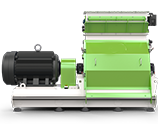
Pabrik Palu
Menggiling bahan (ukuran ≤5cm) menjadi bubuk; ukuran kasa dapat disesuaikan.
Kapasitas
3-50 T / H
Ukuran penggilingan
0,5 - 20mm
02.
Pengeringan
Sesuaikan tingkat kelembapan berdasarkan kadar air awal bahan baku untuk memenuhi persyaratan proses pembuatan pelet, sehingga meningkatkan laju pembentukan dan kualitas pelet.
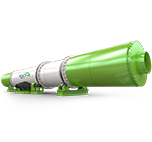
Pengering Putar
Mengeringkan kelembapan pada serbuk gergaji dan serpihan kayu ke tingkat yang diperlukan; kecepatan drum dapat disesuaikan menurut kadar kelembapan material.
Panjang Pengering
6-24 m
Kecepatan Rotasi
3-12 rpm
03.
Pelet
Membentuk pelet struktural yang stabil melalui ekstrusi tekanan tinggi, mencapai standarisasi bahan baku dan pemanfaatan dengan kepadatan tinggi.
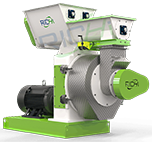
Mesin Pelet Tandan Kosong Kelapa Sawit
Mengepres bahan baku kayu yang telah diproses menjadi pelet kayu dengan kepadatan tinggi.
Daya
22-205 kW
Kapasitas
0,2-4 T / H
04.
Pendinginan
Mengurangi suhu pelet kayu baru untuk menstabilkan strukturnya, mencegah deformasi dan kerusakan selama penyimpanan dan transit.
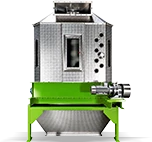
Pendingin Aliran Balik
Memastikan pendinginan yang merata dan kekuatan pelet yang unggul.
Waktu Pendinginan
6-15 menit
Kapasitas
1-40 T / H
05.
Penyaringan
Menghasilkan penilaian yang tepat untuk ukuran dan tampilan pelet yang konsisten. Material yang ditolak didaur ulang kembali ke dalam sistem.
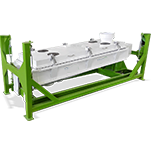
Layar Penilaian Putar
Dilengkapi dengan layar multi-lapis untuk pemisahan berbagai ukuran partikel yang berbeda secara terus menerus.
Kapasitas
3-40 T / H
Daya
1,5-5,5 kW
06.
Pengemasan
Timbangan elektronik memungkinkan pengemasan khusus (tas 10kg-50kg atau ton). Jalur yang sepenuhnya otomatis dengan robot opsional. Mode kontrol: Manual, semi-otomatis, atau otomatis penuh.
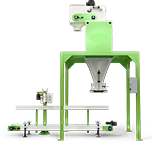
Timbangan Pengemasan Sepenuhnya Otomatis
Bahan kemasan, dengan opsi penyegelan: penyegelan panas, jahit benang, atau penyegelan hibrida.
Kecepatan Pengemasan
2-8 menit / kantong
Biomass Pellet Plant Projects
Every biomass pellet project is shaped by raw material characteristics, capacity targets, and process configurations. The following case studies cover wood pellet production projects across different countries, capacities, and raw material types, serving as a reference for equipment selection and solution planning.
Proyek Pabrik Pembuatan Pelet Kayu di Indonesia
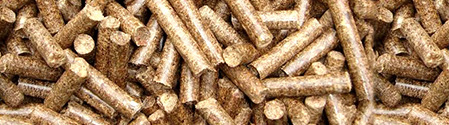
Wilayah : Asia, Indonesia
Bahan Baku : Kayu gelondongan dan serpihan kayu, sisa-sisa pabrik mebel dan serbuk gergaji
Keluaran : 1-2 T / H
Aplikasi Pelet : Pemanasan industri ekspor dan domestik
Komponen Utama : Pemotong kayu, pemotong kayu, penghancur palu, pengering, pabrik pelet kayu MZLH420, mesin skrining, pendingin pelet, mesin pengemas, dll
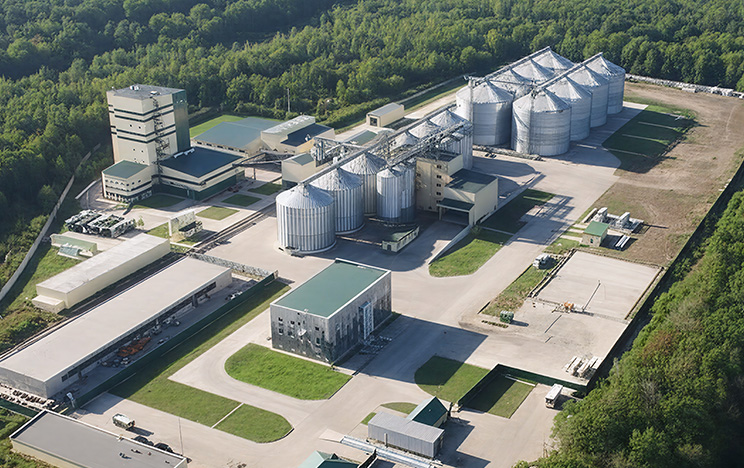
Pabrik Pelet Kayu Biomassa Siap Pakai 2T / H di Kanada
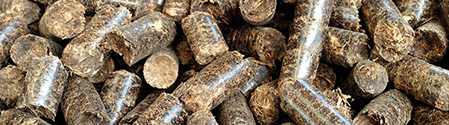
Wilayah : Kanada, Amerika Utara
Bahan Baku : Cemara, limbah pengolahan kayu keras, sisa penebangan
Keluaran : 2 T / H
Aplikasi Pelet : Pelet Bahan Bakar
Komponen Utama : Pemotong kayu, pabrik palu, mesin skrining, pengering putar, silo penyimpanan, pabrik pelet kayu industri, pendingin pelet, mesin pengemas otomatis, dll
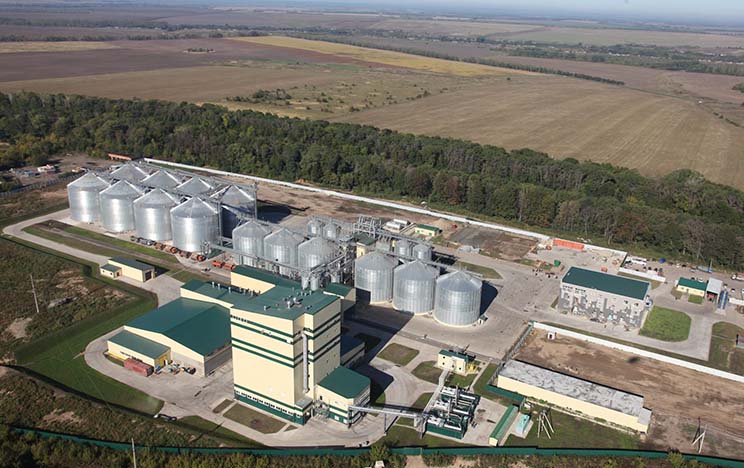
10T / H Pabrik Pengolahan Pelet Bioenegy Serbuk Gergaji Kayu di Meksiko
Wilayah : Meksiko, Amerika Utara
Bahan Baku : Kayu lunak, kayu ek, kayu solid daur ulang
Keluaran : 10 T / H
Aplikasi Pelet : Pembangkit listrik dan pemanas
Komponen Utama : Chipper kayu drum, hammer mill, pabrik pelet biomassa, pendingin pelet seri SKLH, mesin pengemas pelet, dan peralatan tambahan lainnya
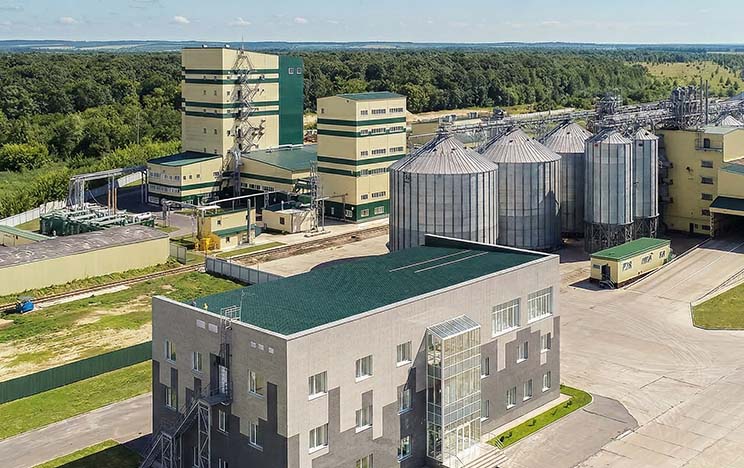
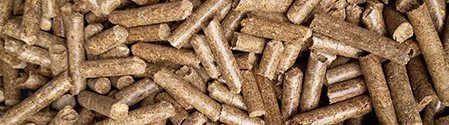
Lini Produksi Pelet Serbuk Gergaji Kayu 2T / H Belanda
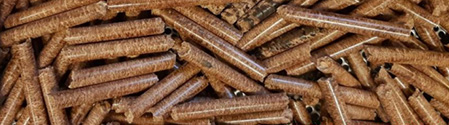
Wilayah : Belanda, Eropa
Bahan Baku : Sisa pengolahan kayu, limbah kayu padat yang bersih
Keluaran : 2 T / H
Aplikasi Pelet : Pembangkit listrik, sebagai energi tambahan untuk gas alam
Komponen Utama : Pabrik palu, pengumpul debu pulsa tipe kotak, kabinet kontrol listrik, pengklasifikasi layar bergetar, pabrik pelet kayu ring die berkualitas tinggi, pendingin pelet arus balik, pengering putar, dan sistem pengemasan otomatis
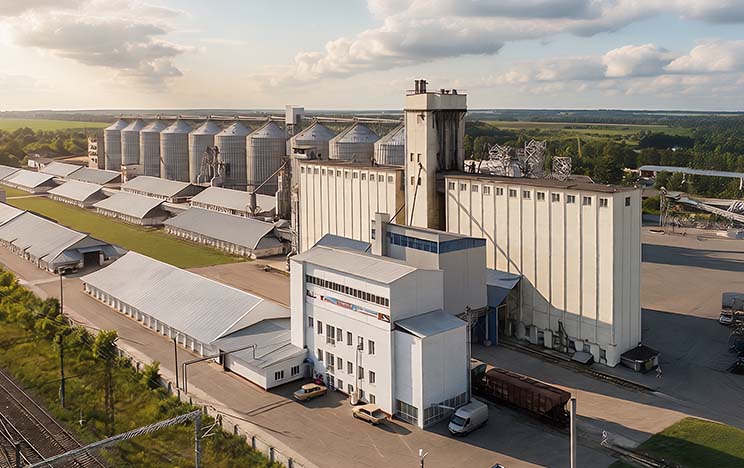
Jalur Pelet Biomassa 1-2T / H Untuk Kayu Brasil
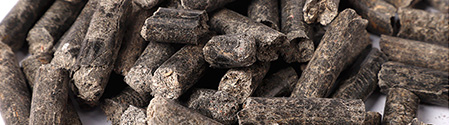
Wilayah : Brasil, Amerika Selatan
Bahan Baku : Serbuk gergaji, serpihan kayu, ranting, jerami, tangkai, ijuk
Keluaran : 1-2 T / H
Aplikasi Pelet : Pembangkit listrik atau pembakaran rumah tangga
Komponen Utama : Peralatan penghancur, konveyor, mesin skrining, pengering, pengumpan sekrup, Pabrik pelet kayu ring die MZLH420, konveyor, pendingin, mesin pengemas
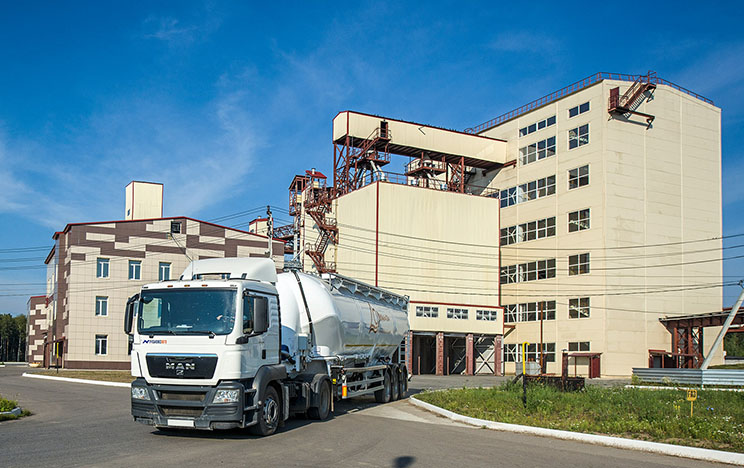
Lini Produksi Serbuk Gergaji Kayu 5T / H Austria
Wilayah : Austria, Eropa
Bahan Baku : Serpihan kayu, serbuk gergaji, dll
Keluaran : 5 T / H
Aplikasi Pelet : Pemanasan untuk tempat tinggal pribadi dan boiler industri berukuran sedang
Komponen Utama : Chipper kayu drum, hammer mill (75 kW), pengumpul debu pulsa, kabinet kontrol listrik, pengklasifikasi layar bergetar, pabrik pelet kayu, pendingin pelet arus balik, pengering putar, sistem pengemasan otomatis
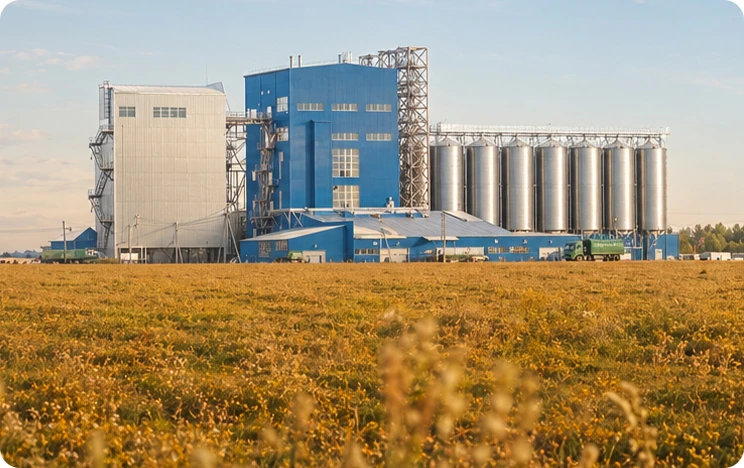

Mesin RICHI: Memberdayakan Produksi Pelet Global
Berkomitmen untuk memelopori teknologi pelet dan teknik industri, kami memanfaatkan lebih dari 30 tahun keahlian R&D dan pengalaman global.
Kami mengoptimalkan desain, manufaktur, dan integrasi sistem untuk mendorong industri pakan, biomassa, dan industri khusus menuju efisiensi, kecerdasan, dan keberlanjutan.
Tim ahli kami memberikan solusi produksi pelet end-to-end yang memenuhi standar internasional dan selaras dengan tujuan strategis Anda untuk produktivitas dan pertumbuhan jangka panjang.
60000 +m2
Meter Persegi dari Pabrik Kami
2000 +
Proyek yang Berjalan di Seluruh Dunia
140 +
Negara Klien Kami
200 +
Jumlah Tim Kami
Keahlian Global & Keunggulan Sistem
Sistem produksi pelet yang canggih menggabungkan ketangguhan dan kesiapan untuk masa depan, menetapkan tolok ukur industri melalui integrasi dan inovasi teknologi.
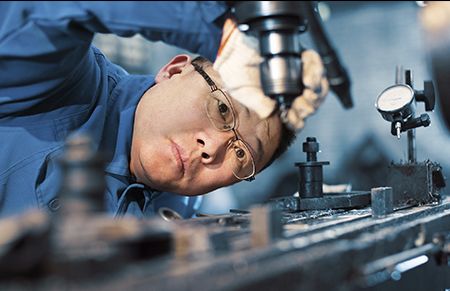
Kualitas yang Dapat Diandalkan
Setiap mesin menjalani pemeriksaan kualitas yang tepat dan ketat.
Garansi Bebas Rasa Khawatir
Didukung oleh jaringan layanan global dengan waktu respons yang cepat.
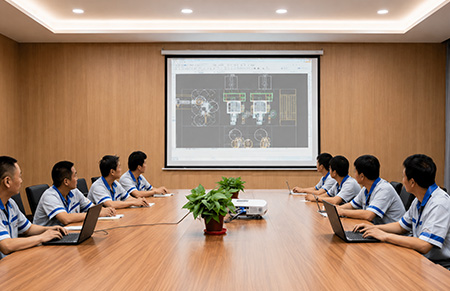
Dukungan Profesional
Tim teknis yang berpengalaman memberikan bantuan siklus penuh.

Pembayaran yang Aman
Enkripsi multi-lapisan memastikan transaksi yang aman dan transparan.

Logistik Global
Pengiriman ke seluruh dunia yang efisien memastikan pengiriman tepat waktu ke lokasi mana pun.
EFB Pellet Production Questions Answered
Temukan jawaban profesional untuk pertanyaan umum, yang mencakup proses utama dan pertimbangan penting dalam produksi pelet biomassa.
1. What is the main use of the EFB pelletizer?
It is mainly used to process waste such as palm empty fruit bunches (EFB) generated during palm oil production. Through pelleting, loose and bulky EFB transforms into easy-to-store and transport biomass fuel pellets. These are used for industrial boilers, biomass energy projects, or fuel sales.
2. Can palm empty fruit bunches go directly into the pellet machine?
Usually, they cannot go directly.
Fresh EFB is typically fluffy, high in moisture, and has long fibers. These factors affect pellet forming. Therefore, before production, we need to determine if crushing, drying, or other treatments are needed based on the actual raw material.
EFB conditions vary across palm oil mills. The specific equipment configuration depends on your raw material situation.
3. What is the production process for EFB pellets?
EFB pellet production typically involves raw material handling, crushing, drying, pelleting, cooling, screening, and packaging.
The specific process is not fixed. It needs adjustment based on EFB moisture content, storage time, raw material supply, and target output. Some projects only need partial equipment additions, while large commercial projects usually require a complete EFB pellet production line.
4. What are the main advantages of EFB pellets?
After pelleting, EFB volume decreases significantly and density increases, making storage, transport, and subsequent use easier.
Compared to simply piling up EFB, pelleting makes palm waste easier to use as biomass fuel and reduces the disposal pressure caused by long-term waste accumulation.
5. Who is the EFB pellet machine suitable for?
The EFB pellet machine is mainly suitable for enterprises with a stable source of palm biomass and plans for long-term production.
For example, palm oil mills can use EFB by-products from production to reduce waste disposal pressure. Biomass fuel companies can process EFB into fuel pellets for sales or energy projects. Agricultural waste processing companies can also utilize abundant regional biomass resources for processing.
If you only process small amounts of EFB occasionally, or lack a stable raw material source, small-scale processing is generally not suitable for industrial-grade EFB pellet equipment.
6. What conditions are needed for EFB pellet production?
To build an EFB pellet production project, you first need a stable supply of EFB raw materials, as the equipment needs continuous operation to deliver value.
At the same time, raw material condition is crucial. EFB moisture content, fiber length, and storage time all affect the final production result.
Additionally, you need power conditions and production space suitable for industrial equipment operation, including space for raw material storage, equipment installation, and finished product storage.
7. How much does an EFB pellet production line cost?
There is no fixed price for an EFB pellet production line. The cost mainly depends on production scale, equipment configuration, and raw material processing needs.
If the EFB requires pre-treatment like crushing and drying, more equipment is needed, increasing the overall investment. Before finalizing the investment plan, we need to understand your raw material supply, target output, and production requirements.
8. Where can EFB pellets be used?
EFB pellets are mainly used as biomass fuel for industrial boilers, biomass energy projects, and the fuel supply market.
Compared to untreated EFB, pellet fuel is easier to transport and store, making it more suitable for commercial use.
9. Besides EFB, what other materials can the pellet machine process?
Besides palm empty fruit bunches (EFB), the biomass pellet machine can process various fiber-based materials, such as palm kernel shells, coconut shells, bagasse, rice husk, corn cob, straw, and sawdust.
Different materials have different properties. During actual production, we need to select the appropriate processing solution based on the material characteristics.
10. What is the difference between EFB pellets and ordinary wood pellets?
Both EFB pellets and wood pellets are biomass fuels, but their raw materials differ.
Sawdust usually has a stable source and a fiber structure that is relatively easy to process. EFB is a palm processing waste with variable moisture content and fiber condition. Therefore, producing EFB pellets requires more attention to raw material pre-treatment and equipment adaptation.
11. Why does EFB need crushing and drying before pelleting?
Because EFB raw material is usually loose, has long fibers, and high moisture when freshly produced. Crushing makes the material more uniform, and drying adjusts the moisture, bringing the EFB to a state more suitable for pelleting.
However, not all EFB projects require the exact same treatment. Whether crushing or drying is needed depends on your specific raw material situation.
Explore RICHI Other Biomass Pellet Machines
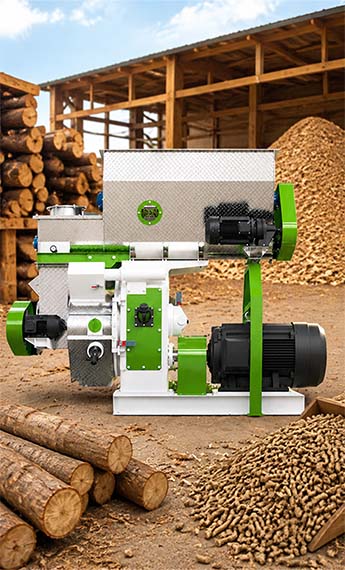
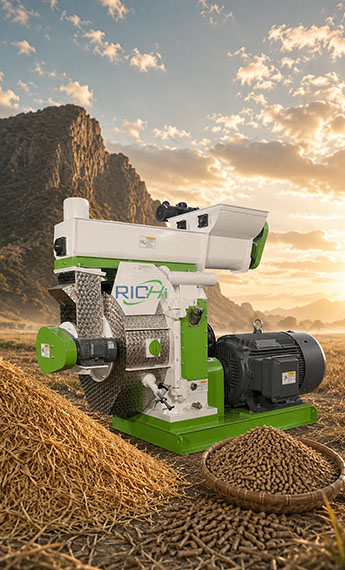
mesin pembuat pelet sekam
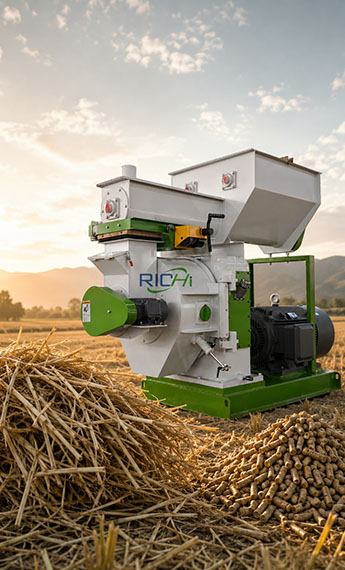
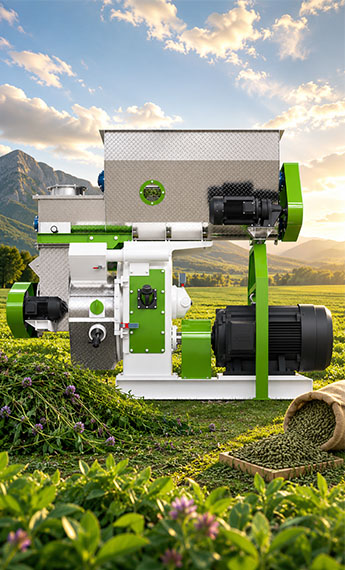
Mesin produksi pelet jerami
Mulai Proyek Pelet Anda
Produksi pelet merupakan proses yang sistematis. Sampaikan kebutuhan bahan baku dan kapasitas Anda, dan kami akan merancang solusi yang disesuaikan dengan kebutuhan Anda, disertai panduan profesional untuk produksi komersial.

Alamat: Sebelah selatan persimpangan Jalan Xingda dan Jalan Hongyuan, Wuzhi, Kota Jiaozuo, Provinsi Henan, Tiongkok

Telp./WhatsApp: +86 136 0866 8310

E-mail: enquiry@richimachinery.com



© HENAN RICHI MACHINERY CO, LTD 1995-2026 Daftar Produk / Kebijakan Privasi
Hubungi Kami
Silakan kirimkan kebutuhan Anda, konsultan RICHI akan segera menghubungi Anda.

