

EFB Pellet Machine for Palm Waste Recycling
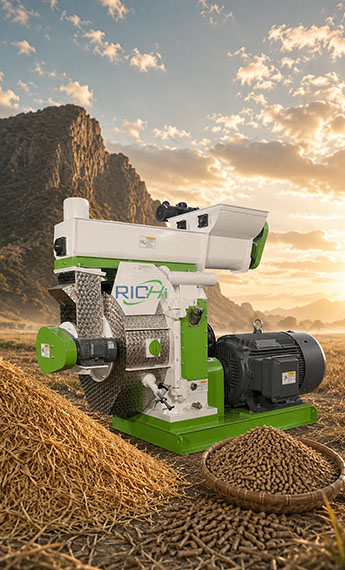
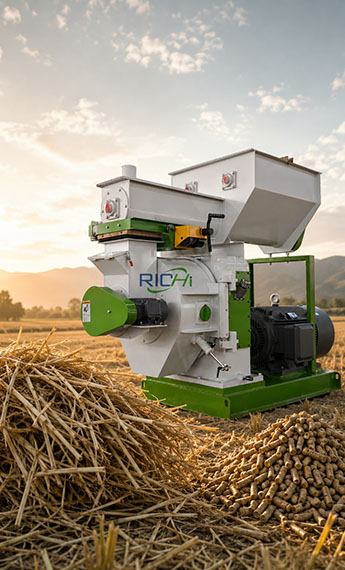
RICHI EFB pellet machine processes palm empty fruit bunches, palm fiber, and other palm waste into high-density biomass fuel pellets. It helps palm oil mills turn by-products into valuable resources. The equipment fits EFB pellet production projects of different scales. We provide standalone machines and complete EFB pellet production line solutions based on your raw materials and output needs.
With over 30 years of experience in pellet equipment manufacturing, RICHI has mature biomass pelleting technology and extensive project expertise. We offer stable and reliable industrial-grade pellet production equipment to our clients.
EFB Pellet Machine: For Industrial Biomass Fuel Pellet Production
As the palm oil industry grows, more companies are focusing on recycling by-products like EFB. Palm empty fruit bunches are originally loose and take up a lot of space. After pelleting, they turn into biomass fuel pellets that are easy to store and transport, greatly increasing their value.
EFB pellet production demands high continuous operation and stability from the equipment. The RICHI EFB pellet mill has a minimum capacity of 300 kg/h. It features an industrial-grade design and can be flexibly configured based on project scale and capacity needs.
Since this equipment is for commercial production, it must meet long-term operation requirements. Its investment and supporting needs also differ from ordinary pellet machines. Therefore, this equipment is not designed for personal small-scale processing, home use, or occasional EFB handling. For clients with stable raw material sources and clear production plans—such as palm oil mills and biomass fuel companies—industrial-grade EFB pellet equipment offers more reliable production support.
EFB pellet machine is not an ordinary pellet making machine:
Ring Die Pellet Mill Structure & Engineering Design
From the overall structure to the core components, RICHI ring die pellet machines are designed for industrial continuous production. The equipment features a reliable transmission system and precisely machined ring dies and roller assemblies. We also optimize the machine for different production environments. This reduces failures and maintenance during operation, meeting the demands of long-term continuous production.
1. Hệ thống cấp thức ăn
2. Buồng ép viên
3. Drive & Transmission System
4. Lubrication System
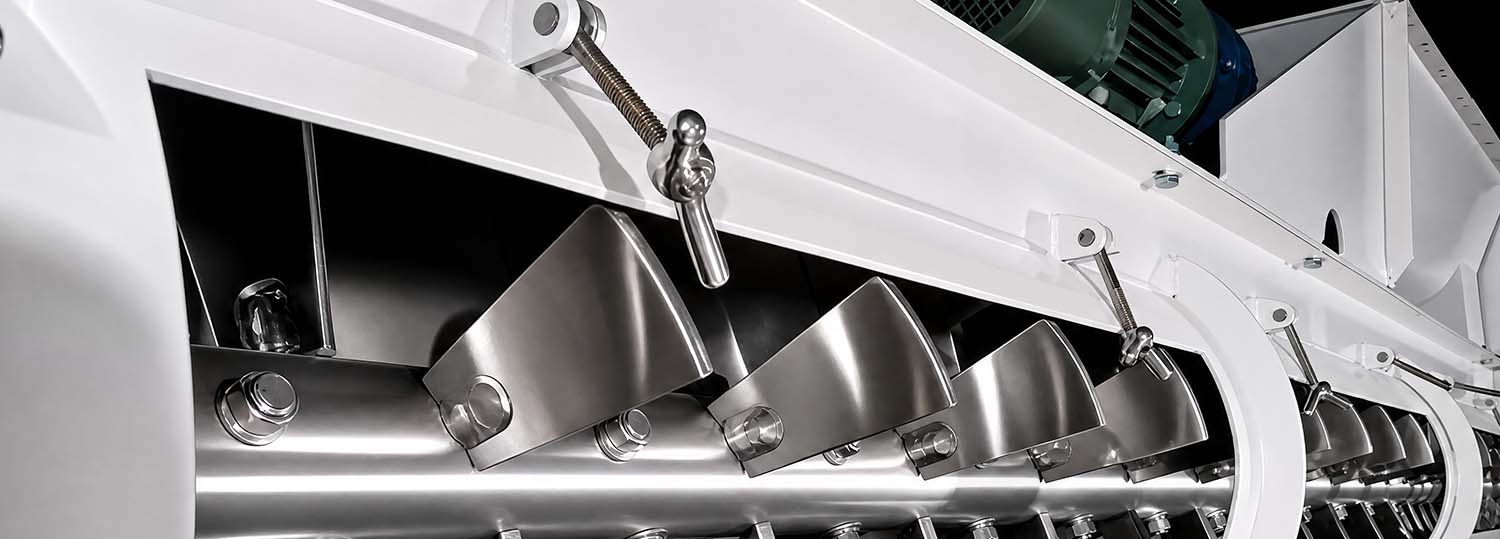
1. Hệ thống cấp thức ăn
Delivers raw materials evenly and continuously to the pelleting area.
Uses variable frequency control and forced feeding to adjust feed speed for different materials. For materials with varying moisture and fiber content, stable feeding reduces blockages and interruptions, ensuring a smooth pelleting process.
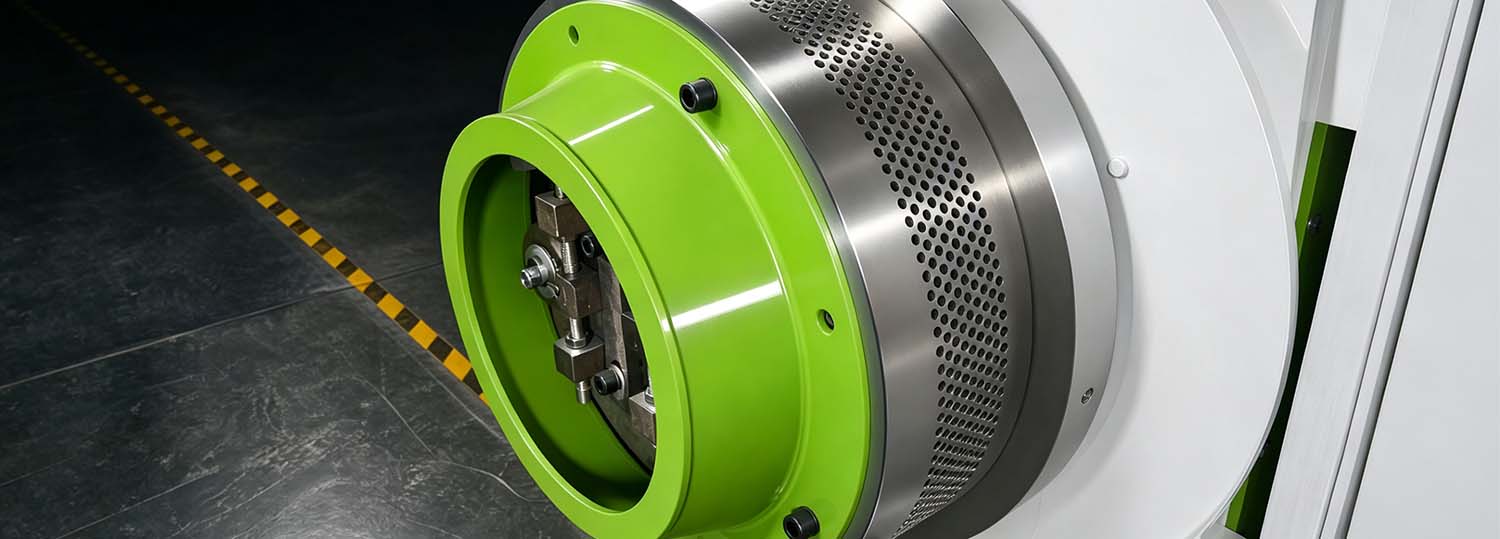
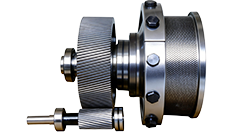
2. Buồng ép viên
Comprises core components like the ring die and rollers, and is the area where raw materials are compressed and formed.
By matching the right ring die specifications and compression ratio, the machine produces uniform pellets with stable density, while reducing abnormalities during pelleting.
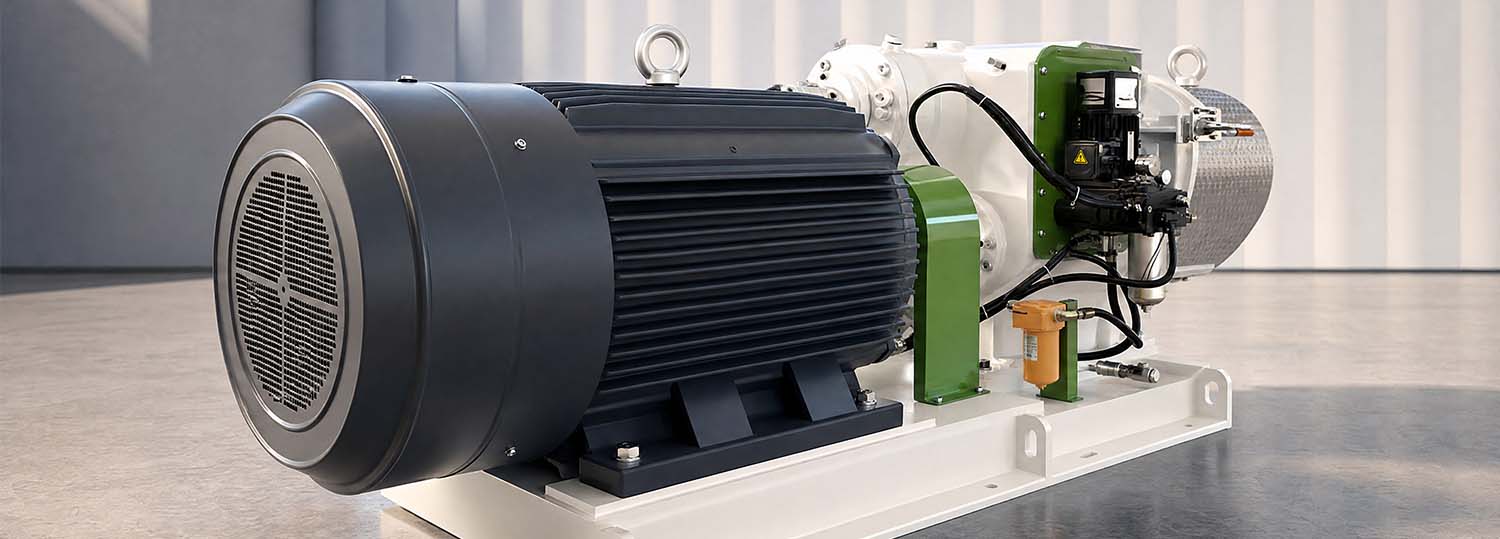
3. Drive & Transmission System
Efficiently transfers motor power to the pelleting mechanism, providing stable power for continuous operation.
The optimized transmission structure improves energy efficiency, reduces power loss, and maintains stable, reliable performance under high-load conditions.
4. Lubrication System
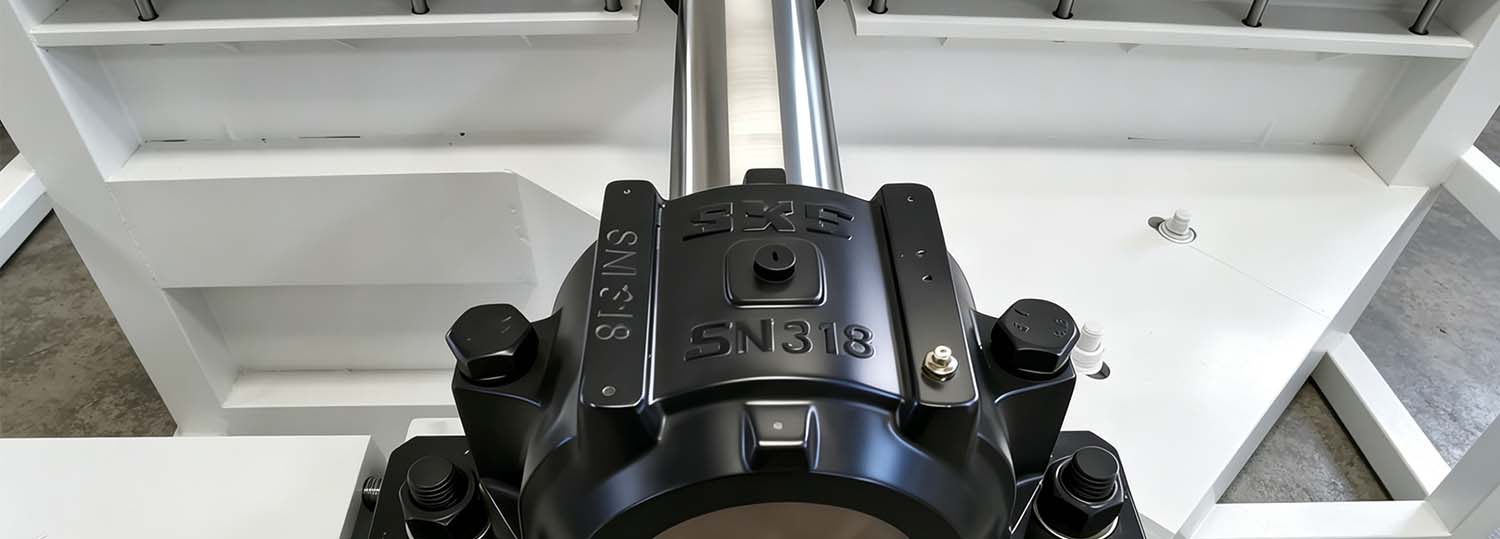
Provides continuous lubrication for key components like bearings and rollers, reducing friction and wear.
The automated lubrication design ensures on-demand lubricant supply, cutting maintenance work. It also extends the life of critical parts and improves equipment reliability.
Empty Fruit Bunches Pellet Mill Models & Technical Parameters
EFB pellet production projects of different scales vary in equipment capacity, power configuration, and processing requirements. RICHI offers multiple models of oil palm empty fruit bunch pellet machines. Select the right equipment specifications based on raw material supply, planned output, and production environment.
By reviewing the equipment model, capacity, motor power, and pellet size range, you can clearly understand the processing capabilities of different models, providing a reference for equipment selection.
| Mẫu | Công suất (t/h) | Động cơ chính Công suất (kW) | Công suất bộ cấp liệu chống vòm (kW) | Công suất bộ cấp liệu cưỡng bức (kW) | Đường kính trong của khuôn vòng (mm) | Đường kính viên (mm) |
|---|---|---|---|---|---|---|
| CZLH320 | 0.5-1 | 22 | 2.2 | 0.75 | 320 | 4-12 |
| CZLH350 | 1-2 | 37 | 2.2 | 0.75 | 350 | |
| CZLH420 | 2-4 | 90 | 3 | 1.5 | 420 | |
| CZLH520 | 4-8 | 132 | 3 | 1.5 | 520 | |
| CZLH678 | 8-15 | 200 | 3 | 1.5 | 673 | |
| CZLH768 | 15-20 | 250 | 4 | 1.5 | 762 |
What Raw Materials Can RICHI EFB Pellet Mill Process?
Different biomass raw materials vary in fiber content, moisture content, and storage condition, requiring different processing methods for pelleting. The RICHI EFB pellet machine applies to pre-treated palm empty fruit bunches (EFB) and various fiber-based biomass materials. It converts palm processing and agricultural waste into usable biomass pellets. The following lists the common applicable raw materials.
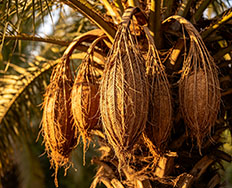
Palm Empty Fruit Bunch
A primary fibrous waste from palm fruit processing, rich in plant fiber. Due to its bulky texture and high moisture content, it usually requires pre-treatment like crushing and drying before pelleting. It can be processed into biomass fuel pellets.
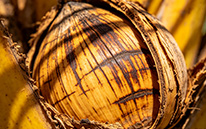
Palm Kernel Shell (PKS)

Palm Leaf

Coconut Shell
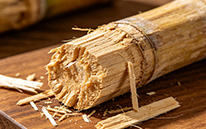
Bagasse
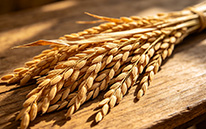
Vỏ trấu
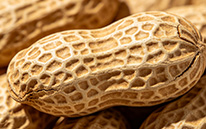
Peanut Shell
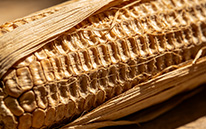
Corn Cob
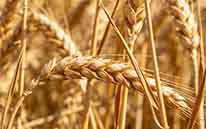
Rơm lúa mì
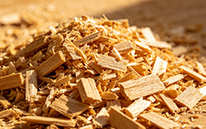
Bụi gỗ
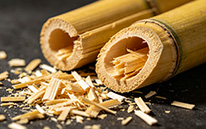
Bamboo Dust
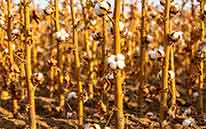
Thân cây bông
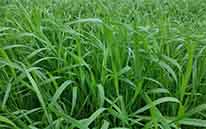
Cỏ
After pelleting, these fiber-based biomass materials turn into denser, more uniform pellets.
Compared to their original loose state, the pellets are easier to store and transport. They are also more convenient to use in biomass fuel equipment, serving fuel applications such as industrial boilers.
Working Principle of the EFB Pellet Mill Machine
This equipment uses mechanical extrusion to process pre-treated palm empty fruit bunch (EFB) fiber into uniform pellets. The entire pelleting process requires adjusting processing conditions based on the fiber characteristics of EFB. This transforms the originally bulky and hard-to-transport palm waste into usable biomass fuel.
1.
Pre-processing EFB material enters the pellet machine
EFB fiber material, after crushing and drying, enters the pelleting chamber via a variable-frequency feeder. The uniform feeding method ensures the material continuously enters the working area between the ring die and the roller.
2.
The ring die and roller compress the material
Inside the pelleting chamber, the rotating ring die moves the material, and the roller continuously presses the material into the die holes. Under sustained pressure, the originally bulky EFB fiber is compressed. The fibers gradually bind together, forming a dense column of material.
3.
Compressed material is extruded from the die holes
When the pressure reaches a certain level, the compacted material is continuously extruded through the ring die holes. The hole size determines the pellet diameter.
For example, using a 6 mm die hole produces EFB pellets with a diameter of about 6 mm. Different ring dies can be replaced to meet various usage needs. The extruded material then forms continuous biomass strips.
4.
Cutter cuts the strips into pellets
The strips extruded from the ring die are cut by the cutter to form EFB biomass pellets of uniform length. The pellet diameter is determined by the ring die specifications, while the length is controlled by adjusting the cutter position.
For example, 6 mm diameter pellets can be adjusted to different lengths, such as 10 mm, 20 mm, or 30 mm, according to requirements.
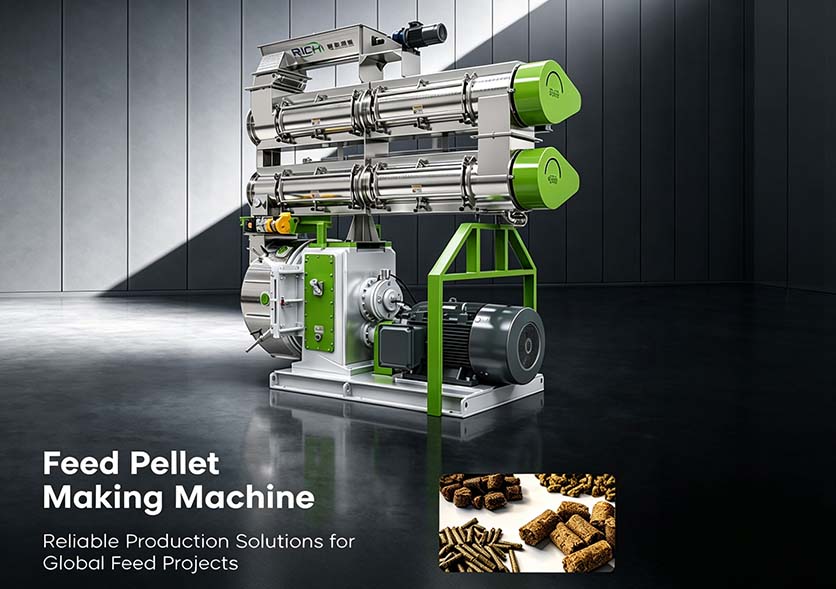

Why Choose RICHI EFB Pellet Mill for Palm Biomass?
From EFB raw material processing to pellet production, the RICHI EFB pellet machine fully addresses the key needs of palm biomass processing. We provide customers with a complete solution covering equipment selection, process design, and production application—not just a standardized pellet machine.
• Optimized Design for High-Fiber EFB Material
Palm empty fruit bunches (EFB) have a high fiber content and a loose structure. Direct processing often leads to unstable pellet forming results.
By choosing a pellet machine specifically designed for EFB characteristics, you can better process this high-fiber palm waste and turn it into biomass fuel pellets that are easy to store, transport, and use.
• Meet Large-Scale Biomass Production Demands
If you plan to build a commercial EFB pellet production project, equipment capacity and long-term reliability directly impact production efficiency.
The RICHI EFB pellet machine offers capacities from 1 to 40 T/H. You can select the right equipment based on your raw material supply and production goals, meeting the needs of everything from palm processing waste utilization to biomass fuel production projects.
• Comprehensive Consideration of EFB Pre-treatment
EFB cannot simply be fed into a pellet machine for production. Palm empty fruit bunches from different sources vary in moisture, fiber length, and storage condition.
When building a production line, you can configure equipment for crushing, drying, pelleting, cooling, screening, and packaging based on your actual raw material situation. This ensures the entire process better fits your production needs.
• Extensive Biomass Project Experience
With over 30 years of machinery manufacturing experience, RICHI has supplied biomass pellet equipment to customers worldwide.
By choosing an experienced supplier, you gain more support during project planning, equipment selection, and construction.
• Direct Factory Supply with Professional Technical Support
Investing in large-scale pellet equipment requires attention not only to price but also to equipment quality, delivery capability, and after-sales service.
By choosing RICHI, you deal directly with the manufacturing factory and receive: CE-certified equipment, ISO quality system assurance, customized equipment solutions based on project needs, installation and commissioning support, and long-term technical service.
• Efficiently Utilize Palm Waste to Create Extra Value
If your region has abundant palm empty fruit bunches, proper utilization of this waste can reduce storage and disposal pressure while creating new value.
Through EFB pellet production, you can convert palm waste that requires disposal into biomass fuel. Use it for internal consumption, energy projects, or fuel sales, achieving effective resource utilization.
Biomass Fuel Pellet Production System
Từ khâu tiếp nhận nguyên liệu thô như gỗ tròn, dăm gỗ và bột gỗ cho đến khâu đóng gói viên nén thành phẩm, hệ thống sản xuất viên nén gỗ thường bao gồm nhiều công đoạn.
Dựa trên tình trạng nguyên liệu, công suất mục tiêu và các yêu cầu về tự động hóa, thiết bị cho từng công đoạn có thể được cấu hình linh hoạt để đảm bảo quá trình sản xuất viên nén diễn ra ổn định và liên tục.(Nhấp vào để lật và xem chi tiết.)
01.
Mài
Độ mịn của bột có thể điều chỉnh để phù hợp với các giống gia cầm và các giai đoạn phát triển khác nhau.
Sau khi nghiền, nguyên liệu được vận chuyển bằng cơ chế cơ khí đến thùng trộn, sẵn sàng để sử dụng.
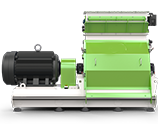
Máy nghiền búa
Xay nhuyễn nguyên liệu (kích thước ≤5cm) thành bột; kích thước lưới sàng có thể điều chỉnh theo yêu cầu.
Công suất
3–50 tấn/giờ
Kích thước hạt
0,5 – 20 mm
02.
Sấy khô
Điều chỉnh độ ẩm dựa trên hàm lượng ẩm ban đầu của nguyên liệu thô để đáp ứng các yêu cầu của quy trình ép viên, từ đó nâng cao hiệu suất ép viên và chất lượng viên.
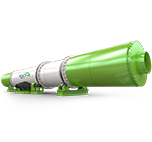
Máy sấy quay
Làm khô độ ẩm trong mùn cưa và dăm gỗ đến mức yêu cầu; tốc độ quay của trống có thể điều chỉnh tùy theo độ ẩm của nguyên liệu.
Chiều dài máy sấy
6–24 m
Tốc độ quay
3–12 vòng/phút
03.
Sản xuất viên
Tạo ra các viên nén kết cấu ổn định thông qua quá trình ép đùn áp suất cao, nhằm đạt được sự đồng nhất về nguyên liệu và tận dụng tối đa mật độ nguyên liệu.
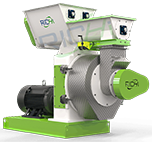
Máy ép viên EFB
Máy ép chế biến nguyên liệu gỗ thô thành viên gỗ có mật độ cao.
Năng lượng
22–205 kW
Công suất
0,2–4 tấn/giờ
04.
Làm mát
Giảm nhiệt độ của viên gỗ mới để ổn định cấu trúc của chúng, từ đó ngăn ngừa biến dạng và hư hỏng trong quá trình bảo quản và vận chuyển.
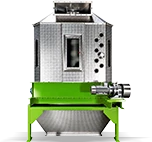
Bộ làm mát ngược dòng
Đảm bảo quá trình làm mát đồng đều và độ bền vượt trội cho viên nén.
Thời gian làm mát
6–15 phút
Công suất
1–40 tấn/giờ
05.
Chiếu phim
Đảm bảo quá trình phân loại chính xác, giúp kích thước và hình dáng viên nén luôn đồng đều. Nguyên liệu bị loại bỏ sẽ được tái chế trở lại hệ thống.
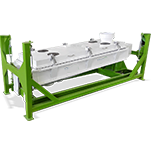
Máy sàng phân loại quay
Được trang bị các lớp lưới lọc đa tầng để tách liên tục các hạt có kích thước khác nhau.
Công suất
3–40 tấn/giờ
Năng lượng
1,5–5,5 kW
06.
Bao bì
Cân điện tử cho phép đóng gói theo yêu cầu (túi 10kg–50kg hoặc túi 1 tấn). Dây chuyền sản xuất hoàn toàn tự động với tùy chọn sử dụng robot. Chế độ điều khiển: Thủ công, bán tự động hoặc hoàn toàn tự động.
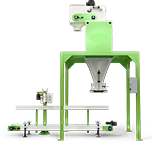
Cân đóng gói hoàn toàn tự động
Vật liệu đóng gói, với các tùy chọn niêm phong: hàn nhiệt, khâu chỉ hoặc niêm phong kết hợp.
Tốc độ đóng gói
2–8 phút/túi
Biomass Pellet Plant Projects
Every biomass pellet project is shaped by raw material characteristics, capacity targets, and process configurations. The following case studies cover wood pellet production projects across different countries, capacities, and raw material types, serving as a reference for equipment selection and solution planning.
Dự án nhà máy sản xuất viên gỗ tại Indonesia
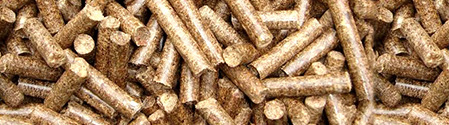
Khu vực : Châu Á, Indonesia
Nguyên liệu thô : Gỗ tròn và dăm gỗ, phế liệu từ nhà máy sản xuất đồ gỗ và mùn cưa
Kết quả : 1-2 T/H
Ứng dụng của viên nén : Hệ thống sưởi công nghiệp cho xuất khẩu và thị trường nội địa
Các thành phần chính : Máy cắt gỗ, máy băm gỗ, máy nghiền búa, máy sấy, máy ép viên gỗ MZLH420, máy sàng, máy làm mát viên gỗ, máy đóng gói, v.v.
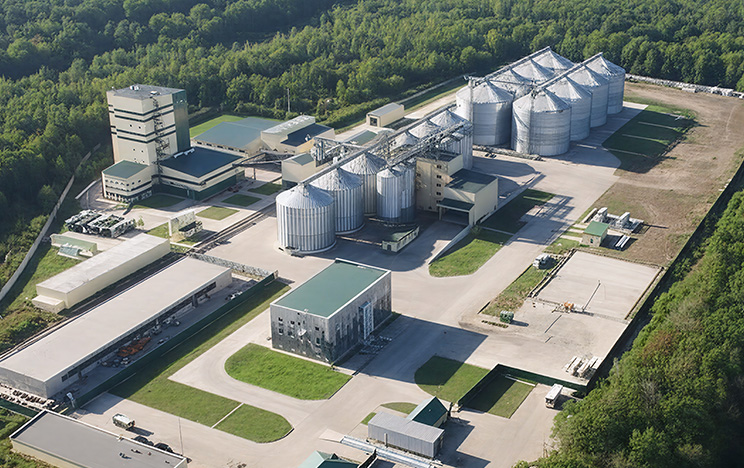
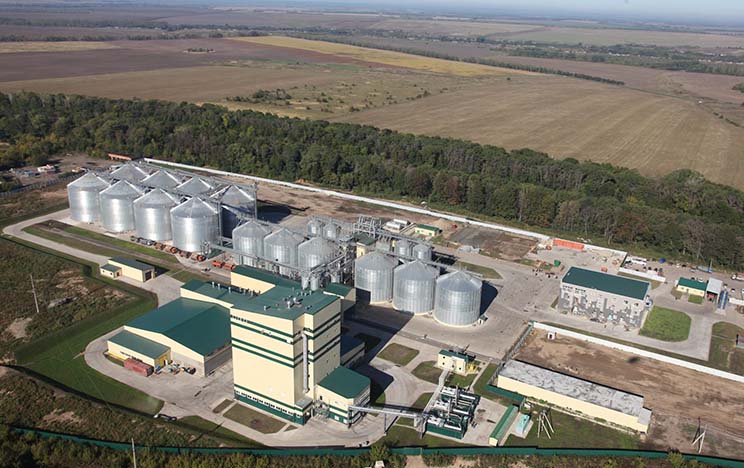
Nhà máy sản xuất viên nén gỗ sinh khối trọn gói công suất 2 tấn/giờ trong Canada
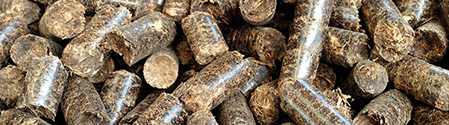
Khu vực : Canada, Bắc Mỹ
Nguyên liệu thô : Gỗ thông, phế liệu chế biến gỗ cứng, phế liệu khai thác gỗ
Kết quả : 2 T/H
Ứng dụng của viên nén : Viên nhiên liệu
Các thành phần chính : Máy băm gỗ, máy nghiền búa, máy sàng, máy sấy quay, silo chứa, máy ép viên gỗ công nghiệp, máy làm mát viên gỗ, máy đóng gói tự động, v.v.
Nhà máy sản xuất viên nén sinh khối từ bột gỗ công suất 10 tấn/giờ trong Mexico
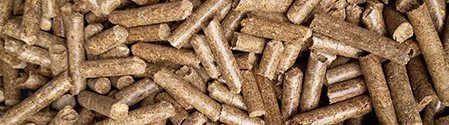
Khu vực : Mexico, Bắc Mỹ
Nguyên liệu thô : Gỗ mềm, gỗ sồi, gỗ nguyên khối tái chế
Kết quả : 10 T/H
Ứng dụng của viên nén : Nhà máy điện và hệ thống sưởi
Các thành phần chính : Máy băm gỗ dạng trống, máy nghiền búa, máy ép viên sinh khối, bộ làm mát viên nén dòng SKLH, máy đóng gói viên nén và các thiết bị phụ trợ khác
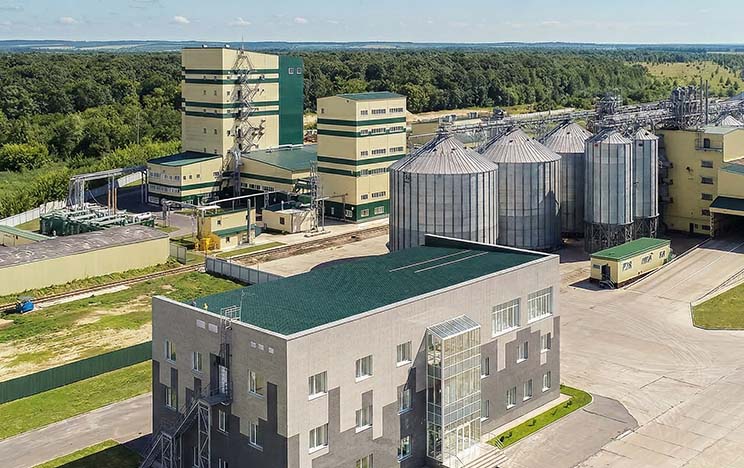
Dây chuyền sản xuất viên nén bột gỗ công suất 2 tấn/giờ Hà Lan
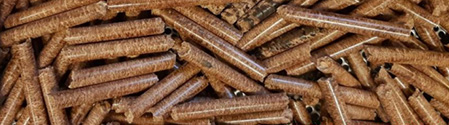
Khu vực : Hà Lan, Châu Âu
Nguyên liệu thô : Phế liệu chế biến gỗ, phế liệu gỗ cứng đã được làm sạch
Kết quả : 2 T/H
Ứng dụng của viên nén : Nhà máy điện, làm nguồn năng lượng bổ sung cho khí đốt tự nhiên
Các thành phần chính : Máy nghiền búa, bộ thu bụi dạng hộp, tủ điều khiển điện, máy phân loại sàng rung, máy ép viên gỗ khuôn vòng chất lượng cao, bộ làm mát viên gỗ ngược dòng, máy sấy quay và hệ thống đóng gói tự động
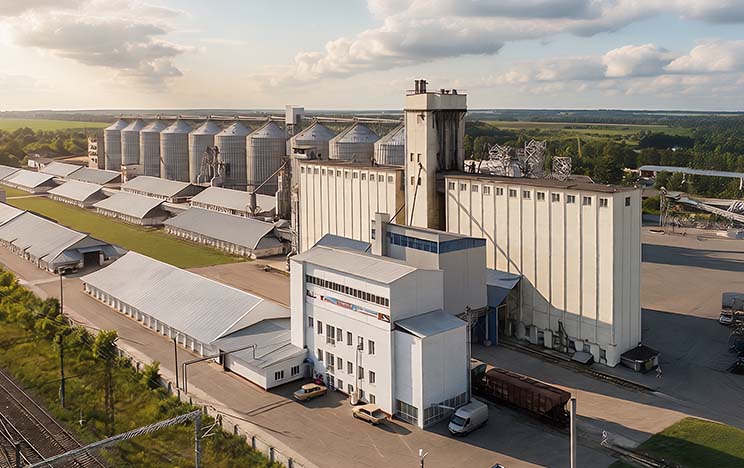
Dây chuyền sản xuất viên nén sinh khối công suất 1-2 tấn/giờ dành cho gỗ Brazil
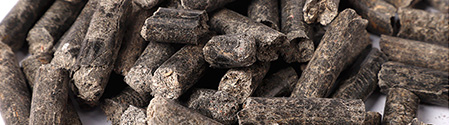
Khu vực : Brazil, Nam Mỹ
Nguyên liệu thô : Mùn cưa, dăm gỗ, cành cây, rơm, thân cây, sợi cọ
Kết quả : 1-2 T/H
Ứng dụng của viên nén : Nhà máy điện hoặc quá trình đốt cháy trong hộ gia đình
Các thành phần chính : Thiết bị nghiền, băng tải, máy sàng, máy sấy, bộ cấp liệu bằng trục vít, Máy ép viên gỗ khuôn vòng MZLH420, băng tải, máy làm mát, máy đóng gói
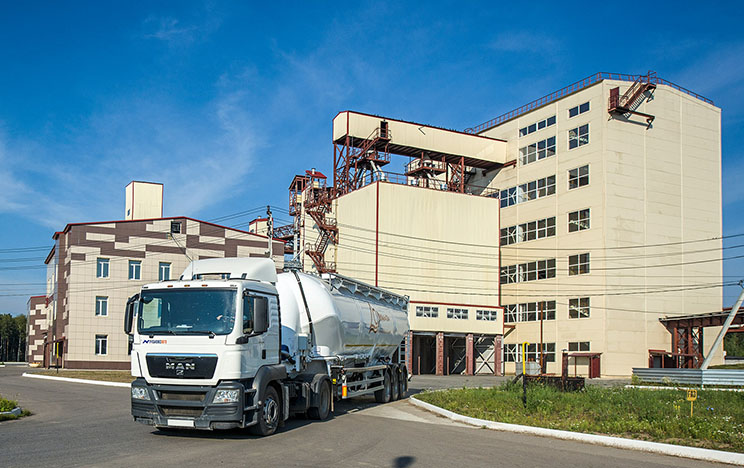
Dây chuyền sản xuất bột gỗ công suất 5 tấn/giờ Áo
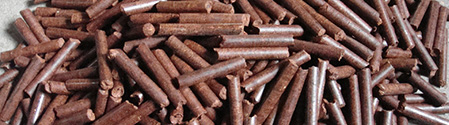
Khu vực : Áo, Châu Âu
Nguyên liệu thô : Dăm gỗ, mùn cưa, v.v.
Kết quả : 5 T/H
Ứng dụng của viên nén : Hệ thống sưởi ấm cho nhà ở tư nhân và nồi hơi công nghiệp quy mô vừa
Các thành phần chính : Máy băm gỗ trống, máy nghiền búa (75 kW), bộ thu bụi xung, tủ điều khiển điện, máy phân loại sàng rung, máy ép viên gỗ, bộ làm mát viên gỗ ngược dòng, máy sấy quay, hệ thống đóng gói tự động
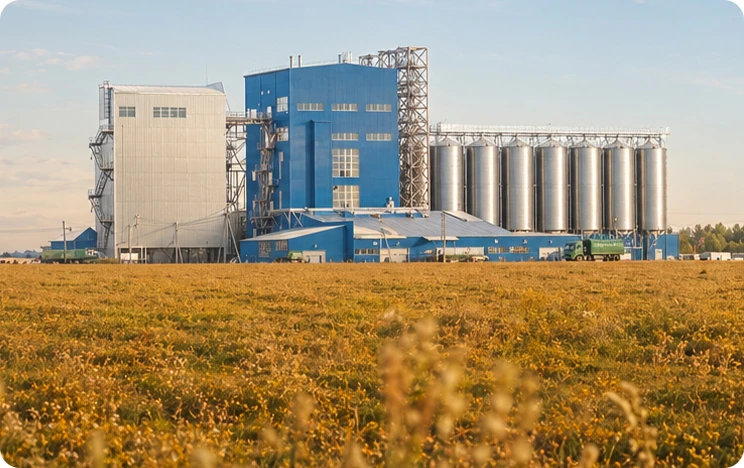

RICHI Machinery: Động lực cho ngành sản xuất viên nén toàn cầu
Với cam kết tiên phong trong lĩnh vực công nghệ viên nén và kỹ thuật công nghiệp, chúng tôi tận dụng hơn 30 năm kinh nghiệm nghiên cứu và phát triển cùng kinh nghiệm toàn cầu.
Chúng tôi tối ưu hóa quy trình thiết kế, sản xuất và tích hợp hệ thống nhằm thúc đẩy các ngành công nghiệp thức ăn chăn nuôi, sinh khối và các ngành công nghiệp chuyên biệt hướng tới hiệu quả, thông minh và bền vững.
Đội ngũ chuyên gia của chúng tôi cung cấp các giải pháp sản xuất viên nén trọn gói, đáp ứng các tiêu chuẩn quốc tế và phù hợp với các mục tiêu chiến lược của quý khách về năng suất và tăng trưởng dài hạn.
60.000+ m2
Diện tích nhà máy của chúng tôi
2000 +
Các dự án đang được triển khai trên toàn thế giới
140 +
Các quốc gia của khách hàng chúng tôi
200 +
Thông tin về đội ngũ của chúng tôi
Chuyên môn toàn cầu & Hệ thống xuất sắc
Các hệ thống sản xuất viên nén tiên tiến kết hợp giữa độ bền vững và khả năng thích ứng với tương lai, thiết lập các tiêu chuẩn ngành thông qua sự tích hợp công nghệ và đổi mới.
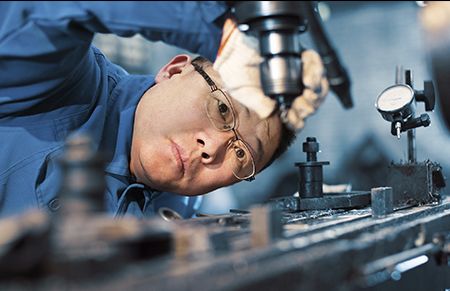
Chất lượng đáng tin cậy
Mỗi máy móc đều phải trải qua các cuộc kiểm tra chất lượng chính xác và nghiêm ngặt.
Bảo hành an tâm
Được hỗ trợ bởi mạng lưới dịch vụ toàn cầu với thời gian phản hồi nhanh chóng.
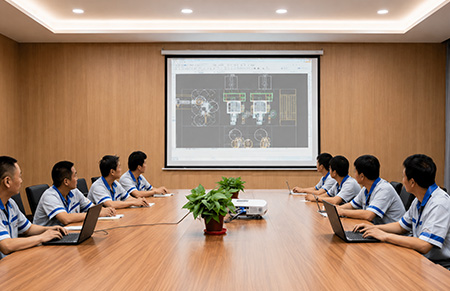
Hỗ trợ chuyên nghiệp
Các đội ngũ kỹ thuật giàu kinh nghiệm cung cấp dịch vụ hỗ trợ trọn gói.

Thanh toán an toàn
Mã hóa nhiều lớp đảm bảo các giao dịch an toàn và minh bạch.

Logistics toàn cầu
Dịch vụ vận chuyển quốc tế hiệu quả đảm bảo hàng hóa được giao đúng hẹn đến bất kỳ địa điểm nào.
EFB Pellet Production Questions Answered
Tìm câu trả lời chuyên môn cho các câu hỏi thường gặp, bao quát các quy trình chính và những yếu tố quan trọng cần lưu ý trong sản xuất viên nén sinh khối.
1. What is the main use of the EFB pelletizer?
It is mainly used to process waste such as palm empty fruit bunches (EFB) generated during palm oil production. Through pelleting, loose and bulky EFB transforms into easy-to-store and transport biomass fuel pellets. These are used for industrial boilers, biomass energy projects, or fuel sales.
2. Can palm empty fruit bunches go directly into the pellet machine?
Usually, they cannot go directly.
Fresh EFB is typically fluffy, high in moisture, and has long fibers. These factors affect pellet forming. Therefore, before production, we need to determine if crushing, drying, or other treatments are needed based on the actual raw material.
EFB conditions vary across palm oil mills. The specific equipment configuration depends on your raw material situation.
3. What is the production process for EFB pellets?
EFB pellet production typically involves raw material handling, crushing, drying, pelleting, cooling, screening, and packaging.
The specific process is not fixed. It needs adjustment based on EFB moisture content, storage time, raw material supply, and target output. Some projects only need partial equipment additions, while large commercial projects usually require a complete EFB pellet production line.
4. What are the main advantages of EFB pellets?
After pelleting, EFB volume decreases significantly and density increases, making storage, transport, and subsequent use easier.
Compared to simply piling up EFB, pelleting makes palm waste easier to use as biomass fuel and reduces the disposal pressure caused by long-term waste accumulation.
5. Who is the EFB pellet machine suitable for?
The EFB pellet machine is mainly suitable for enterprises with a stable source of palm biomass and plans for long-term production.
For example, palm oil mills can use EFB by-products from production to reduce waste disposal pressure. Biomass fuel companies can process EFB into fuel pellets for sales or energy projects. Agricultural waste processing companies can also utilize abundant regional biomass resources for processing.
If you only process small amounts of EFB occasionally, or lack a stable raw material source, small-scale processing is generally not suitable for industrial-grade EFB pellet equipment.
6. What conditions are needed for EFB pellet production?
To build an EFB pellet production project, you first need a stable supply of EFB raw materials, as the equipment needs continuous operation to deliver value.
At the same time, raw material condition is crucial. EFB moisture content, fiber length, and storage time all affect the final production result.
Additionally, you need power conditions and production space suitable for industrial equipment operation, including space for raw material storage, equipment installation, and finished product storage.
7. How much does an EFB pellet production line cost?
There is no fixed price for an EFB pellet production line. The cost mainly depends on production scale, equipment configuration, and raw material processing needs.
If the EFB requires pre-treatment like crushing and drying, more equipment is needed, increasing the overall investment. Before finalizing the investment plan, we need to understand your raw material supply, target output, and production requirements.
8. Where can EFB pellets be used?
EFB pellets are mainly used as biomass fuel for industrial boilers, biomass energy projects, and the fuel supply market.
Compared to untreated EFB, pellet fuel is easier to transport and store, making it more suitable for commercial use.
9. Besides EFB, what other materials can the pellet machine process?
Besides palm empty fruit bunches (EFB), the biomass pellet machine can process various fiber-based materials, such as palm kernel shells, coconut shells, bagasse, rice husk, corn cob, straw, and sawdust.
Different materials have different properties. During actual production, we need to select the appropriate processing solution based on the material characteristics.
10. What is the difference between EFB pellets and ordinary wood pellets?
Both EFB pellets and wood pellets are biomass fuels, but their raw materials differ.
Sawdust usually has a stable source and a fiber structure that is relatively easy to process. EFB is a palm processing waste with variable moisture content and fiber condition. Therefore, producing EFB pellets requires more attention to raw material pre-treatment and equipment adaptation.
11. Why does EFB need crushing and drying before pelleting?
Because EFB raw material is usually loose, has long fibers, and high moisture when freshly produced. Crushing makes the material more uniform, and drying adjusts the moisture, bringing the EFB to a state more suitable for pelleting.
However, not all EFB projects require the exact same treatment. Whether crushing or drying is needed depends on your specific raw material situation.
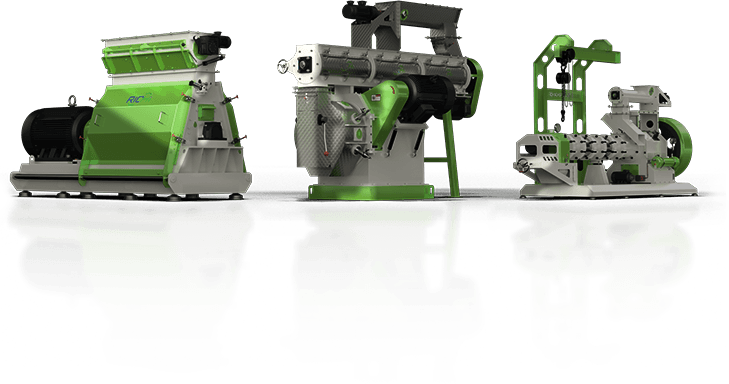
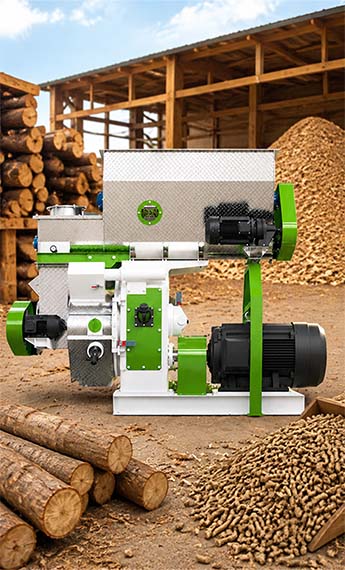
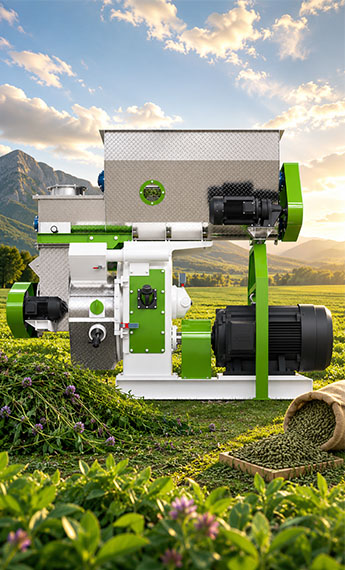
Explore RICHI Other Biomass Pellet Machines
Bắt đầu dự án sử dụng viên nén của bạn
Sản xuất viên nén là một quy trình có hệ thống. Hãy cung cấp thông tin về nguyên liệu thô và nhu cầu về công suất của quý khách, và chúng tôi sẽ thiết kế một giải pháp tùy chỉnh kèm theo sự tư vấn chuyên nghiệp để phục vụ cho sản xuất thương mại.

Địa chỉ: Phía nam ngã tư đường Xingda và đường Hongyuan, Wuzhi, thành phố Jiaozuo, tỉnh Hà Nam, Trung Quốc

Điện thoại/WhatsApp: +86 136 0866 8310

Email: enquiry@richimachinery.com



© Công ty TNHH Máy móc HENAN RICHI 1995-2026 Danh mục sản phẩm / Chính sách bảo mật
Liên hệ với chúng tôi
Vui lòng gửi yêu cầu của quý vị, các chuyên gia tư vấn của RICHI sẽ liên hệ lại với quý vị trong thời gian sớm nhất.

