

EFB Pellet Machine for Palm Waste Recycling
RICHI EFB pellet machine processes palm empty fruit bunches, palm fiber, and other palm waste into high-density biomass fuel pellets. It helps palm oil mills turn by-products into valuable resources. The equipment fits EFB pellet production projects of different scales. We provide standalone machines and complete EFB pellet production line solutions based on your raw materials and output needs.
With over 30 years of experience in pellet equipment manufacturing, RICHI has mature biomass pelleting technology and extensive project expertise. We offer stable and reliable industrial-grade pellet production equipment to our clients.
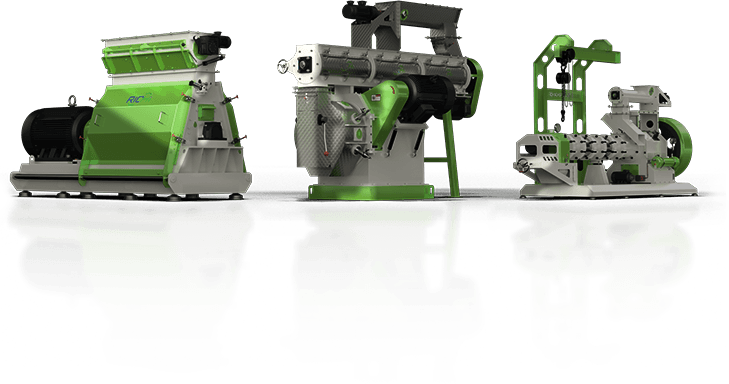
EFB Pellet Machine: For Industrial Biomass Fuel Pellet Production
As the palm oil industry grows, more companies are focusing on recycling by-products like EFB. Palm empty fruit bunches are originally loose and take up a lot of space. After pelleting, they turn into biomass fuel pellets that are easy to store and transport, greatly increasing their value.
EFB pellet production demands high continuous operation and stability from the equipment. The RICHI EFB pellet mill has a minimum capacity of 300 kg/h. It features an industrial-grade design and can be flexibly configured based on project scale and capacity needs.
Since this equipment is for commercial production, it must meet long-term operation requirements. Its investment and supporting needs also differ from ordinary pellet machines. Therefore, this equipment is not designed for personal small-scale processing, home use, or occasional EFB handling. For clients with stable raw material sources and clear production plans—such as palm oil mills and biomass fuel companies—industrial-grade EFB pellet equipment offers more reliable production support.
EFB pellet machine is not an ordinary pellet making machine:
Ring Die Pellet Mill Structure & Engineering Design
From the overall structure to the core components, RICHI ring die pellet machines are designed for industrial continuous production. The equipment features a reliable transmission system and precisely machined ring dies and roller assemblies. We also optimize the machine for different production environments. This reduces failures and maintenance during operation, meeting the demands of long-term continuous production.
1. ระบบการให้อาหาร
2. ห้องอัดเม็ด
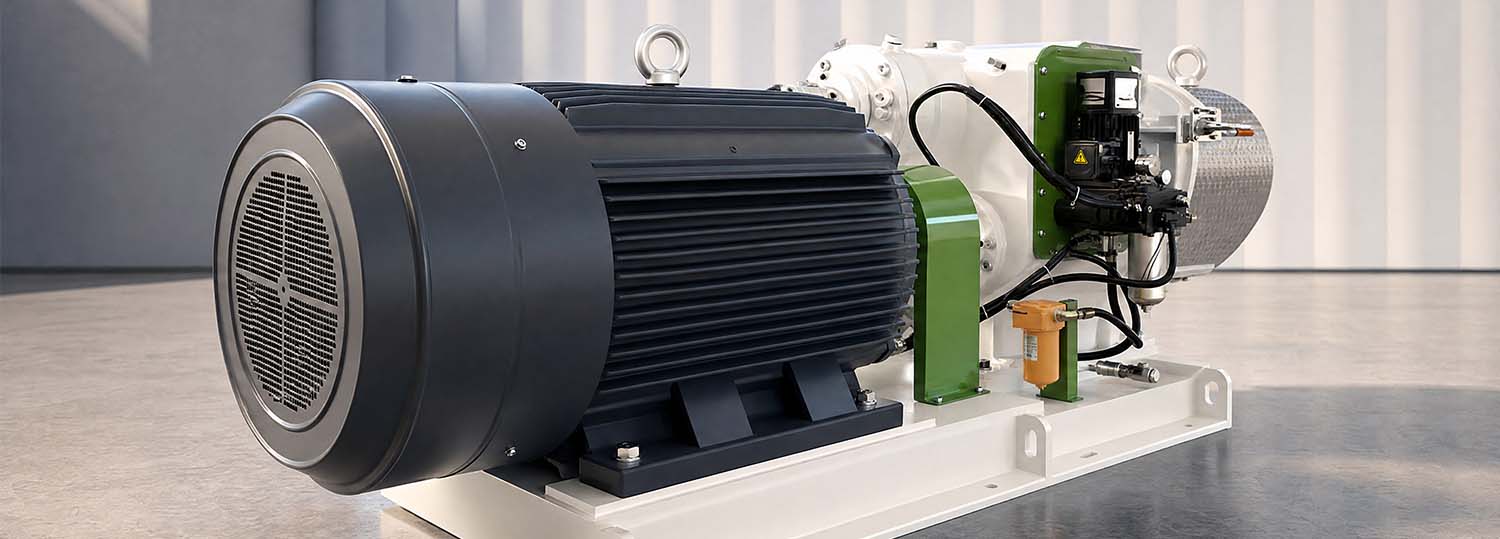
3. Drive & Transmission System
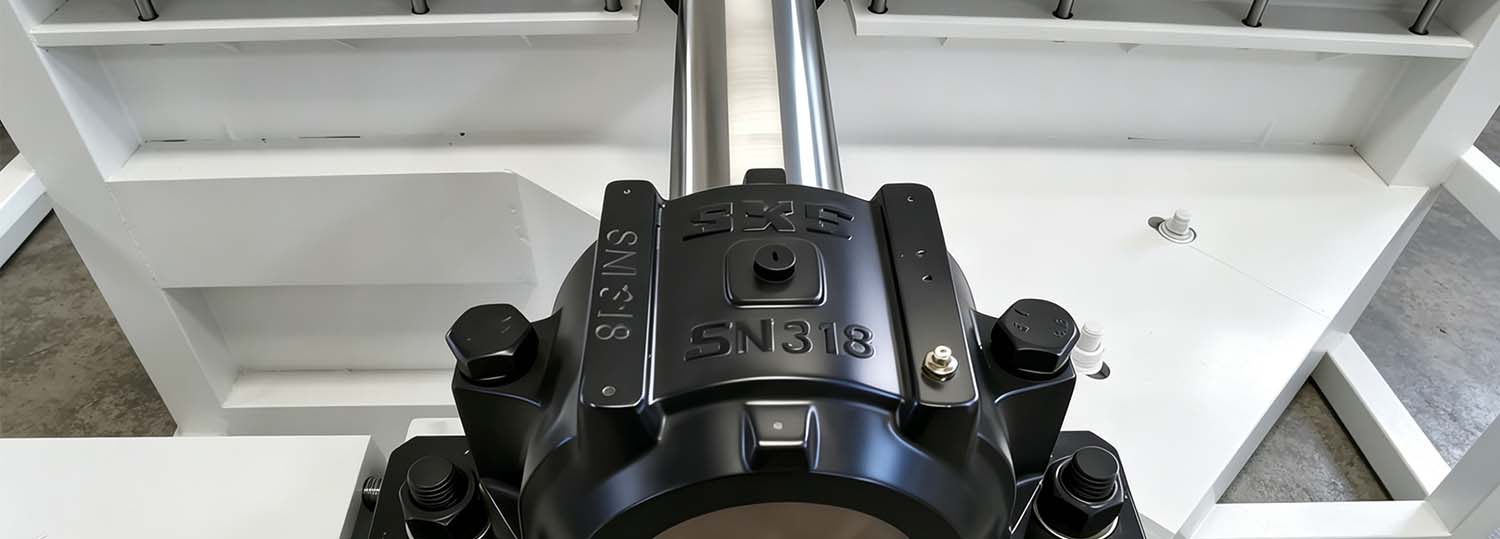
4. Lubrication System
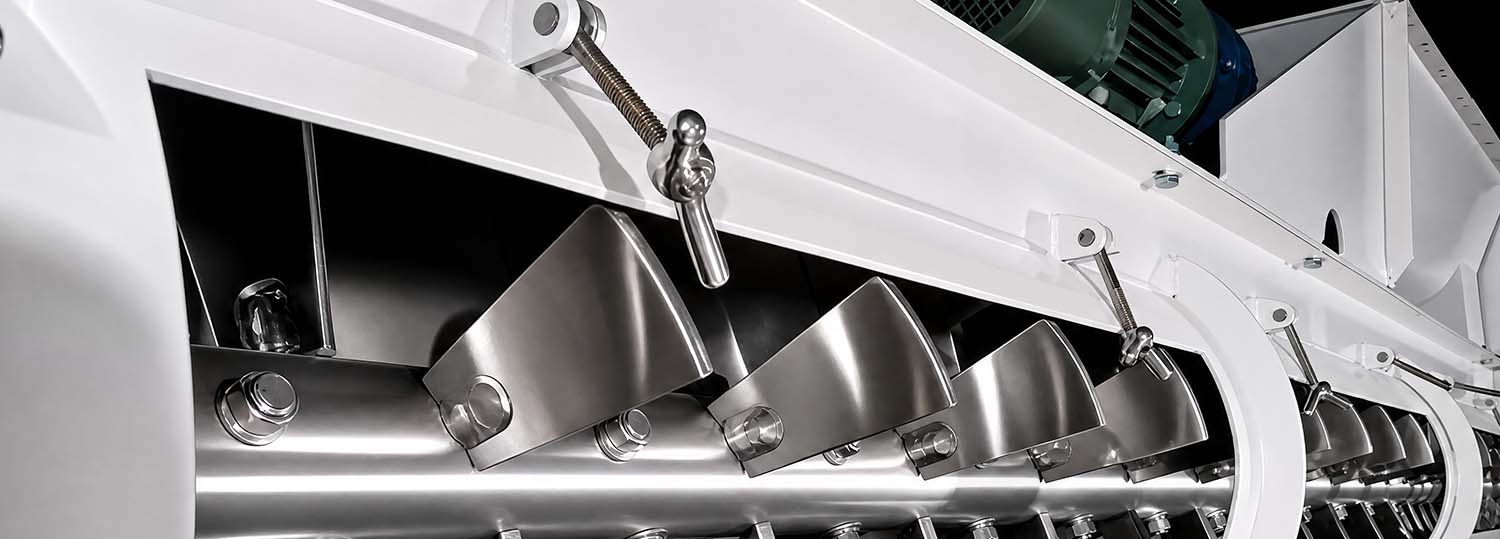
1. ระบบการให้อาหาร
Delivers raw materials evenly and continuously to the pelleting area.
Uses variable frequency control and forced feeding to adjust feed speed for different materials. For materials with varying moisture and fiber content, stable feeding reduces blockages and interruptions, ensuring a smooth pelleting process.
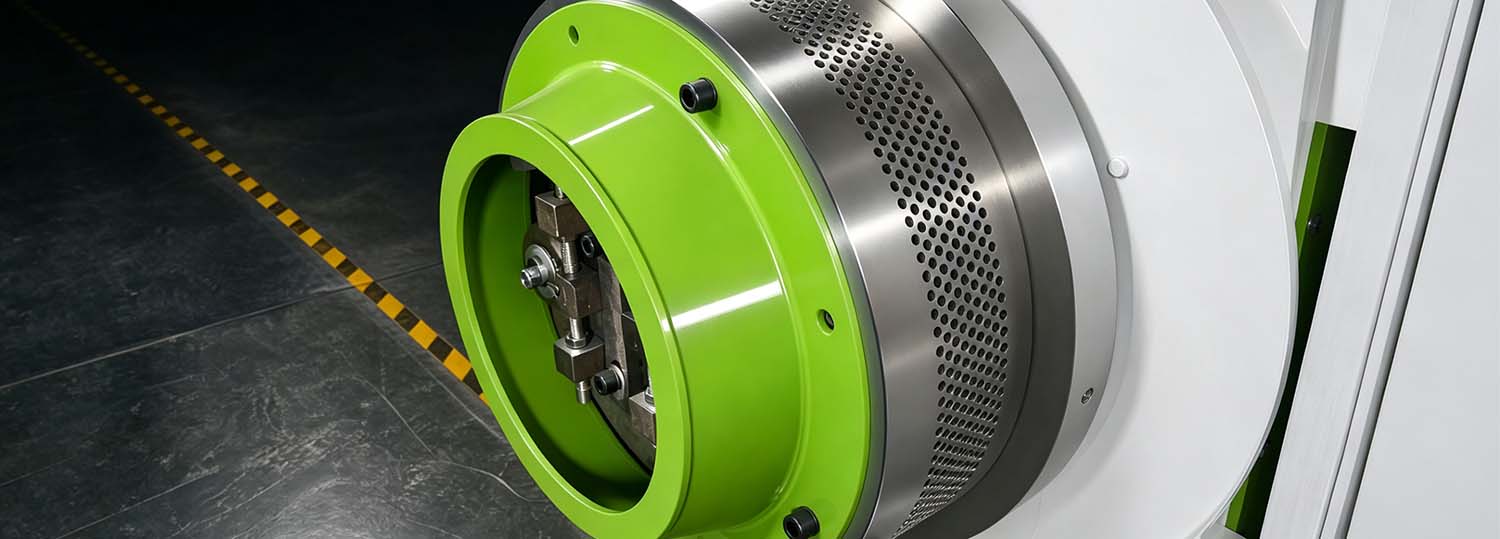
2. ห้องอัดเม็ด
Comprises core components like the ring die and rollers, and is the area where raw materials are compressed and formed.
By matching the right ring die specifications and compression ratio, the machine produces uniform pellets with stable density, while reducing abnormalities during pelleting.
3. Drive & Transmission System
Efficiently transfers motor power to the pelleting mechanism, providing stable power for continuous operation.
The optimized transmission structure improves energy efficiency, reduces power loss, and maintains stable, reliable performance under high-load conditions.
4. Lubrication System
Provides continuous lubrication for key components like bearings and rollers, reducing friction and wear.
The automated lubrication design ensures on-demand lubricant supply, cutting maintenance work. It also extends the life of critical parts and improves equipment reliability.
Empty Fruit Bunches Pellet Mill Models & Technical Parameters
EFB pellet production projects of different scales vary in equipment capacity, power configuration, and processing requirements. RICHI offers multiple models of oil palm empty fruit bunch pellet machines. Select the right equipment specifications based on raw material supply, planned output, and production environment.
By reviewing the equipment model, capacity, motor power, and pellet size range, you can clearly understand the processing capabilities of different models, providing a reference for equipment selection.
| แบบจำลอง | ความจุ (t/h) | มอเตอร์หลัก กำลังไฟฟ้า (กิโลวัตต์) | กำลังไฟฟ้าของเครื่องป้อนแบบต้านแกน (กิโลวัตต์) | กำลังไฟฟ้าของเครื่องให้อาหาร (กิโลวัตต์) | เส้นผ่านศูนย์กลางภายในของแม่พิมพ์วงแหวน (มม.) | เส้นผ่านศูนย์กลางเม็ด (มม.) |
|---|---|---|---|---|---|---|
| CZLH320 | 0.5-1 | 22 | 2.2 | 0.75 | 320 | 4-12 |
| CZLH350 | 1-2 | 37 | 2.2 | 0.75 | 350 | |
| CZLH420 | 2-4 | 90 | 3 | 1.5 | 420 | |
| CZLH520 | 4-8 | 132 | 3 | 1.5 | 520 | |
| CZLH678 | 8-15 | 200 | 3 | 1.5 | 673 | |
| CZLH768 | 15-20 | 250 | 4 | 1.5 | 762 |
What Raw Materials Can RICHI EFB Pellet Mill Process?
Different biomass raw materials vary in fiber content, moisture content, and storage condition, requiring different processing methods for pelleting. The RICHI EFB pellet machine applies to pre-treated palm empty fruit bunches (EFB) and various fiber-based biomass materials. It converts palm processing and agricultural waste into usable biomass pellets. The following lists the common applicable raw materials.
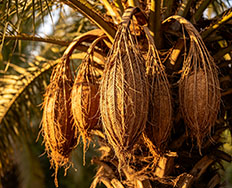
Palm Empty Fruit Bunch
A primary fibrous waste from palm fruit processing, rich in plant fiber. Due to its bulky texture and high moisture content, it usually requires pre-treatment like crushing and drying before pelleting. It can be processed into biomass fuel pellets.
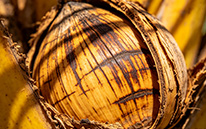
Palm Kernel Shell (PKS)

Palm Leaf

Coconut Shell
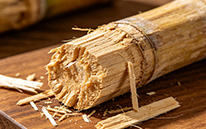
Bagasse
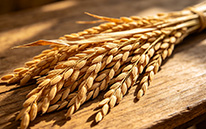
แกลบข้าว
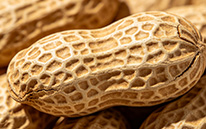
Peanut Shell
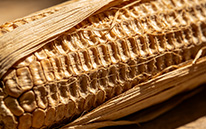
Corn Cob
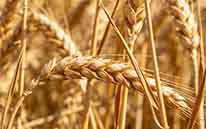
ฟางข้าวสาลี
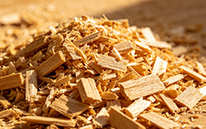
ขี้เลื่อย
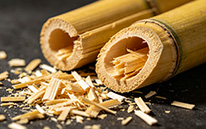
Bamboo Dust
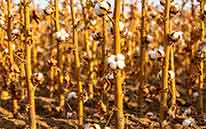
ก้านฝ้าย
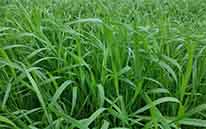
หญ้า
After pelleting, these fiber-based biomass materials turn into denser, more uniform pellets.
Compared to their original loose state, the pellets are easier to store and transport. They are also more convenient to use in biomass fuel equipment, serving fuel applications such as industrial boilers.
Working Principle of the EFB Pellet Mill Machine
This equipment uses mechanical extrusion to process pre-treated palm empty fruit bunch (EFB) fiber into uniform pellets. The entire pelleting process requires adjusting processing conditions based on the fiber characteristics of EFB. This transforms the originally bulky and hard-to-transport palm waste into usable biomass fuel.
1.
Pre-processing EFB material enters the pellet machine
EFB fiber material, after crushing and drying, enters the pelleting chamber via a variable-frequency feeder. The uniform feeding method ensures the material continuously enters the working area between the ring die and the roller.
2.
The ring die and roller compress the material
Inside the pelleting chamber, the rotating ring die moves the material, and the roller continuously presses the material into the die holes. Under sustained pressure, the originally bulky EFB fiber is compressed. The fibers gradually bind together, forming a dense column of material.
3.
Compressed material is extruded from the die holes
When the pressure reaches a certain level, the compacted material is continuously extruded through the ring die holes. The hole size determines the pellet diameter.
For example, using a 6 mm die hole produces EFB pellets with a diameter of about 6 mm. Different ring dies can be replaced to meet various usage needs. The extruded material then forms continuous biomass strips.
4.
Cutter cuts the strips into pellets
The strips extruded from the ring die are cut by the cutter to form EFB biomass pellets of uniform length. The pellet diameter is determined by the ring die specifications, while the length is controlled by adjusting the cutter position.
For example, 6 mm diameter pellets can be adjusted to different lengths, such as 10 mm, 20 mm, or 30 mm, according to requirements.

Why Choose RICHI EFB Pellet Mill for Palm Biomass?
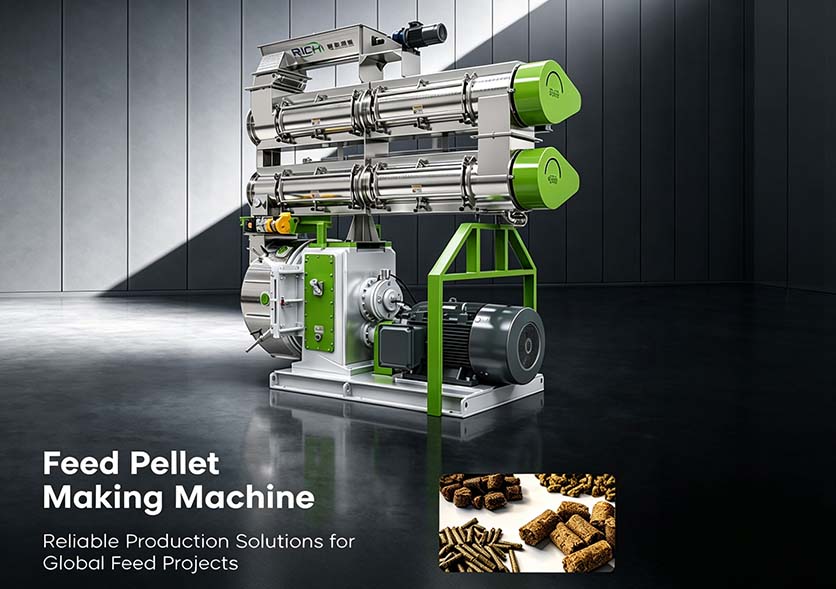
From EFB raw material processing to pellet production, the RICHI EFB pellet machine fully addresses the key needs of palm biomass processing. We provide customers with a complete solution covering equipment selection, process design, and production application—not just a standardized pellet machine.
• Optimized Design for High-Fiber EFB Material
Palm empty fruit bunches (EFB) have a high fiber content and a loose structure. Direct processing often leads to unstable pellet forming results.
By choosing a pellet machine specifically designed for EFB characteristics, you can better process this high-fiber palm waste and turn it into biomass fuel pellets that are easy to store, transport, and use.
• Meet Large-Scale Biomass Production Demands
If you plan to build a commercial EFB pellet production project, equipment capacity and long-term reliability directly impact production efficiency.
The RICHI EFB pellet machine offers capacities from 1 to 40 T/H. You can select the right equipment based on your raw material supply and production goals, meeting the needs of everything from palm processing waste utilization to biomass fuel production projects.
• Comprehensive Consideration of EFB Pre-treatment
EFB cannot simply be fed into a pellet machine for production. Palm empty fruit bunches from different sources vary in moisture, fiber length, and storage condition.
When building a production line, you can configure equipment for crushing, drying, pelleting, cooling, screening, and packaging based on your actual raw material situation. This ensures the entire process better fits your production needs.
• Extensive Biomass Project Experience
With over 30 years of machinery manufacturing experience, RICHI has supplied biomass pellet equipment to customers worldwide.
By choosing an experienced supplier, you gain more support during project planning, equipment selection, and construction.
• Direct Factory Supply with Professional Technical Support
Investing in large-scale pellet equipment requires attention not only to price but also to equipment quality, delivery capability, and after-sales service.
By choosing RICHI, you deal directly with the manufacturing factory and receive: CE-certified equipment, ISO quality system assurance, customized equipment solutions based on project needs, installation and commissioning support, and long-term technical service.
• Efficiently Utilize Palm Waste to Create Extra Value
If your region has abundant palm empty fruit bunches, proper utilization of this waste can reduce storage and disposal pressure while creating new value.
Through EFB pellet production, you can convert palm waste that requires disposal into biomass fuel. Use it for internal consumption, energy projects, or fuel sales, achieving effective resource utilization.
Biomass Fuel Pellet Production System
ตั้งแต่การรับวัตถุดิบ เช่น ไม้ซุง, ชิ้นไม้, และขี้เลื่อย ไปจนถึงการบรรจุเม็ดไม้สำเร็จรูป ระบบการผลิตเม็ดไม้โดยทั่วไปประกอบด้วยหลายส่วน.
ตามสถานะของวัตถุดิบ, ความสามารถที่ต้องการ, และข้อกำหนดด้านระบบอัตโนมัติ, อุปกรณ์สำหรับแต่ละกระบวนการสามารถปรับแต่งได้อย่างยืดหยุ่นเพื่อให้การผลิตเม็ดมีเสถียรภาพและต่อเนื่อง.คลิกเพื่อพลิกและดูรายละเอียด.)
01.
การบด
สามารถปรับขนาดการบดให้เหมาะสมกับสายพันธุ์สัตว์ปีกและระยะการเจริญเติบโตต่างๆ ได้.
หลังจากบดแล้ว วัสดุจะถูกส่งไปยังถังผสมด้วยระบบกลไก พร้อมสำหรับการใช้งาน.
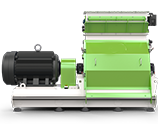
เครื่องบดแบบค้อน
บดวัสดุ (ขนาดไม่เกิน 5 ซม.) ให้เป็นผง; ขนาดตาข่ายสามารถปรับแต่งได้.
ความจุ
3-50 ตันต่อชั่วโมง
ขนาดการบด
0.5 – 20 มิลลิเมตร
02.
การอบแห้ง
ปรับระดับความชื้นตามปริมาณความชื้นเริ่มต้นของวัตถุดิบเพื่อให้ตรงกับความต้องการของกระบวนการในการทำเม็ด ซึ่งจะช่วยปรับปรุงอัตราการขึ้นรูปและคุณภาพของเม็ด.
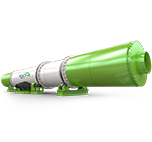
เครื่องอบแห้งแบบหมุน
ทำให้ความชื้นในขี้เลื่อยและเศษไม้แห้งถึงระดับที่ต้องการ; ความเร็วของถังสามารถปรับได้ตามปริมาณความชื้นของวัสดุ.
ความยาวของเครื่องอบผ้า
6-24 เมตร
ความเร็วในการหมุน
3-12 รอบต่อนาที
03.
การอัดเม็ด
ผลิตเม็ดโครงสร้างที่มีรูปทรงคงตัวผ่านการอัดรีดด้วยแรงดันสูง ทำให้ได้มาตรฐานวัตถุดิบและการใช้ประโยชน์ที่มีความหนาแน่นสูง.
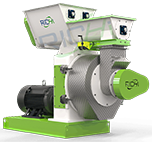
เครื่องผลิตเม็ดเชื้อเพลิง EFB
เครื่องอัดไม้แปรรูปวัตถุดิบไม้ให้เป็นเม็ดไม้ความหนาแน่นสูง.
อำนาจ
22-205 กิโลวัตต์
ความจุ
0.2-4 ตันต่อชั่วโมง
04.
การระบายความร้อน
ลดอุณหภูมิของเม็ดไม้ใหม่เพื่อทำให้โครงสร้างของเม็ดไม้คงที่ ป้องกันการเสียรูปและเสียหายระหว่างการเก็บรักษาและการขนส่ง.
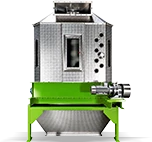
เครื่องทำความเย็นแบบไหลสวนทาง
ช่วยให้การระบายความร้อนสม่ำเสมอและเพิ่มความแข็งแรงของเม็ดเชื้อเพลิง.
เวลาในการเย็นตัว
6-15 นาที
ความจุ
1-40 ต่อชั่วโมง
05.
การคัดกรอง
ให้การคัดแยกที่แม่นยำเพื่อให้เม็ดมีขนาดและลักษณะที่สม่ำเสมอ วัสดุที่ถูกคัดออกจะถูกนำกลับเข้าสู่ระบบเพื่อรีไซเคิล.
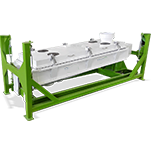
ตะแกรงคัดขนาดแบบหมุน
มีหน้าจอหลายชั้นสำหรับการแยกอนุภาคขนาดต่างๆ อย่างต่อเนื่อง.
ความจุ
3-40 ตันต่อชั่วโมง
อำนาจ
1.5-5.5 กิโลวัตต์
06.
บรรจุภัณฑ์
เครื่องชั่งอิเล็กทรอนิกส์รองรับบรรจุภัณฑ์แบบกำหนดเอง (10กก.-50กก. หรือถุงตัน) สายการผลิตอัตโนมัติเต็มรูปแบบพร้อมตัวเลือกหุ่นยนต์ โหมดการควบคุม: แบบแมนนวล, กึ่งอัตโนมัติ, หรืออัตโนมัติเต็มรูปแบบ.
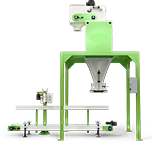
เครื่องชั่งบรรจุอัตโนมัติเต็มรูปแบบ
บรรจุภัณฑ์วัสดุ พร้อมตัวเลือกการปิดผนึก: การปิดผนึกด้วยความร้อน, การเย็บด้วยด้าย, หรือการปิดผนึกแบบผสมผสาน.
ความเร็วในการบรรจุ
2-8 นาที/ถุง
Biomass Pellet Plant Projects
Every biomass pellet project is shaped by raw material characteristics, capacity targets, and process configurations. The following case studies cover wood pellet production projects across different countries, capacities, and raw material types, serving as a reference for equipment selection and solution planning.
โครงการโรงงานผลิตเม็ดไม้ใน อินโดนีเซีย
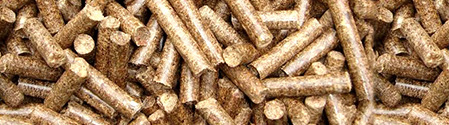
ภูมิภาค : เอเชีย, อินโดนีเซีย
วัตถุดิบ : ไม้ซุงและเศษไม้, เศษไม้จากโรงงานเฟอร์นิเจอร์และขี้เลื่อย
ผลลัพธ์ : 1-2 T/H
การใช้งานเม็ดเชื้อเพลิง : การส่งออกและการใช้ความร้อนในอุตสาหกรรมภายในประเทศ
ส่วนประกอบหลัก : เครื่องตัดไม้, เครื่องย่อยไม้, เครื่องบดหิน, เครื่องอบแห้ง, โรงงานผลิตเม็ดไม้ MZLH420, เครื่องคัดกรอง, เครื่องทำความเย็นเม็ดไม้, เครื่องบรรจุ, เป็นต้น
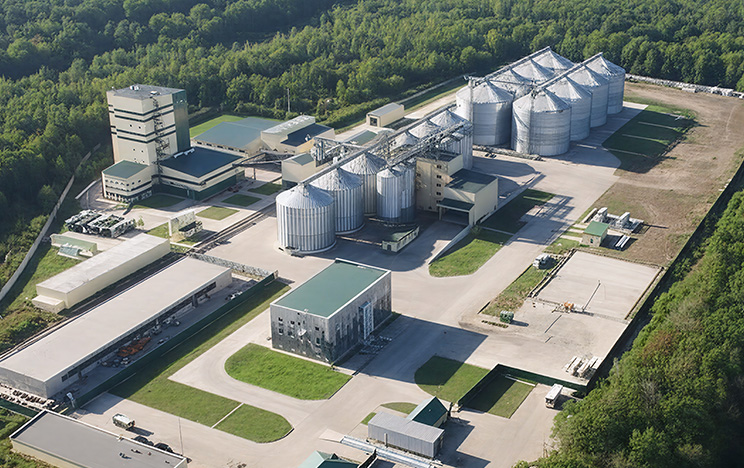
โรงงานผลิตเม็ดไม้ชีวมวลแบบครบวงจร 2 ตันต่อชั่วโมง ใน แคนาดา
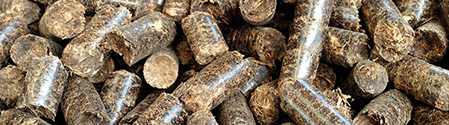
ภูมิภาค : แคนาดา, ทวีปอเมริกาเหนือ
วัตถุดิบ : ไม้สน, ของเสียจากการแปรรูปไม้เนื้อแข็ง, เศษเหลือจากการตัดไม้
ผลลัพธ์ : 2 T/H
การใช้งานเม็ดเชื้อเพลิง : เม็ดเชื้อเพลิง
ส่วนประกอบหลัก : เครื่องบดไม้, เครื่องบดแบบค้อน, เครื่องคัดกรอง, เครื่องอบแห้งแบบหมุน, ถังเก็บ, โรงงานผลิตเม็ดไม้สำหรับอุตสาหกรรม, เครื่องทำความเย็นเม็ดไม้, เครื่องบรรจุอัตโนมัติ, เป็นต้น
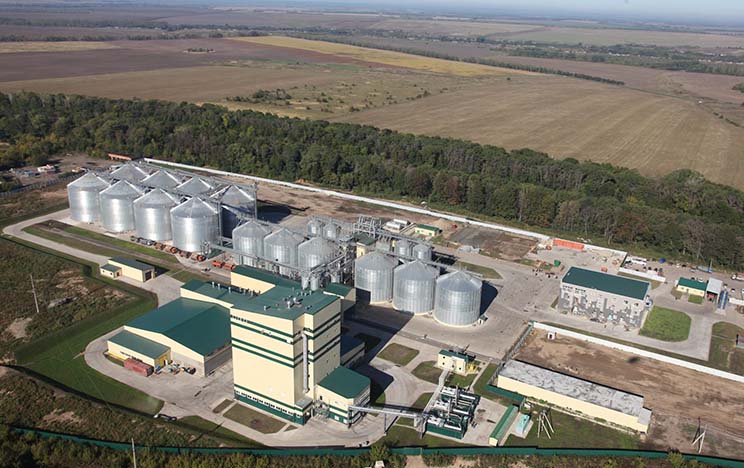
โรงงานผลิตเม็ดเชื้อเพลิงชีวมวลจากขี้เลื่อยไม้ ขนาด 10 ตันต่อชั่วโมง ใน เม็กซิโก
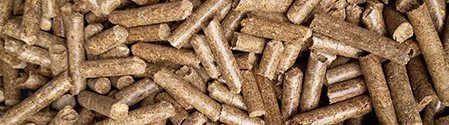
ภูมิภาค : เม็กซิโก, ทวีปอเมริกาเหนือ
วัตถุดิบ : ไม้เนื้ออ่อน, โอ๊ค, ไม้เนื้อแข็งรีไซเคิล
ผลลัพธ์ : 10 T/H
การใช้งานเม็ดเชื้อเพลิง : โรงไฟฟ้าและระบบทำความร้อน
ส่วนประกอบหลัก : เครื่องย่อยไม้กลอง, เครื่องบดแบบค้อน, เครื่องผลิตเม็ดชีวมวล, เครื่องทำความเย็นเม็ด SKLH ซีรีส์, เครื่องบรรจุเม็ด และอุปกรณ์เสริมอื่นๆ
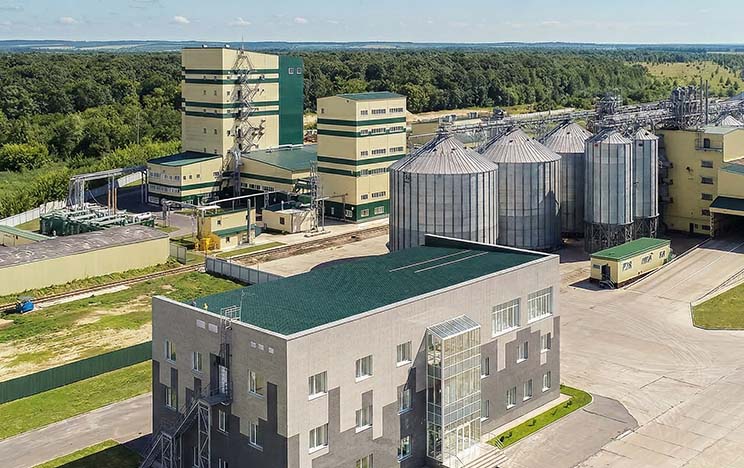
สายการผลิตเม็ดไม้ขี้เลื่อย 2 ตันต่อชั่วโมง เนเธอร์แลนด์
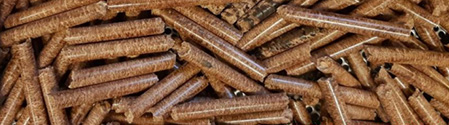
ภูมิภาค : เนเธอร์แลนด์, ยุโรป
วัตถุดิบ : เศษไม้แปรรูป, ของเสียไม้เนื้อแข็งสะอาด
ผลลัพธ์ : 2 T/H
การใช้งานเม็ดเชื้อเพลิง : โรงไฟฟ้า, เป็นพลังงานเสริมสำหรับก๊าซธรรมชาติ
ส่วนประกอบหลัก : โรงโม่แบบค้อน, เครื่องเก็บฝุ่นแบบพัลส์กล่อง, ตู้ควบคุมไฟฟ้า, ตะแกรงคัดแยกแบบสั่น, โรงโม่เม็ดไม้แบบแม่พิมพ์วงแหวนคุณภาพสูง, เครื่องทำความเย็นเม็ดแบบไหลสวนทาง, เครื่องอบแห้งแบบหมุน, และระบบบรรจุภัณฑ์อัตโนมัติ
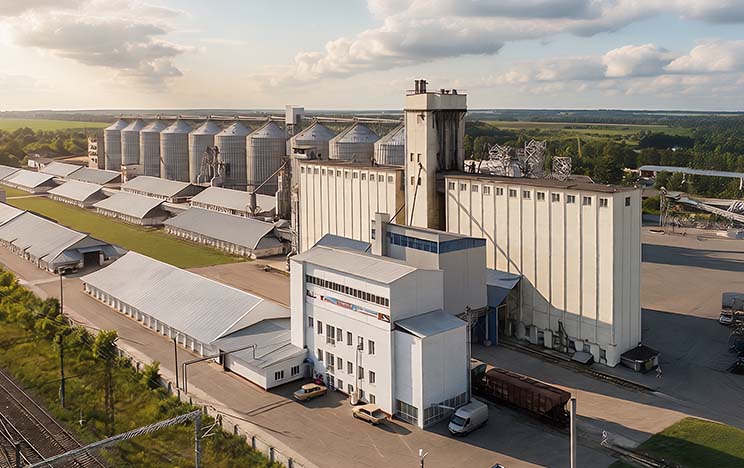
สายการผลิตเม็ดชีวมวล 1-2 ตันต่อชั่วโมง สำหรับไม้ บราซิล
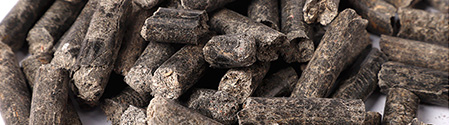
ภูมิภาค : บราซิล, ทวีปอเมริกาใต้
วัตถุดิบ : ฝุ่นขี้เลื่อย, เศษไม้, กิ่งไม้, ฟาง, ก้าน, เส้นใยปาล์ม
ผลลัพธ์ : 1-2 T/H
การใช้งานเม็ดเชื้อเพลิง : โรงไฟฟ้าหรือการเผาไหม้ในครัวเรือน
ส่วนประกอบหลัก : เครื่องบด, สายพานลำเลียง, เครื่องคัดแยก, เครื่องอบผ้า, เครื่องป้อนสกรู, เครื่องผลิตเม็ดไม้แบบวงแหวน MZLH420, สายพานลำเลียง, เครื่องทำความเย็น, เครื่องบรรจุ
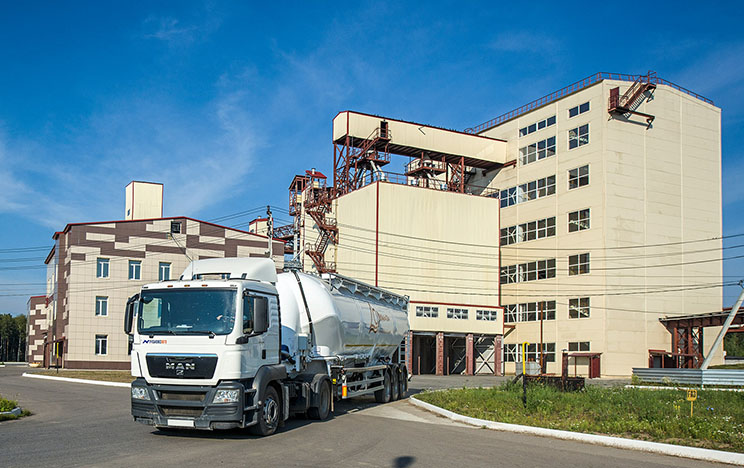
สายการผลิตขี้เลื่อยไม้ 5 ตันต่อชั่วโมง ออสเตรีย
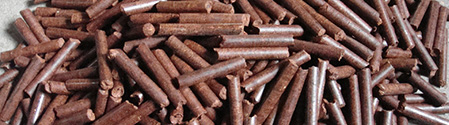
ภูมิภาค : ออสเตรีย, ยุโรป
วัตถุดิบ : เศษไม้, ฝุ่นไม้, เป็นต้น
ผลลัพธ์ : 5 T/H
การใช้งานเม็ดเชื้อเพลิง : การทำความร้อนสำหรับที่พักอาศัยส่วนบุคคลและหม้อไอน้ำอุตสาหกรรมขนาดกลาง
ส่วนประกอบหลัก : เครื่องย่อยไม้กลอง, เครื่องบดแบบค้อน (75 กิโลวัตต์), เครื่องดักฝุ่นแบบพัลส์, ตู้ควบคุมไฟฟ้า, ตะแกรงสั่นคัดขนาด, โรงงานผลิตเม็ดไม้, เครื่องทำความเย็นเม็ดไม้แบบไหลสวน, เครื่องอบแห้งแบบหมุน, ระบบบรรจุภัณฑ์อัตโนมัติ
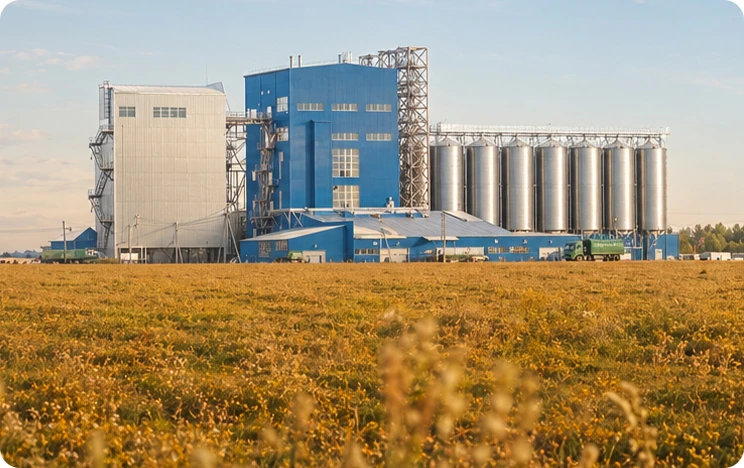

RICHI Machinery: ขับเคลื่อนการผลิตเม็ดเชื้อเพลิงระดับโลก
มุ่งมั่นในการบุกเบิกเทคโนโลยีเม็ดและวิศวกรรมอุตสาหกรรม เราใช้ประโยชน์จากความเชี่ยวชาญด้านการวิจัยและพัฒนาและประสบการณ์ระดับโลกกว่า 30 ปี.
เราเพิ่มประสิทธิภาพการออกแบบ การผลิต และการบูรณาการระบบ เพื่อขับเคลื่อนอุตสาหกรรมอาหารสัตว์ ชีวมวล และอุตสาหกรรมเฉพาะทางไปสู่ความมีประสิทธิภาพ ความชาญฉลาด และความยั่งยืน.
ทีมผู้เชี่ยวชาญของเราให้บริการโซลูชันการผลิตเม็ดอาหารสัตว์แบบครบวงจรที่ตรงตามมาตรฐานสากล และสอดคล้องกับเป้าหมายเชิงกลยุทธ์ของคุณในด้านประสิทธิภาพการผลิตและการเติบโตระยะยาว.
60,000 + เมตร2
ตารางเมตรของโรงงานของเรา
2000 +
โครงการที่ดำเนินการทั่วโลก
140 +
ประเทศของลูกค้าของเรา
200 +
จำนวนทีมงานของเรา
ความเชี่ยวชาญระดับโลกและความเป็นเลิศของระบบ
ระบบการผลิตเม็ดเชื้อเพลิงขั้นสูงผสานความแข็งแกร่งและความพร้อมสำหรับอนาคต สร้างมาตรฐานอุตสาหกรรมผ่านการบูรณาการเทคโนโลยีและนวัตกรรม.
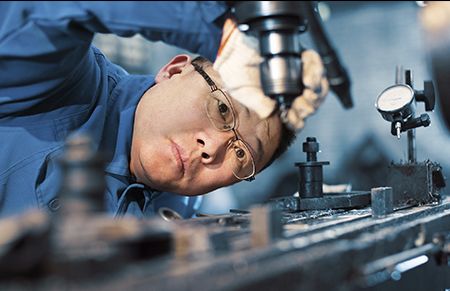
คุณภาพที่เชื่อถือได้
ทุกเครื่องจักรผ่านการตรวจสอบคุณภาพอย่างแม่นยำและเข้มงวด.
รับประกันไร้กังวล
ได้รับการสนับสนุนโดยเครือข่ายบริการระดับโลกพร้อมการตอบสนองที่รวดเร็ว.
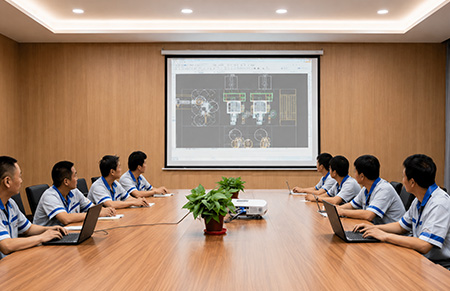
การสนับสนุนอย่างมืออาชีพ
ทีมเทคนิคที่มีประสบการณ์ให้การช่วยเหลือครบวงจร.

การชำระเงินที่ปลอดภัย
การเข้ารหัสหลายชั้นช่วยให้การทำธุรกรรมปลอดภัยและโปร่งใส.

โลจิสติกส์ระดับโลก
การจัดส่งทั่วโลกที่มีประสิทธิภาพรับประกันการส่งมอบตรงเวลาไปยังทุกสถานที่.
EFB Pellet Production Questions Answered
ค้นหาคำตอบจากผู้เชี่ยวชาญสำหรับคำถามที่พบบ่อย ครอบคลุมกระบวนการสำคัญและข้อควรพิจารณาในการผลิตเม็ดชีวมวล.
1. What is the main use of the EFB pelletizer?
It is mainly used to process waste such as palm empty fruit bunches (EFB) generated during palm oil production. Through pelleting, loose and bulky EFB transforms into easy-to-store and transport biomass fuel pellets. These are used for industrial boilers, biomass energy projects, or fuel sales.
2. Can palm empty fruit bunches go directly into the pellet machine?
Usually, they cannot go directly.
Fresh EFB is typically fluffy, high in moisture, and has long fibers. These factors affect pellet forming. Therefore, before production, we need to determine if crushing, drying, or other treatments are needed based on the actual raw material.
EFB conditions vary across palm oil mills. The specific equipment configuration depends on your raw material situation.
3. What is the production process for EFB pellets?
EFB pellet production typically involves raw material handling, crushing, drying, pelleting, cooling, screening, and packaging.
The specific process is not fixed. It needs adjustment based on EFB moisture content, storage time, raw material supply, and target output. Some projects only need partial equipment additions, while large commercial projects usually require a complete EFB pellet production line.
4. What are the main advantages of EFB pellets?
After pelleting, EFB volume decreases significantly and density increases, making storage, transport, and subsequent use easier.
Compared to simply piling up EFB, pelleting makes palm waste easier to use as biomass fuel and reduces the disposal pressure caused by long-term waste accumulation.
5. Who is the EFB pellet machine suitable for?
The EFB pellet machine is mainly suitable for enterprises with a stable source of palm biomass and plans for long-term production.
For example, palm oil mills can use EFB by-products from production to reduce waste disposal pressure. Biomass fuel companies can process EFB into fuel pellets for sales or energy projects. Agricultural waste processing companies can also utilize abundant regional biomass resources for processing.
If you only process small amounts of EFB occasionally, or lack a stable raw material source, small-scale processing is generally not suitable for industrial-grade EFB pellet equipment.
6. What conditions are needed for EFB pellet production?
To build an EFB pellet production project, you first need a stable supply of EFB raw materials, as the equipment needs continuous operation to deliver value.
At the same time, raw material condition is crucial. EFB moisture content, fiber length, and storage time all affect the final production result.
Additionally, you need power conditions and production space suitable for industrial equipment operation, including space for raw material storage, equipment installation, and finished product storage.
7. How much does an EFB pellet production line cost?
There is no fixed price for an EFB pellet production line. The cost mainly depends on production scale, equipment configuration, and raw material processing needs.
If the EFB requires pre-treatment like crushing and drying, more equipment is needed, increasing the overall investment. Before finalizing the investment plan, we need to understand your raw material supply, target output, and production requirements.
8. Where can EFB pellets be used?
EFB pellets are mainly used as biomass fuel for industrial boilers, biomass energy projects, and the fuel supply market.
Compared to untreated EFB, pellet fuel is easier to transport and store, making it more suitable for commercial use.
9. Besides EFB, what other materials can the pellet machine process?
Besides palm empty fruit bunches (EFB), the biomass pellet machine can process various fiber-based materials, such as palm kernel shells, coconut shells, bagasse, rice husk, corn cob, straw, and sawdust.
Different materials have different properties. During actual production, we need to select the appropriate processing solution based on the material characteristics.
10. What is the difference between EFB pellets and ordinary wood pellets?
Both EFB pellets and wood pellets are biomass fuels, but their raw materials differ.
Sawdust usually has a stable source and a fiber structure that is relatively easy to process. EFB is a palm processing waste with variable moisture content and fiber condition. Therefore, producing EFB pellets requires more attention to raw material pre-treatment and equipment adaptation.
11. Why does EFB need crushing and drying before pelleting?
Because EFB raw material is usually loose, has long fibers, and high moisture when freshly produced. Crushing makes the material more uniform, and drying adjusts the moisture, bringing the EFB to a state more suitable for pelleting.
However, not all EFB projects require the exact same treatment. Whether crushing or drying is needed depends on your specific raw material situation.
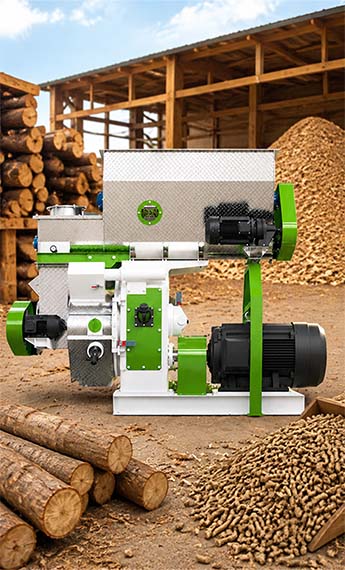
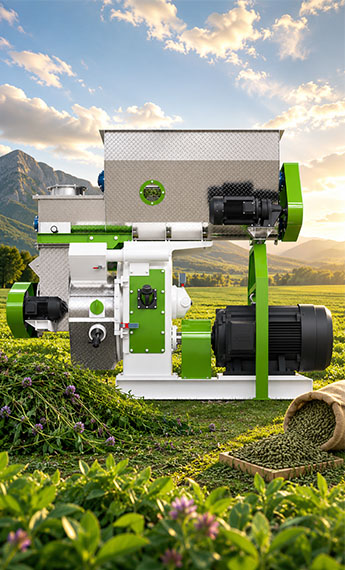
Explore RICHI Other Biomass Pellet Machines
เริ่มต้นโครงการเม็ดเชื้อเพลิงของคุณ
การผลิตเม็ดไม้เป็นกระบวนการที่มีระบบระเบียบ โปรดแจ้งให้เราทราบเกี่ยวกับวัตถุดิบและความต้องการด้านกำลังการผลิตของคุณ และเราจะออกแบบโซลูชันที่ปรับแต่งให้เหมาะสมกับความต้องการของคุณ พร้อมทั้งให้คำปรึกษาอย่างมืออาชีพสำหรับการผลิตเชิงพาณิชย์.

ที่อยู่: ทางใต้ของสี่แยกถนนซิงต้าและถนนหงหยวน เขตวูจือ เมืองเจียวโจว มณฑลเหอหนาน ประเทศจีน

โทร/WhatsApp: +86 136 0866 8310

อีเมล: enquiry@richimachinery.com



© HENAN RICHI MACHINERY CO., LTD 1995-2026 รายการผลิตภัณฑ์ / นโยบายความเป็นส่วนตัว
ติดต่อเรา
กรุณาส่งความต้องการของคุณมา RICHI จะติดต่อกลับหาคุณอย่างรวดเร็ว.

