

Granulatory do produkcji nawozów organicznych i mieszanych
Obornik pochodzący od bydła i drobiu | Odpady rolnicze | Miejskie odpady organiczne | Surowce chemiczne

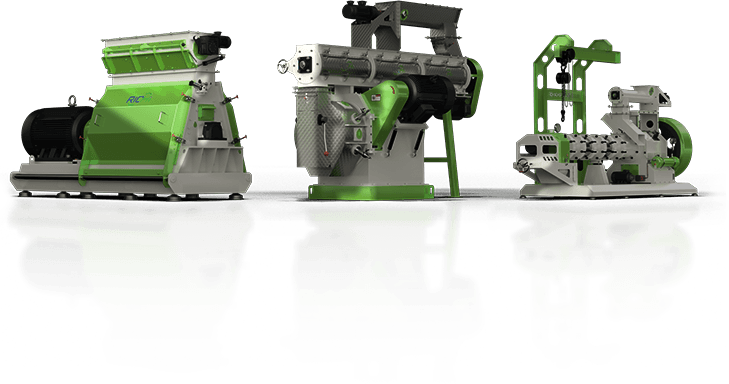
Maszyna do granulowania nawozów organicznych z obornika
Wraz z zaostrzaniem się przepisów dotyczących ochrony środowiska bezpieczne przetwarzanie i wykorzystanie obornika pochodzącego od bydła i drobiu stały się sprawą kluczową. Nasz granulator do obornika został zaprojektowany specjalnie z myślą o sprostaniu temu wyzwaniu. Przekształca on odpady rolnicze w granulki wysokowartościowego nawozu organicznego.
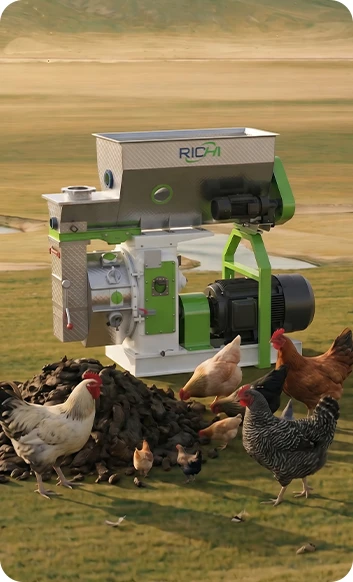
Maszyna do granulowania obornika kurzego
Ta granulatorka pokonuje te trudności dzięki wymuszonemu podawaniu materiału i wytłaczaniu przez matrycę, wytwarzając jednolite, gęste granulki ze sfermentowanego obornika, jednocześnie zachowując w nich niezbędne składniki odżywcze.
Pojemność :
1–40+ T/H
Średnica cząstek:
4-12 mm
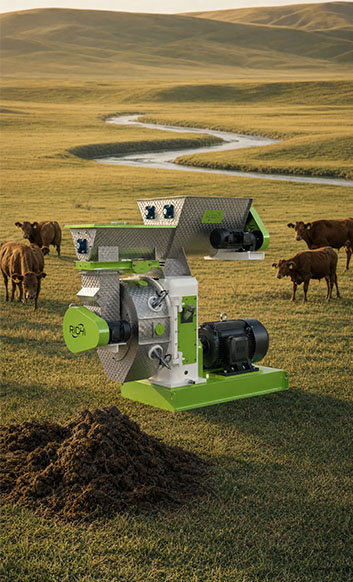
Granulator do łajna krowiego
Urządzenie to sprasowuje sfermentowany obornik w postaci twardych, kolumnowych granulek o dużej wytrzymałości i doskonałej odporności na kruszenie się.
Pojemność :
1–40+ T/H
Średnica cząstek:
4-12 mm
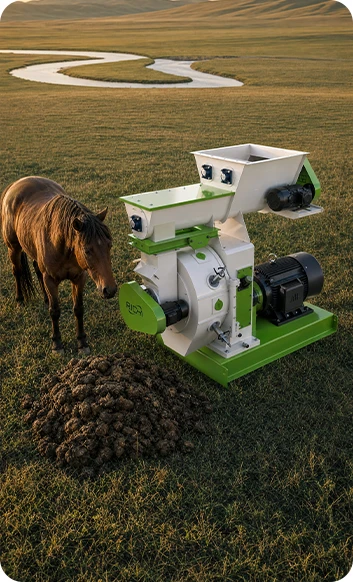
Maszyna do produkcji granulatu z obornika końskiego
Obornik koński często zawiera długie włókna i resztki ściółki (takie jak słoma i trociny), co utrudnia jego bezpośrednie przetwarzanie. Granulowanie znacznie zwiększa gęstość oraz zmniejsza koszty magazynowania i transportu.
Pojemność :
1–40+ T/H
Średnica cząstek:
4-12 mm
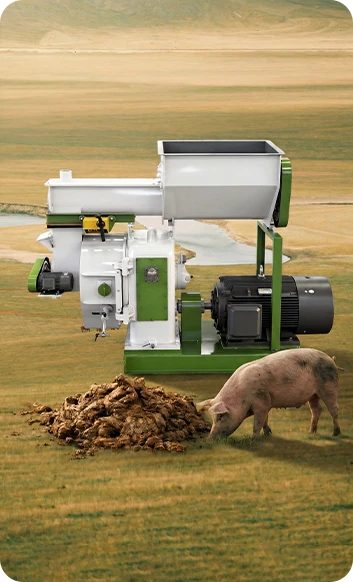
Granulator obornika świńskiego
O wartości nawozu ze świńskiego obornika decyduje jego wygląd. Dzięki optymalizacji zarówno precyzji matrycy, jak i kontroli podawania materiału maszyna ta zapewnia jednolity kształt i stabilną konsystencję. Umożliwia to użytkownikom produkcję wysokiej jakości granulek, za które można uzyskać wyższą cenę.
Pojemność :
1–40+ T/H
Średnica cząstek:
4-12 mm

Maszyna do produkcji granulatu nawozu organicznego z odpadów rolniczych
Odpady rolnicze, w tym słoma, łuski ryżowe, łupiny orzeszków ziemnych i bagassa, stanowią problem związany z utylizacją, ale kryją w sobie ukrytą wartość. Przetworzenie ich na granulowany nawóz organiczny pozwala rozwiązać problemy związane z magazynowaniem i otwiera nowe źródła dochodów.
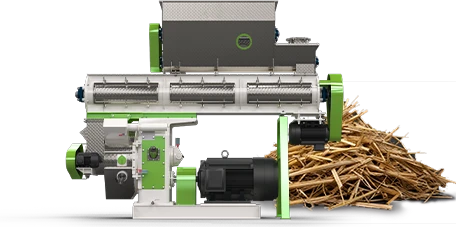
Maszyna do produkcji peletów ze słomy
Najpowszechniejszą metodą utylizacji słomy jest jej zwrot na pole, jednak w przypadku zwrotu bezpośredniego rozkład przebiega powoli, a skuteczność tej metody jest ograniczona. Rozdrabnianie słomy na granulowany nawóz organiczny pozwala na zagęszczenie składników odżywczych oraz ułatwia transport i stosowanie.
Wyjście : 1–40+ T/H
Wielkość granulek: 4–12 mm
Najważniejsze cechy: Wysoka wydajność podawania, konstrukcja odporna na zużycie
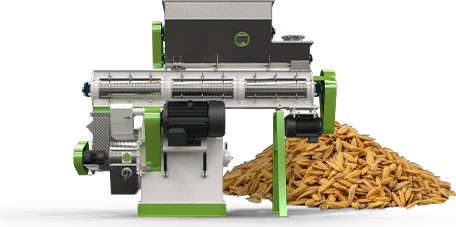
Młyn do produkcji peletów z łusek
Przetwarzamy łuski ryżowe i mieszanki organiczne na gęste, jednolite granulki nawozu organicznego. Granulki te zachowują charakterystyczny wygląd łusek ryżowych, ale mają zwartą strukturę wewnętrzną, co skutecznie zapobiega rozsypywaniu się i marnotrawstwu podczas transportu i przechowywania.
Wyjście : 1–40+ T/H
Wielkość granulek: 4–12 mm
Najważniejsze cechy: Matrica o wysokiej twardości, zwiększone ciśnienie wytłaczania
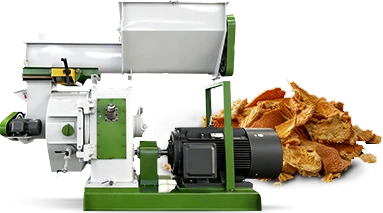
Maszyna do produkcji peletów z wytłoczyn owocowych
Przetwarzanie resztek owocowych (jabłek, pomarańczy, wytłoczyn z winogron itp.) pochodzących z produkcji soków i przetwórstwa spożywczego w granulowany nawóz organiczny. Proces ten pozwala maksymalnie wykorzystać zasoby oraz ułatwia stosowanie produktu do produkcji nawozów i poprawy jakości gleby.
Wyjście : 1–40+ T/H
Wielkość granulek: 4–12 mm
Najważniejsze cechy: Wysoka wydajność podawania, konstrukcja odporna na zużycie
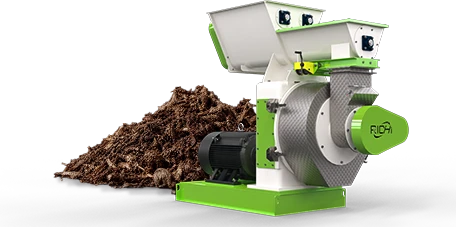
Maszyna do produkcji granulatu z resztek grzybów
Resztki grzybowe stanowią doskonałą bazę dla nawozów organicznych dzięki wysokiej zawartości materii organicznej i białka mikrobiologicznego. Ten granulator wykorzystuje wysokie ciśnienie i wymuszony podawanie materiału, aby mocno zagęścić sypkie resztki, tworząc gęste, wytrzymałe granulki, które nie kruszą się podczas przechowywania ani transportu.
Wyjście : 1–40+ T/H
Wielkość granulek: 4–12 mm
Najważniejsze cechy: Matyca przystosowana do włókien gruboziarnistych, o wysokim stopniu sprężania
Młyn do produkcji granulatu nawozowego z odpadów organicznych pochodzących z gospodarstw domowych
Odpady kuchenne, resztki warzyw z targowisk, ścinki z parków oraz odpady z gastronomii… te organiczne produkty uboczne, powstające codziennie w ramach działalności miejskiej, dopiero na etapie sortowania rozpoczynają swoją drogę — prawdziwym celem jest odzysk surowców.
Przetworzenie ich na granulowany nawóz organiczny nie tylko zmniejsza obciążenie składowisk odpadów i spalarni, ale także pozwala na przywrócenie materii organicznej do gleby.
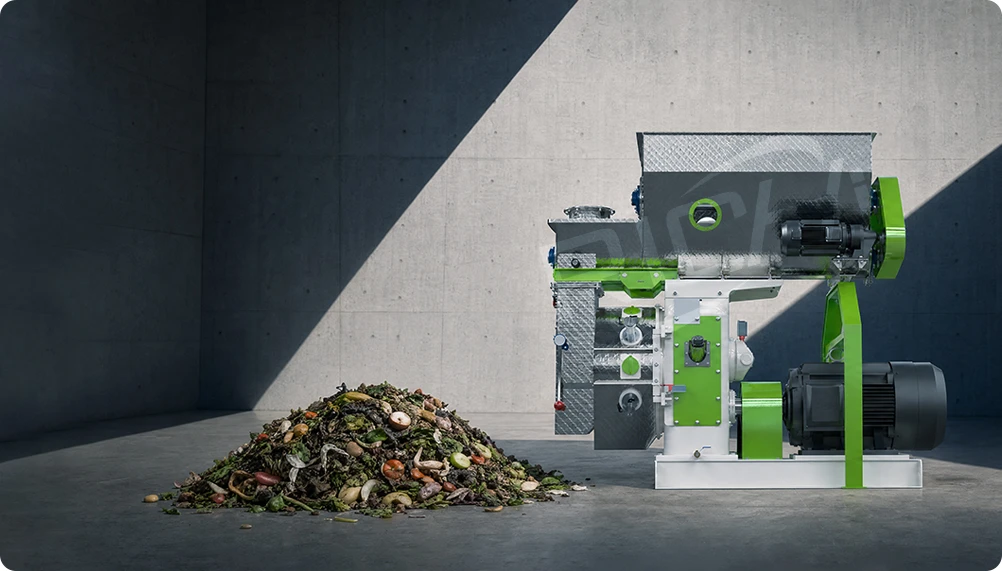
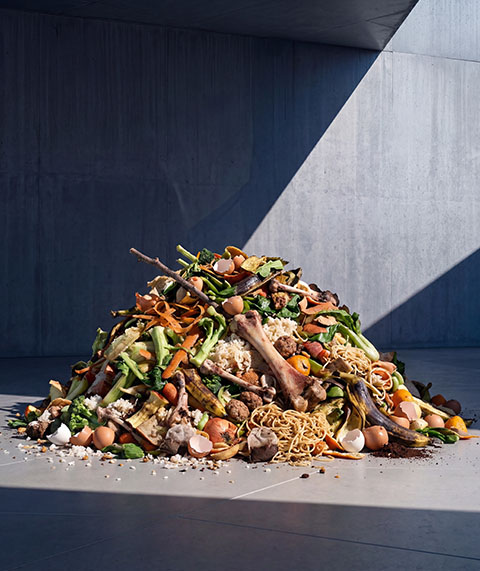
Maszyna do produkcji peletów z odpadów kuchennych
Odpady kuchenne, charakteryzujące się wysoką zawartością tłuszczu i soli oraz miękką konsystencją, są trudne w utylizacji. Jednak po wstępnym przetworzeniu (sortowaniu, rozdrabnianiu, odwadnianiu, fermentacji) stają się cennym nawozem organicznym — rozwiązując problemy środowiskowe i generując zysk.
Pojemność : 1–40+ T/H
Wielkość granulek: 4–12 mm
Najważniejsze cechy: Duża elastyczność w doborze materiałów, wydajne formowanie granulek
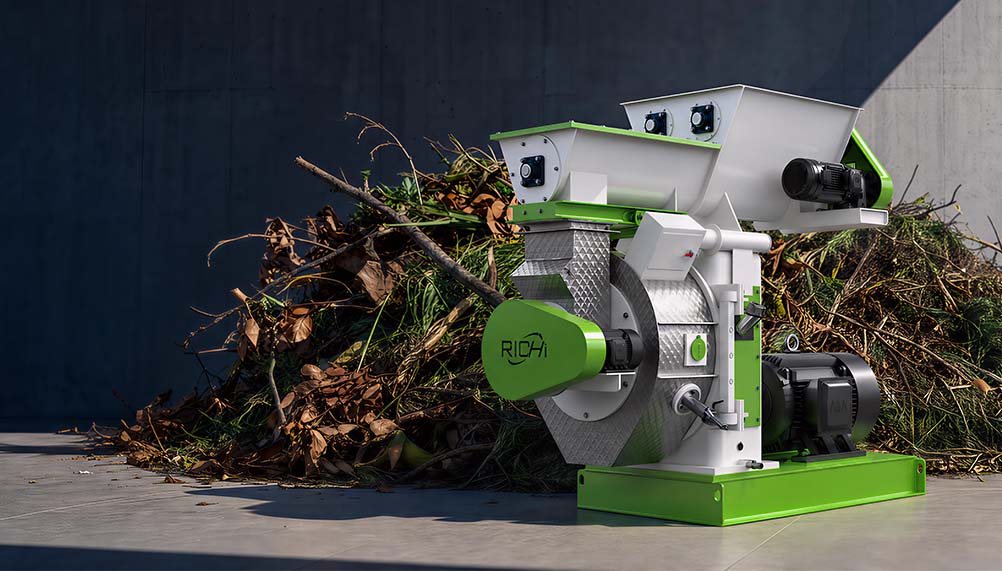
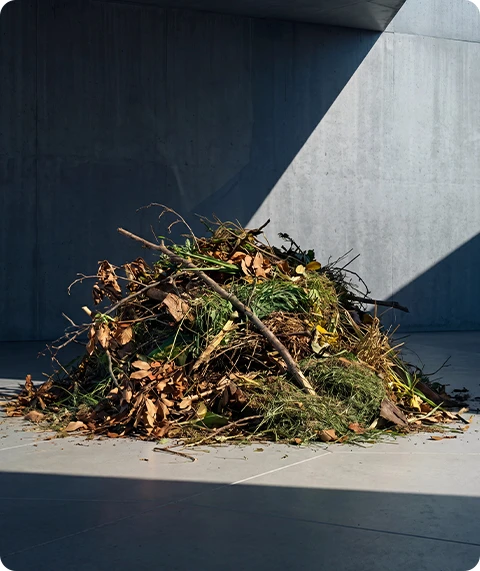
Maszyna do rozdrabniania odpadów ogrodowych
Nasz granulator przekształca te odpady w granulki, które można wykorzystać jako nawóz organiczny do poprawy jakości gleby lub jako paliwo z biomasy. Rozwiązuje on problemy związane z utylizacją odpadów i pozwala na przekształcenie “odpadów w wartość”.
Pojemność : 1–40+ T/H
Wielkość granulek: 4–12 mm
Najważniejsze cechy: Duża elastyczność w doborze materiałów, wydajne formowanie granulek
Maszyna do produkcji złożonych nawozów organicznych
W przeciwieństwie do nawozów organicznych nawozy chemiczne opierają się na solach nieorganicznych, co wymaga stosowania urządzeń do granulacji charakteryzujących się wyjątkową odpornością na zużycie, ochroną przed korozją oraz precyzją działania.
W przypadku nawozów złożonych, mieszanek nawozów złożonych oraz nawozów typu BB jednolitość granulek, ich okrągłość i wytrzymałość mają bezpośredni wpływ na wartość rynkową i skuteczność działania.
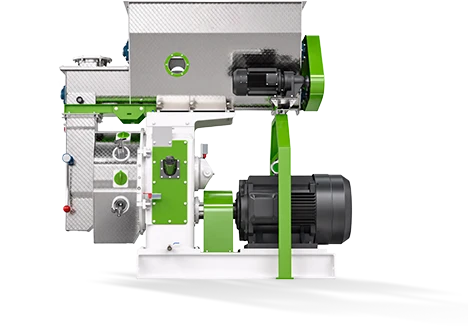
Granulator NPK, przeznaczony do produkcji nawozów złożonych NPK oraz nawozów mieszanych, przetwarza sproszkowane surowce azotowe, fosforowe i potasowe oraz materiały pomocnicze w granulki NPK.
Najważniejsze cechy:
Materiały odporne na korozję, formy odporne na zużycie
Pojemność opcjonalna
1–40+T/H
Wielkość cząstek
4-12 mm
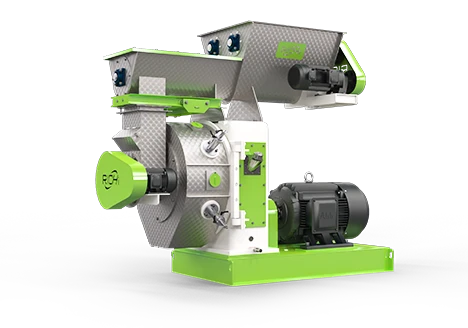
Granulator ten nadaje się zarówno do nawozów złożonych, jak i nawozów chemicznych typu NPK. Dzięki wytrzymałym, odpornym na zużycie formom oraz stabilnemu podawaniu surowca zapewnia on uzyskanie równomiernych, estetycznych granulek, co pozwala na prowadzenie produkcji ciągłej na dużą skalę.
Najważniejsze cechy:
Szeroki zakres zastosowań, doskonała trwałość
Pojemność opcjonalna
1–40+T/H
Wielkość cząstek
4-12 mm
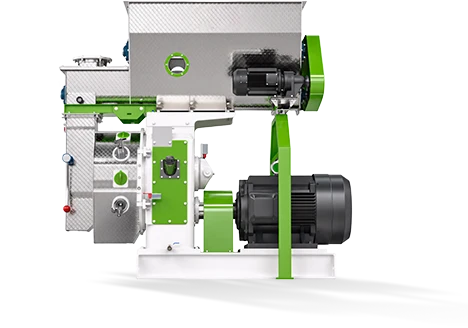
Maszyna do granulowania rdzeniowego przeznaczona do produkcji nawozów mieszanych fizycznie, dostosowana do nawozów jednoelementowych (mocznik, chlorek potasu itp.), nawozów złożonych oraz mieszanek zawierających średnie i śladowe ilości pierwiastków.
Najważniejsze cechy:
Równomierne podawanie pokarmu, duża elastyczność receptur
Pojemność opcjonalna
1–40+T/H
Wielkość cząstek
4-12 mm
Kompleksowe rozwiązania w zakresie nawozów bioorganicznych dla roślin
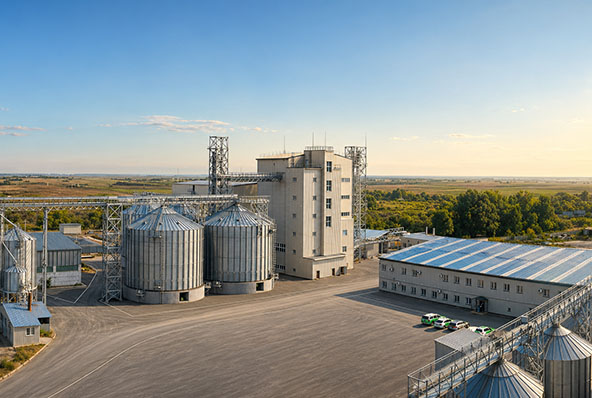
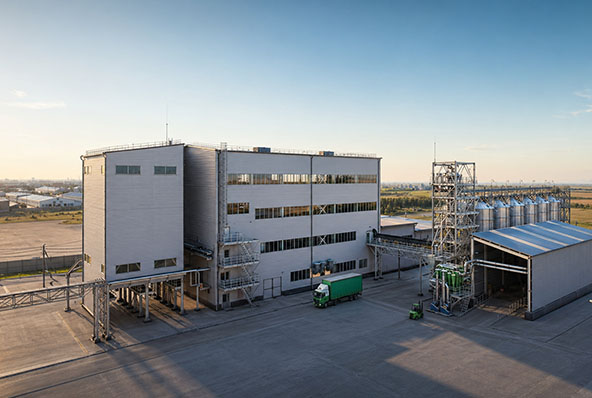
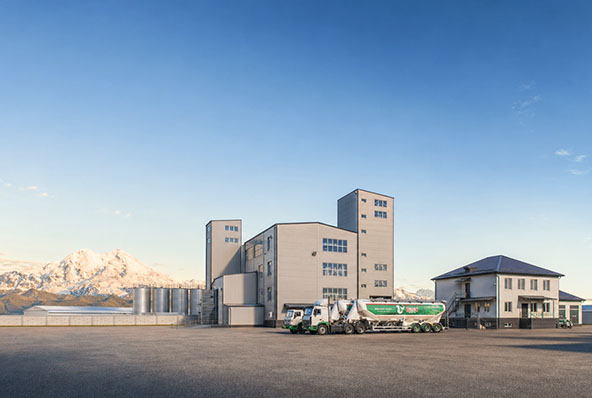
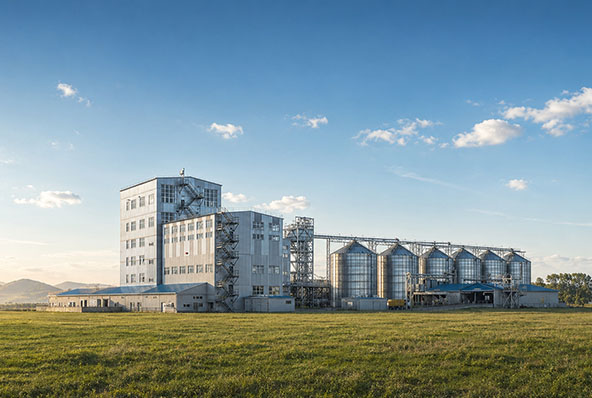
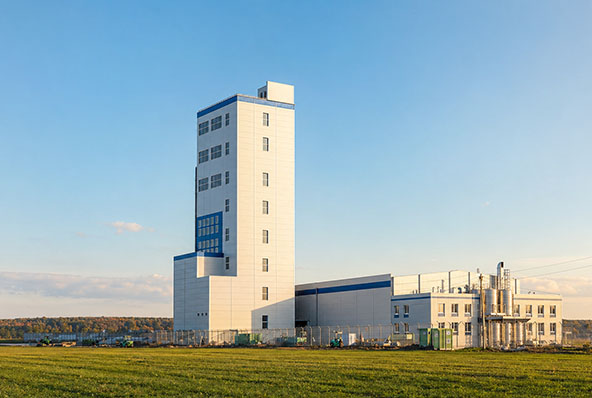
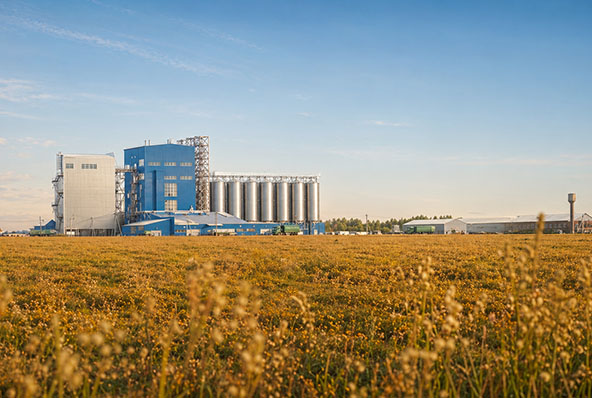
Linia produkcyjna granulatu nawozu organicznego RICHI stanowi kompleksowe rozwiązanie do produkcji nawozów, służące do przetwarzania odpadów organicznych na wysokiej jakości granulki nawozu organicznego. Nadaje się do recyklingu obornika bydlęcego, obornika drobiowego, słomy uprawnej, osadu ściekowego oraz odpadów spożywczych. System obejmuje procesy fermentacji kompostu, rozdrabniania, mieszania, granulowania nawozu organicznego, suszenia, chłodzenia, przesiewania oraz pakowania.
Ta instalacja do produkcji granulatu nawozów organicznych umożliwia wytwarzanie granulek nawozowych o różnych rozmiarach oraz pozwala na dostosowanie wydajności produkcyjnej i projektu procesu do indywidualnych potrzeb. Linia produkcyjna nawozów RICHI znajduje szerokie zastosowanie w projektach recyklingu odpadów organicznych oraz w komercyjnych zakładach produkcji nawozów organicznych.
01
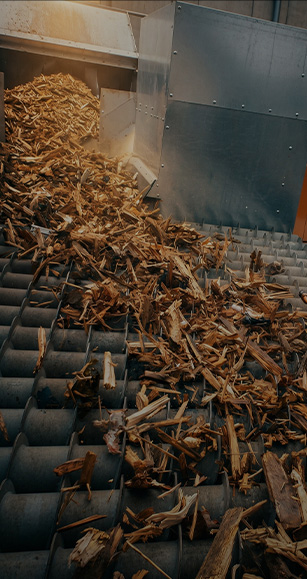
Przetwarzanie surowców
Od świeżego obornika zwierzęcego i sfermentowanych materiałów organicznych po słomę uprawową, pozostałości po uprawie grzybów, osad ściekowy i inne odpady organiczne – różne surowce wymagają różnych metod przetwarzania.
W zależności od właściwości surowca system może być wyposażony w procesy fermentacji kompostowej, rozdrabniania, przesiewania, dozowania i mieszania. W razie potrzeby można również dodać systemy odwadniania i recyklingu, dostosowane do zawartości wilgoci i błonnika, w celu przygotowania materiałów odpowiednich do peletyzacji.
02
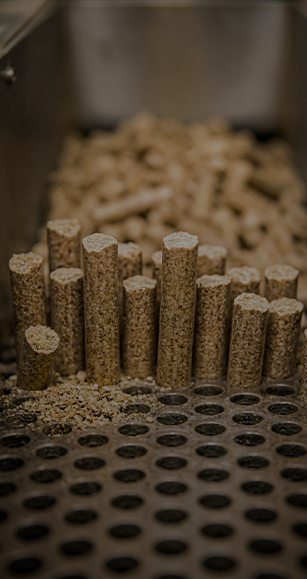
Granulowanie
Nie ma jednego standardowego kształtu granulek nawozów organicznych. W zależności od produktu stosujemy różne metody formowania, aby uzyskać granulki okrągłe, w kształcie spłaszczonej kuli lub o nieregularnym kształcie.
Dzięki dostosowaniu receptury, poziomu wilgotności oraz metody formowania możemy wytwarzać granulki o rozmiarach od 4 mm do 12 mm. Pozwala to zaspokoić potrzeby w zakresie upraw komercyjnych, upraw polowych oraz rynku ogrodniczego.
03
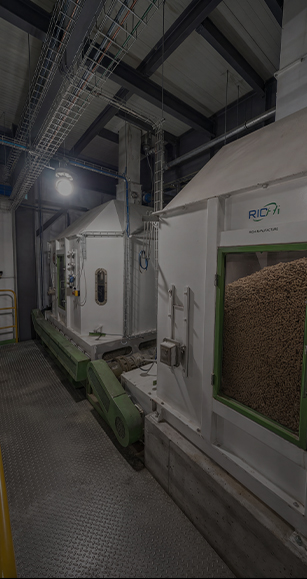
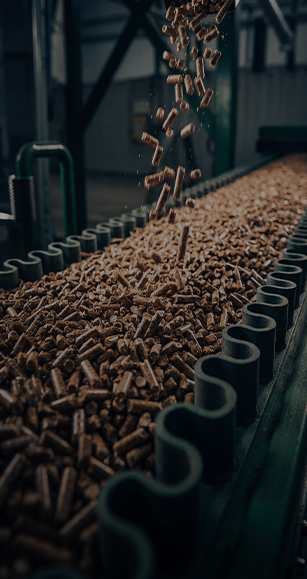
Kompleksowa obsługa peletów z biomasy
Świeżo wyprodukowane granulki zazwyczaj wymagają dalszej obróbki, zanim będą gotowe do sprzedaży. W zależności od wymagań dotyczących produktu możemy skonfigurować procesy suszenia, chłodzenia, przesiewania, polerowania, powlekania i pakowania.
Oprócz standardowych granulek nawozów organicznych produkujemy również granulki powlekane, granulki o zaokrąglonym kształcie oraz nawozy handlowe w różnych opakowaniach.
04
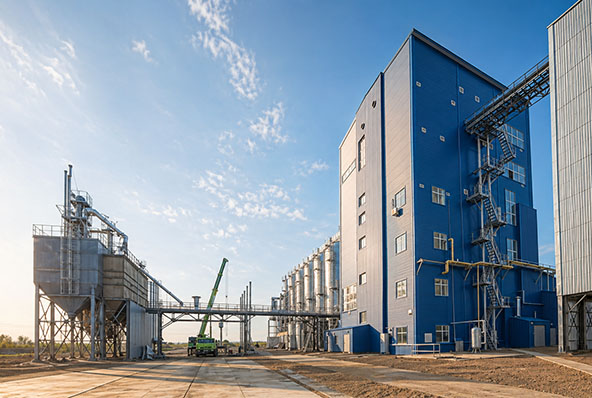
Układy pomocnicze
Oprócz głównego wyposażenia kompletna linia produkcyjna obejmuje systemy transportowe, urządzenia do odpylania, dezodoryzacji, automatycznego sterowania oraz zabezpieczenia środowiskowego.
W zależności od układu zakładu i potrzeb w zakresie automatyzacji możemy zastosować sterowanie scentralizowane lub obsługiwać poszczególne sekcje oddzielnie. Projekt przewiduje również możliwość przyszłego zwiększenia mocy produkcyjnych oraz modernizacji procesów.
Poznaj rozwiązania w zakresie linii produkcyjnych nawozów organicznych RICHI
Jeśli nasze standardowe moce produkcyjne i procesy nie spełniają Państwa wymagań, prosimy o kontakt w celu opracowania rozwiązania dostosowanego do Państwa potrzeb.
Pytania, które mogą Państwo mieć na temat produkcji nawozów
Znajdź fachowe odpowiedzi na najczęściej zadawane pytania dotyczące kluczowych procesów i istotnych kwestii związanych z produkcją nawozów organicznych lub mieszanych.
1. Czy urządzenie może przetwarzać mieszane surowce, takie jak obornik kurzy i słoma?
Tak. W wielu projektach dotyczących nawozów organicznych do granulowania wykorzystuje się dwa lub więcej surowców, na przykład obornik kurzy z dodatkiem słomy, obornik krowi z łuskami ryżowymi lub kompostowany obornik z resztkami po uprawie grzybów.
2. Moim surowcem nie jest obornik, odpady komunalne ani odpady rolnicze, lecz osad ściekowy. Czy wasze urządzenia do produkcji nawozów poradzą sobie z tym surowcem?
Tak. Osad, który został odpowiednio przetworzony i w pełni skompostowany, może również służyć jako surowiec do granulacji nawozów organicznych.
Jednak w porównaniu z powszechnie stosowanymi materiałami, takimi jak obornik i odpady rolnicze, osad ściekowy charakteryzuje się zazwyczaj wyższą zawartością wilgoci, większą lepkością oraz bardziej złożonym składem. W związku z tym wymaga on spełnienia wyższych standardów przy doborze sprzętu i projektowaniu procesu.
W rzeczywistym procesie produkcyjnym, niezależnie od tego, czy surowcem jest osad ściekowy, obornik zwierzęcy czy odpady rolnicze, cały proces zazwyczaj obejmuje kompostowanie, rozdrabnianie, granulowanie, suszenie, chłodzenie i przesiewanie, a nie opiera się wyłącznie na jednym granulatorze.
W przypadku materiałów na bazie osadu linia produkcyjna powinna być odpowiednio skonfigurowana pod kątem zawartości wilgoci, właściwości materiału oraz docelowej wydajności, aby zapewnić stabilną pracę i odpowiednią jakość produktu końcowego.
3. Czy jedna maszyna do produkcji nawozów organicznych wystarczy do przetwarzania obornika?
Niekoniecznie. Zależy to od stanu surowców oraz od wymagań dotyczących produktu końcowego.
Jeśli obornik został już w pełni skompostowany, a jego wilgotność i wielkość cząstek są odpowiednie, do produkcji granulek nawozowych można użyć samego granulatora.
Jednak w większości przypadków konieczne jest zastosowanie dodatkowego sprzętu. Proces ten, od surowców po gotowe granulki, zazwyczaj obejmuje kompostowanie, rozdrabnianie, przesiewanie, suszenie i chłodzenie. W związku z tym może być również potrzebny sprzęt taki jak przewracarki do kompostu, kruszarki, przesiewacze oraz systemy suszenia i chłodzenia.
Jeśli surowce zostały już poddane obróbce wstępnej, wystarczający może być pojedynczy granulator. W przypadku nowych projektów, w których proces rozpoczyna się od przetwarzania surowców, zazwyczaj konieczna jest kompletna linia produkcyjna, aby zapewnić stabilną i ciągłą produkcję.
4. Jaki sprzęt jest potrzebny do założenia zakładu produkcji nawozów?
Zależy to od surowców, dziennej wydajności, wymagań dotyczących produktu końcowego oraz budżetu. Ogólnie rzecz biorąc, kompletna linia produkcyjna nawozów obejmuje systemy kompostowania, wstępnej obróbki, granulacji, obróbki końcowej oraz systemy pomocnicze.
W przypadku stosowania świeżego obornika, osadu ściekowego lub innych materiałów o wysokiej zawartości wilgoci zazwyczaj konieczne jest użycie sprzętu do kompostowania, takiego jak przewracarki do kompostu lub zbiorniki fermentacyjne, aby zapewnić pełny rozkład materiałów i stabilizację składników odżywczych. Czas trwania procesu kompostowania zależy od zastosowanej metody.
Po kompostowaniu materiały mogą zawierać grudki lub zanieczyszczenia, dlatego w celu zapewnienia płynnego procesu granulacji często stosuje się kruszarki i przesiewacze do wstępnego przetwarzania.
Granulacja stanowi podstawowy proces na linii produkcyjnej. W zależności od właściwości surowców dobiera się odpowiednią granulator do produkcji granulek nawozowych. Wielkość granulek można zazwyczaj regulować poprzez wymianę matrycy, a typowe rozmiary mieszczą się w przedziale od 4 do 12 mm.
Ponieważ świeżo uformowane granulki zawierają stosunkowo dużo wilgoci, przed zapakowaniem zazwyczaj muszą przejść proces suszenia, chłodzenia i przesiewania. Granulki o rozmiarach większych lub mniejszych od wymaganych można zawrócić do systemu w celu ponownego przetworzenia.
Ponadto urządzenia transportowe, systemy odpylania oraz elektryczne układy sterowania stanowią istotne elementy linii produkcyjnej, pomagając połączyć poszczególne etapy procesu i zapewnić stabilną pracę.
Nie każdy projekt wymaga kompletnej linii produkcyjnej. Jeśli surowce zostały już poddane kompostowaniu lub nadają się do bezpośredniej granulacji, niektóre procesy, takie jak kompostowanie czy suszenie, można uprościć. W przypadku mniejszych budżetów można również zacząć od podstawowego wyposażenia, takiego jak kruszarki, granulatory i przesiewacze, a następnie rozbudować system w miarę wzrostu potrzeb produkcyjnych.

RICHI Machinery: Napędzanie globalnej produkcji pelletu
Zaangażowani w pionierską technologię pelletu i inżynierię przemysłową, wykorzystujemy ponad 30-letnią wiedzę badawczo-rozwojową i globalne doświadczenie.
Optymalizujemy projektowanie, produkcję i integrację systemów, aby napędzać przemysł paszowy, biomasowy i specjalistyczny w kierunku wydajności, inteligencji i zrównoważonego rozwoju.
Nasz zespół ekspertów dostarcza kompleksowe rozwiązania w zakresie produkcji pelletu, które spełniają międzynarodowe standardy i są zgodne ze strategicznymi celami w zakresie wydajności i długoterminowego wzrostu.
60000 +m2
Metry kwadratowe naszej fabryki
2000 +
Projekty realizowane na całym świecie
140 +
Kraje naszych klientów
200 +
Liczby naszego zespołu
Globalna wiedza i doskonałość systemu
Zaawansowane systemy produkcji pelletu łączą w sobie solidność i gotowość na przyszłość, ustanawiając wzorce branżowe poprzez integrację technologiczną i innowacje.
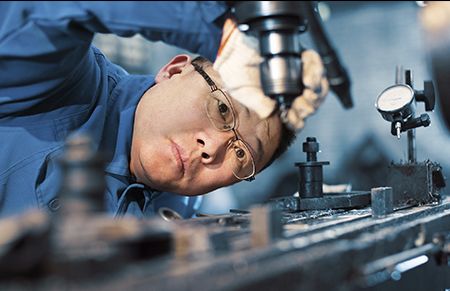
Niezawodna jakość
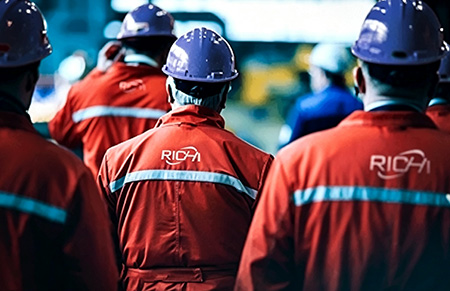
Każda maszyna przechodzi precyzyjne i rygorystyczne kontrole jakości.
Gwarancja bez obaw
Wsparcie globalnej sieci serwisowej o krótkim czasie reakcji.
Profesjonalne wsparcie
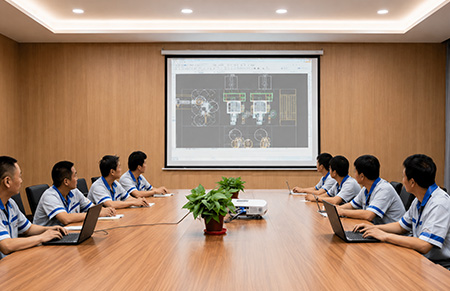
Doświadczone zespoły techniczne zapewniają pomoc w całym cyklu.

Bezpieczne płatności
Wielowarstwowe szyfrowanie zapewnia bezpieczne i przejrzyste transakcje.
Globalna logistyka
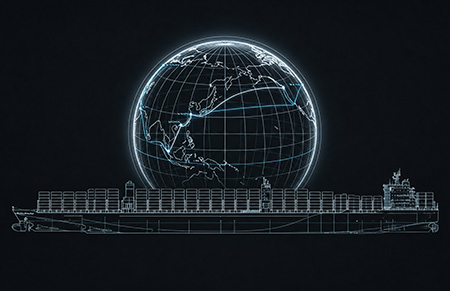
Wydajna wysyłka na cały świat zapewnia terminową dostawę do dowolnego miejsca.
Rozpocznij swój projekt Pellet
Produkcja peletów to proces systematyczny. Podaj nam swoje wymagania dotyczące surowców i mocy produkcyjnych, a my opracujemy dla Ciebie indywidualne rozwiązanie wraz z profesjonalnym doradztwem w zakresie produkcji na skalę komercyjną.

Adres: na południe od skrzyżowania ulic Xingda i Hongyuan, Wuzhi, miasto Jiaozuo, prowincja Henan, Chiny

Tel./WhatsApp: +86 136 0866 8310

E-mail: enquiry@richimachinery.com



© HENAN RICHI MACHINERY CO., LTD 1995-2026 Product Line-Up / Polityka prywatności
Kontakt
Prześlij swoje wymagania, a konsultanci RICHI szybko się z Tobą skontaktują.

