

Agricultural Waste Pellet Machine for Biomass and Organic Fertilizer Pellet Production
The RICHI agriculture waste pellet machine converts loose, low-density agricultural and organic materials into uniform pellets, enabling the efficient utilization of agricultural by-products. Suitable for straw, rice husks, corn stalks, vines, crop residues, fruit pomace and mushroom residue, it is widely used in biomass fuel pellet production, organic fertilizer manufacturing projects, providing a reliable pelletizing solution for various pellet products.
Capacity Range: 0.5-40.0+ T/H (Customization supported)
Agriculture Waste Pellet Mill Explained
Large quantities of agricultural waste, such as straw, rice husks, and fruit tree residues, are often difficult to handle and utilize. However, our agricultural waste pellet mill compacts these low-density raw materials into high-value pellets, transforming agricultural residues into usable resources.
Featuring stable pelletizing performance and broad raw material adaptability, this machine has become essential equipment for biomass energy, agricultural processing, and circular economy projects. The resulting pellets are widely used as biomass fuel, animal bedding, organic fertilizer, and soil conditioner. This offers an efficient waste disposal solution for farms, biomass processing plants, fertilizer manufacturers, and comprehensive agricultural utilization projects.
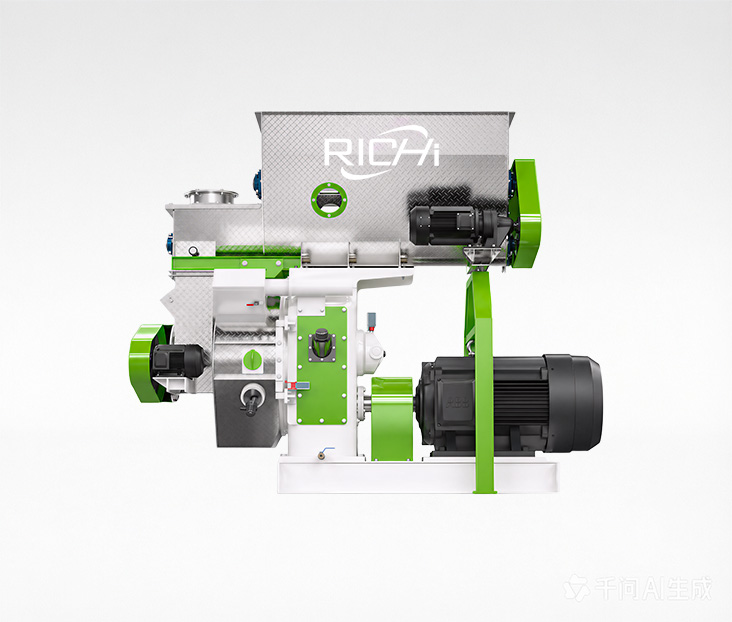
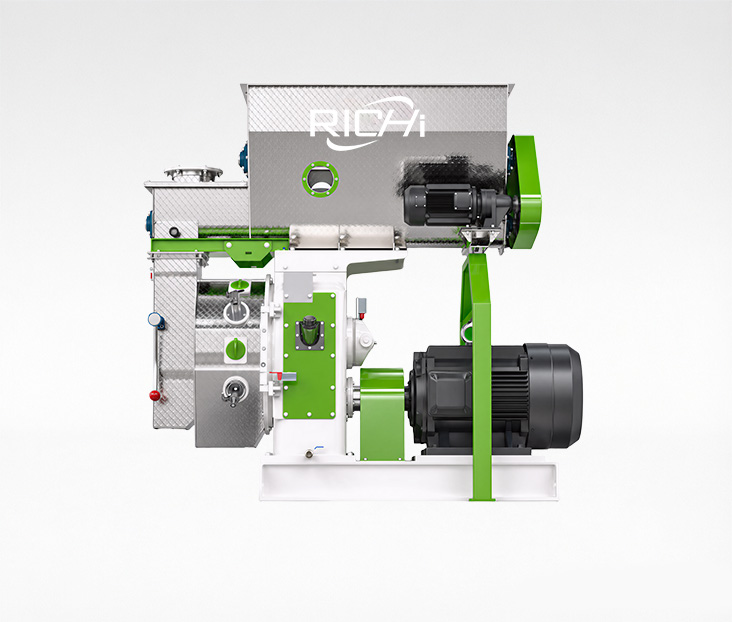
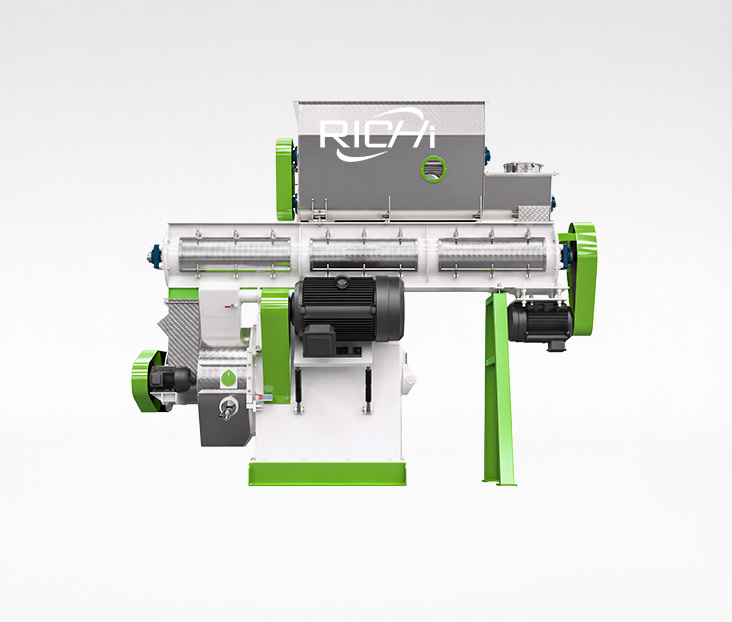
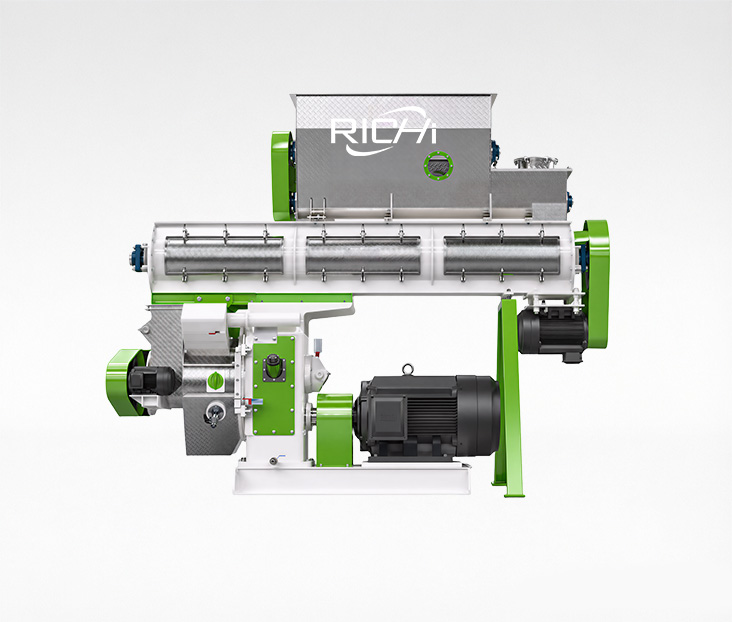
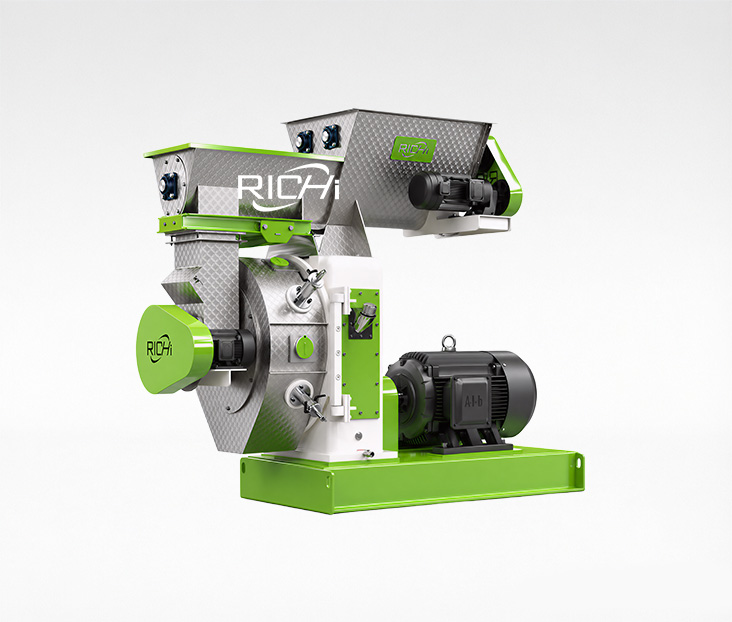
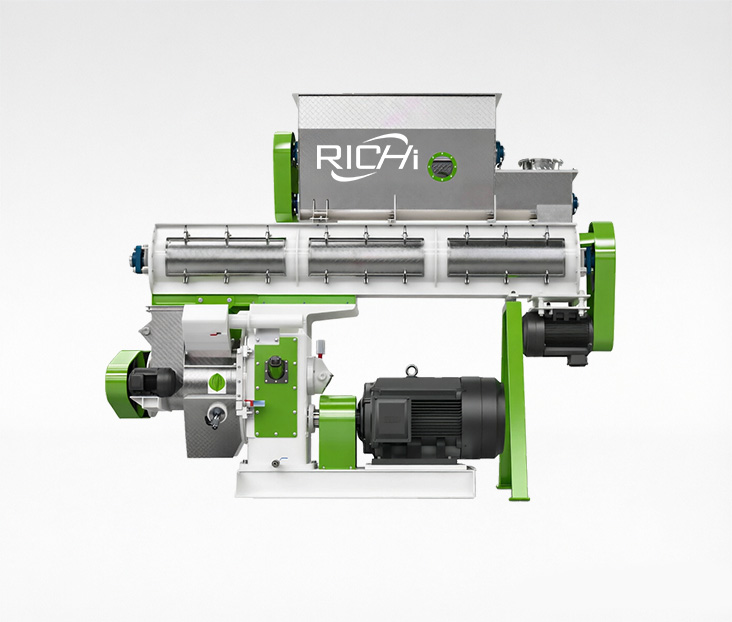
Agriculture Waste Pellet Machine Structure & Design
For real-world use, the machine excels in “stable feeding” and “sustained compression.” When processing fibrous materials like straw and wood chips, structural stability and wear resistance are essential. That is why we reinforce the die and power transmission systems, ensuring the machine is built for long-term, high-load performance.
Feeding System
Pelleting Chamber
Ring Die
Cutting Device
Discharging System
Power Transmission System
Lubrication & Safety Protection System
Frame & Overall Structure
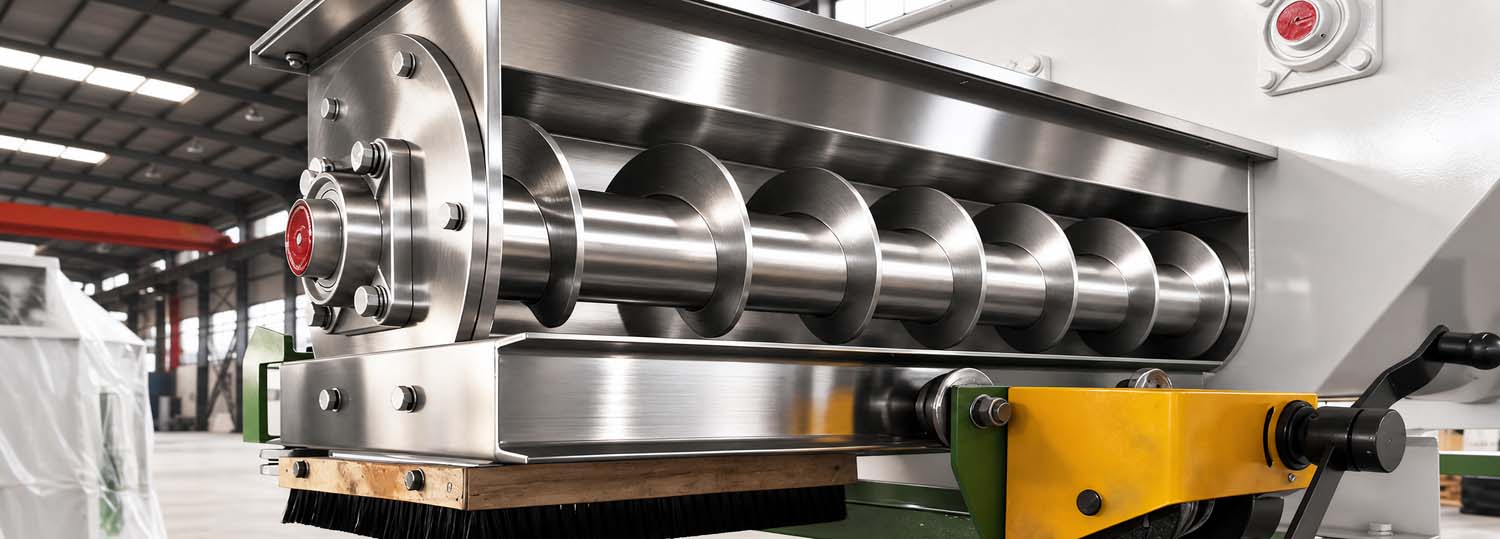
1. Feeding System
The feeding system is engineered to deliver a steady, controlled flow of pre-treated agricultural waste into the pelletizing unit.
With adjustable feed rates, it maintains balanced material loading, guaranteeing seamless operation and eliminating risks of blockages or irregular material supply.
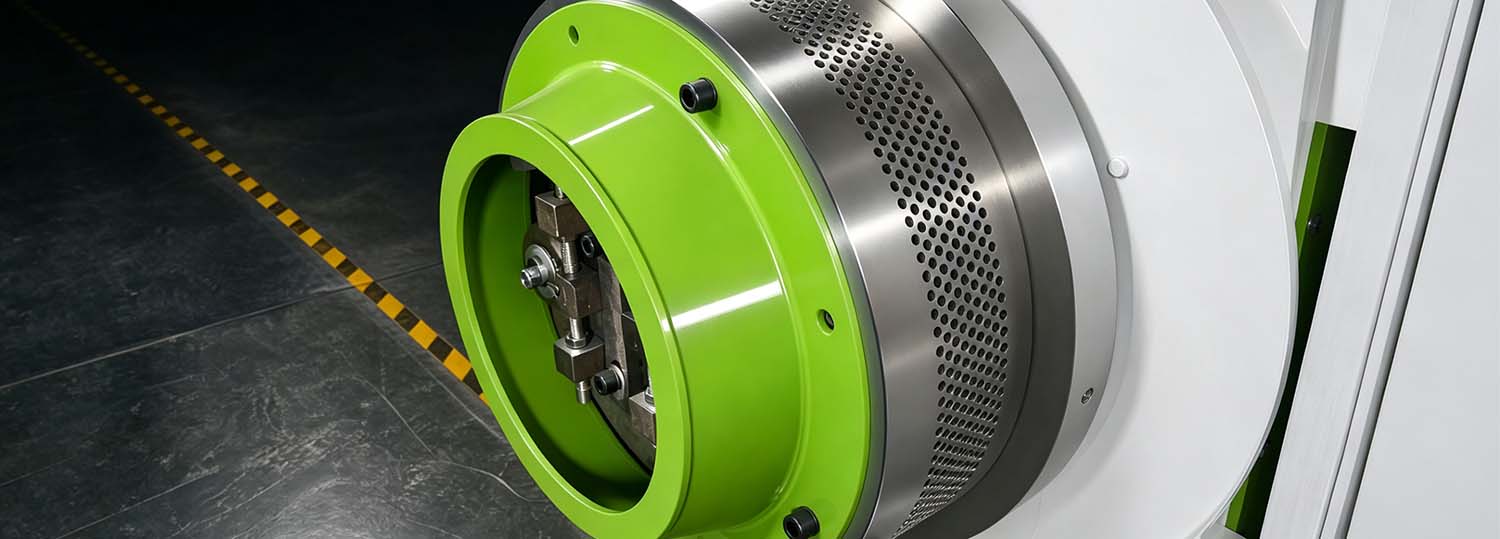
2. Pelleting Chamber
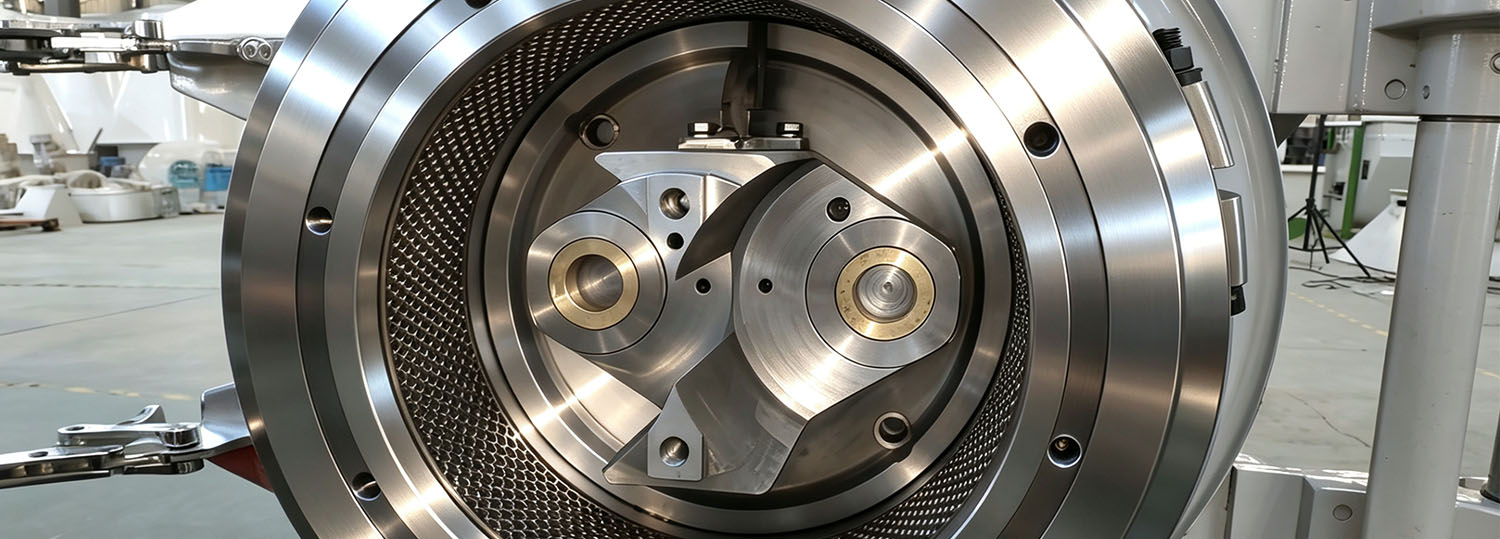
As the core unit, the pelletizing chamber comprises a ring die and press rollers, actuated by the main motor.
Under high compression, the material undergoes densification and forming within the die bores, a process that fundamentally determines the pellets’ durability, specific gravity, and final quality.

3. Ring Die
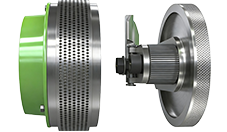
The die defines the final pellet specifications.
By selecting specific aperture diameters and compression ratios, operators can achieve precise pellet dimensions (e.g., 6mm, 8mm, 10mm), enabling rapid product changeovers for fuel, bedding, or organic fertilizer applications.
4. Cutting Device
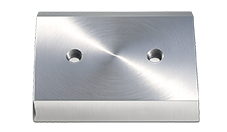
Installed at the discharge outlet, the cutting system synchronizes with material extrusion to deliver uniform pellet length.
Adjustable cutter speed allows precise control of product consistency and appearance.
5. Discharging System
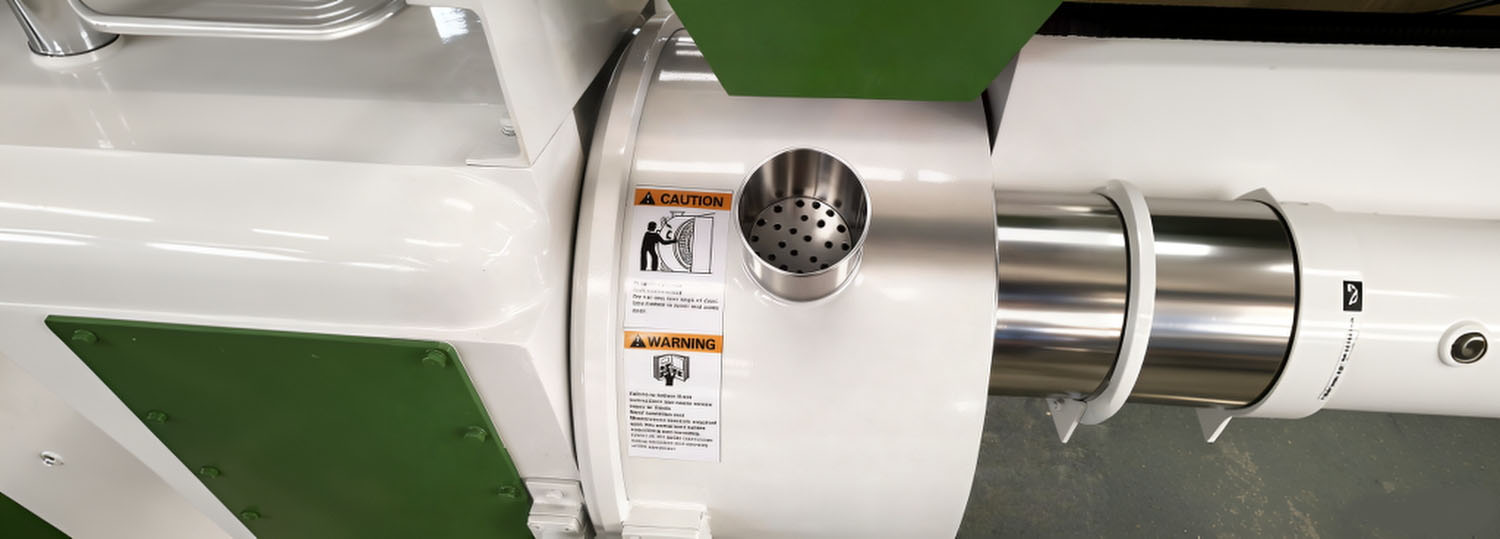
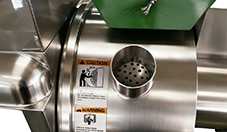
Finished pellets are discharged smoothly and directed to the cooling or collection stage.
The optimized discharge structure ensures continuous output without accumulation or backflow, supporting stable long-term operation.
6. Power Transmission System
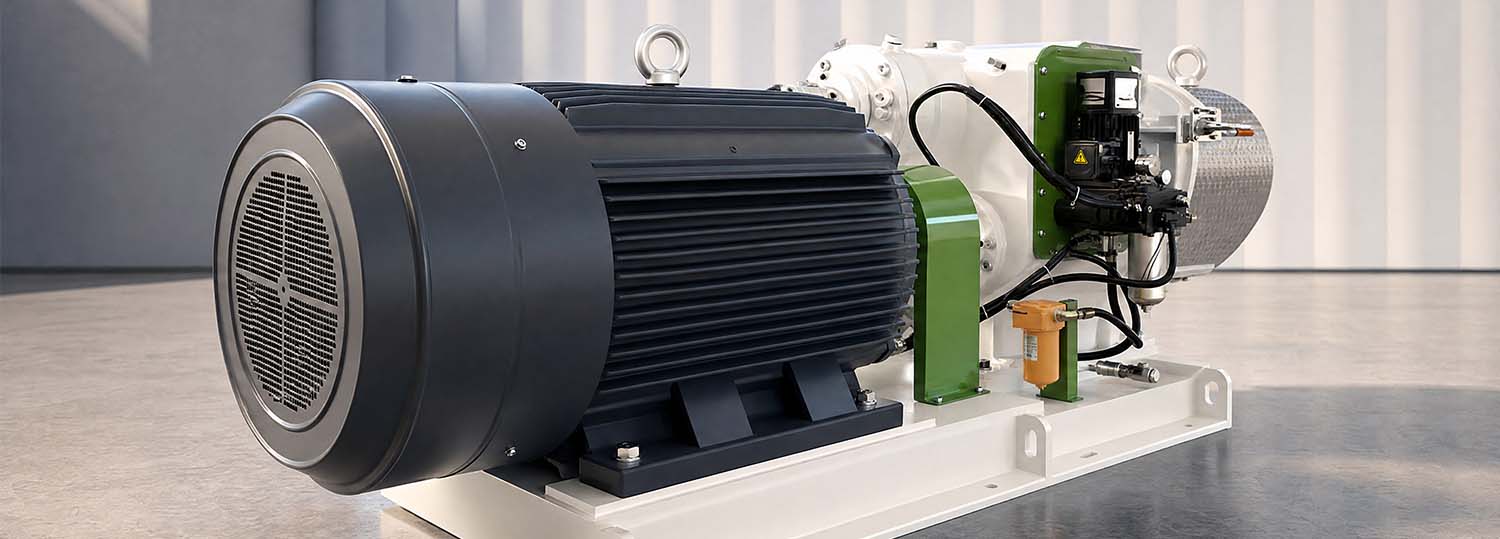
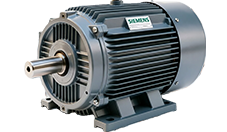
The power transmission system integrates the motor, gearbox, and coupling to deliver stable torque output under heavy-duty conditions.
Engineered for both robust performance and energy efficiency, it ensures reliable and cost-effective operation during extended production cycles.
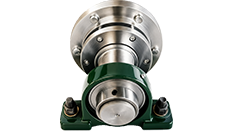
7. Lubrication & Safety Protection System
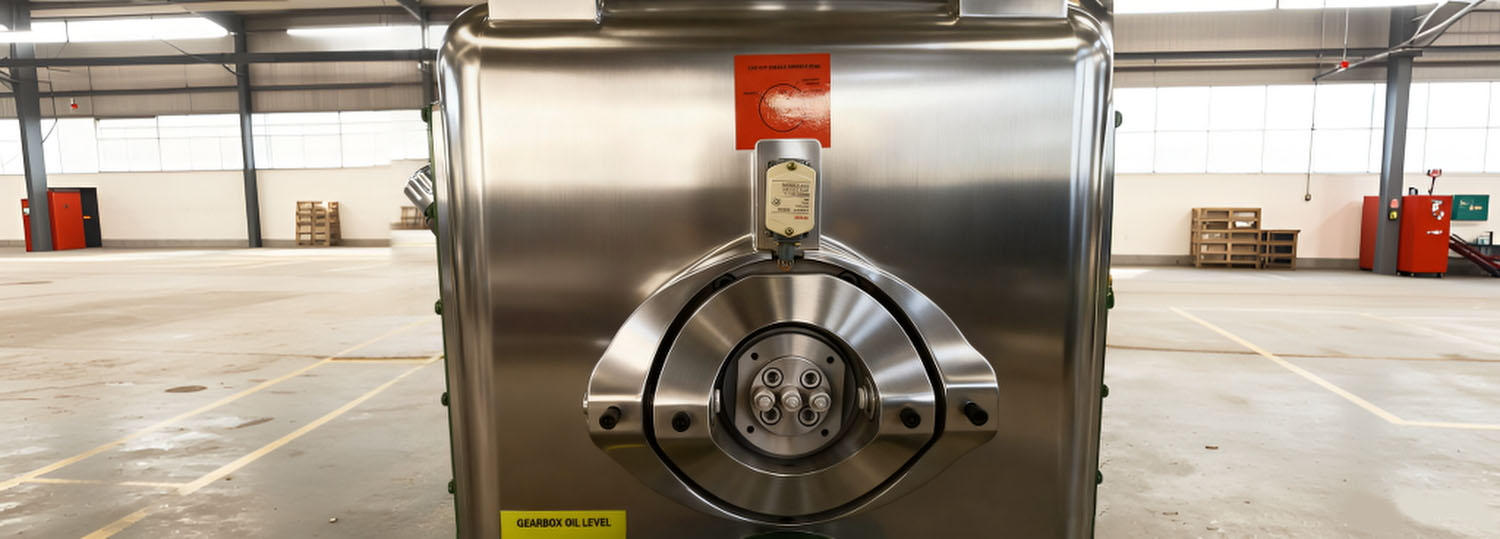
Key rotating components are equipped with a centralized lubrication system to reduce wear and extend service life.
An integrated overload protection mechanism safeguards the machine under abnormal working conditions, ensuring operational safety and reliability.
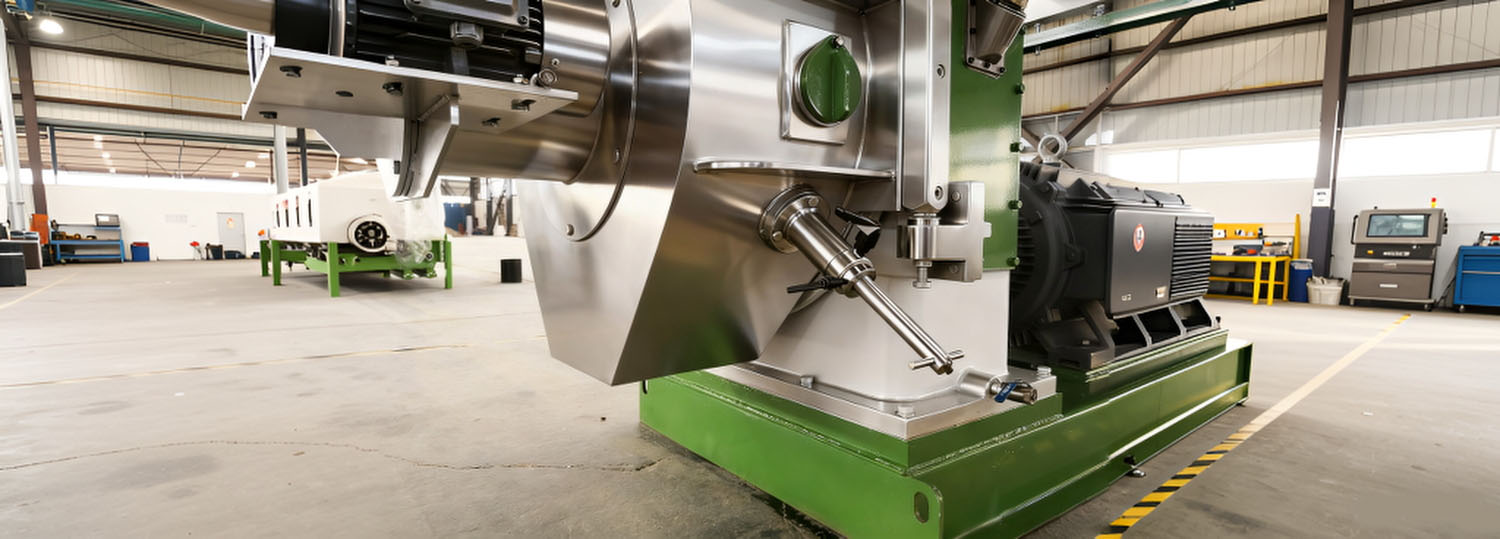
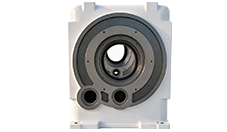
8. Frame & Overall Structure
The machine is built on a heavy-duty steel frame with high rigidity and impact resistance.
The compact structural layout supports stable continuous operation while allowing convenient installation, maintenance, and long service life.
Agricultural Waste Granulator Machine Working Principle
From straw and rice husks to fruit residue and fungal mash, diverse agricultural waste can be recycled into valuable resources through our pelletizing process. This stable molding process not only enhances the physical properties of the pellets but also transforms loose, low-density raw materials into high-value products.
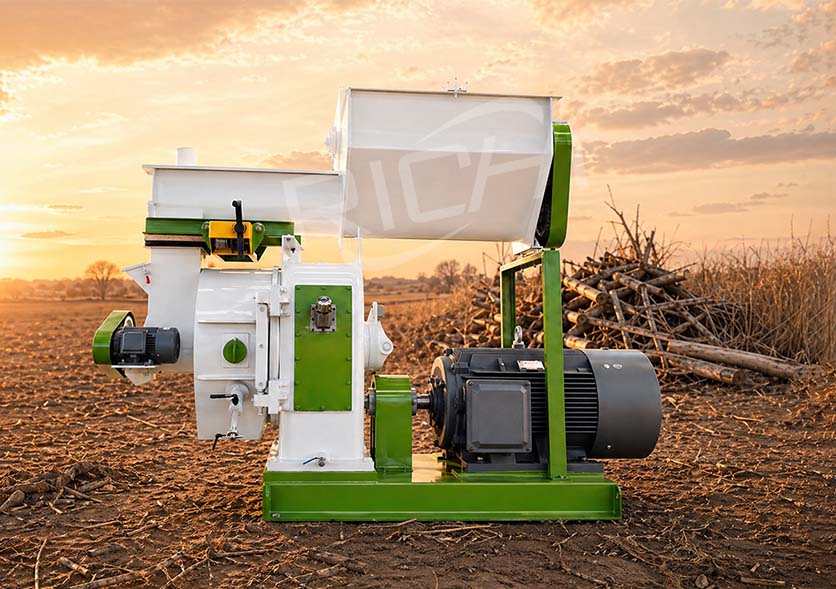
The pellet mill operates through the synergy between the ring die and the pressing roller. Raw materials—such as straw, rice husks, and wood chips—that have been crushed and conditioned are continuously fed into the pelletizing area.
Driven by the main motor, the roller compresses the material into the die holes. Under the combined effect of high pressure and friction-generated heat, the raw materials are compacted and formed into structurally stable pellets.
As the pellets are continuously extruded, they are cut to the desired length by the cutting device and transported via the discharge system to the cooling or further processing section.
Equipment Advantages of Agricultural Waste Pellet Mills
Agricultural waste is characterized by its large volume, loose structure, and high costs for transportation and storage. Through the pelletizing process, the waste is compressed into high-density, uniform pellets, significantly improving logistics efficiency and maximizing resource value.
Designed for the continuous processing of various biomass materials, this equipment is capable of meeting granulation production demands across different capacity scales.

Strong Material Adaptability
Ideal for diverse agricultural and forestry waste—from straw and wood chips to bagasse and fungal residue. Our machine adapts to varying moisture levels and fiber structures through process adjustments, ensuring stable production without being limited to one material source.
High Pellet Quality & Stable Forming
Using a mature compression molding process, materials are fully densified inside the die. The resulting pellets feature uniform density, high strength, and excellent resistance to crumbling, meeting the strict requirements for biomass fuel, agricultural applications, and further deep processing.
Reasonable Energy Consumption
The optimized power system delivers high efficiency with controlled energy consumption. Designed for continuous, long-term operation, the machine ensures stable output and minimizes energy loss, keeping your production running smoothly.
Robust Structure & Easy Maintenance
Wear-resistant materials and heat-treated components (like the ring die and roller) ensure a long service life. The rational design makes daily checks, lubrication, and part replacement quick and easy.
Broad Application Range
The produced pellets suit various sectors, including biomass fuel, animal bedding, organic fertilizer processing, and soil improvement, offering strong market adaptability. With adjustable specifications, the machine delivers multi-purpose production, maximizing value across different markets.
Flexible System Configuration
The equipment supports both standalone units and complete production line setups. It flexibly adapts to the capacity needs of small mills, medium factories, and large industrial pellet production projects.
Environmental & Resource Efficiency
By converting agricultural waste into usable pellets, the machine effectively reduces open burning and waste disposal problems. It also increases the economic value of agricultural by-products, supporting resource recycling and aligning with modern sustainable energy development trends.
Safety & Operational Reliability
Optimized for continuous production, the machine features reinforced key components and built-in overload protection. It ensures stable, safe performance even under high loads.
Agriculture Waste Granulator Technical Specifications
Our agricultural waste pellet mills are standardized across various capacity levels to meet diverse needs. You can easily match the perfect equipment to your production scale by reviewing key specs like motor power, capacity, and structure. This ensures a fast, efficient process for choosing the right system and configuring your production line.
| Model | Capacity (t/h) | Main Motor (kW) | Anti-Arch Feeder (kW) | Force Feeder (kW) | Ring Die ID (mm) | Pellet Size (mm) |
| CZLH320 | 0.5–0.6 | 22 | 2.2 | 0.75 | 320 | 4–12 |
| CZLH350 | 1.0–1.2 | 37 | 2.2 | 0.75 | 350 | |
| CZLH420 | 1.8–2.0 | 90 | 3 | 1.5 | 420 | |
| CZLH520 | 2.8–3.0 | 132 | 3 | 1.5 | 520 | |
| CZLH678 | 4–5 | 200 | 3 | 1.5 | 673 | |
| CZLH768 | 6–8 | 250 | 4 | 1.5 | 762 |
The Complete Process for Agri Waste to Biomass/Fertilizer Pellets
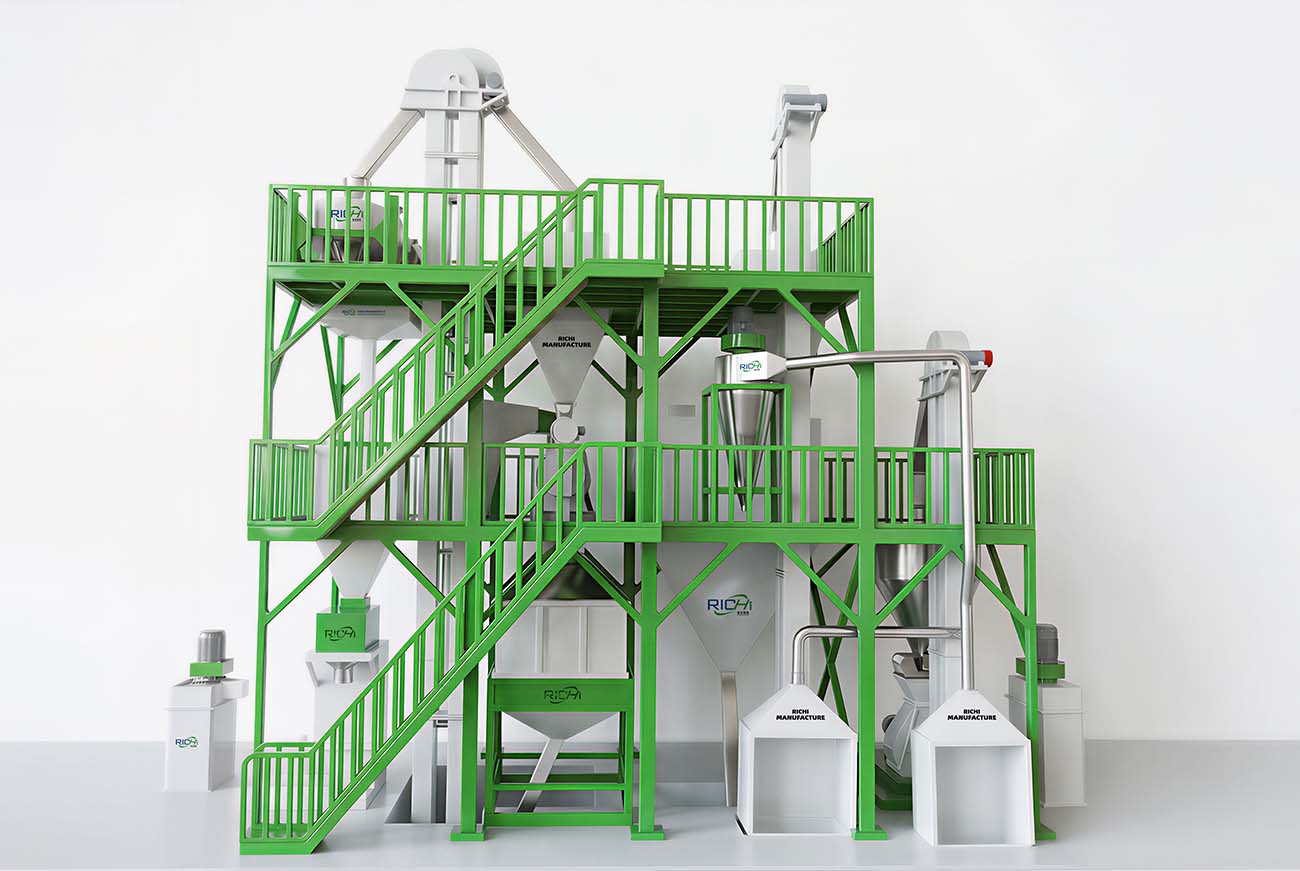
Processing scattered and irregular agricultural residues into uniform pellets requires a continuous series of steps. Throughout this process, loose materials are transformed into standardized products that are easy to transport and store. Below is the typical workflow for producing pellets from agricultural waste.
1. Raw Material Collection & Pre-processing
2. Drying & Moisture Control
3. Crushing & Homogenization
4. Batching & Moisture Control
5. Granulation & Shaping
6. Cooling & Solidification
7. Screening & Return System
8. Finished Product Packaging & Storage
Equipment for Biomass & Organic Fertilizer Pellet Manufacturing
Biomass and organic fertilizer pellet production involves a range of machines, each serving different processing needs and applications. The following are some of the most commonly used equipment in pellet production systems.
01.
Edge-rolling Conveyor
Ensures continuous material transport during production, providing stable connection between different processing stages.
02.
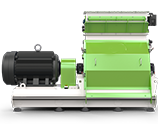
Hammer Mill
Crushes materials via high-speed rotating hammers, reducing organic raw materials to the optimal size for subsequent processing.
03.
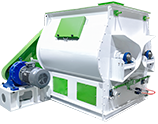
Twin Shaft Paddle Mixer
Thoroughly blends materials in specific ratios and adjusts moisture content, ensuring a stable state ready for granulation.
04.
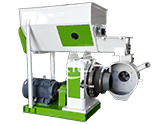
Fertilizer Granulator Machine
Compresses conditioned material into uniform organic fertilizer pellets using the extrusion action of the ring die and rollers.
05.
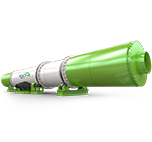
Dryer
Reduces the moisture content of pellets, enhancing product stability and ensuring suitability for long-term storage.
06.
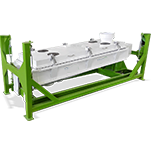
Screener
Classifies formed pellets, separating unqualified particles and fine powder.
07.
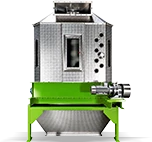
Cooler
Lowers the temperature of hot pellets, increasing hardness and preventing caking.
08.
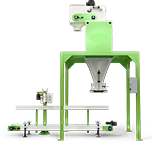
Packaging Machine
Performs quantitative packaging of finished pellets, facilitating transport, storage, and sales.
Organic Fertilizer & Biomass Pellet Plant Projects
From small-scale plants to large industrial projects, biomass and organic fertilizer pellet production has been widely applied in different markets. The following are some representative pellet production projects for various raw materials and capacities.
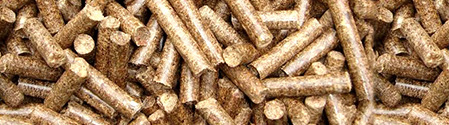
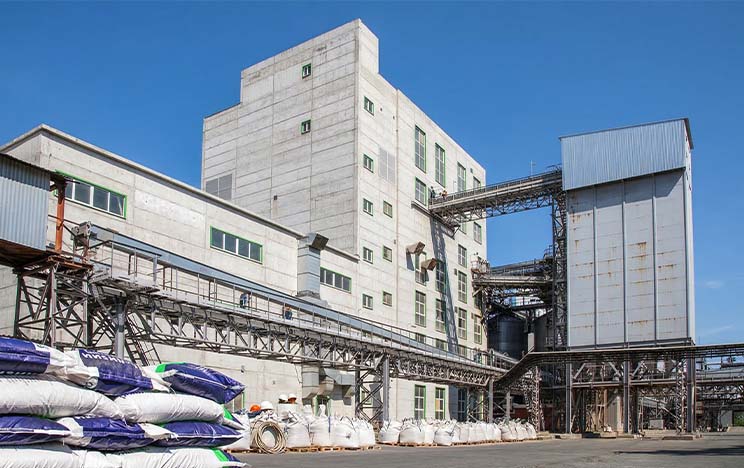
2T/H Turnkey Biomass Wood Pellet Plant in Canada
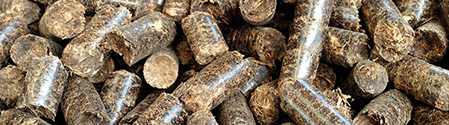
Region : Canada, North America
Raw Materials : Fir, hardwood processing waste, logging residues
Output : 2 T/H
Pellet Applications : Fuel Pellets
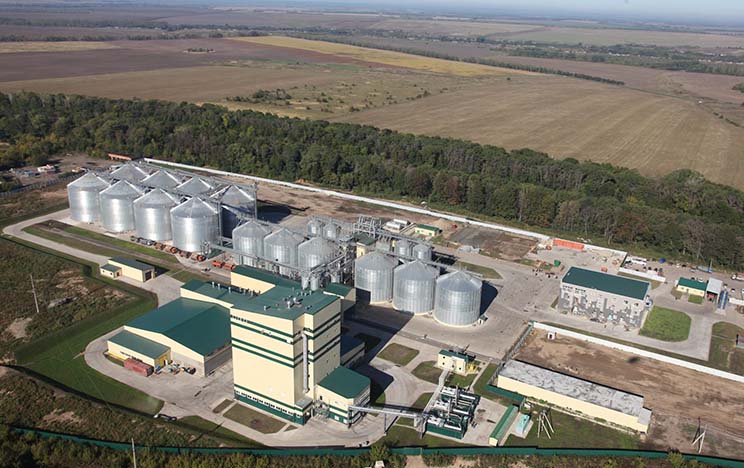
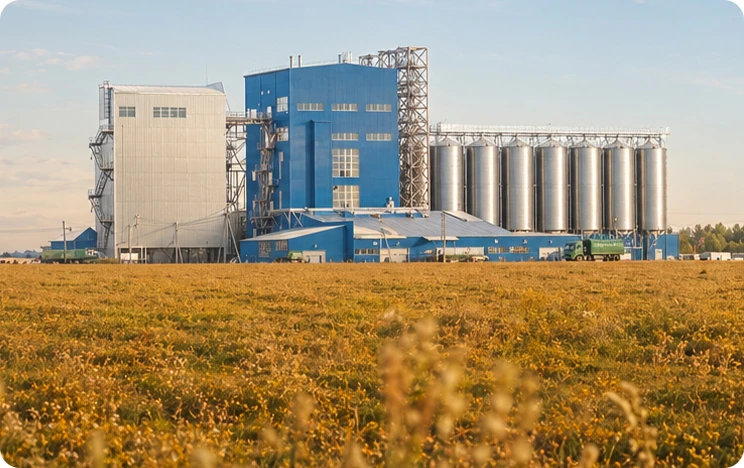
6T/H Organic Fertilizer Production Project in Poland
Region : Poland, Europe
Raw Materials : Straw, chicken manure, pig manure, fruit pomace, brewer’s grains, and spent mushroom substrate
Output : 6 T/H
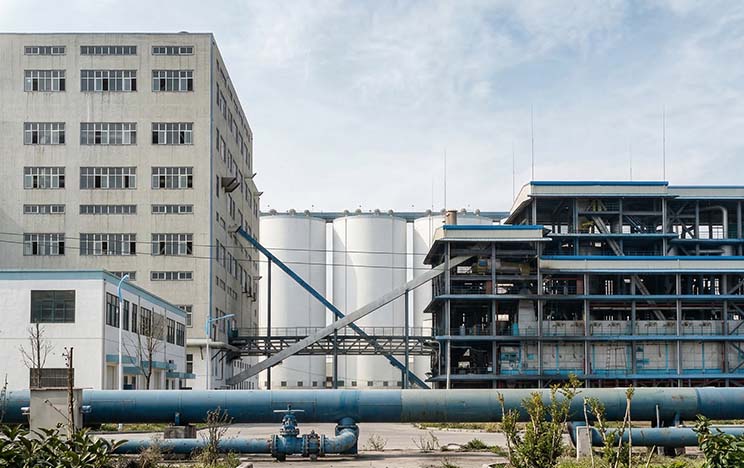
5T/H Wood Sawdust Production Line Austria
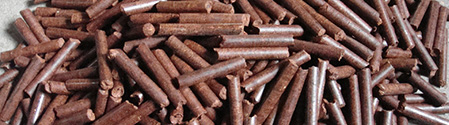
Region : Austria, Europe
Raw Materials : Wood chips, sawdust, etc
Output : 5 T/H
Pellet Applications : Heating for private residences and medium-sized industrial boilers
4T/H Organic Fertilizer Production Project in Netherland
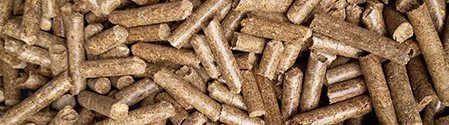
Region : Netherlan, Europe
Raw Materials : Tomato vines, cucumber plant debris, flower waste, mushroom culture medium residue, and hay residue
Output : 4 T/H
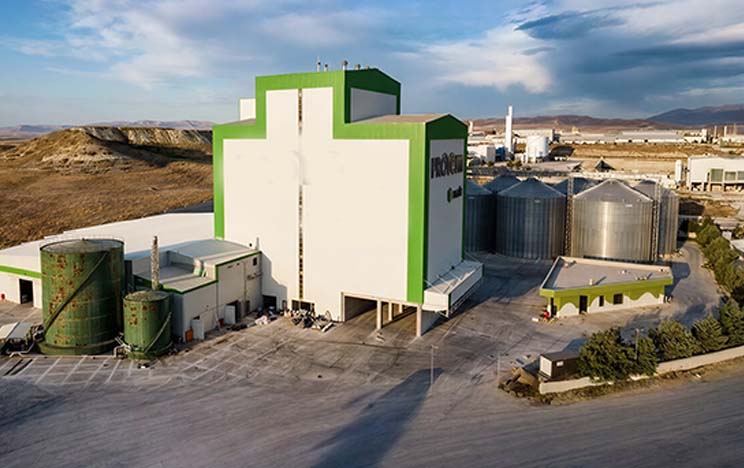
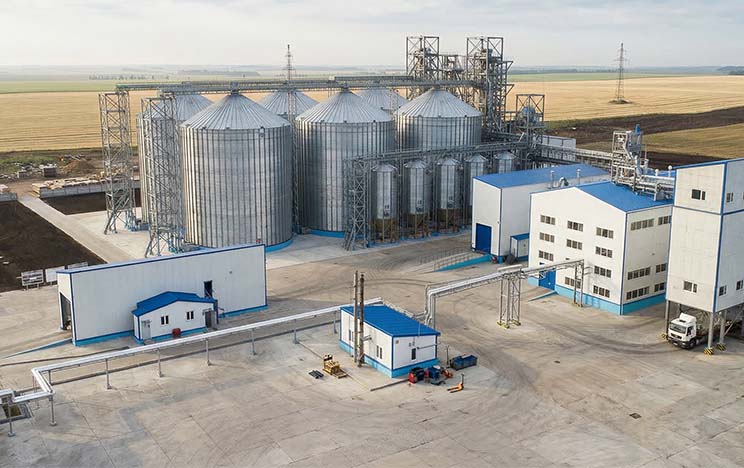
5T/H Organic Fertilizer Production Project in Kazakhstan
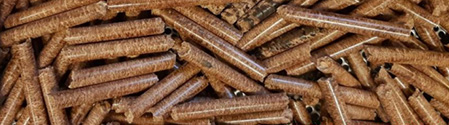
Region : Kazakhstan, Asia
Raw Materials : Straw, rice husks, sunflower husks, oilseed crop residues, sludge, and kitchen waste
Output : 5 T/H
Biomass/OrganicFertilizer Production Questions Answered
Find professional answers to common questions, covering the key processes and important considerations in biomass/fertilizer pellet production.
1. What are agricultural wastes?
Agricultural waste refers to the various residual materials or by-products generated during agricultural production. Common examples include crop residues like straw, rice husks, corn cobs, peanut shells, and fruit tree branches; livestock waste such as manure and bedding materials; as well as processing by-products like fungal residue, fruit pomace, and tea residue.
2. What is agricultural waste used for?
Agricultural waste is far more than just waste. With proper treatment and processing, it can be repurposed across multiple fields.
Common applications include:
- Organic Fertilizer Production: Materials like straw, livestock manure, and fungal residue can be processed into organic fertilizers or raw materials. These are used to improve soil and enhance crop growth environments.
- Biomass Fuel: Fiber-rich agricultural waste, such as rice husks, wood chips, and straw, can be processed into pellet fuel for boiler heating or as an alternative energy source.
In practice, these raw materials are typically processed by agricultural waste or biomass pellet machines. This shaping process makes them easier to store and transport, while significantly boosting their utilization efficiency.
3. What agricultural waste can be used for organic fertilizer pellet processing?
A wide range of agricultural waste is suitable, including straw, rice husks, corn cobs, fungal residue, livestock manure, and wood chips. After crushing, fermentation, or moisture adjustment, these materials are ready for pelletizing.
While material characteristics like fiber content and moisture vary, proper pre-treatment and formulation ensure excellent molding results. This makes the machine adaptable to various organic fertilizer raw material systems.
4. What are the uses of the granules produced by the pellet mill?
The pellets are primarily used for organic fertilizer production, biomass energy, and soil improvement. In agriculture, they serve as base fertilizers or compound fertilizer raw materials, making application and storage convenient.
For energy purposes, high-fiber pellets can be used as biomass fuel for boiler heating or power generation. Compared to loose material, pellets are stable, dust-free, and easier to transport and store for long periods.
5. Can this machine be used in a complete production line?
Yes. The pellet machine is the core of the organic fertilizer production line. It works in tandem with front-end equipment (crushers, fermenters) and back-end systems (cooling, screening, and packaging).
In a complete line, each stage is specialized: the front handles pre-treatment, the middle performs molding, and the back handles cooling and finishing. This enables continuous, large-scale production suitable for small, medium, and large-scale projects.
6. Why choose a waste pellet machine over traditional disposal methods?
Traditional methods like open burning, landfill, or piling are simple to operate but inefficient. They cause environmental issues and incur high transport and storage costs.
Our agricultural waste pellet machine compresses materials like straw and rice husks into high-density pellets, making the process efficient and the material easy to use.
Key advantages include:
- Fuller material utilization and higher processing efficiency.
- Reduced volume, saving on transport and storage costs.
- Eliminating air pollution caused by open burning.
- Creating practical value for fuel or fertilizer.
7. Why are more and more businesses turning agricultural waste into pellets?
Many agricultural wastes are bulky, low in density, difficult to transport, and have limited applications, making it hard to generate direct economic value. Some materials even end up being piled up or burned. Pelletizing compresses loose raw materials into uniform, high-density pellets, making them much easier to store, package, transport, and use.
After processing, agricultural by-products like straw, rice husks, sawdust, fruit residue, and fungus residue are no longer just waste. They can be processed into biomass fuel pellets, animal bedding, organic fertilizer, and soil conditioners. This expands the application range and significantly increases the utilization rate and value of these by-products.
Driven by the growth of biomass energy, green agriculture, and circular economy initiatives, more farms, biomass processing plants, and recycling projects are adopting pelletizing. They are transforming agricultural waste into valuable pellet products, turning low-value residues into usable resources.
Explore RICHI Other Pellet Production Solutions
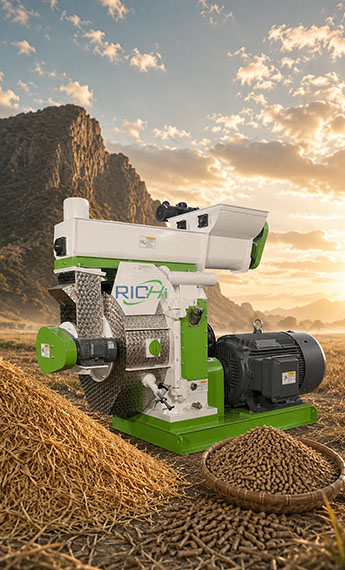
Rice husk pellet machine
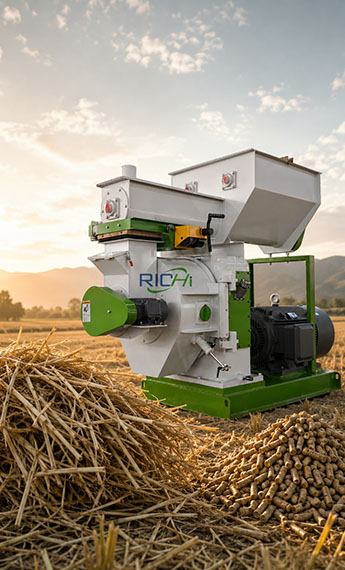
Straw pellet production machine
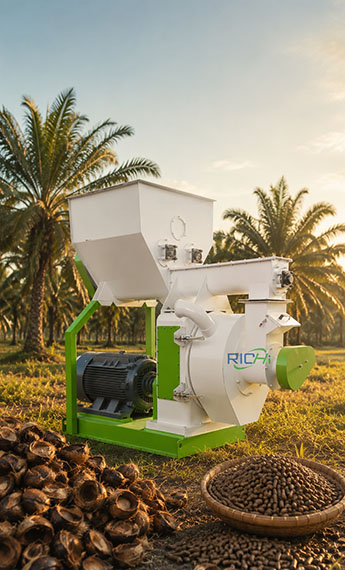
Palm shell pellet machine
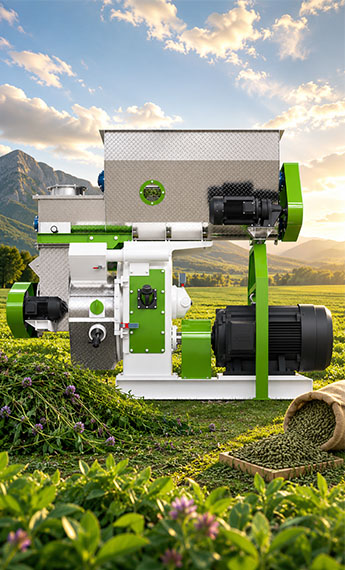
Alfalfa pellet granulator

RICHI Machinery: Powering Global Pellet Production
Committed to pioneering pellet technology and industrial engineering, we leverage over 30 years of R&D expertise and global experience.
We optimize design, manufacturing, and system integration to drive the feed, biomass, and specialty industries toward efficiency, intelligence, and sustainability.
Our expert team delivers end-to-end pellet production solutions that meet international standards and align with your strategic goals for productivity and long-term growth.
60000 +m2
Square Meters of Our Factory
2000 +
Projects Running Worldwide
140 +
Countries of Our Client
200 +
Numbers of Our Team
Global Expertise & System Excellence
Advanced pellet production systems combine robustness and future-readiness, establishing industry benchmarks through technological integration and innovation.
Reliable Quality
Every machine undergoes precise and rigorous quality inspections.

Worry-Free Warranty
Supported by a global service network with fast response times.
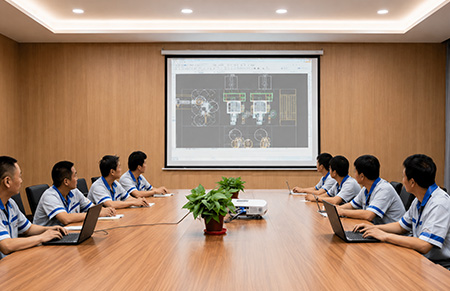
Professional Support
Experienced technical teams provide full-cycle assistance.

Secure Payments
Multi-layer encryption ensures safe and transparent transactions.

Global Logistics
Efficient worldwide shipping ensures timely delivery to any location.
Start Your Pellet Project
Pellet production is a systematic process. Provide your raw materials and capacity needs, and we’ll create a customized solution with professional guidance for commercial production.

Address: South of intersection of Xingda Road & Hongyuan Road, Wuzhi, Jiaozuo City, Henan Province,China

Tel/WhatsApp: + 86 136 0866 8310

E-mail: enquiry@richimachinery.com



© HENAN RICHI MACHINERY CO., LTD 1995-2026 Product Line-Up / Privacy Policy
Contact Us
Please send your requirements, RICHI’s consultants will get back to you quickly.

