

Düngemittelgranulatoren für die Herstellung von organischen und Mischdüngern
Gülle aus der Vieh- und Geflügelhaltung | Landwirtschaftliche Abfälle | Organische Abfälle aus städtischen Haushalten | Chemische Rohstoffe

Granuliermaschine für organischen Dünger aus Gülle
Angesichts immer strengerer Umweltvorschriften sind die sichere Aufbereitung und die ressourcenschonende Verwertung von Vieh- und Geflügelmist unverzichtbar geworden. Unser Mistgranulator wurde speziell für diese Herausforderung entwickelt. Er wandelt landwirtschaftliche Abfälle in hochwertige organische Düngerpellets um.
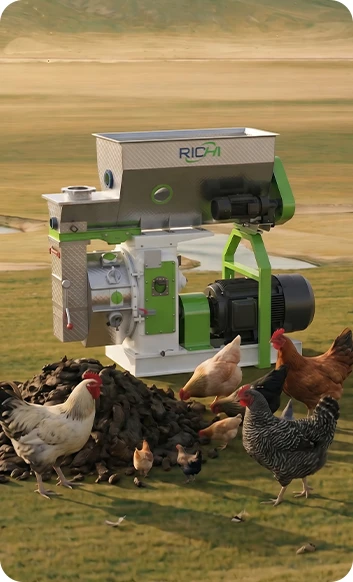
Hühnerkot-Pelletiermaschine
Dieser Pelletierer überwindet diese Hindernisse durch Zwangsbeschickung und Matrizen-Extrusion und produziert aus fermentiertem Mist gleichmäßige, dichte Pellets, wobei wichtige Nährstoffe erhalten bleiben.
Kapazität :
1–40+ t/h
Partikeldurchmesser:
4-12 mm
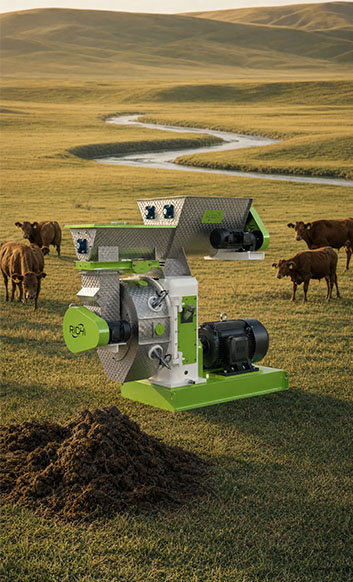
Pelletiermaschine für Kuhdung
Es verdichtet fermentierten Mist zu festen, säulenförmigen Pellets mit hoher Festigkeit und ausgezeichneter Bruchechtheit.
Kapazität :
1–40+ t/h
Partikeldurchmesser:
4-12 mm
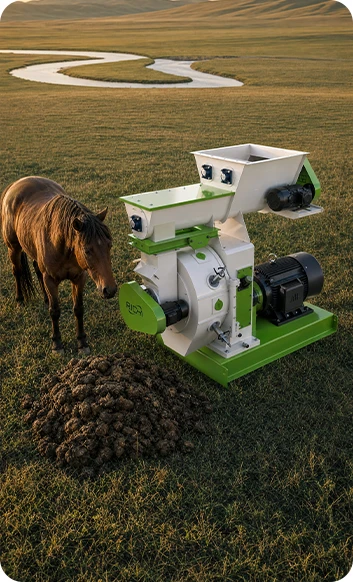
Maschine zur Herstellung von Pferdemist-Granulat
Pferdemist enthält oft lange Fasern und Einstreureste (wie Stroh und Sägemehl), was eine direkte Verarbeitung erschwert. Durch die Granulierung wird die Dichte deutlich erhöht, wodurch sich die Lager- und Transportkosten verringern.
Kapazität :
1–40+ t/h
Partikeldurchmesser:
4-12 mm
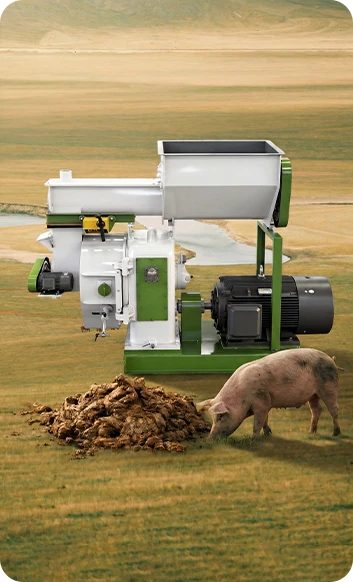
Granulator für Schweinegülle
Der Wert von Schweinemist als Düngemittel hängt maßgeblich von seinem Aussehen ab. Durch die Optimierung sowohl der Präzision der Matrize als auch der Zufuhrsteuerung sorgt diese Maschine für eine einheitliche Form und eine gleichbleibende Konsistenz. Sie ermöglicht es den Anwendern, hochwertige Pellets herzustellen, für die ein höherer Preis erzielt werden kann.
Kapazität :
1–40+ t/h
Partikeldurchmesser:
4-12 mm

Maschine zur Herstellung von Bio-Düngerpellets aus landwirtschaftlichen Abfällen
Landwirtschaftliche Abfälle wie Stroh, Reisschalen, Erdnussschalen und Bagasse stellen zwar ein Entsorgungsproblem dar, bergen jedoch einen verborgenen Wert. Durch ihre Umwandlung in körnigen organischen Dünger lassen sich Lagerungsprobleme lösen und neue Einnahmequellen erschließen.
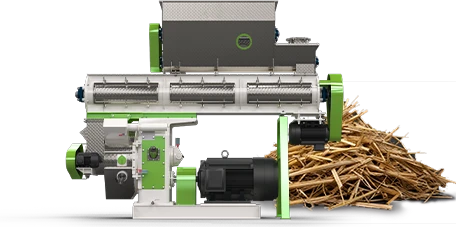
Strohpelletmaschine
Die Rückführung von Stroh ist die gängigste Entsorgungsmethode, doch bei der direkten Rückführung verläuft die Zersetzung langsam und die Wirksamkeit ist begrenzt. Durch das Zerkleinern von Stroh zu körnigem organischem Dünger werden die Nährstoffe konzentriert, was den Transport und die Ausbringung erleichtert.
Ausgabe : 1–40+ t/h
Pelletgröße: 4–12 mm
Wichtigste Merkmale: Hochleistungszuführung, verschleißfeste Konstruktion
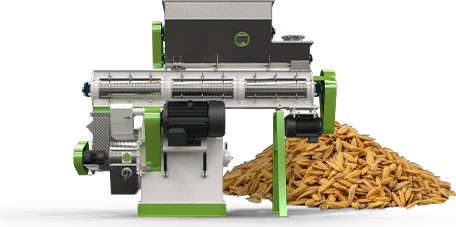
Schalenpelletmühle
Verarbeiten Sie Reisschalen und organische Mischungen zu dichten, gleichmäßigen organischen Düngergranulaten. Diese Pellets behalten das charakteristische Aussehen der Reisschalen bei, sind jedoch innen kompakt aufgebaut, wodurch ein Auslaufen und Verschütten während des Transports und der Lagerung wirksam verhindert wird.
Ausgabe : 1–40+ t/h
Pelletgröße: 4–12 mm
Wichtigste Merkmale: Hochharte Matrize, erhöhter Extrusionsdruck
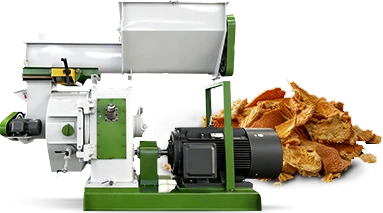
Pelletiermaschine für Obsttrester
Verwandeln Sie Obstabfälle (Äpfel, Orangen, Traubentrester usw.) aus der Saft- und Lebensmittelverarbeitung in granulierten organischen Dünger. Dieser Prozess maximiert den Wert der Ressourcen und erleichtert deren Einsatz bei der Düngemittelherstellung und Bodenverbesserung.
Ausgabe : 1–40+ t/h
Pelletgröße: 4–12 mm
Wichtigste Merkmale: Hochleistungszuführung, verschleißfeste Konstruktion
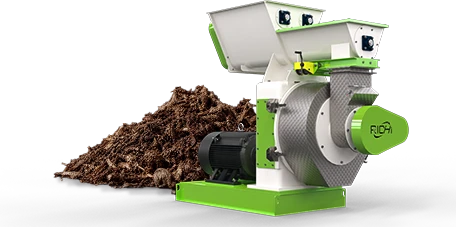
Pelletiermaschine für Pilzrückstände
Pilzrückstände eignen sich aufgrund ihres hohen Gehalts an organischer Substanz und mikrobiellem Protein hervorragend als Grundlage für organischen Dünger. Dieser Granulator verdichtet lose Rückstände durch hohen Druck und Zwangszuführung zu festen, widerstandsfähigen Pellets, die weder bei der Lagerung noch beim Transport zerbröckeln.
Ausgabe : 1–40+ t/h
Pelletgröße: 4–12 mm
Wichtigste Merkmale: Für grobe Fasern geeignete Düse mit hohem Kompressionsverhältnis
Pelletmühle für organischen Dünger aus kommunalen organischen Abfällen
Küchenabfälle, Gemüsereste vom Markt, Grünschnitt aus Parks und Abfälle aus der Gastronomie … Diese organischen Nebenprodukte, die täglich im städtischen Betrieb anfallen, beginnen ihre Reise erst mit der Sortierung – das eigentliche Ziel ist die Rückgewinnung von Ressourcen.
Durch die Umwandlung in körnigen organischen Dünger wird nicht nur der Druck auf Deponien und Verbrennungsanlagen verringert, sondern es wird auch organisches Material in den Boden zurückgeführt.
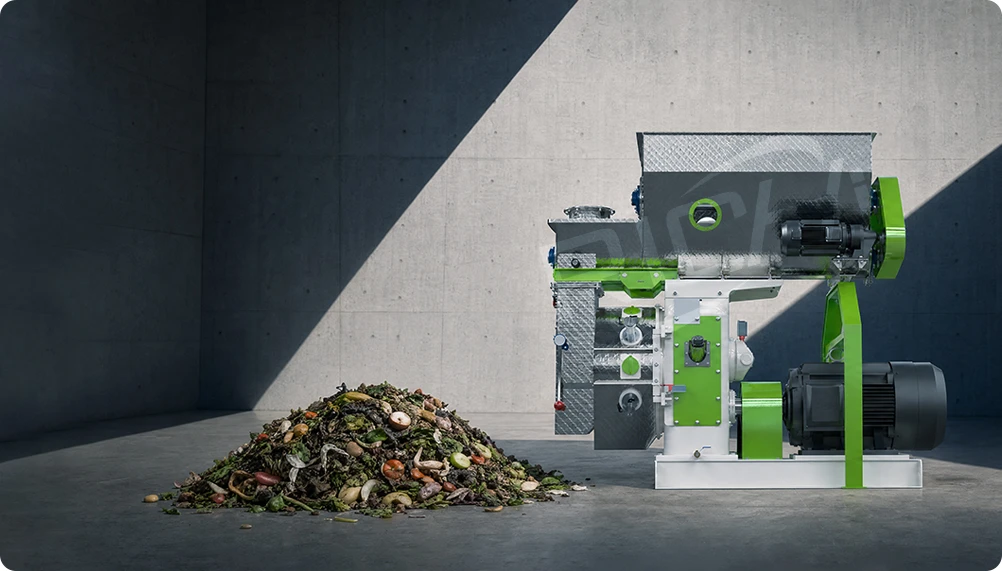
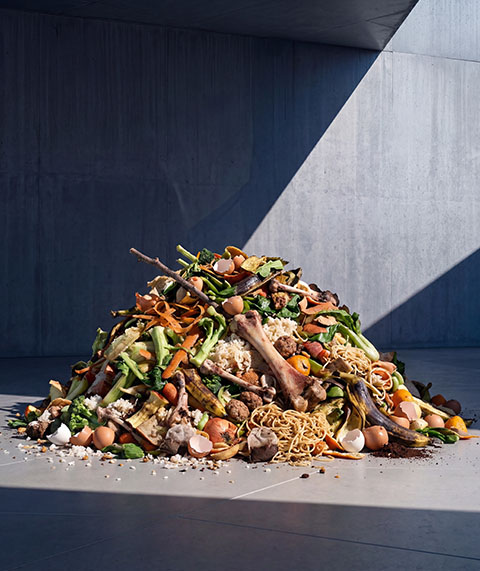
Pelletmaschine für Küchenabfälle
Küchenabfälle sind aufgrund ihres hohen Fett- und Salzgehalts sowie ihrer weichen Konsistenz schwer zu entsorgen. Nach der Vorbehandlung (Sortieren, Zerkleinern, Entwässern, Vergärung) werden sie jedoch zu wertvollem organischem Dünger – wodurch Umweltprobleme gelöst und Gewinne erzielt werden.
Kapazität : 1–40+ t/h
Pelletgröße: 4–12 mm
Wichtigste Merkmale: Hohe Materialanpassungsfähigkeit, effiziente Granulatbildung
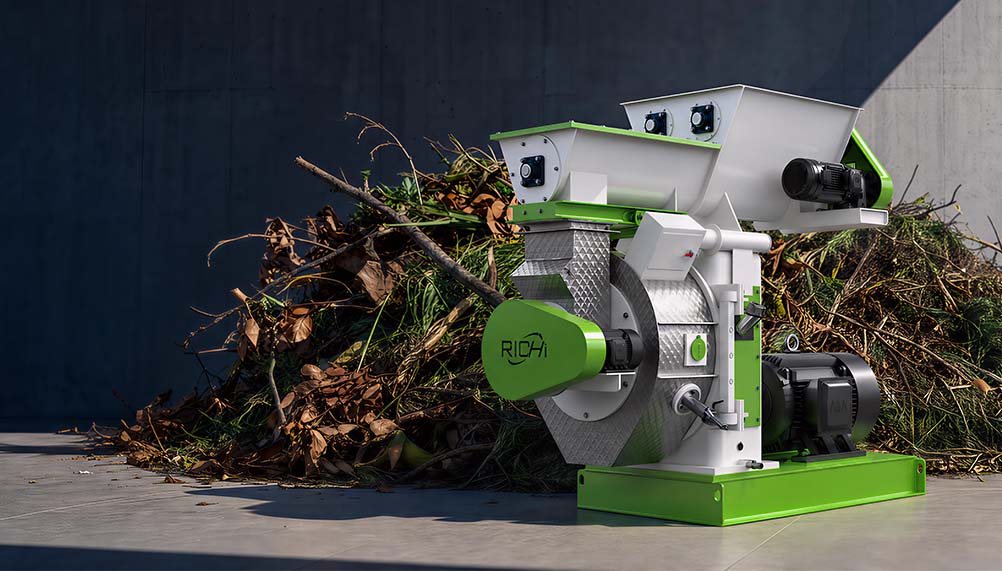
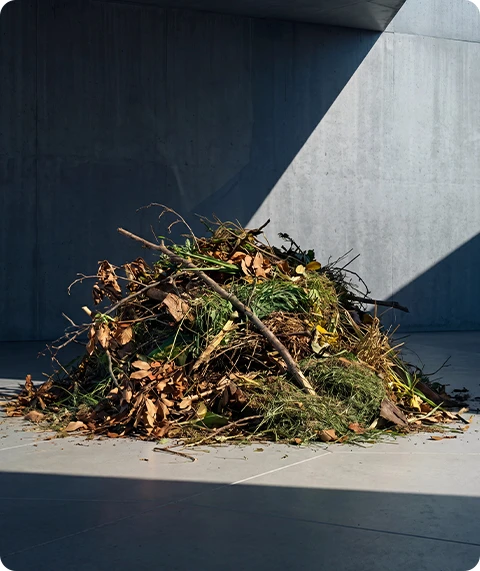
Unser Granulator verwandelt diese Abfälle in Granulat, das als organischer Dünger zur Bodenverbesserung oder als Biomassebrennstoff verwendet werden kann. Er löst Entsorgungsprobleme und sorgt für eine “Wertewandlung” von Abfall.
Kapazität : 1–40+ t/h
Pelletgröße: 4–12 mm
Wichtigste Merkmale: Hohe Materialanpassungsfähigkeit, effiziente Granulatbildung
Maschine zur Herstellung von organischem Mischdünger
Im Gegensatz zu organischen Düngemitteln basieren chemische Düngemittel auf anorganischen Salzen, weshalb Granulieranlagen mit überragender Verschleißfestigkeit, Korrosionsschutz und Präzision erforderlich sind.
Bei Mischdüngern, Mischdünger-Mischungen und BB-Düngern bestimmen die Gleichmäßigkeit der Körner, ihre Rundheit und ihre Festigkeit unmittelbar den Marktwert und die Wirksamkeit.
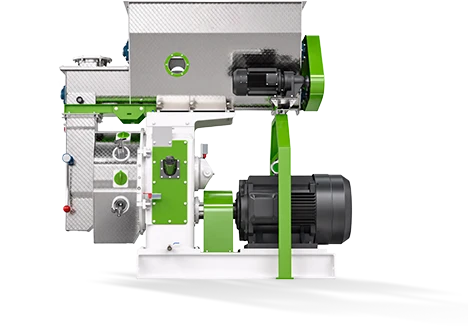
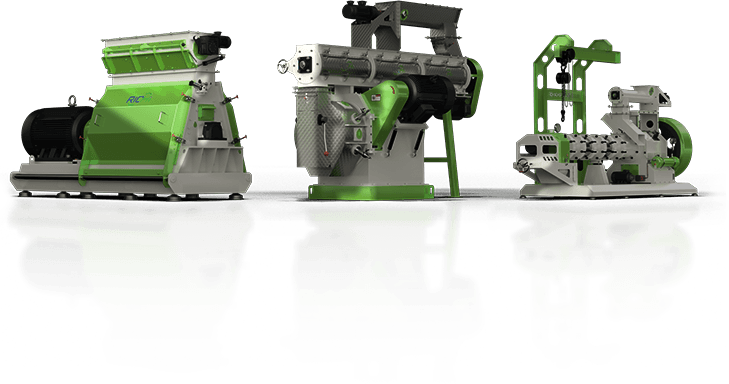
Der NPK-Granulator wurde für die Herstellung von NPK-Mischdüngern und Mischdünger entwickelt und wandelt pulverförmige Stickstoff-, Phosphor- und Kalium-Rohstoffe sowie Hilfsstoffe in NPK-Granulat um.
Wichtigste Merkmale:
Korrosionsbeständige Werkstoffe, verschleißfeste Formen
Optionale Kapazität
1–40+ t/h
Partikelgröße
4-12 mm
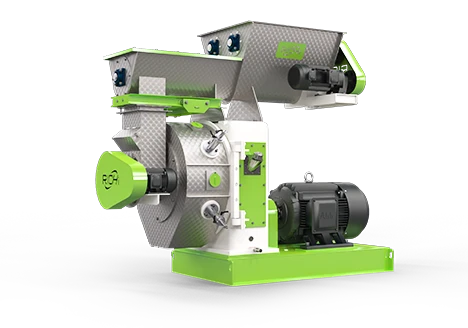
Dieser Granulator eignet sich sowohl für Mischdünger als auch für NPK-Kunstdünger. Dank hochfester, verschleißfester Formen und einer stabilen Zuführung liefert er gleichmäßige, saubere Granulate für die großtechnische Serienproduktion.
Wichtigste Merkmale:
Breites Anwendungsspektrum, hervorragende Haltbarkeit
Optionale Kapazität
1–40+ t/h
Partikelgröße
4-12 mm
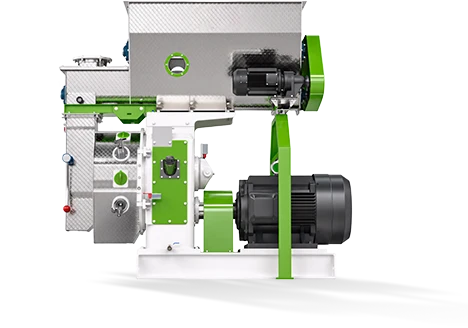
Die Kernpelletiermaschine für die Herstellung physikalisch gemischter Düngemittel, speziell ausgelegt für Einstoffdünger (Harnstoff, Kaliumchlorid usw.), Mehrnährstoffdünger und Mischungen aus mittleren und Spurenelementen.
Wichtigste Merkmale:
Gleichmäßige Zufuhr, hohe Flexibilität bei der Rezeptur
Optionale Kapazität
1–40+ t/h
Partikelgröße
4-12 mm
Umfassende Lösungen für Bio-Düngemittel aus biologischem Anbau
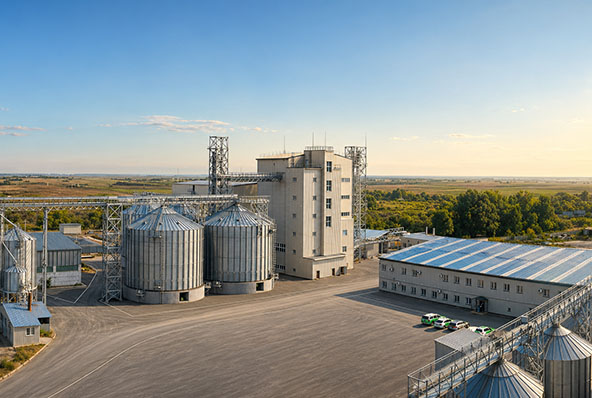
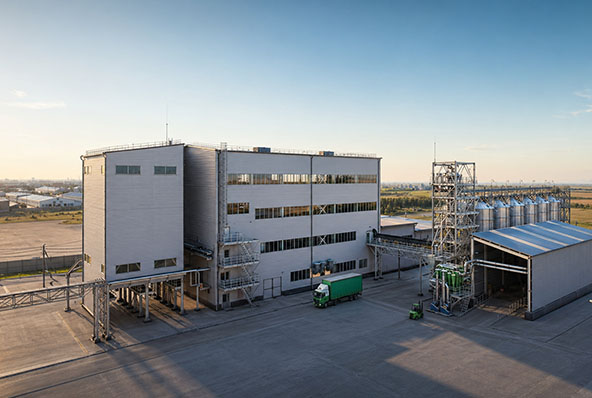
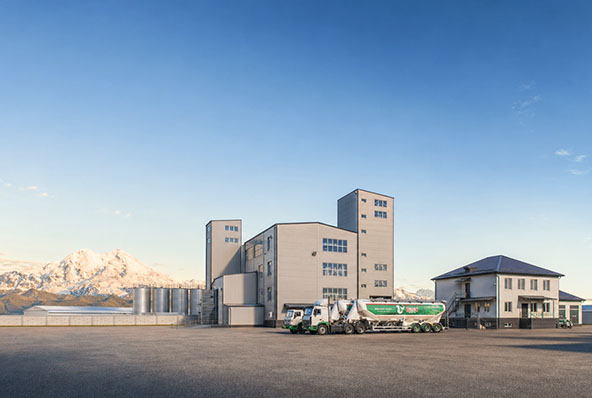
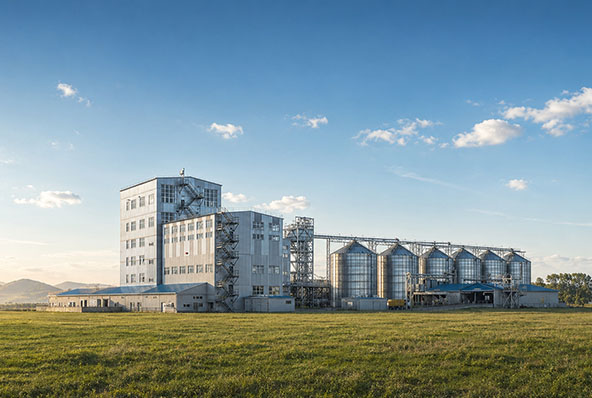
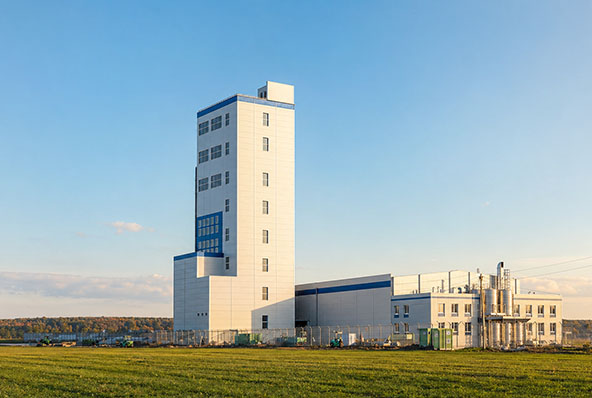
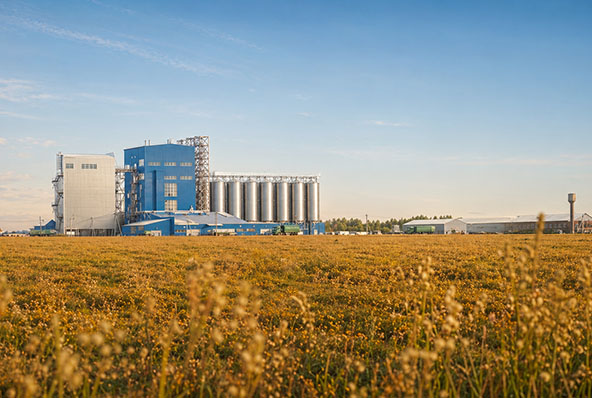
Die Produktionslinie RICHI für organische Düngerpellets ist eine Komplettlösung zur Herstellung von Düngemitteln, mit der organische Abfälle in hochwertige organische Düngerpellets umgewandelt werden können. Sie eignet sich für die Verwertung von Viehdung, Hühnermist, Getreidestroh, Klärschlamm und Lebensmittelabfällen. Das System umfasst die Kompostierung, Zerkleinerung, Mischung, die Pelletiermaschine für organischen Dünger, Trocknung, Kühlung, Siebung und Verpackung.
Diese Anlage zur Herstellung von Bio-Dünger-Pellets kann Düngergranulat in verschiedenen Größen produzieren und ermöglicht eine individuelle Anpassung der Produktionskapazität und der Prozessgestaltung. Die Düngerproduktionslinie RICHI findet breite Anwendung in Projekten zur Verwertung organischer Abfälle sowie in kommerziellen Produktionsanlagen für Bio-Dünger.
01
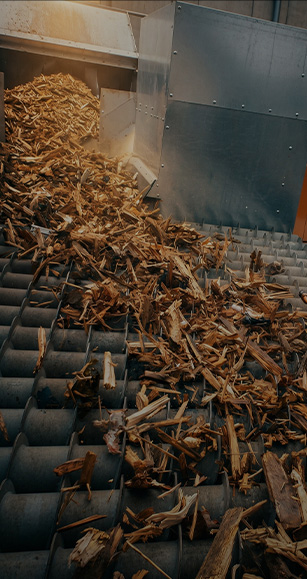
Verarbeitung von Rohstoffen
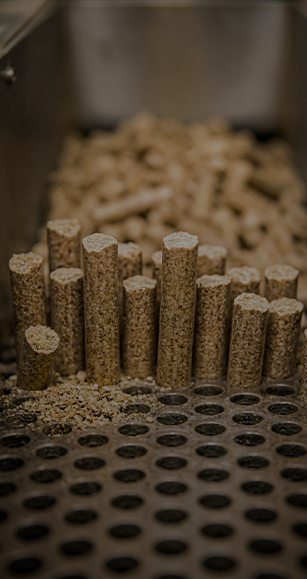
Von frischem Stallmist und fermentierten organischen Stoffen bis hin zu Getreidestroh, Pilzrückständen, Klärschlamm und anderen organischen Abfällen – unterschiedliche Rohstoffe erfordern unterschiedliche Aufbereitungsverfahren.
Je nach Beschaffenheit des Materials kann die Anlage mit Verfahren zur Kompostierung, Zerkleinerung, Siebung, Dosierung und Vermischung ausgestattet werden. Bei Bedarf können je nach Feuchtigkeits- und Fasergehalt auch Entwässerungs- und Recyclinganlagen hinzugefügt werden, um geeignete Materialien für die Pelletierung aufzubereiten.
02
Pelletieren
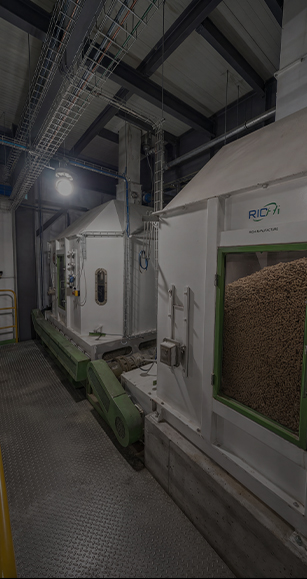
Es gibt keine einheitliche Standardform für organische Düngergranulate. Je nach Produkt wenden wir unterschiedliche Formgebungsverfahren an, um runde, flachkugelförmige oder unregelmäßige Granulate herzustellen.
Durch Anpassung der Rezeptur, des Feuchtigkeitsgehalts und des Formungsverfahrens können wir Granulat in Größen von 4 mm bis 12 mm herstellen. Damit werden die Anforderungen von Marktfrüchten, Feldfrüchten und dem Gartenbaumarkt erfüllt.
03
Umschlag von fertigen Biomassepellets
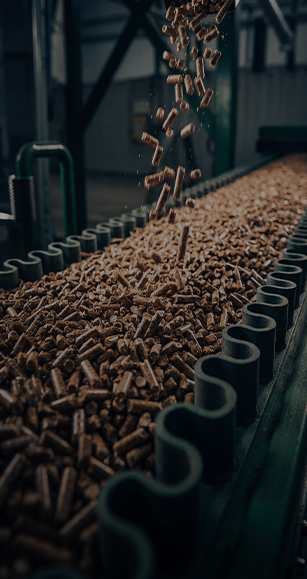
Frisch hergestellte Granulate müssen in der Regel noch weiterverarbeitet werden, bevor sie verkaufsfertig sind. Je nach Ihren Produktanforderungen können wir Prozesse zum Trocknen, Kühlen, Sieben, Polieren, Beschichten und Verpacken konfigurieren.
Neben herkömmlichen organischen Düngergranulaten stellen wir auch beschichtete Granulate, rundgeschliffene Granulate sowie handelsübliche Düngemittel in verschiedenen Verpackungsgrößen her.
04
Hilfssysteme
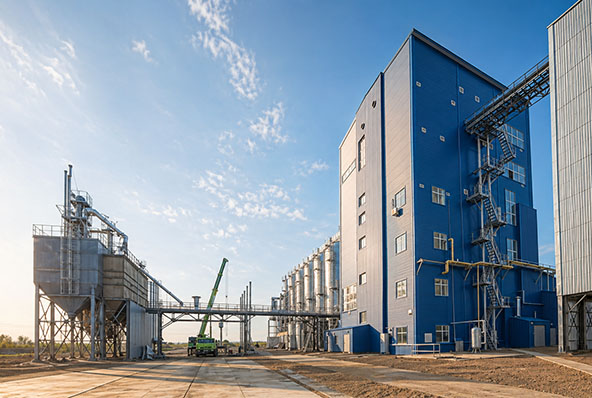
Neben den Hauptanlagen umfasst die komplette Produktionslinie Fördersysteme, Entstaubungs-, Desodorierungs- und automatische Steuerungsanlagen sowie Umweltschutzvorrichtungen.
Je nach Ihrer Werksanlage und Ihren Automatisierungsanforderungen können wir eine zentrale Steuerung einsetzen oder einzelne Abschnitte separat betreiben. Die Konzeption lässt zudem Raum für künftige Kapazitätserweiterungen und Prozessoptimierungen.
Entdecken Sie die Lösungen von RICHI für Produktionslinien für organische Düngemittel
Sollten unsere Standard-Produktionskapazitäten und Arbeitsabläufe Ihren Anforderungen nicht entsprechen, wenden Sie sich bitte an uns, damit wir eine maßgeschneiderte Lösung für Sie erarbeiten können.
Fragen, die Sie möglicherweise zur Düngemittelherstellung haben
Hier finden Sie fachkundige Antworten auf häufig gestellte Fragen zu den wichtigsten Prozessen und wesentlichen Aspekten bei der Herstellung von organischen oder Mischdüngern.
1. Kann die Anlage gemischte Rohstoffe wie Hühnermist und Stroh verarbeiten?
Ja. Bei vielen Projekten zur Herstellung von organischem Dünger werden zwei oder mehr Rohstoffe für die Pelletierung verwendet, beispielsweise Hühnermist mit Stroh, Kuhmist mit Reisschalen oder kompostierter Mist mit Pilzresten.
2. Mein Ausgangsmaterial ist weder Tierdung noch Siedlungsabfälle oder landwirtschaftliche Abfälle, sondern Klärschlamm. Ist Ihre Düngemittelanlage dafür geeignet?
Ja. Ordnungsgemäß aufbereiteter und vollständig kompostierter Klärschlamm kann ebenfalls als Rohstoff für die Granulierung von organischem Dünger verwendet werden.
Im Vergleich zu gängigen Materialien wie Tierdung und landwirtschaftlichen Abfällen weist Klärschlamm jedoch in der Regel einen höheren Feuchtigkeitsgehalt, eine stärkere Klebrigkeit und eine komplexere Zusammensetzung auf. Daher stellt er höhere Anforderungen an die Auswahl der Anlagen und die Prozessgestaltung.
In der Praxis umfasst der gesamte Prozess – unabhängig davon, ob es sich bei dem Ausgangsmaterial um Schlamm, Tierdung oder landwirtschaftliche Abfälle handelt – in der Regel die Kompostierung, Zerkleinerung, Granulierung, Trocknung, Kühlung und Siebung, anstatt sich auf einen einzigen Granulator zu verlassen.
Bei schlammbasierten Materialien sollte die Produktionslinie entsprechend dem Feuchtigkeitsgehalt, den Materialeigenschaften und der angestrebten Kapazität richtig konfiguriert werden, um einen stabilen Betrieb und eine einwandfreie Endproduktqualität zu gewährleisten.
3. Reicht eine Maschine zur Herstellung von organischem Dünger aus, um den Tiermist zu verarbeiten?
Nicht unbedingt. Das hängt vom Zustand Ihrer Rohstoffe und den Anforderungen an das Endprodukt ab.
Wenn der Mist bereits vollständig kompostiert ist und Feuchtigkeitsgehalt sowie Korngröße den Anforderungen entsprechen, kann zur Herstellung von Düngerpellets allein ein Granulator verwendet werden.
In den meisten Fällen ist jedoch zusätzliche Ausrüstung erforderlich. Vom Rohmaterial bis zum fertigen Pellet umfasst der Prozess in der Regel Kompostierung, Zerkleinerung, Siebung, Trocknung und Kühlung. Daher können auch Geräte wie Kompostwender, Zerkleinerer, Siebmaschinen sowie Trocknungs- und Kühlsysteme erforderlich sein.
Wenn Ihre Rohstoffe bereits vorbehandelt wurden, reicht möglicherweise ein einzelner Granulator aus. Bei neuen Projekten, die mit der Rohstoffaufbereitung beginnen, ist in der Regel eine komplette Produktionslinie erforderlich, um eine stabile und kontinuierliche Produktion zu gewährleisten.
4. Welche Ausrüstung wird für die Errichtung einer Düngemittelfabrik benötigt?
Das hängt von Ihren Rohstoffen, Ihrer Tageskapazität, den Anforderungen an das Endprodukt und Ihrem Budget ab. Im Allgemeinen umfasst eine komplette Produktionslinie für Düngemittel die Kompostierung, die Vorbehandlung, die Granulierung, die Nachbehandlung sowie Hilfsanlagen.
Wenn Sie frischen Mist, Klärschlamm oder andere Materialien mit hohem Feuchtigkeitsgehalt verwenden, sind in der Regel Kompostieranlagen wie Kompostwender oder Fermentertanks erforderlich, um die Materialien vollständig zu zersetzen und die Nährstoffe zu stabilisieren. Die Kompostierungsdauer hängt vom jeweiligen Verfahren ab.
Nach der Kompostierung können die Materialien Klumpen oder Verunreinigungen enthalten, weshalb zur Vorbehandlung häufig Brecher und Siebmaschinen eingesetzt werden, um eine gleichmäßige Granulierung zu gewährleisten.
Die Granulierung ist der Kernprozess der Produktionslinie. Je nach den Eigenschaften der Rohstoffe wird ein geeigneter Granulator ausgewählt, um Düngerpellets herzustellen. Die Pelletgröße lässt sich in der Regel durch den Austausch der Matrize anpassen; gängige Größen liegen zwischen 4 und 12 mm.
Da frisch geformte Pellets einen relativ hohen Feuchtigkeitsgehalt aufweisen, müssen sie vor dem Verpacken in der Regel getrocknet, gekühlt und gesiebt werden. Zu große oder zu kleine Pellets können zur Wiederaufbereitung in den Prozess zurückgeführt werden.
Darüber hinaus sind Förderanlagen, Entstaubungssysteme und elektrische Steuerungssysteme wichtige Bestandteile der Anlage, die dazu beitragen, die einzelnen Prozessschritte miteinander zu verknüpfen und einen stabilen Betrieb zu gewährleisten.
Nicht jedes Projekt erfordert eine komplette Produktionslinie. Wenn die Rohstoffe bereits kompostiert wurden oder sich für die direkte Granulierung eignen, lassen sich bestimmte Prozesse wie das Kompostieren oder Trocknen vereinfachen. Bei kleineren Budgets ist es zudem möglich, zunächst mit den wichtigsten Anlagen wie Brechern, Granulatoren und Siebmaschinen zu beginnen und das System später entsprechend den wachsenden Produktionsanforderungen zu erweitern.

RICHI Maschinen: Antrieb für die globale Pelletproduktion
Wir haben uns dem Ziel verschrieben, Pionierarbeit in der Pellettechnologie und der Industrietechnik zu leisten, und verfügen über mehr als 30 Jahre Forschungs- und Entwicklungskompetenz sowie weltweite Erfahrung.
Wir optimieren Design, Herstellung und Systemintegration, um die Futtermittel-, Biomasse- und Spezialitätenindustrie zu Effizienz, Intelligenz und Nachhaltigkeit zu führen.
Unser Expertenteam liefert End-to-End-Lösungen für die Pelletproduktion, die internationalen Standards entsprechen und sich an Ihren strategischen Zielen für Produktivität und langfristiges Wachstum orientieren.
60000 +m2
Quadratmeter unserer Fabrik
2000 +
Weltweit laufende Projekte
140 +
Die Länder unseres Kunden
200 +
Zahlen zu unserem Team
Globale Kompetenz & Systemkompetenz
Moderne Pelletproduktionssysteme vereinen Robustheit und Zukunftsfähigkeit und setzen durch technologische Integration und Innovation Maßstäbe in der Branche.
Zuverlässige Qualität
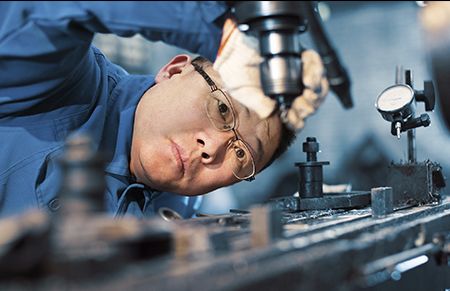
Jede Maschine wird genauen und strengen Qualitätskontrollen unterzogen.
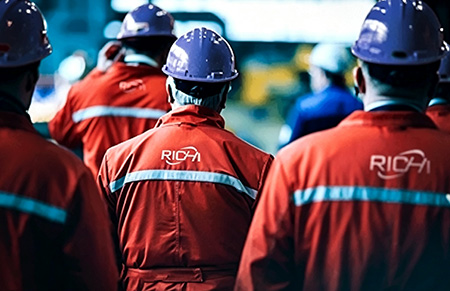
Sorglos-Garantie
Unterstützt durch ein globales Servicenetz mit schnellen Reaktionszeiten.
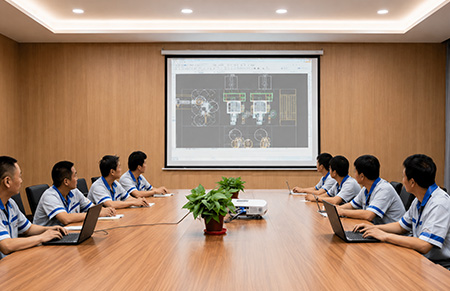
Professionelle Unterstützung
Erfahrene technische Teams bieten Unterstützung für den gesamten Zyklus.

Sichere Zahlungen
Die mehrschichtige Verschlüsselung gewährleistet sichere und transparente Transaktionen.
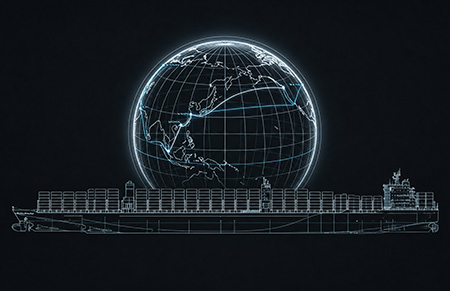
Globale Logistik
Ein effizienter weltweiter Versand gewährleistet eine pünktliche Lieferung an jeden beliebigen Ort.
Starten Sie Ihr Pelletsprojekt
Die Pelletproduktion ist ein systematischer Prozess. Nennen Sie uns Ihre Rohstoff- und Kapazitätsanforderungen, und wir erarbeiten eine maßgeschneiderte Lösung mit professioneller Beratung für die kommerzielle Produktion.

Adresse: Südlich der Kreuzung von Xingda Road und Hongyuan Road, Wuzhi, Stadt Jiaozuo, Provinz Henan, China

Tel./WhatsApp: +86 136 0866 8310

E-Mail: enquiry@richimachinery.com



© HENAN RICHI MACHINERY CO., LTD 1995-2026 Produktübersicht / Datenschutzbestimmungen
Kontakt
Bitte senden Sie uns Ihre Anforderungen, die RICHI-Berater werden sich umgehend mit Ihnen in Verbindung setzen.

