
Di recente, un cliente ci ha posto la domanda "È possibile utilizzare il mangime per anatre ovaiole". Si tratta di un problema che deve essere spiegato. Poiché alcuni allevamenti di polli vogliono allevare anatre, devono considerare il mangime, i costi, ecc. Se le anatre ovaiole possono mangiare il mangime per le galline ovaiole, non c'è bisogno di acquistare mangimi composti o di lavorare il mangime da sole. Oggi, Richi Machinery renderà popolare questa domanda:
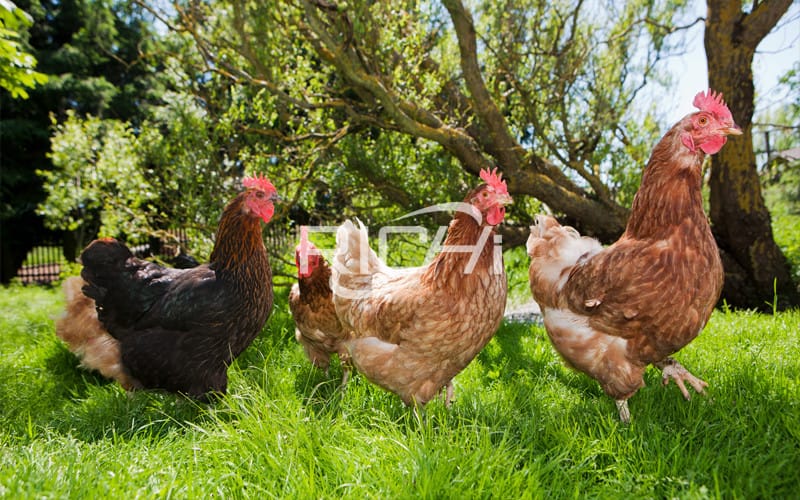
1. Materie prime per mangimi per galline ovaiole e anatre ovaiole
Le proporzioni di mangime consumate dalle galline ovaiole e dalle anatre ovaiole nei rispettivi periodi di crescita sono diverse, ma le principali materie prime comprendono:
(1) Mangimi energetici Mangimi a base di cereali come mais, grano e crusca.
(2) Panelli per mangimi proteici come panelli di soia, farina di soia, farina di cotone e farina di pesce.
(3) I mangimi minerali contengono mangimi a base di calcio, come polvere di pietra e polvere di conchiglia.
(4) Mangimi vitaminici sintetizzati industrialmente.
(5) mangimi additivi come promotori di crescita antibatterici, agenti anticoccidici, antiossidanti, inibitori di muffa e attrattivi.
Il mangime per galline ovaiole ha un contenuto proteico superiore a quello delle galline ovaiole dello stesso periodo, quindi non è necessario aggiungere nulla all'alimentazione delle galline ovaiole con il mangime per galline ovaiole, che è costoso da somministrare.
In effetti, alcuni clienti si sono chiesti anche se i polli amano la siccità e le anatre l'umidità, e le abitudini dei due volatili sono diverse. Come si possono mescolare i loro mangimi? In realtà, se le condizioni lo permettono, si consiglia di configurarli separatamente e di somministrarli in modo mirato, in modo che sia più scientifico. Ecco alcune ricette consigliate da Ruiqi per tutti:
Formula di alimentazione per galline ovaiole】
(1) Formula di alimentazione per pulcini
a. Mais 62%, crusca di frumento 3,2%, farina di soia zhi31%, idrogenofosfato di calcio 1,3%, polvere di pietra 1,2%, sale 0,3%, additivi 1%.
b. Mais 61,7%, crusca di frumento 4,5%, farina di soia 24%, farina di pesce 2%, farina vegetale 4%, idrogenofosfato di calcio 1,3%, polvere di pietra 1,2%, sale 0,3% e additivi 1%.
c. Mais 62,7%, crusca di frumento 4%, farina di soia 25%, farina di pesce 1,5%, farina vegetale 3%, idrogenofosfato di calcio 1,3%, polvere di pietra 1,2%, sale 0,3%, additivi 1%.
(2) Formula di alimentazione per galline ovaiole
a. Mais 61,4%, crusca di grano 14%, farina di soia 21%, idrogenofosfato di calcio 1,2%, polvere di pietra 1,1%, sale 0,3%, additivi 1%.
b. Mais 60,4%, crusca di frumento 14%, farina di soia 17%, farina di pesce 1%, farina vegetale 4%, idrogenofosfato di calcio 1,2%, polvere di pietra 1,1%, sale 0,3%, additivi 1%.
c. Mais 61,9%, crusca di grano 12%, farina di soia 15,5%, farina di pesce 1%, farina di verdure 4%, farina di cotone 2%, idrogenofosfato di calcio 1,2%, polvere di pietra 1,1%, sale 0,3%, additivi 1%.
(3) Formula di alimentazione per galline ovaiole
a. Mais 58,4%, crusca di grano 3%, farina di soia 28%, idrogenofosfato di calcio 1,3%, polvere di pietra 8%, sale 0,3%, additivi 1%.
b. Mais 57,9%, crusca di frumento 4%, farina di soia 21,5%, farina di pesce 2%, farina vegetale 4%, idrogenofosfato di calcio 1,3%, polvere di pietra 8%, sale 0,3%, additivi 1%.
c. Mais 57,4%, crusca di grano 3%, farina di soia 20%, farina di pesce 2%, farina di verdure 4%, farina di cotone 3%, fosfato bicalcico 1,3%, polvere di pietra 8%, sale 0,3%, additivi 1%.
Nota: gli additivi di cui sopra contengono aminoacidi, oligoelementi vitaminici e promotori della crescita.
【Principi per la posa del mangime per le anatre】
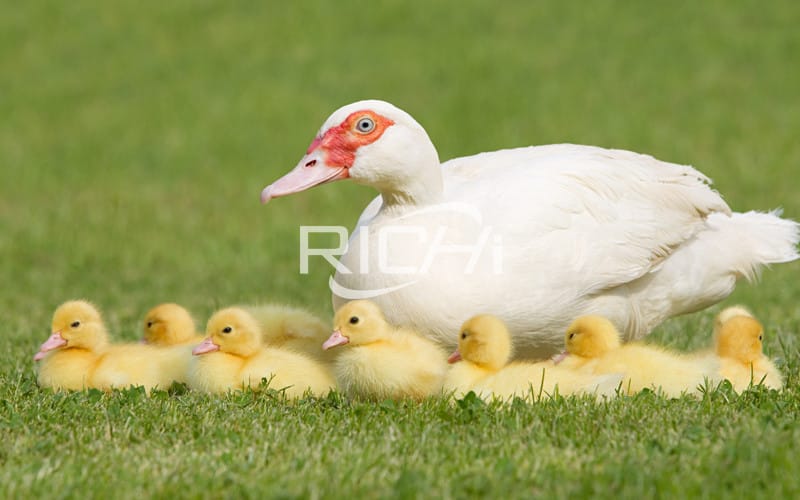
(1) Ingredienti dei mangimi. La formula deve essere facile da usare per la selezione delle materie prime. È necessario che la qualità delle materie prime per mangimi sia stabile, che la quantità sia sufficiente, che il prezzo sia adeguato e che le risorse locali siano vantaggiose. Il mangime deve essere mantenuto fresco. Per evitare che la muffa si rovini, il mangime deve essere conservato in un luogo asciutto e non deve essere conservato nella casa delle anatre.
(2) Alimentazione adeguata. La formulazione della dieta delle anatre ovaiole deve determinare l'adeguata concentrazione di nutrienti del mangime composto in base all'età delle anatre e all'assunzione di mangime. La formula di riferimento è:
a. Anatroccoli (1-8 settimane): mais 58,7%, farina di soia 26%, farina di colza o di cotone 7%, polvere di pietra 4% (la farina di ossa e la farina di guscio sono accettabili), premix 4%, sale da cucina 0,3%. Durante la prima settimana, si consiglia di somministrare agli anatroccoli tutto il mangime in pellet a prezzo pieno.
b. Anatra in uova (8 settimane dall'inizio della produzione): mais 64%, farina di soia 16%, farina di colza o di cotone 6%, polvere di pietra 9,7% (sono accettabili la farina di ossa e la farina di gusci), premiscela 4% , sale 0,3%, quantità adeguata di Kinsey.
c. Anatra nel periodo di deposizione delle uova: mais 51%, farina di soia 22%, farina di colza o di cotone 3%, polvere secondaria 10%, polvere di pietra 9,7% (sono accettabili la farina di ossa e la farina di gusci), premiscela 4%, sale 0,3%.
(3) Utilizzare gli additivi. I componenti principali degli additivi sono aminoacidi, vitamine e minerali. I dati hanno confermato che l'aggiunta di 80 grammi di metionina e 50 grammi di lisina alla dieta convenzionale di 50 kg di anatre ovaiole ha ridotto la farina di pesce da circa 4 kg a circa 2 kg, senza influire sulla produzione e sul peso delle uova. Gli additivi vitaminici possono sostituire completamente la funzione nutrizionale del foraggio verde, non solo possono integrare le vitamine, ma anche risparmiare molto foraggio verde, ridurre l'intensità di lavoro degli allevatori di anatre e ridurre il costo di produzione dell'allevamento di anatre.
Oggi ho introdotto i contenuti rilevanti della formula del mangime per galline ovaiole e degli ingredienti del mangime per anatre ovaiole, potete provarli in base alla formula del mangime di cui sopra. Se volete ancora conoscere le informazioni di "Formula di alimentazione per galline ovaiole", "Costo del mangime per galline ovaiole", "Come trattare il mangime in pellet per galline ovaiole", "Come trattare il mangime per anatre ovaiole""."Macchina per la produzione di pellet per polli", "mulino a martelli per mangimi per anatre", si prega di continuare a seguire il sito ufficiale di Richi Machinery:https://www.richimachinery.com/
enquiry@richi-machine.com
Whatsapp/Cel: +86 185 7410 3366

